New Storage Facilities Empower Atewa Communities and Strengthen Sustainable Livelihoods
Two new warehouse facilities in Odumase and Akyem Pabi are helping farmers reduce post-harvest losses, improve product quality, and unlock new income opportunities through sustainable value chains.
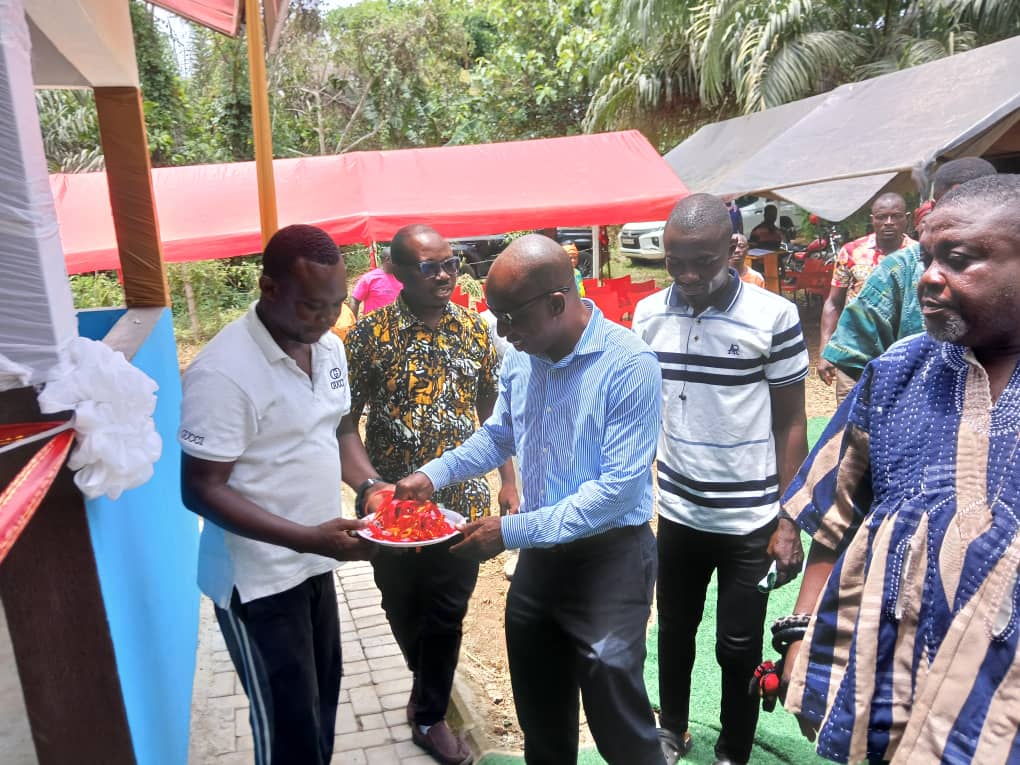
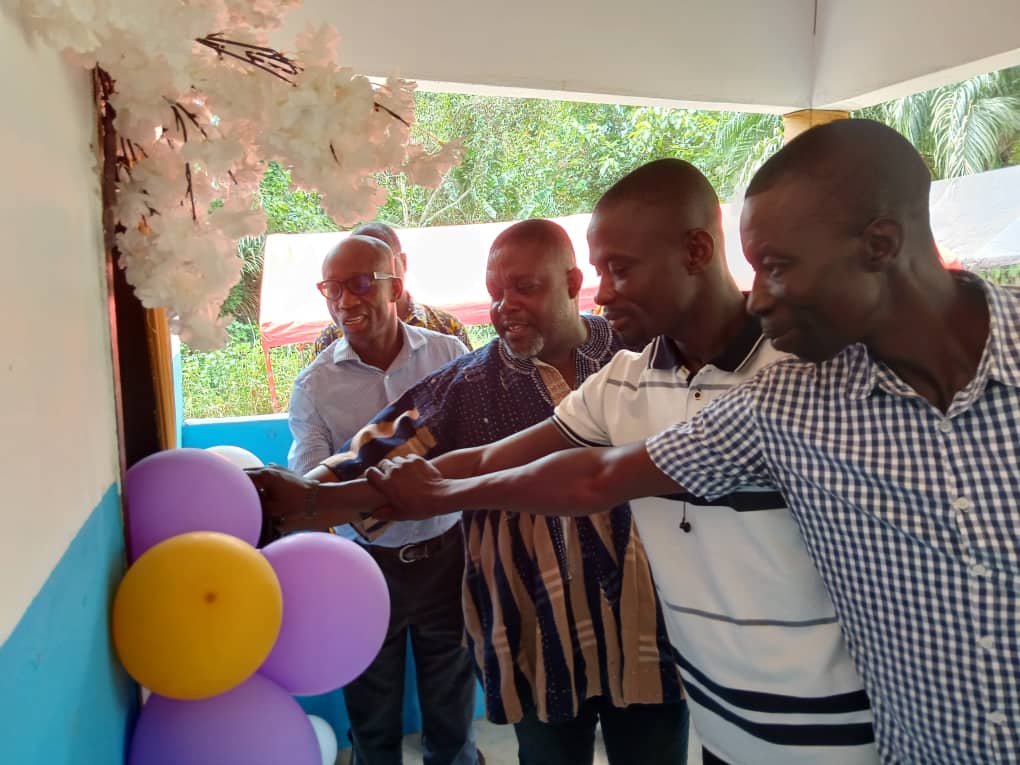
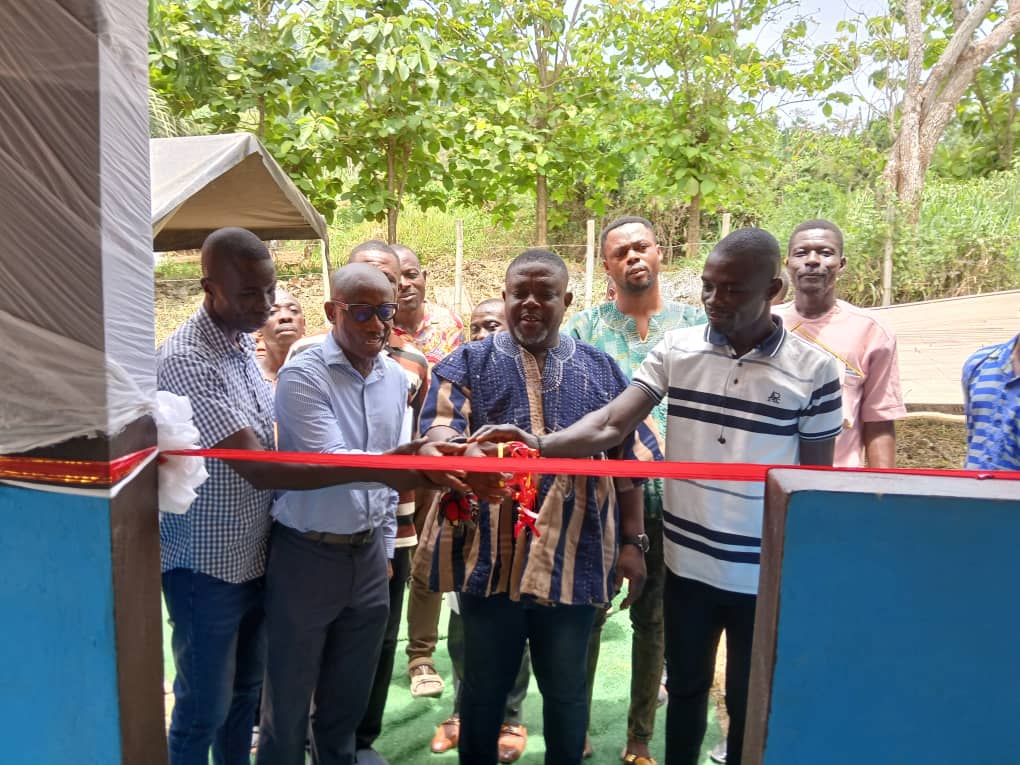
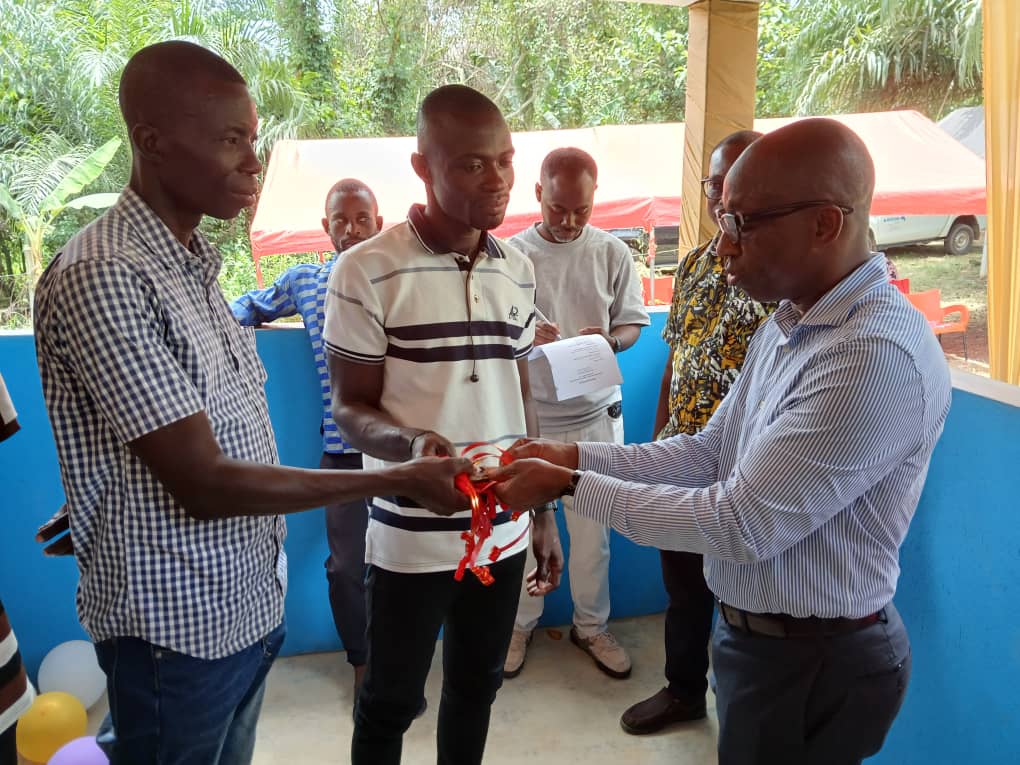
A Rocha Ghana (ARG), under the Econobio II Project, has taken a significant step in strengthening sustainable livelihoods and community-led conservation with the inauguration of two storage facilities in the Atewa landscape.
The newly commissioned warehouses, located at Odumase in the Atewa CREMA and Akyem Pabi in the Ayensuano CREMA, are designed to support the storage and preservation of dried products, helping farmers maintain quality, reduce post-harvest losses, and improve their market value.
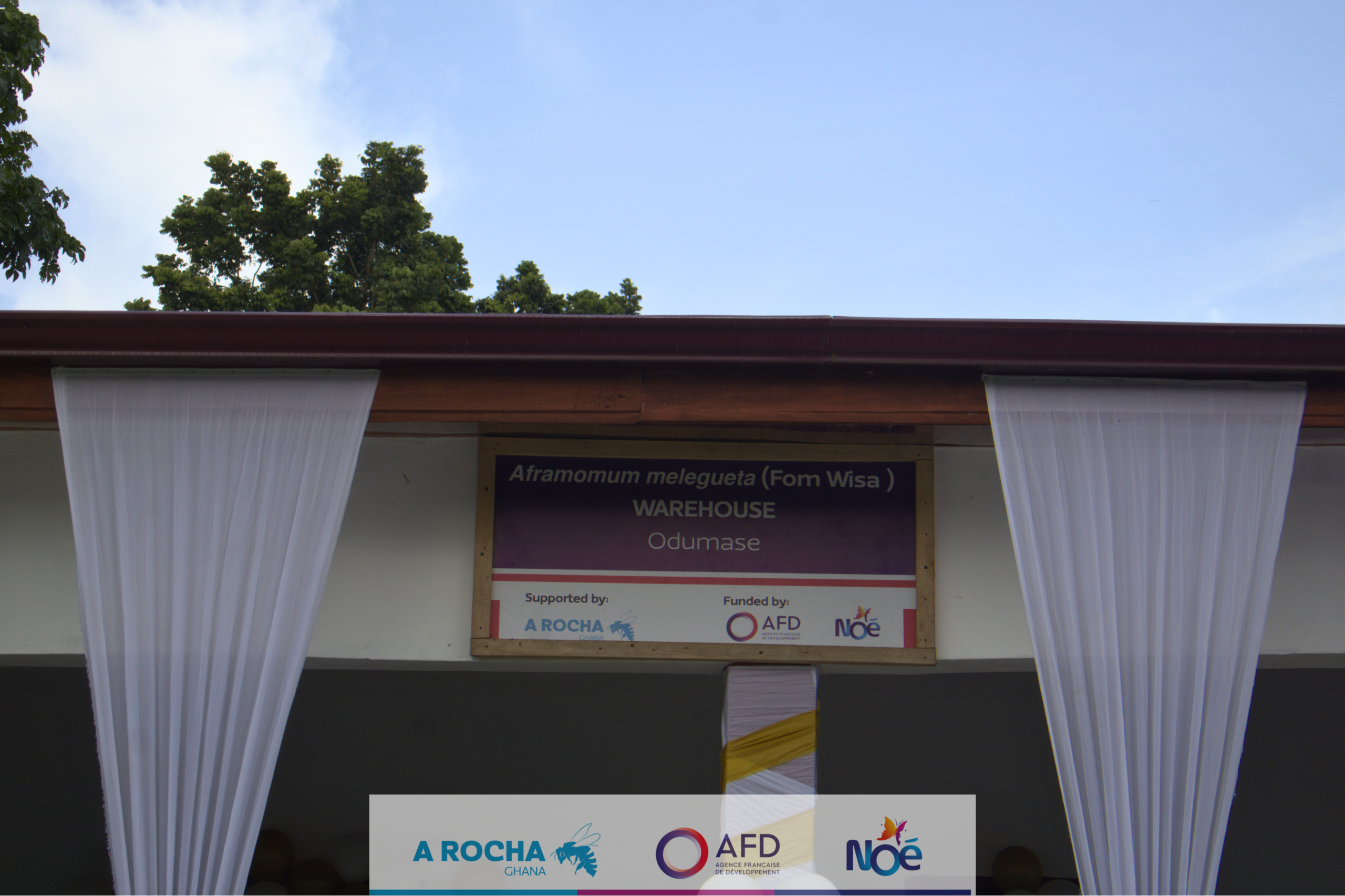
These facilities form part of ARG’s Green Livelihood Development initiative, which focuses on providing high-value alternative livelihood opportunities for communities while reducing pressure on forest resources.
Empowering Communities Through Infrastructure
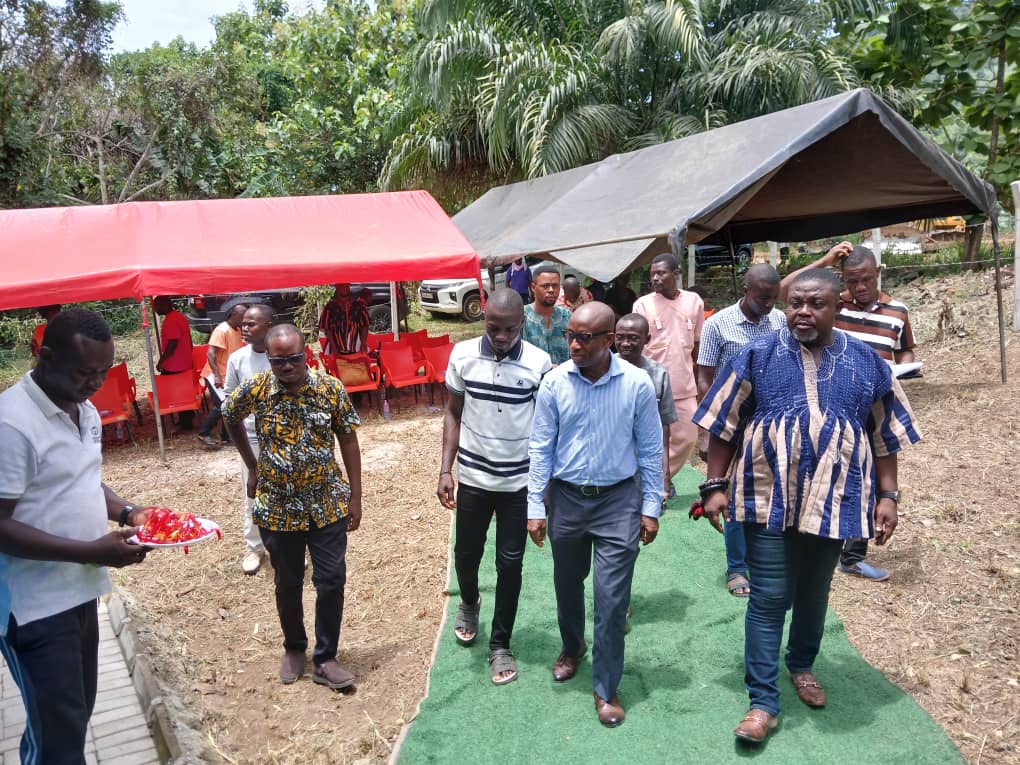
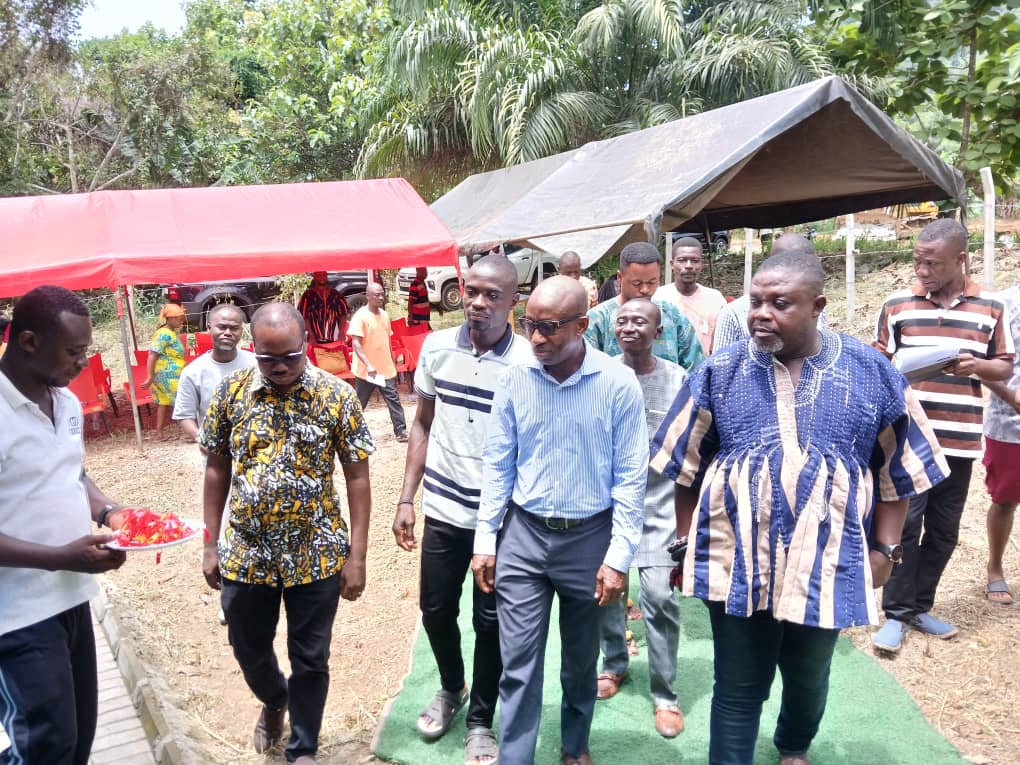
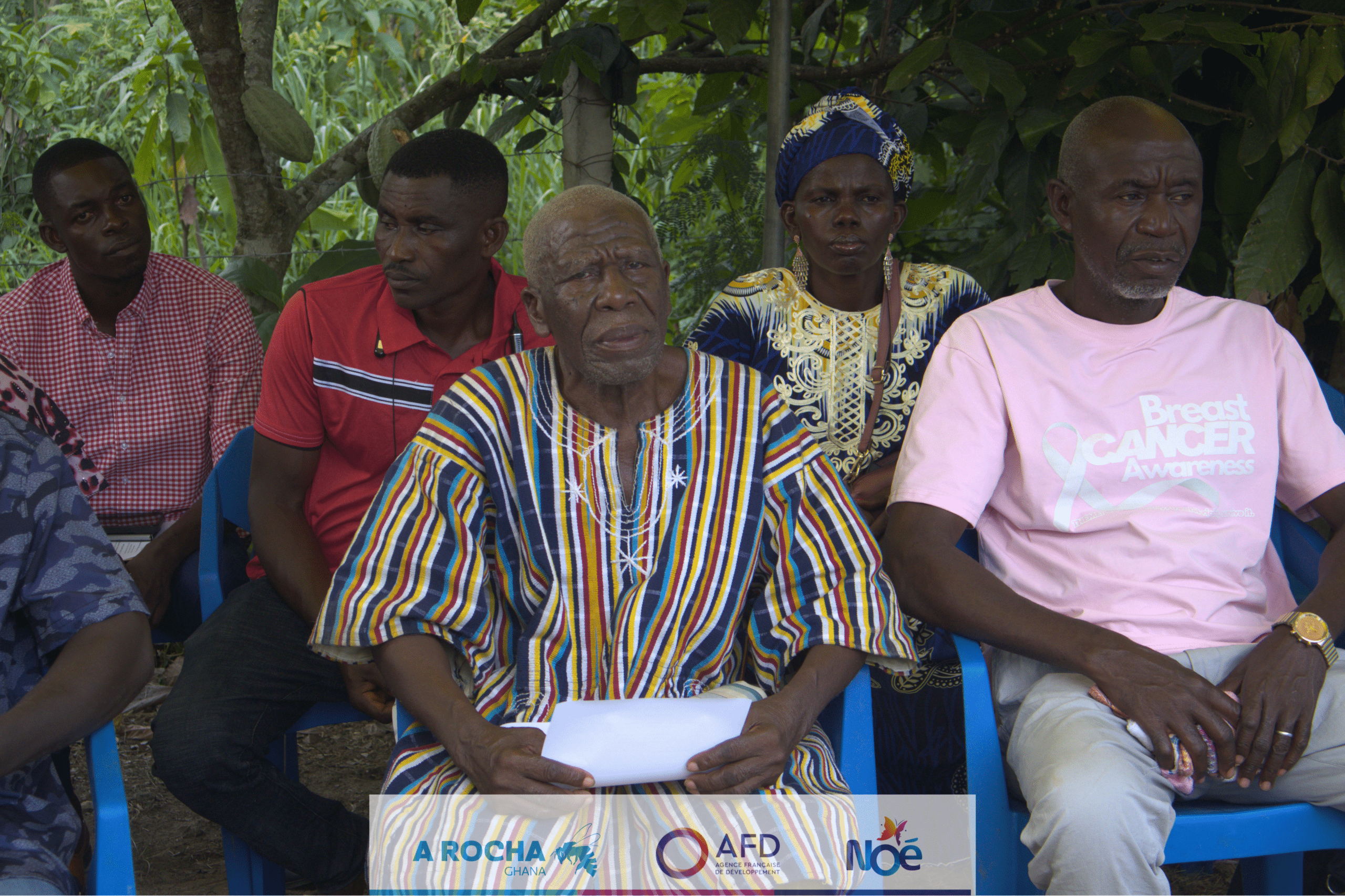
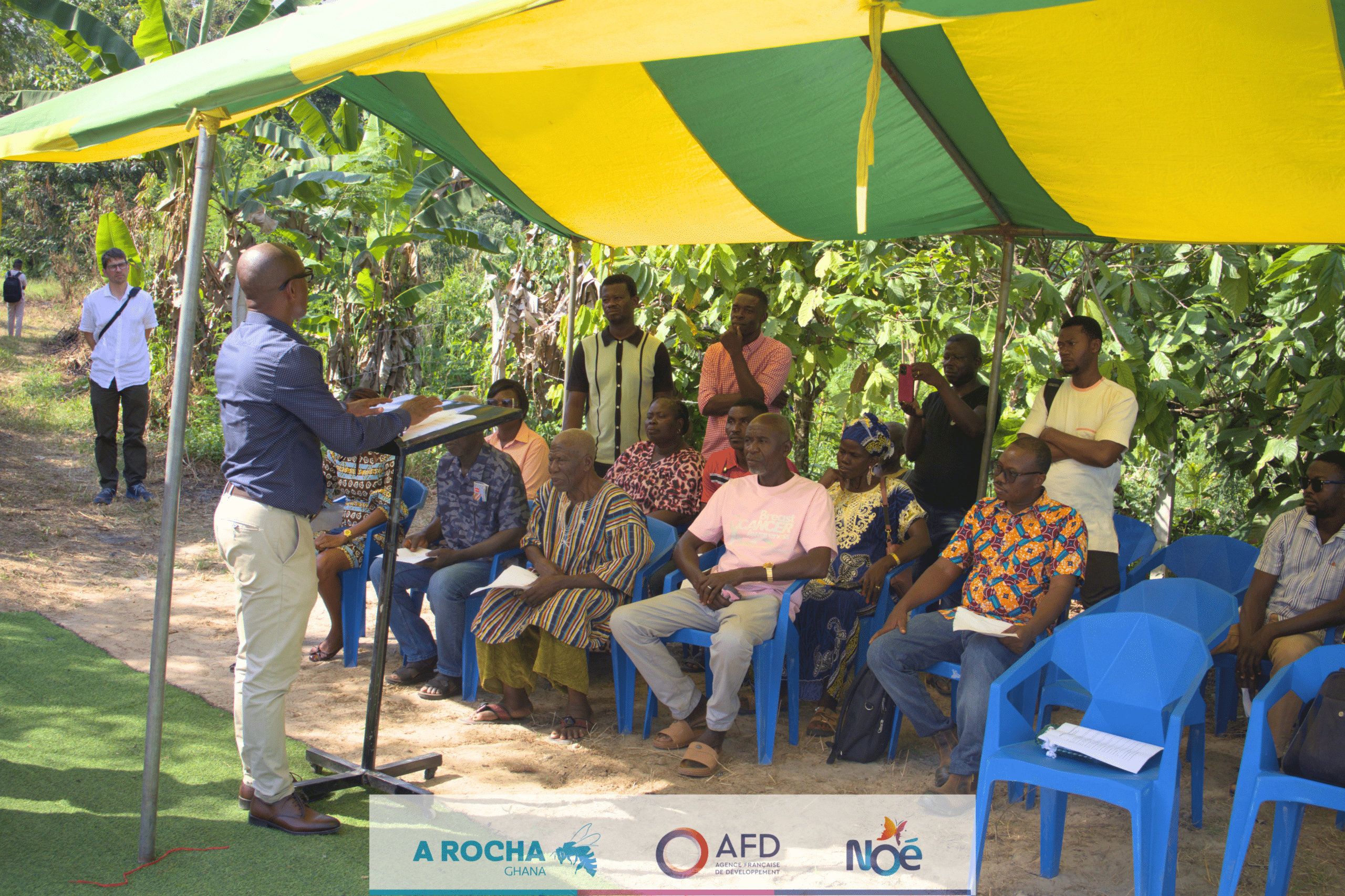
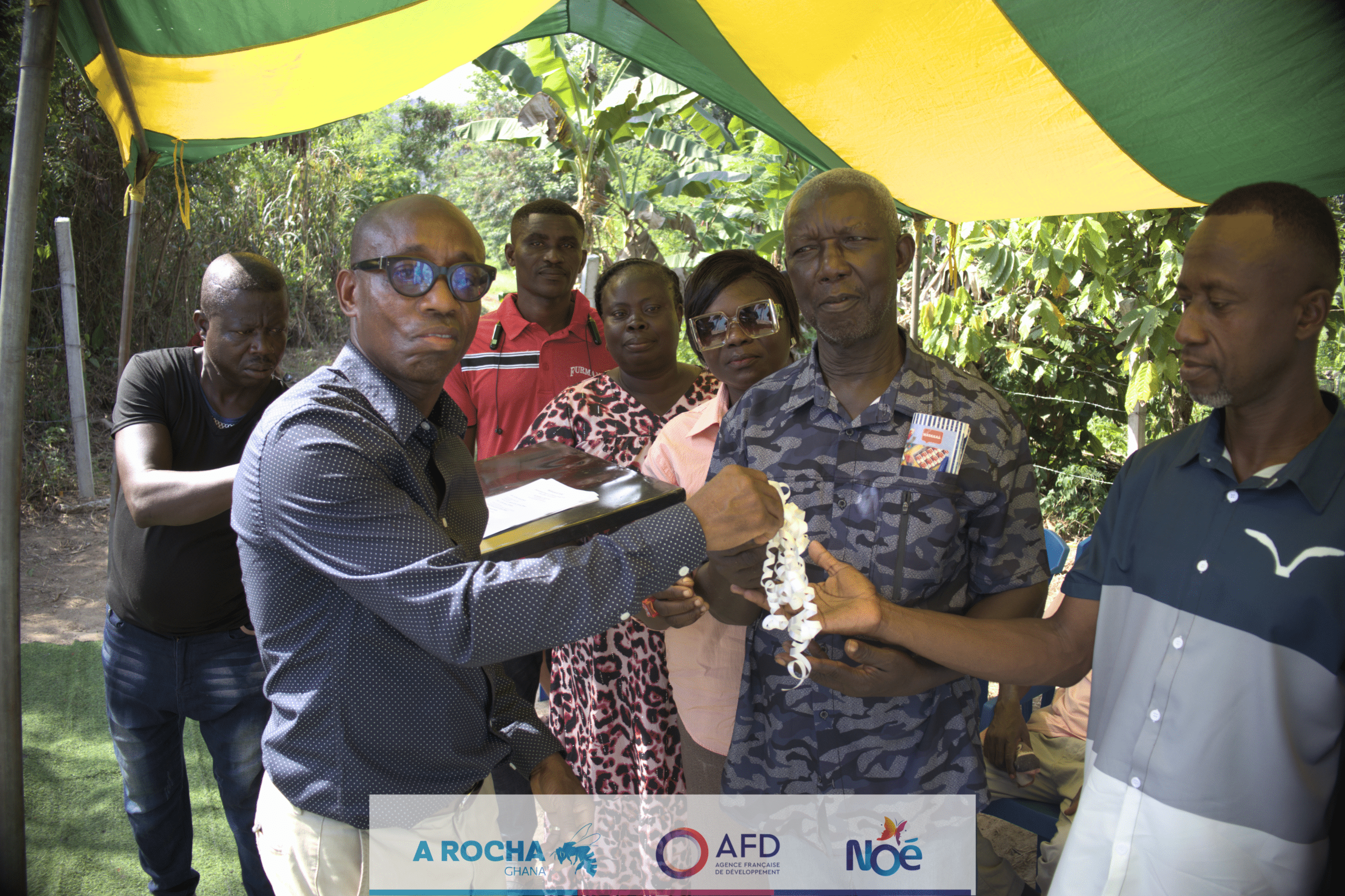
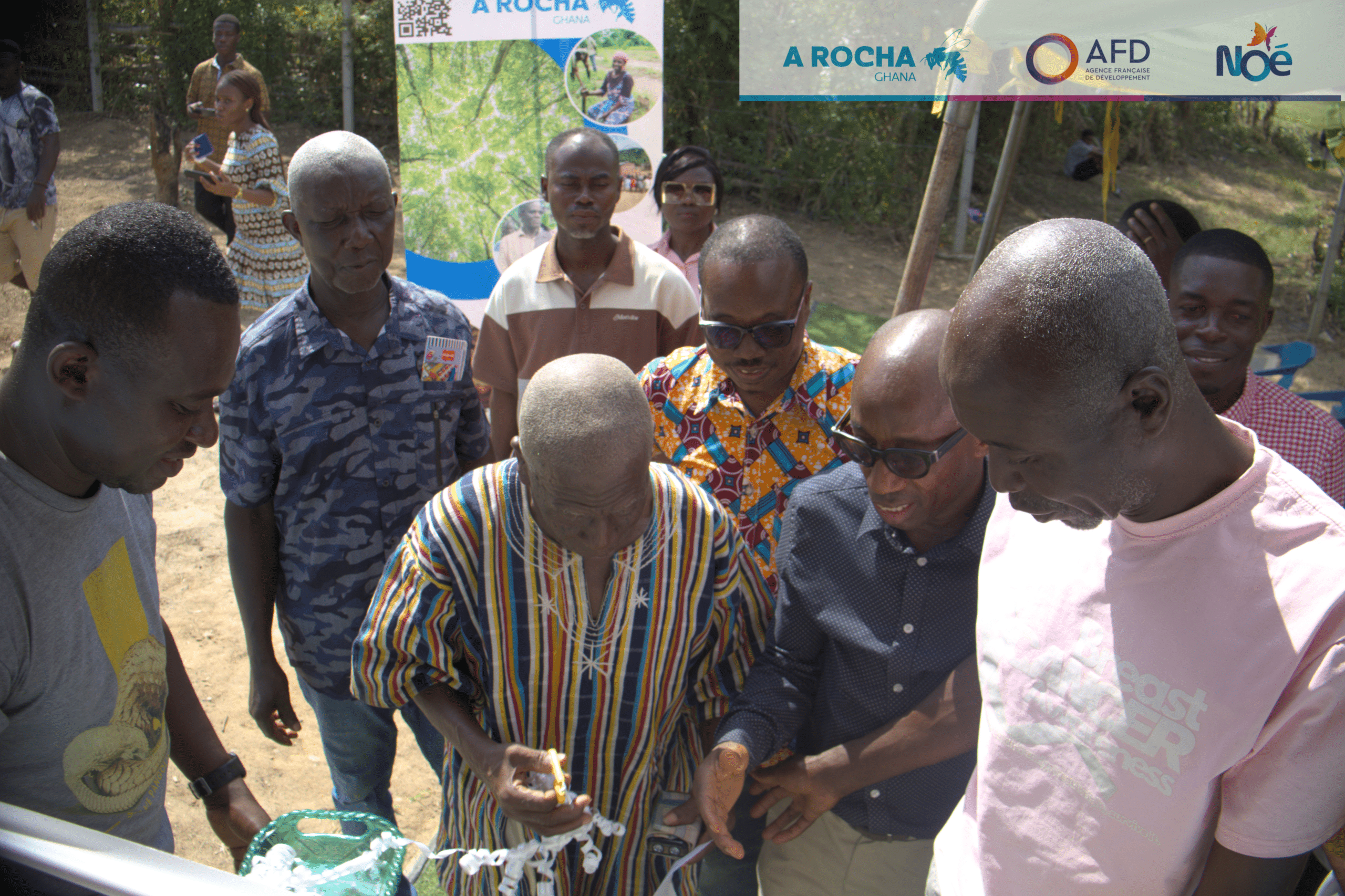
The inauguration ceremonies brought together community members, traditional authorities, CREMA executives, and project partners, marking a shared commitment to sustainable development.
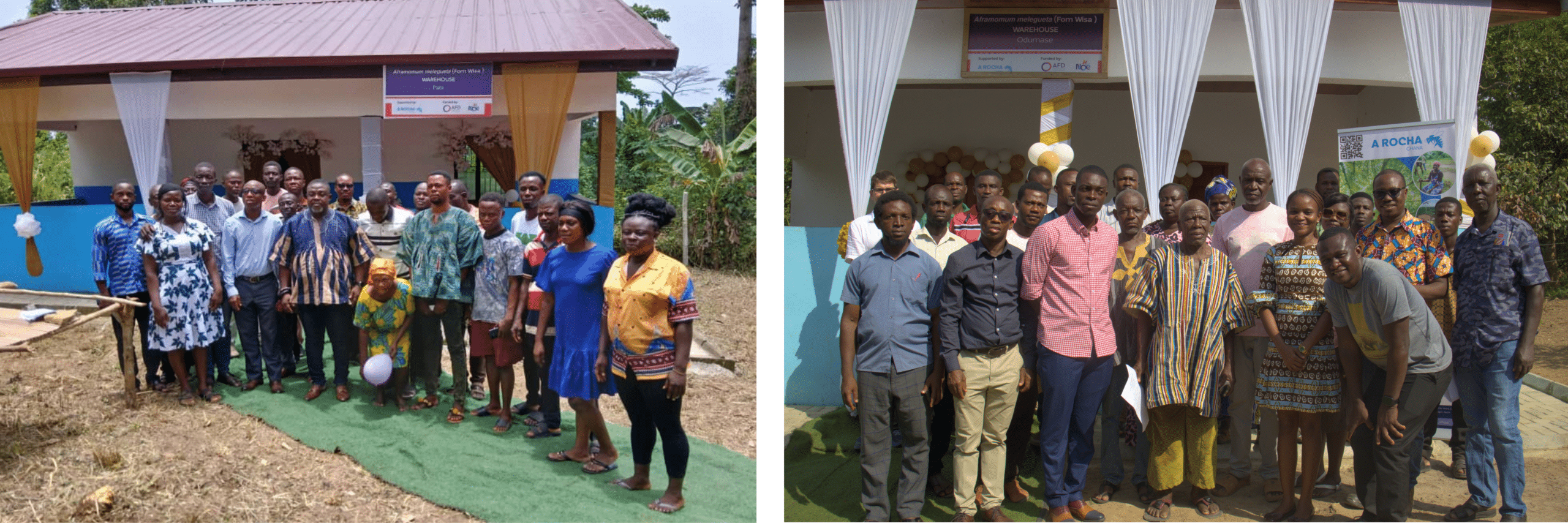
To ensure effective management and long-term sustainability, the CREMA Executive Committees have established dedicated Facility Management Committees. These committees are responsible for overseeing the use, maintenance, and accountability of the facilities, reinforcing local ownership and strengthening governance structures within the CREMAs.
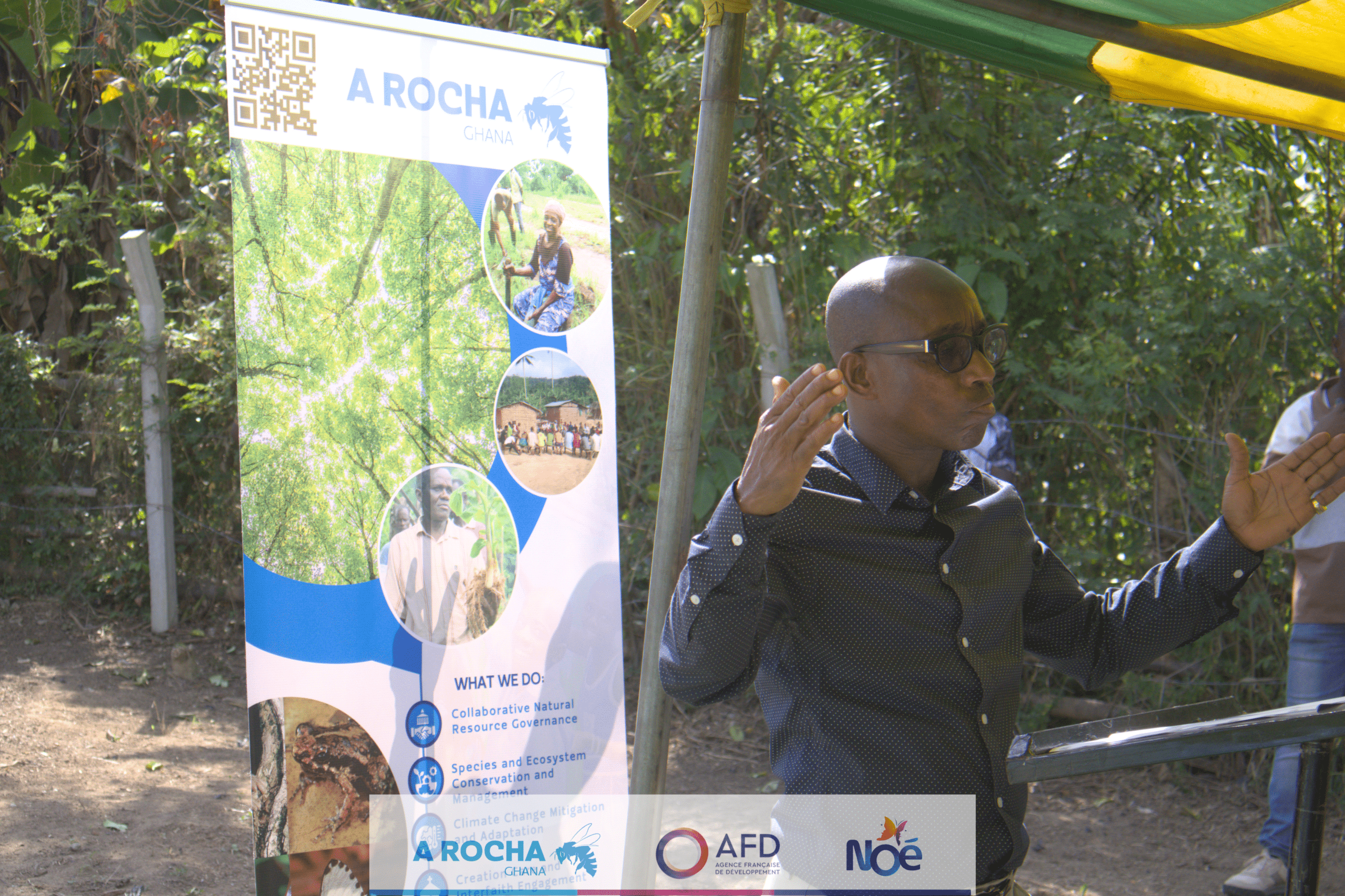
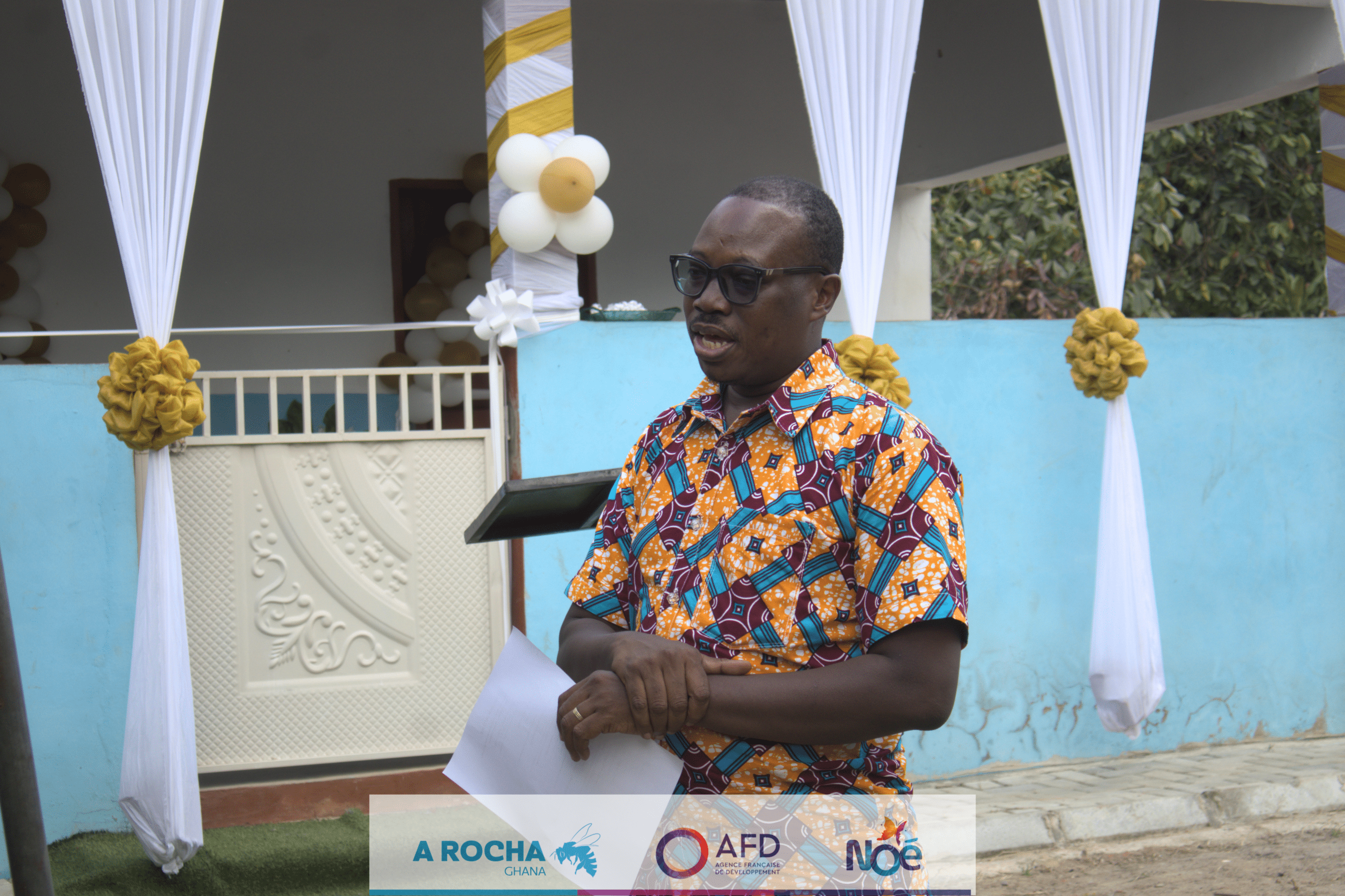
At the inauguration of the facilities, the National Director of A Rocha Ghana, Dr. Seth Appiah-Kubi, reiterated the importance of the project and the need for proper management of the facilities to ensure long-term benefits. He encouraged communities to take collective responsibility for maintaining the infrastructure, noting that its success will depend on their commitment and stewardship.
Driving Sustainable Livelihoods and Conservation
Since 2023, ARG has supported 373 farmers across 26 communities within three CREMAs through the distribution of 59,050 seedlings. These efforts are helping diversify income sources while contributing to landscape restoration and biodiversity conservation in the Atewa Range.
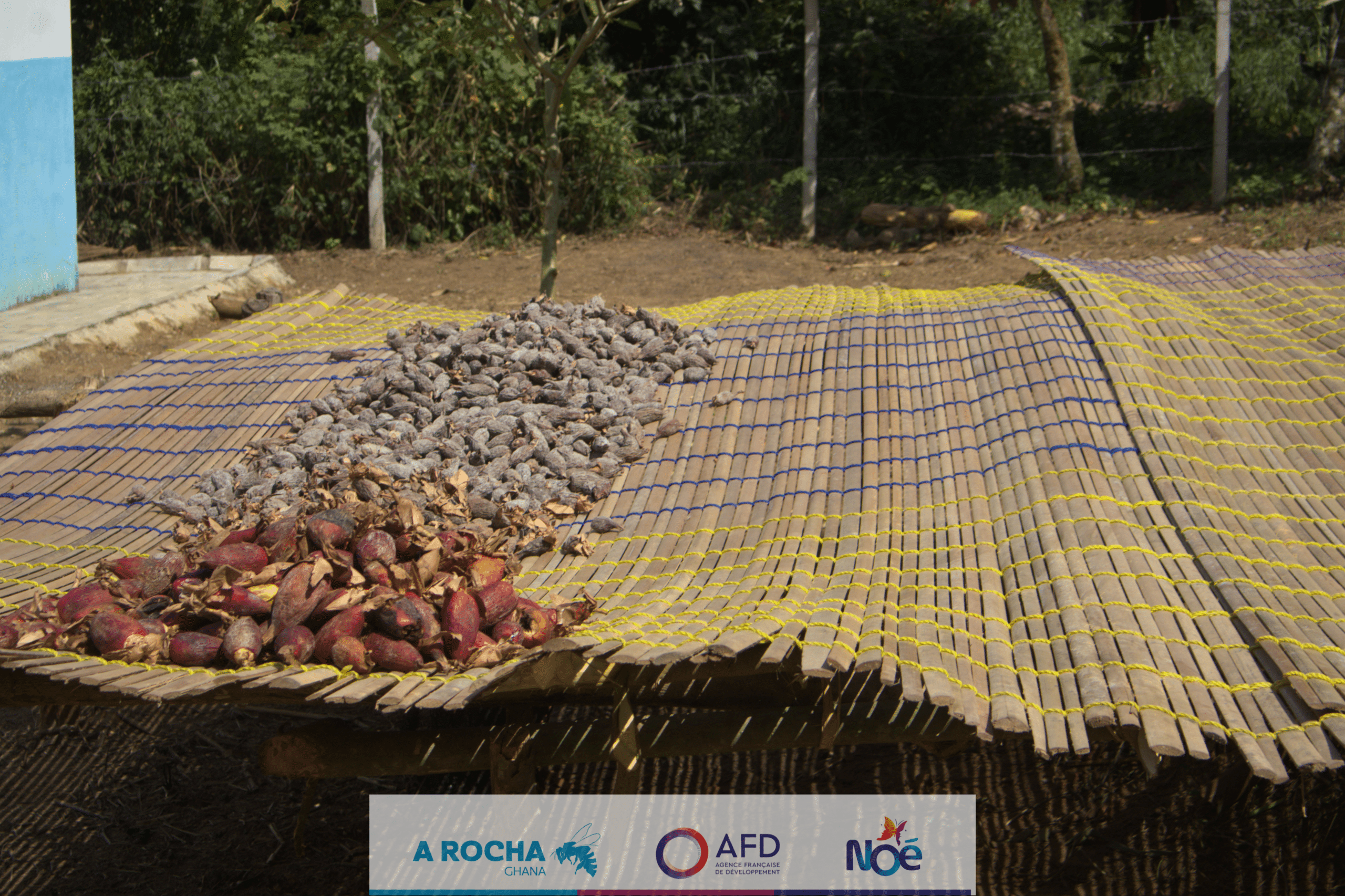
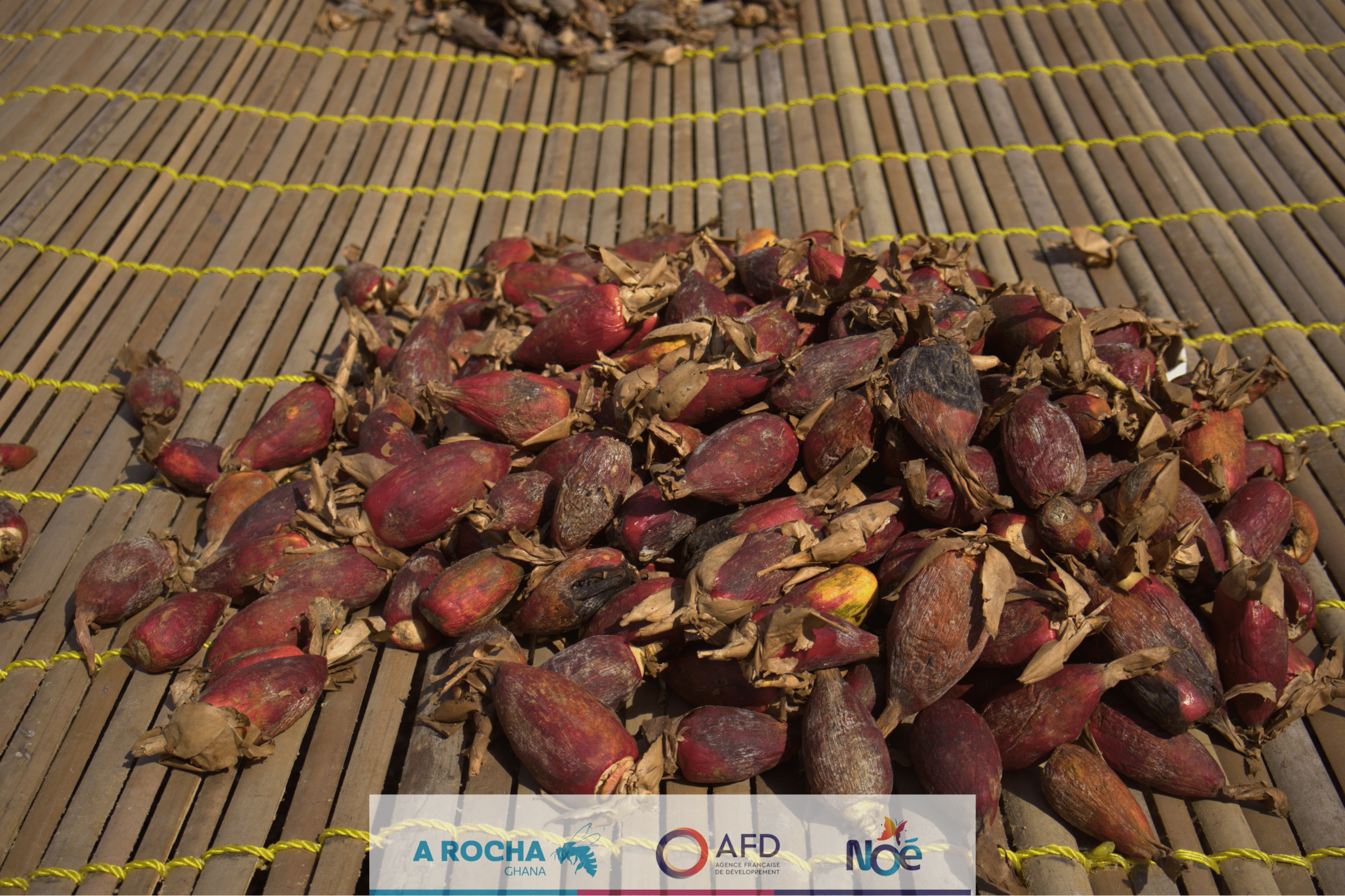
A key focus of the initiative is the promotion of Aframomum cultivation outside forest areas. As a high-value West African spice, Aframomum presents a viable income opportunity for farmers while reducing reliance on forest extraction.
So far, approximately 17,000 Aframomum seedlings have been raised in collaboration with Noé through the CSIR-Plant Genetic Resources Research Institute, with 42,050 raised by ARG’s Nursery workers, thus supporting farmers to adopt more sustainable and climate-resilient practices.
“These facilities are not just for storage. They are a foundation for building stronger livelihoods and adding value to what communities produce.”
Looking Ahead: Expanding Value Addition Opportunities
Building on the success of the newly inaugurated storage facilities, A Rocha Ghana is taking deliberate steps to move beyond storage into value addition.
The current facilities are designed not only for storage but also to support proper drying and handling of produce. Farmers can bring both fresh and dried Aframomum to the facility, where designated drying areas ensure that products are properly processed before being stored under appropriate conditions.
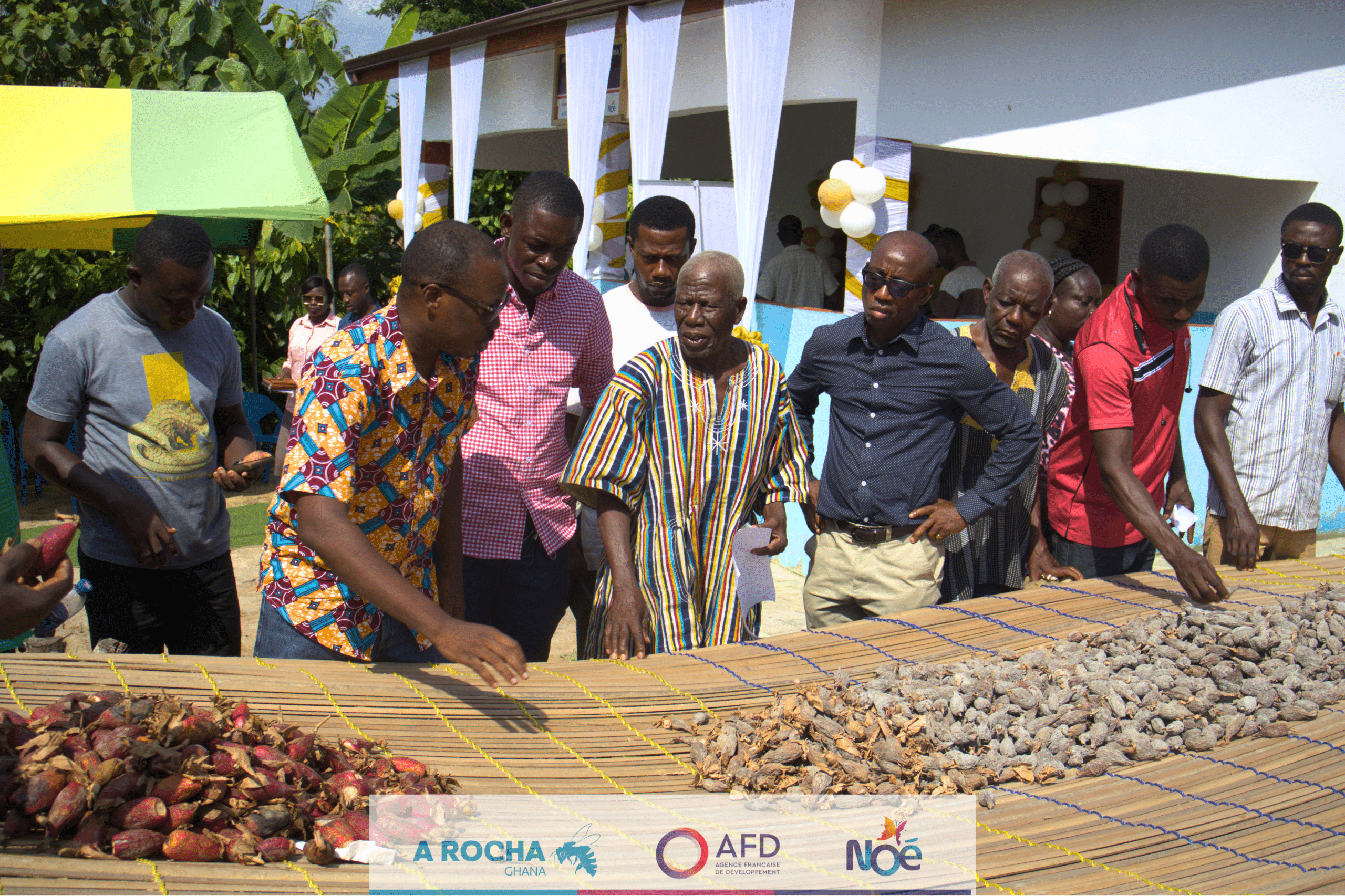
The next phase of the initiative will focus on establishing a processing facility close to the existing warehouses. This facility will enable the transformation of raw Aframomum into higher-value products such as powder and paste, rather than selling it in its raw form.
This shift toward value addition is expected to significantly increase income for farmers while strengthening the overall value chain. Instead of simply storing produce for sale, communities will be able to process and supply semi-finished products to off-takers.
This approach enhances product value, creates additional employment opportunities, and ensures that communities capture greater economic benefits.
A Landscape Worth Protecting
The Atewa Range Forest, part of the Upper Guinean Forest and a critical water source for over five million Ghanaians, remains under threat from illegal activities. Through the Econobio II Project, ARG is working closely with communities to demonstrate that economic development and environmental protection can go hand in hand.
Funded by the Agence Française de Développement and implemented in partnership with Noé, the project is also equipping communities with innovative tools such as SMART technology to monitor biodiversity and track the health of flora and fauna.