
-
Landmark conservation initiative uncovers potential new species, restores more than 66,000 threatened trees, and empowers communities to safeguard one of Ghana’s most important forests.
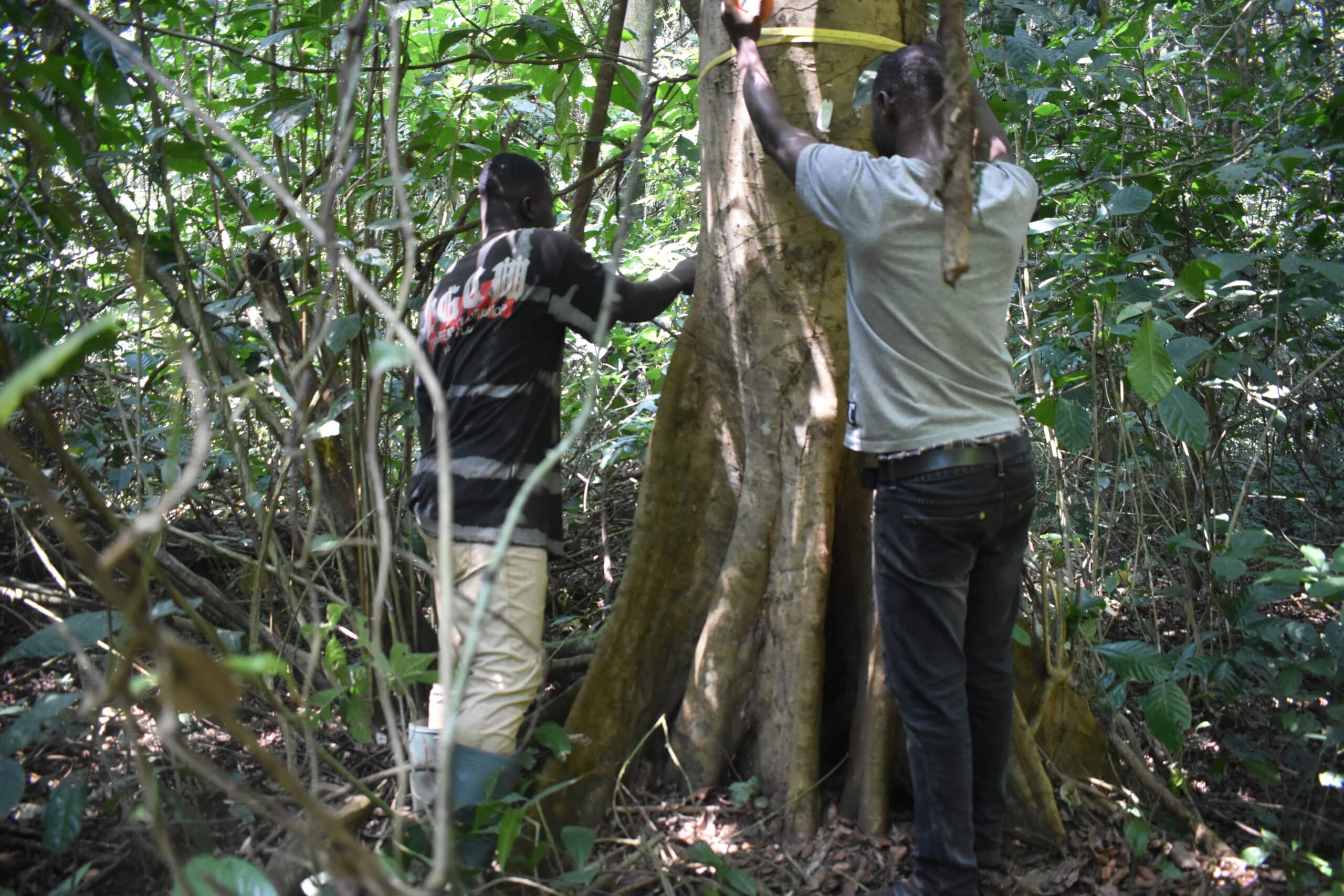
New scientific discoveries and conservation achievements from Ghana’s Atewa Forest are reinforcing calls for the long-term protection of one of the country’s most important biodiversity hotspots.
A three-year conservation initiative led by A Rocha Ghana in partnership with the CSIR-Plant Genetic Resources Research Institute (CSIR-PGRRI) has generated groundbreaking knowledge on Ghana’s threatened tree species, documented plant species potentially new to science, restored more than 66,000 tree seedlings, and equipped local communities with the skills to protect some of the country’s rarest forest ecosystems.
Supported by Fondation Franklinia, the project demonstrates how science, local stewardship and strategic partnerships can work together to conserve biodiversity of global significance.
Often described as the ecological heart of southern Ghana, Atewa Forest is one of only two remaining Upland Evergreen Forests in the country and supports approximately 40 percent of Ghana’s threatened and near-threatened tree species.
Beyond its remarkable biodiversity, the forest protects the headwaters of major river systems that supply clean water to millions of Ghanaians, making its conservation vital for both nature and people.
Over the course of the initiative, researchers and conservation practitioners focused on conserving globally threatened tree species including Pericopsis elata, Omphalocarpum ahia, Tieghemella heckelii, Cola reticulate, Pavetta mollissima, Allophylus samoritourei, Eugenia spp. and Cola boxiana.
Researchers also developed propagation protocols for threatened tree species, established flowering and fruiting calendars to guide future restoration efforts, strengthened seed collection and nursery practices, and established a herbarium that will continue supporting scientific research and conservation long after the project’s completion.
“This project has shown that conserving threatened tree species is about much more than planting trees. It is about generating the scientific knowledge needed to recover species on the brink of extinction, empowering communities to become custodians of their natural heritage, and protecting ecosystems that sustain both biodiversity and human well-being. Atewa Forest is one of Ghana’s greatest natural assets, and the evidence generated through this partnership reinforces why its protection remains so important.”—Seth Appiah-Kubi, National Director-A Rocha Ghana
The project also strengthened collaboration between scientists, government institutions and local communities, creating a model for science-led conservation in Ghana. Community monitors continue to track the growth and health of threatened tree species, while the scientific data generated through the project will contribute to future conservation planning, restoration initiatives and global assessments of threatened plant species.
“The propagation techniques, seed biology studies and phenological data generated through this project provide an important scientific foundation for conserving Ghana’s threatened tree species. This knowledge will support restoration efforts well beyond Atewa and contribute to the global effort to prevent plant extinctions.” — Dr Edmund Owusu, CSIR-Plant Genetic Resources Research Institute
While the project has demonstrated what is possible through collaboration, the partners caution that Atewa Forest continues to face pressure from illegal mining, habitat degradation and other human activities that threaten its unique biodiversity. Continued investment in science, stronger forest protection and sustained community participation will be essential to secure the future of Ghana’s threatened tree species.
Why This Matters
Healthy forests are essential for clean water, climate resilience, biodiversity and sustainable livelihoods. The discoveries and conservation gains made through this initiative demonstrate that protecting threatened tree species is not only about preventing extinction; it is about safeguarding the ecological systems that support millions of people. As global biodiversity continues to decline, Atewa Forest stands as one of Ghana’s most important natural treasures and a powerful example of what can be achieved when science, communities and conservation partners work together.
About the Project
Strengthening Knowledge and Action on Atewa Forest’s Significance for Protecting Globally Threatened Tree Species, Critical Ecosystems and Ecosystem Service Provision was implemented by A Rocha Ghana in partnership with the CSIR-Plant Genetic Resources Research Institute (CSIR-PGRRI) with financial support from Fondation Franklinia. The initiative sought to strengthen scientific knowledge, improve propagation and restoration techniques for threatened tree species, and empower local communities to conserve the unique biodiversity of the Atewa Forest landscape.