
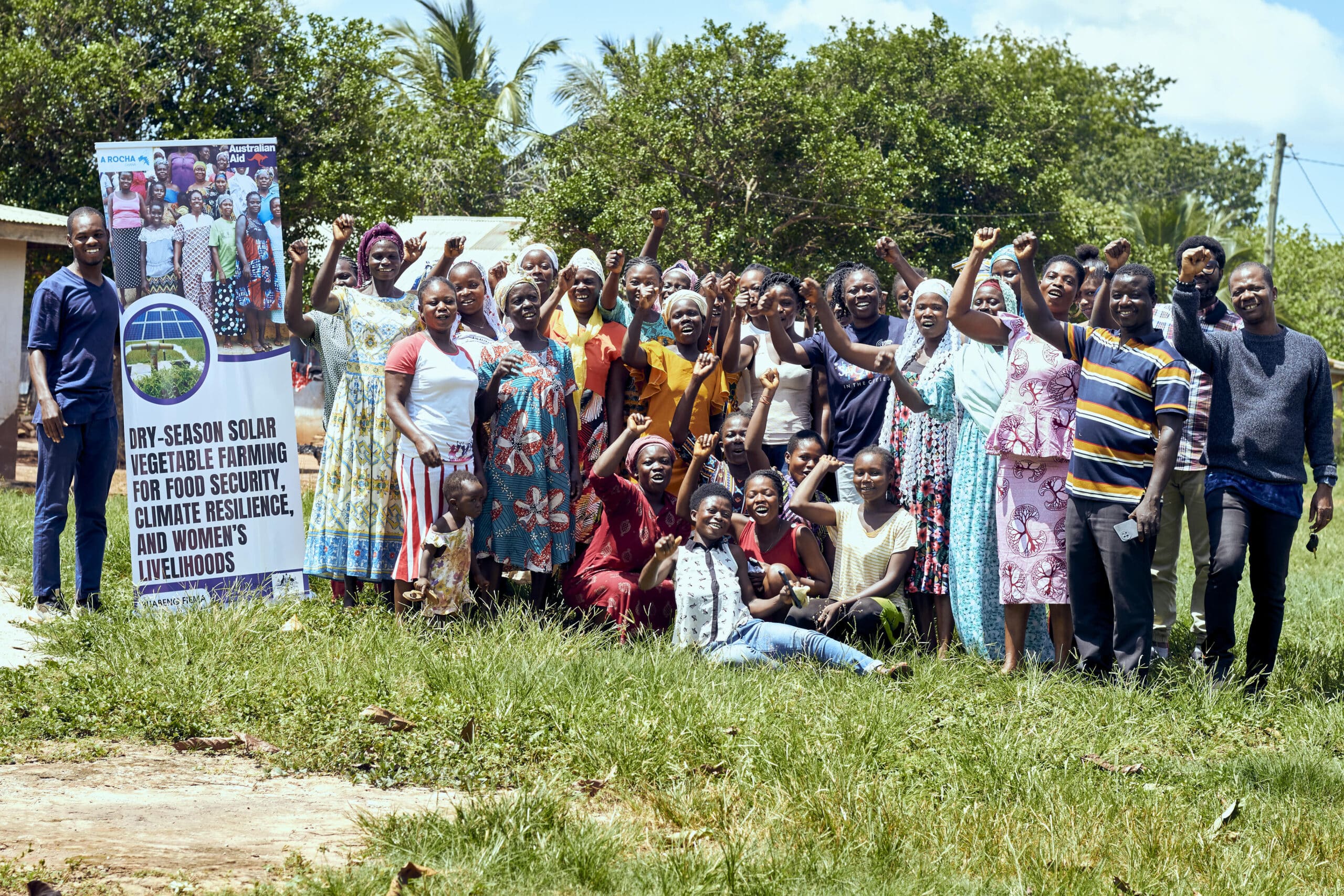
The Dry-season Solar Vegetable Farming for Food Security, Climate Resilience and Women’s Livelihoods project, also known as the DAP project in our Lake Bosomtwi Landscape, has successfully trained 30 women farmers in Vegetable Production and Agro-ecological Farming Practices.
In the heart of Buaben-Fiema, a vibrant community nestled among lush landscapes, these women gathered, each with a shared vision: to enhance their farming techniques and uplift their economic prospects through sustainable practices.
Over the course of two days, the women were equipped with basic techniques for vegetable crop production. Biochar production and application, Bio-pesticides and fertilizer formulation and application, among other climate-smart agricultural practices.
The start to vegetable farming
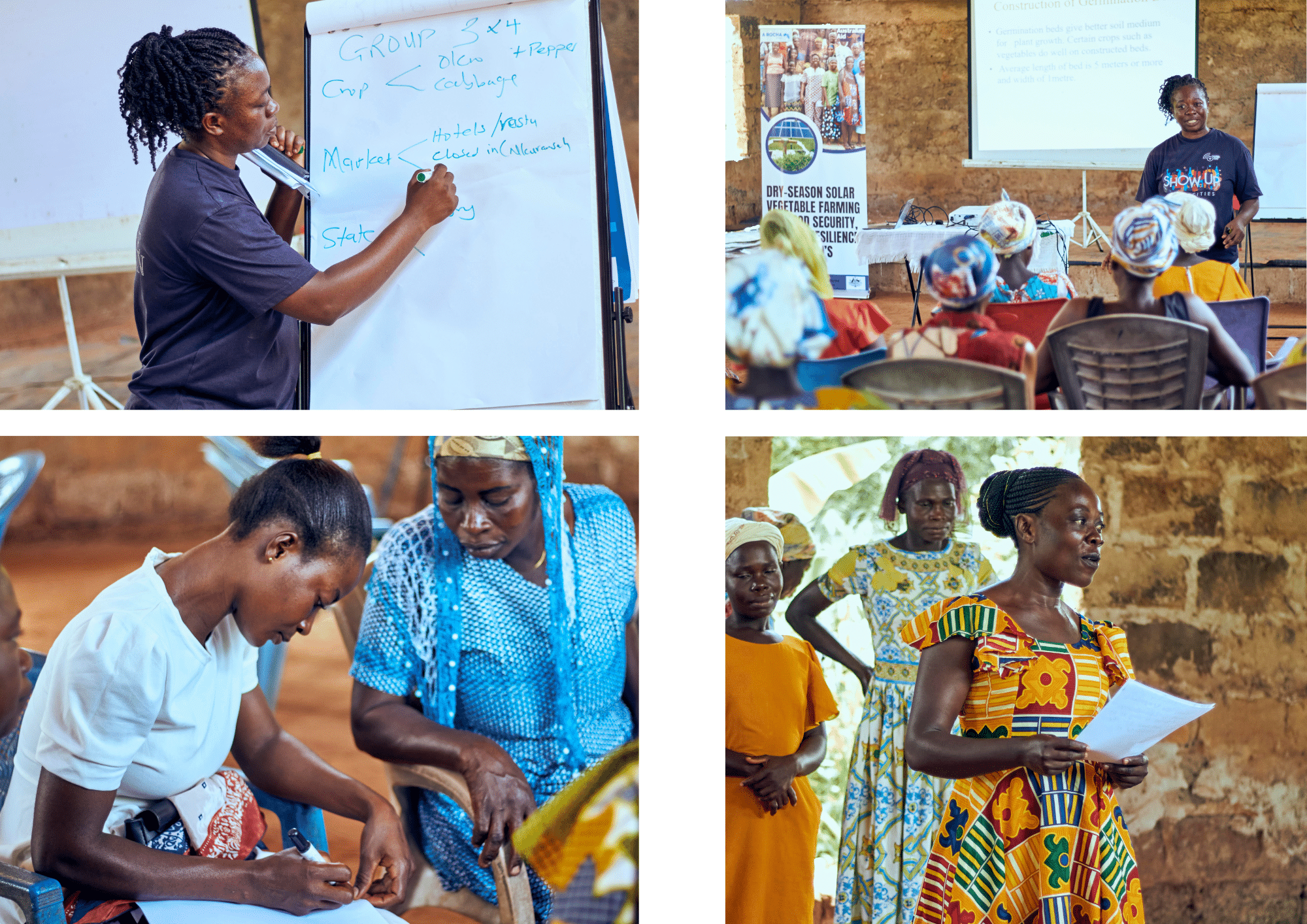
Guided by Mary Otiwaa Osei Asante, a passionate agronomist from the CSIR-Crops Research Institute of Ghana, the women explored how to select optimal sites for vegetable cultivation, focusing on vital factors like soil health, sunlight, and water availability. The training also included hands-on experience in establishing nurseries, mastering bed preparation, watering, and protecting seedlings from potential threats.
Soil enhancement
The training sessions emphasized sustainable transplanting techniques to minimize crop damage while ensuring timely growth. Participants were introduced to the world of pest management, learning about natural pesticides and the importance of crop rotation. Collaboration emerged as a key theme, with discussions highlighting how working together can enhance productivity, reduce costs, and improve access to resources.
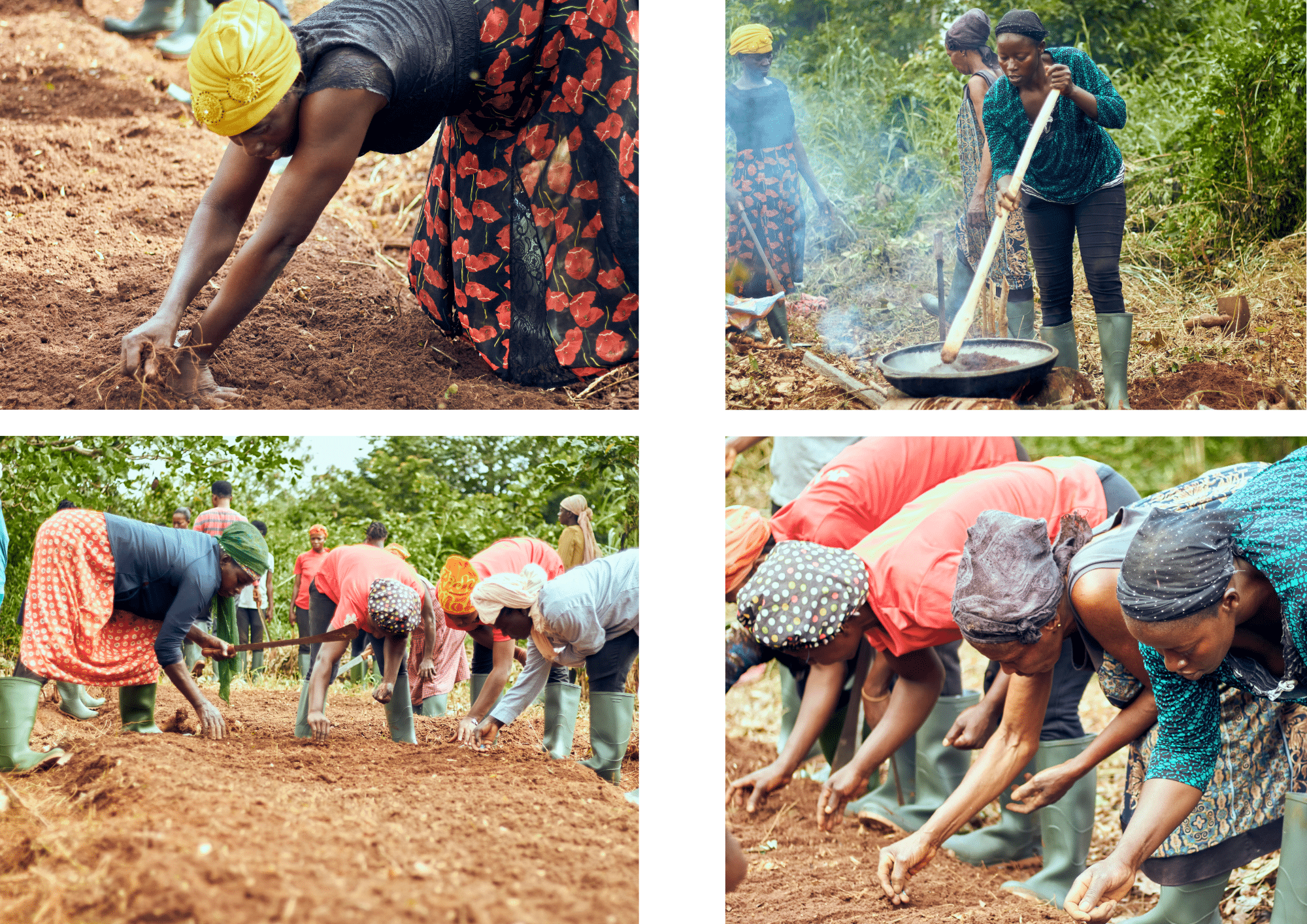
In a significant focus on soil enhancement, the women learned to produce biochar from organic waste, using locally sourced materials. This knowledge equips them to improve soil structure and nutrient retention, ultimately boosting crop yields in their vegetable beds.
Navigating Markets and Post-Harvest Success
Understanding seasonal trends and market demands was another crucial aspect of the training. Farmers gained insights on making informed decisions about planting, harvesting, and selling their produce. Post-harvest processing techniques, such as drying and marketing fresh vegetables, were discussed to align their efforts with market needs and storage capabilities.
The training underscored the power of unity among women farmers, encouraging them to pool resources, negotiate better prices, and enhance their collective marketing strategies. This collaborative approach not only strengthens their bargaining power but also increases profitability.
Equipped for Success
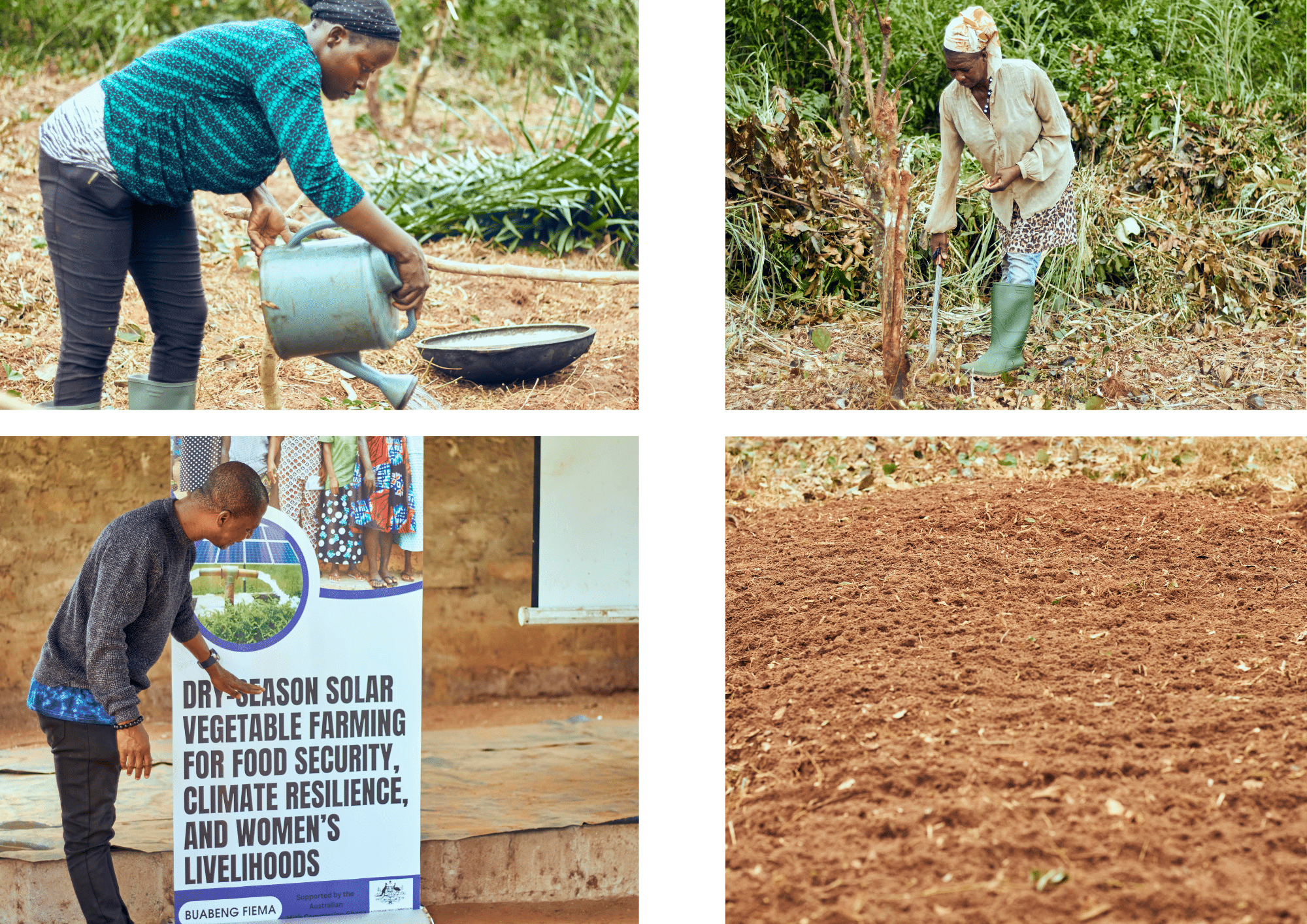
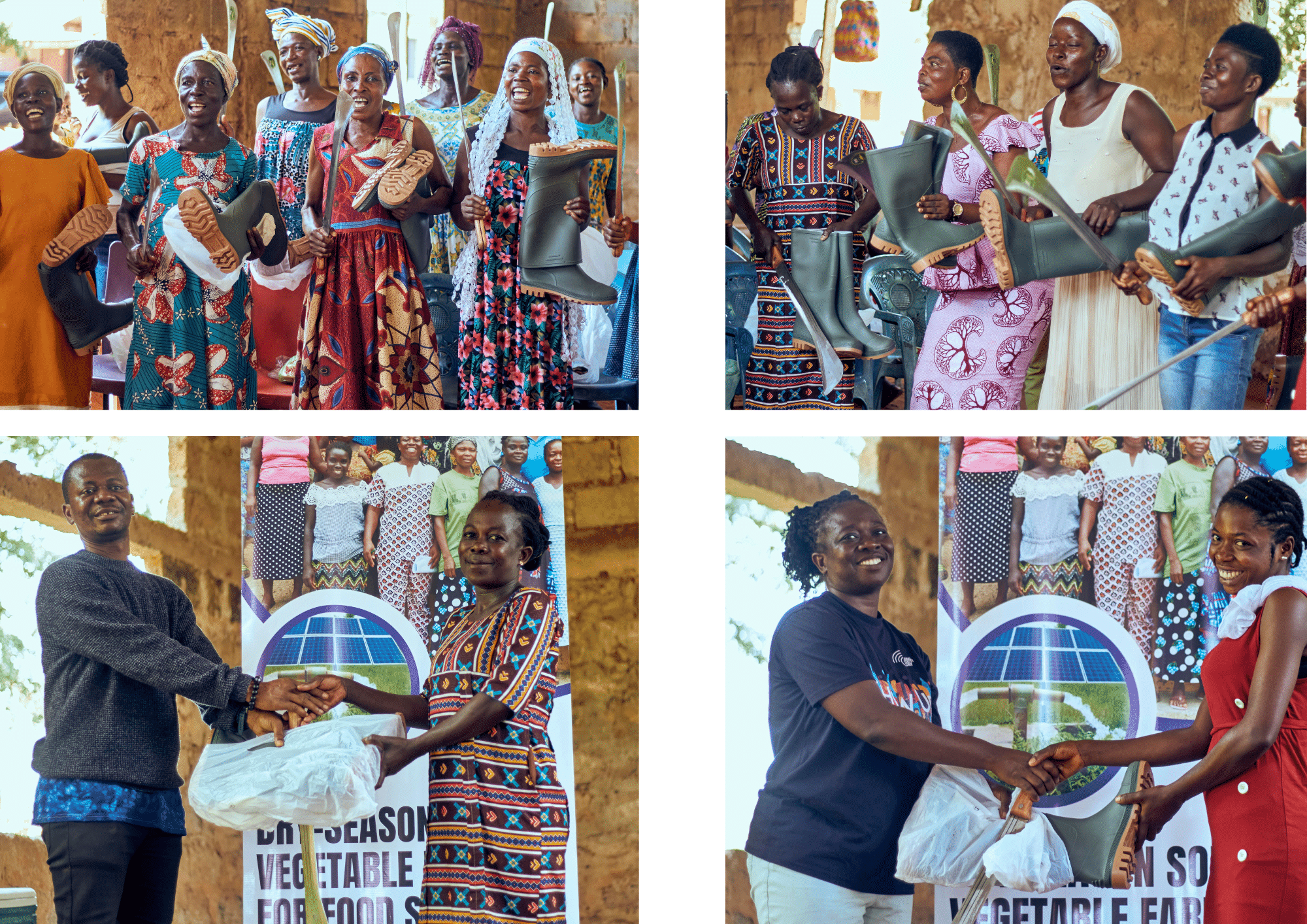
As the training concluded, participants received essential farm support equipment, including safety boots and watering cans—tools that symbolize their readiness to embark on their agricultural journeys. The women of Buaben-Fiema emerged not merely as participants but as empowered changemakers, equipped with practical skills and newfound confidence that will elevate their crop yields and strengthen their economic livelihoods.
A heartfelt thank you to Australian Aid, the Australian Embassy in Ghana, Buaben-Fiema Monkey Sanctuary, and CSIR for their unwavering support in making this transformative initiative a reality.