CEPF Project

Project Overview

The project, Supporting Community Resource Management Areas to strengthen their role in protecting the Atewa Forest, Ghana, will be implemented over 12 months (Nov 2024 – Oct 2025).

It focuses on empowering three Community Resource Management Areas (CREMAs) — Atewa, Atiwa West, and Ayensuano — to regulate forest activities, strengthen governance, and implement their management plans.

The project will provide CREMAs with legal backing (by-laws), biodiversity and water quality data, river maps, and monitoring skills to support advocacy, awareness raising, and sustainable management of the Atewa Forest.

Overall Objective

To strengthen the role of CREMAs in protecting and sustainably managing the Atewa Forest through governance tools, scientific evidence, advocacy, and community-based monitoring.

Specific Goals

Support the three CREMAs in developing and implementing by-laws for forest protection.

Provide CREMAs with evidence (biodiversity data, water quality monitoring, river maps) for advocacy and awareness raising.

Build CREMA capacity for biodiversity monitoring and restoration of rare/threatened tree species.

Increase local and national awareness on the importance of Atewa Forest and mobilize support for its protection.

Strengthen A Rocha Ghana’s institutional capacity for evidence-based advocacy and impact sharing.


Key Components of the Project

  1. Legal Empowerment: Support CREMAs to establish and enact bylaws regulating forest use.
  2. Evidence Generation: Extract, analyse, and map biodiversity and water quality data, particularly the state of Atewa’s rivers.
  3. Community Advocacy: Use evidence for awareness creation and stakeholder advocacy for stronger forest protection, including an upgrade to National Park status.
  4. Biodiversity Monitoring: Train CREMA teams to monitor geotagged rare/threatened tree species and replant as needed.
  5. Awareness Creation: Organize community durbars, roadshows, and World Forest Day events to raise awareness of forest protection.
  6. Organizational Capacity Building: Develop A Rocha Ghana’s (ARG) impact database to share project outcomes widely.
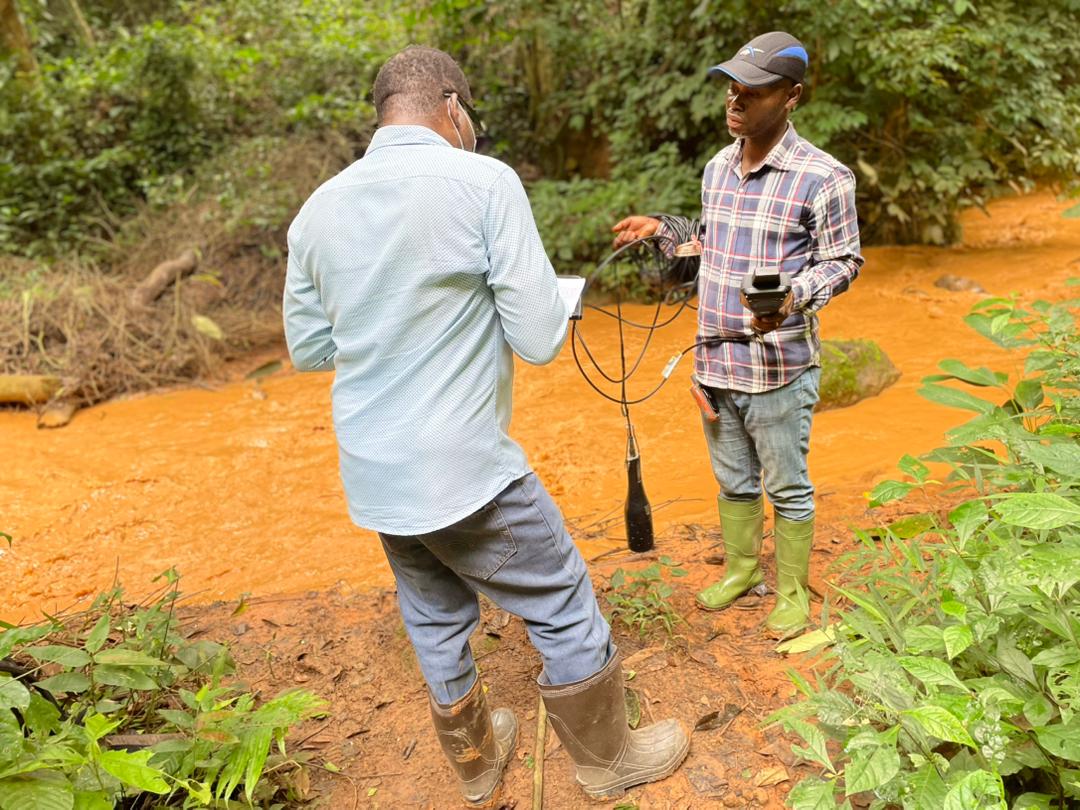
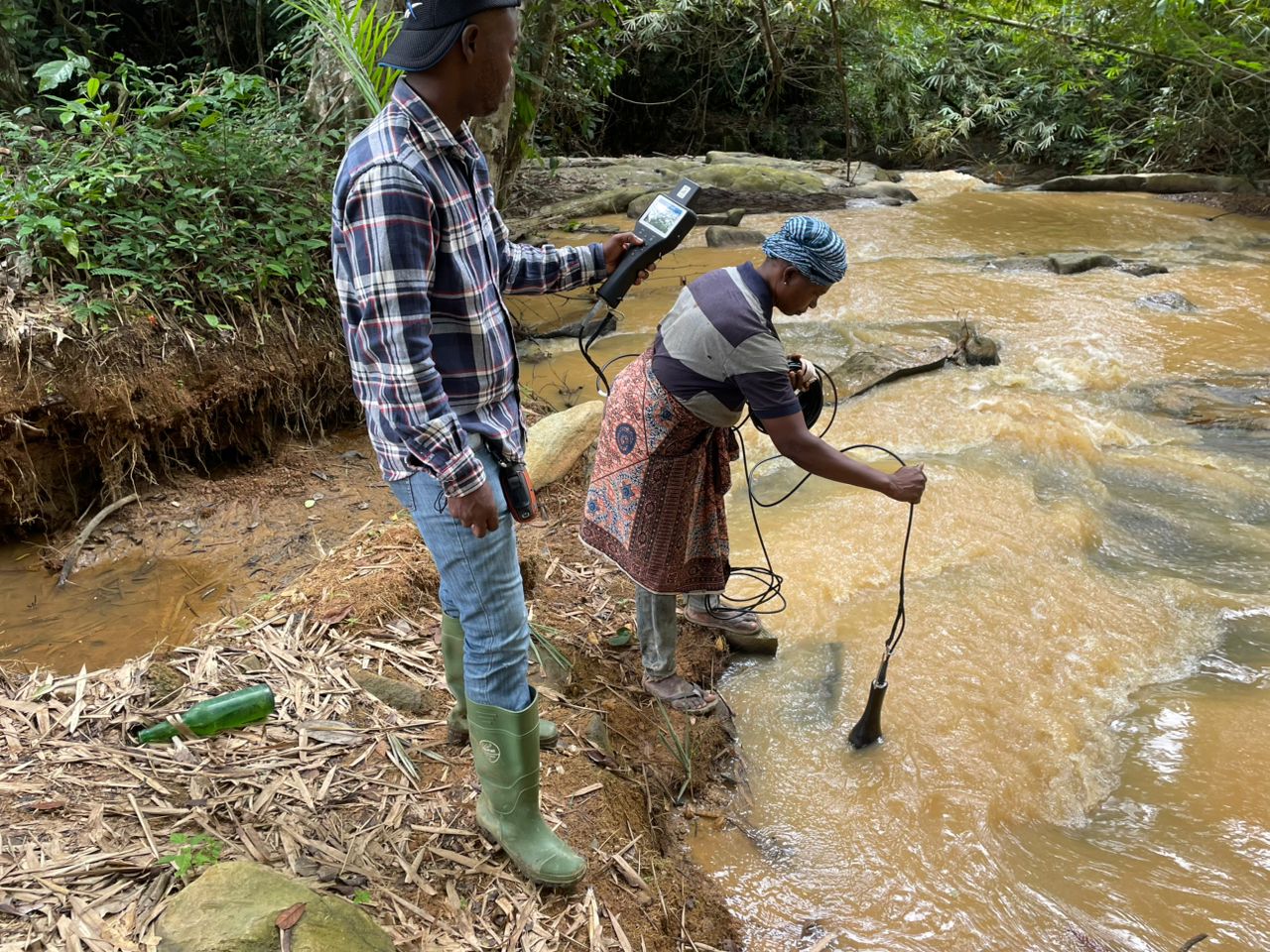
Testing water quality to assess the ecological health of the Densu, Ayensu, Birim, and Wankobe rivers.
New beginnings at the community tree nursery with the sowing of Omphalocarpum ahia (Dua Pompo) and Oubaka aubrevillei (Odi) seed

Expected Results

  • Three CREMA by-laws enacted.
  • Biodiversity and water quality data analysed; state of Atewa’s rivers mapped; report prepared.
  • CREMAs use evidence in at least three advocacy meetings with forest sector stakeholders.
  • CREMAs organize awareness events (World Forest Day, community durbars).
  • 36 field visits completed by CREMA teams to monitor geotagged rare/threatened trees, with replanting where needed.
  • One ARG impact database developed, shared online, and updated regularly

See project progress reports

  1. Quarter One (1)
  2. Quarter Two (2)
  3. Quarter Three (3)
  4. Tree Phenology Chart 2024-2025
  5. Atewa CEPF Impact Database

Project Duration: 12 Months
Funded by: The Critical Ecosystem Partnership Fund (CEPF)

Implementing Partner: A Rocha Ghana