BRACE_Logo_Final_Approved-01

Building Stronger Voices for Safeguards in Ghana’s Extractive Landscapes

Across Ghana’s extractive landscapes, the need for stronger environmental governance and community resilience has never been more urgent.

Under the Building Resilient and Active Communities in Extractive Landscapes (BRACE) Project, a recent Third Party Finance Assessment set out to identify civil society organisations (CSOs) best positioned to drive meaningful change and sustain the gains achieved by the project over the years. These gains include strengthened community voices in natural resource governance, improved advocacy for responsible mining practices, and growing collaboration between civil society, communities, and decision-makers to protect biodiversity and livelihoods.

The assessment was designed not just as a selection process, but as a strategic step toward strengthening local action. It evaluated organisations based on their capacity, experience, financial systems, and alignment with BRACE’s core goal of promoting sustainable and equitable natural resource governance.

Identifying Champions for Sustainable Minerals Governance

In the area of sustainable minerals governance, the assessment spotlighted organisations with a strong track record in advocacy, policy engagement, and biodiversity conservation.

Groups such as COMPAD GH, the Africa Centre for Environment and Energy Sustainability (ACEES), and Concerned Citizens of the Atewa Landscape (CCAL) emerged as key actors. Their work reflects a deep commitment to ensuring that extractive activities do not come at the expense of ecosystems or community well-being.

These organisations bring more than experience. They bring influence. With established connections to communities and policymakers, they are well placed to lead dialogue, promote accountability, and push for responsible resource management.

Strengthening Community Leadership in CREMA Landscapes

Equally critical is the role of communities themselves. Within Ghana’s Community Resource Management Areas (CREMAs), local stewardship remains a powerful tool for conservation.

The assessment identified Eco Trend Foundation Ghana and The Resource Foundation Ghana as strong partners in this space. Both organisations have demonstrated the ability to work closely with communities, supporting the implementation of CREMA management plans and promoting sustainable livelihoods.

Their work will help ensure that conservation efforts are not only effective, but also community driven and locally owned.

A Foundation for Impact

The outcome of this assessment goes beyond a shortlist. It lays the groundwork for a coordinated, high impact approach to environmental governance in Ghana’s extractive regions.

By selecting organisations with the right mix of technical expertise, local presence, and community trust, the BRACE Project is investing in solutions that are both practical and sustainable.

At its core, this effort is about people. Communities equipped to protect their environment, organisations empowered to advocate for change, and partnerships that turn vision into action.
2

BRACE Trains Over 100 Participants In Land Rights, Extractive and Environmental Laws

In August, the BRACE project in Ghana launched a series of training sessions to disseminate knowledge and awareness to several stakeholders on natural resource governance and environmental rights protection in the extractives sector.

The trainings, conducted in the Eastern, Western, and Ashanti regions, attracted over 100 participants from approximately 63 target groups across more than 100 diverse mining communities. The main goal was to empower them to support sustainable practices and uphold accountability in the extractive industries.

Led by legal experts from Merton & Everette LLP, the workshops aimed to enhance target stakeholders’ knowledge in extractive sector local and international policy and legal frameworks, skills in evidence gathering, advocating for environmental rights, and ensuring accountability for environmental breaches.


Training Models

During the training, a variety of topics were covered, including national and international legislation and mechanisms that protect environmental rights and other human rights such as the constitution of Ghana, UN Resolutions of Human Rights to a Healthy Environment, the right to Free Prior Informed Consent (FPIC), and methods for effective advocacy and negotiation.

While issues of licensing were addressed, trainers also took time to discuss people’s rights to compensation when lands and resources will be or have been damaged by mining.

They further took participants through the roles and responsibilities of Ghana’s duty bearers and regulatory agencies like the Commission on Human Rights and Administrative Justice (CHRAJ); Forestry Commission (FC); Environmental Protection Agency (EPA); Minerals Commission amongst others in upholding and defending human rights and in ensuring good environmental management and natural resource governance.

Attendees were schooled on organizing a peace protest, obtaining information, and requesting a town hall meeting. The training referred to these as Avenues for Collective Action.

Interactive sessions and role-playing exercises were incorporated to ensure the practical application of the theoretical knowledge gained. These activities helped participants develop confidence in their newfound skills and prepared them to face real-world challenges effectively.

Now equipped with knowledge, these community members understand the importance of their consent for any projects impacting their lands, resources, and livelihoods.


Participants

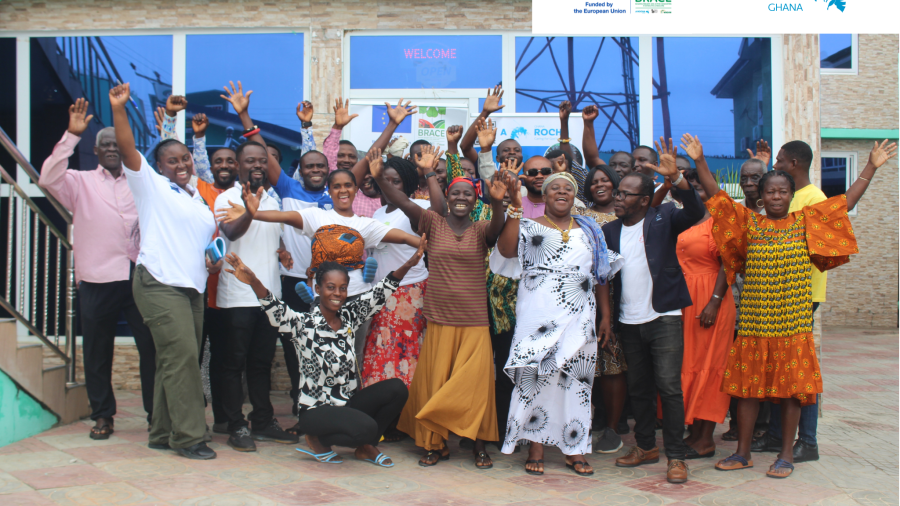
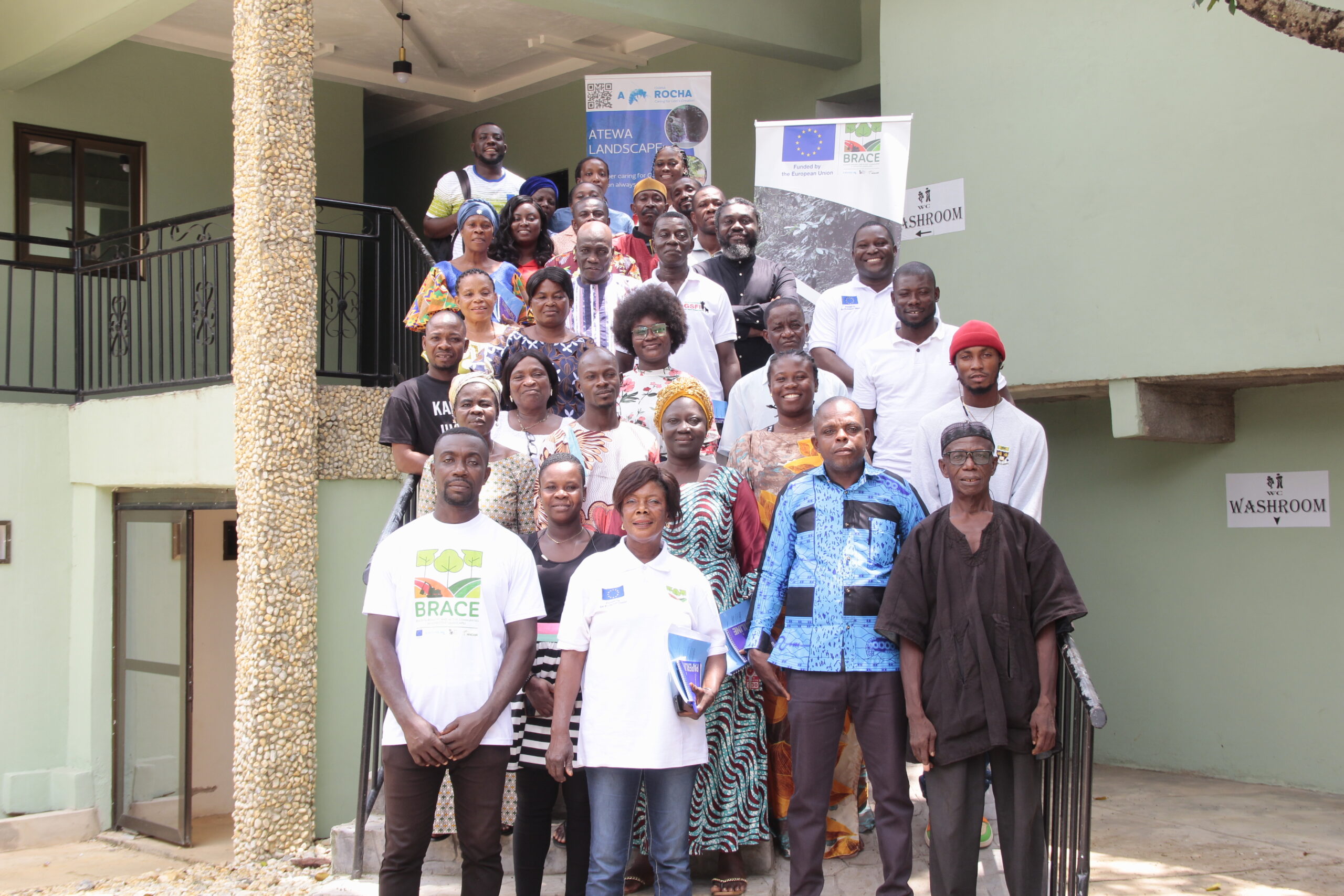
Participants were drawn from major target groups from the BRACE target regions and communities. They included members of the traditional council, youth leaders, women’s groups, the media, NGOs/CBOs amongst others.

Participants shared their experiences and insights, fostering a strong sense of solidarity and mutual support among the various communities represented. The workshop also provided a platform for networking and collaboration, encouraging the formation of alliances to strengthen collective efforts in environmental advocacy.

As the workshop concluded, there was a palpable sense of optimism and determination. Community leaders expressed their gratitude for the opportunity to learn and grow, vowing to return to their communities with renewed vigor and a clear action plan.

The success of the BRACE Project training was a testament to the power of knowledge empowerment and collective action in driving positive change.

The groundwork laid by this workshop has set the stage for a brighter future where environmental rights are respected, and local voices are heard and heeded.


A Need to Join Forces

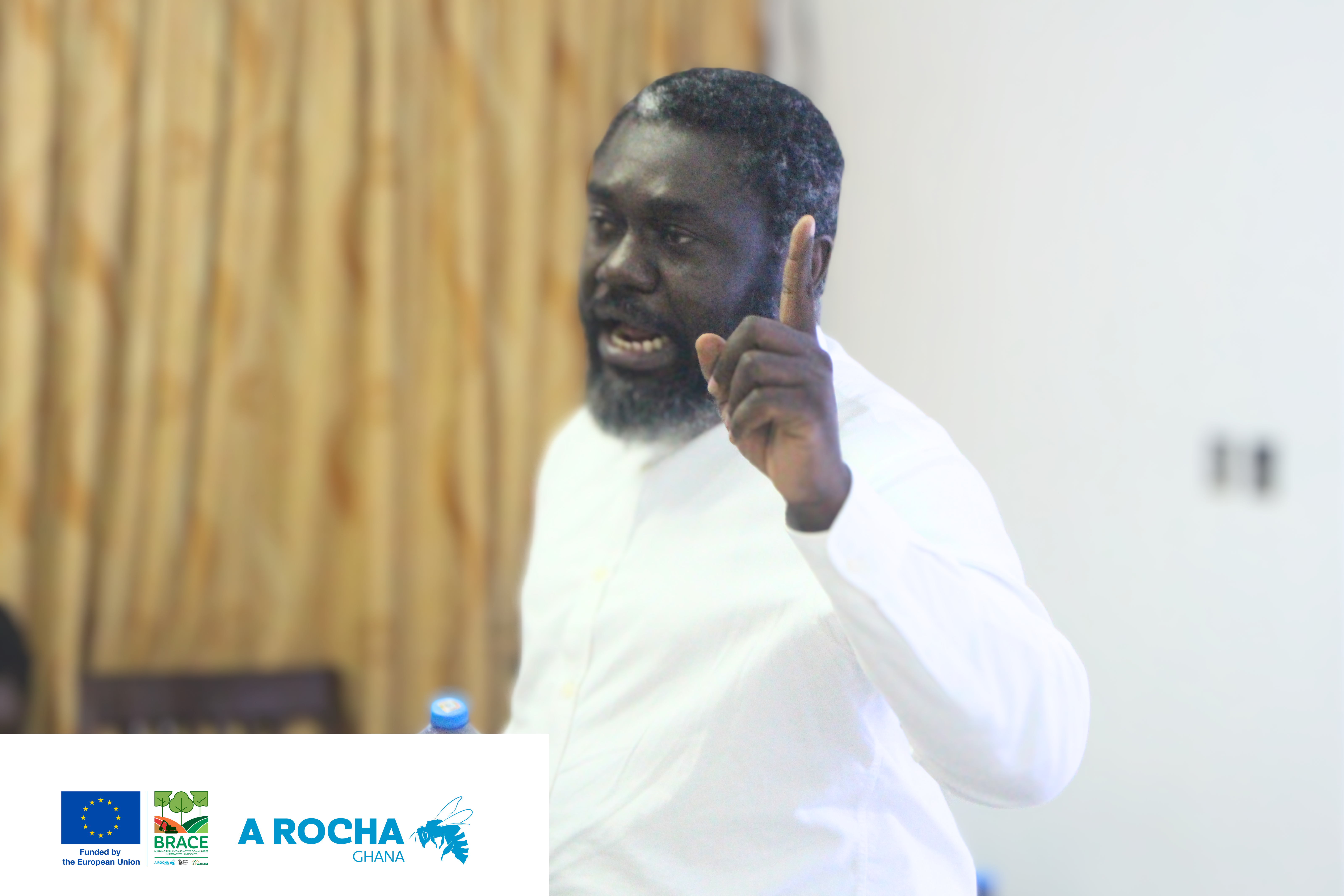
Speaking on the sidelines of the training, Lead lawyer, Oliver Barker-Vormawo said his firm was privileged to be part of leading the fight against illegal mining through the training programme and encouraged others to join forces in tackling the issue.

Barker-Vormawo emphasized that while democracy may lead to differing opinions, unity is crucial when it comes to environmental issues. The visible impact of environmental depletion he said, requires collaboration across various sectors – including the media, legal professionals, community leaders, and chiefs – to combat this threat.

“Maybe with our efforts, we can secure the environment for generations to come and they would not have to go through what we are going through,” he added.


Coordinator for the BRACE project, Daryl Bosu highlighted the need for such intense training. According to him, the mining industry had seen such a boom that so many communities have been adversely affected leaving entire communities in dire situations.

“We are not against mining but we also recognize the widespread impact it has had on many communities nationwide. Mining activities have led to the devastation of water bodies and forest reserves, as well as significant human rights violations in affected areas,” Mr Bosu said.

He added, “The encroachment of miners on agricultural lands is evident. It is crucial for communities to be informed about the proper and legal practices that should govern mining operations, ensuring progress without causing harm.”


About BRACE

BRACE is a three-year project funded by the European Union and implemented by a consortium of not-for-profit organisations Wacam and Nature and Development Foundation and led by A Rocha Ghana.

The project aims to ensure adherence to human rights, transparency, and accountability in mineral governance by contributing to sustainable and equitable environmental management and good natural resource governance in Ghana.

Kyebi Training

Esiama

Kumasi