PART 1 – The Crisis Deepens
Author: Daryl Bosu. Environmental Advocate
Introduction
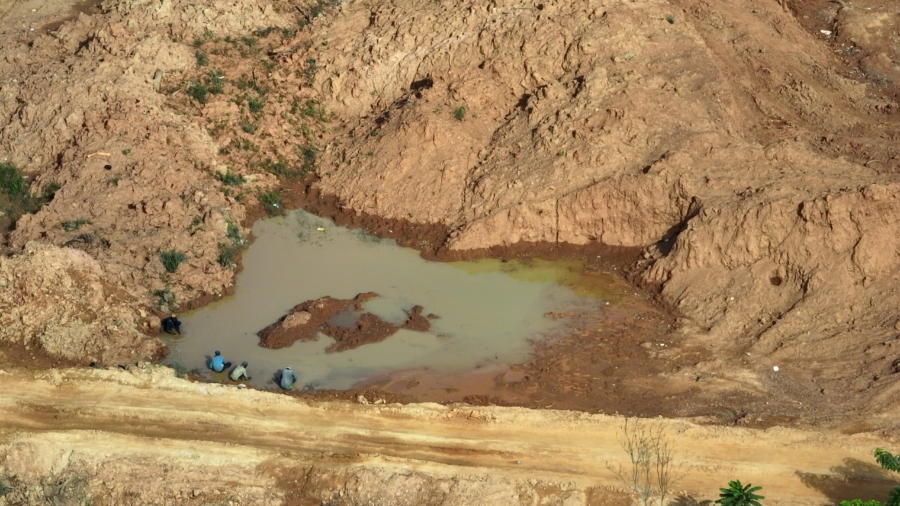
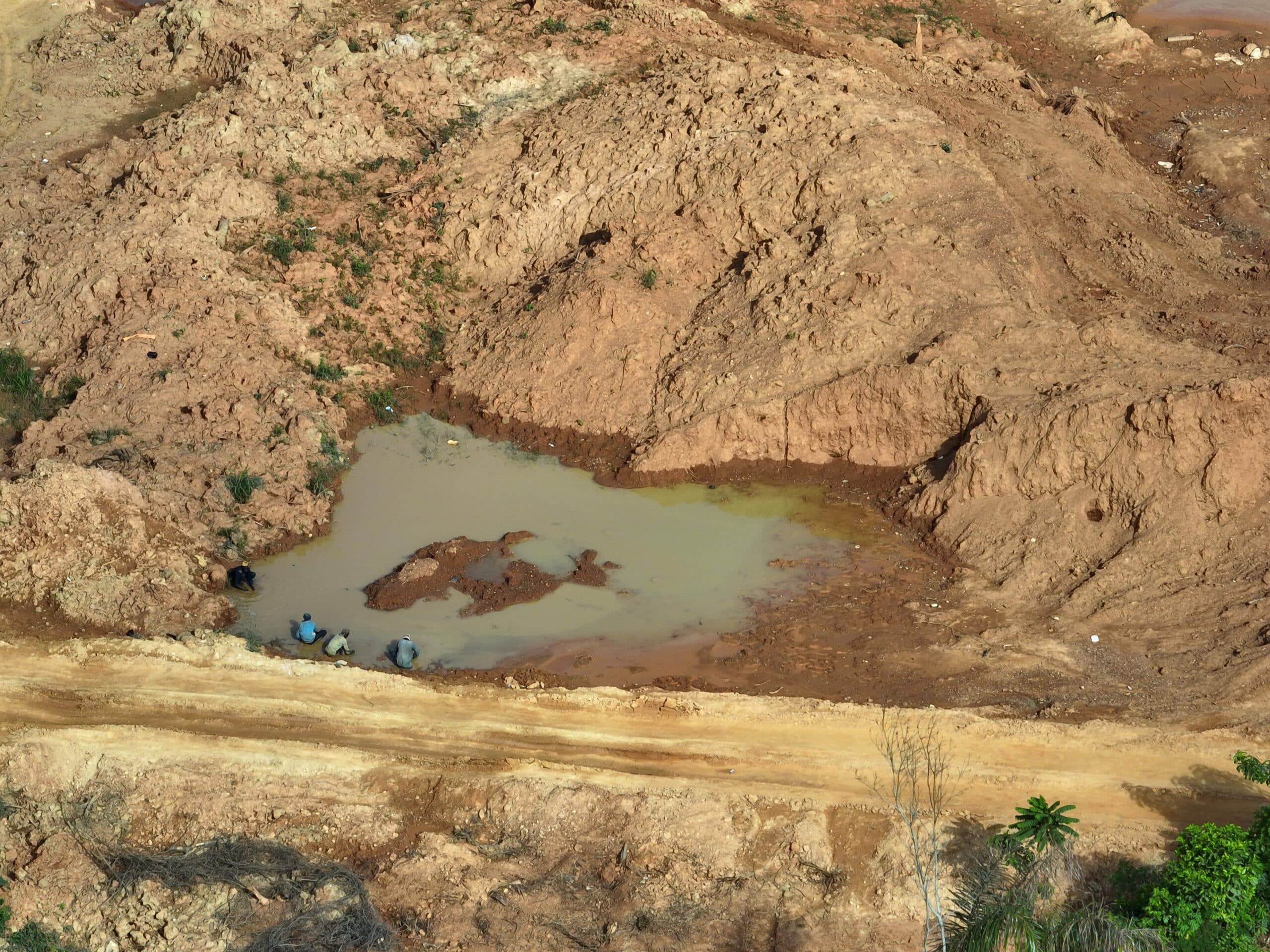
Illegal mining (galamsey) has become one of Ghana’s most pressing national crises, destroying ecosystems, undermining public health, and eroding opportunities in agriculture and other land-based economic sectors. The impacts of galamsey extend deeply into everyday life, communities suffer elevated health risks from polluted water and air, water sources are increasingly being contaminated while scarcity looms, and cocoa production which is one of Ghana’s economic pillars is declining. Again, once protected lush forests are now scarred with abandoned pits, rivers are poisoned with mercury and cyanide, and agricultural lands lie barren, leading to reduced yields for both staple and cash crops. The devastating impacts of galamsey on water, agriculture, health, and the environment, threatens the core of Ghana’s development and the well-being of its citizens.
The consequences of galamsey also undermine national environmental sustainability initiatives, such as Forest Law Enforcement, Governance and Trade (FLEGT), Emissions Reduction Programs, Climate Adaptation measures, the Planting for Food and Jobs program, and forest landscape restoration. These initiatives supported by government and civil society alike are greatly undermined, as a result of loss of additionality and any expected meaningful impact negated by the damage caused by galamsey.

The 2021 National Consultative Dialogue on Small-Scale Mining
In 2021, the government convened the National Consultative Dialogue on Small-Scale Mining in response to citizen pressure and the failure of prior interventions, including the small-scale mining ban (2017–2018) and the Operation Vanguard initiative. The Dialogue brought together government agencies, traditional authorities, civil society organizations, and industry stakeholders in an unprecedented attempt to foster a “responsible, viable, environmentally sustainable” mining sector. The event concluded with a Communiqué, where the government committed to reforms to protect water bodies, preserve forests, enforce strict regulations, and ultimately curb illegal mining.
Yet, three years on, these commitments have yielded little action, despite citizens’ continued outcry. The voices of Ghanaians expressed through statements, publications, and public demonstrationsnow repeat the same demands. Meanwhile, the crisis has deepened, with the state machinery appearing openly complicit. This suggests a government seemingly more focused on profit-driven interests, where the phrase “party hia sika” (the party needs money) rings true, rather than safeguarding the long-term well-being of all Ghanaians, both now and in the future.
The 2021 Commitments and Citizens’ 2024 Demands: A Stark Contrast
The commitments outlined in the 2021 National Consultative Dialogue were intended to address the very concerns Ghanaians continue to voice today. The Dialogue established principles and actions to protect water bodies, enforce regulations, and promote environmental stewardship. However, as citizen demands in 2024 reveal, these commitments have yet to materialize into real action, suggesting the government may never have intended to follow through. The assurances made were merely a façade. Key areas of unfulfilled commitments include:
- Declaration of a National Emergency on Galamsey: In 2021, the Dialogue recognized galamsey as a national emergency and called for an urgent, unified response. Citizens demanded this designation to mobilize resources for swift and coordinated action. However, the government failed to declare a state of emergency, allowing the crisis to worsen without the necessary institutional focus. This lack of action highlights a troubling gap between the government’s promises and its willingness to address this urgent issue.
- Commitment to Halt Mining in Forest Reserves and Water Bodies: The Dialogue emphasized the urgent need to protect Ghana’s forests and water bodies from mining activities. The Minister for Lands and Natural Resources assured citizens that rivers and forest reserves were “red zones” and “no-go” areas for mining. Ghanaians have repeatedly called for a total halt to mining in sensitive areas, a demand reflected in the Dialogue’s recommendations. Yet, licenses continue to be issued for mining in these crucial zones, undermining environmental protections and violating the commitments made in 2021. The continued mining in forest reserves disregards the Dialogue’s resolutions and demonstrates a profound lack of commitment to Ghana’s environmental legacy. The nail in the coffin was when the government actively passed LI 2462 in November 2022, under the pretense of strengthening protections for forest reserves. However, harmful provisions and subtle yet deceptive clauses were discreetly embedded in the legislative process, introducing damaging elements under the radar. Immediately after LI 2462 came into effect, mining lease applications flooded in for protected areas of globally significant biodiversity and ecosystems. Alarmingly, some proposals even considered mining within sections of the renowned Kakum National Park.
- Evacuation of Mining Equipment and Enforcement of Strict Law: The Dialogue emphasized removing illegal mining equipment from protected areas and enforcing strict measures to curb galamsey. This was intended to deter violators and protect vulnerable landscapes. Yet, the limited enforcement efforts that followed were largely symbolic, failing to dismantle illegal mining operations. The gap between the government’s promises and its inadequate enforcement has left Ghana’s landscapes increasingly vulnerable, as mining activities continue unchecked.
- Establishment of Special Courts for Illegal Mining Cases: Recognizing the need for swift and targeted justice, the Dialogue called for the creation of special courts dedicated to illegal mining cases. In response, the government established only four courts, far too few to address the scale of illegal mining in Ghana. Ghanaians’ demands for broader judicial intervention have been ignored, allowing many violators to escape justice. This limited judicial reach highlights the government’s lack of commitment to upholding the rule of law and protecting public resources.
Closing Reflections
The disparity between the government’s commitments and its actions has left Ghanaians disillusioned. The promises of the 2021 National Consultative Dialogue remain unfulfilled, forcing citizens to repeatedly demand the same protections outlined in that Dialogue. The gap between the government’s rhetoric and its inaction signals a troubling disregard for the well-being of Ghana’s people and environment.