Supported by the Critical Ecosystem Partnership Fund (CEPF), A Rocha Ghana, in partnership with Ajemalebu Self Help (AJESH) in Cameroon serves as the Regional Implementation Team (RIT) for the Guinean Forests of West Africa (GFWA) .
Led by A Rocha Ghana, the RIT represents a bold and collaborative effort to strengthen biodiversity conservation and civil society leadership throughout the region. The initiative advances CEPF’s investment strategy by empowering local organizations, safeguarding critical ecosystems, and amplifying conservation impact across multiple countries and landscapes.
“Empowering local conservation leaders to protect globally significant biodiversity.”
About GFWA Hotspot
The Guinean Forests of West Africa Biodiversity Hotspot (GFWA) spans 11 countries across West and Central Africa and covers approximately 617,719 km². Recognized as one of Africa’s eight biodiversity hotspots, the region is exceptionally rich in species and ecosystems, hosting 1,084 globally threatened species and 135 Key Biodiversity Areas (KBAs).
The hotspot is divided into two distinct subregions: the Upper Guinea Forests and the Lower Guinea Forests. The Upper Guinea Forests stretch from Guinea through Sierra Leone, Liberia, Côte d’Ivoire, Ghana, Togo, and marginally into Benin. The Lower Guinea Forests cover much of southern Nigeria, extend into southwestern Cameroon, and includes São Tomé and Príncipe, as well as the islands of Annobón and Bioko in Equatorial Guinea.
These two subregions are separated by the Dahomey Gap, a savanna corridor, in Benin and Togo.
The Regional Implementation Team (RIT), will guide and oversee the development of a portfolio of 80 to 100 grants between 2026 and 2030. These grants will be awarded to non-governmental organisations, community-based organisations, academic institutions, private companies, and other eligible entities across the region.
About the Critical Ecosystem Partnership Fund
The Critical Ecosystem Partnership Fund (CEPF) is a global funding mechanism established in 2000 to protect the world’s biodiversity hotspots, some of the most biologically rich yet threatened ecosystems on Earth. CEPF supports civil society organizations in developing countries and transitional economies to lead conservation efforts that safeguard species, strengthen ecosystem management, and promote sustainable development.
CEPF is a joint initiative of l’Agence Française de Développement, Conservation International, the European Union, Fondation Franklinia, Fondation Hans Wilsdorf, the Global Environment Facility, the Government of Canada, the Government of Japan, the Hempel Foundation, The Nature Conservancy and the World Bank. A fundamental goal is to ensure civil society is engaged in biodiversity conservation.
A Regional Effort for a Global Treasure
The GFWA is a globally significant biodiversity hotspot, home to unique species, rich ecosystems, and communities closely linked to nature. The region faces growing threats from deforestation, land-use change, and unsustainable resource use, making coordinated action and strong local leadership essential.
Through this collaboration, CEPF and the RIT are empowering communities and civil society to strengthen the resilience of species, ecosystems, and people to climate change. The partnership provides strategic coordination, technical support, and capacity building for organizations across the hotspot, combining regional experience, scientific expertise, and local knowledge to ensure conservation efforts are effective and sustainable.
Protecting Priority Sites and Species
The RIT works closely with grantees to support conservation in priority landscapes and Key Biodiversity Areas (KBAs). Efforts focus on safeguarding threatened species, restoring degraded habitats, and promoting sustainable natural resource management. Community engagement is central to this approach, ensuring that conservation actions also support livelihoods and local development.
Through coordinated support and regional learning, the project helps amplify local successes and scale up solutions that protect biodiversity while benefiting people.
A Long-Term Vision
Beyond supporting individual projects, the RIT aims to leave a lasting legacy. By investing in people, institutions, and partnerships, the initiative helps build a resilient civil society capable of sustaining conservation action long into the future.
Through this collaborative model, A Rocha Ghana and AJESH are not only coordinating CEPF’s regional investment but also helping shape a stronger, more connected, and more effective conservation community across the Guinean Forests of West Africa.
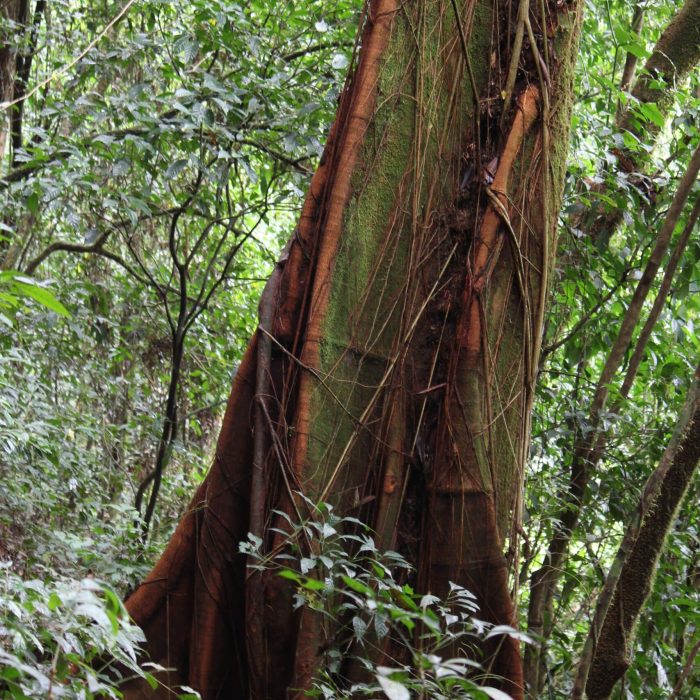
Big tree in the Atewa Forest Range Reserve. Credit: Jeremy Lindsell
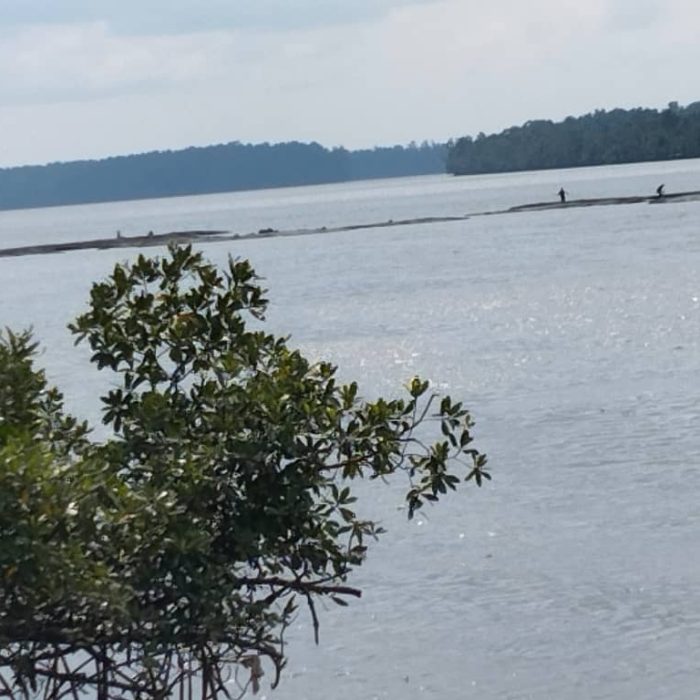
View of the mangrove ecosystem in Bamusso, within the proposed OECM site in Ekondo Titi Village. Credit: AJESH
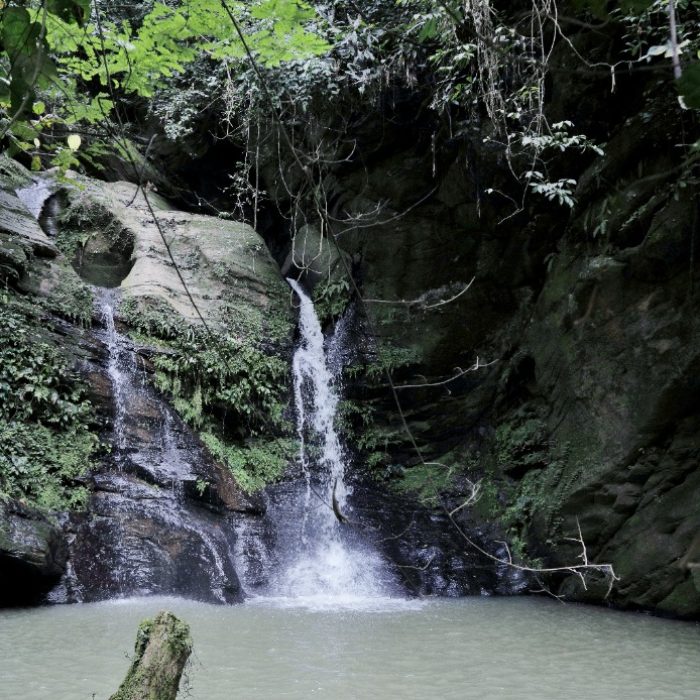
Bebri waterfall in the Atewa forest. Credit: A Rocha Ghana
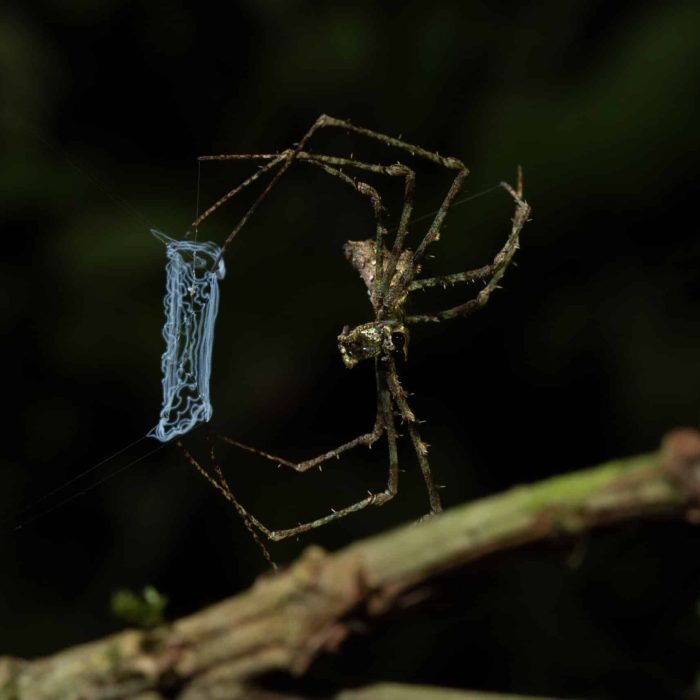
Ogre-faced spider, Gran Caldera de Luba Scientific Reserve, Bioko. Credit: Justin Jay, The Drill Project.
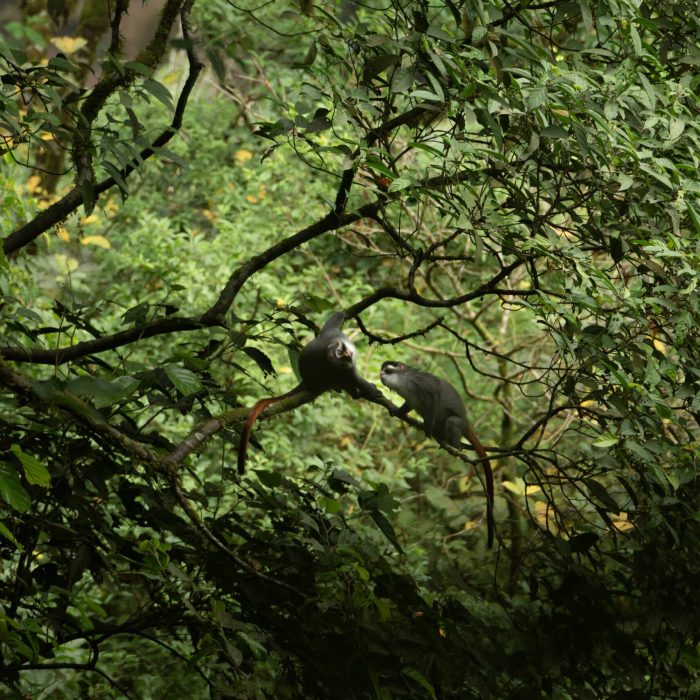
Bioko Red-eared Guenons, Gran Caldera de Luba Scientific Reserve, Bioko - Justin Jay, The Drill Project.
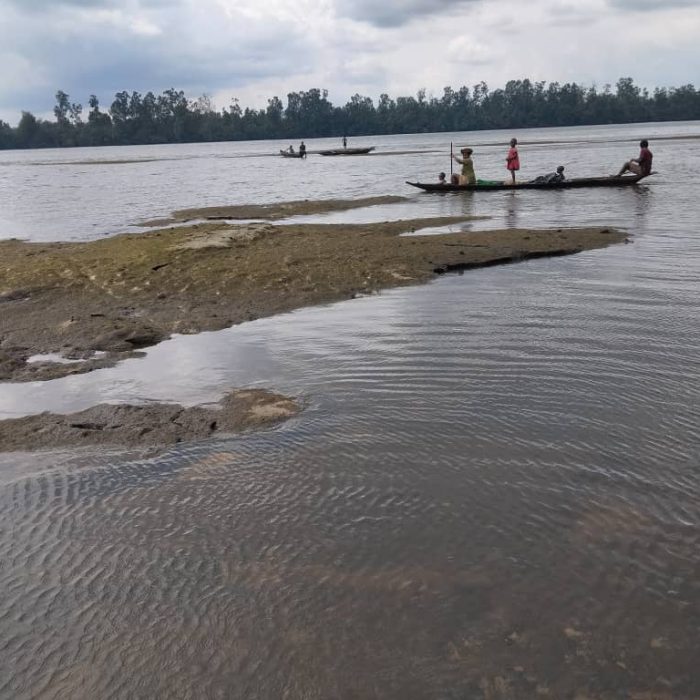
Fishermen in Bamusso, Bakassi Peninsula, Cameroon Credit: AJESH
Ecosystem Profile: Guinean Forests of West Africa Biodiversity Hotspot
CEPF’s conservation investment is guided by the ‘Ecosystem Profile’. This includes specific strategic directions and investment priorities designed to guide civil society groups in applying for grants and CEPF in awarding funding to meet the stated objectives. The most important conservation issues in the hotspot are highlighted in the Ecosystem Profile, thus ensuring that the CEPF funding is going to the areas of the hotspot that need it most.