Across Ghana’s extractive landscapes, the need for stronger environmental governance and community resilience has never been more urgent.
Under the Building Resilient and Active Communities in Extractive Landscapes (BRACE) Project, a recent Third Party Finance Assessment set out to identify civil society organisations (CSOs) best positioned to drive meaningful change and sustain the gains achieved by the project over the years. These gains include strengthened community voices in natural resource governance, improved advocacy for responsible mining practices, and growing collaboration between civil society, communities, and decision-makers to protect biodiversity and livelihoods.
The assessment was designed not just as a selection process, but as a strategic step toward strengthening local action. It evaluated organisations based on their capacity, experience, financial systems, and alignment with BRACE’s core goal of promoting sustainable and equitable natural resource governance.
Identifying Champions for Sustainable Minerals Governance
In the area of sustainable minerals governance, the assessment spotlighted organisations with a strong track record in advocacy, policy engagement, and biodiversity conservation.
Groups such as COMPAD GH, the Africa Centre for Environment and Energy Sustainability (ACEES), and Concerned Citizens of the Atewa Landscape (CCAL)emerged as key actors. Their work reflects a deep commitment to ensuring that extractive activities do not come at the expense of ecosystems or community well-being.
These organisations bring more than experience. They bring influence. With established connections to communities and policymakers, they are well placed to lead dialogue, promote accountability, and push for responsible resource management.
Strengthening Community Leadership in CREMA Landscapes
Equally critical is the role of communities themselves. Within Ghana’s Community Resource Management Areas (CREMAs), local stewardship remains a powerful tool for conservation.
The assessment identified Eco Trend Foundation Ghana and The Resource Foundation Ghana as strong partners in this space. Both organisations have demonstrated the ability to work closely with communities, supporting the implementation of CREMA management plans and promoting sustainable livelihoods.
Their work will help ensure that conservation efforts are not only effective, but also community driven and locally owned.
A Foundation for Impact
The outcome of this assessment goes beyond a shortlist. It lays the groundwork for a coordinated, high impact approach to environmental governance in Ghana’s extractive regions.
By selecting organisations with the right mix of technical expertise, local presence, and community trust, the BRACE Project is investing in solutions that are both practical and sustainable.
At its core, this effort is about people. Communities equipped to protect their environment, organisations empowered to advocate for change, and partnerships that turn vision into action.
Ghana stands at an important moment in shaping how it protects its environment and manages natural resources for future generations. As part of the ongoing constitutional review process, new proposals have been developed to strengthen environmental governance, promote accountability, and ensure that the country’s natural wealth benefits both present and future citizens.
This policy brief explores the environmental recommendations made by the Constitutional Review Committee and what they could mean for Ghana. It highlights key ideas such as treating natural resources as a public trust, strengthening community participation, improving transparency in land and resource management, and recognizing the importance of sustainability and intergenerational equity.
The document also reflects on areas that may need further attention, including stronger enforcement systems, clearer protection for environmental rights, and practical pathways to balance conservation with livelihoods.
Overall, the brief aims to contribute to the national conversation on how Ghana can build a more responsible, fair, and forward-looking framework for managing its environment under a renewed constitution.
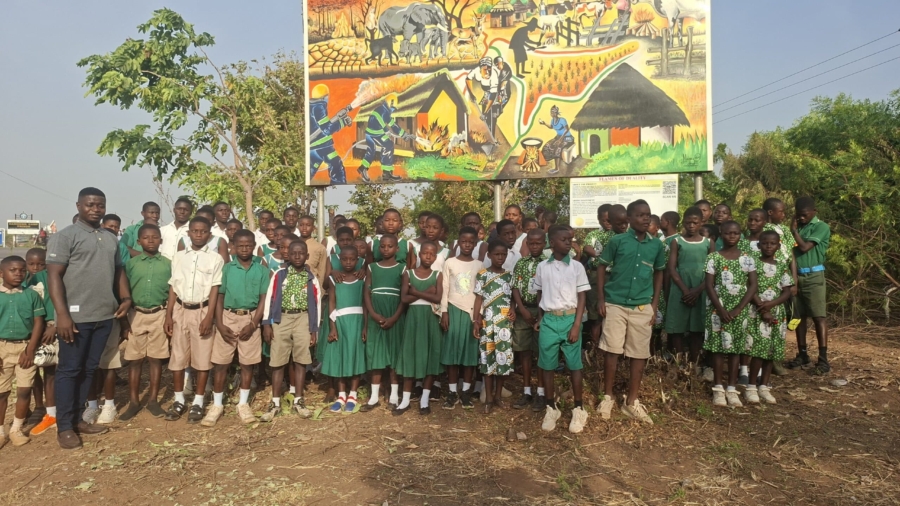
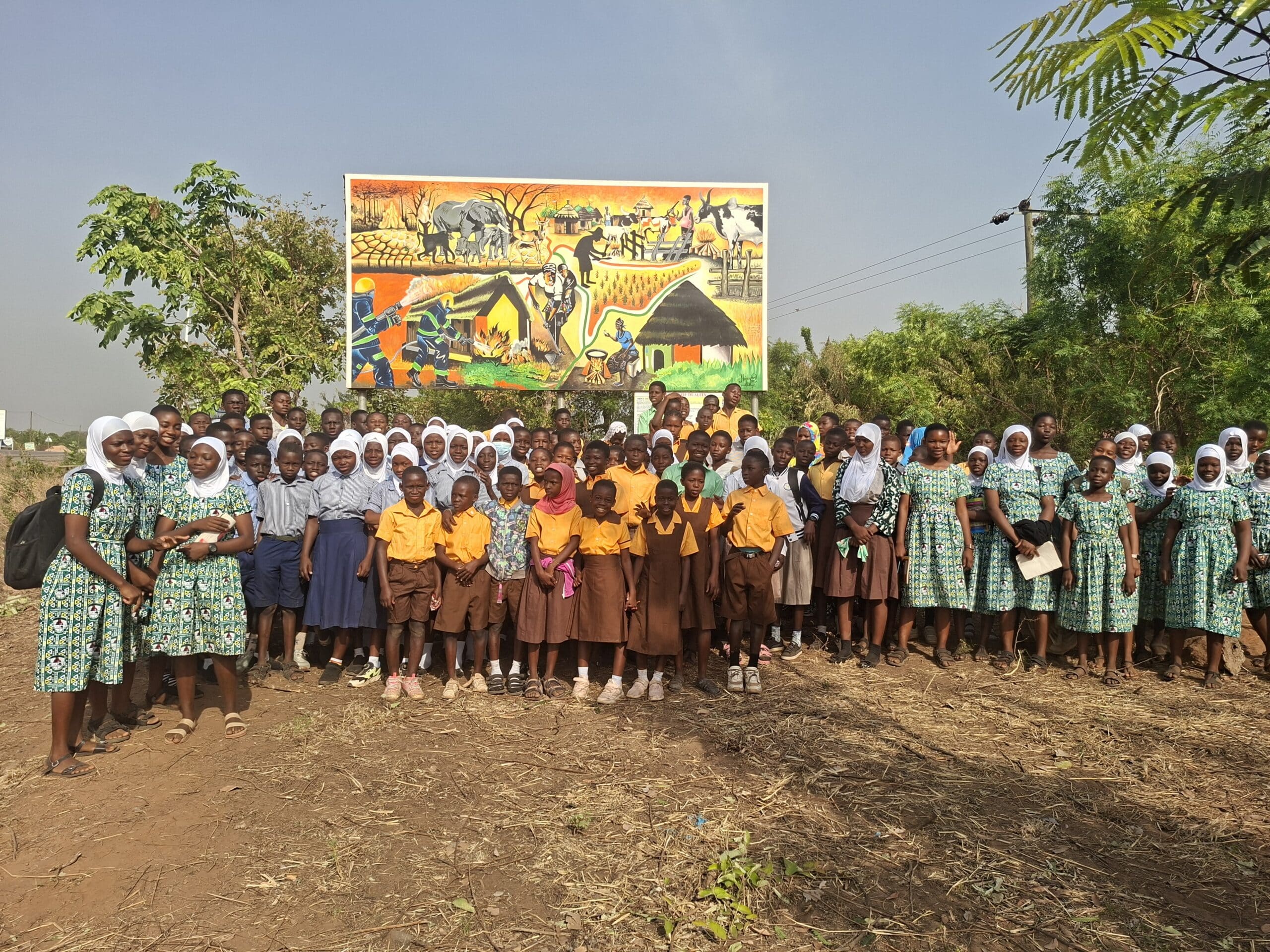
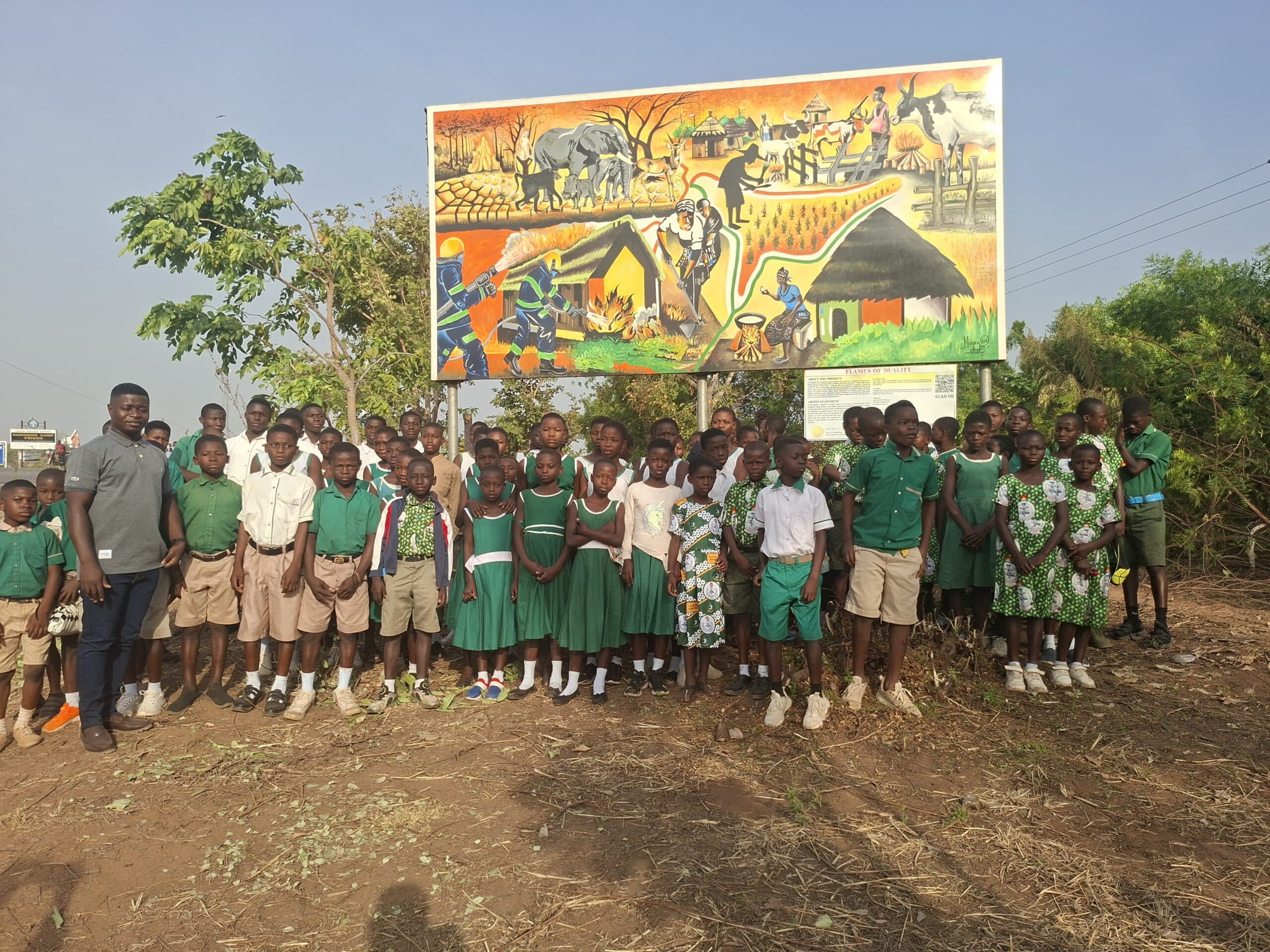
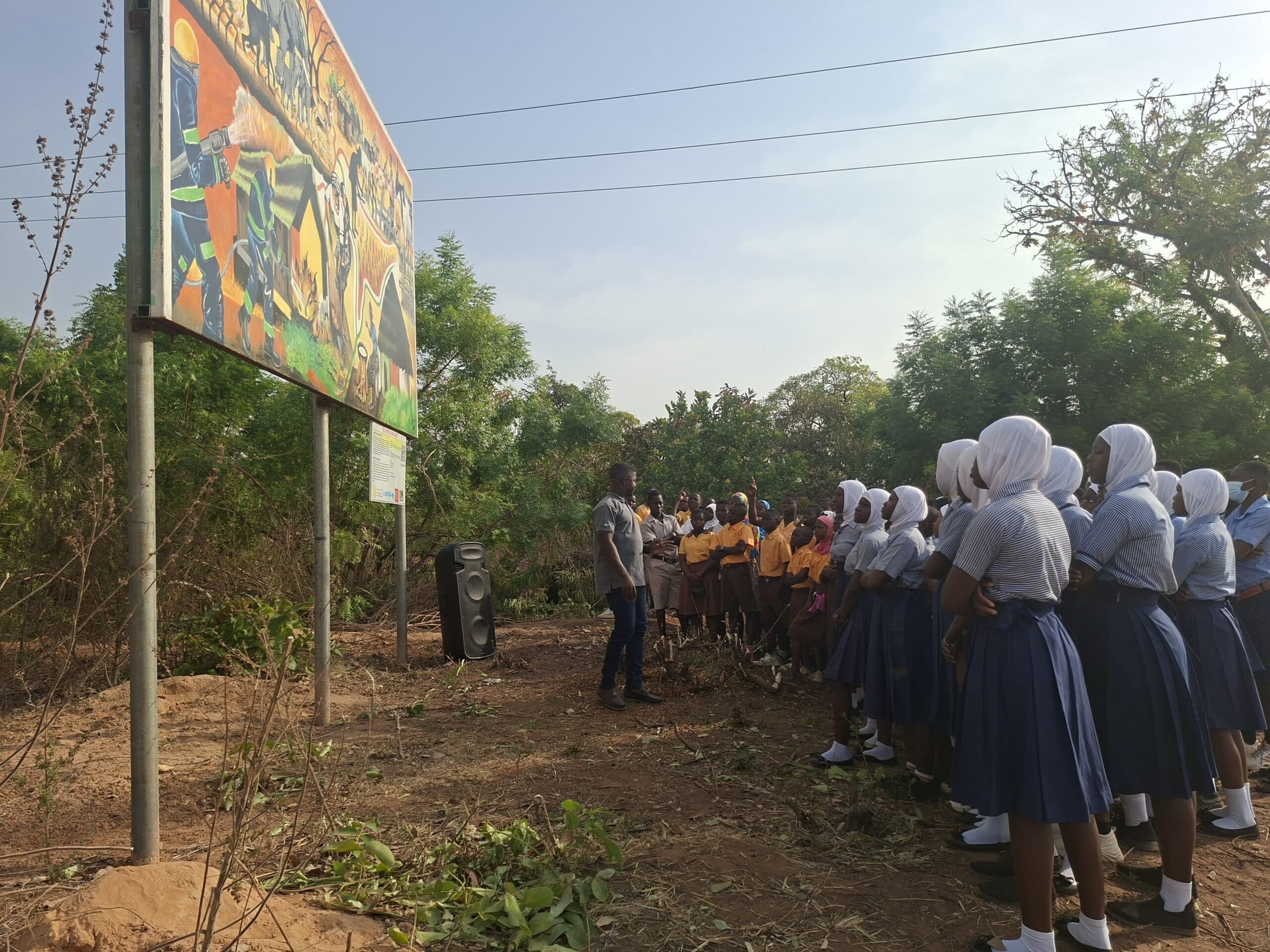
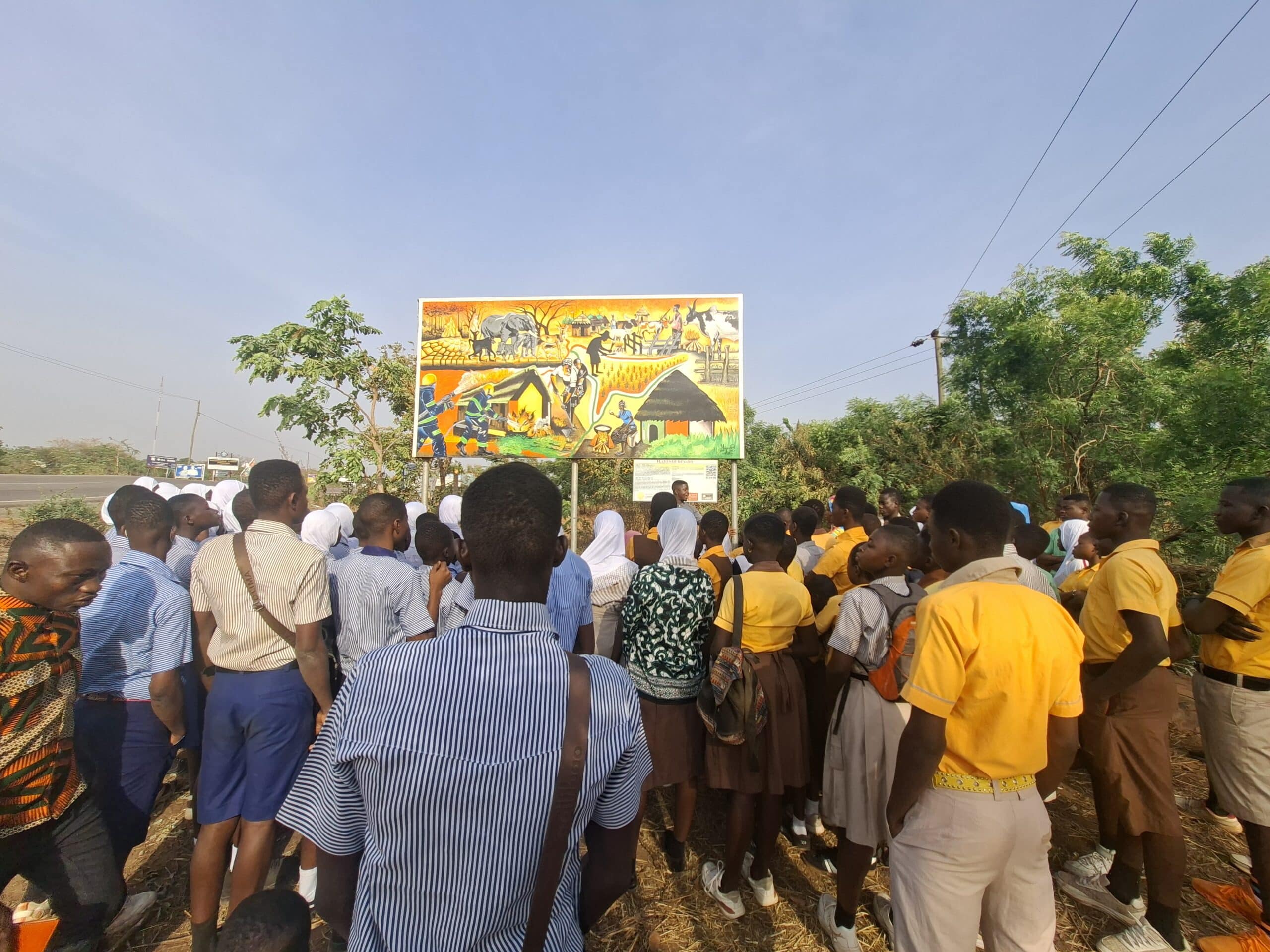
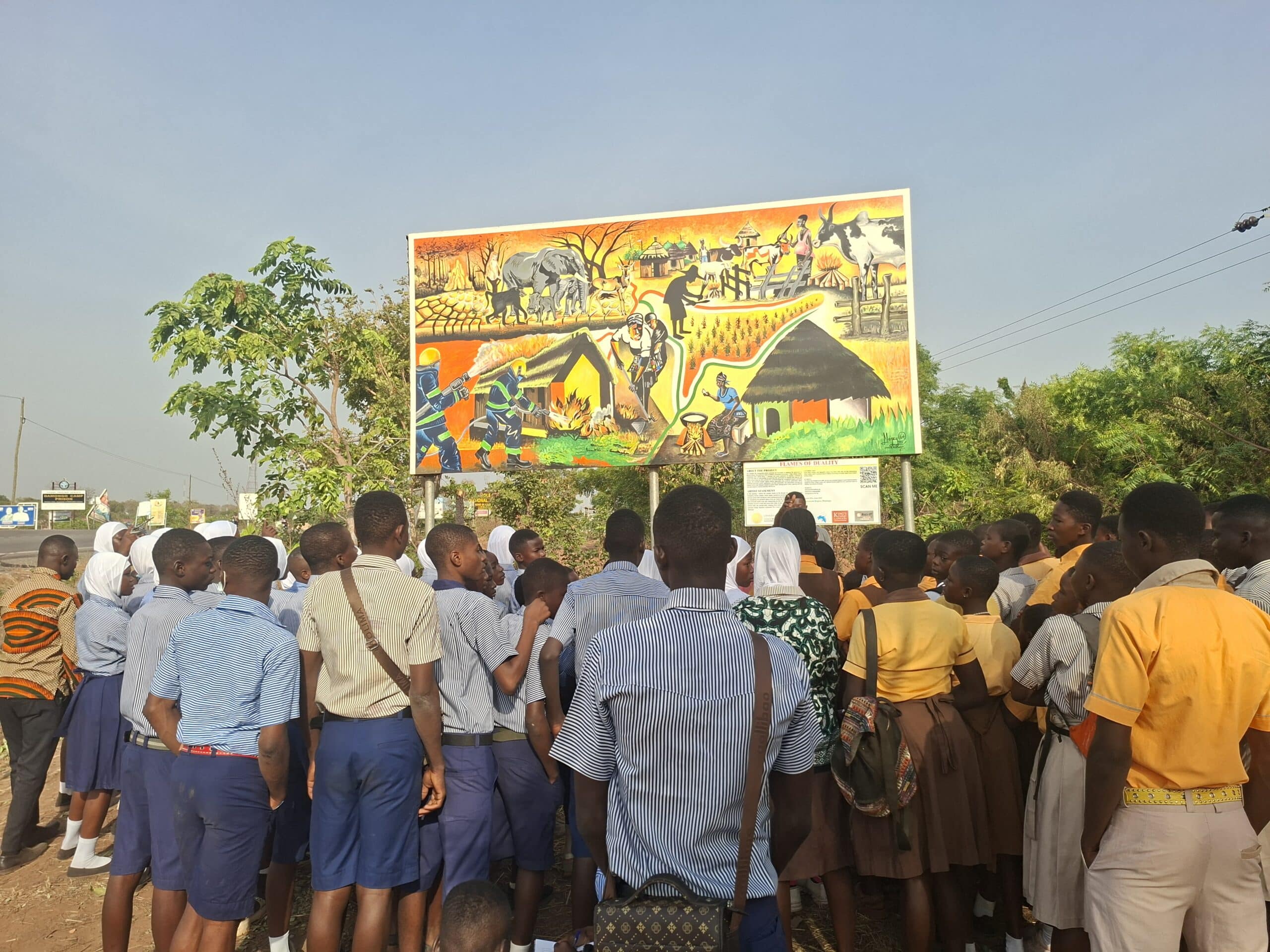
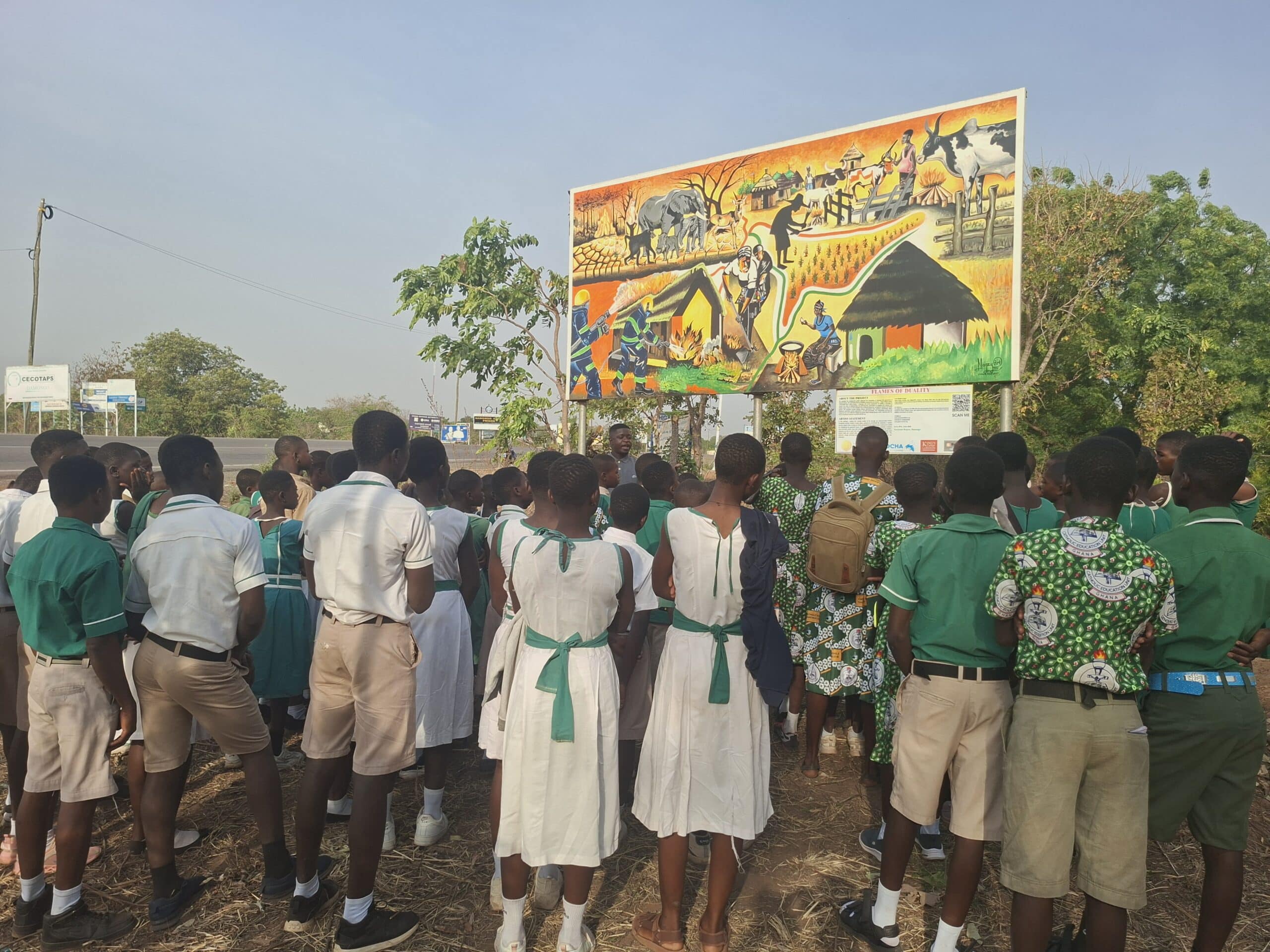
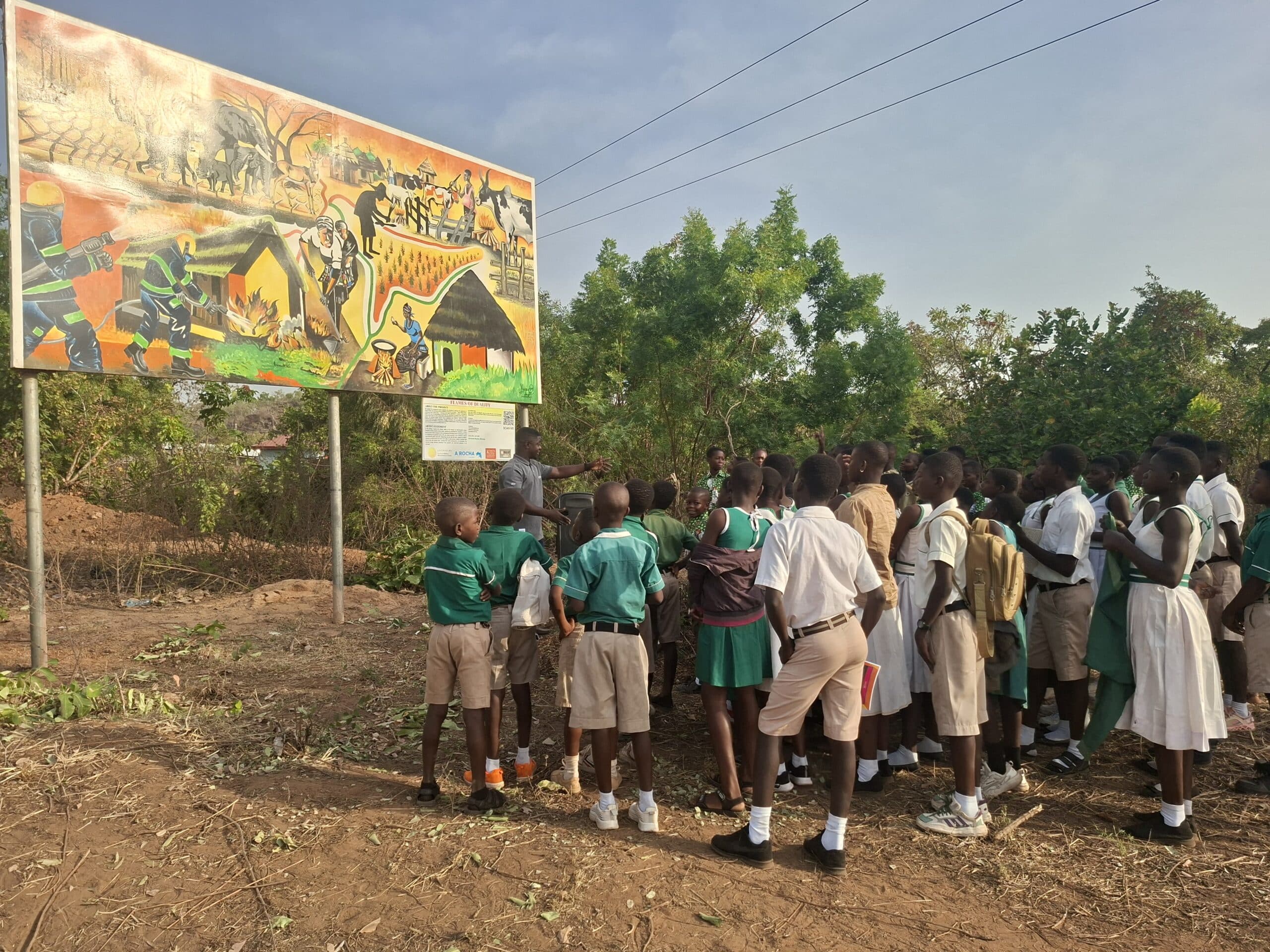
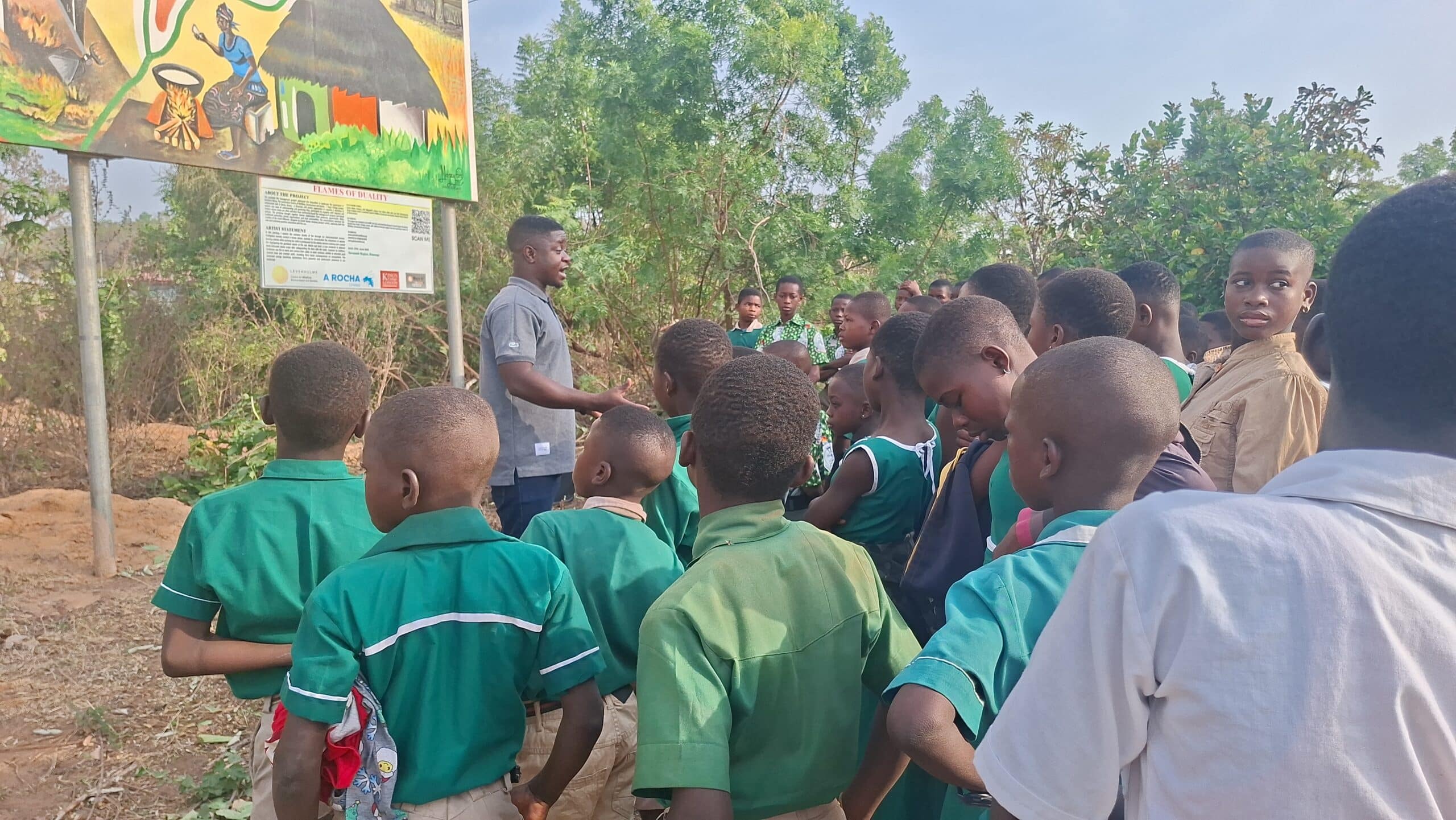
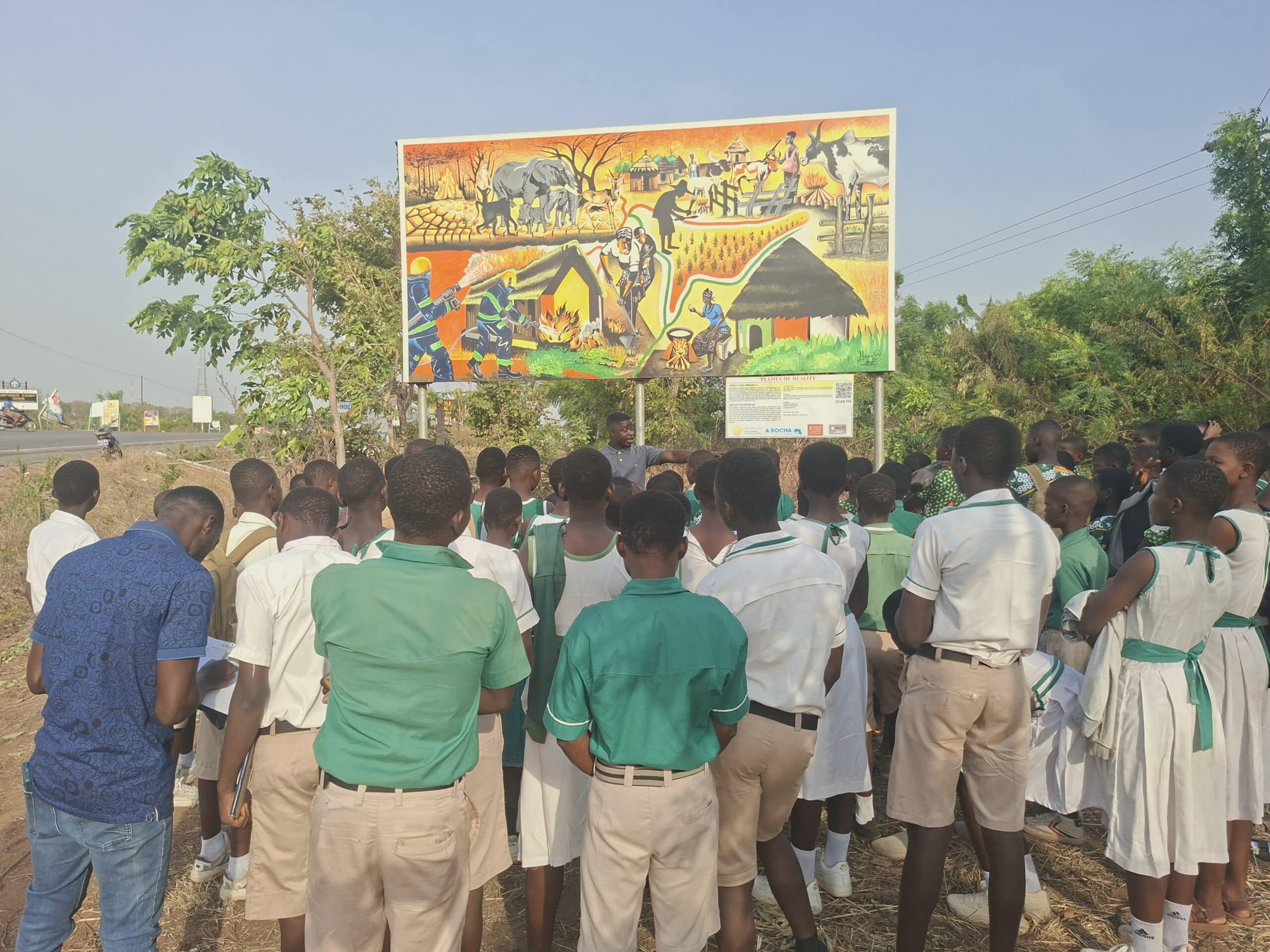
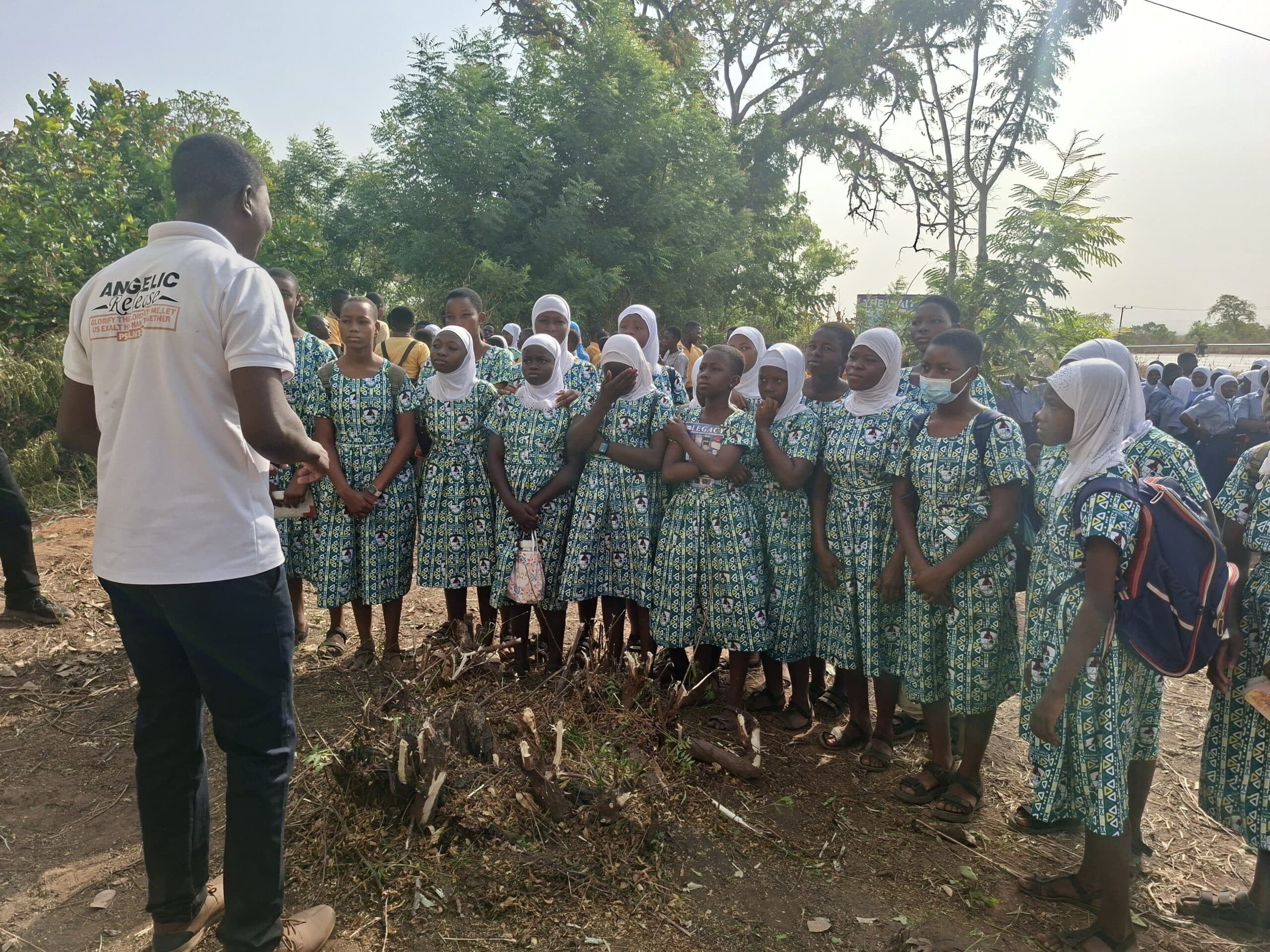
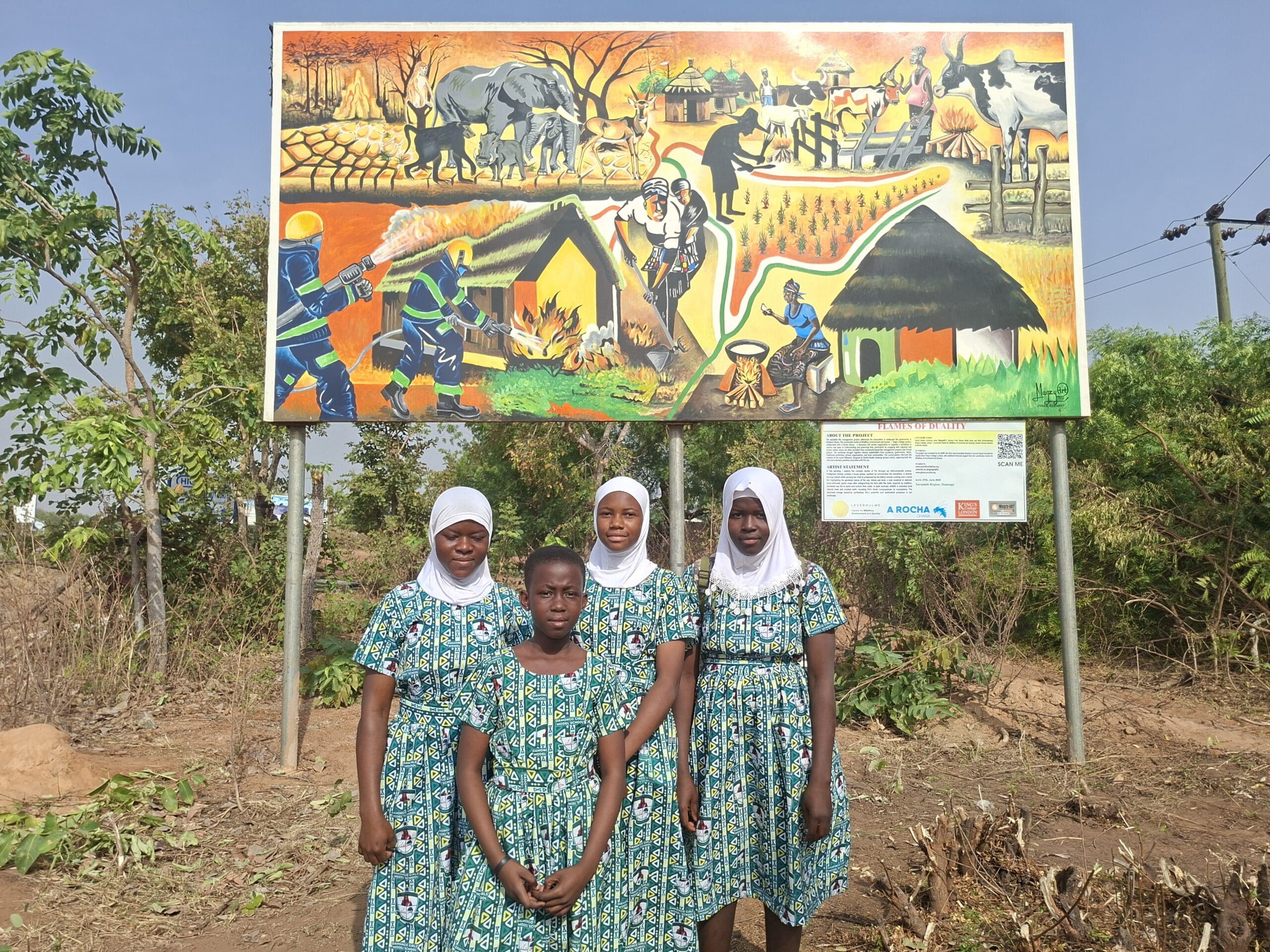
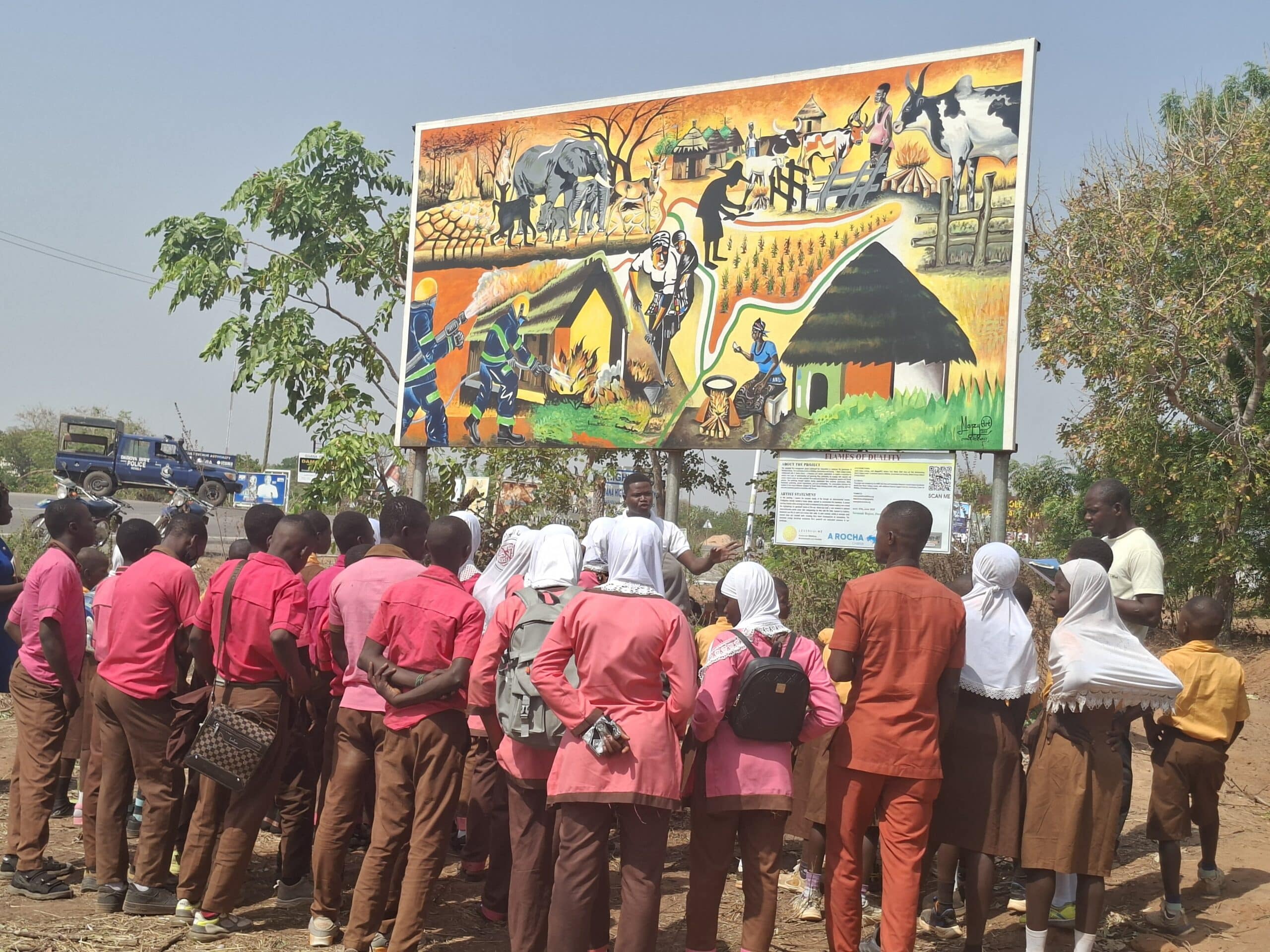
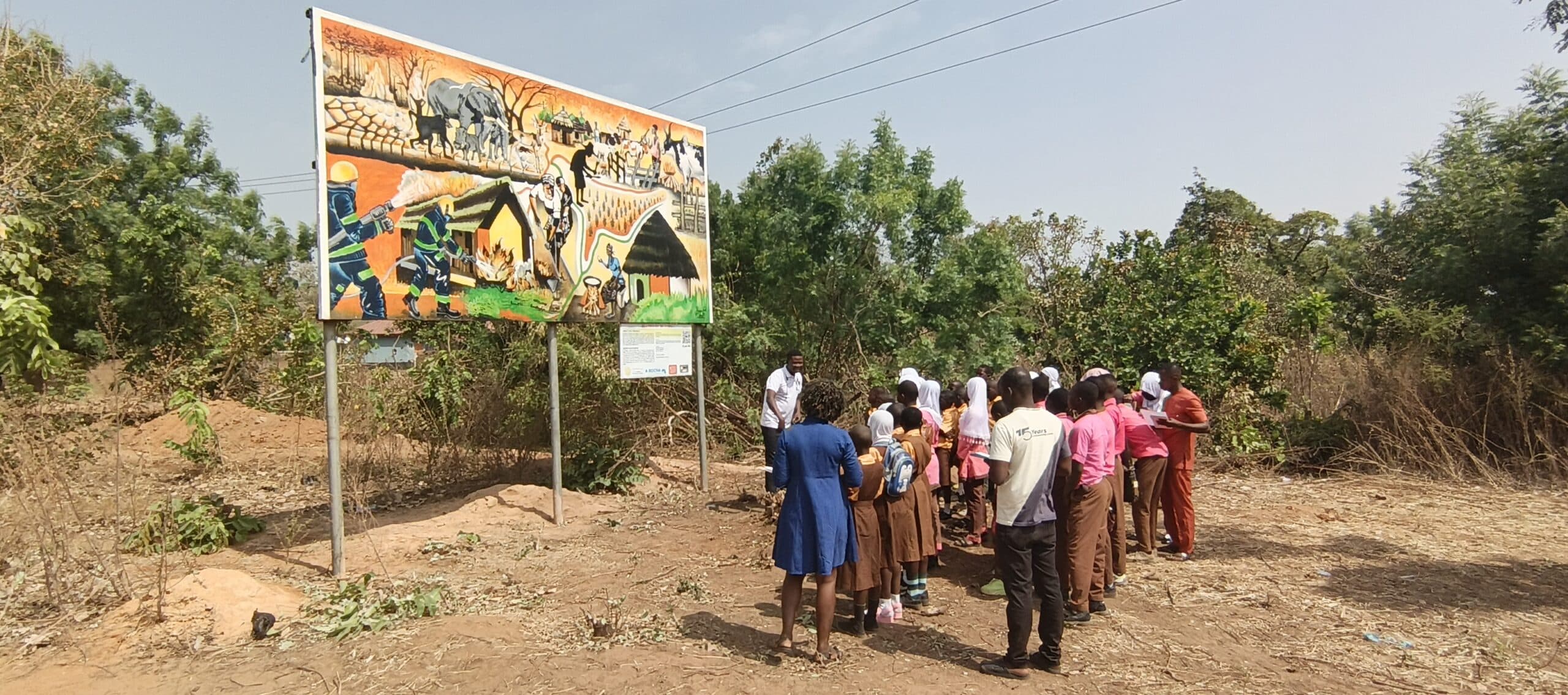
On 24 January 2026, learning stepped beyond the classroom for 240 pupils from 12 Primary and Junior High Schools across the West Gonja Municipality. Their destination was a striking public artwork in Damongo, a mural that tells an important story about fire, people, and the savannah landscape.
Titled Flames of Duality, the mural is a powerful visual exploration of fire as both a life-sustaining tool and a destructive force. Developed in collaboration with the Leverhulme Centre for Wildfires, Environment and Society at King’s College London, the artwork was shaped by rich inputs from hunters, herders, farmers, traditional leaders, academics, and government agencies. Together, these voices reflect the lived realities of fire use in Northern Ghana.
Through guided outdoor learning sessions around the mural, the pupils explored how fire is used responsibly in daily life for farming, cooking, and hunting, while also learning about the serious risks posed by uncontrolled bushfires to people, wildlife, and ecosystems. The sessions emphasised a critical message that everyone has a role to play in fire management.
The engagement was lively and deeply reflective. The children shared their own experiences, asked insightful questions, and, inspired by what they learned, proudly pledged to become Fire Heroes, young advocates for safe and responsible fire use within their communities.
This activity forms part of ongoing efforts to promote equitable and inclusive fire management in Northern Ghana, blending local knowledge with scientific research to build understanding and resilience.
By using art as a learning tool, Flames of Duality is helping to nurture a generation that understands fire not just as a hazard, but as a responsibility. Together, these young learners are taking meaningful steps toward a safer, more sustainable future for their communities and for the savannah landscapes they call home.
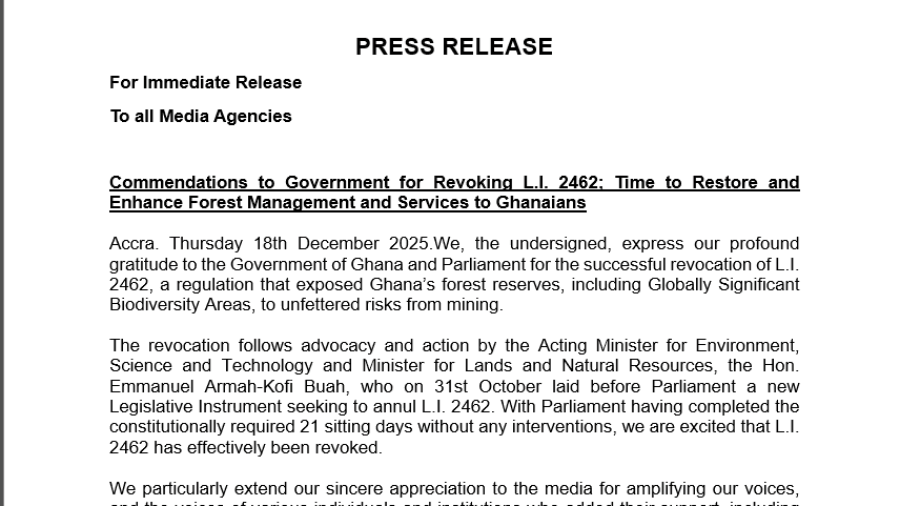
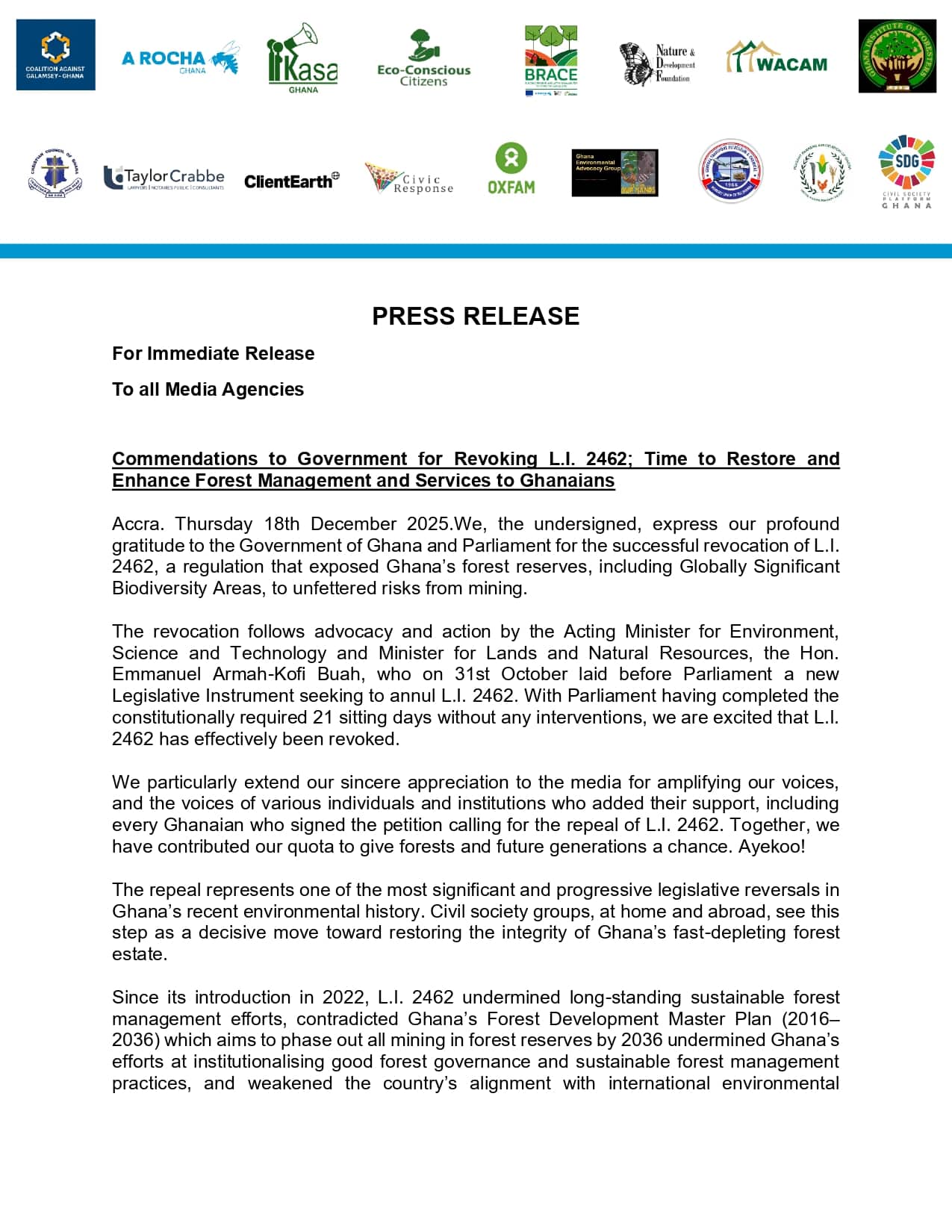
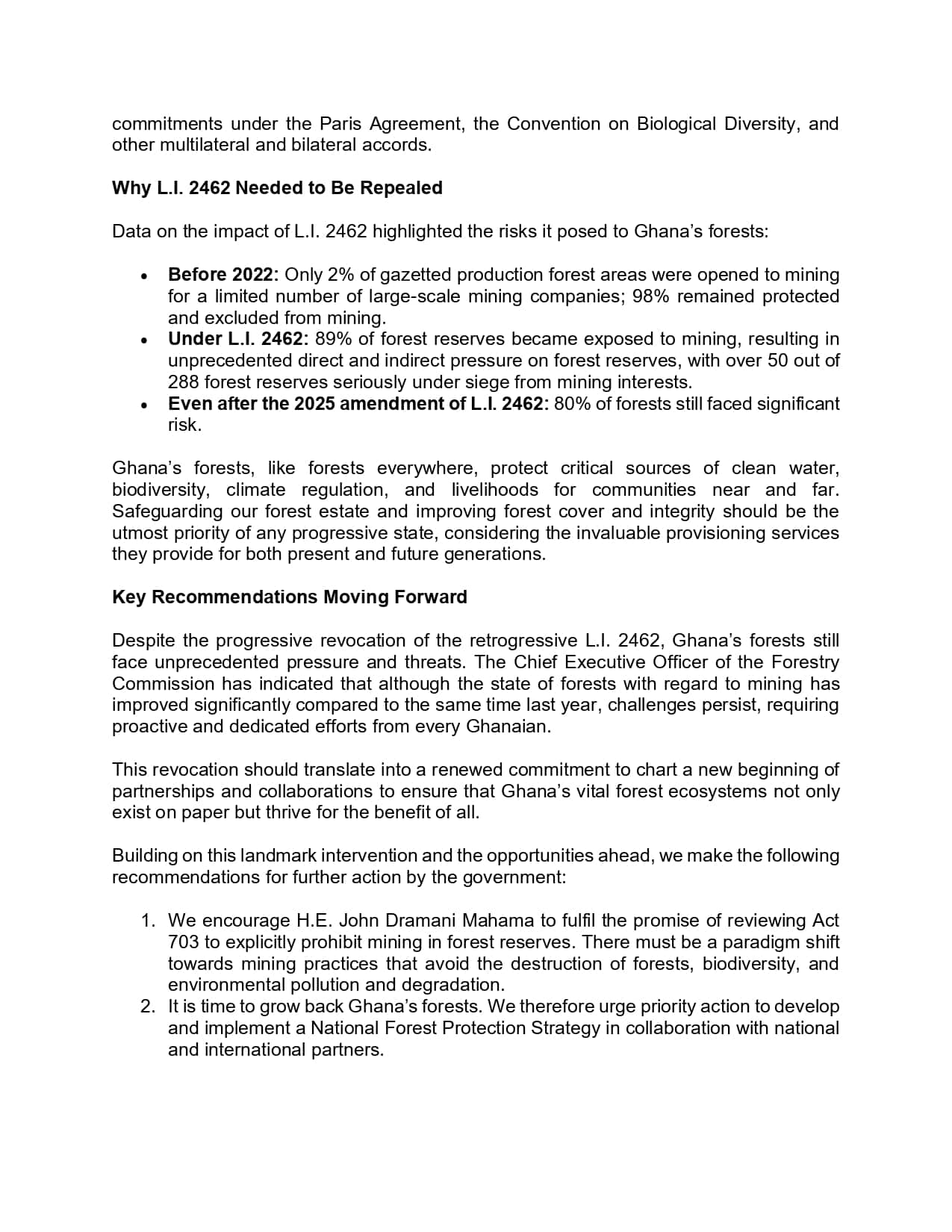
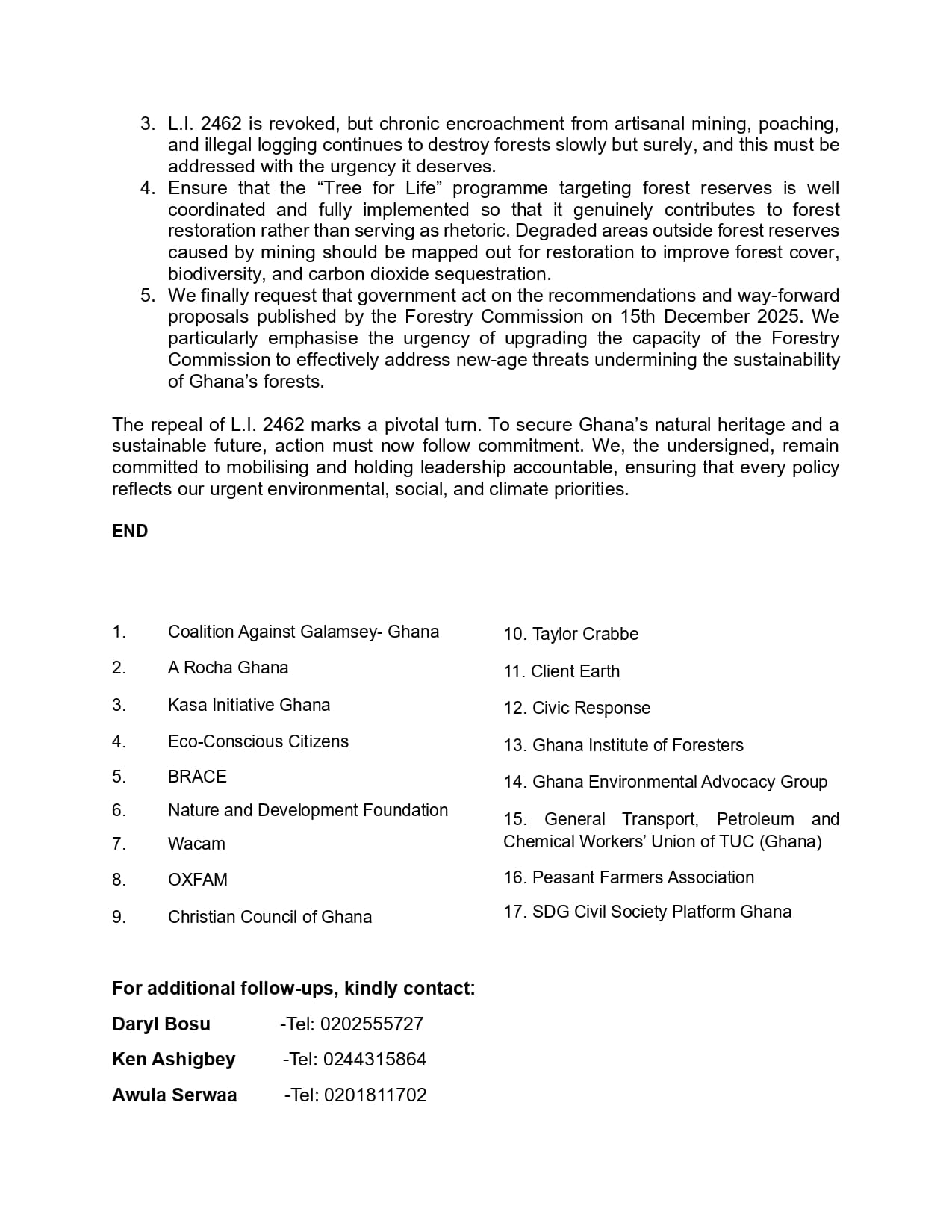
Big news for Ghana’s forests and future generations. After years of advocacy and public pressure, L.I. 2462, the regulation that opened up nearly 90% of our forest reserves to mining, has finally been revoked.
This win is the result of collective action with government leadership, civil society, the media, and thousands of concerned Ghanaians who added their voices demanding change. As a result, Ghana’s forests, biodiversity, and communities have a renewed chance to thrive.
But the work is not over. Forests still face threats from illegal mining, logging, and poaching. Civil society groups are calling on government to strengthen forest protection, restore degraded areas, and ensure that programs like “Tree for Life” deliver real results.
This landmark moment is a step toward sustainable forest management, climate resilience, and securing our natural heritage.
Read the full statement to see the detailed breakdown of what led to this victory and the recommendations for keeping Ghana’s forests safe.
A Rocha Ghana is celebrating a major global win for nature and people following the announcement that the International Union for Conservation of Nature (IUCN) has officially adopted Motion 104, titled “Safeguarding Biodiversity and Human Rights in the Energy Transition.”
This groundbreaking resolution, led by A Rocha Ghana and supported by conservation allies worldwide, calls on governments, companies, and civil society to ensure that the global shift to renewable energy does not come at the expense of biodiversity or the rights of Indigenous Peoples and Local Communities (IPLCs).
According to the National Director of A Rocha Ghana, Dr. Seth Appiah-Kubi, “The adoption of this motion is a defining moment for conservation justice. The global energy transition must be clean, fair, and respectful of both people and planet.”
“Motion 104 gives us a strong foundation to make that vision real. We’re grateful to all IUCN Members who stood with us and voted for the motion,” he added.
Motion 104
Motion 104 called for the creation of no-go zones for mining in ecologically or culturally critical areas, the protection and participation of Indigenous Peoples and Local Communities, transparency and accountability across global mineral supply chains, and the establishment of strong governance frameworks that align the energy transition with biodiversity goals.
Once adopted by IUCN Members, a motion becomes a formal IUCN Resolution, representing the collective position of IUCN’s global membership and guiding its work and influence in shaping international conservation policy. With this adoption, Motion 104 now stands as an official IUCN Resolution, setting a new global benchmark for responsible mineral governance that respects both people and nature.
As the demand for minerals such as lithium, nickel, and copper continues to grow, Motion 104 serves as a timely reminder that a green future must also be a just one.
A Rocha Ghana is proud to have worked alongside an inspiring coalition of co-sponsors and partners who helped bring this vision to life. These include Non-Timber Forest Products – Exchange Programme Asia (Philippines), Stop Ecocide International Ltd (UK), Wetlands International (Netherlands), Africa Institute for Energy Governance (Uganda), Fundación Ambiente y Recursos Naturales (Argentina), Stichting CHIMBO (Netherlands), Forest Peoples Programme (UK), and Natuur & Milieu (Netherlands). This victory is a shared achievement and a clear demonstration that collaboration across continents can shape global environmental policy and advance conservation justice.
Voting Results and Global Support
The adoption of Motion 104 received overwhelming support across all categories of IUCN membership, demonstrating a strong global commitment to protecting both people and the planet.
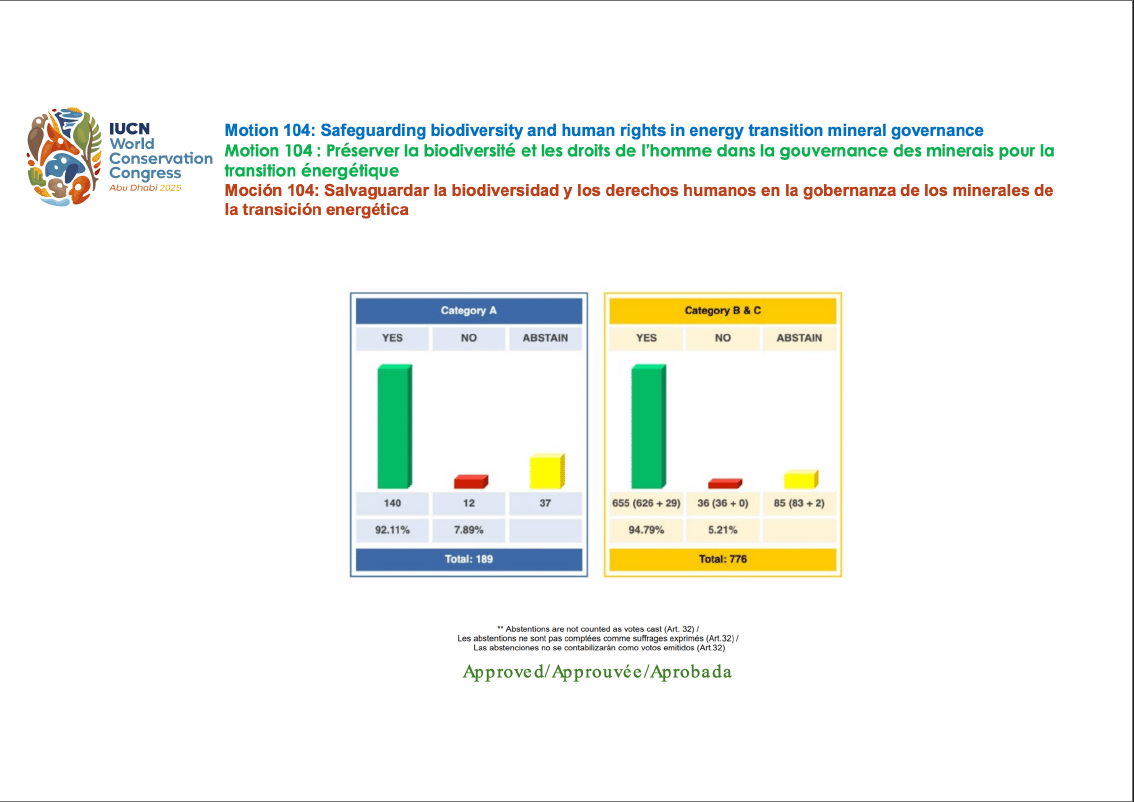
IUCN Members are divided into three main categories for voting purposes. Category A represents states, government agencies, and political or economic integration organizations. Category B comprises national and international non-governmental organizations, while Category C includes Indigenous Peoples’ Organizations.
During the voting on Motion 104, Category A recorded a total of 189 votes, with 140 in favour, 12 against, and 37 abstentions. Categories B and C, which were combined for the process, recorded 776 votes, with 655 in favour, 36 against, and 85 abstentions.
This strong majority across all membership groups underscores a shared recognition that the global energy transition must be guided by justice, biodiversity protection, and respect for Indigenous rights.
In the words of A Rocha Ghana, “This result shows that the global conservation community stands united. We are deeply encouraged that IUCN Members from governments, NGOs, and Indigenous Peoples’ organizations came together to support this vision for a fair and responsible future.”
Next Steps
With Motion 104 now adopted as a formal IUCN Resolution, A Rocha Ghana and its partners will continue to raise awareness and build capacity for responsible transition mineral governance in Africa, engage governments and industries to implement the resolution’s provisions, and support Indigenous and local communities affected by mining activities.
This global achievement underscores A Rocha Ghana’s unwavering commitment to ensuring that the renewable energy transition protects both people and the planet.
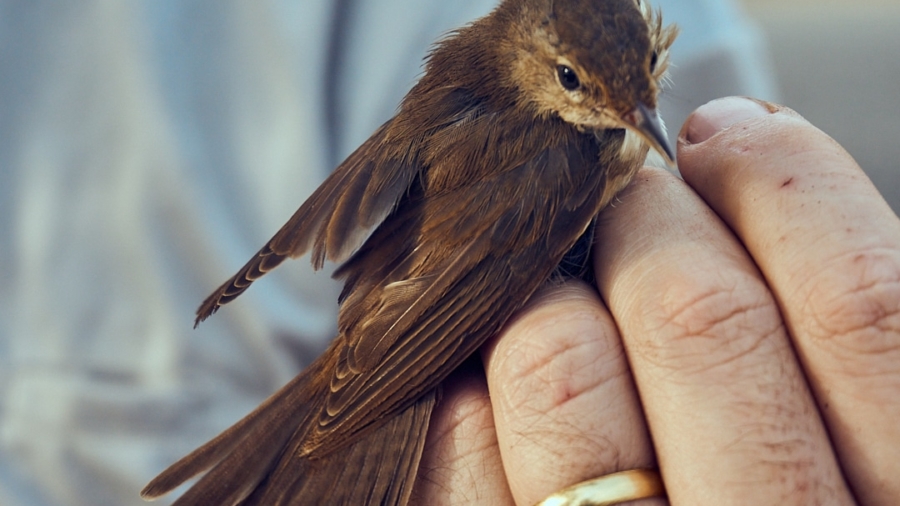
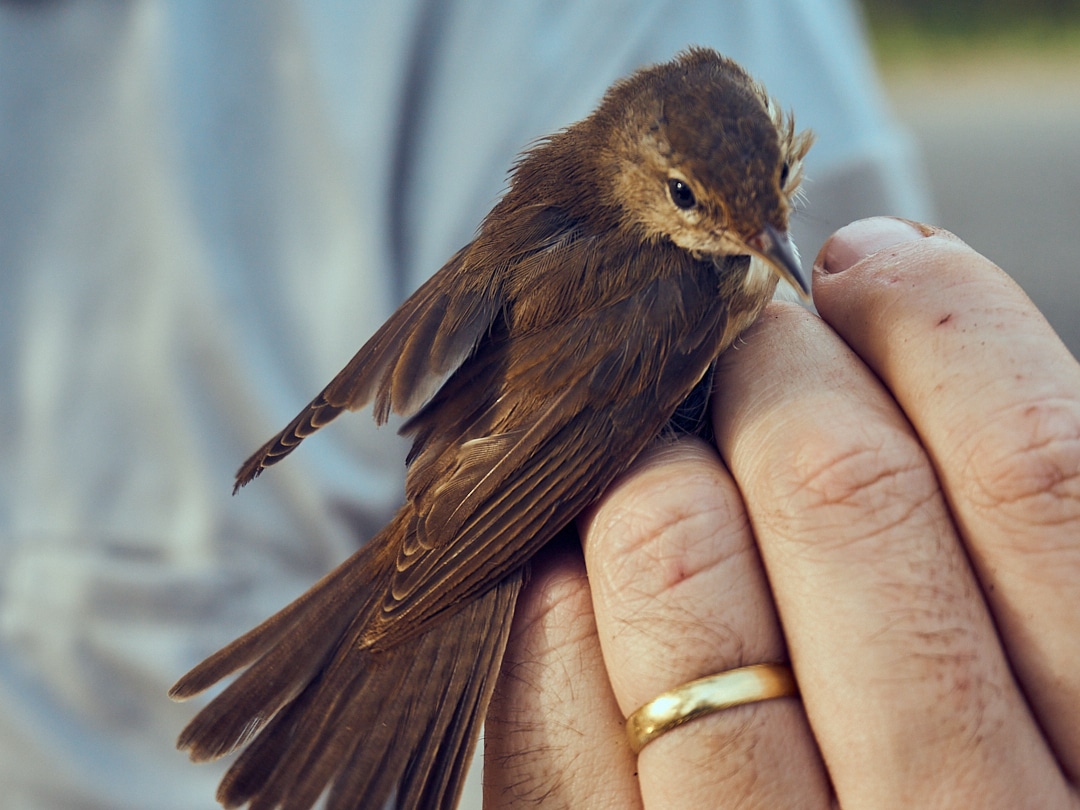
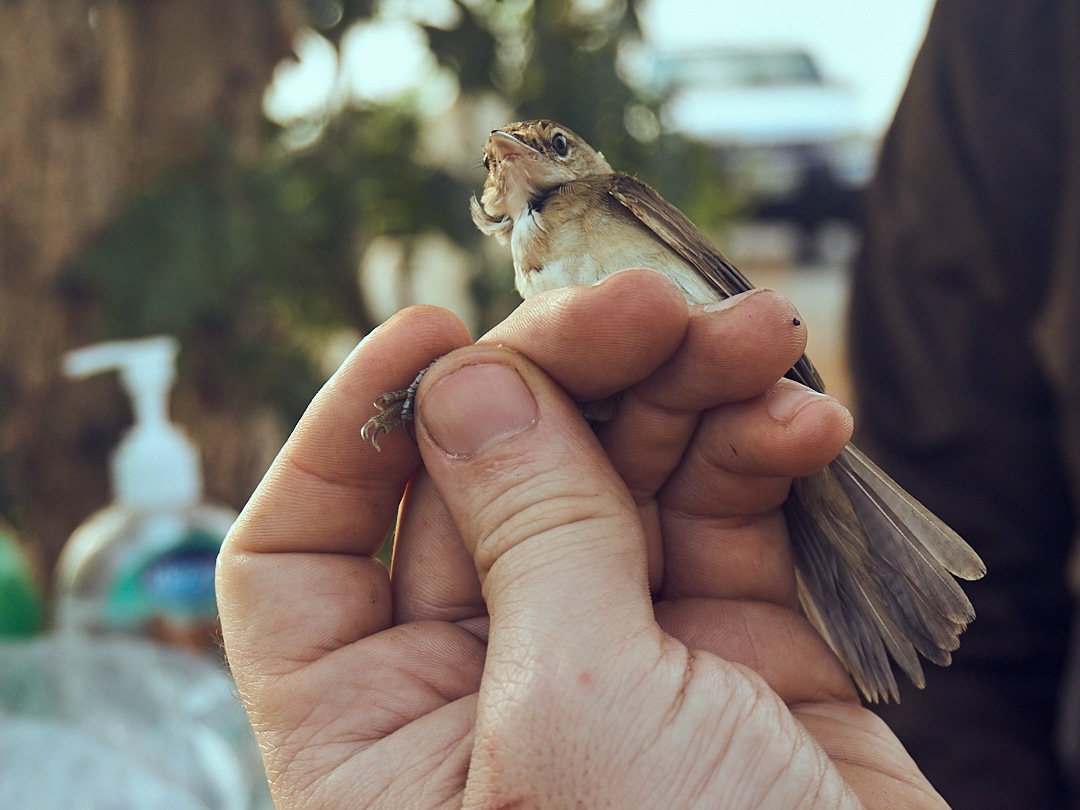
From the quiet wetlands of Salo in Ghana’s Keta Lagoon to the open skies of Belgium, a one-year-old Eurasian Reed Warbler (Acrocephalus scirpaceus) has completed a close to 5000-kilometre journey that embodies the very spirit of World Migratory Bird Day 2025 — that birds connect our world.
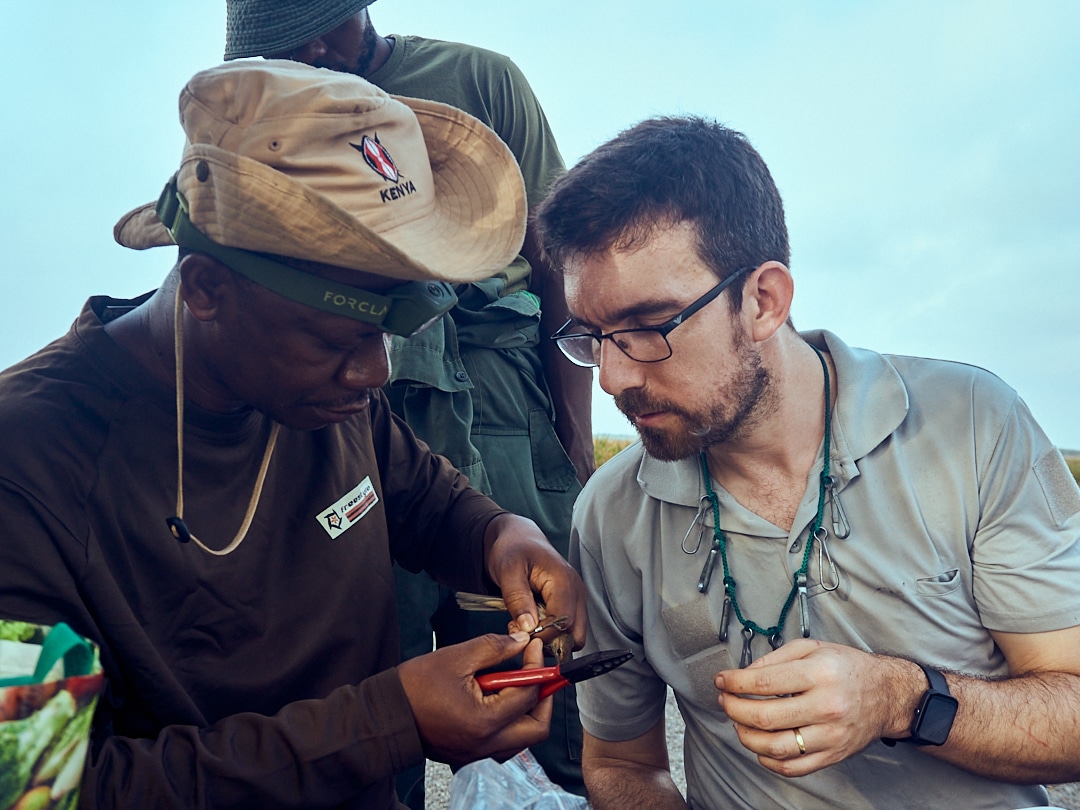
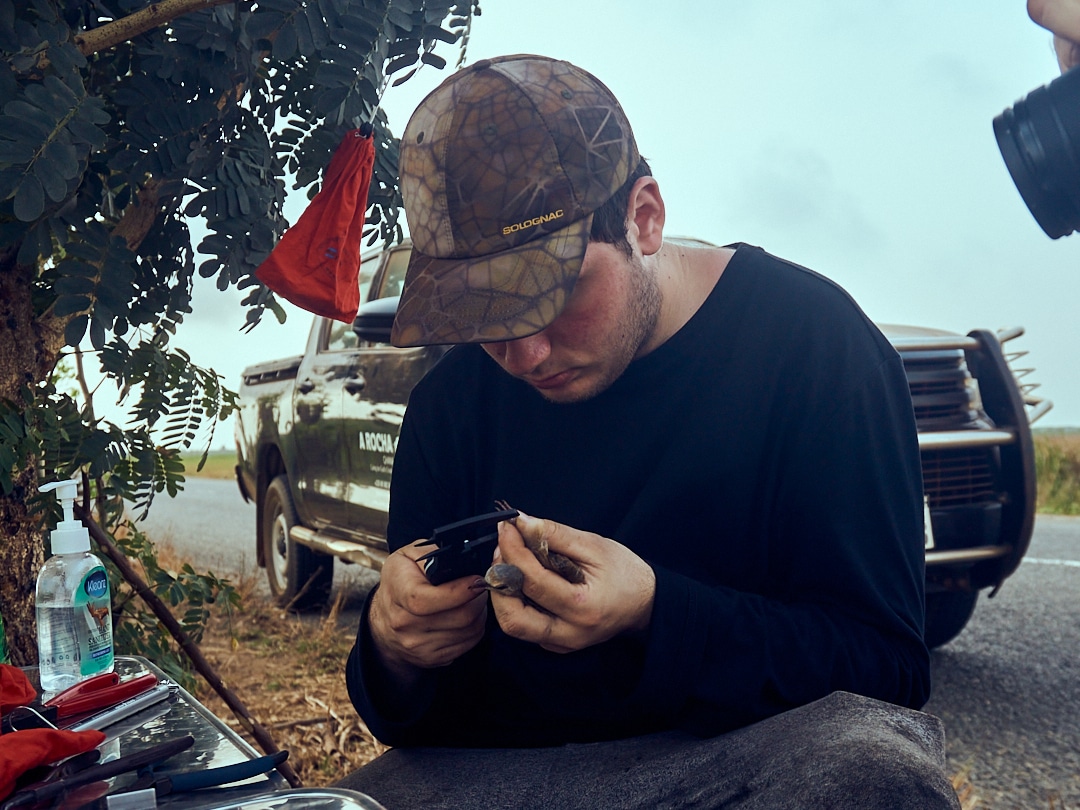
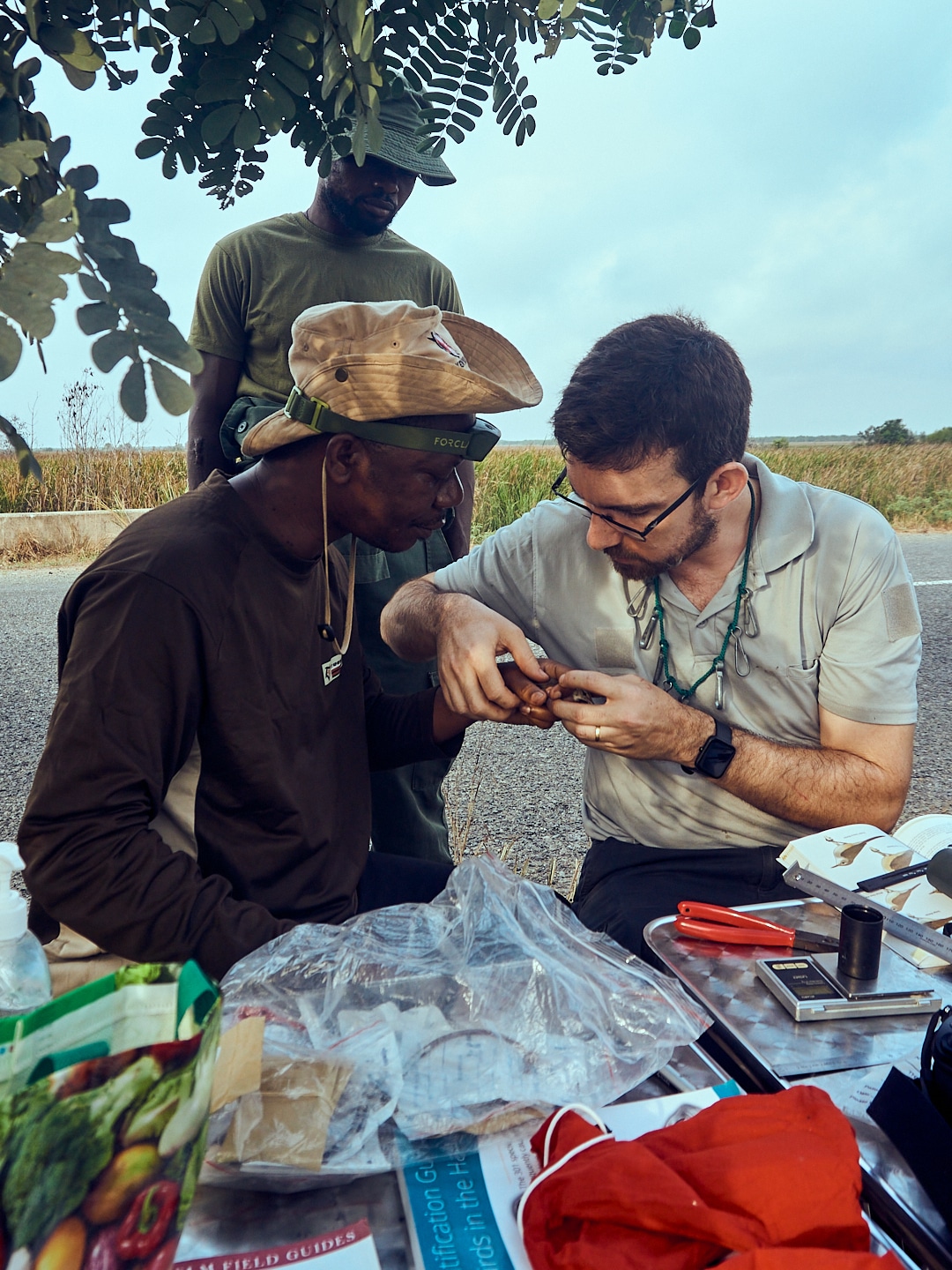
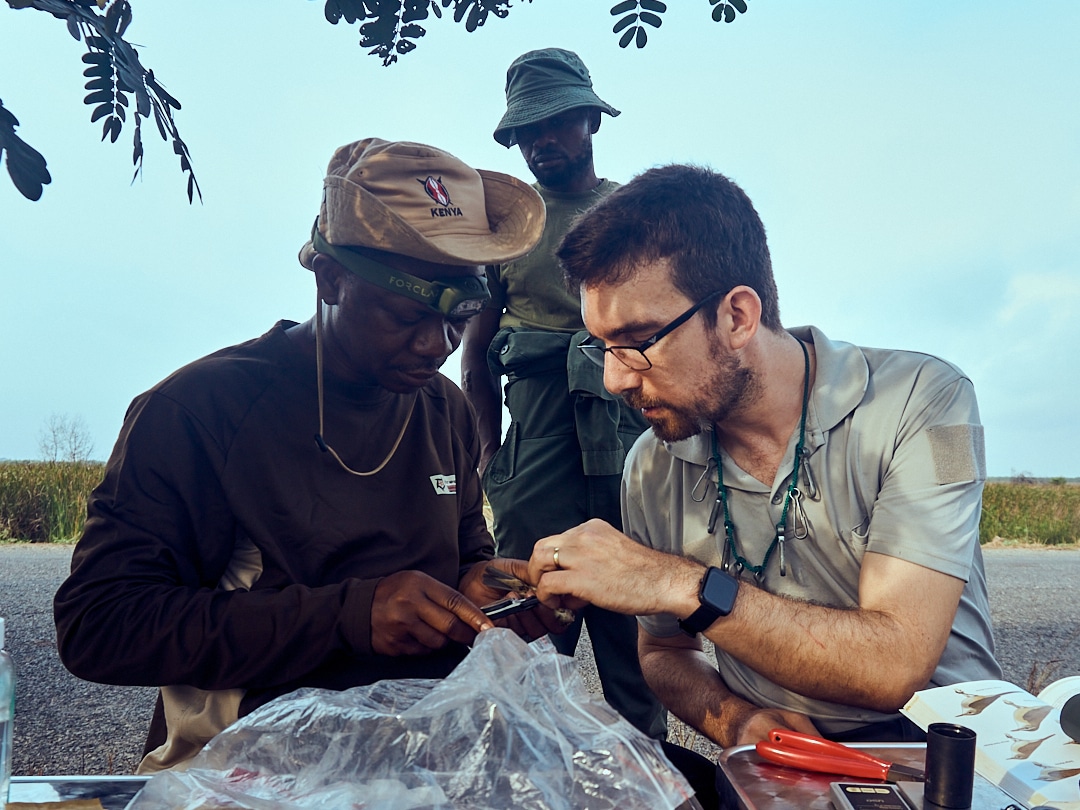
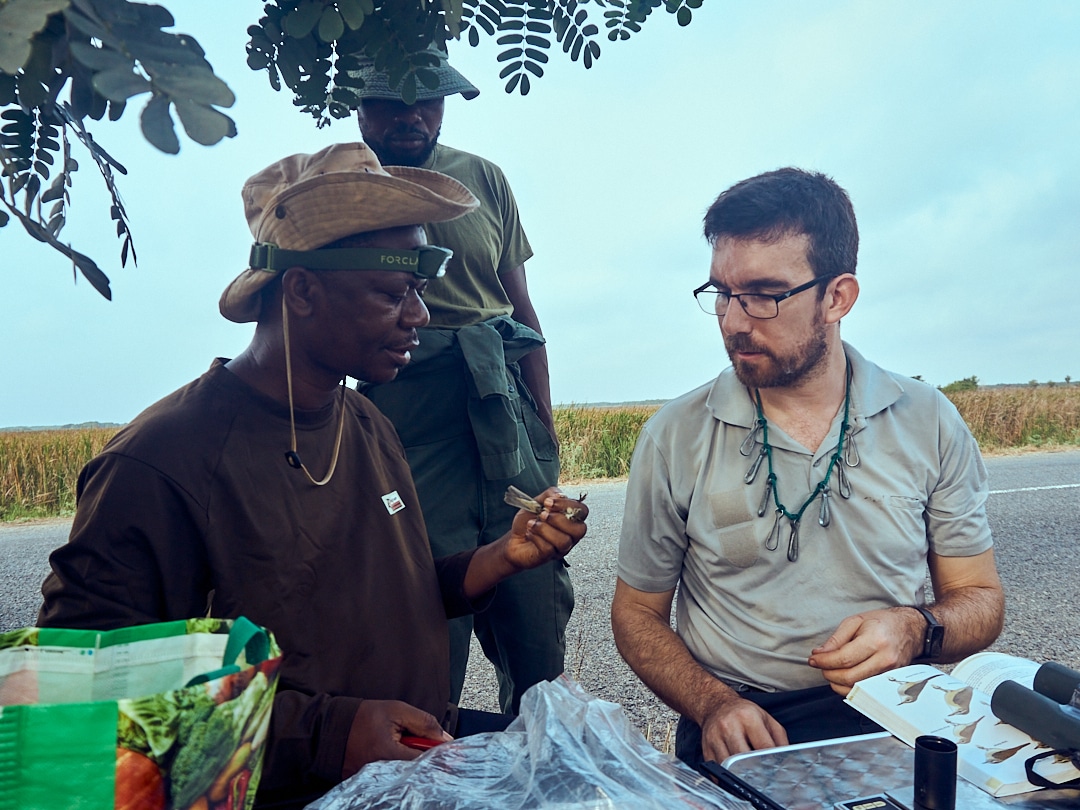
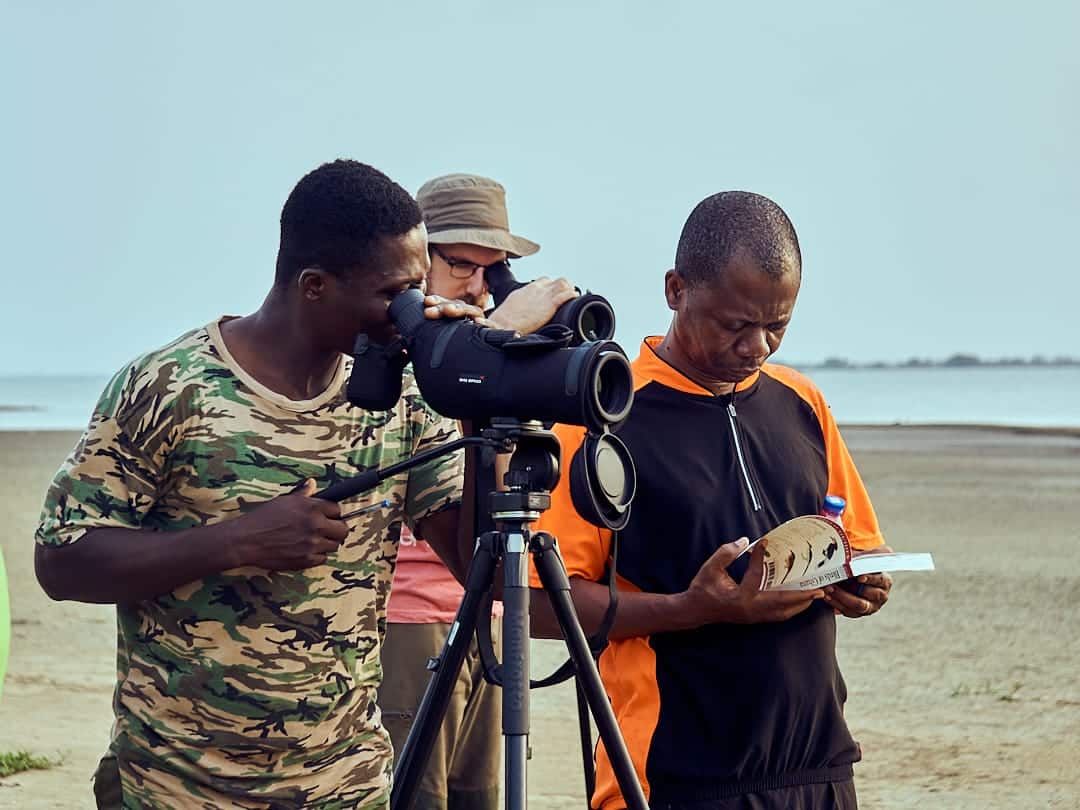
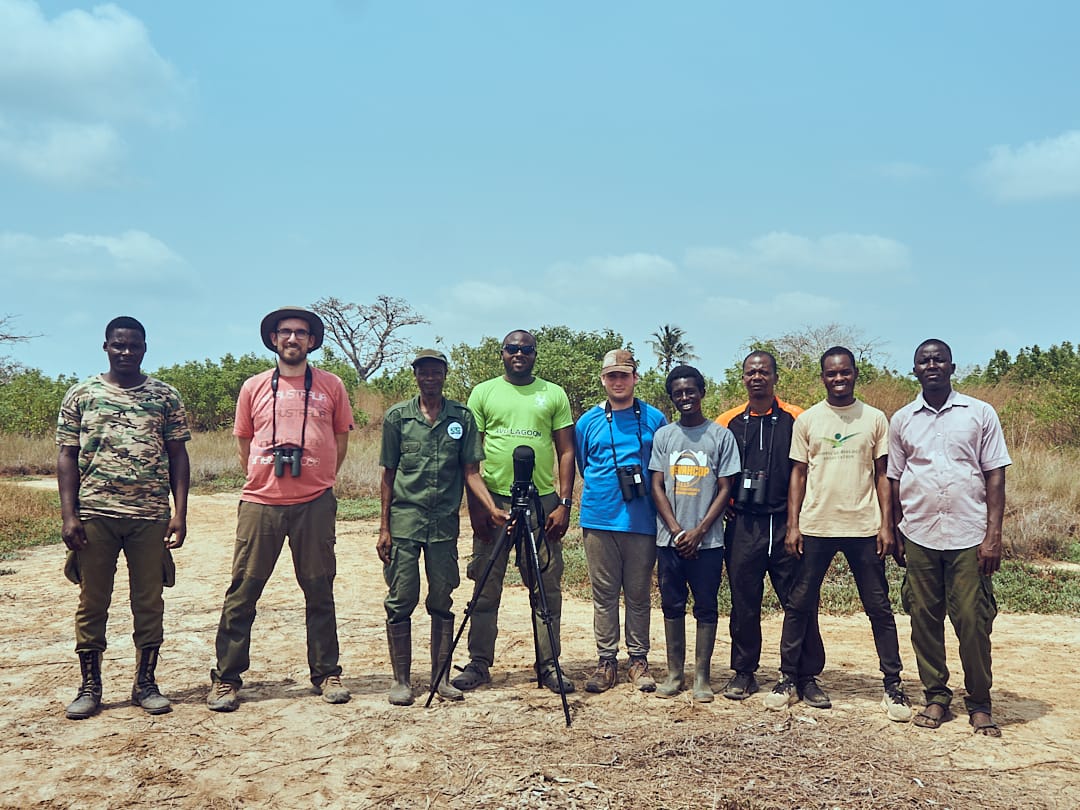
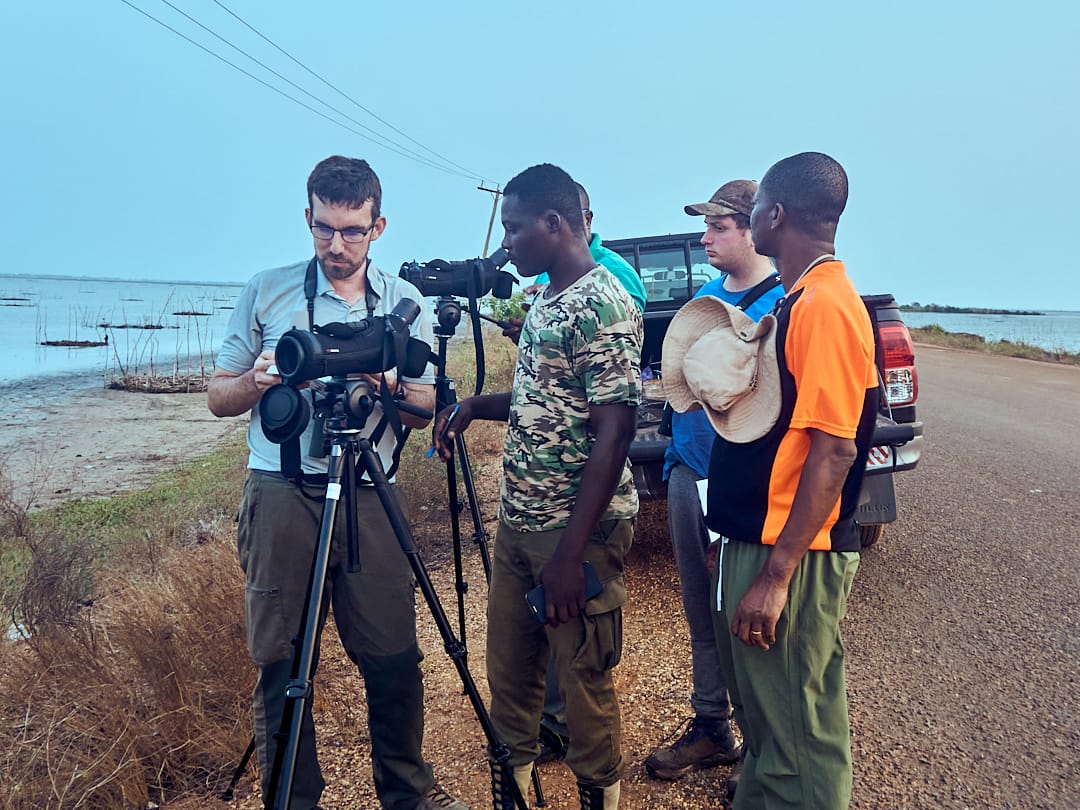
This tiny traveler, weighing just 10grams, was first ringed on February 18, 2025, by the Scientific Director of A Rocha France and ornithologist, Schwartz Timothée in Salo, a community within the Keta Lagoon Complex Ramsar Site (KLCRS), during field surveys under the ProBioDev project, a collaboration between A Rocha Ghana and A Rocha France for the conservation of migratory birds.
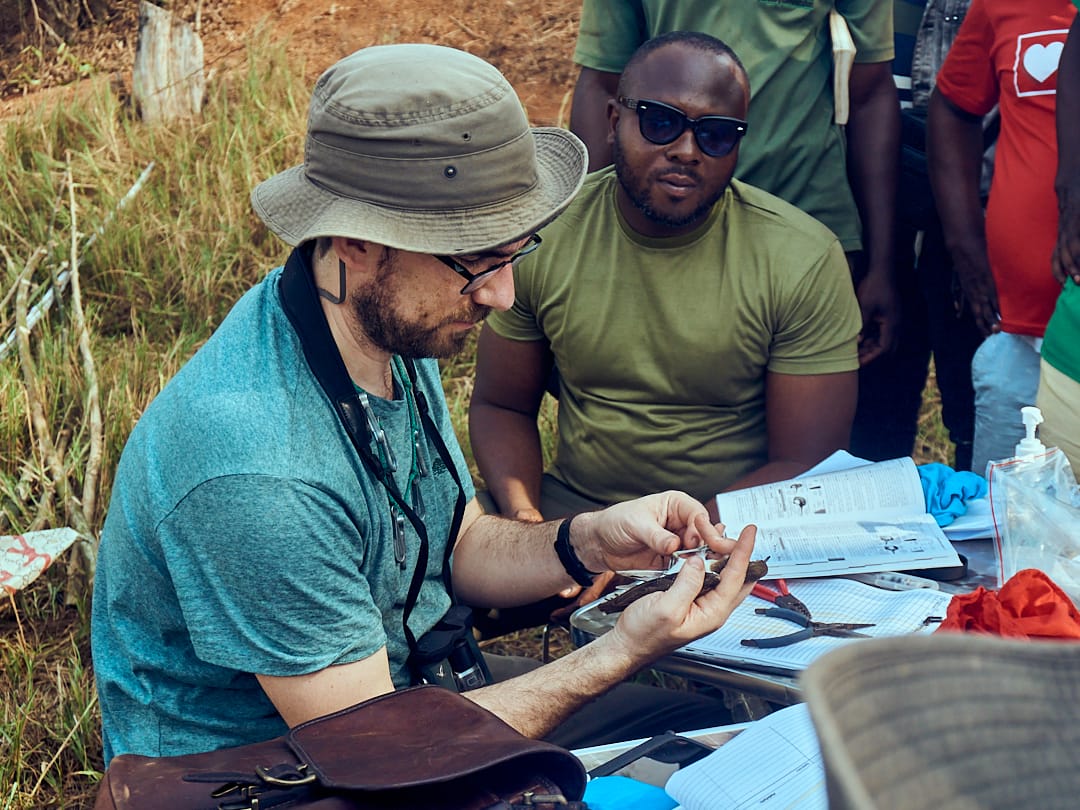
The ringing of our tiny traveller, Eurasian Reed Warbler (Acrocephalus scirpaceus). It has a unique tag—P010418
On 17 September 2025, the same bird was recaptured in Sourbrodt, Belgium, at a weight of 11.69grams, by Ornithologist Emile Degros, revealing an extraordinary link between the wetlands of Ghana and the marshes of Europe.
“The recapture of this bird on European soil is a powerful symbol of the invisible threads that tie our ecosystems together,” says Prosper Kwame Antwi, Programmes Manager at A Rocha Ghana.
“I am very elated to know that the Keta Lagoon Complex Ramsar Site (KLCRS) habitat connects to a distant habitat in Belgium. Our community-based conservation approach is surely helping balance ecosystems across continents.
As we contribute to securing critical habitats for the present and future, we are convinced that our research findings and community-based conservation efforts will support international agreements and conservation efforts, which are essential for protecting species that cross national borders,” he added.
“Ringing two Eurasian Reed Warblers wintering in the Keta Lagoon Complex Ramsar Site last February was a major milestone for our project,” said Timothée Schwartz, Scientific Director of A Rocha France.
“It highlights the vital importance of conserving these threatened habitats for the survival of migratory birds. To know that one of these birds has been found in Europe is simply incredible! This fantastic result gives us great hope and motivates us to work even harder to protect these fragile and heroic creatures.”
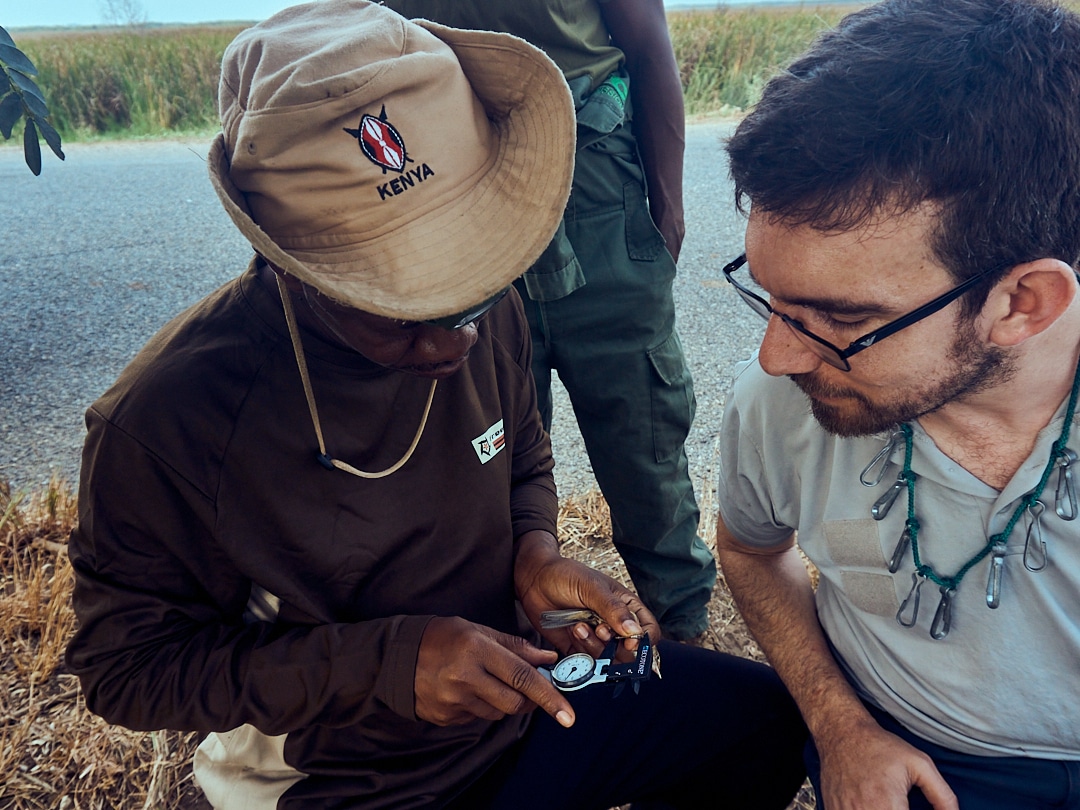
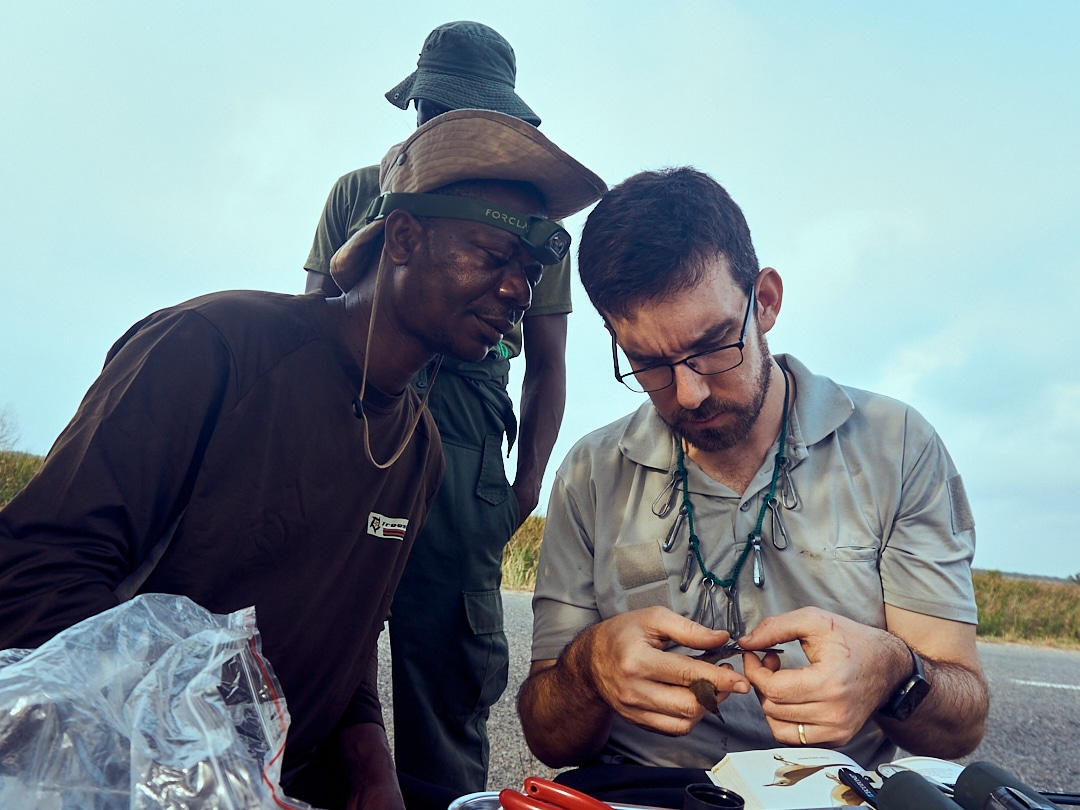
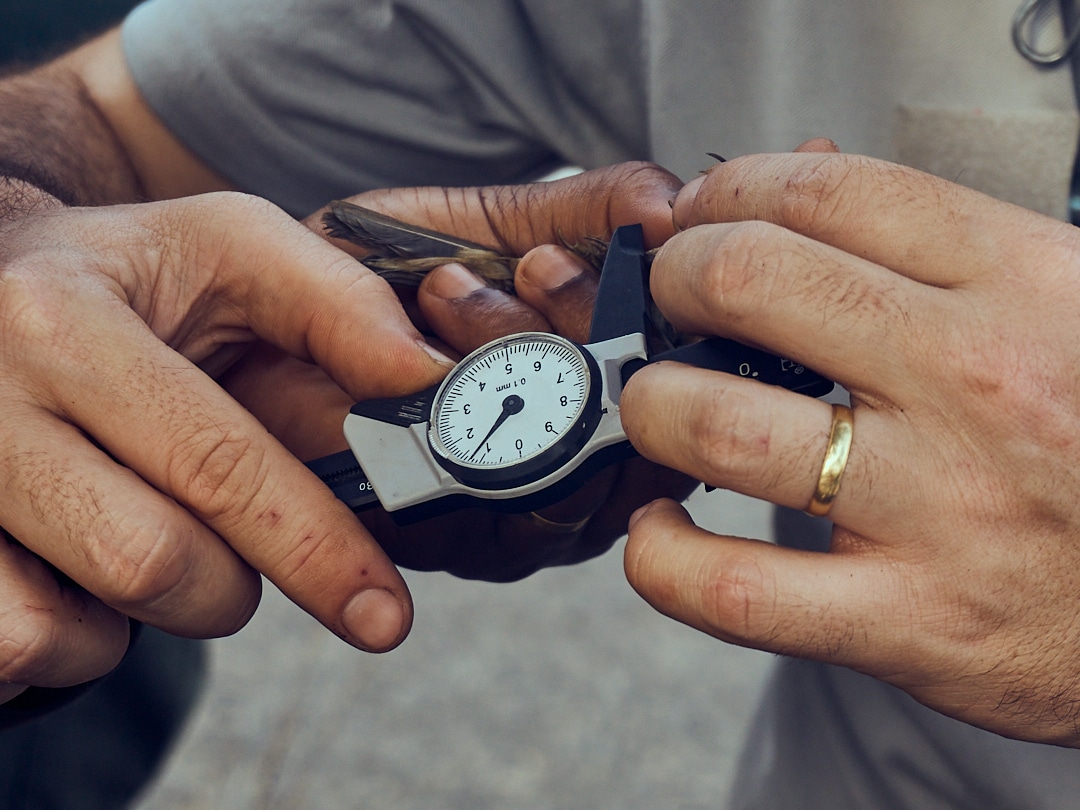
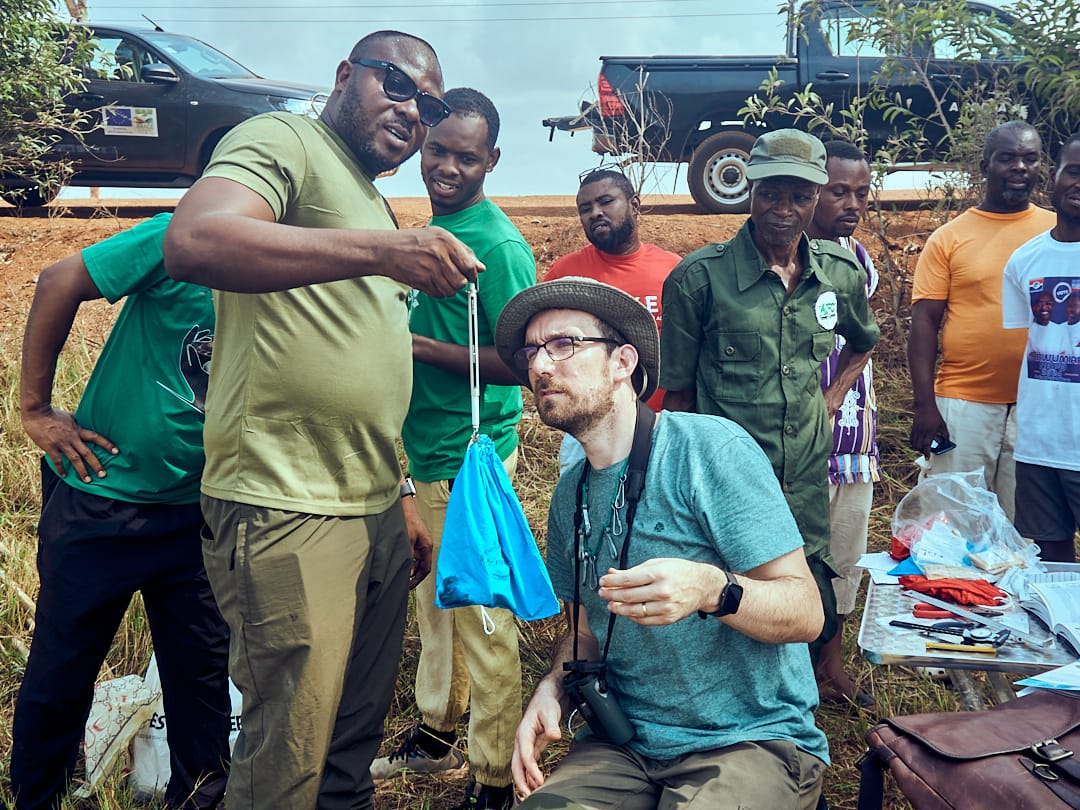
Measuring the length of the leg of the Eurasian Reed Warbler, a useful measurement to understand the fitness of migratory birds.
A Partnership for Birds, People, and Planet
The ProBioDev project — short for Promoting Biodiversity Conservation for Development is made possible through funding from the French Committee of the IUCN, under the Biodiversity Support Program for Civil Society Organizations (CSOs) active in developing countries, with the valued partnership of the management of the Keta Lagoon Ramsar Site (Wildlife Division of Forestry Commission of Ghana).
Through this collaboration, A Rocha Ghana and A Rocha France are working to protect one of Ghana’s most important migratory bird stopover sites, the KLCRS.
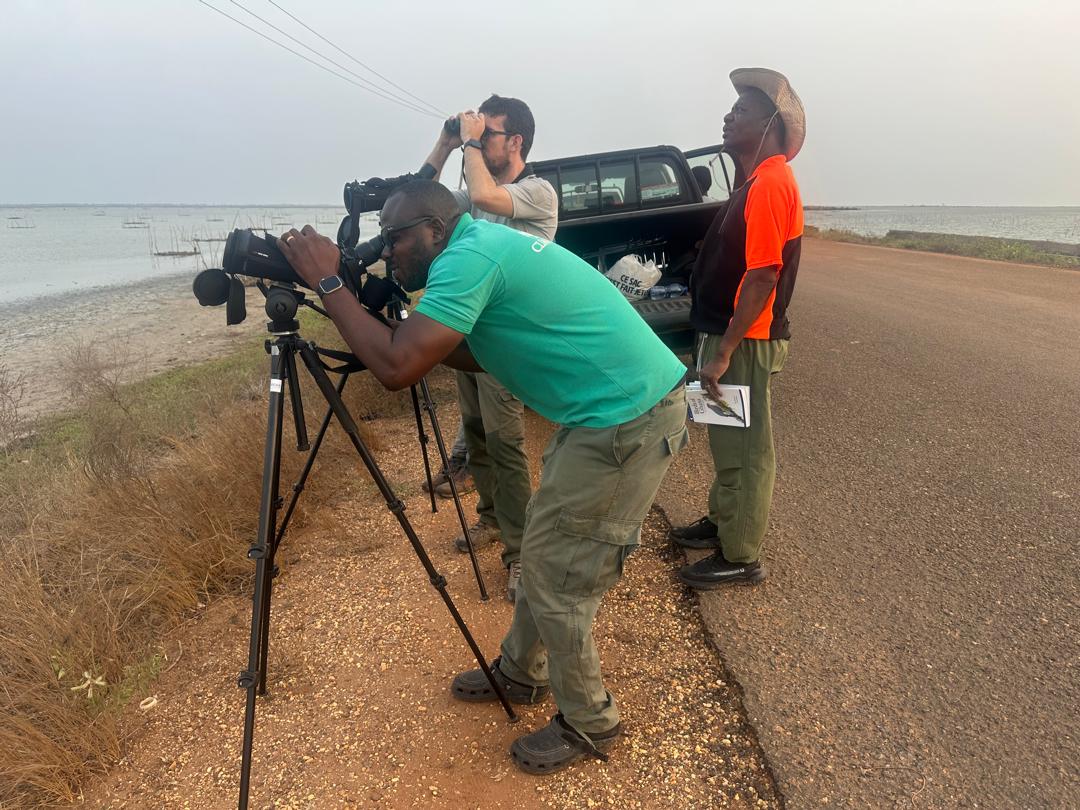
Recognized internationally as a Ramsar Site, KLCRS regularly welcomes over 100,000 birds at a time, including many migratory species from Europe. Yet, increasing poverty and overexploitation threaten both the lagoon’s biodiversity and the livelihoods of local communities. Between 10 percent and 30 percent of residents in the surrounding districts live in poverty, relying heavily on fishing, agriculture, and mangrove harvesting.
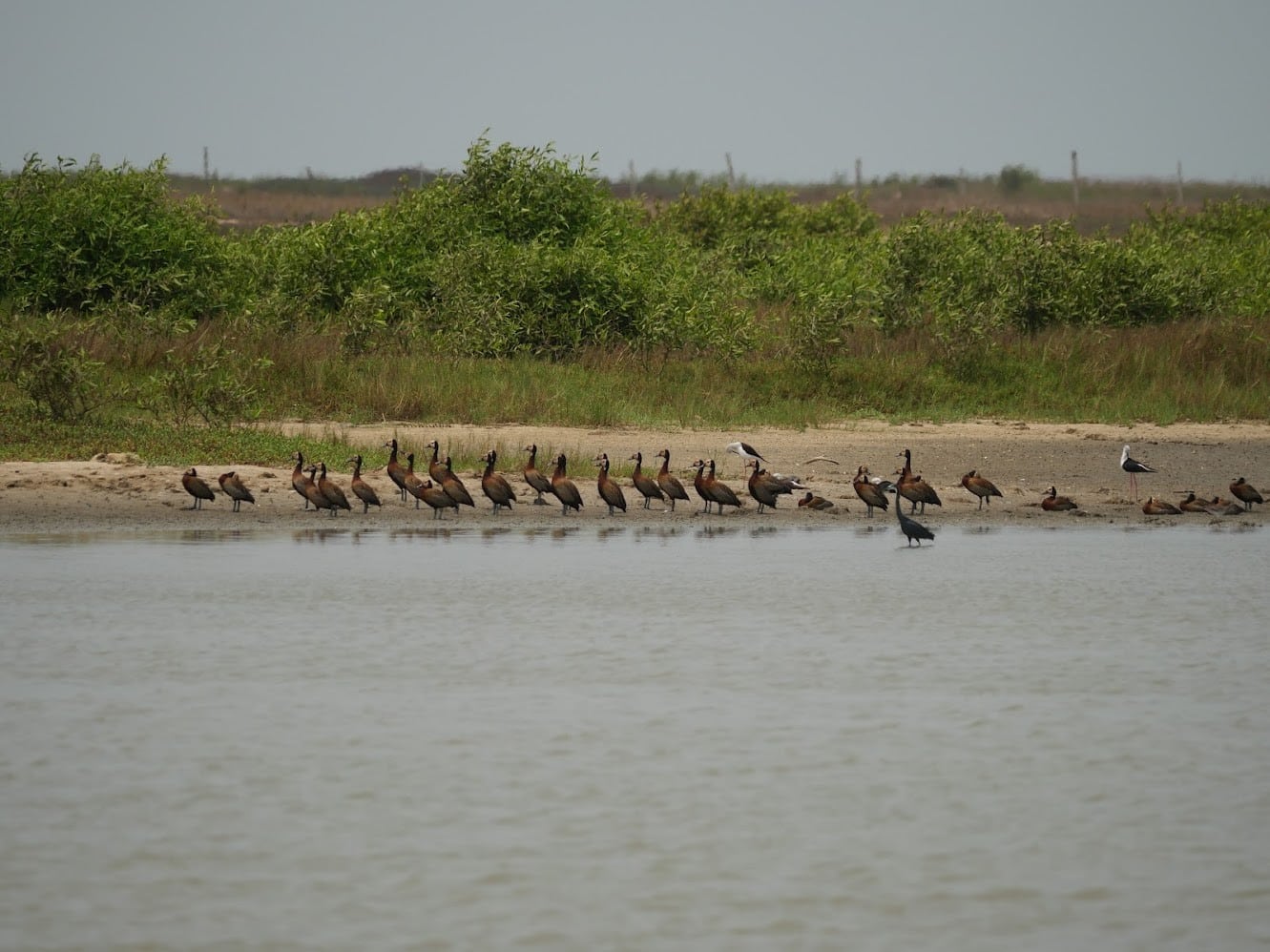
The Keta Lagoon Complex Ramsar Site (KLCRS) hosts over 100,000 waterbirds at a time — a vital refuge for countless migratory species journeying from Europe.
The ProBioDev project aims to break this cycle by combining scientific research, community empowerment, and habitat restoration. Its objectives include:
Conducting a comprehensive inventory of bird species and updating habitat maps.
Training local community members to monitor and protect bird populations.
Promoting eco-friendly livelihoods such as birdwatching tourism.
Supporting mangrove restoration and ecological farming to enhance food security and climate resilience.
Each ringed bird tells a story of collaboration and care, a link between science and stewardship, people and planet. The Eurasian Reed Warbler’s flight from Salo to Sourbrodt reminds us that even the smallest creatures can carry the largest messages of hope. “This tiny traveller is more than just a scientific record,” reflects Prosper Kwame Antwi. “It’s a message of hope that by protecting wetlands and wildlife, we’re nurturing the bonds that unite our world.”
Quick Facts of our Tiny Traveller
Species: Eurasian Reed Warbler (Acrocephalus scirpaceus) Age: >1 year Date of First Capture: 18 February 2025 Ringer: Timothée, SCHWARTZ, Weight at first capture: 10g Wing length at first capture:65.5m Original Site: Salo, Keta Lagoon Complex Ramsar Site, Ghana Recapture Site: Sourbrodt, Belgium (50°28’42″N 06°07’04″E) Date of Recapture: 17 September 2025 Ringer/Founder: Emile Degros Weight at Recapture: 11.69 g Wing length at Recapture: 69 mm Ring Number: P010418
About World Migratory Bird Day (WMBD)
World Migratory Bird Day (WMBD) is a global campaign that celebrates the remarkable journeys of migratory birds and promotes international cooperation to protect them. Observed in May and October, the day highlights the challenges birds face across continents and habitats. Coordinated by UNEP’s Convention on Migratory Species (CMS), the African–Eurasian Migratory Waterbird Agreement (AEWA), and Environment for the Americas (EFTA), WMBD reminds us that protecting migratory species means protecting the planet.
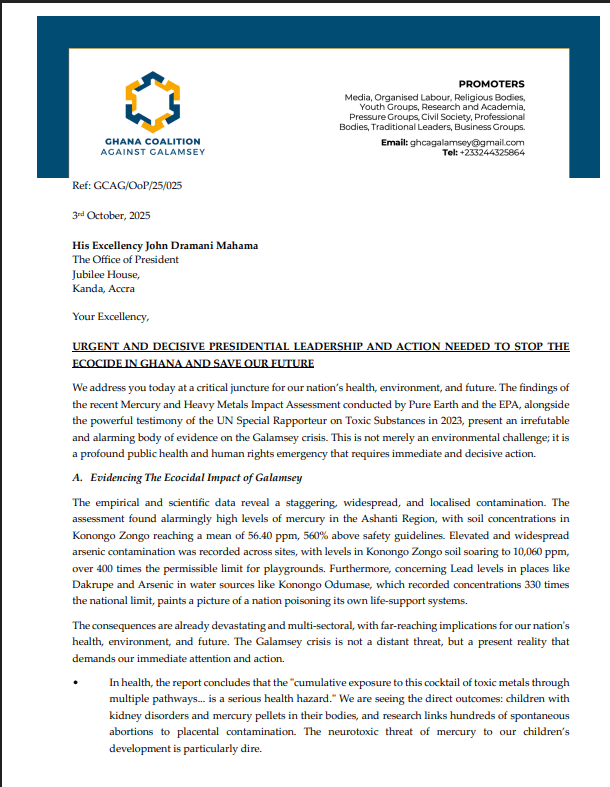
On 3rd October 2025, the Ghana Coalition Against Galamsey (GCAG) submitted a letter to President John Dramani Mahama calling for urgent leadership to address illegal mining.
The letter follows the President’s recent dialogue with Civil Society Organisations (CSOs) at the Jubilee House in Accra on ways to tackle galamsey. According to the Presidency, the engagement brought together government, faith-based groups, advocacy organisations, professional bodies, and mining-related associations to explore practical solutions to a problem that has devastated farmlands, polluted rivers, and threatened livelihoods.
In the letter, GCAG cited findings from the EPA and Pure Earth’s Heavy Metals Impact Assessment, which recorded mercury levels in Konongo Zongo soil at 560% above safety limits and arsenic concentrations in water sources at 330 times above national standards. The report links these exposures to kidney disorders, mercury found in children, and pregnancy losses.
In health, the report concludes that the “cumulative exposure to this cocktail of toxic metals through multiple pathways… is a serious health hazard.” We are seeing the direct outcomes: children with kidney disorders and mercury pellets in their bodies, and research links hundreds of spontaneous abortions to placental contamination. The neurotoxic threat of mercury to our children’s development is particularly dire.
The coalition also noted the destruction of 1.2 million hectares of farmland, displacement of 500,000 farmers, and river pollution affecting water supplies.
In Agriculture, over 1.2 million hectares of farmland have been destroyed, displacing more than
500,000 farmers and directly threatening our food security, according to the Peasant Farmers
Association of Ghana. The very crops we grow, from kontomire to tubers, are now vectors for these
toxic metals, jeopardising our food systems.
GCAG is asking the President to:
Provide a roadmap with benchmarks to end galamsey.
Prosecute key actors, including politically exposed persons.
Establish fast-track courts for illegal mining cases.
Protect community activists.
Confiscate and reclaim illegal mining lands.
Publish regular reports on water, forests, and food safety.
The coalition concluded that Ghana’s water, food systems, and public health are at risk without decisive government action.
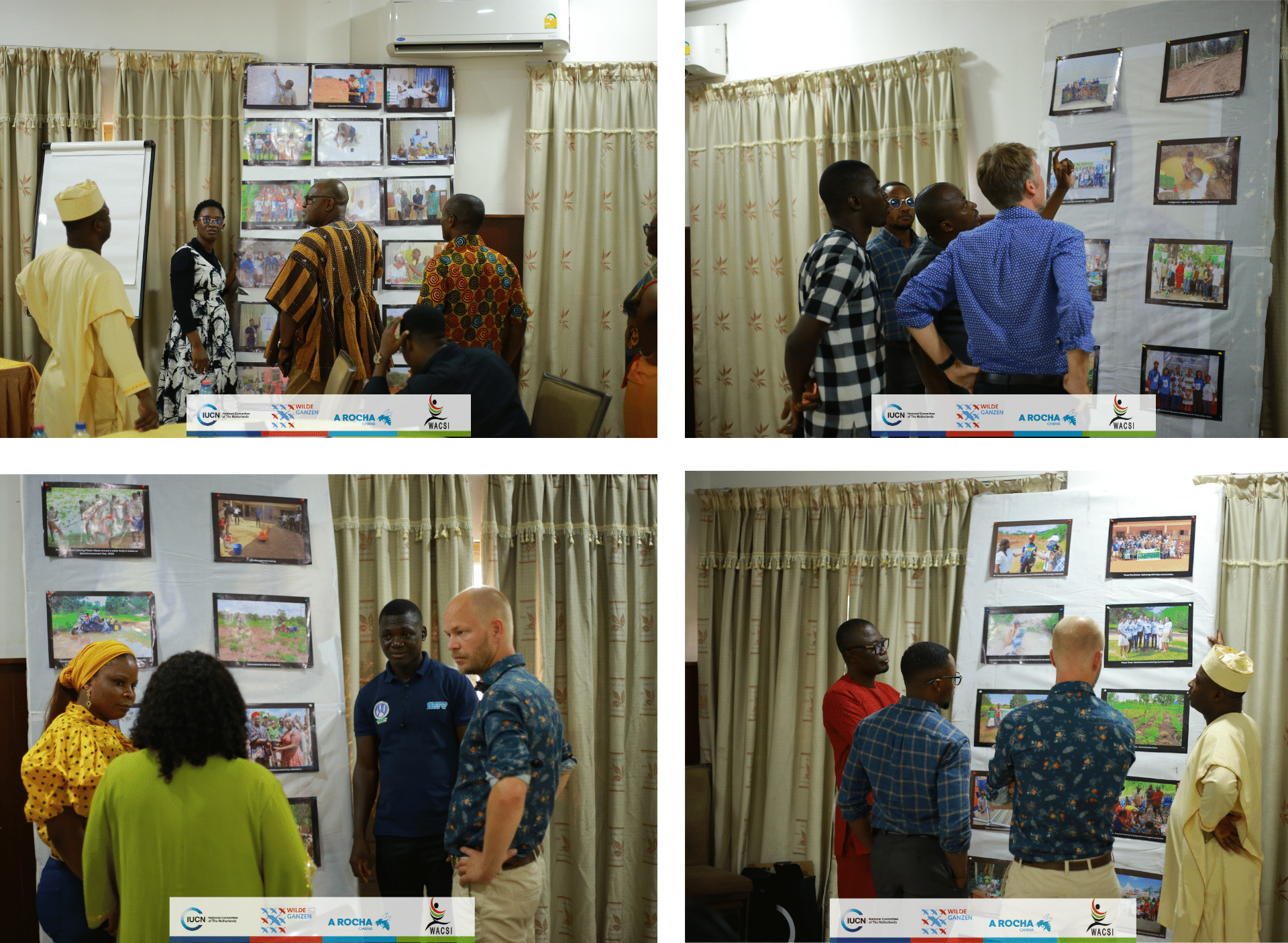
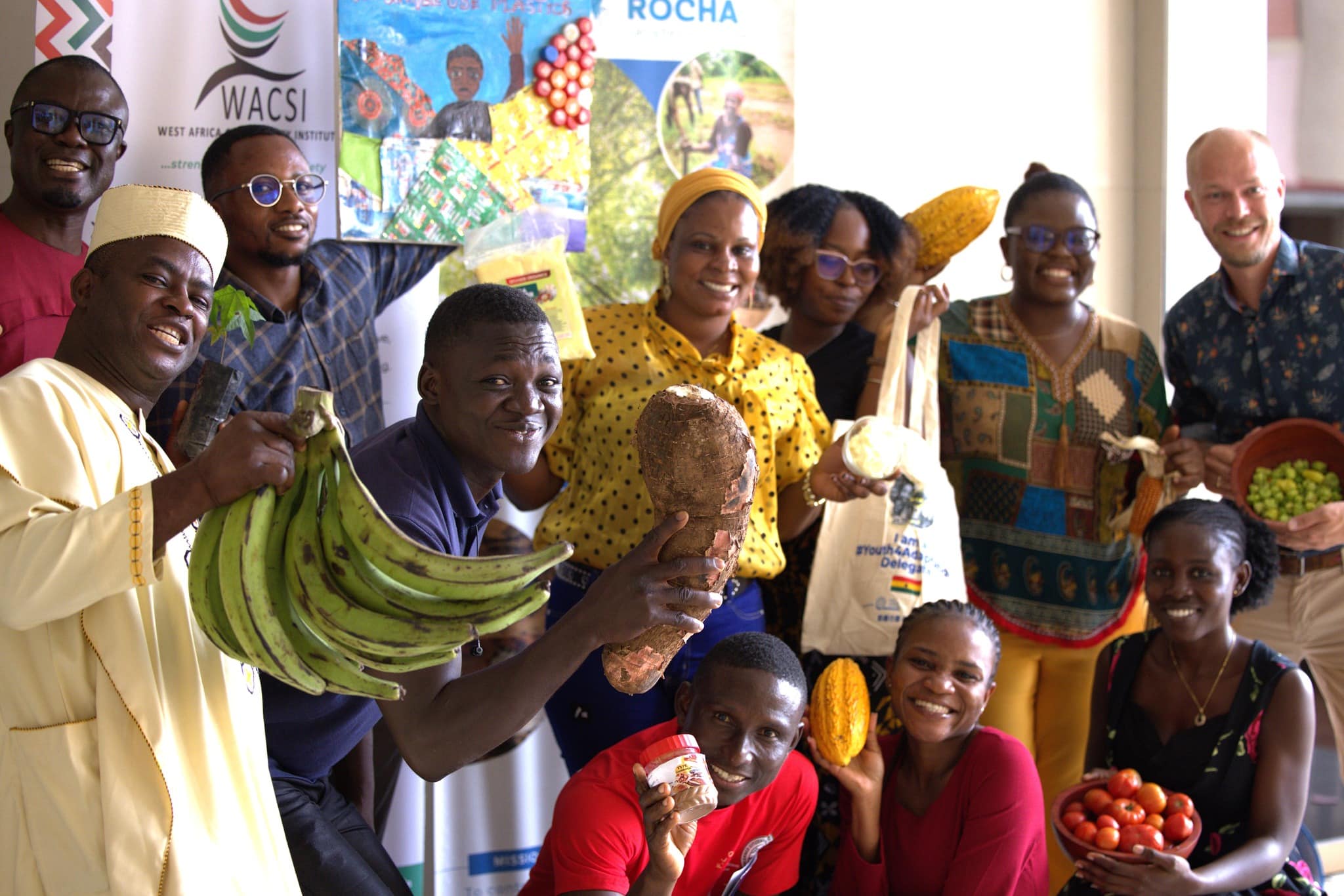
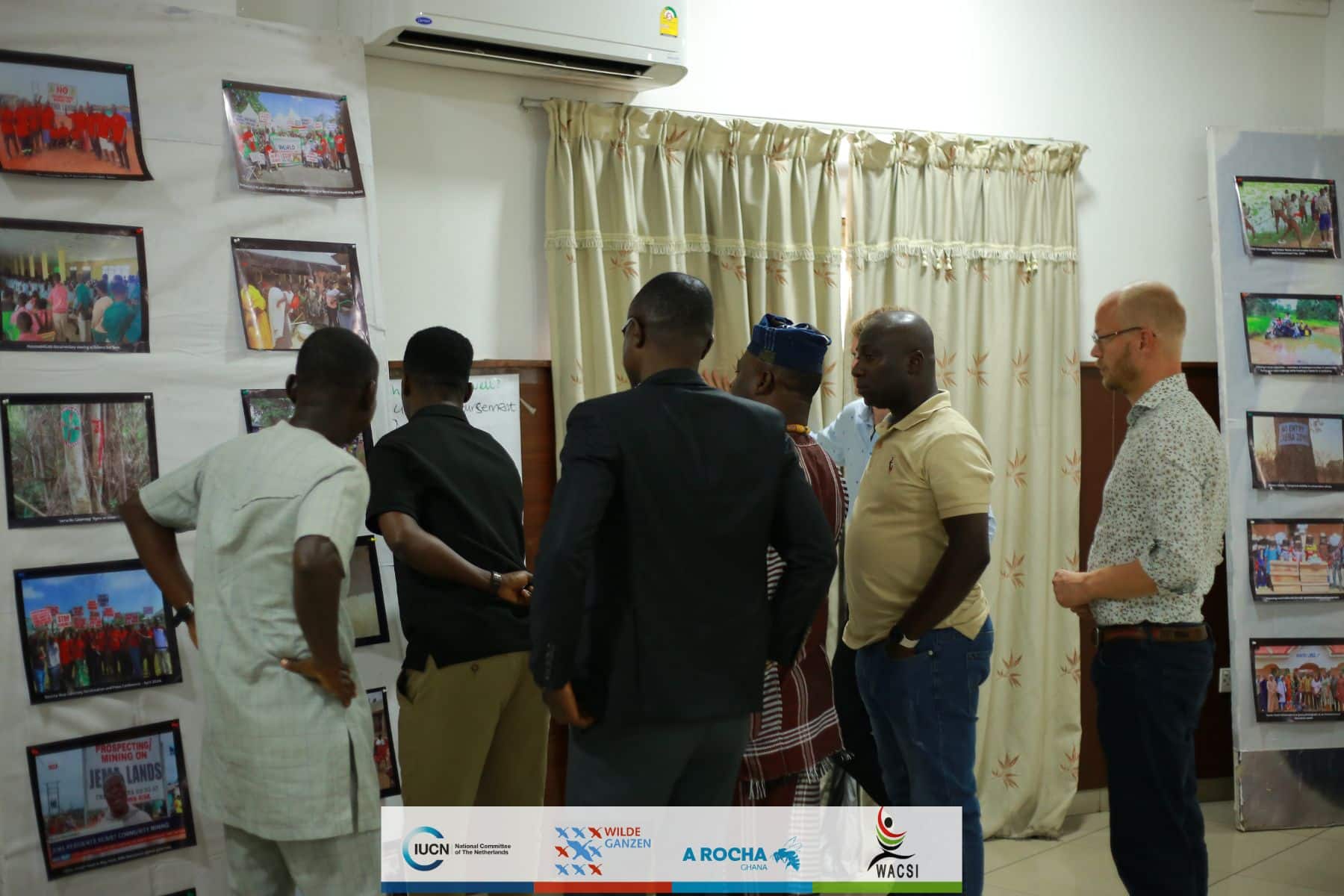
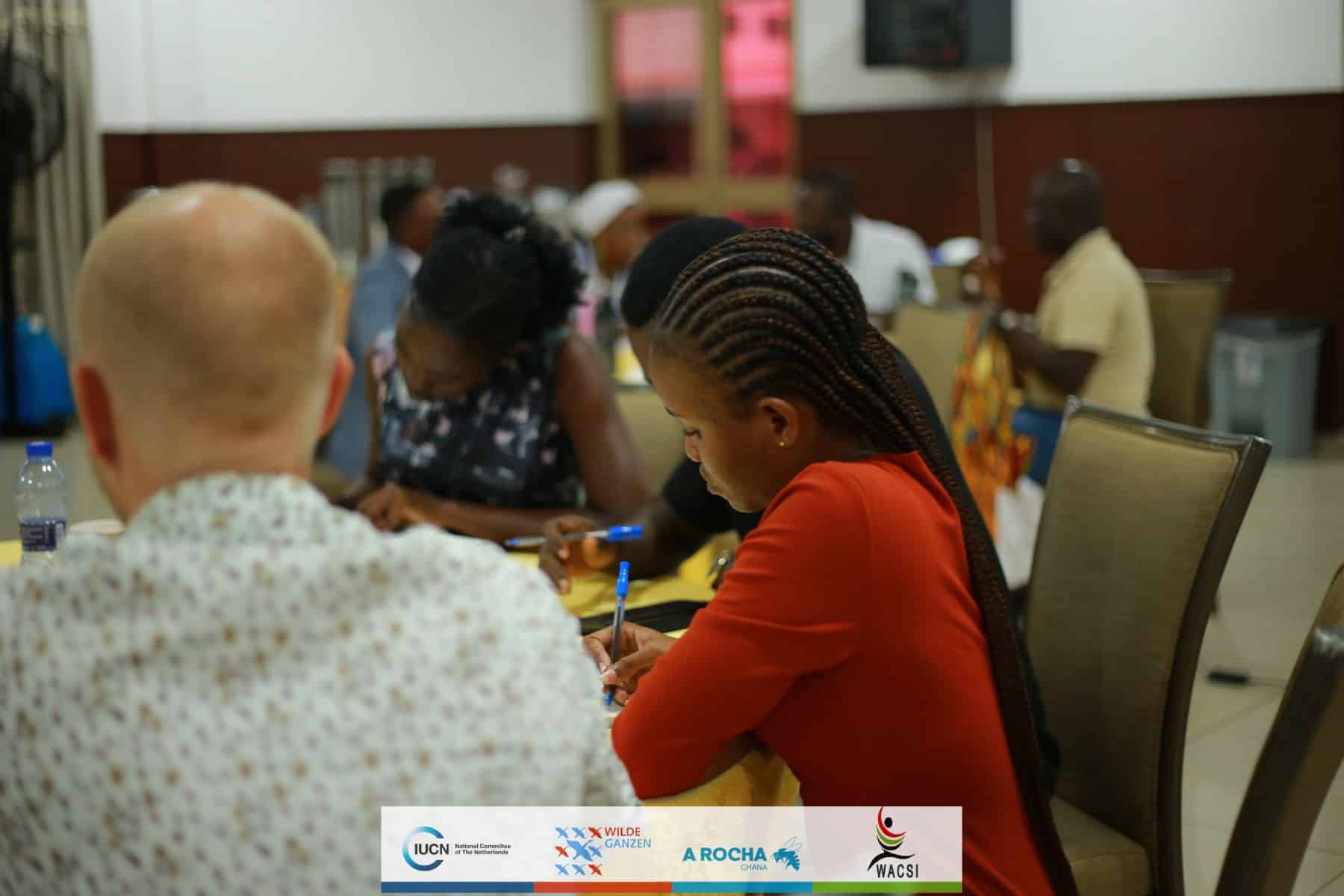
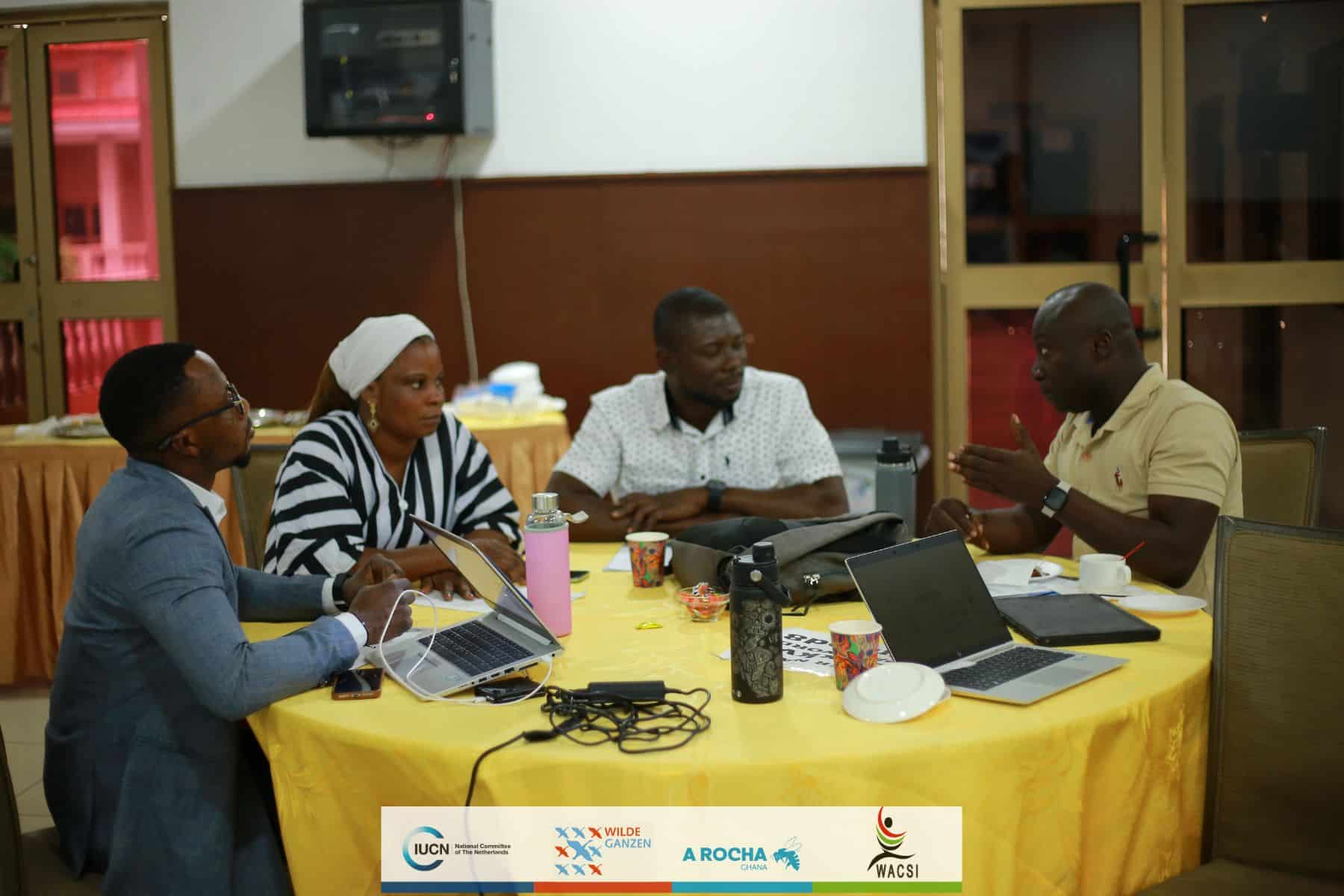
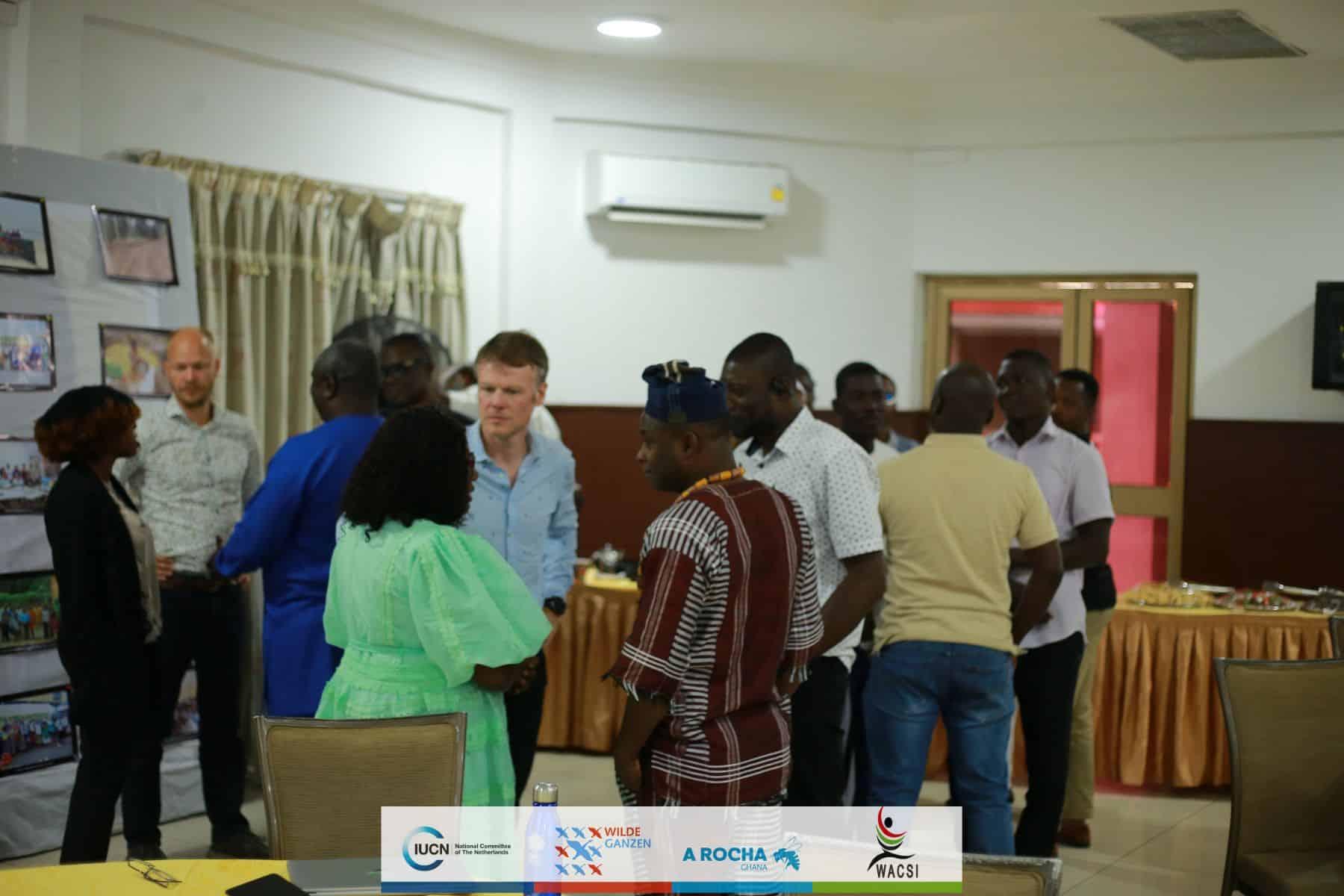
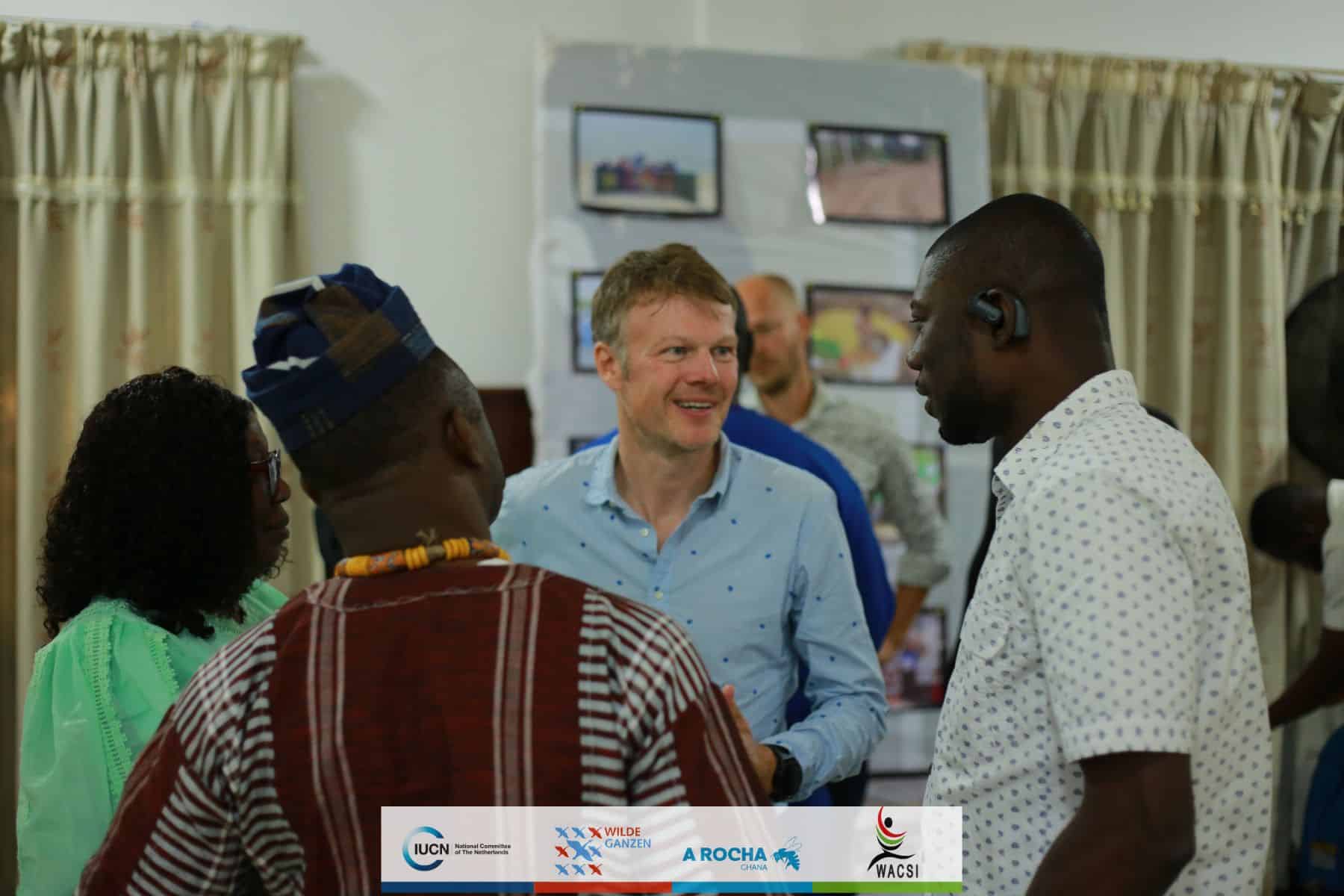
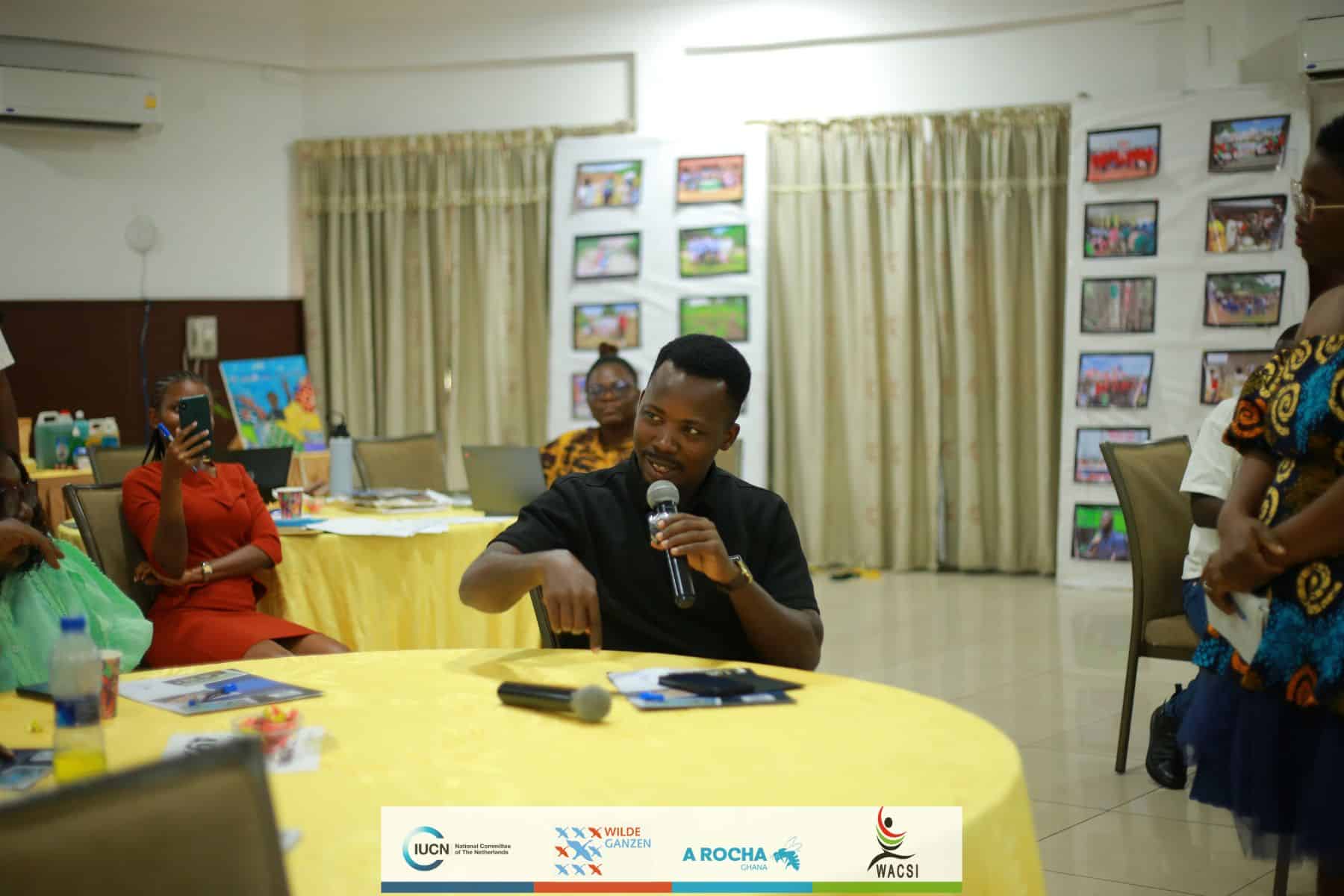
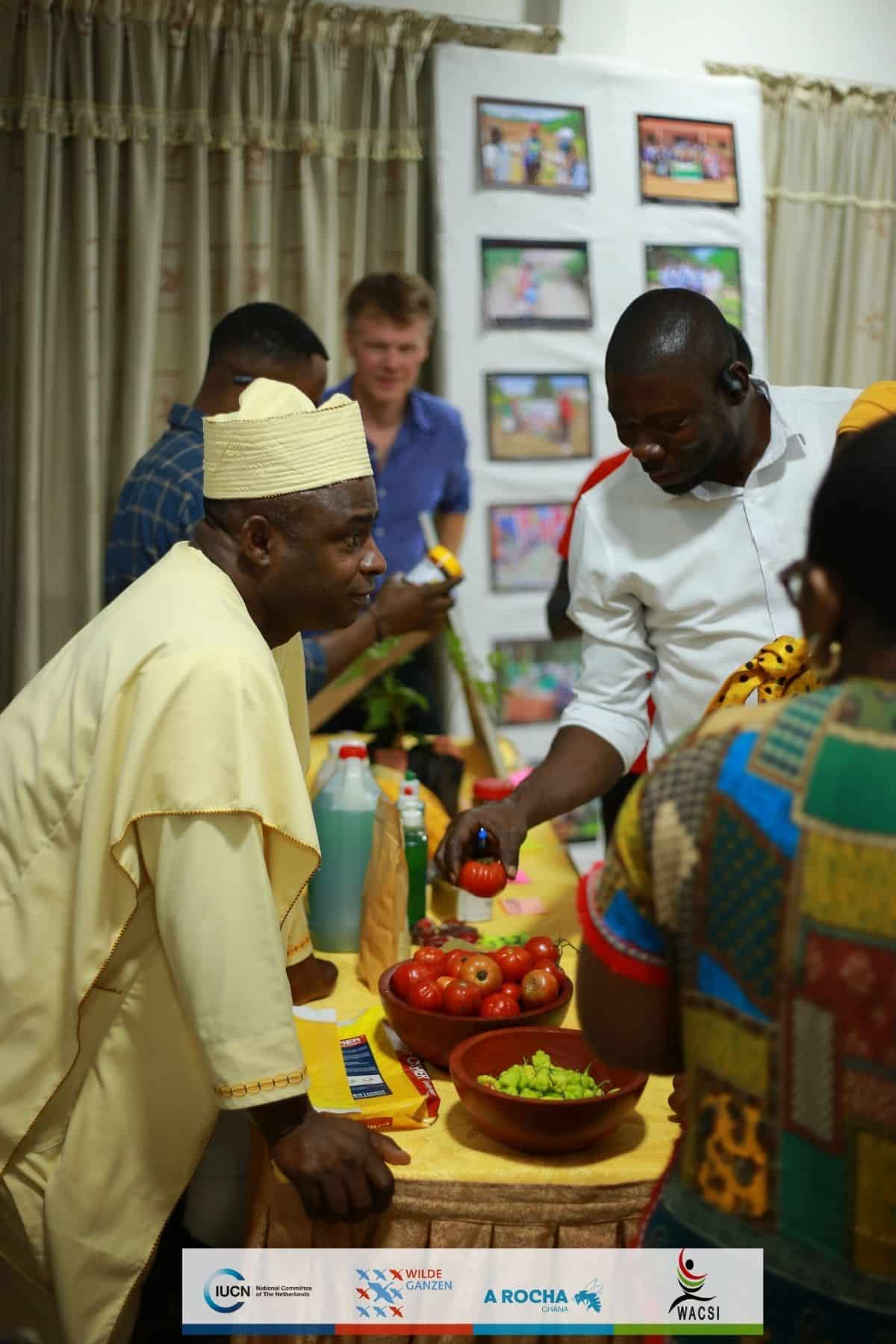
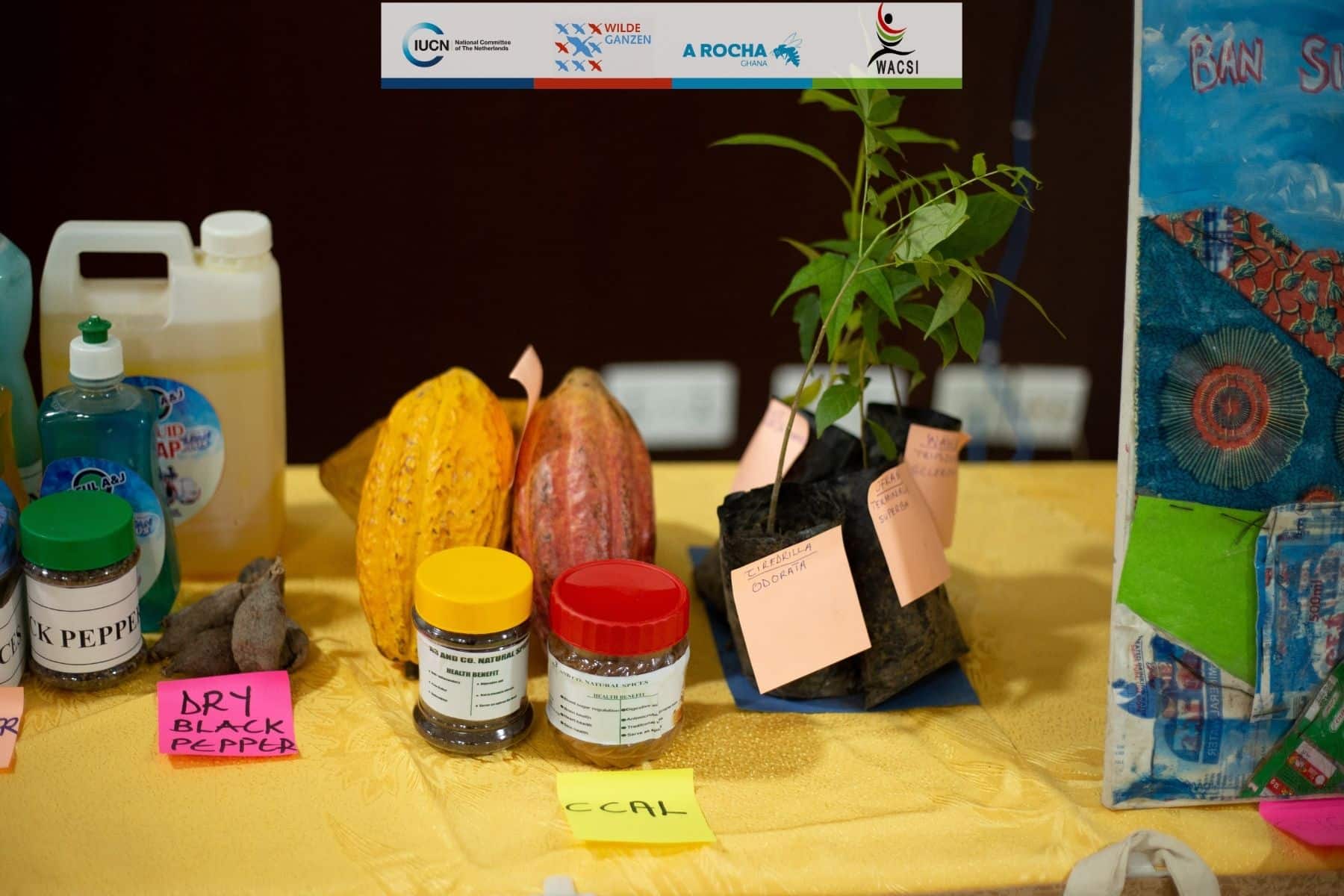
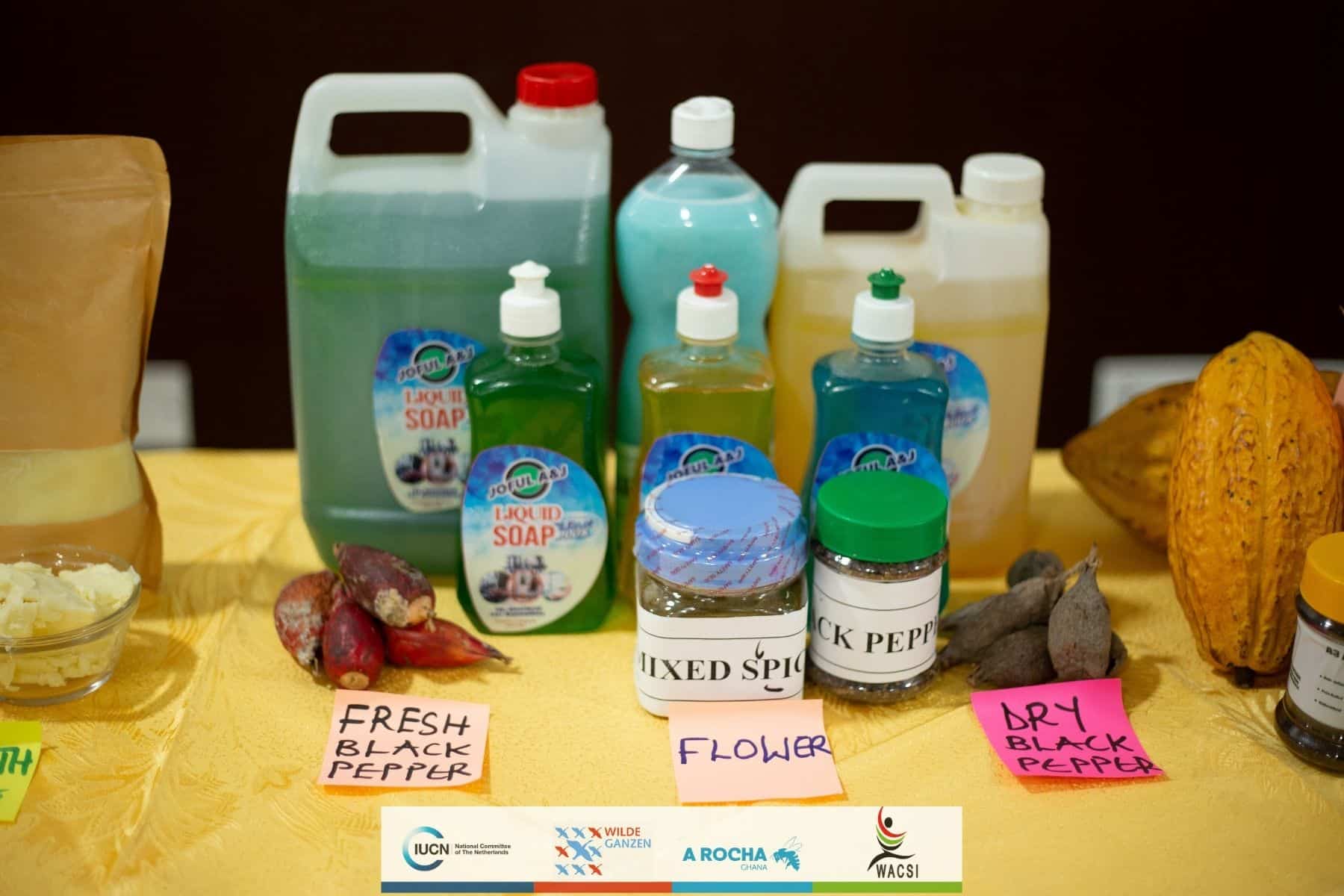
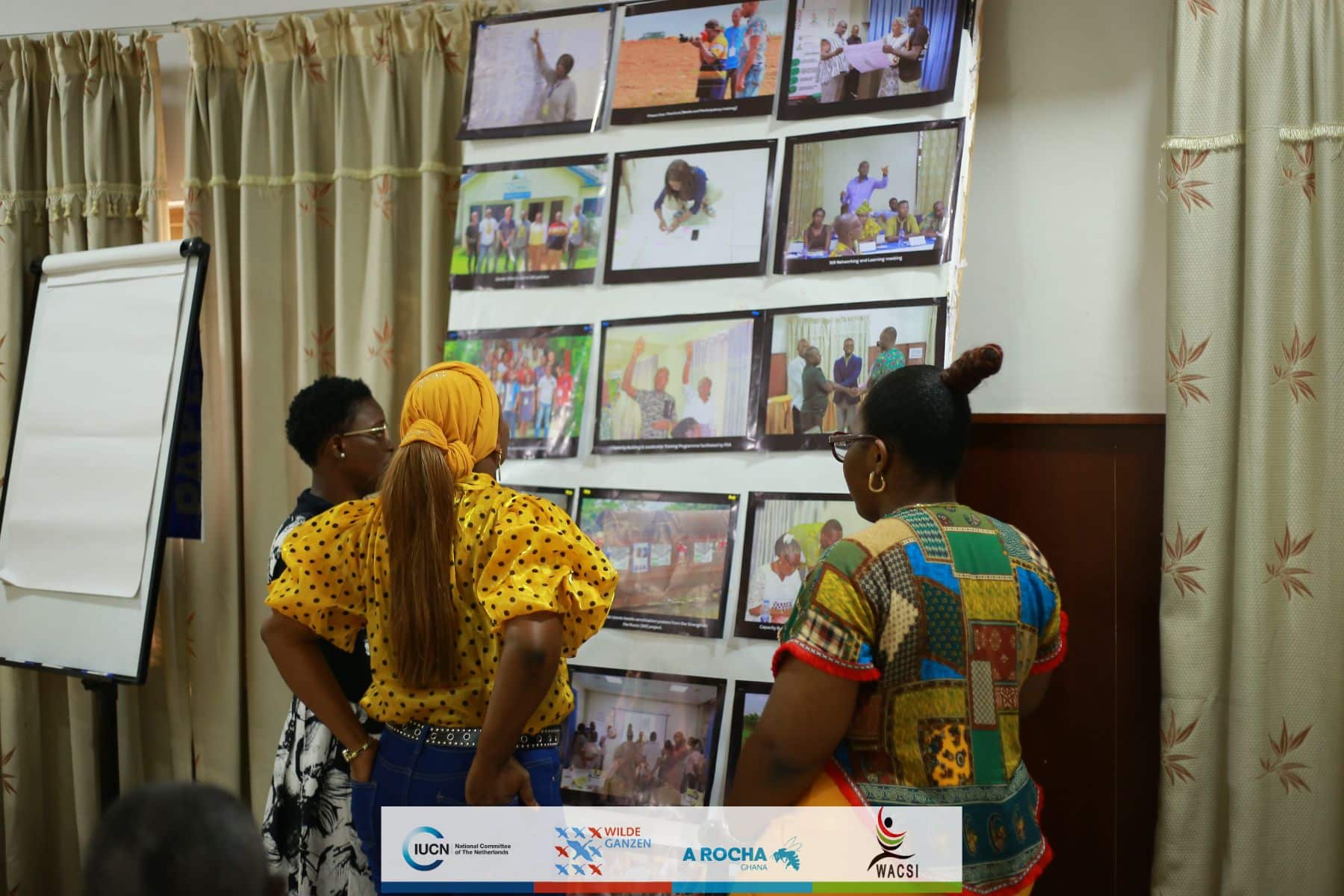
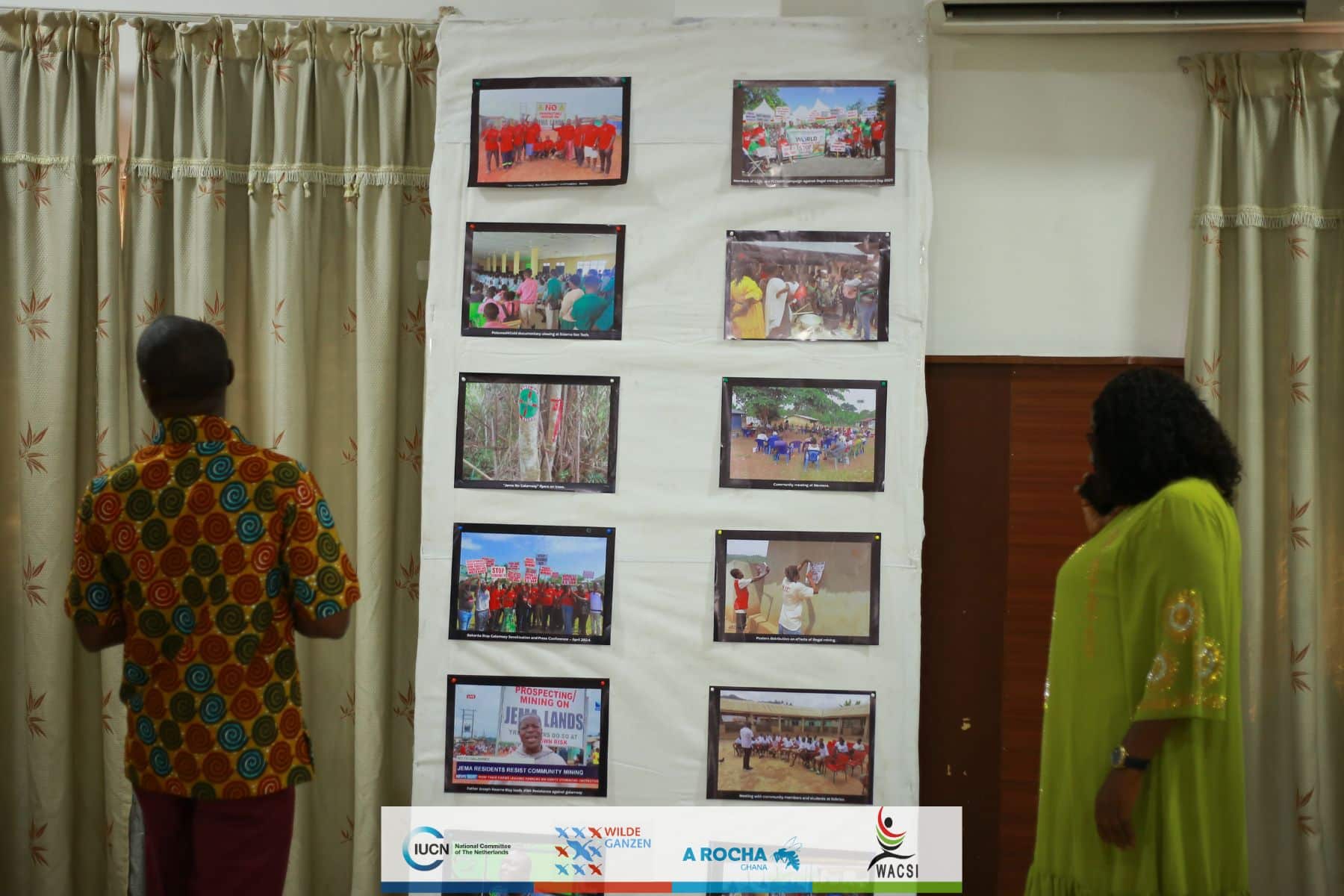
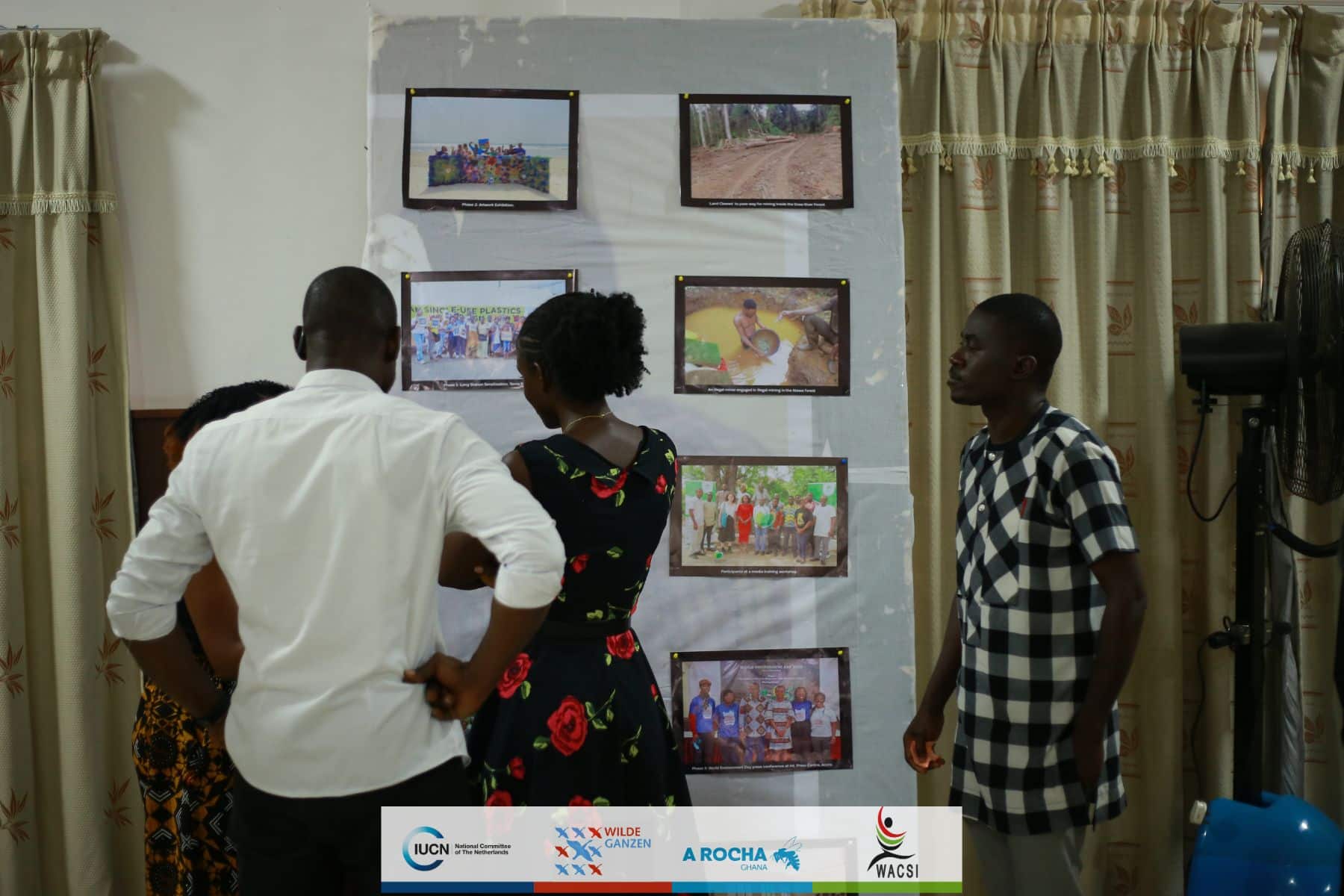
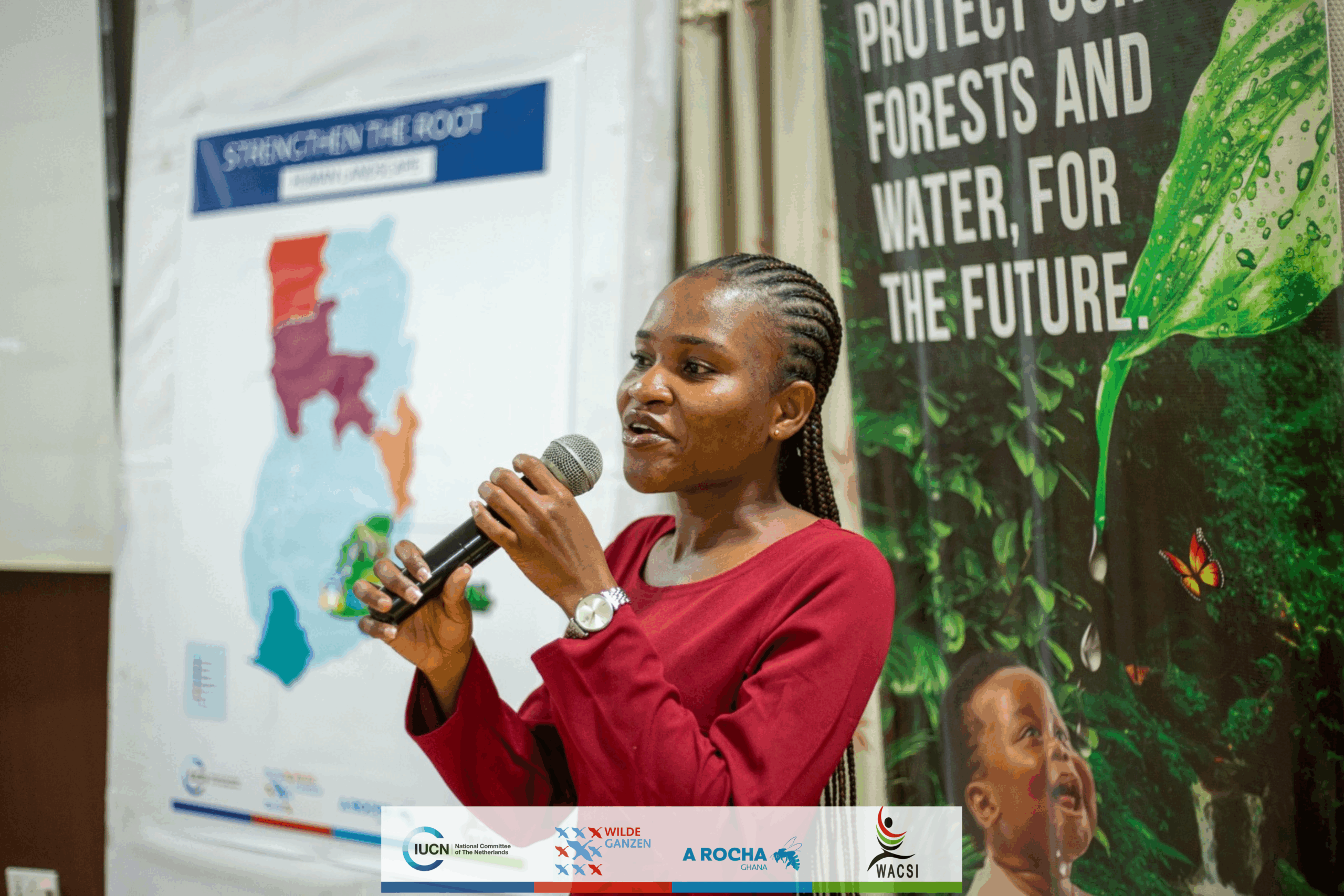
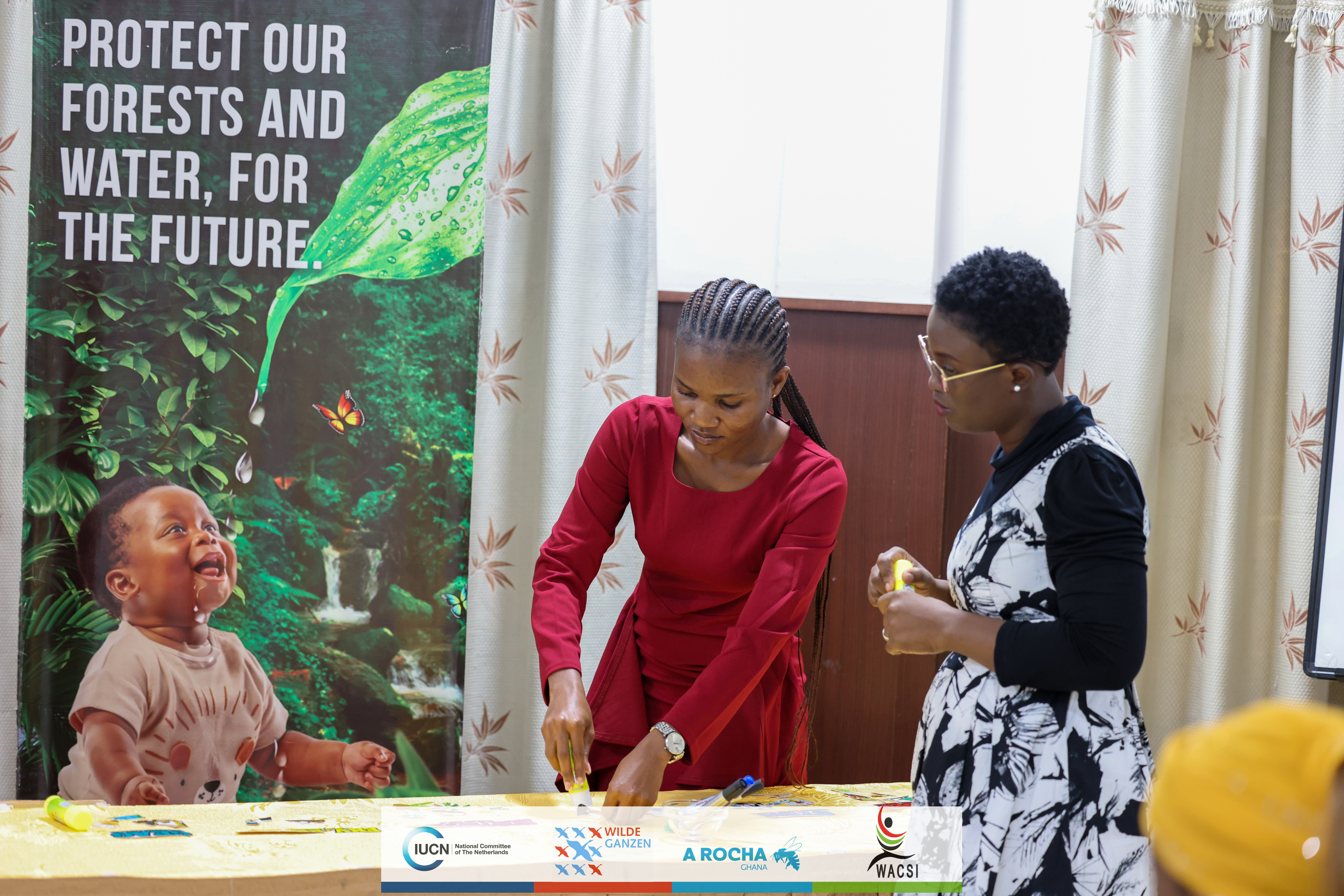
When the ‘doors’ opened for the gallery walk and exhibition at the Strengthen the Roots (StR) closing event, the room became a living storybook of impact. On the eight-foot poster boards clad in white polyester material were the colourful displays of photographs that told the stories of eight Community-Based Organisations (CBOs).
Each stand revealed a nostalgic flashback of resilience, growth, and hope woven together into a powerful mosaic of community action across Ghana.
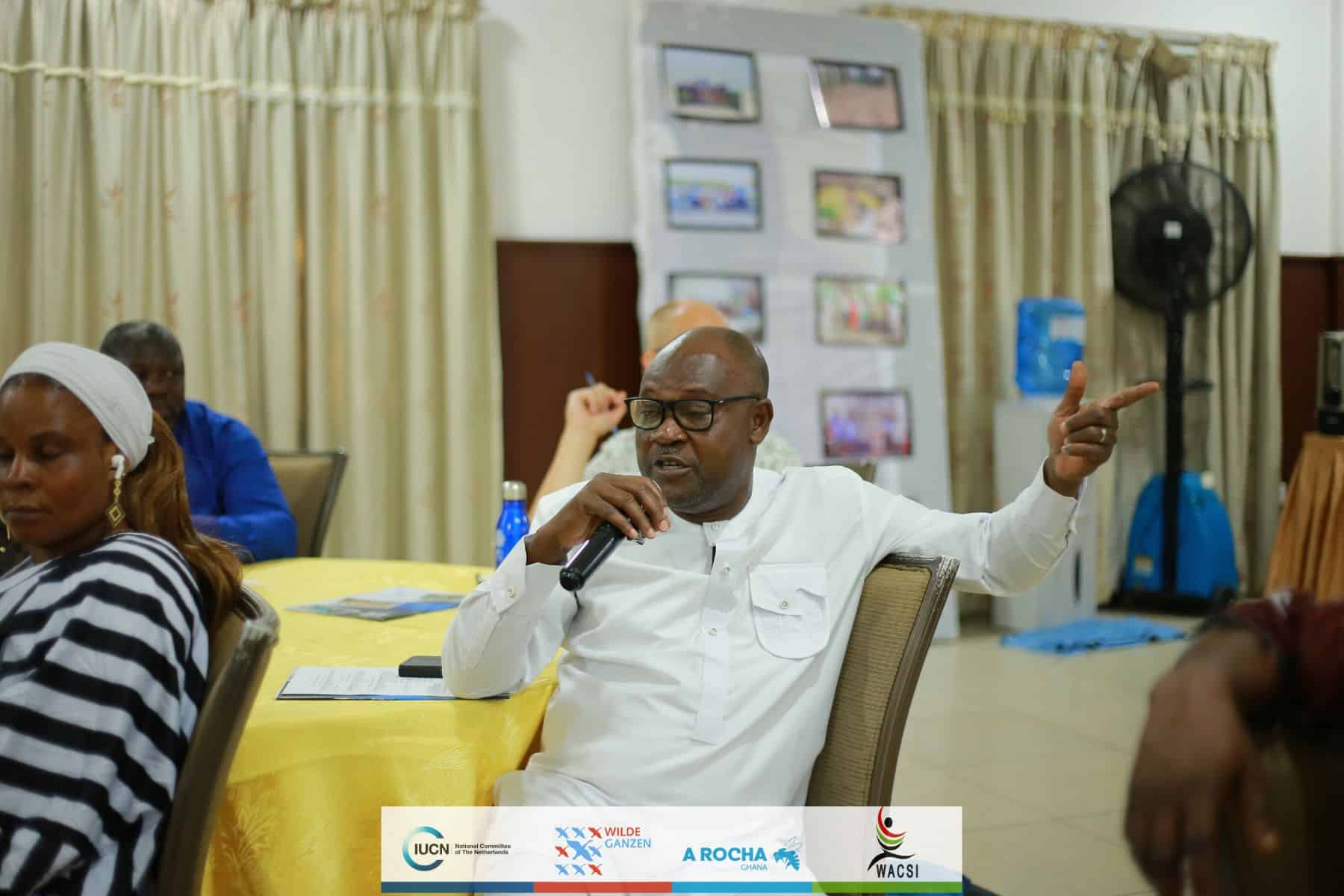
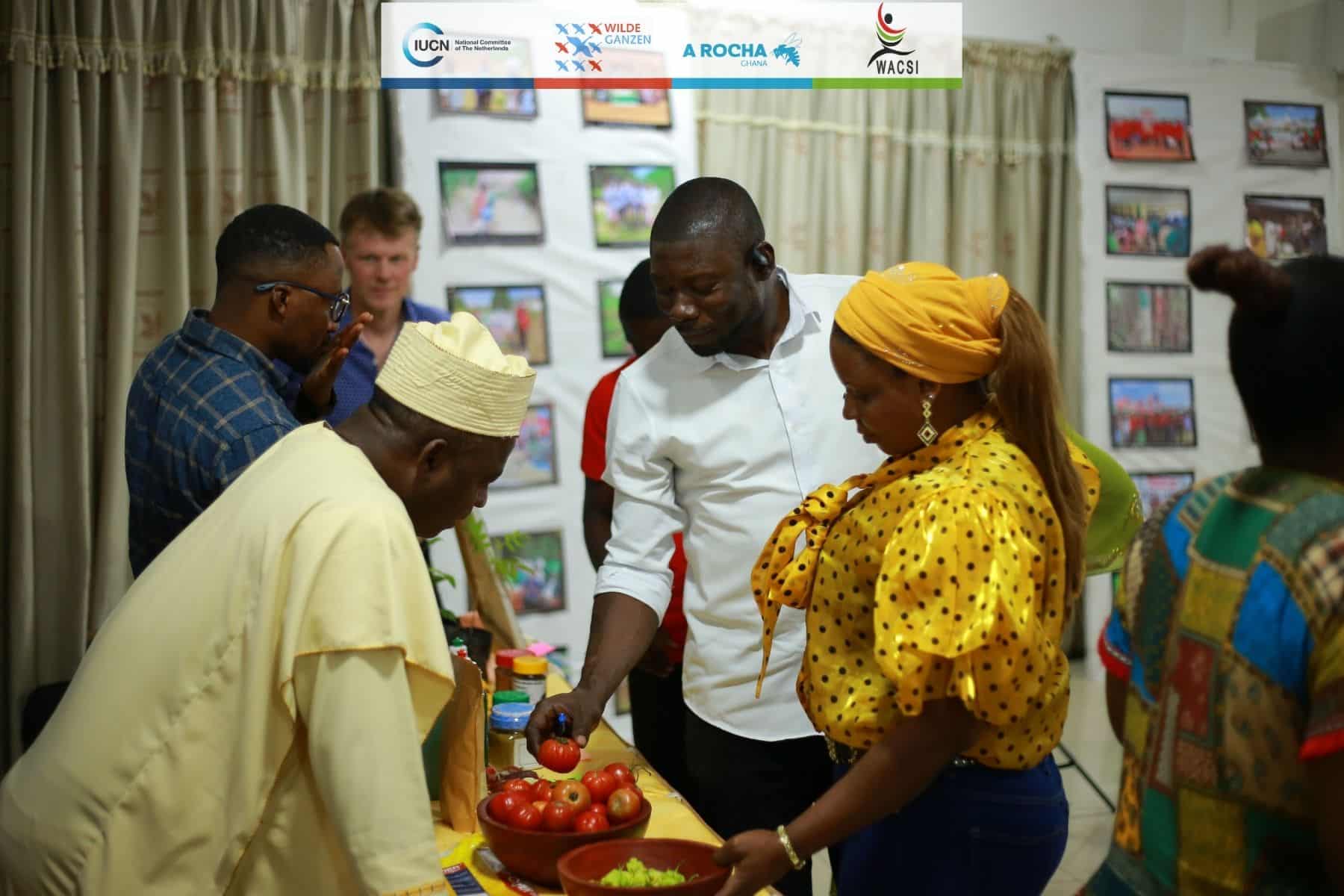
As participants moved from one stand to another, they paused to read, listen, and ask questions. You could hear deep conversations buzzing, CBO representatives proudly explaining their projects and sharing stories of challenges and breakthroughs.
The walk was more than an exhibition; it was an experience of discovery. It allowed everyone—donors, partners, and fellow CBOs to see, touch, and feel the progress made. Each stop was a glance into a unique community, and together they formed a powerful mosaic of resilience, creativity, and hope.
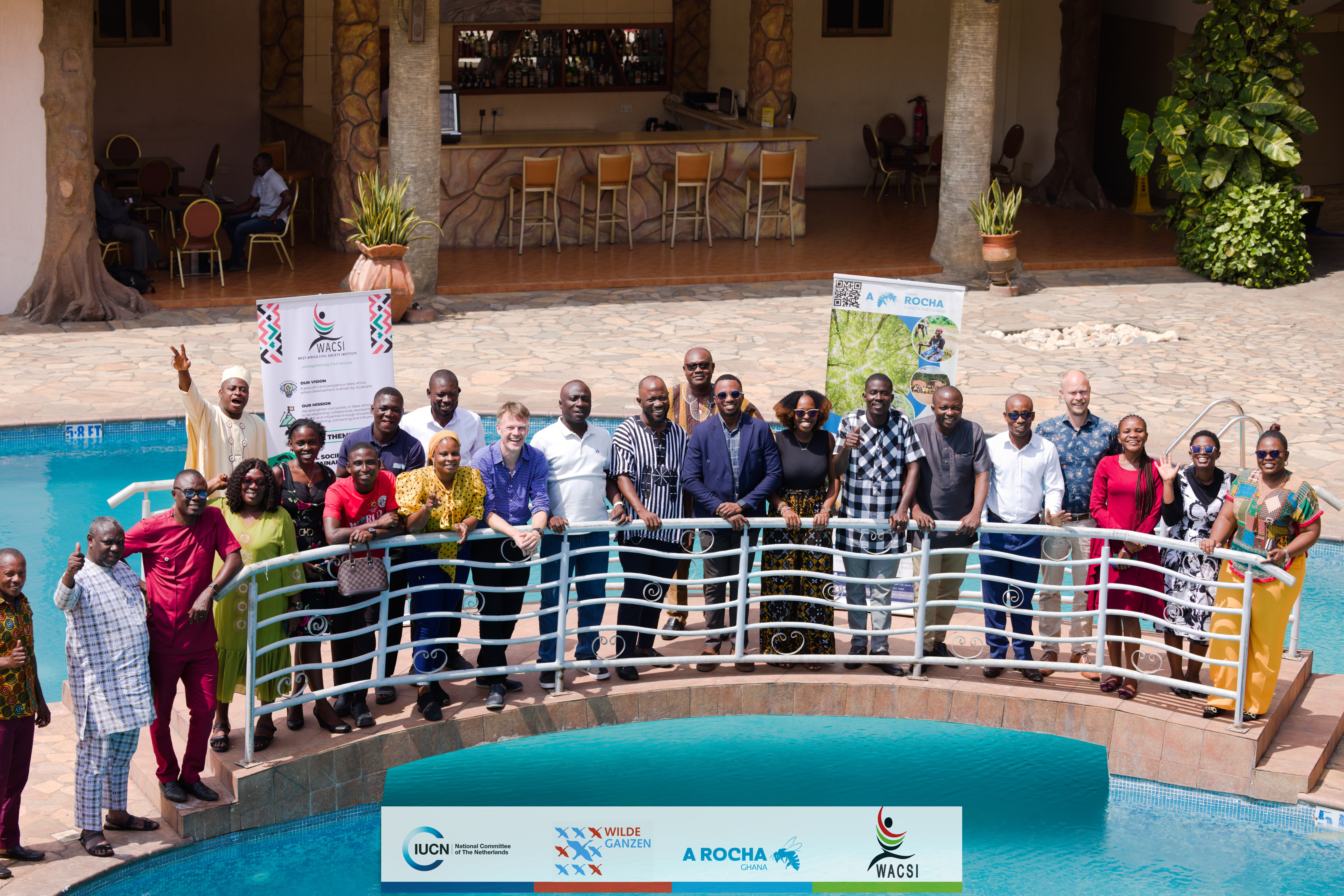
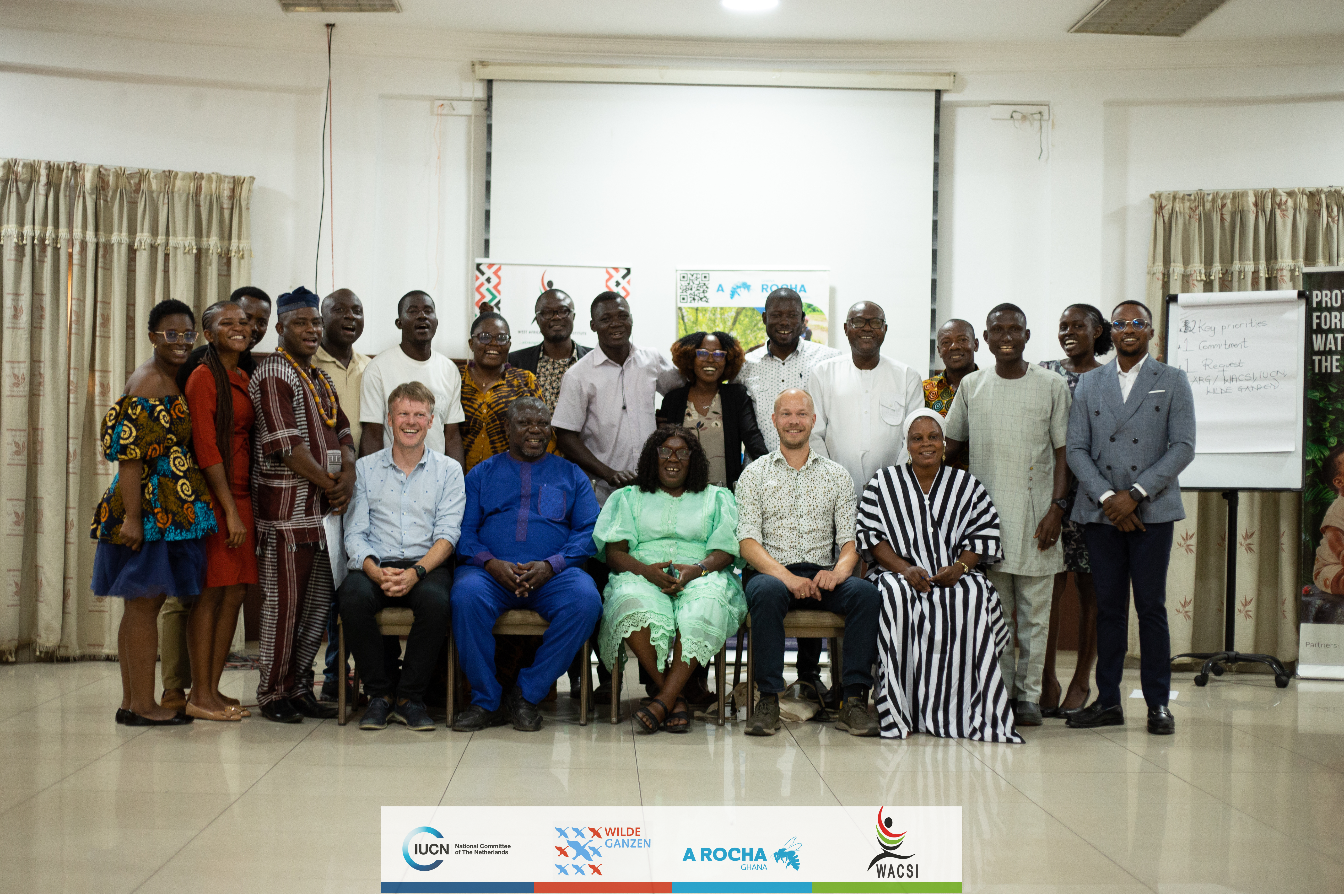
Over the past three years, the StR Project (2022–2025) has nurtured this growth. Funded by the Nationale Postcode Loterij and coordinated by IUCN NL and Wilde Ganzen, and implemented in Ghana by A Rocha Ghana with the West Africa Civil Society Institute (WACSI), the project has built the capacity of grassroots organisations working at the intersection of conservation and community development.
These partners showcased how, with the right support, they have grown into stronger, more visible actors, mobilising communities, engaging decision-makers, and driving lasting change.
Reflections and Lessons
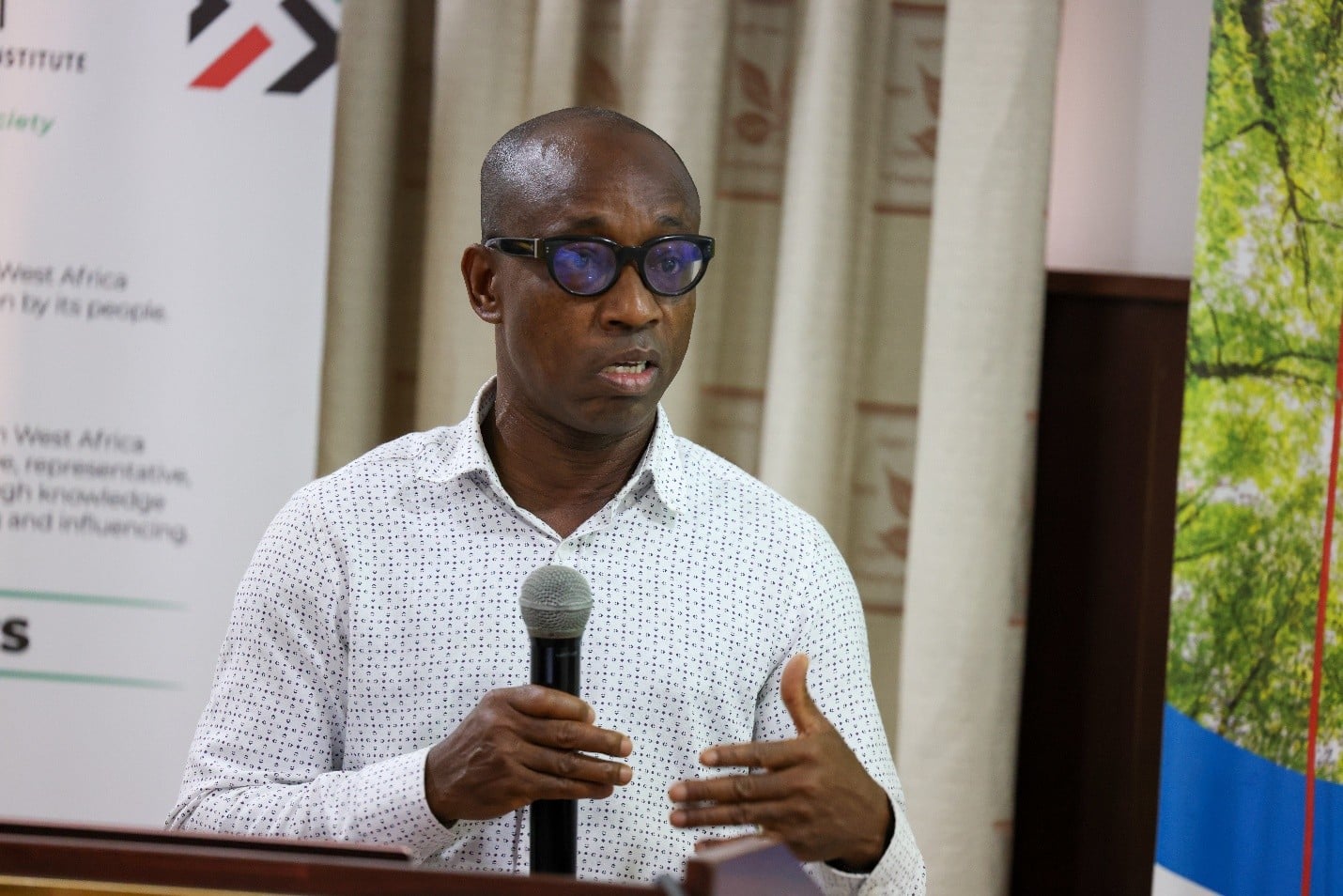
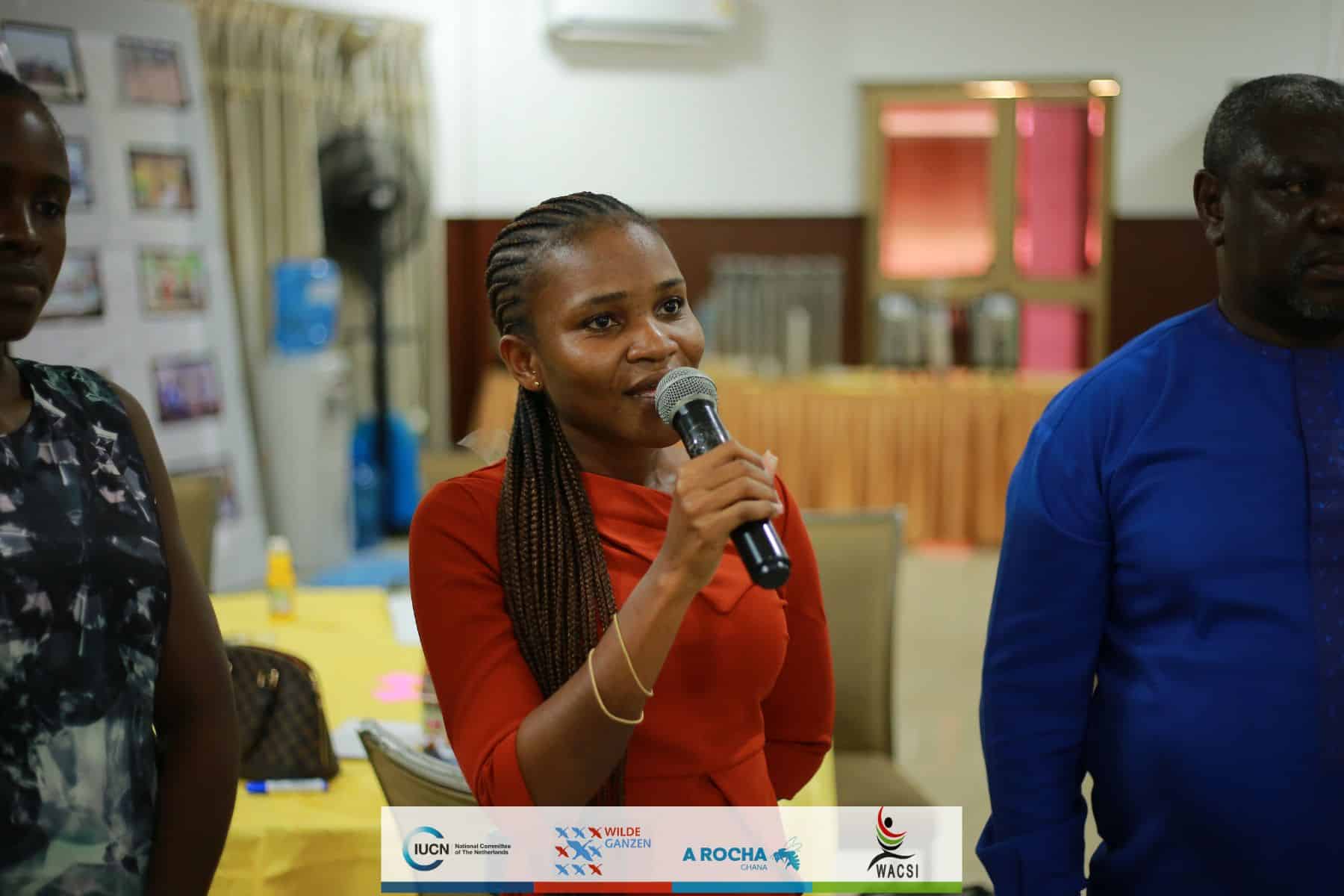
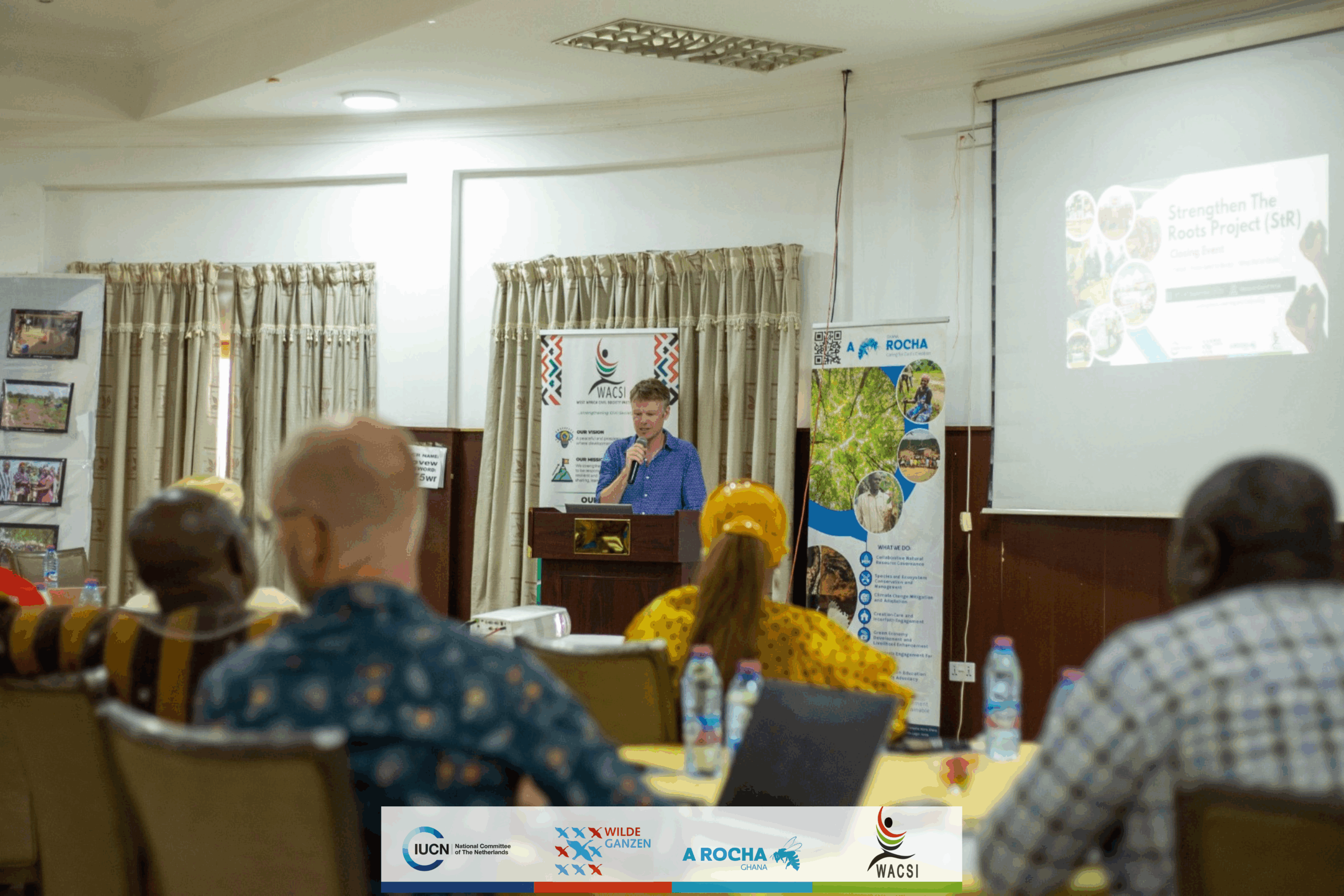
Speaking at the event, Sander Otten of Wilde Ganzen noted that the project leaves behind more than outcomes: “The seeds have been planted, the roots are growing deeper. Now it is up to you to keep nurturing them, so that they continue to grow and bear fruit for your communities and for nature.”
His reflections also celebrated the increased visibility of CSOs’ joint action against illegal mining and policy shifts that demonstrate the power of civil society.
According to Otten, though the StR Project has ended, its legacy continues. The skills, resilience, and partnerships built will keep shaping stronger futures for Ghana’s communities and ecosystems. Evidence that when local organisations are trusted and supported, they can achieve extraordinary things.
“When we started Strengthen the Roots three years ago, the idea was simple but ambitious: to support local organisations rooted in their communities, so they could strengthen their role as guardians of nature and promoters of sustainable livelihoods,” he said.
Adding to this, Dr. Seth Appiah-Kubi, National Director of A Rocha Ghana, reminded participants that the real achievement of Strengthen the Roots lies in the bonds of partnership created among the organisations. He noted that the project has set participants on a path of building a network that can endure, if nurtured with intention.
“It is easy for CBOs to feel isolated because of where they are situated, but across the landscape, there are now partners and friends to call upon in moments of need,” he said, adding that “is the true power of the network.”
Dr. Appiah-Kubi encouraged the organisations to keep this chain alive through continuous networking, whether by joining forces during national commemorations, running joint campaigns, or sharing learning opportunities.
According to him, “No challenge that arises in our individual landscapes is too great,” he said, “because now we know we are not facing them alone. We can draw strength, ideas, and moral support from one another.”
He also reflected on how far the organisations have come: three years ago, some of us were smaller, less confident, and less connected. Today, we stand taller, more knowledgeable, more skilled, and more prepared to tackle the challenges ahead. Through the trainings and coaching received under Strengthen the Roots, they leave with deeper confidence and stronger institutions, a foundation that will sustain them even as the project ends.
For Sander van Andel, Expert in Nature Conservation at the IUCN National Committee of the Netherlands, the most impactful achievement of the Strengthen the Roots Project has been the diversity of its partnerships.
“The most impactful achievement that I see is bringing such a diverse group of partners together—combining capacity building, capacity strengthening, and actual projects. The diversity of partners has amazed me, as has what each has been able to achieve and the way they have stayed connected.”
Looking to the future, he expressed hope that the participating CBOs will continue to play a critical role in conservation and community resilience.
“I hope they can contribute to the conservation of nature, safeguard their environments, and protect the lives of their communities. I also hope they can provide alternatives to destructive behaviours that threaten their lands, so their people have safe drinking water, a healthy environment, and biodiversity that makes their lives resilient to climate change.”
More on the closing event
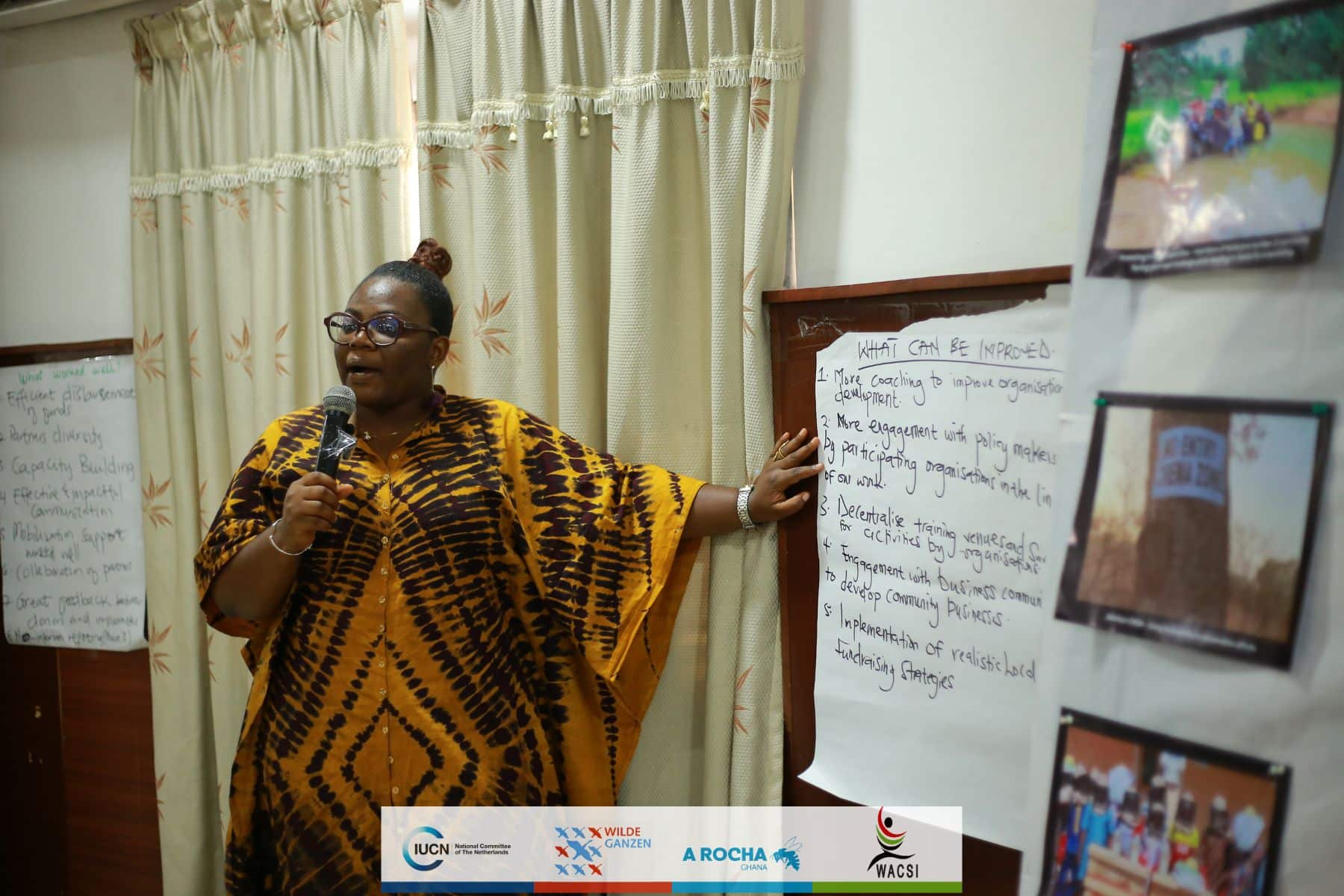
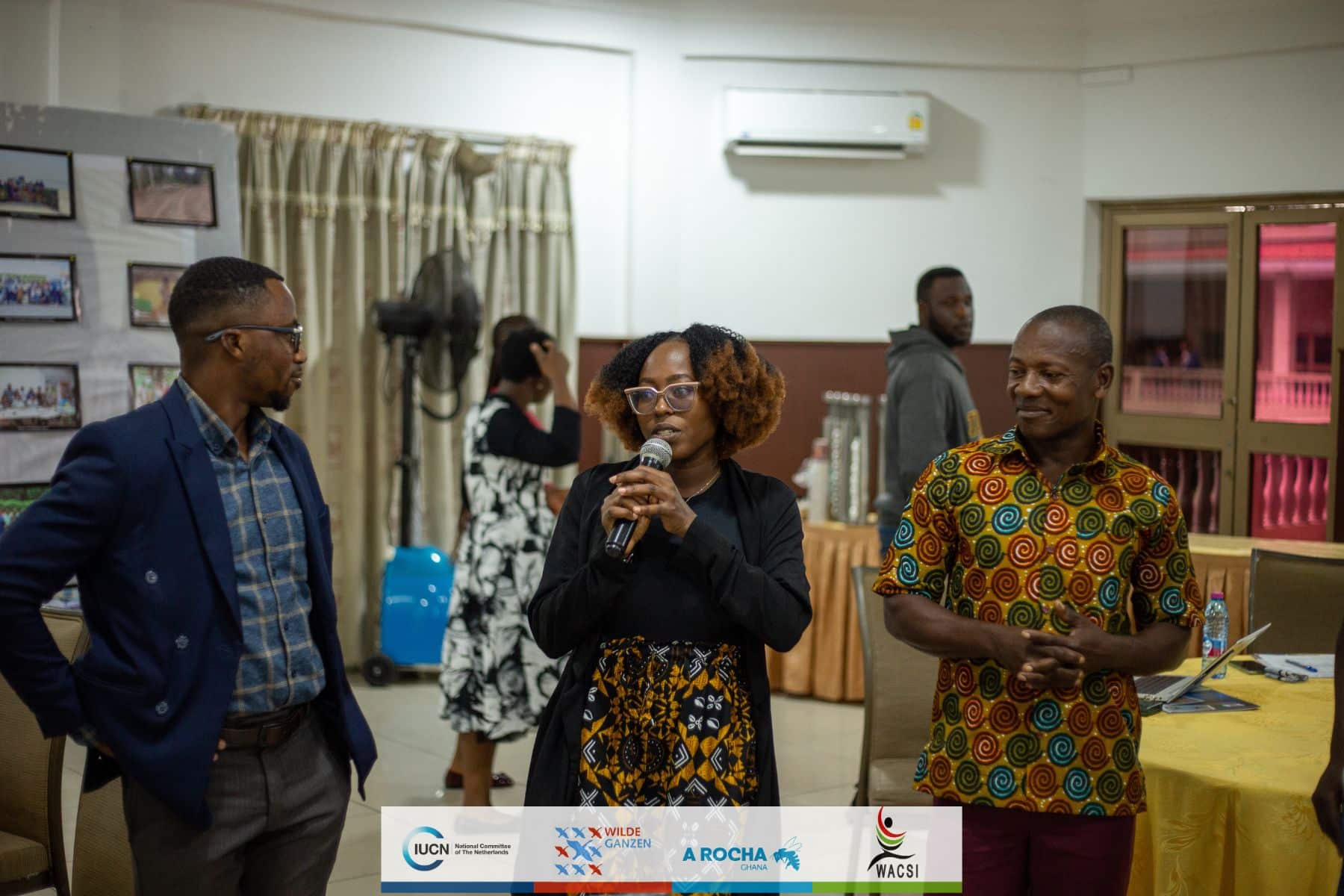
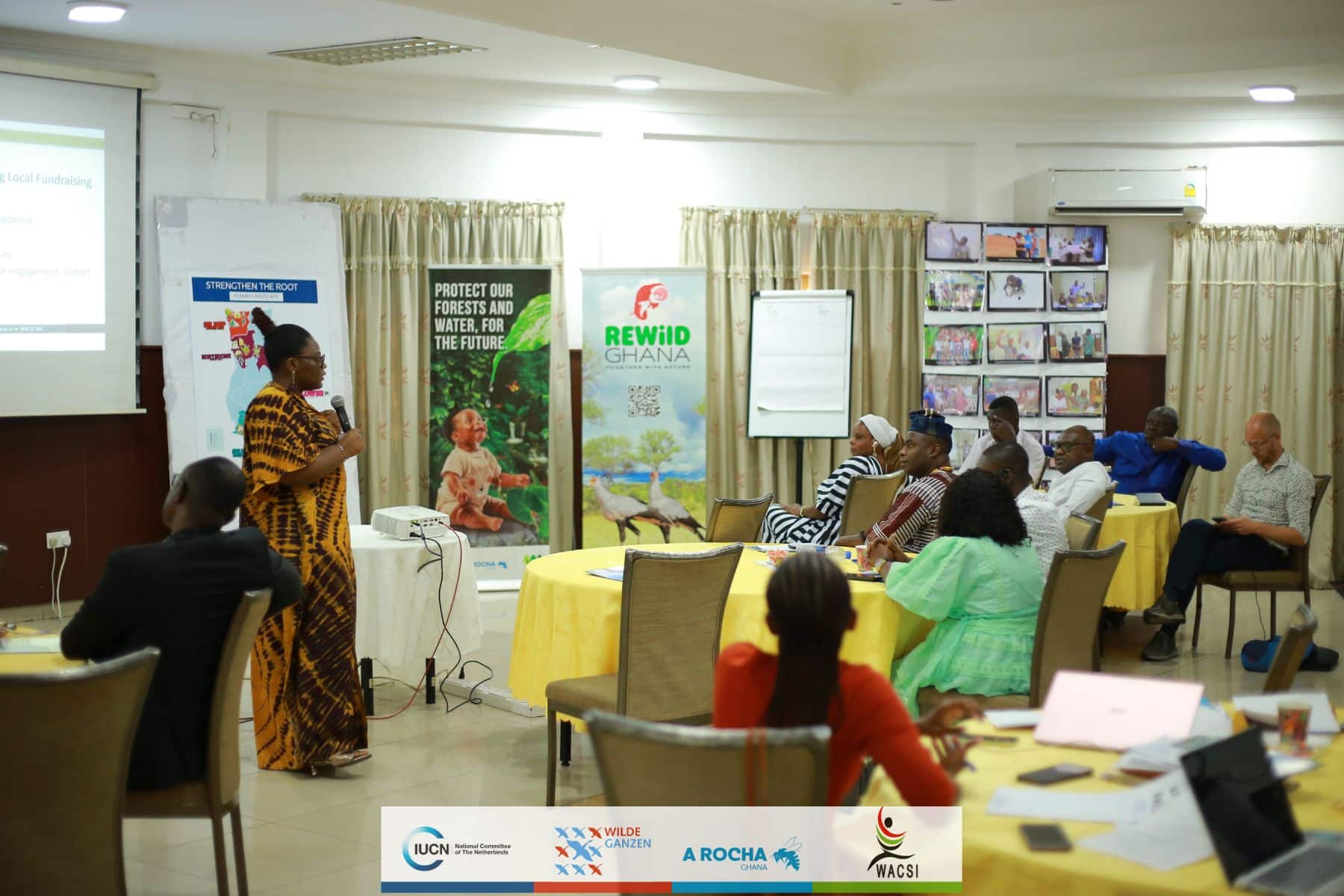
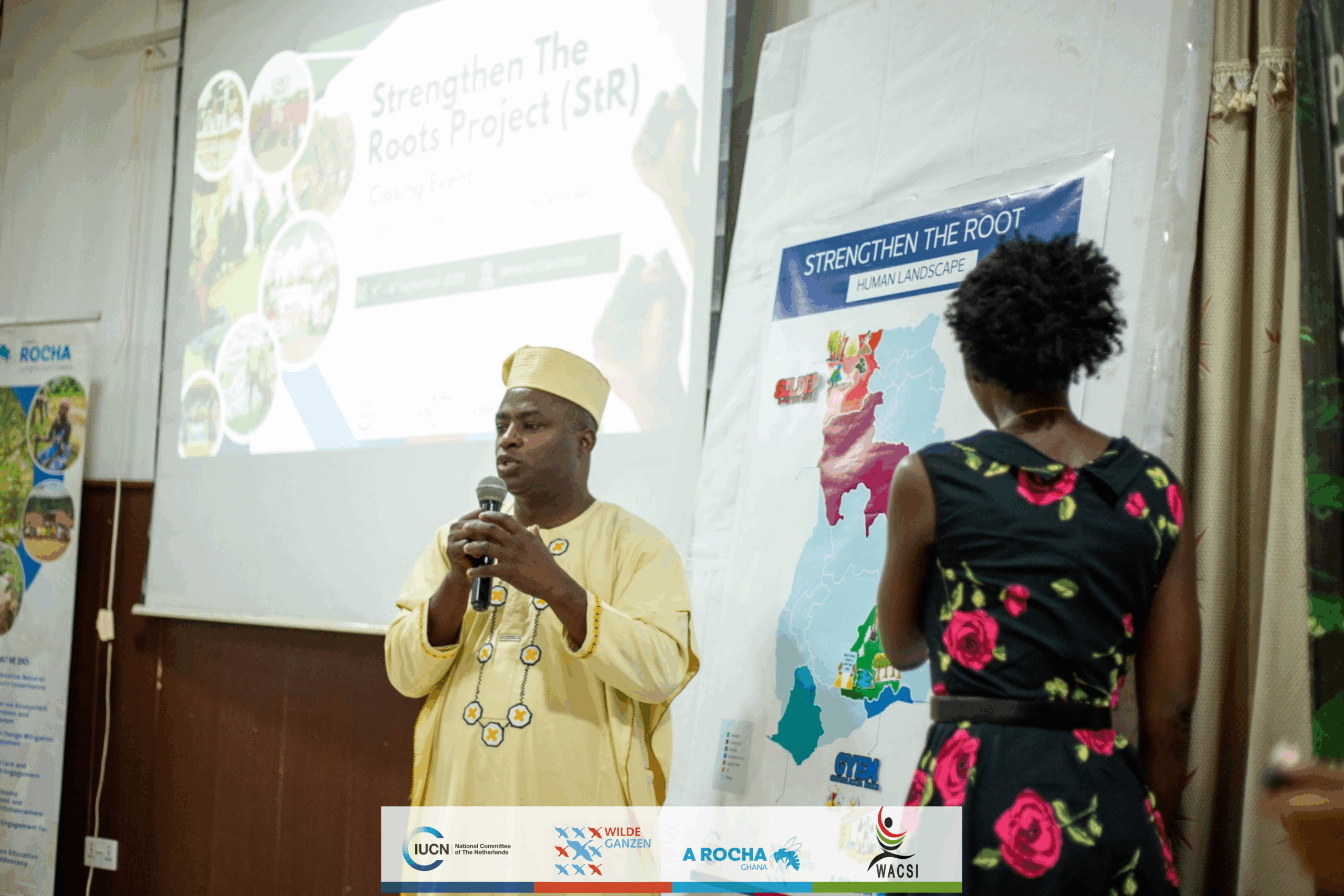
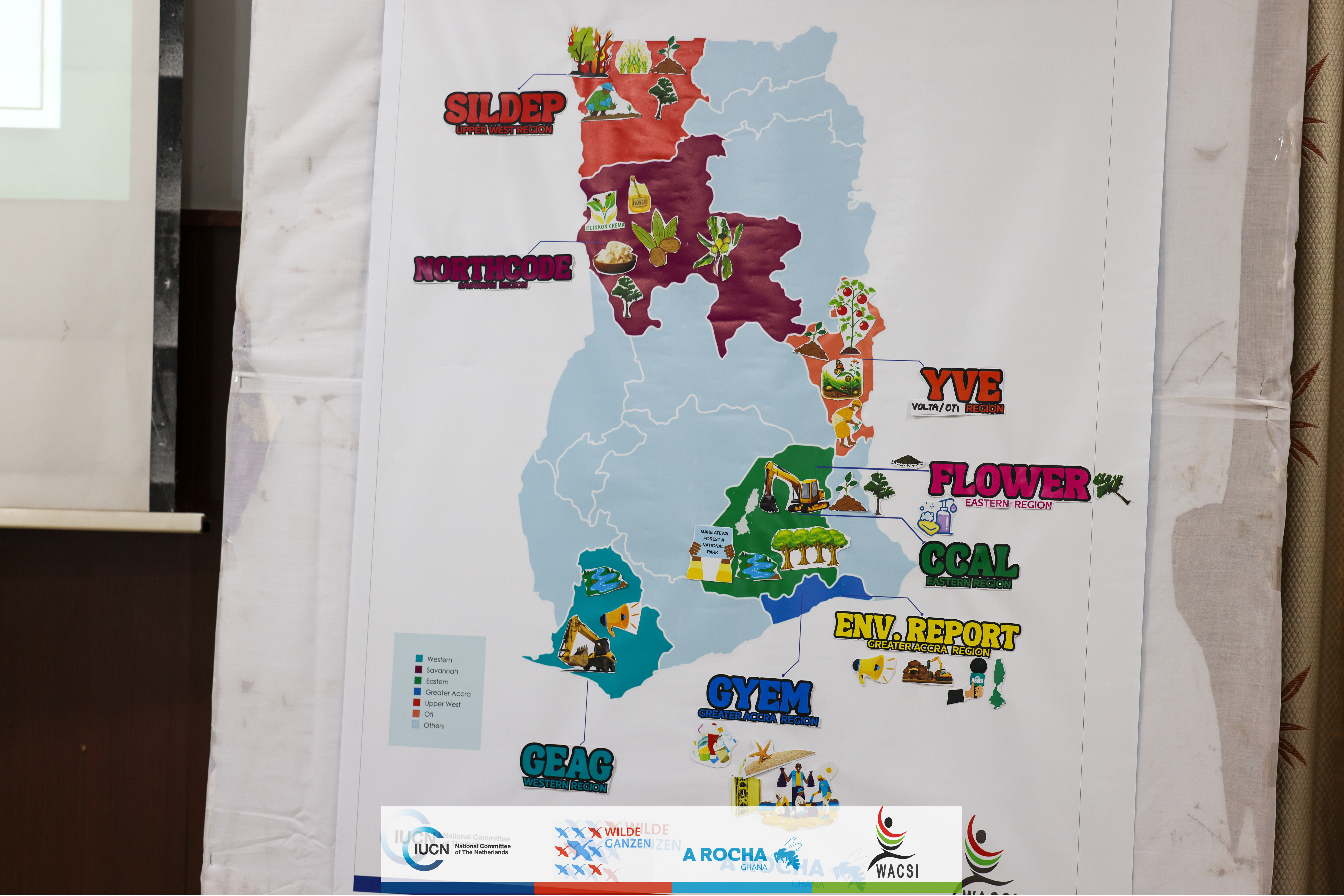
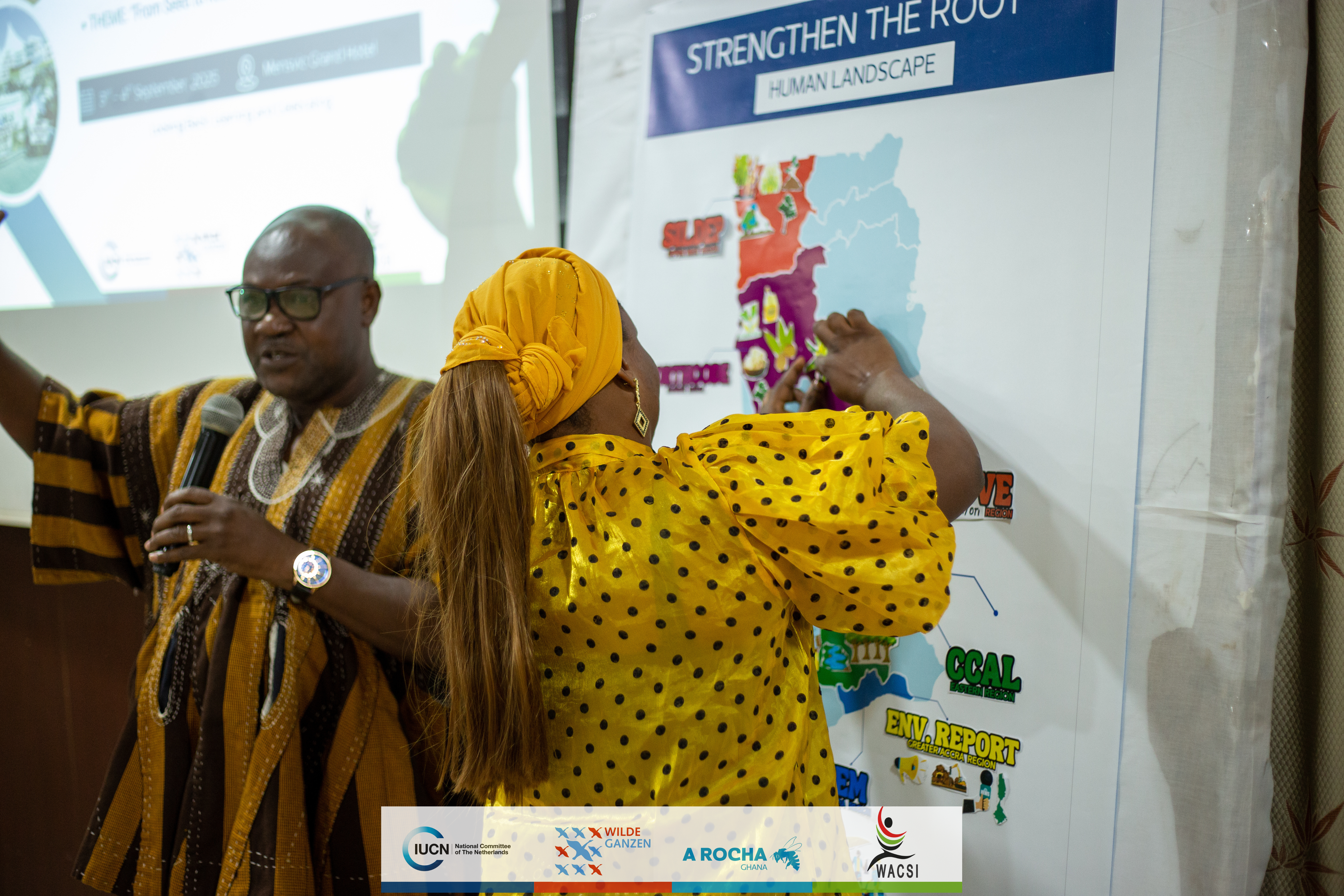
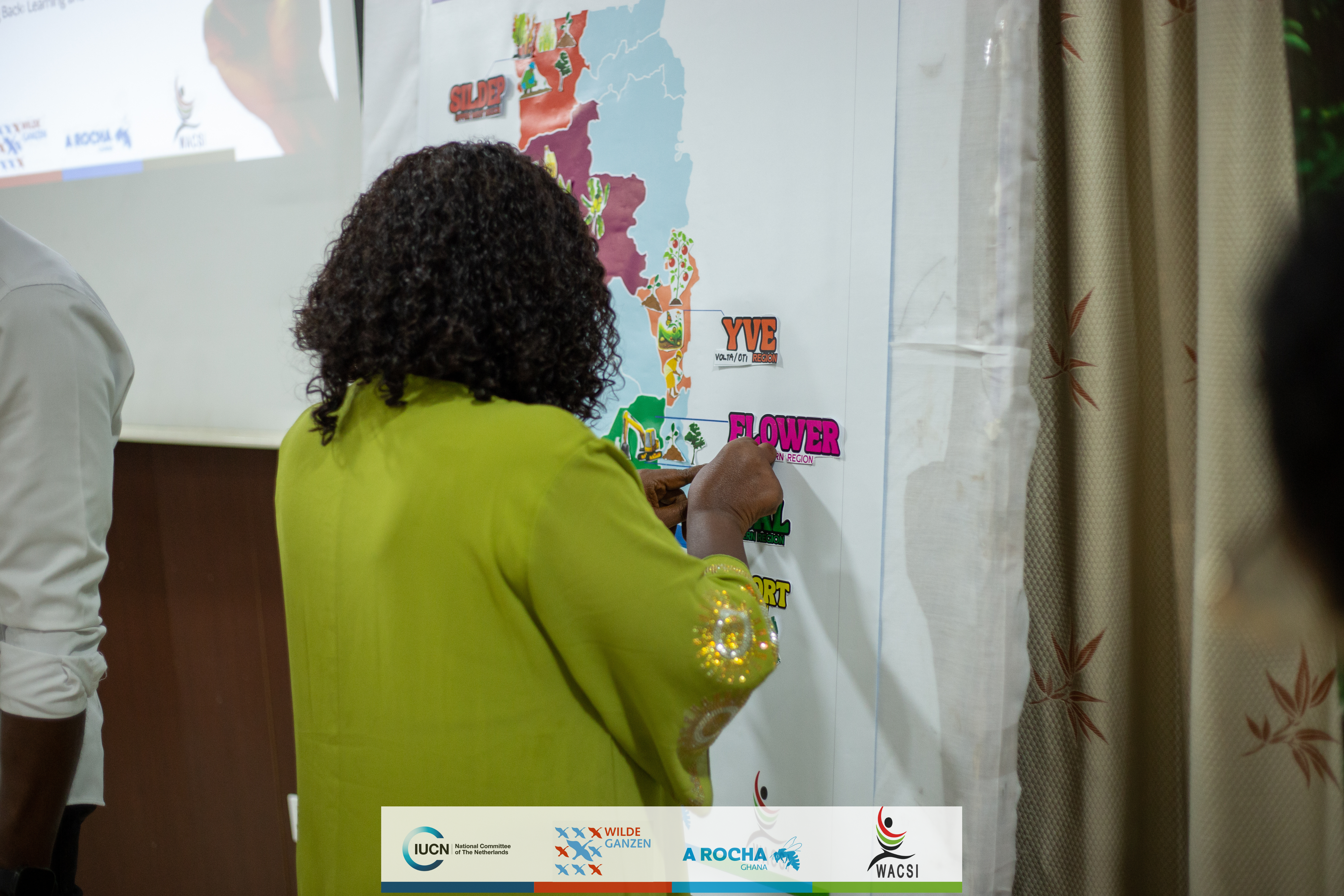
Day One, themed “From Seed to Roots – What We’ve Grown,” opened with an interactive exercise where organisations placed themselves on a map of Ghana, symbolising the reach of the network. This was followed by impact presentations from all eight partner CBOs and group conversations on sustaining fundraising, advocacy, and mobilising support beyond the project.
On the other hand, day two shifted the focus to the future, anchoring on the theme, “Rooted and Resilient – What Comes Next?”
Here, Participants took part in practical skills workshops led by WACSI, peer problem-solving circles, and a presentation of survey findings by A Rocha Ghana. They also evaluated the programme, shared lessons learned, and drafted mini-action plans to guide their work moving forward. The event concluded with the premiere of the documentary “From Roots to Impacts affirming that while the project has ended, the spirit and network it created will continue to thrive.
Appreciation
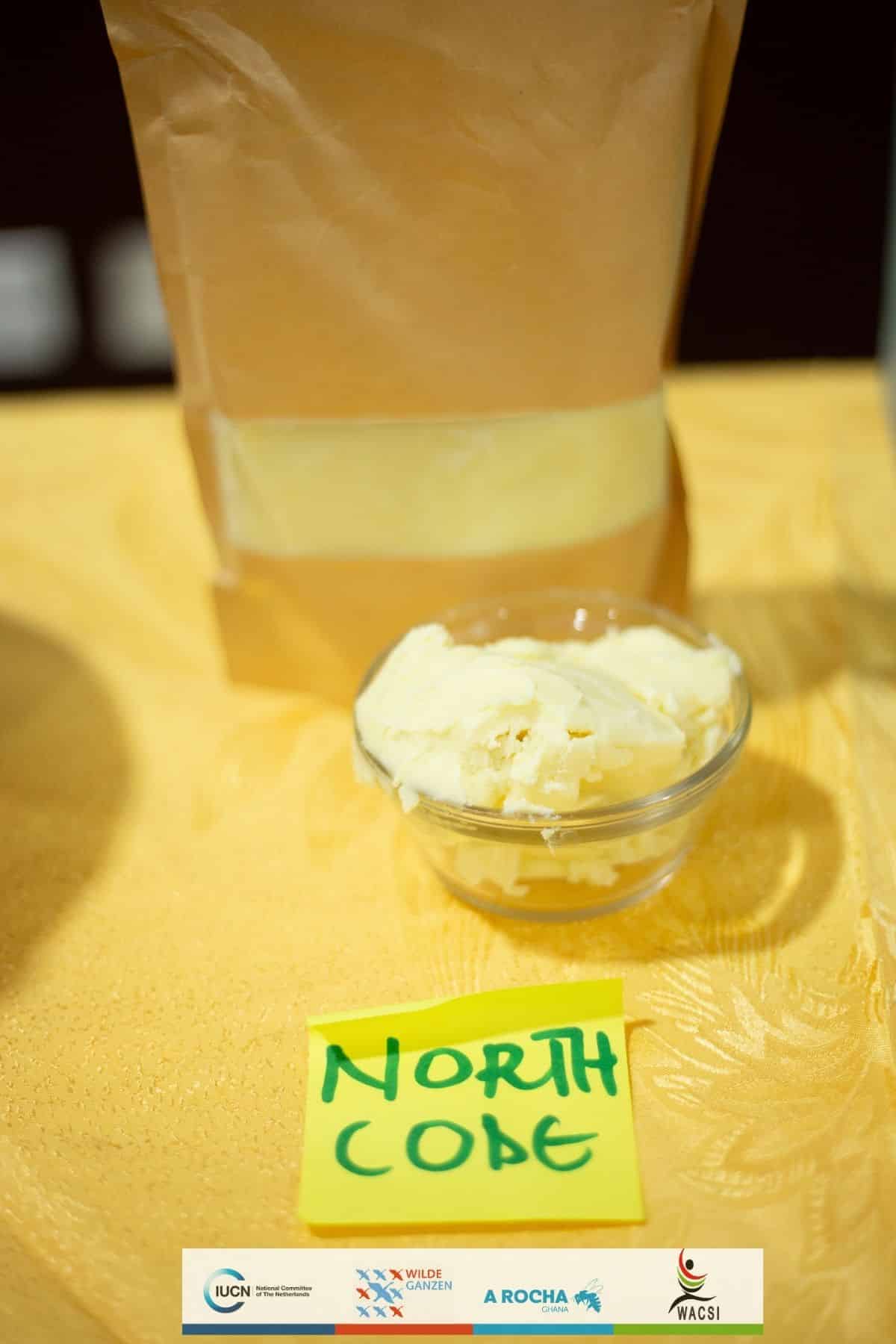
This chapter cannot close without acknowledging the eight partner CBOs who walked this path with us: Ghana Youth Environmental Movement (GYEM), Youth Volunteers for the Environment Ghana (YVE Ghana), Environment Report, FLOWER (Facilitating Learning of Women in Emerging Regions), Concerned Citizens of the Atewa Landscape (CCAL), Coalition for Development of Northern Ghana (NORTHCODE-Ghana), Social Initiative for Literacy and Development Program (SILDEP) Ghana, and the Ghana Environmental Advocacy Group (GEAG).
Their resilience, creativity, and commitment are the true roots of this project.
Appreciation also goes to the Nationale Postcode Loterij, IUCN NL, and Wilde Ganzen for their support, and to WACSI for their partnership and shared vision.
On Monday, September 15, 2025, the Ghana Coalition Against Galamsey (GCAG) held a press conference at the Ghana International Press Centre to draw urgent attention to the devastating impact of illegal mining on Ghana’s future.
With rivers poisoned, forests under threat, farmlands shrinking, and millions at risk of losing access to clean water, the Coalition is demanding bold leadership and immediate action from the government.
Below is the full statement delivered at the press conference.
Atewa is the source of three of Ghana’s most important rivers — the Ayensu, Densu, and Birim, which supply millions of people with water for drinking, farming, and industry. Yet these rivers are under growing pressure from illegal mining, logging, farming, and waste pollution.
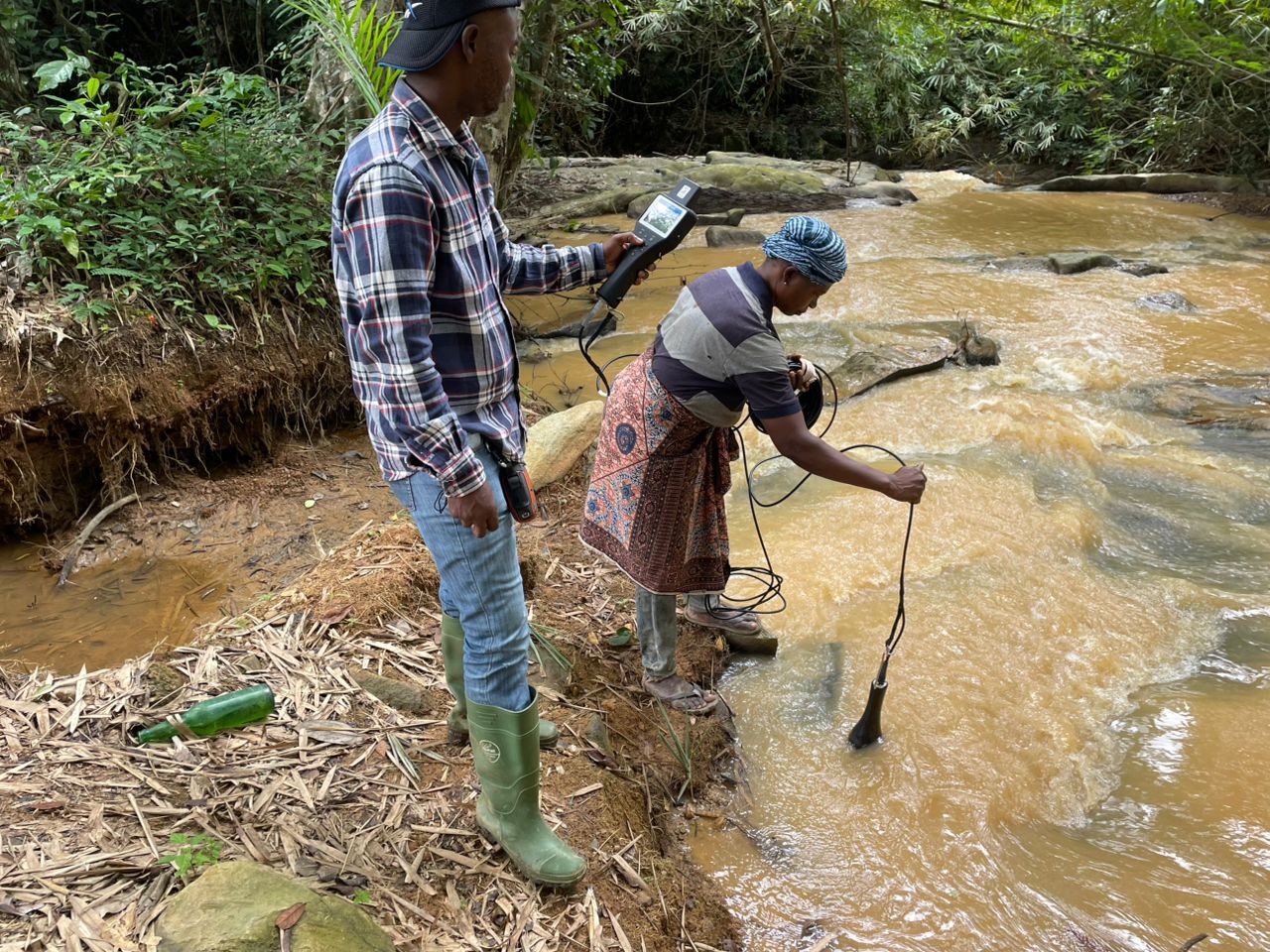
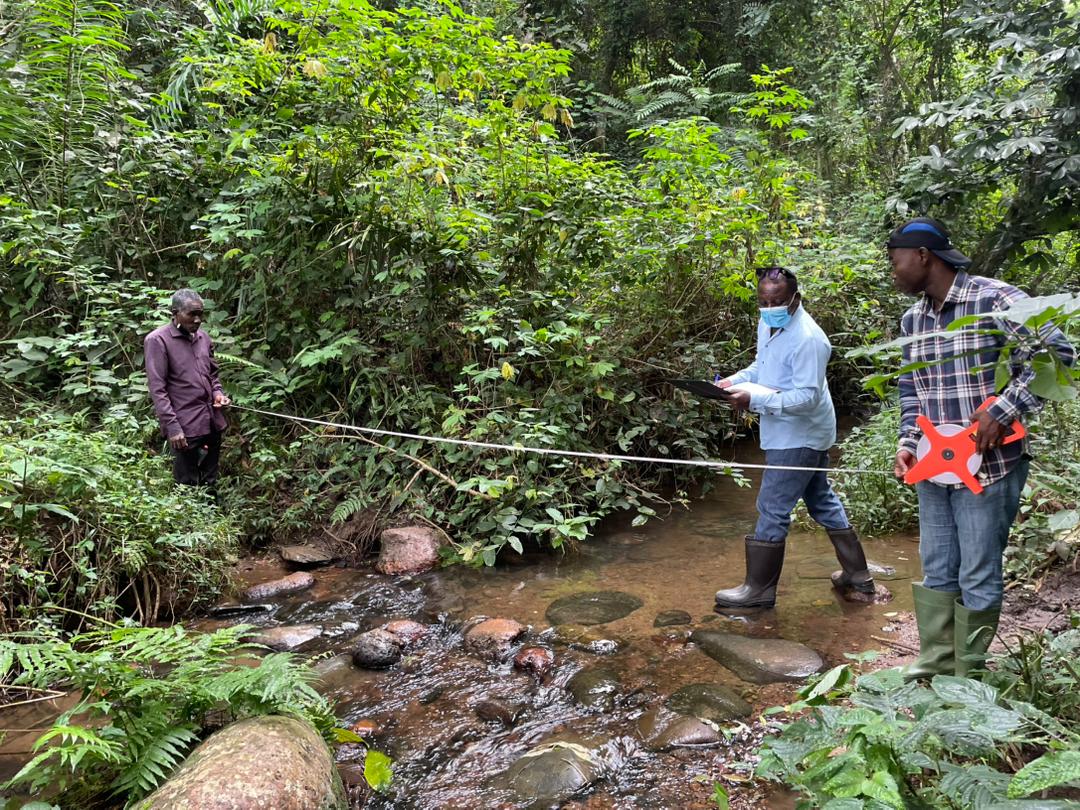
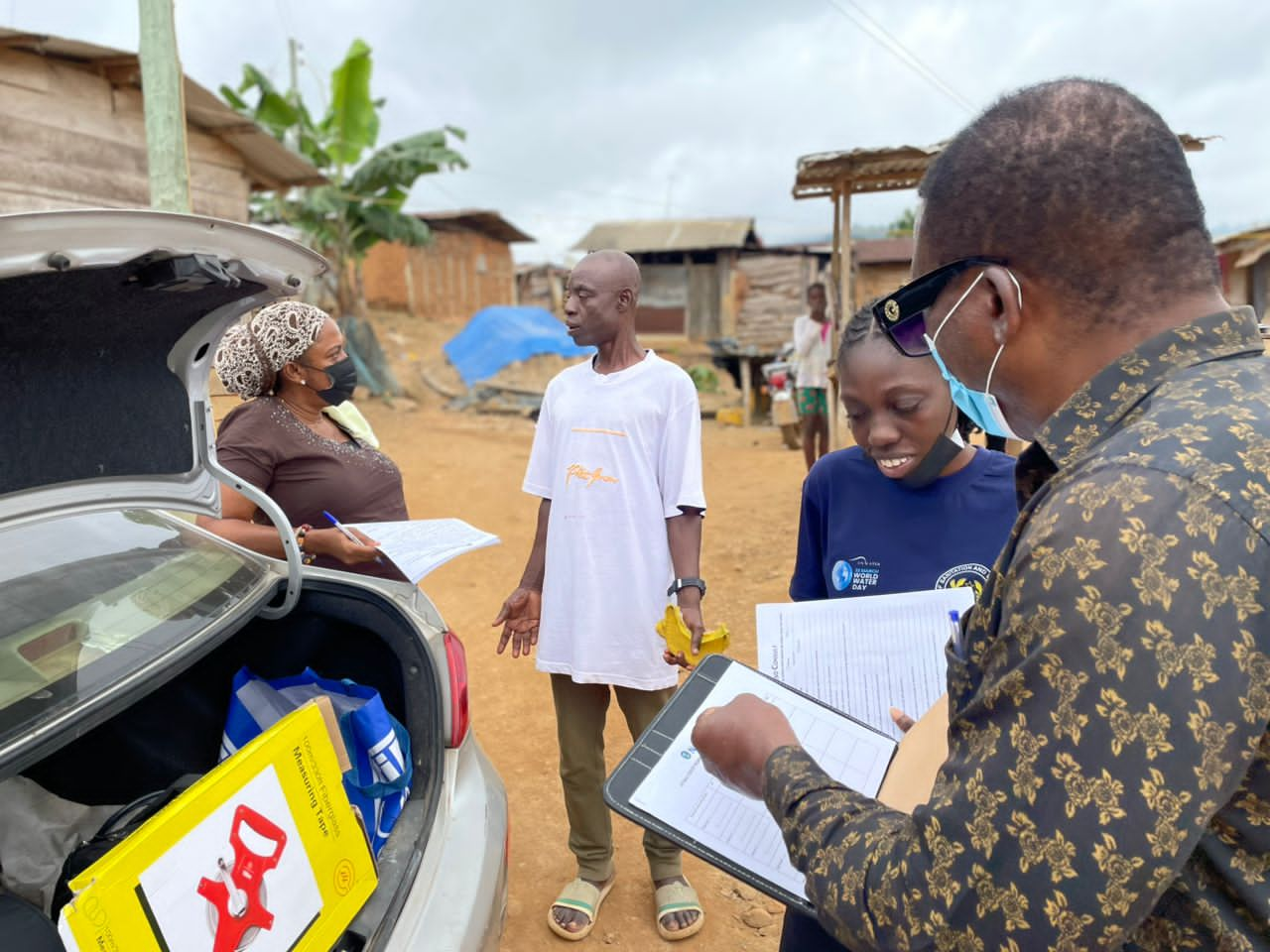
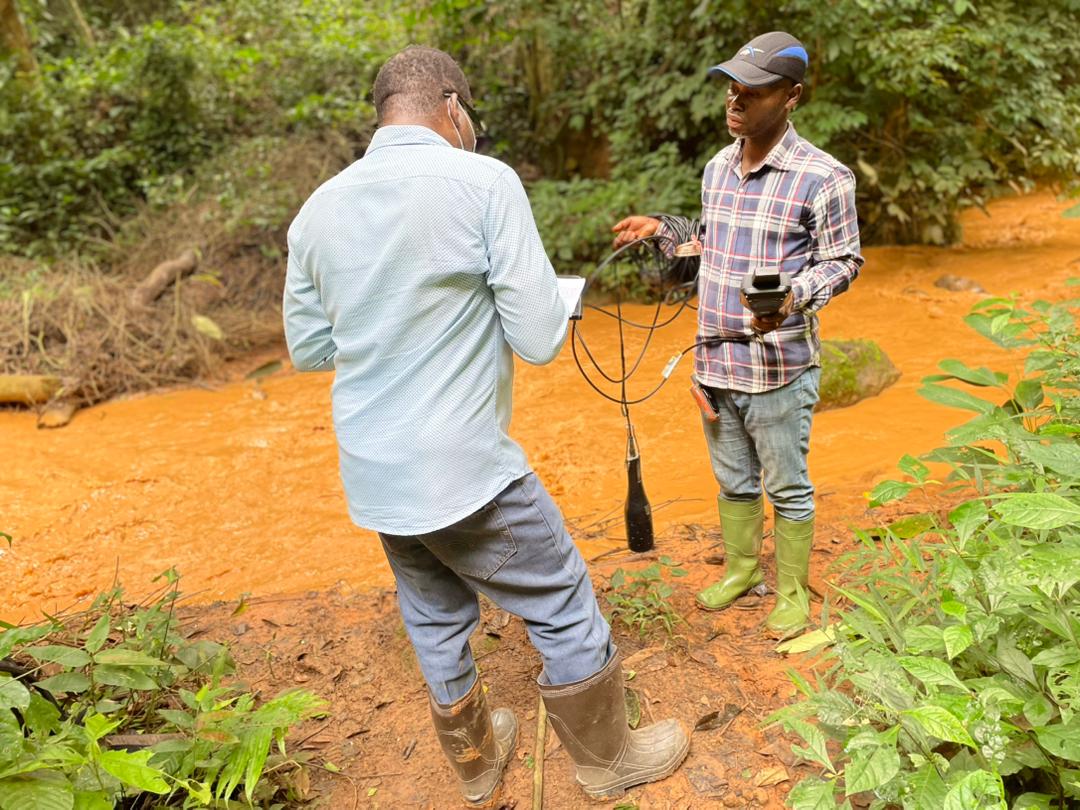
Using a U-50 multi-parameter water quality probe, the team measured pH to assess acidification and chemical balance, temperature to determine conditions affecting aquatic life and oxygen levels, dissolved oxygen as an indicator of river health and species survival, and turbidity to monitor sediment levels linked to erosion or mining. Alongside these measurements, the team also recorded visual observations of flora and fauna, noting indicator plants and animals that reflect the ecological integrity or stress of the river system. This combination of physical, chemical, and biological data provides a crucial baseline against which future changes can be tracked.
The work does not stop at data collection. Analysis is already underway to compare river health upstream and downstream of known threat zones, and to produce maps and dashboards that will highlight pollution hotspots and overall river conditions.
From these findings, clear recommendations will be generated to strengthen advocacy, enabling CREMAs and A Rocha Ghana to engage district assemblies, the Water Resources Commission and the Environmental Protection Agency with strong, evidence-based arguments.
Already, community monitoring groups are drawing on early data in local forums to call attention to the impacts of illegal mining. Once the full analysis is completed, the results will be shared on the ARG website, adding weight to public pressure to protect Atewa’s rivers — lifelines for Accra, Nsawam, Koforidua and many other towns downstream.