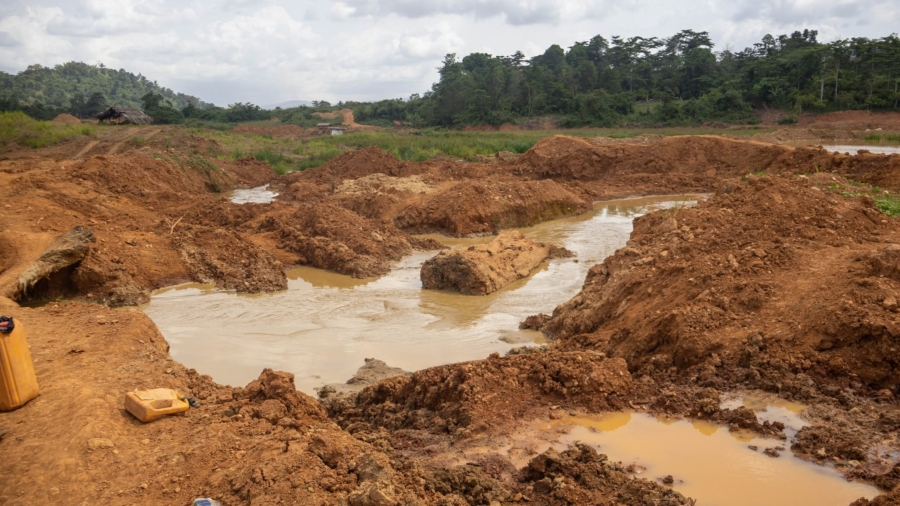
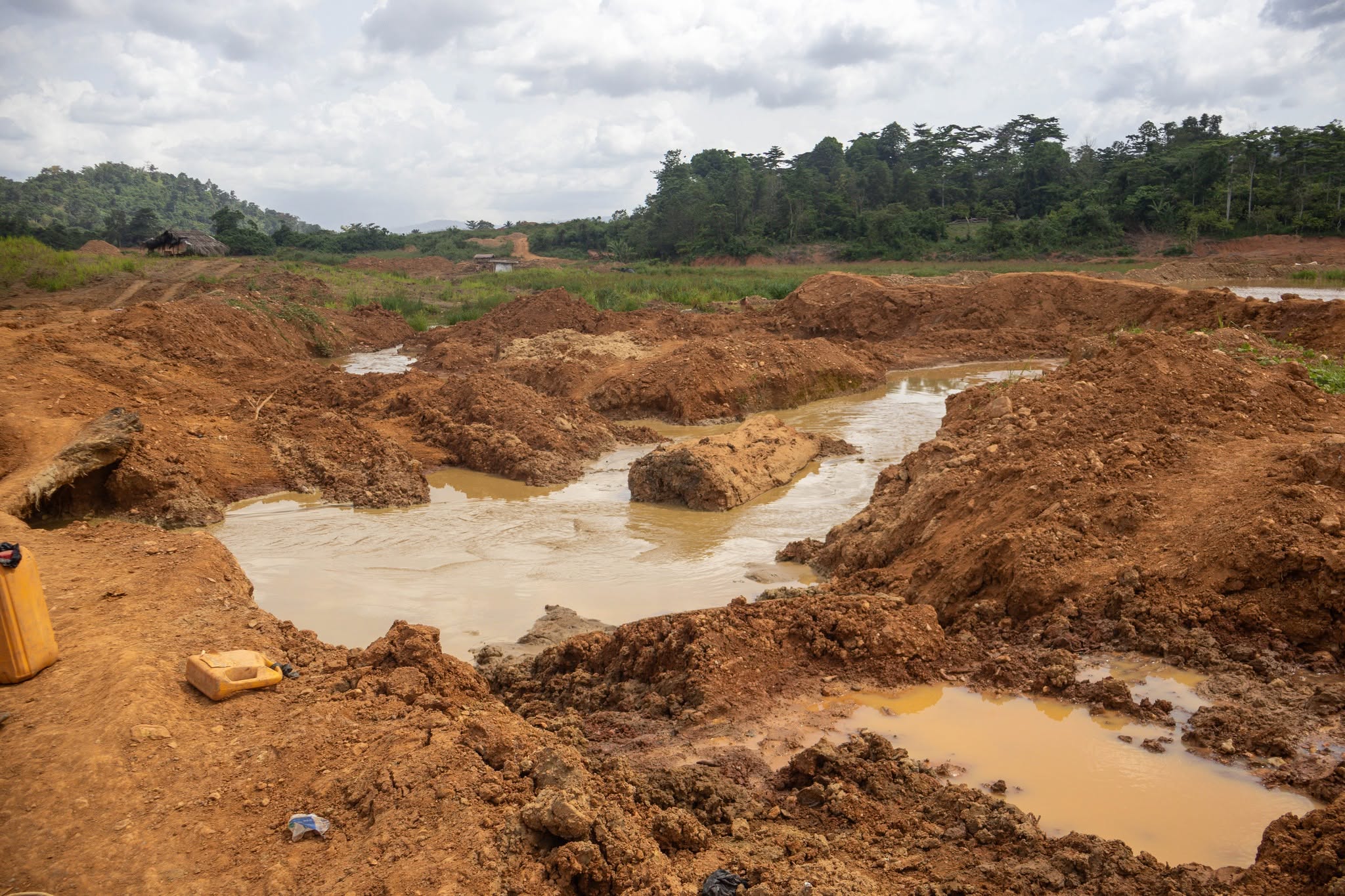
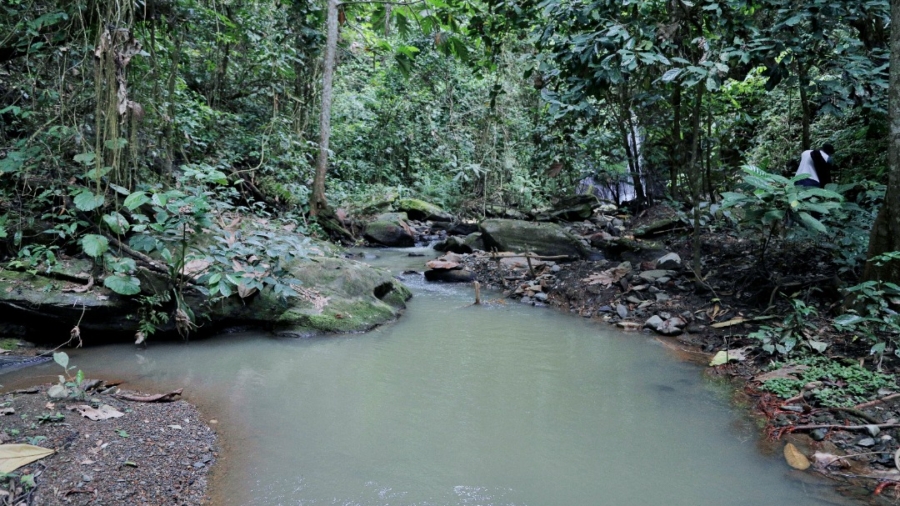
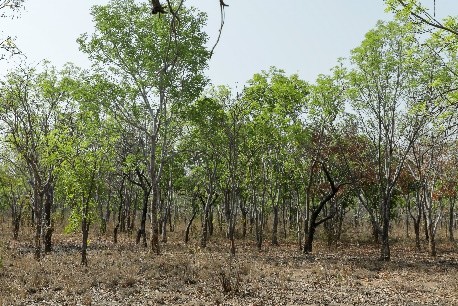
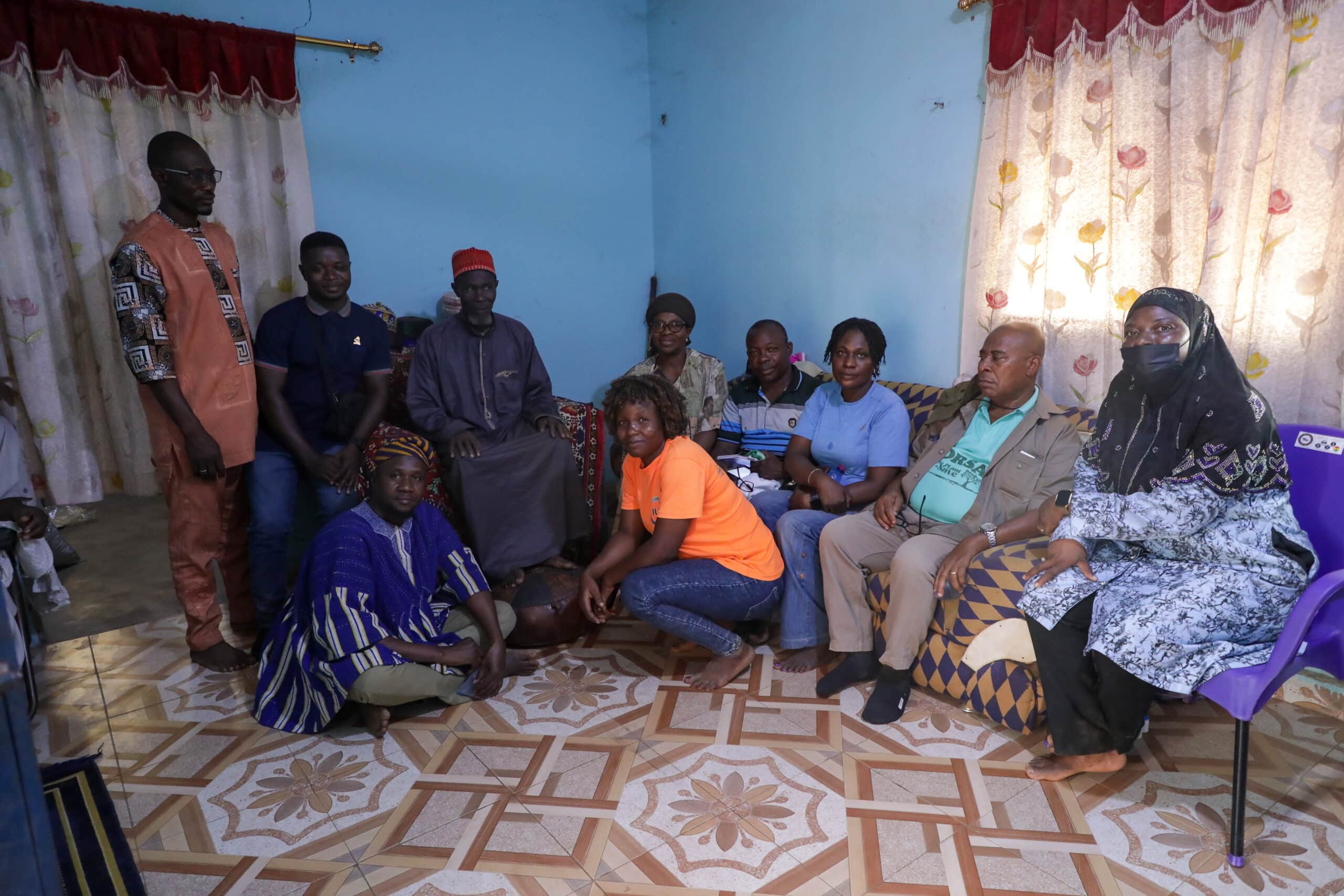
A century after our forebears protected Atewa for generations yet unborn, we are now watching one of Ghana’s most important forests come under an unprecedented and escalating attack from illegal mining. We cannot afford to look away.
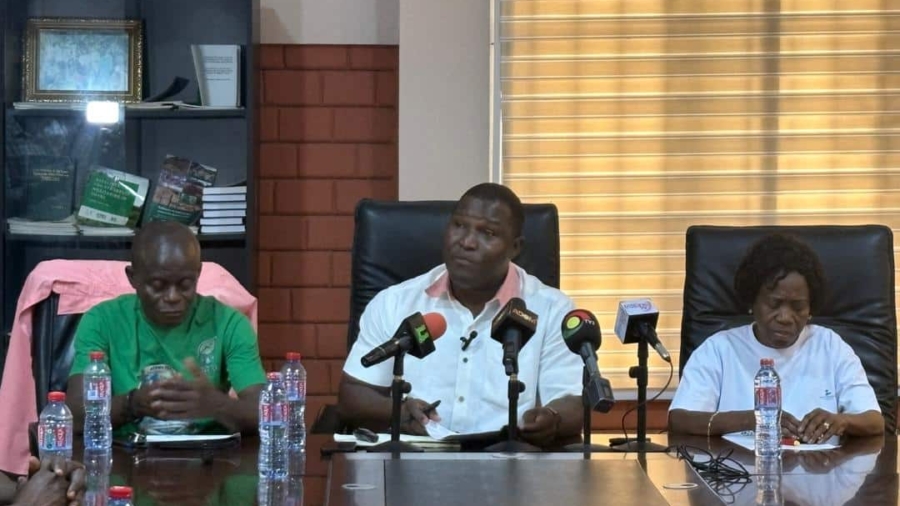
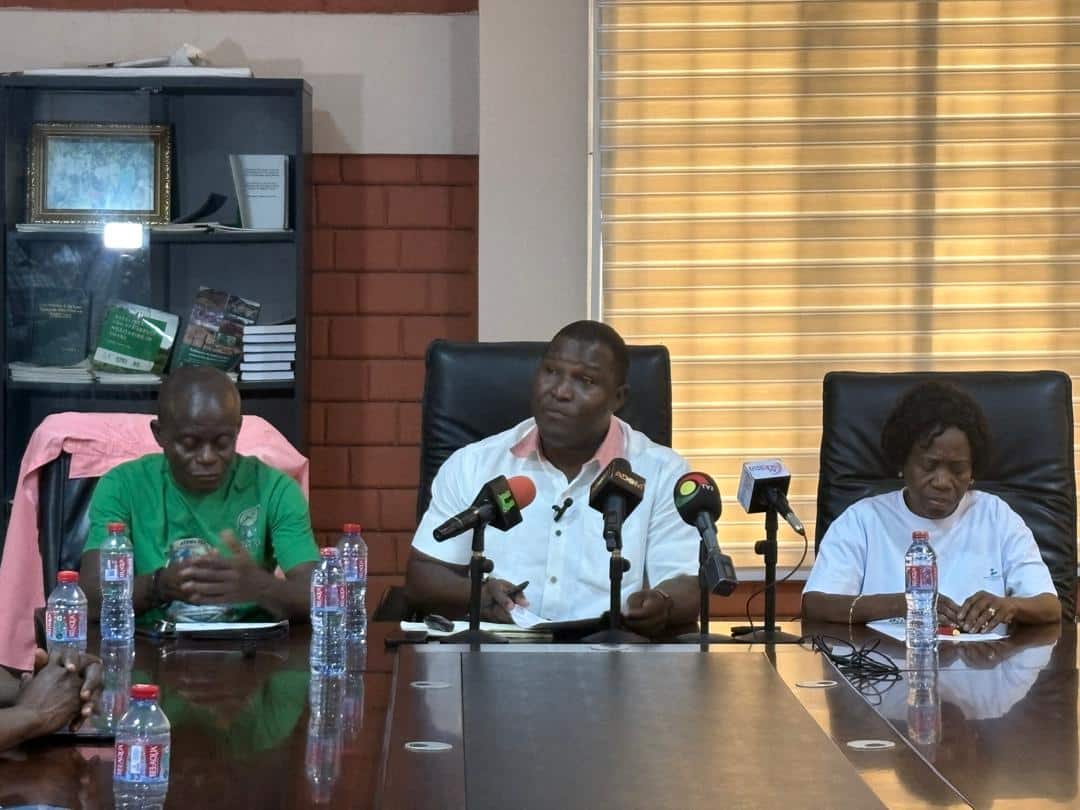
At a press conference held on September 14, 2026, A Rocha Ghana in partnership with Concerned Citizens of Atewa Landscape (CCAL) and Eco Conscious Citizens raised the alarm over the worsening situation in the Atewa Range Forest Reserve and to call for urgent action to protect the forest.
The unavoidable conclusion is that Atewa is under an unprecedented and escalating attack from illegal mining, while the institutions mandated to protect it are increasingly overwhelmed. We can lose the forest if we delay in taking very decisive actions as a matter of urgency.
44 or 51? We are losing our forests, that is what the evidence shows.
Accra, September 9, 2026 – A Rocha Ghana has taken note of recent claims that our position on the number of forest reserves affected by illegal mining is inaccurate.
We stand by the evidence that informed our assessment.
A press release published by A Rocha Ghana as a member of the Coalition Against Galamsey – Ghana (CAGG) on March 28, 2026, indicated that “at least 50 forests” are currently facing encroachment linked to illegal mining activities. This figure is based on our research and analysis, and highlights a serious environmental concern that deserves urgent attention.
On September 8, 2026, Julius Kwame Anthony, spokesperson for the government and Press Secretary at the Ministry of the Interior, stated during Channel One TV’s Breakfast Daily programme that the number of forest reserves affected was 44, rather than the over 50 encroached forests reported in our assessment. He indicated that the 44 figure was based on verification he conducted with the Ministry of Lands and Natural Resources (MLNR).
Join A Rocha and help inspire people to care for creation.
Based in Ghana, Full-time, Initial 1-year Fixed-Term Contract
Deadline: 14 August 2026
A Rocha is a global family of Christian conservation organizations working together to live out God’s calling to care for creation and equip others to do likewise. Through practical conservation, environmental education, scientific research, church and community engagement, A Rocha works in more than 20 countries to protect biodiversity and restore relationships between people and nature.
A Rocha is seeking an experienced and passionate Environmental Education Coordinator to strengthen environmental education across the A Rocha Worldwide Family. This is an exciting opportunity for someone who enjoys connecting people, building networks, developing resources, and supporting conservation through education.
About the role
Environmental education is central to creating lasting conservation impact. As Environmental Education Coordinator, you will strengthen collaboration among environmental educators across A Rocha, with a particular focus in Africa, develop learning opportunities and shared resources, support fundraising initiatives, and help improve monitoring and evaluation of EE,
You will work with colleagues across Africa, Europe, Asia, the Americas and Oceania, helping ensure that environmental education contributes meaningfully to both conservation outcomes and community engagement in faith-based and wider public settings.
Some international travel will be required.
Key responsibilities
Coordinate and facilitate A Rocha’s global Environmental Education Community of Practice.
Organise online and in-person learning events, workshops and knowledge-sharing opportunities.
Develop and share practical environmental education resources across the A Rocha network.
Support fundraising by identifying opportunities, contributing to proposals and helping develop collaborative initiatives.
Strengthen monitoring, evaluation and learning for environmental education programmes, including developing indicators that demonstrate impact.
Manage and promote shared initiatives such as the Plastics Toolkit, International Coastal Cleanup and the Great Global Nurdle Hunt.
Provide environmental education expertise to A Rocha’s conservation and church engagement programmes.
Support initiatives that encourage greater participation and leadership of women in conservation.
We are looking for someone who has
A relevant university degree and at least five years’ experience in environmental education or a related field.
Demonstrated experience designing or leading environmental education programmes.
Strong understanding and expertise of how education contributes to effective conservation.
Excellent networking, facilitation and relationship-building skills.
Experience contributing to fundraising proposals and resource mobilisation.
Expertise in monitoring, evaluation and learning.
Excellent written and spoken English.
Additional language skills, particularly French and/or Spanish, would be an advantage.
Experience working across cultures and with diverse partners.
Ability to work independently while collaborating across multiple time zones.
A valid passport and willingness to undertake international travel.
Personal qualities
You are someone who:
Is passionate about conservation and environmental education.
Enjoys bringing people together and encouraging collaboration.
Is proactive, organised and able to manage multiple priorities.
Communicates with warmth, humility and cultural sensitivity.
Supports the Christian faith basis and values of A Rocha and is comfortable working within this context.
Location
This position is based in Ghana and hosted by A Rocha Ghana.
Applicants must have the legal right to live and work in Ghana.
Contract
Full-time
Initial one-year fixed-term contract, with the possibility of extension subject to funding and performance.
Salary will be competitive and based on experience and the Ghanaian employment market.
Join A Rocha and help inspire people to care for creation
Environmental Education Coordinator
Based in Ghana, Full-time, Initial 1-year Fixed-Term Contract
Application deadline: 14 August 2026
A Rocha is a global family of Christian conservation organizations working together to live out God’s calling to care for creation and equip others to do likewise. Through practical conservation, environmental education, scientific research, church and community engagement, A Rocha works in more than 20 countries to protect biodiversity and restore relationships between people and nature.
A Rocha is seeking an experienced and passionate Environmental Education Coordinator to strengthen environmental education across the A Rocha Worldwide Family. This is an exciting opportunity for someone who enjoys connecting people, building networks, developing resources, and supporting conservation through education.
About the role
Environmental education is central to creating lasting conservation impact. As Environmental Education Coordinator, you will strengthen collaboration among environmental educators across A Rocha, with a particular focus in Africa, develop learning opportunities and shared resources, support fundraising initiatives, and help improve monitoring and evaluation of EE,
You will work with colleagues across Africa, Europe, Asia, the Americas and Oceania, helping ensure that environmental education contributes meaningfully to both conservation outcomes and community engagement in faith-based and wider public settings.
Some international travel will be required.
Key responsibilities
Coordinate and facilitate A Rocha’s global Environmental Education Community of Practice.
Organise online and in-person learning events, workshops and knowledge-sharing opportunities.
Develop and share practical environmental education resources across the A Rocha network.
Support fundraising by identifying opportunities, contributing to proposals and helping develop collaborative initiatives.
Strengthen monitoring, evaluation and learning for environmental education programmes, including developing indicators that demonstrate impact.
Manage and promote shared initiatives such as the Plastics Toolkit, International Coastal Cleanup and the Great Global Nurdle Hunt.
Provide environmental education expertise to A Rocha’s conservation and church engagement programmes.
Support initiatives that encourage greater participation and leadership of women in conservation.
We are looking for someone who has
A relevant university degree and at least five years’ experience in environmental education or a related field.
Demonstrated experience designing or leading environmental education programmes.
Strong understanding and expertise of how education contributes to effective conservation.
Excellent networking, facilitation and relationship-building skills.
Experience contributing to fundraising proposals and resource mobilisation.
Expertise in monitoring, evaluation and learning.
Excellent written and spoken English.
Additional language skills, particularly French and/or Spanish, would be an advantage.
Experience working across cultures and with diverse partners.
Ability to work independently while collaborating across multiple time zones.
A valid passport and willingness to undertake international travel.
Personal qualities
You are someone who:
Is passionate about conservation and environmental education.
Enjoys bringing people together and encouraging collaboration.
Is proactive, organised and able to manage multiple priorities.
Communicates with warmth, humility and cultural sensitivity.
Supports the Christian faith basis and values of A Rocha and is comfortable working within this context.
Location
This position is based in Ghana and hosted by A Rocha Ghana.
Applicants must have the legal right to live and work in Ghana.
Contract
Full-time
Initial one-year fixed-term contract, with the possibility of extension subject to funding and performance.
Salary will be competitive and based on experience and the Ghanaian employment market.
Landmark conservation initiative uncovers potential new species, restores more than 66,000 threatened trees, and empowers communities to safeguard one of Ghana’s most important forests.
New scientific discoveries and conservation achievements from Ghana’s Atewa Forest are reinforcing calls for the long-term protection of one of the country’s most important biodiversity hotspots.
A three-year conservation initiative led by A Rocha Ghana in partnership with the CSIR-Plant Genetic Resources Research Institute (CSIR-PGRRI) has generated groundbreaking knowledge on Ghana’s threatened tree species, documented plant species potentially new to science, restored more than 66,000 tree seedlings, and equipped local communities with the skills to protect some of the country’s rarest forest ecosystems.
Supported by Fondation Franklinia, the project demonstrates how science, local stewardship and strategic partnerships can work together to conserve biodiversity of global significance.
Often described as the ecological heart of southern Ghana, Atewa Forest is one of only two remaining Upland Evergreen Forests in the country and supports approximately 40 percent of Ghana’s threatened and near-threatened tree species.
Beyond its remarkable biodiversity, the forest protects the headwaters of major river systems that supply clean water to millions of Ghanaians, making its conservation vital for both nature and people.
Over the course of the initiative, researchers and conservation practitioners focused on conserving globally threatened tree species including Pericopsis elata, Omphalocarpum ahia, Tieghemella heckelii, Cola reticulate, Pavetta mollissima, Allophylus samoritourei, Eugenia spp. and Cola boxiana.
Researchers also developed propagation protocols for threatened tree species, established flowering and fruiting calendars to guide future restoration efforts, strengthened seed collection and nursery practices, and established a herbarium that will continue supporting scientific research and conservation long after the project’s completion.
“This project has shown that conserving threatened tree species is about much more than planting trees. It is about generating the scientific knowledge needed to recover species on the brink of extinction, empowering communities to become custodians of their natural heritage, and protecting ecosystems that sustain both biodiversity and human well-being. Atewa Forest is one of Ghana’s greatest natural assets, and the evidence generated through this partnership reinforces why its protection remains so important.”—Seth Appiah-Kubi, National Director-A Rocha Ghana
The project also strengthened collaboration between scientists, government institutions and local communities, creating a model for science-led conservation in Ghana. Community monitors continue to track the growth and health of threatened tree species, while the scientific data generated through the project will contribute to future conservation planning, restoration initiatives and global assessments of threatened plant species.
“The propagation techniques, seed biology studies and phenological data generated through this project provide an important scientific foundation for conserving Ghana’s threatened tree species. This knowledge will support restoration efforts well beyond Atewa and contribute to the global effort to prevent plant extinctions.” — Dr Edmund Owusu, CSIR-Plant Genetic Resources Research Institute
While the project has demonstrated what is possible through collaboration, the partners caution that Atewa Forest continues to face pressure from illegal mining, habitat degradation and other human activities that threaten its unique biodiversity. Continued investment in science, stronger forest protection and sustained community participation will be essential to secure the future of Ghana’s threatened tree species.
Why This Matters
Healthy forests are essential for clean water, climate resilience, biodiversity and sustainable livelihoods. The discoveries and conservation gains made through this initiative demonstrate that protecting threatened tree species is not only about preventing extinction; it is about safeguarding the ecological systems that support millions of people. As global biodiversity continues to decline, Atewa Forest stands as one of Ghana’s most important natural treasures and a powerful example of what can be achieved when science, communities and conservation partners work together.
About the Project
Strengthening Knowledge and Action on Atewa Forest’s Significance for Protecting Globally Threatened Tree Species, Critical Ecosystems and Ecosystem Service Provision was implemented by A Rocha Ghana in partnership with the CSIR-Plant Genetic Resources Research Institute (CSIR-PGRRI) with financial support from Fondation Franklinia. The initiative sought to strengthen scientific knowledge, improve propagation and restoration techniques for threatened tree species, and empower local communities to conserve the unique biodiversity of the Atewa Forest landscape.
Coalition urges Government to publish a clear roadmap and timelines for implementation, warning that Ghana cannot afford to delay environmental governance reforms amid escalating ecological challenges.
Civil Society Organizations (CSOs) in Ghana’s Environment and Natural Resources Sector have welcomed key recommendations of the Constitution Review Committee (CRC) aimed at strengthening environmental governance and ensuring the sustainable management of the country’s natural resources.
Meeting under the auspices of the Citizens’ Platform on Constitutional Reform (CPCR), the CSOs endorsed several proposals in the CRC’s report, Transforming Ghana: From Electoral Democracy to Developmental Democracy. These include recognising that natural resources should be held in trust for present and future generations, strengthening accountability in resource governance, and recognising ecocide as a constitutional offence.
The coalition also highlighted critical gaps that require further attention, including the need to protect environmental defenders, adopt the polluter-pays principle, and establish a specialised Environmental and Natural Resources Court.
Given the growing threats posed by illegal mining, forest loss, and environmental degradation, the CSOs are urging Government to publish the full CRC report and provide a clear roadmap and timelines for implementing the constitutional reform process.
The coalition reaffirmed its readiness to support civic education and technical work to ensure that environmental considerations and the voices of affected communities remain central to Ghana’s constitutional reform agenda.
Read the full statement below/download the statement here:
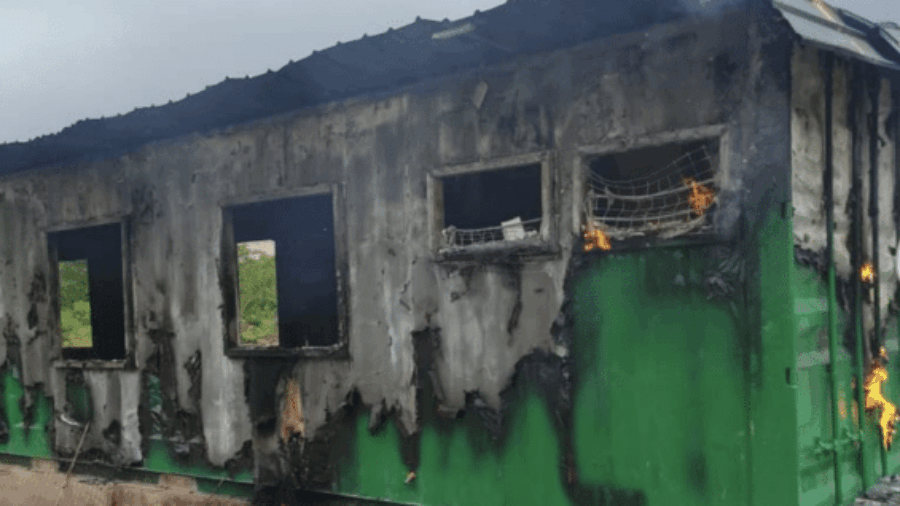
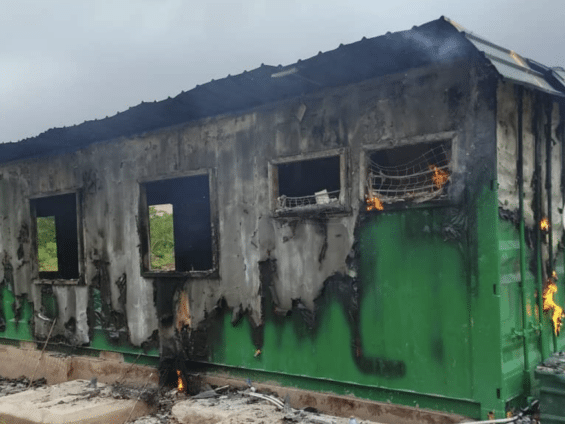
A Rocha Ghana unequivocally condemns the recent attack on staff of the Forestry Commission and the destruction of the timber checkpoint staff accommodation at Babatokuma in the Kintampo District of the Bono East Region.
The violent incident, which occurred on Tuesday, 9 June 2026, endangered lives and destroyed public property. Such actions are unacceptable under any circumstances. The attack could easily have led to the loss of lives. These acts not only jeopardise the safety of Forestry Commission personnel and others working to protect Ghana’s forests and natural resources, but also undermine the rule of law and the collective national effort to safeguard our environment for present and future generations.
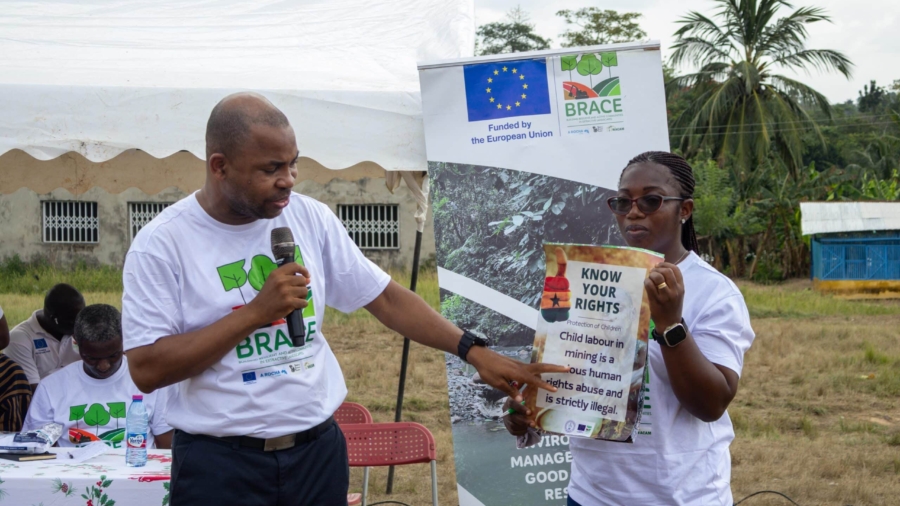
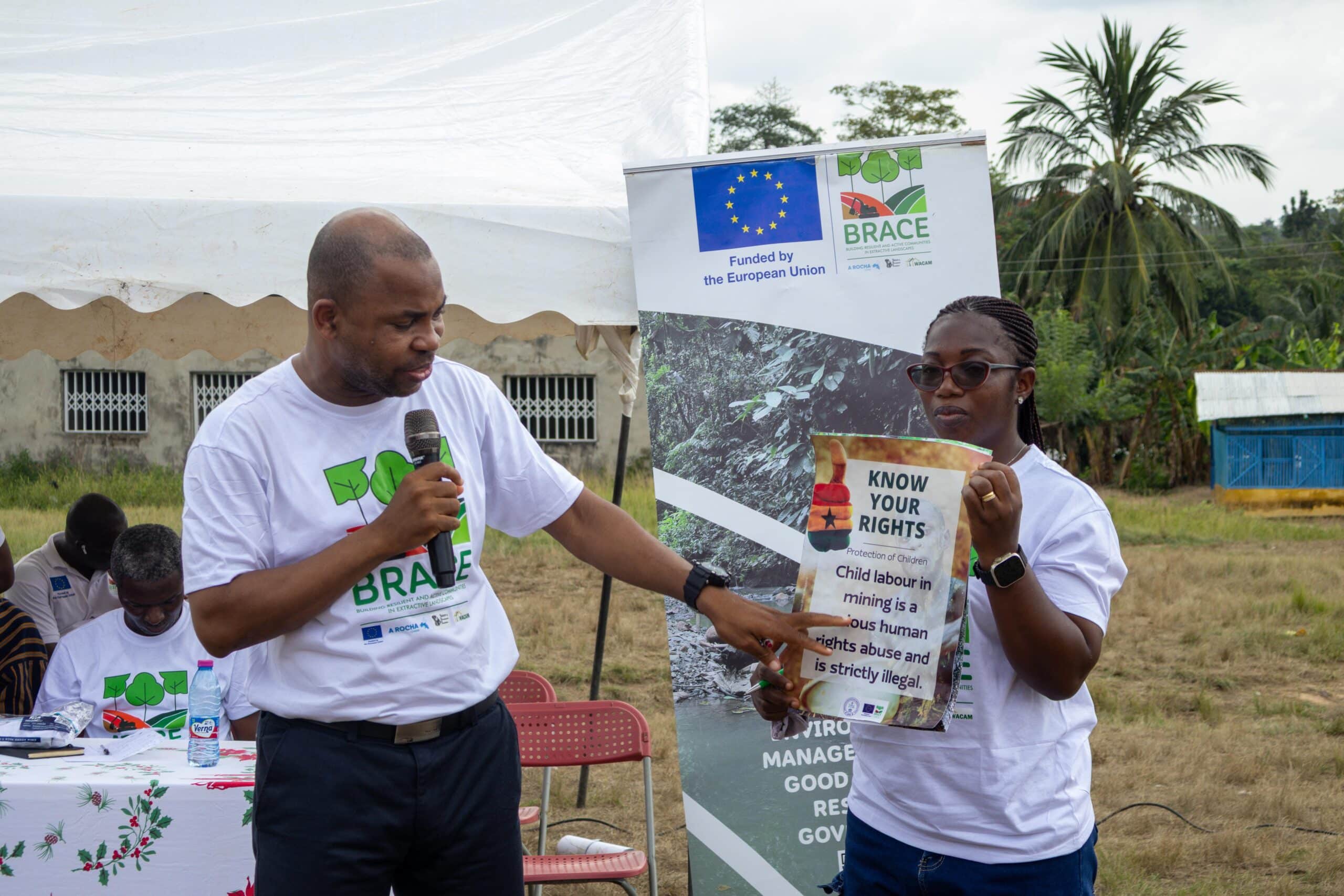
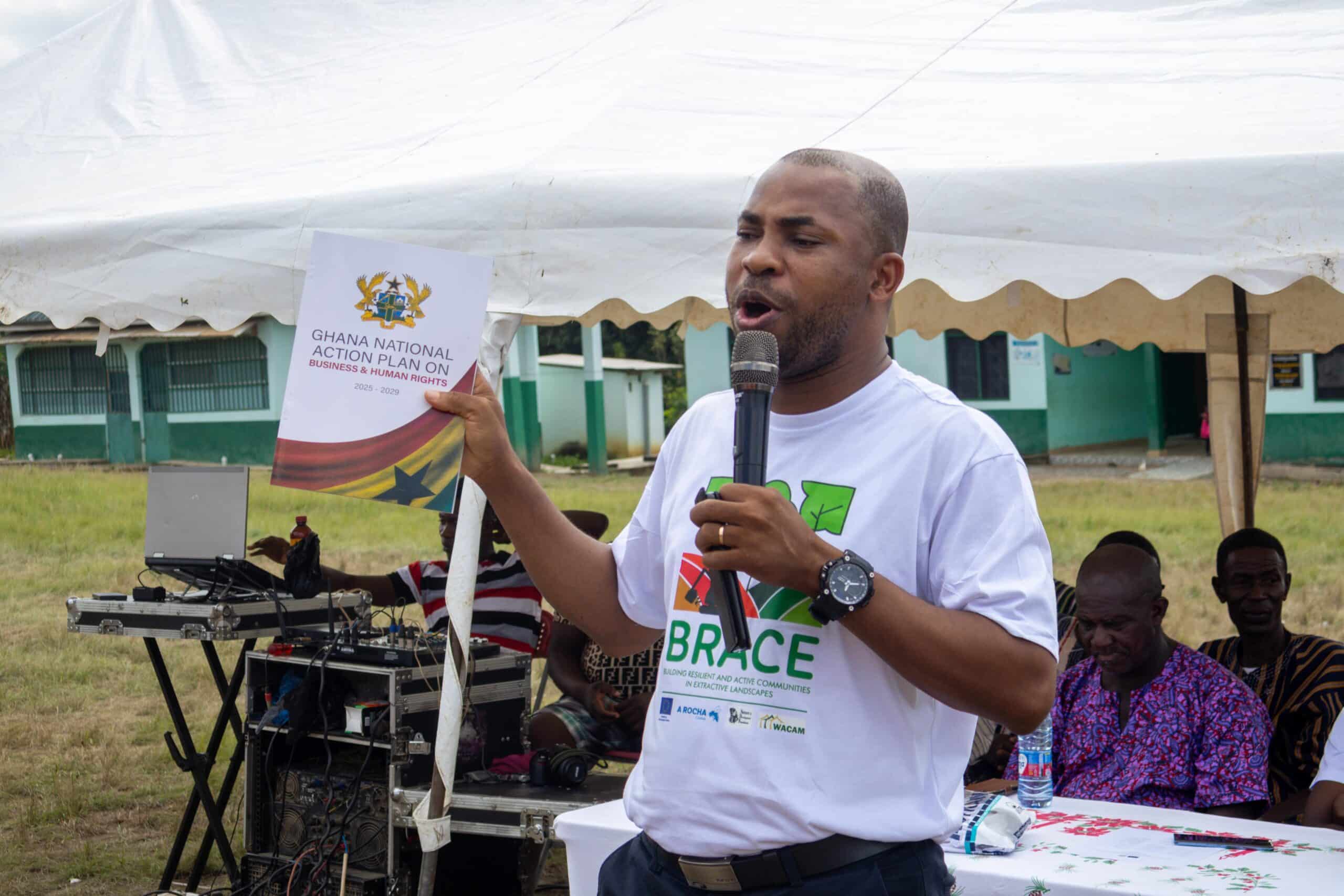
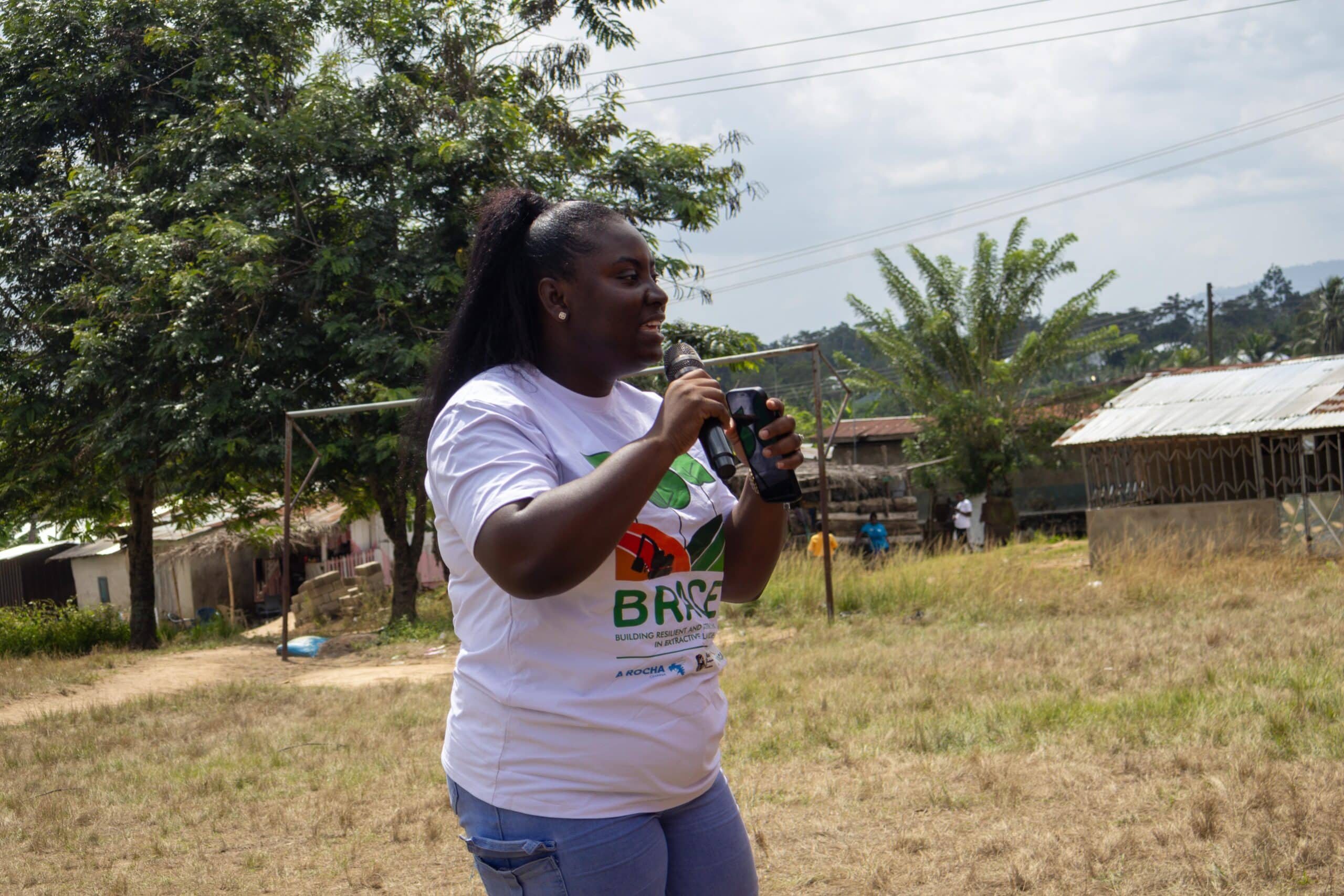
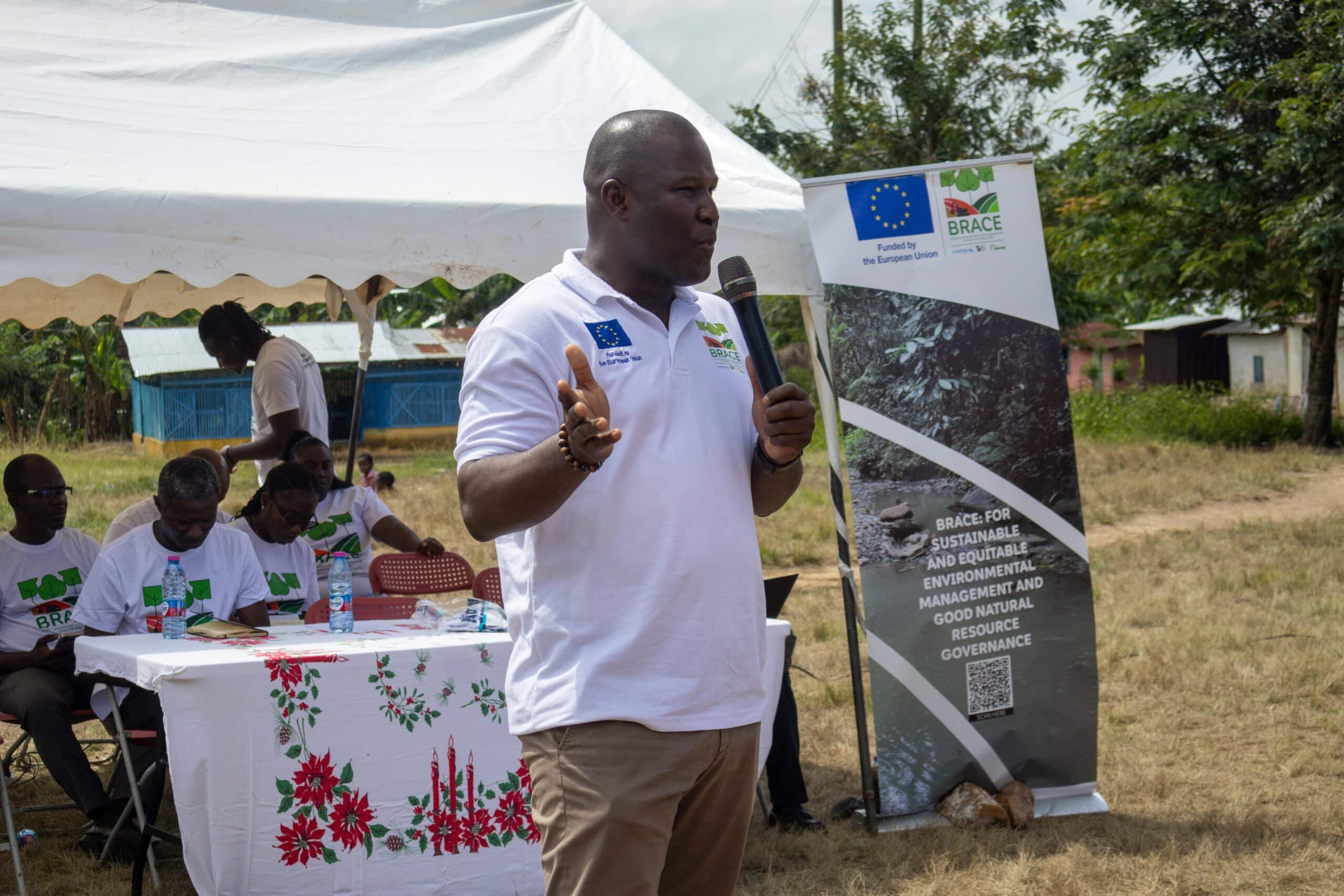
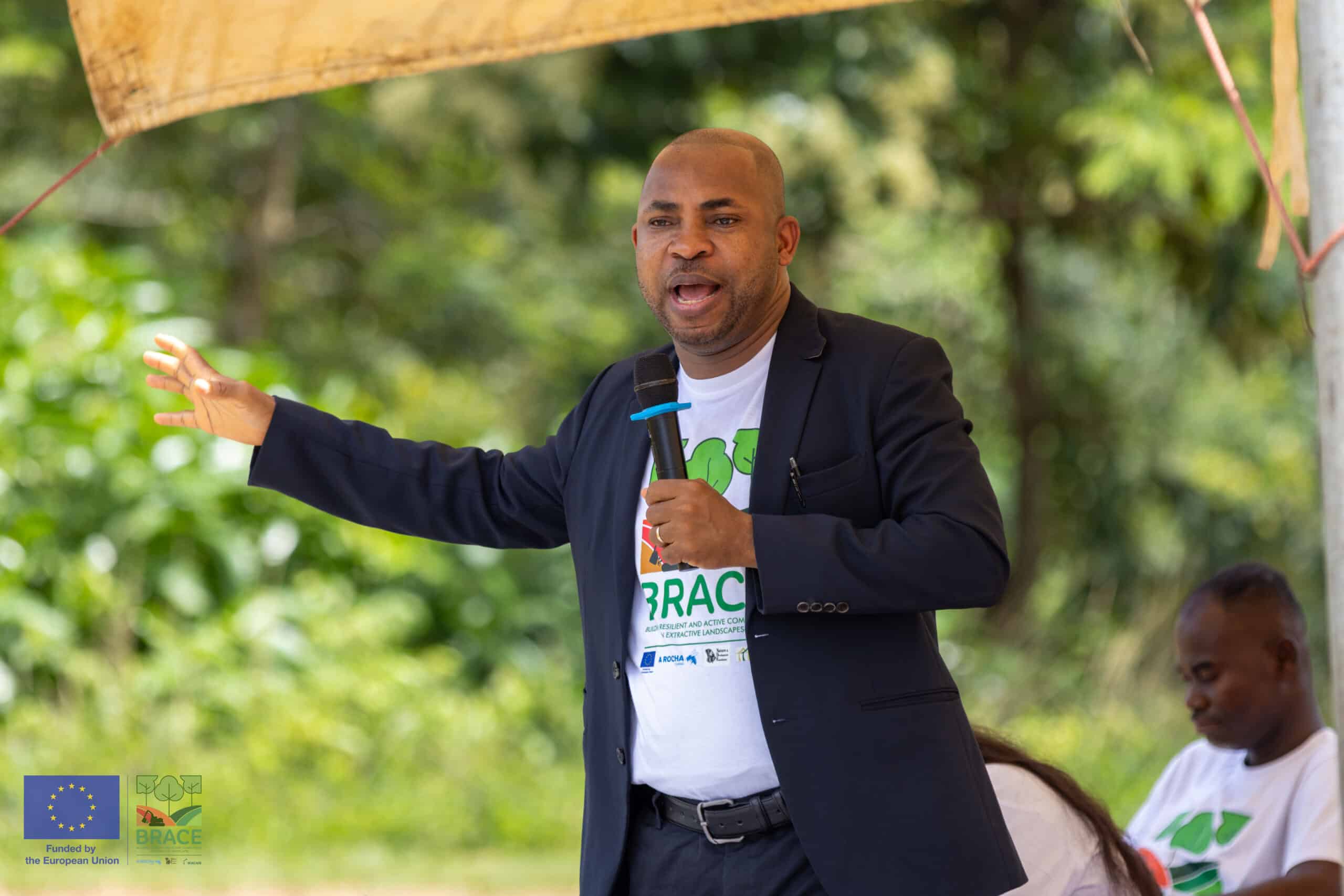
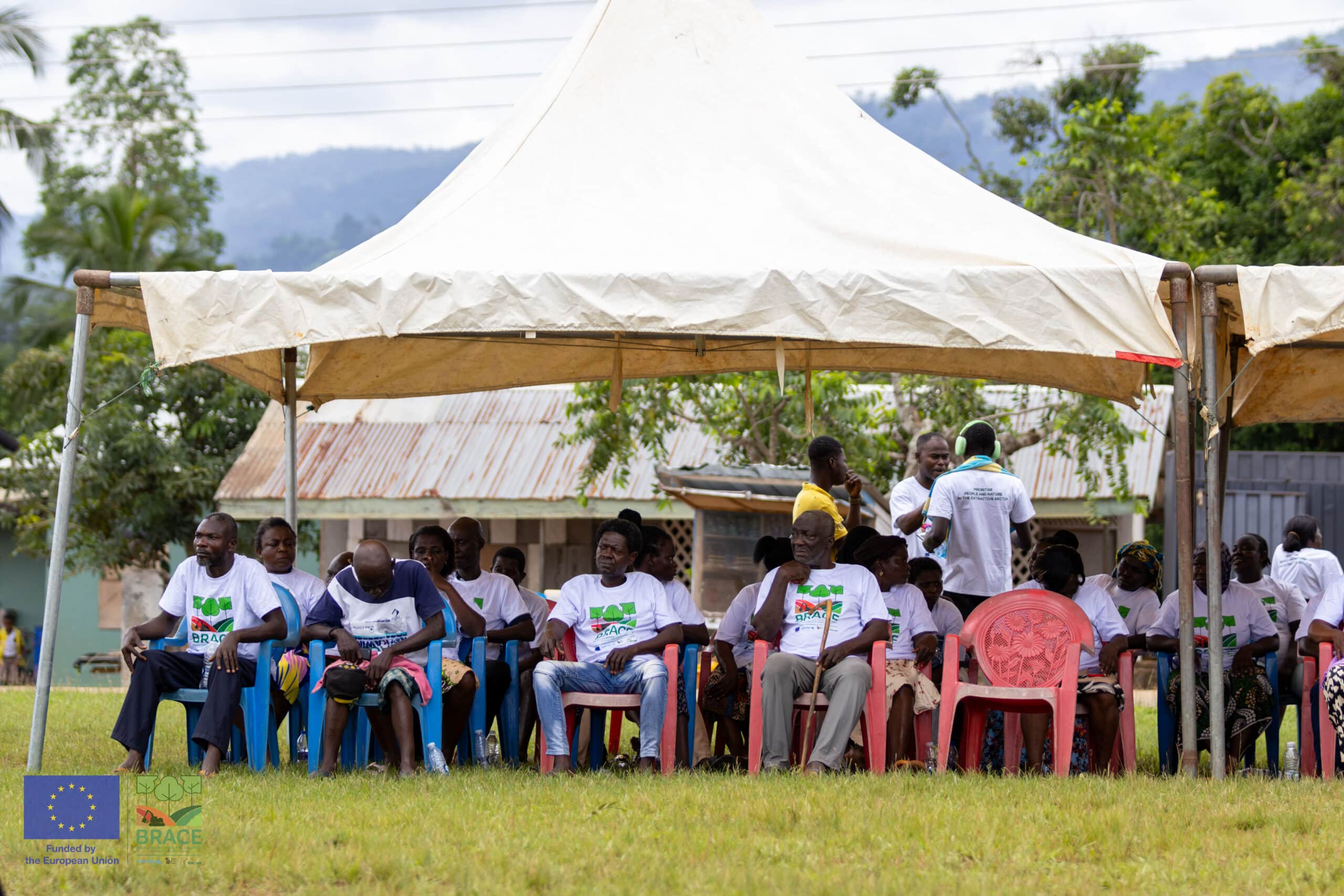
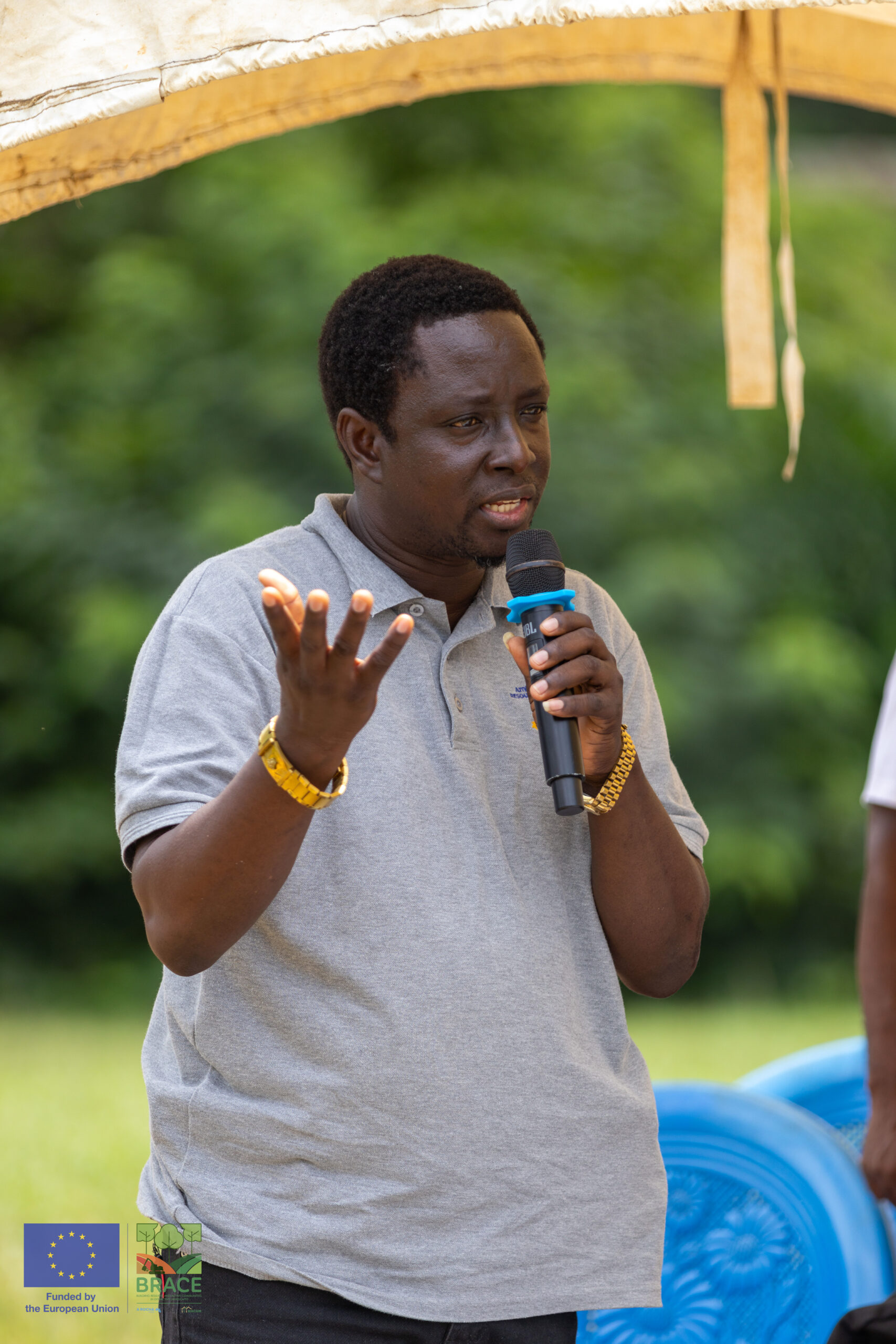
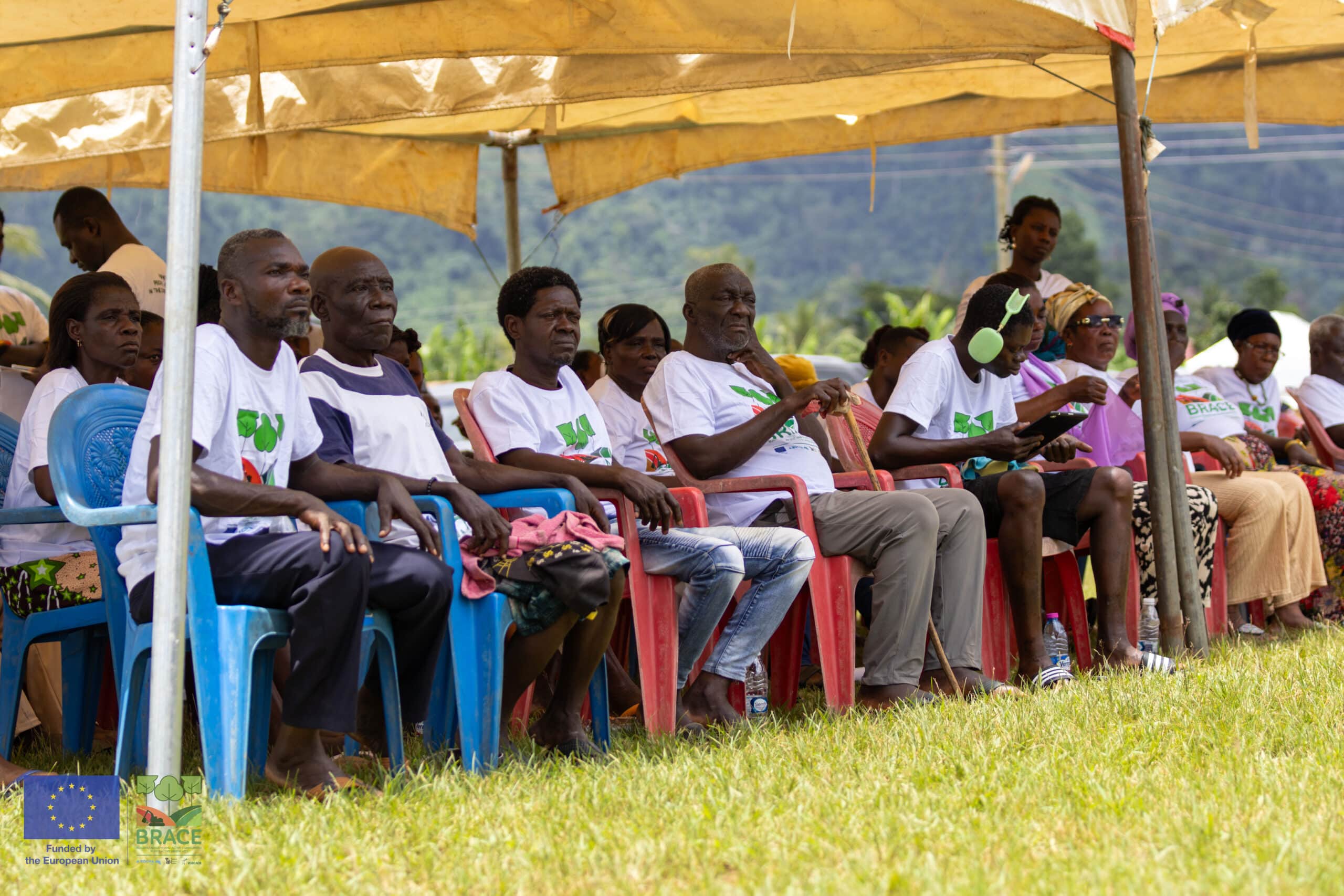
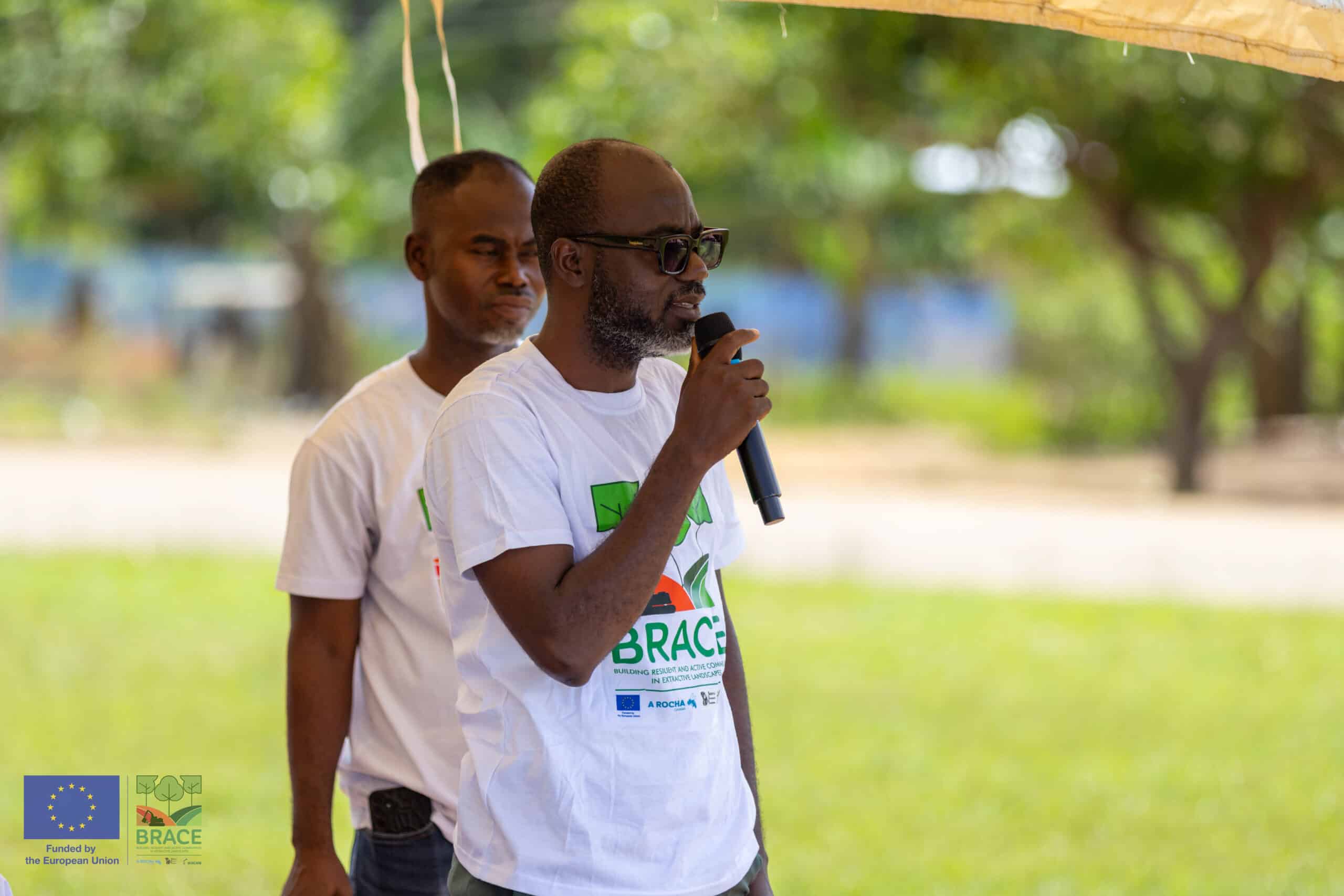
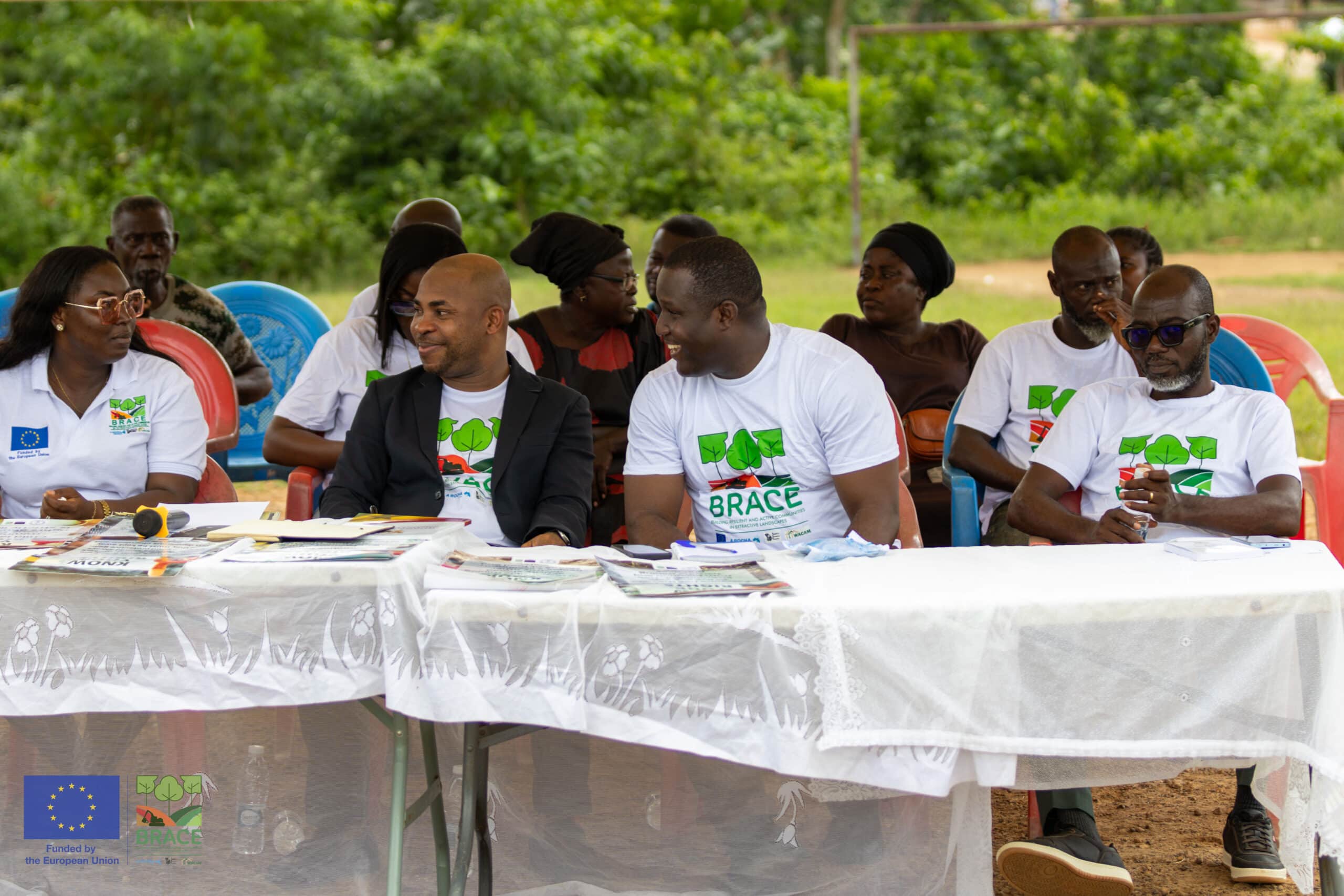
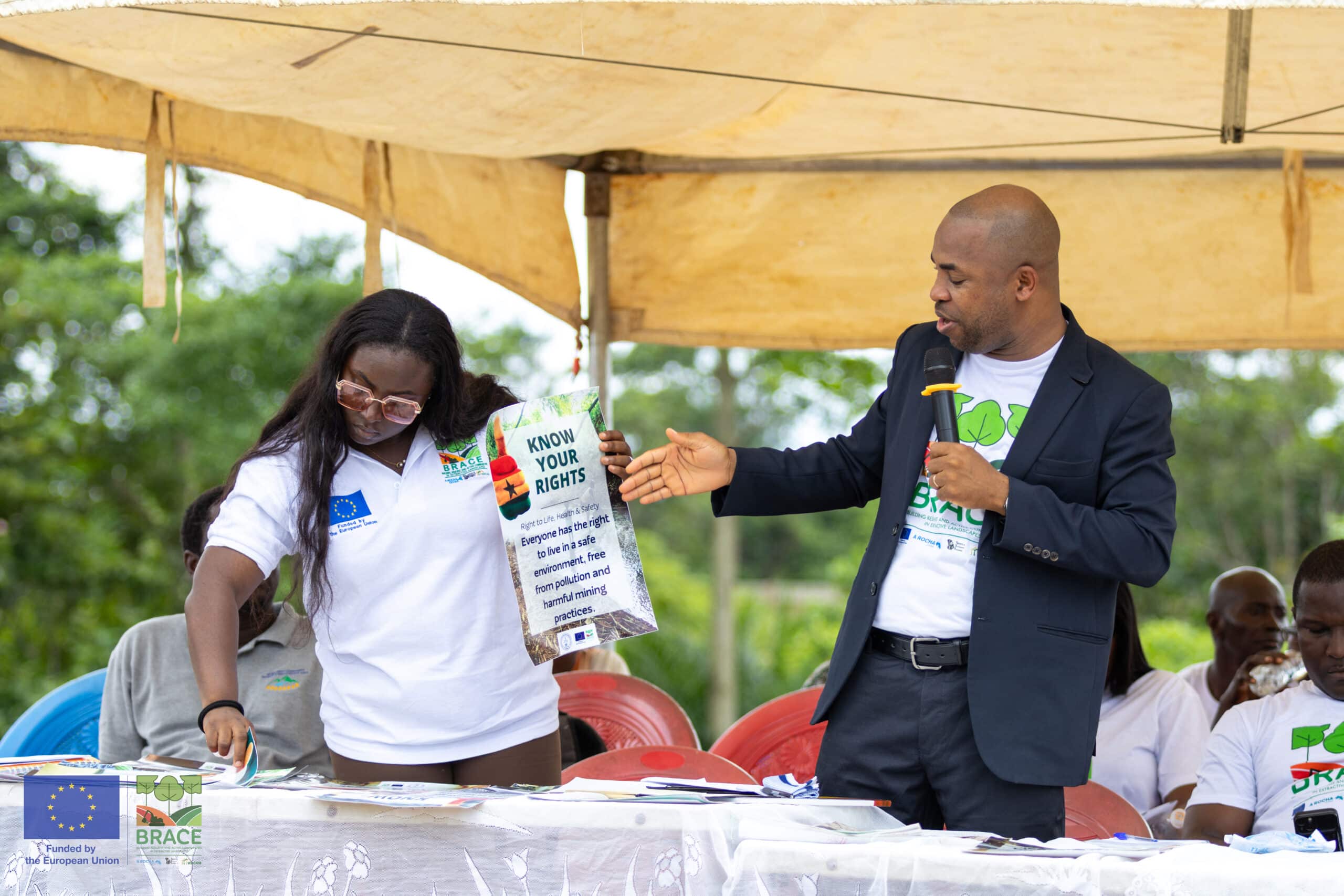
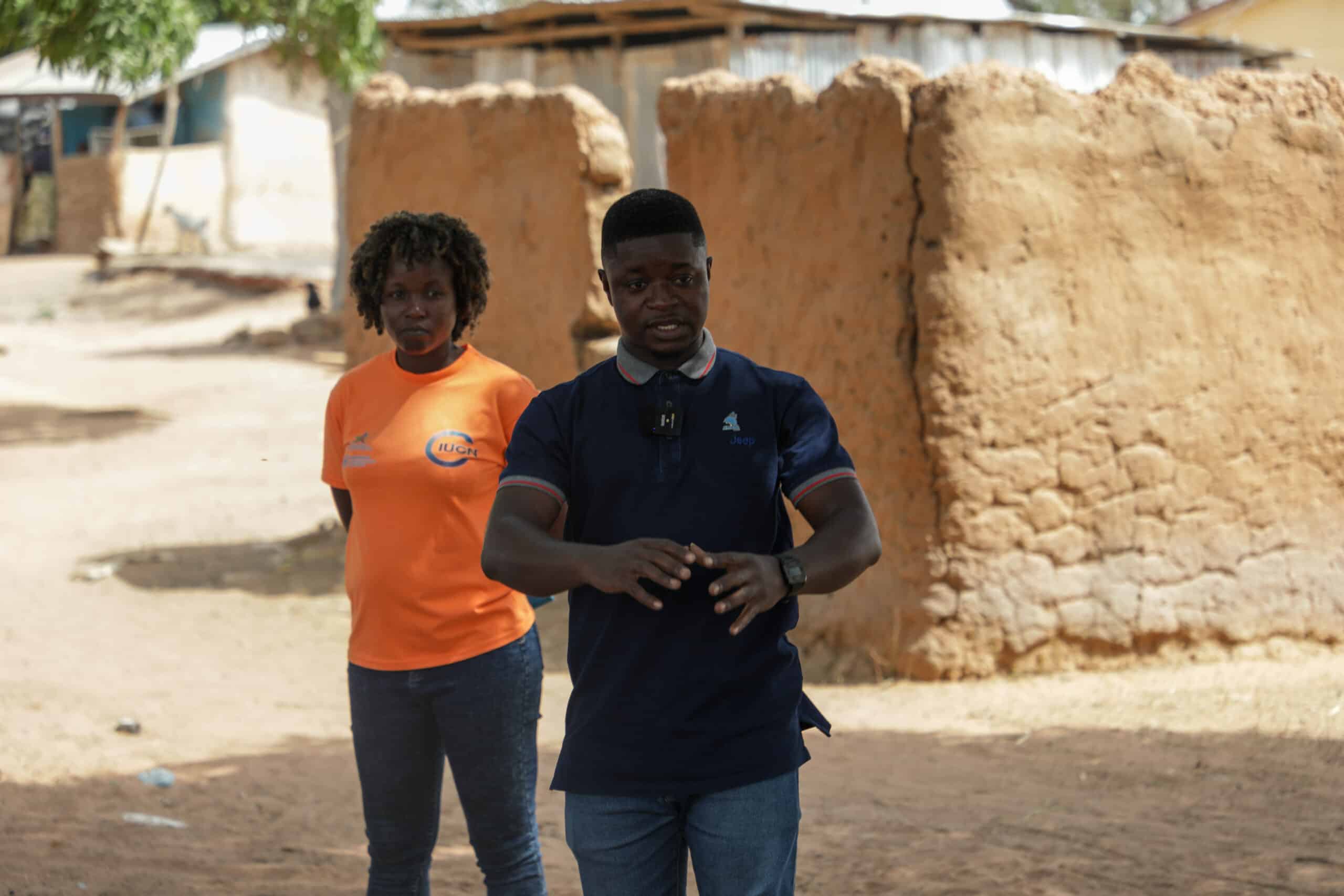
Clement Kadogbe, Head of Business and Human Rights at the Commission on Human Rights and Administrative Justice (CHRAJ), engaging participants on human rights issues and the role of the National Action Plan on Business and Human Rights in protecting communities.
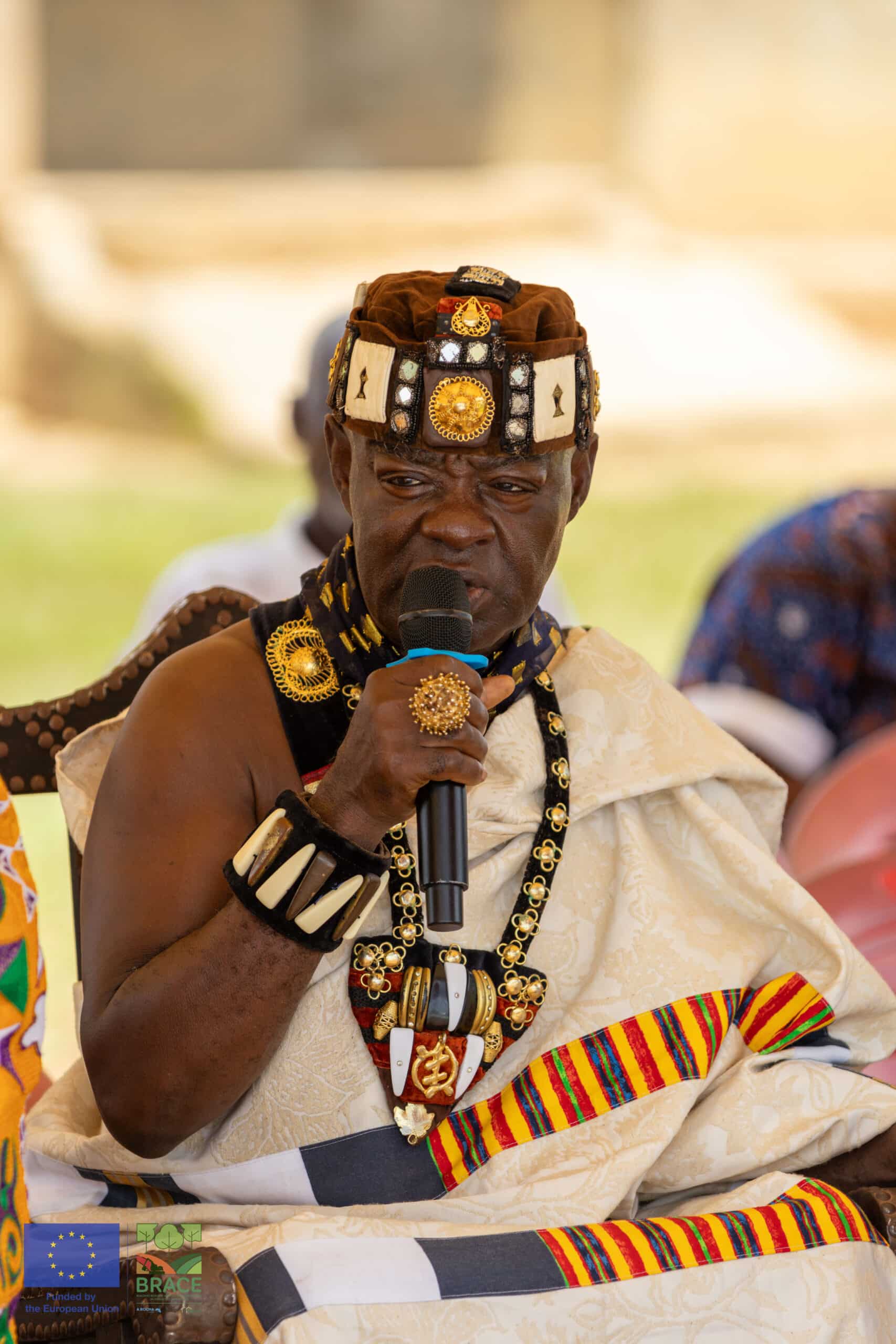
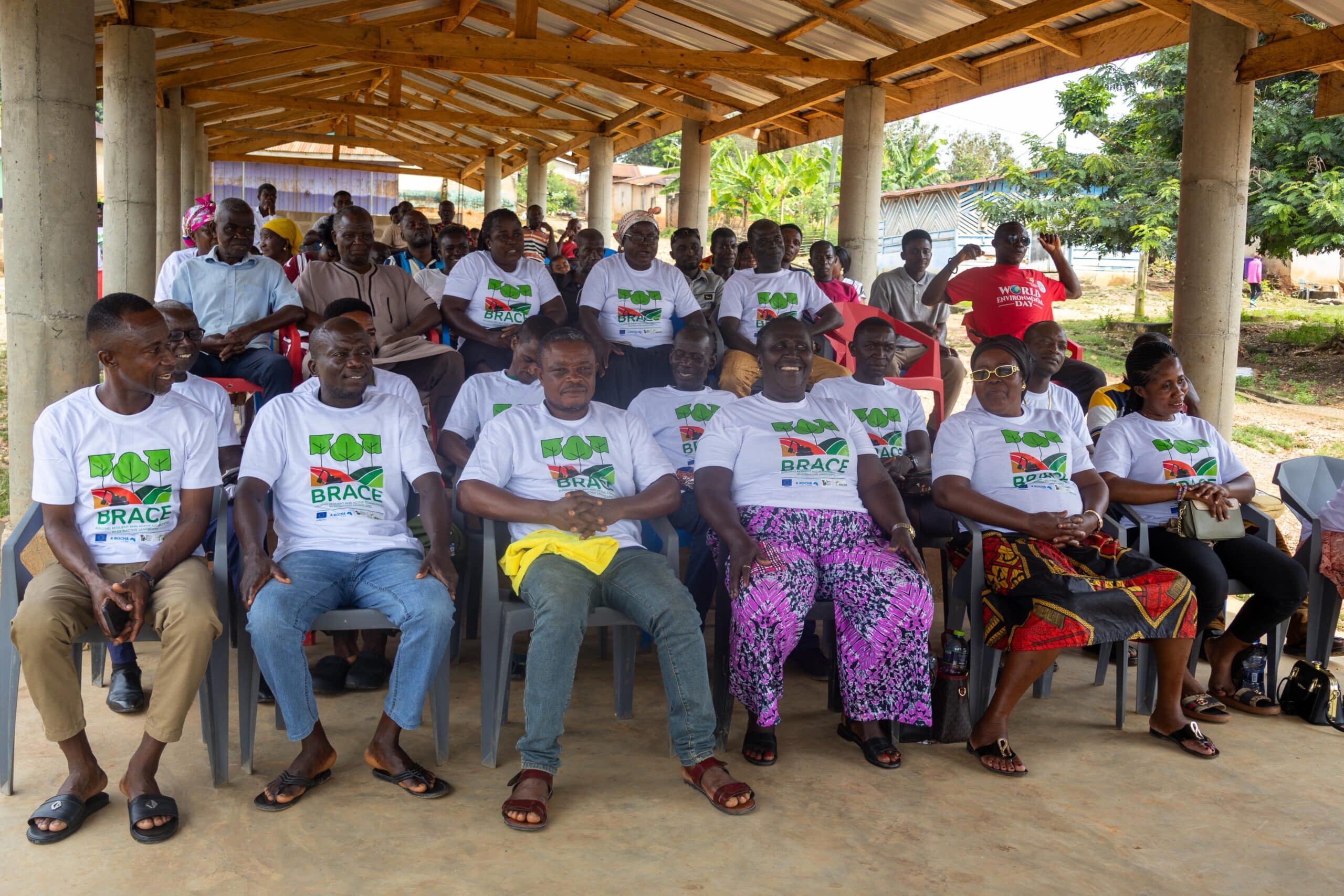
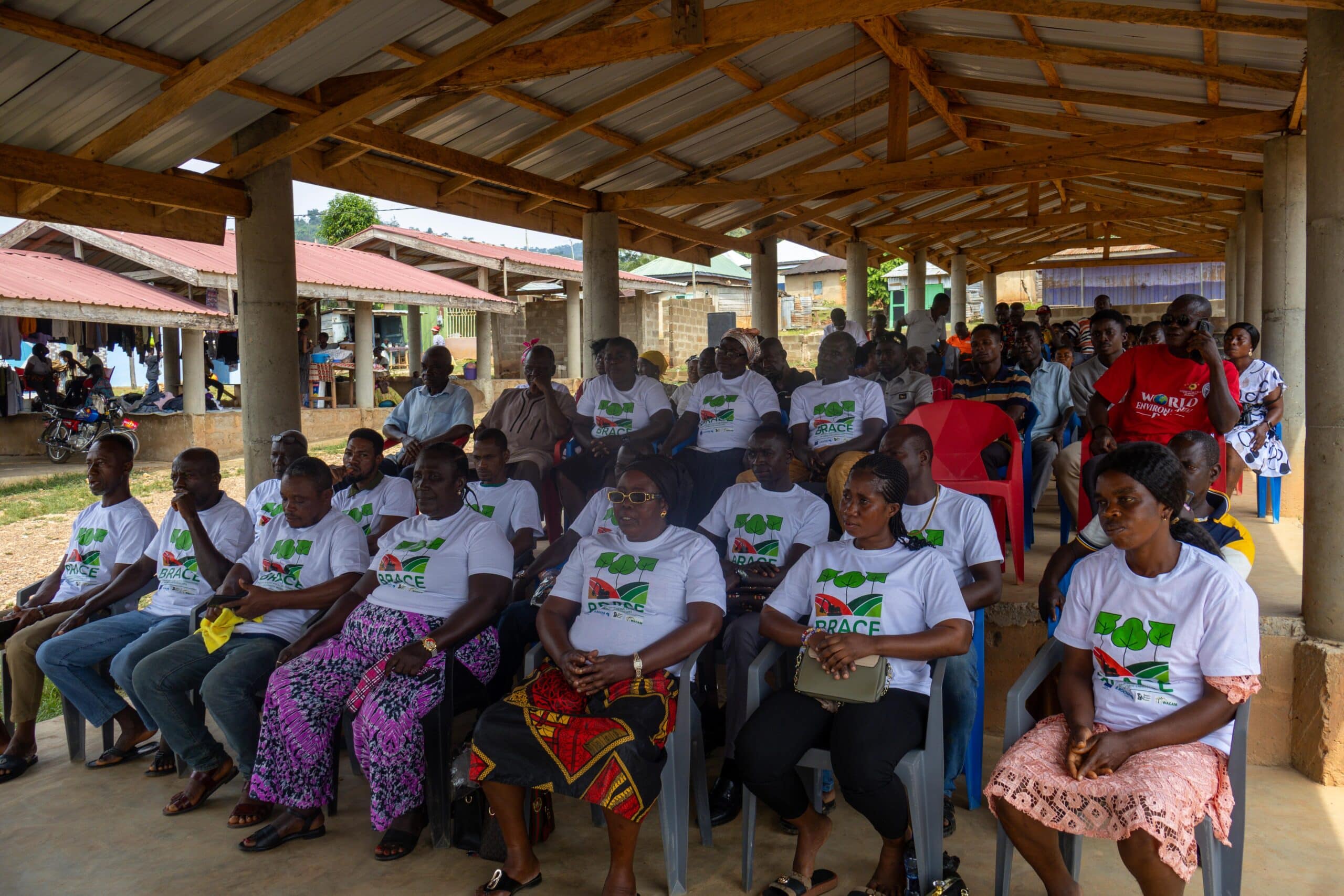
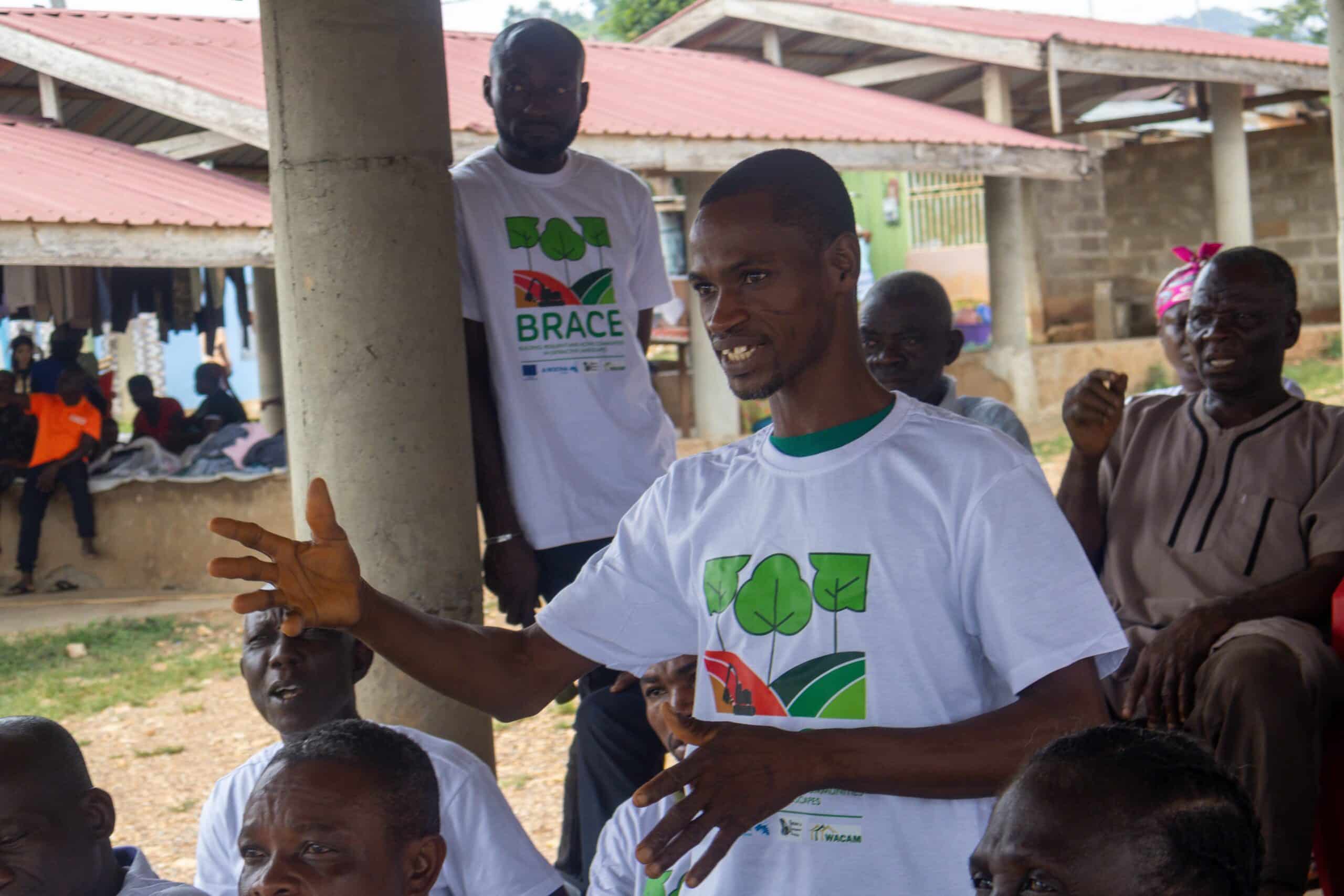
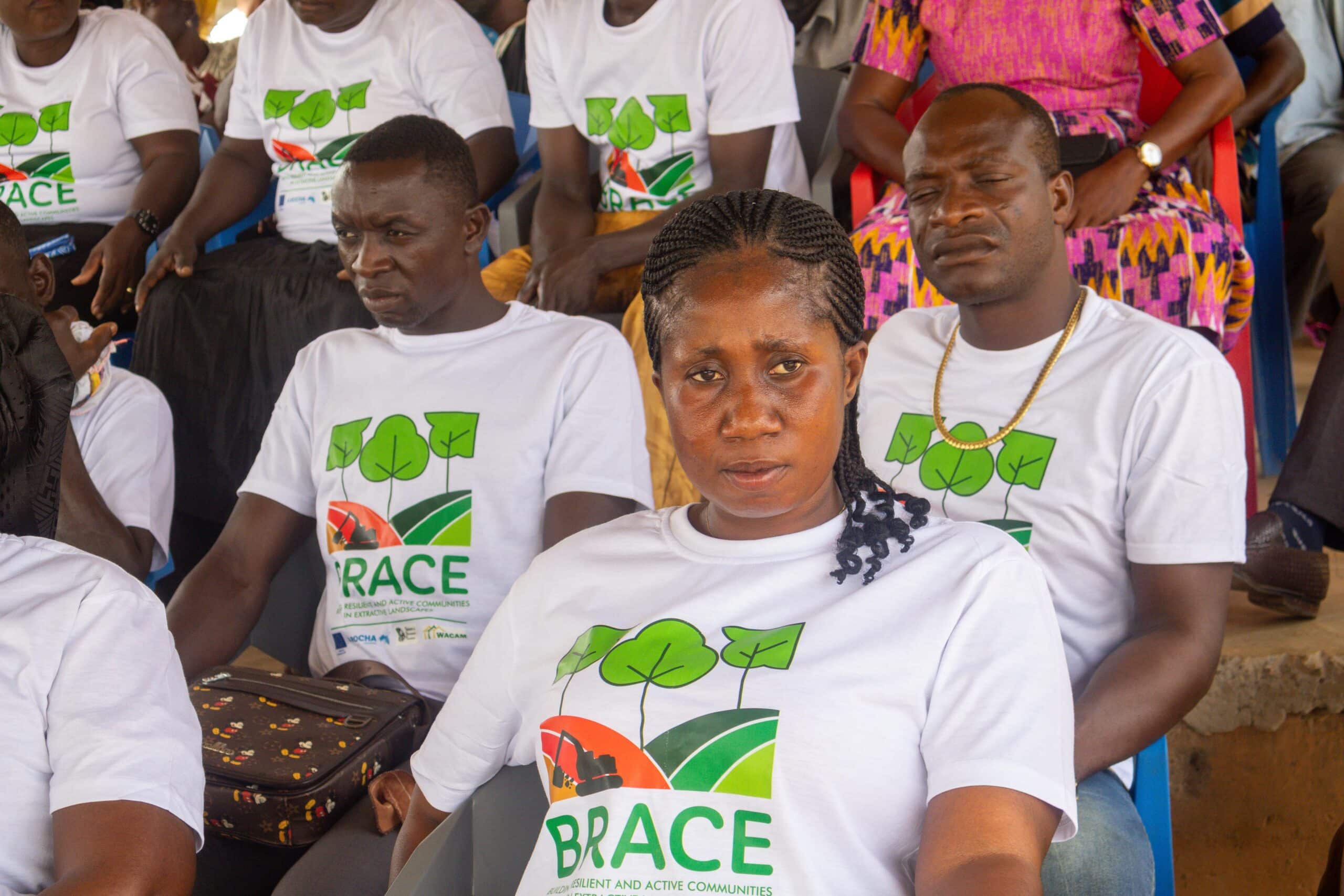
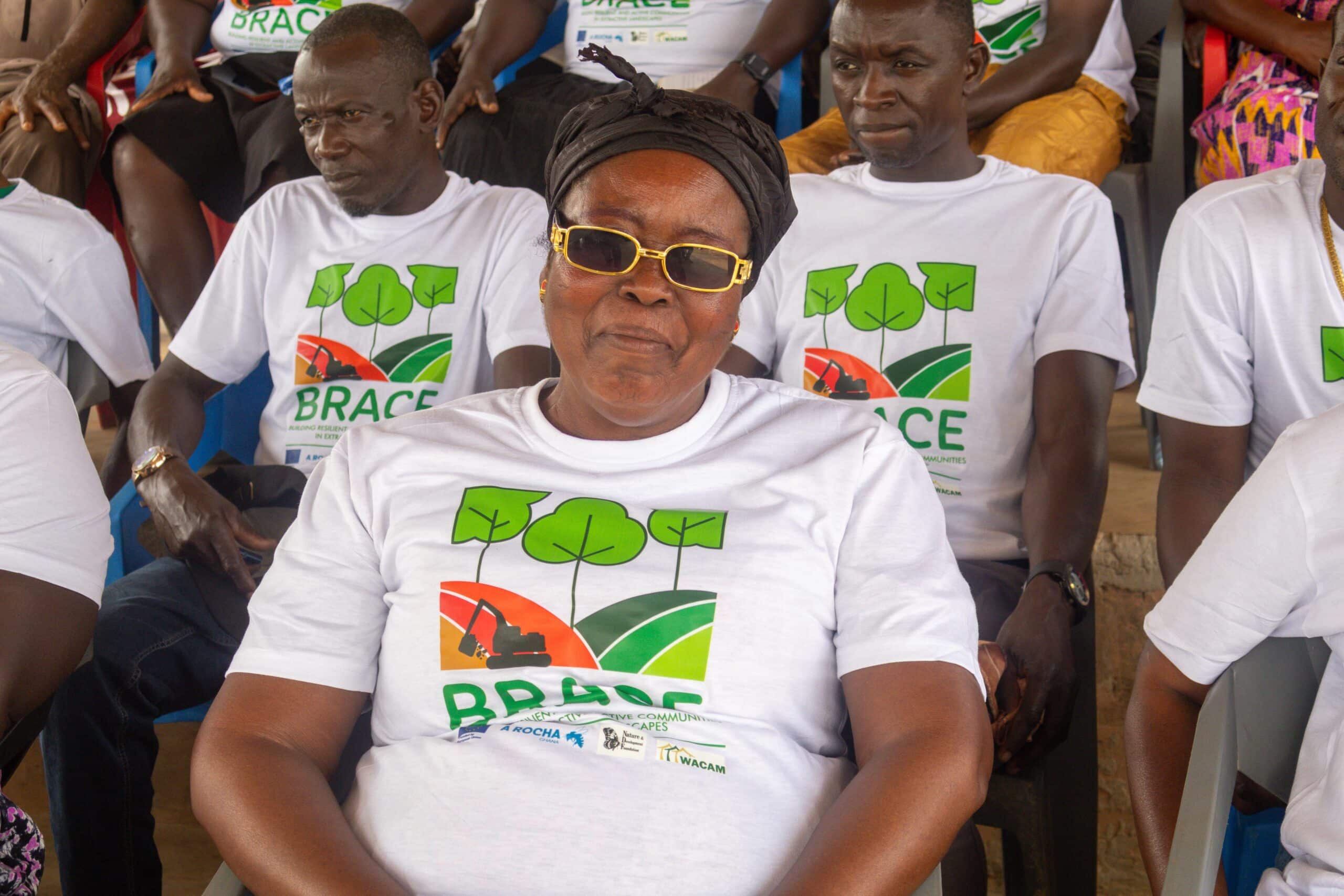
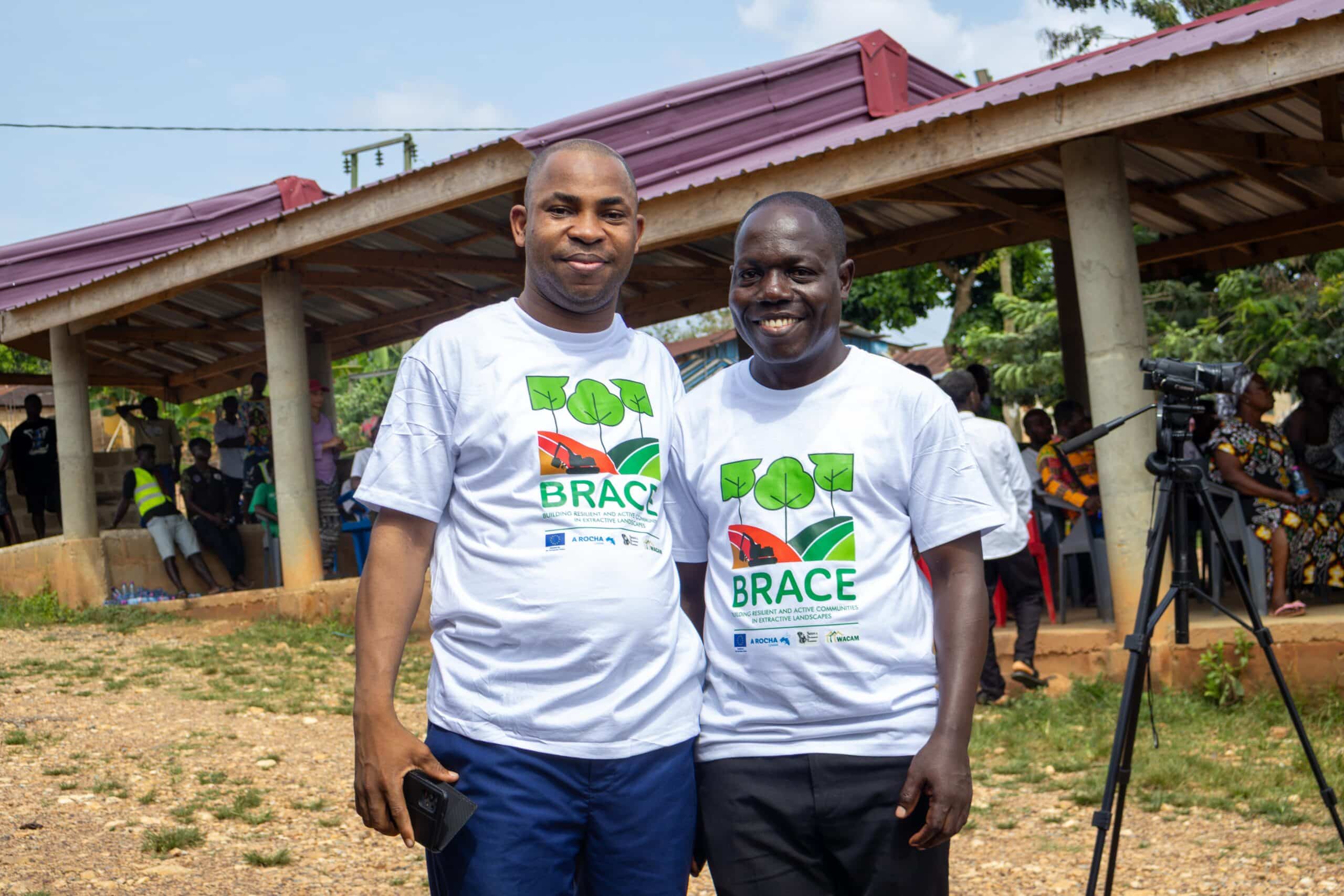
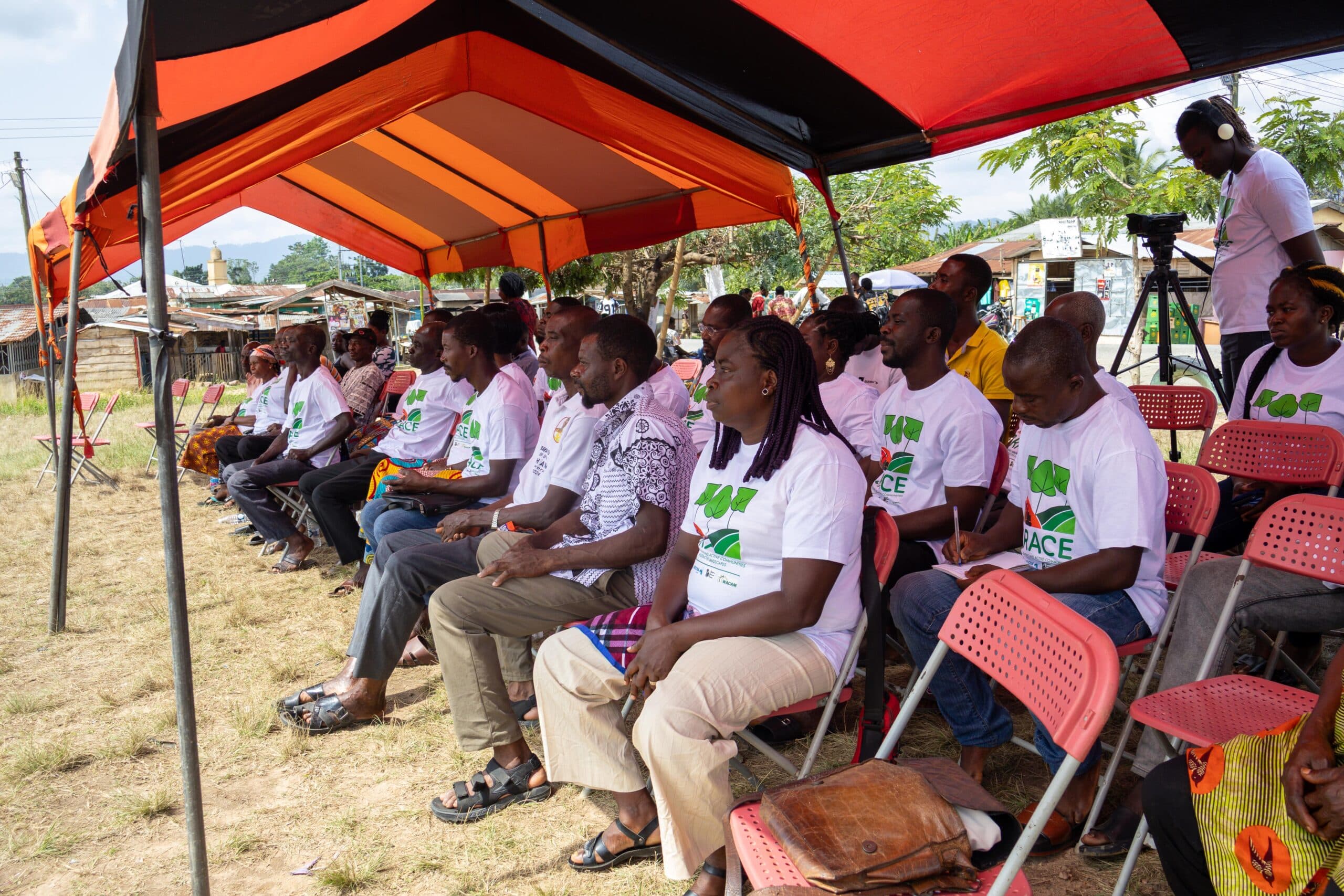
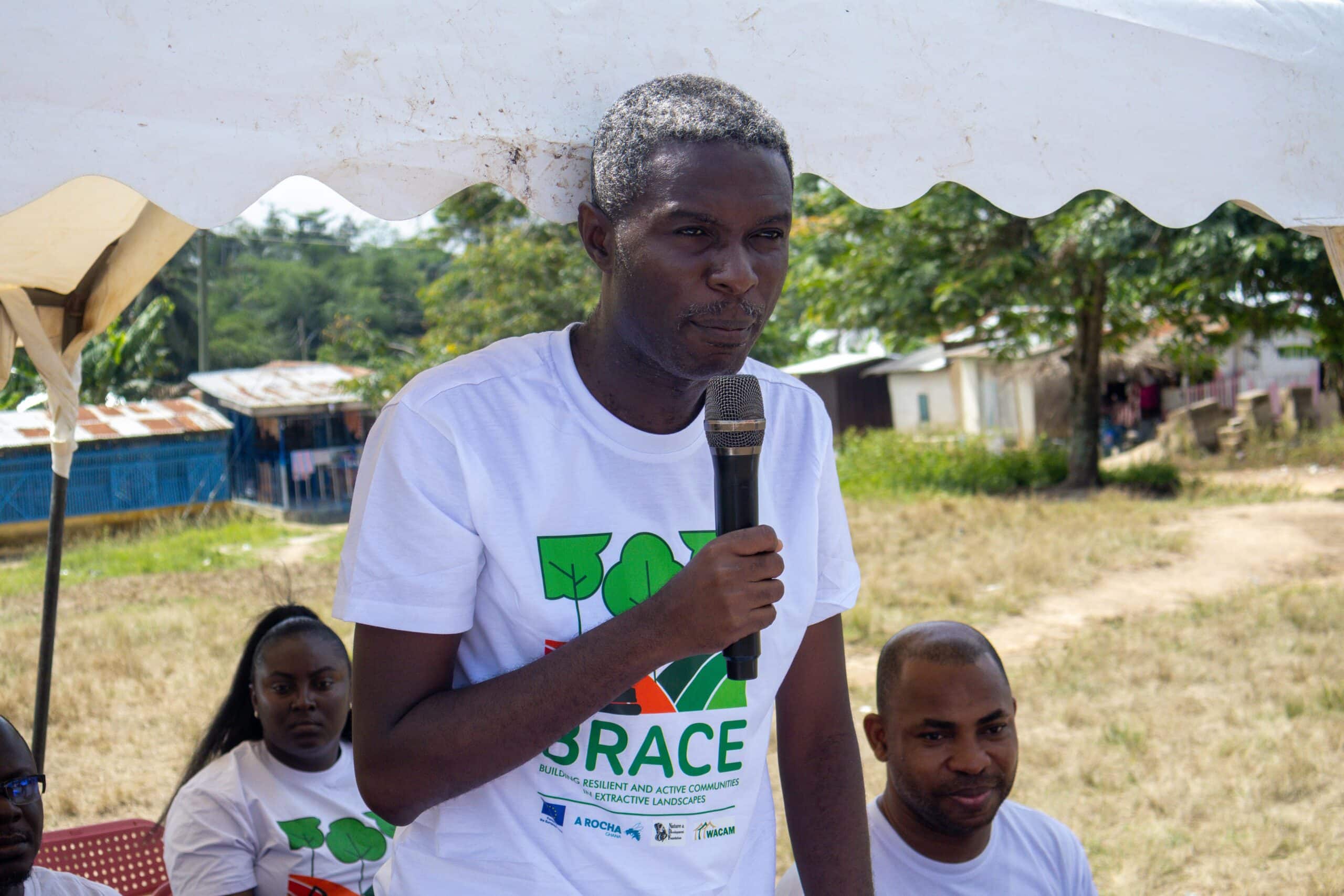
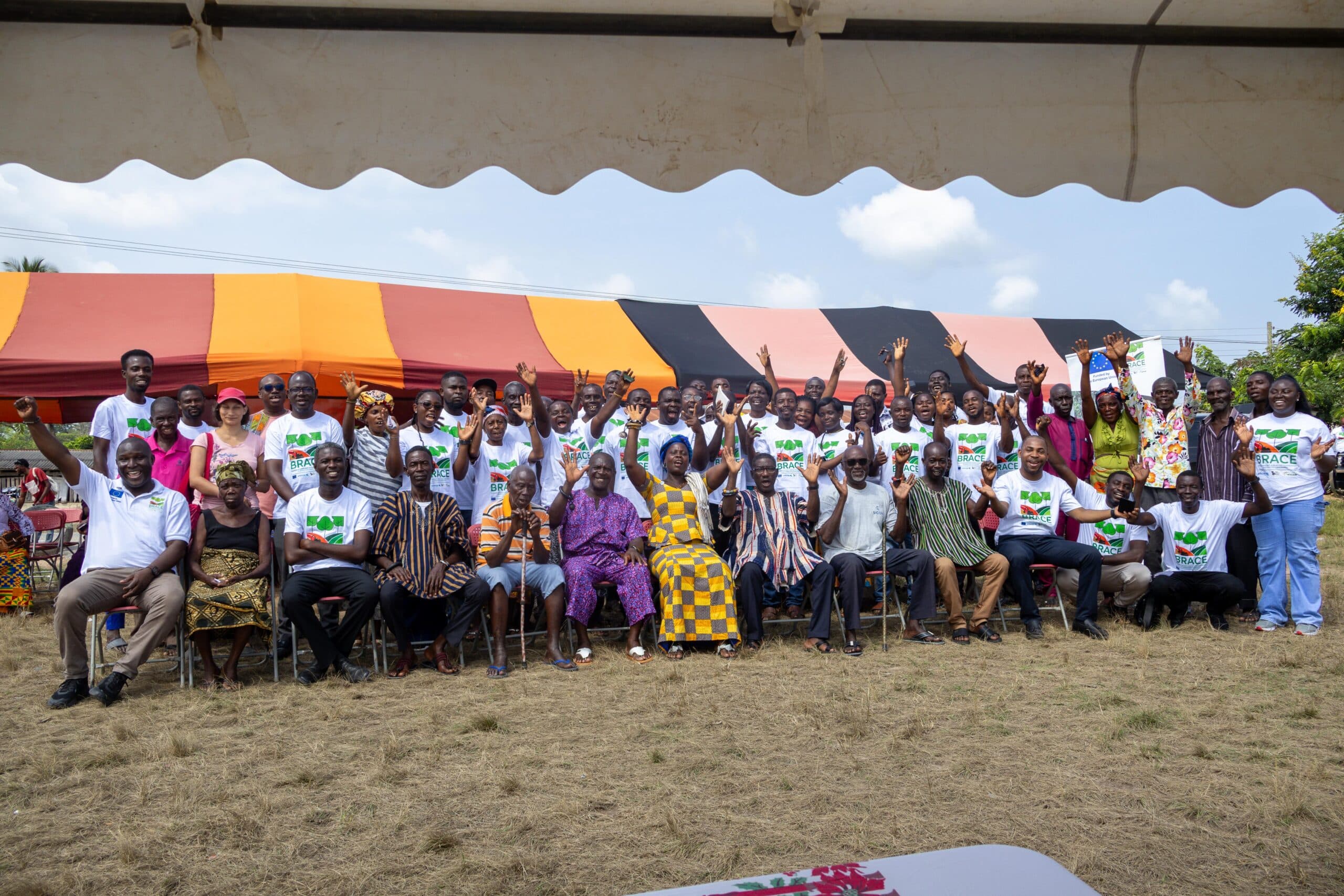
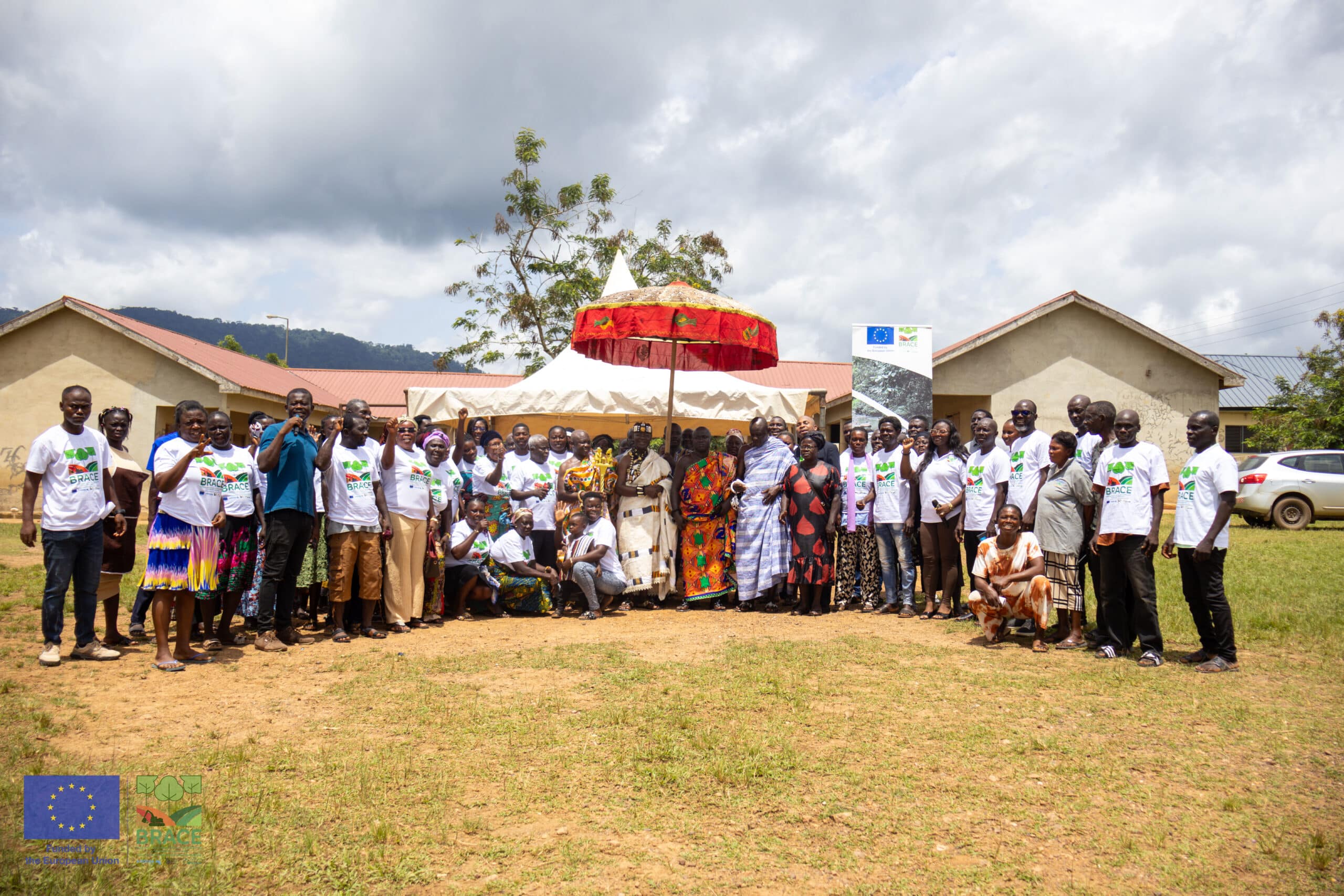
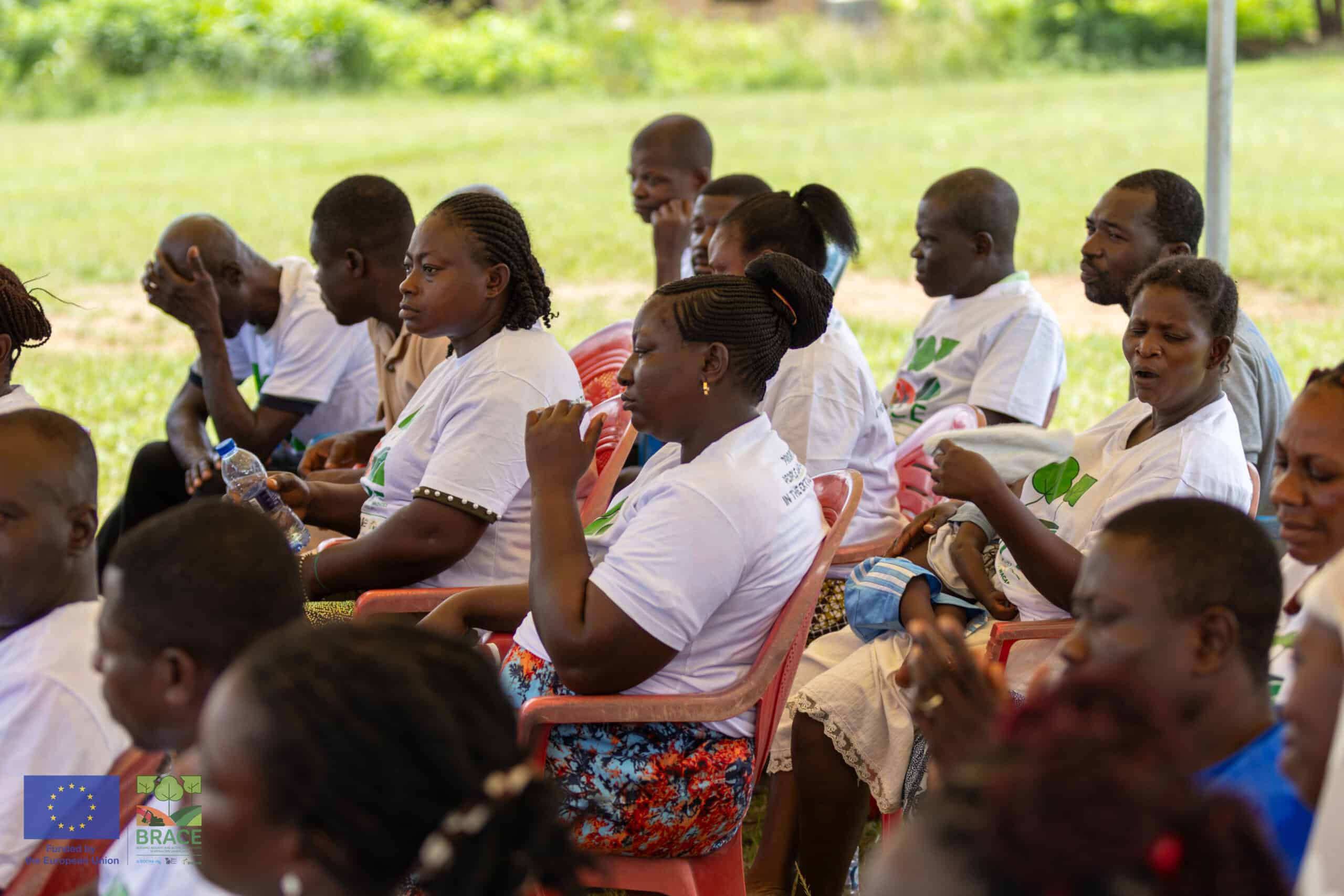
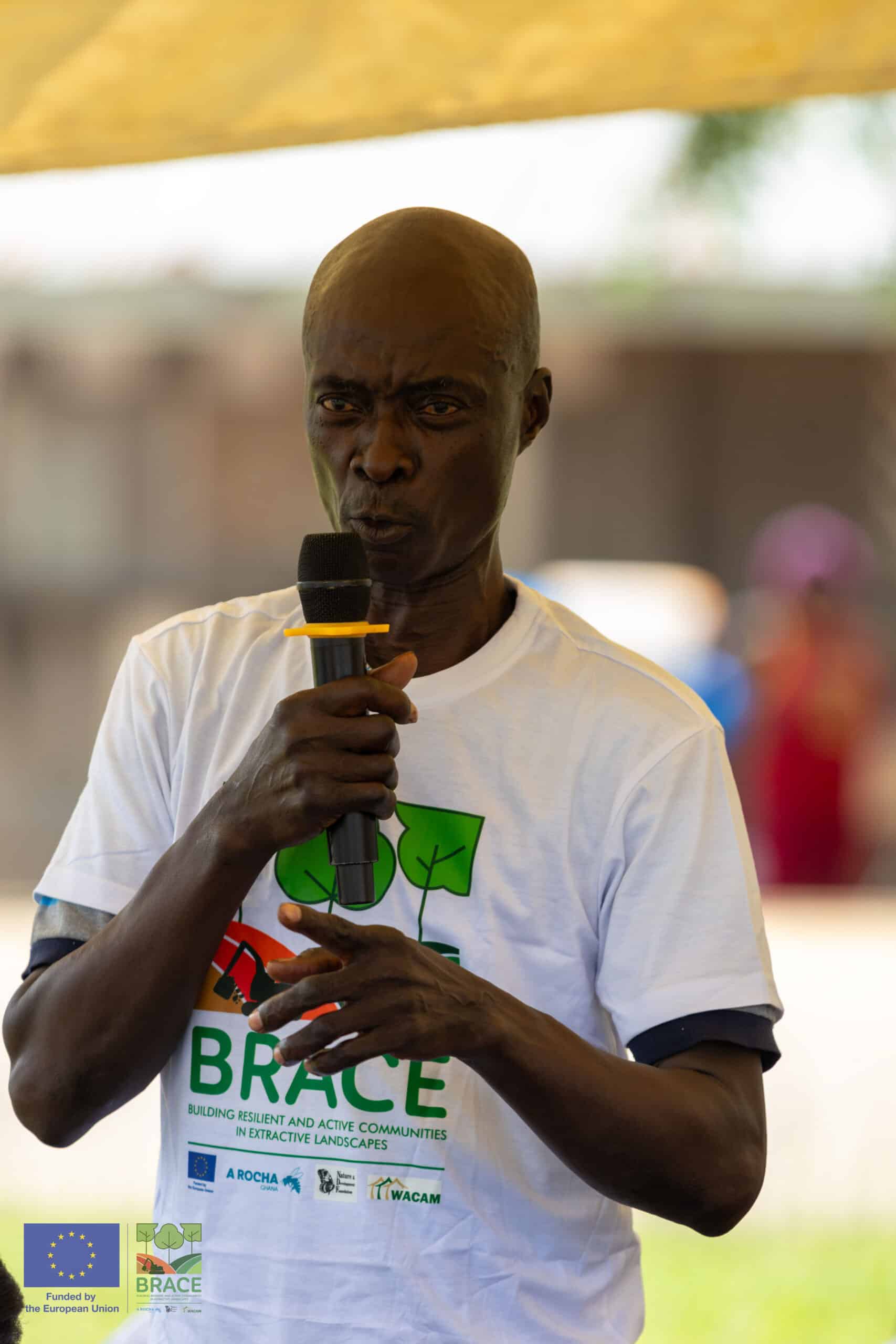
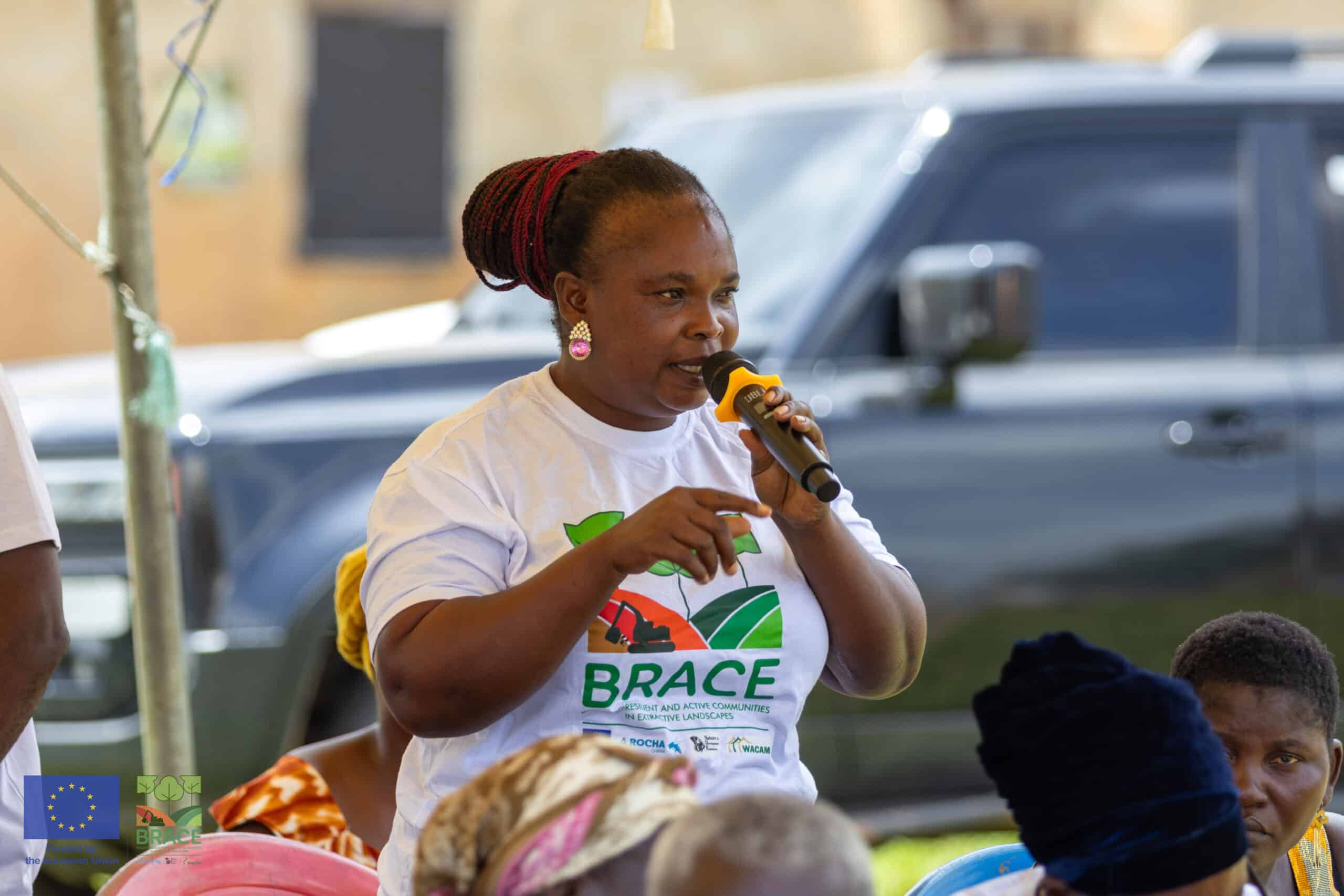
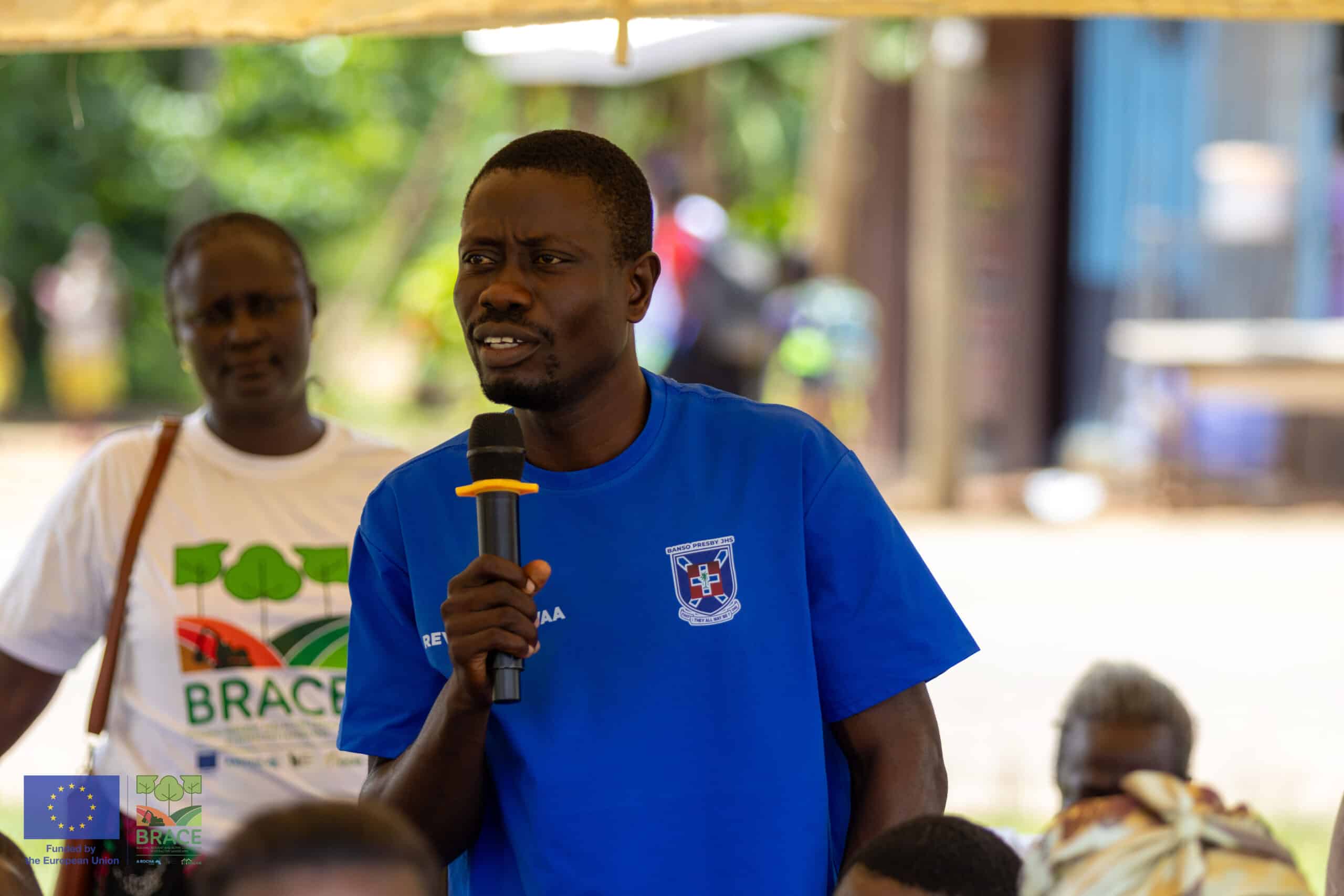
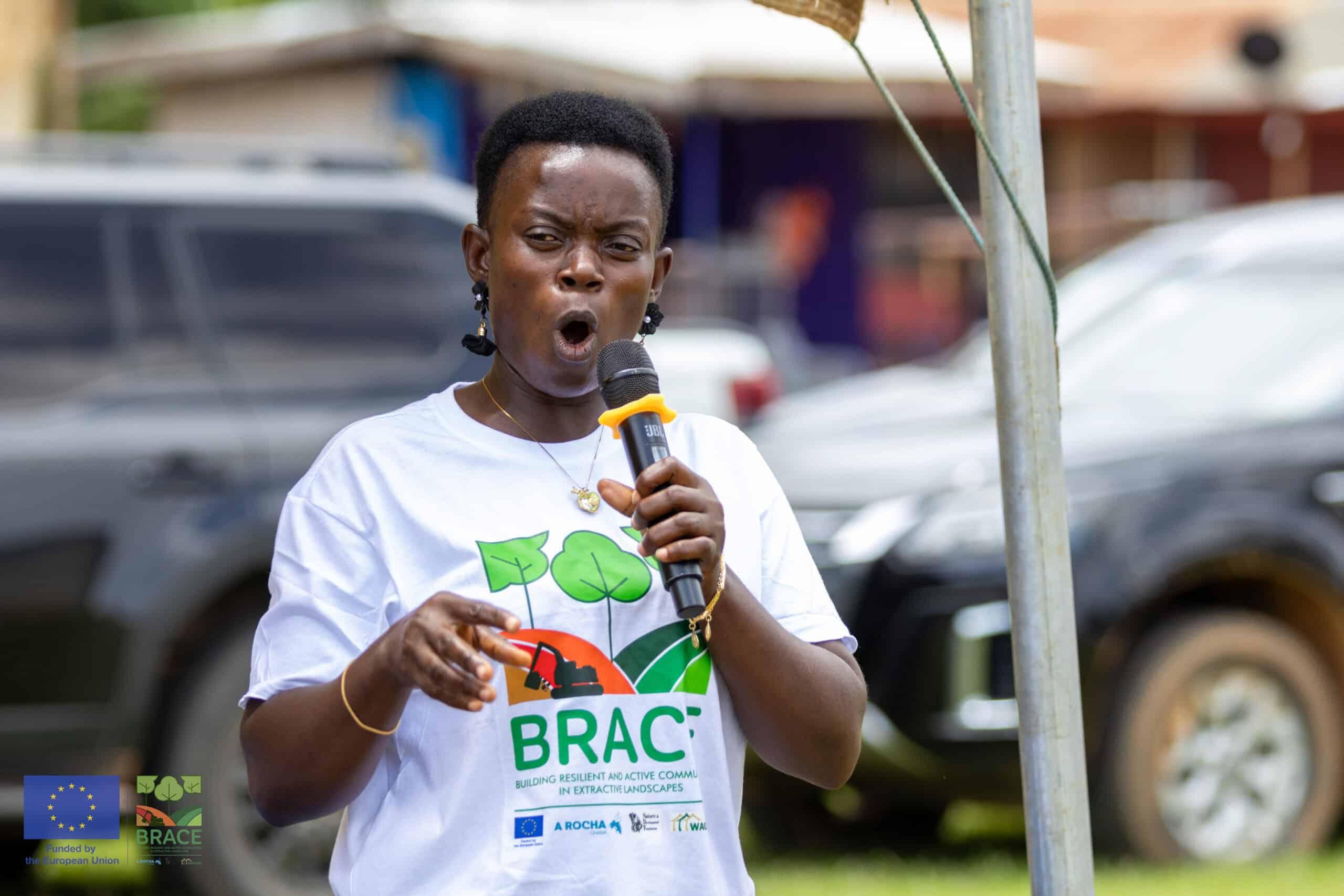
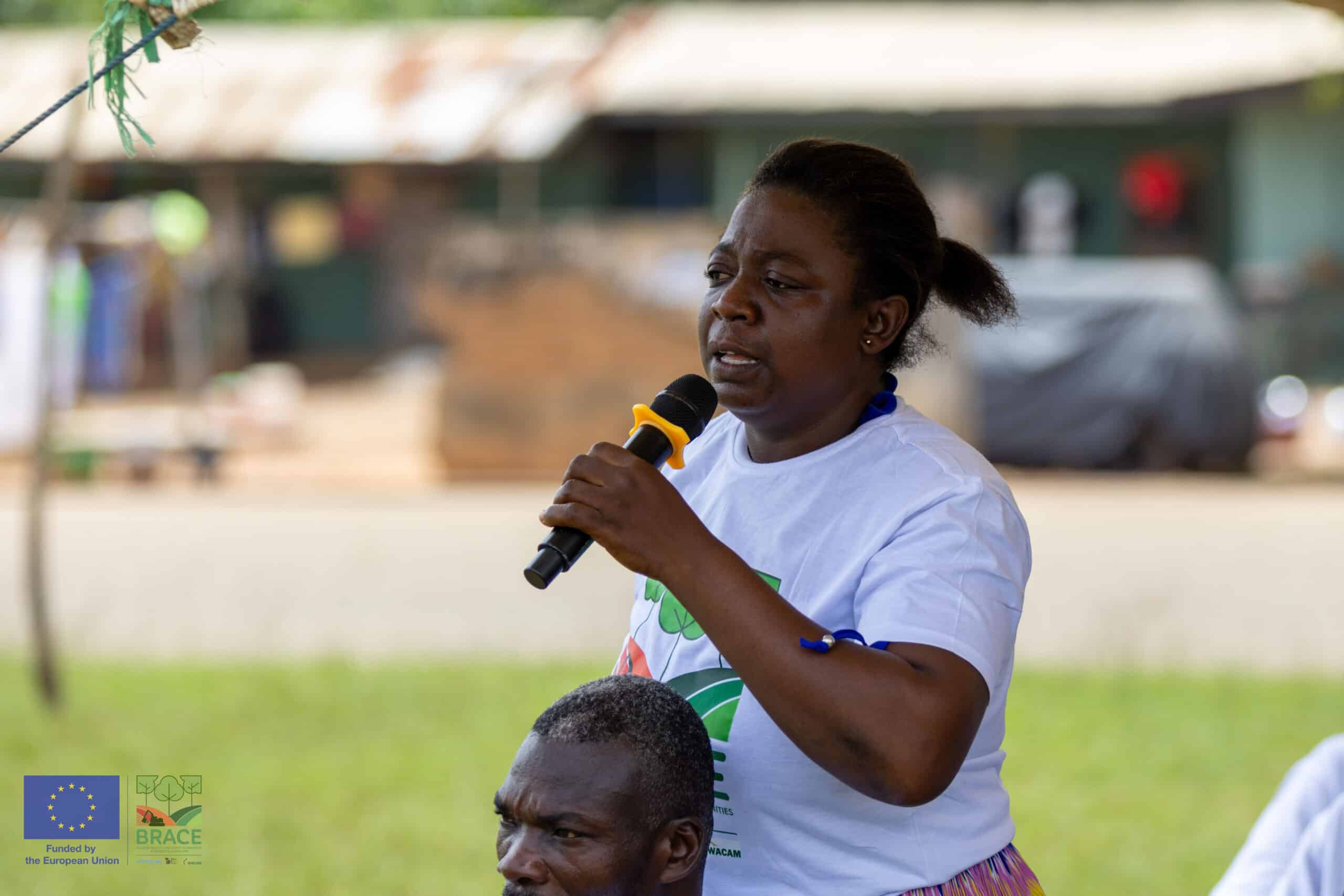
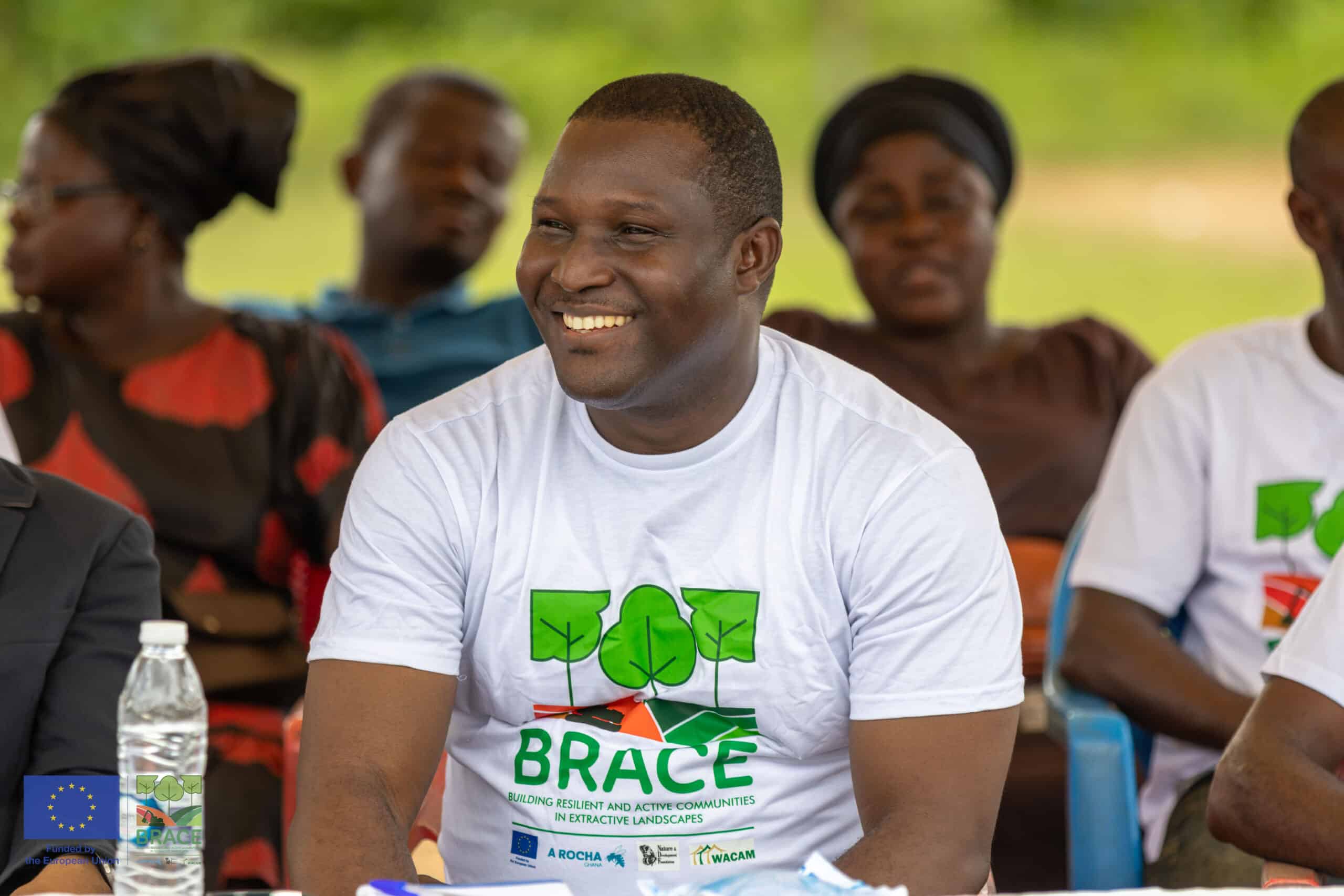
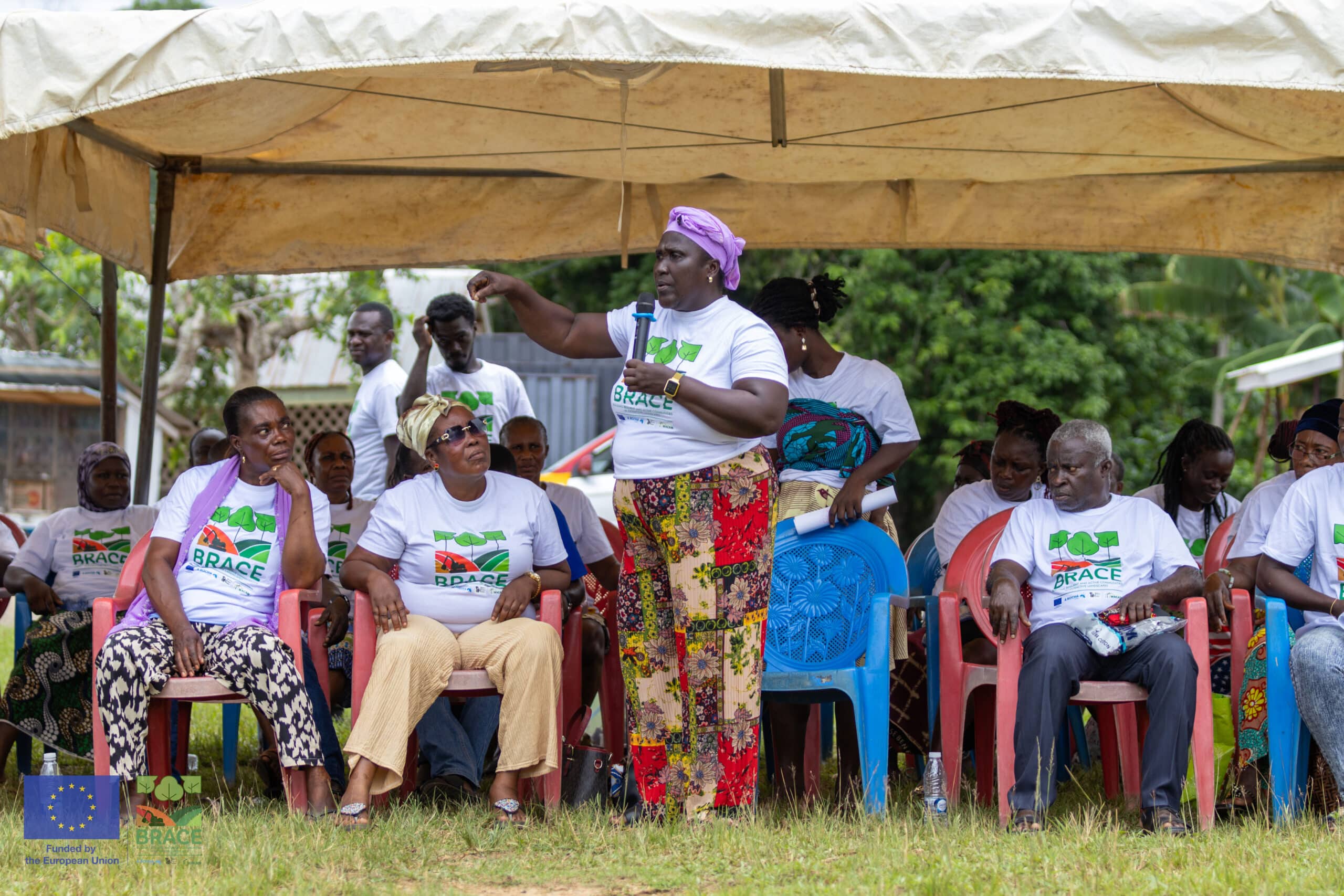
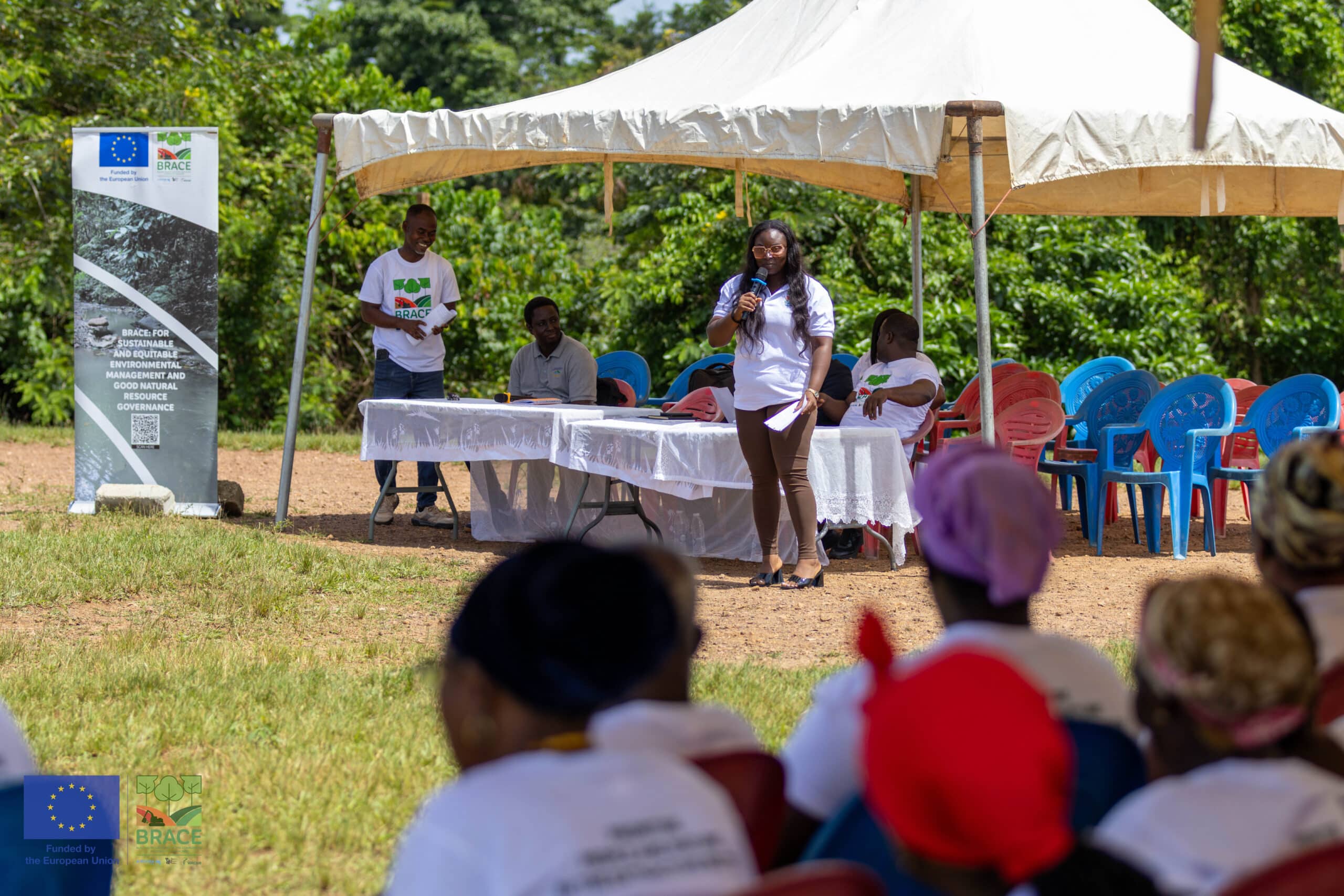
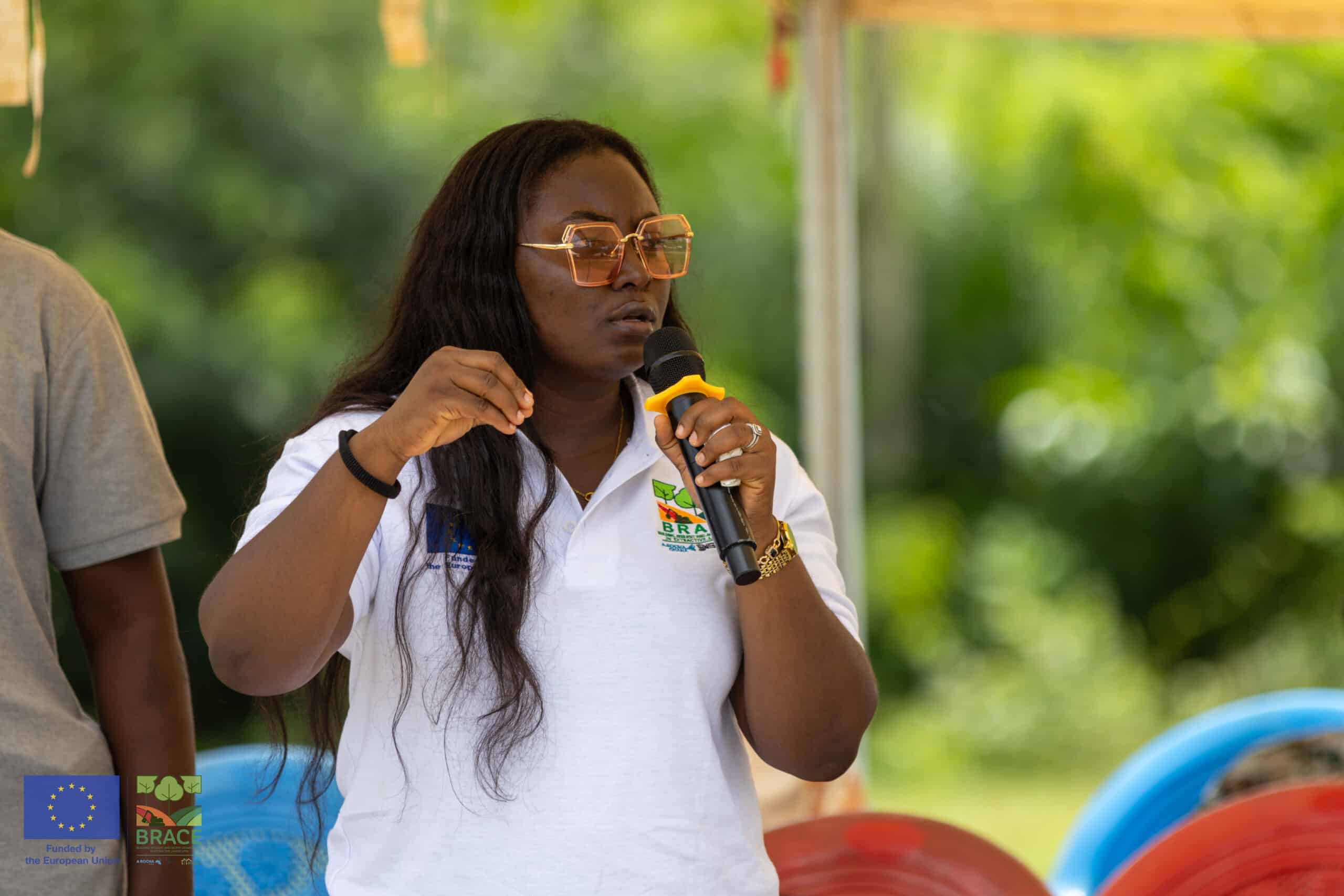
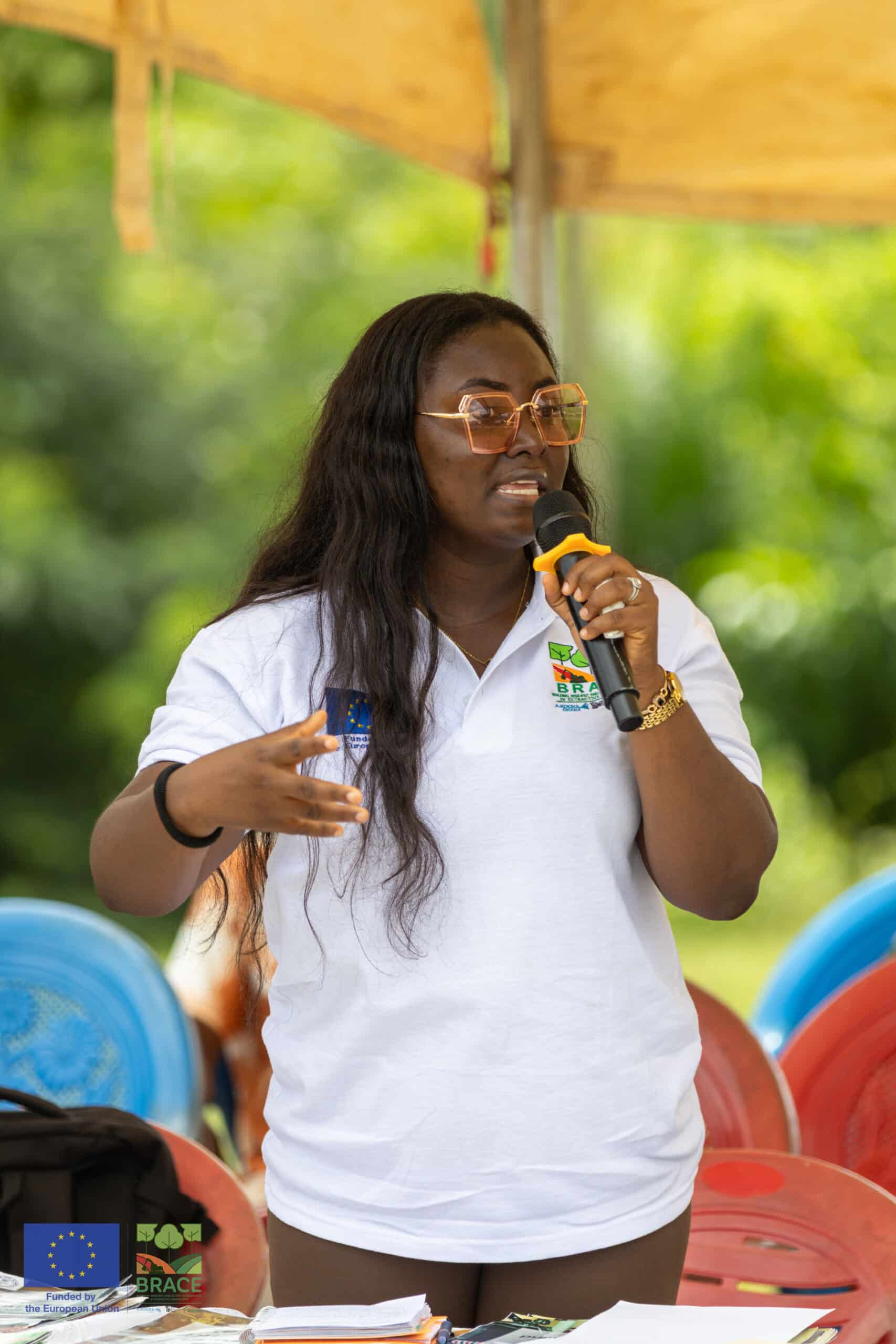
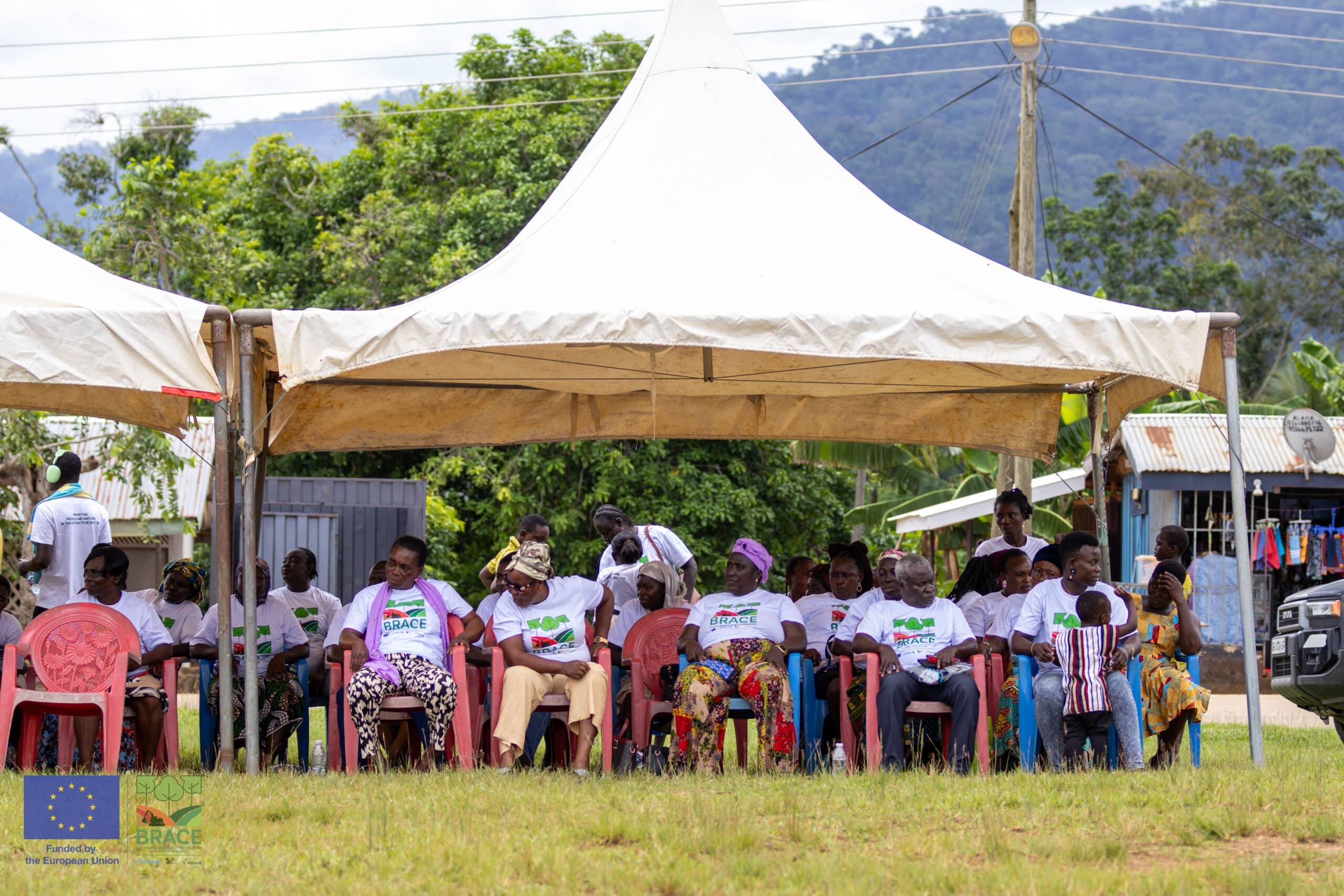
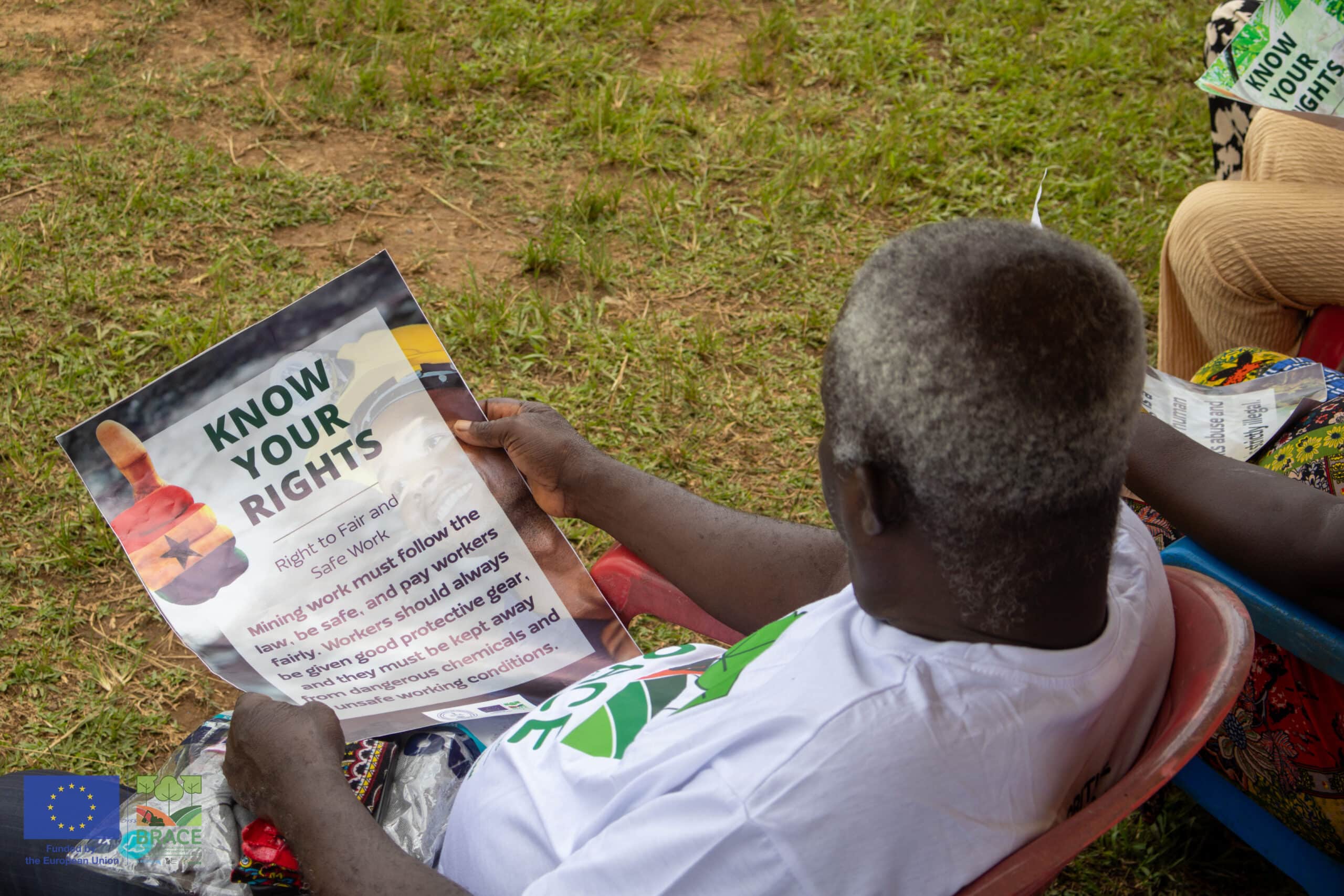
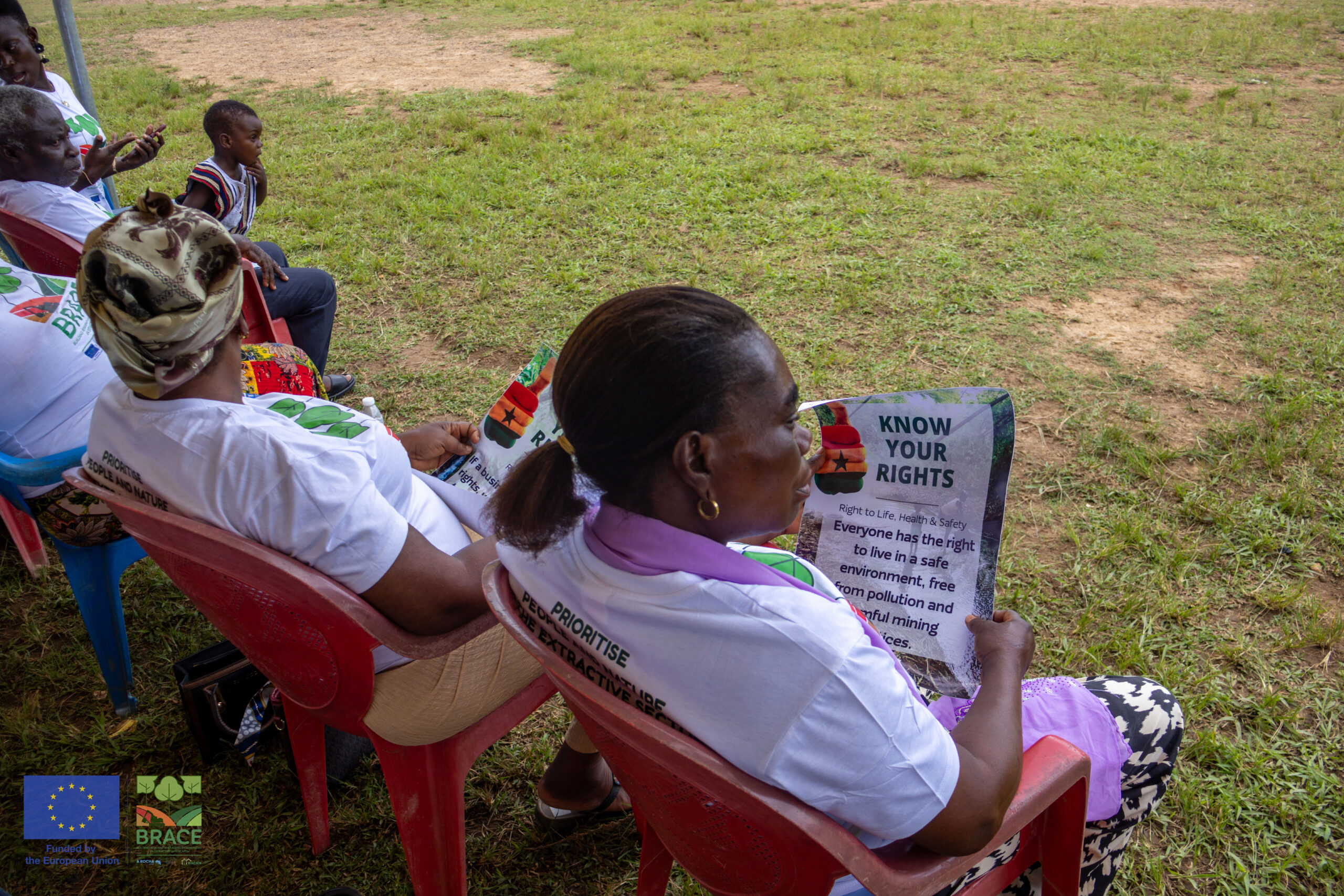
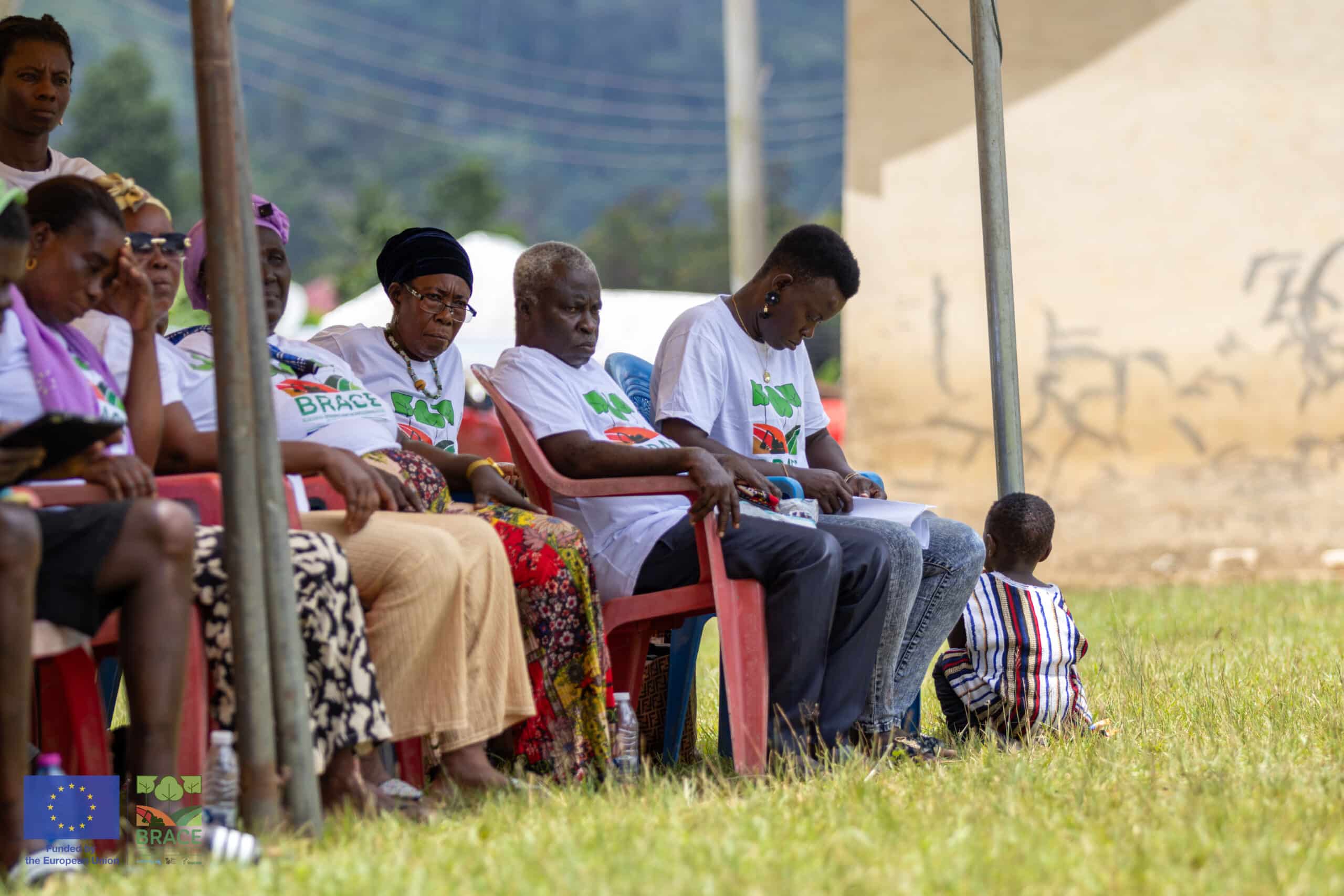
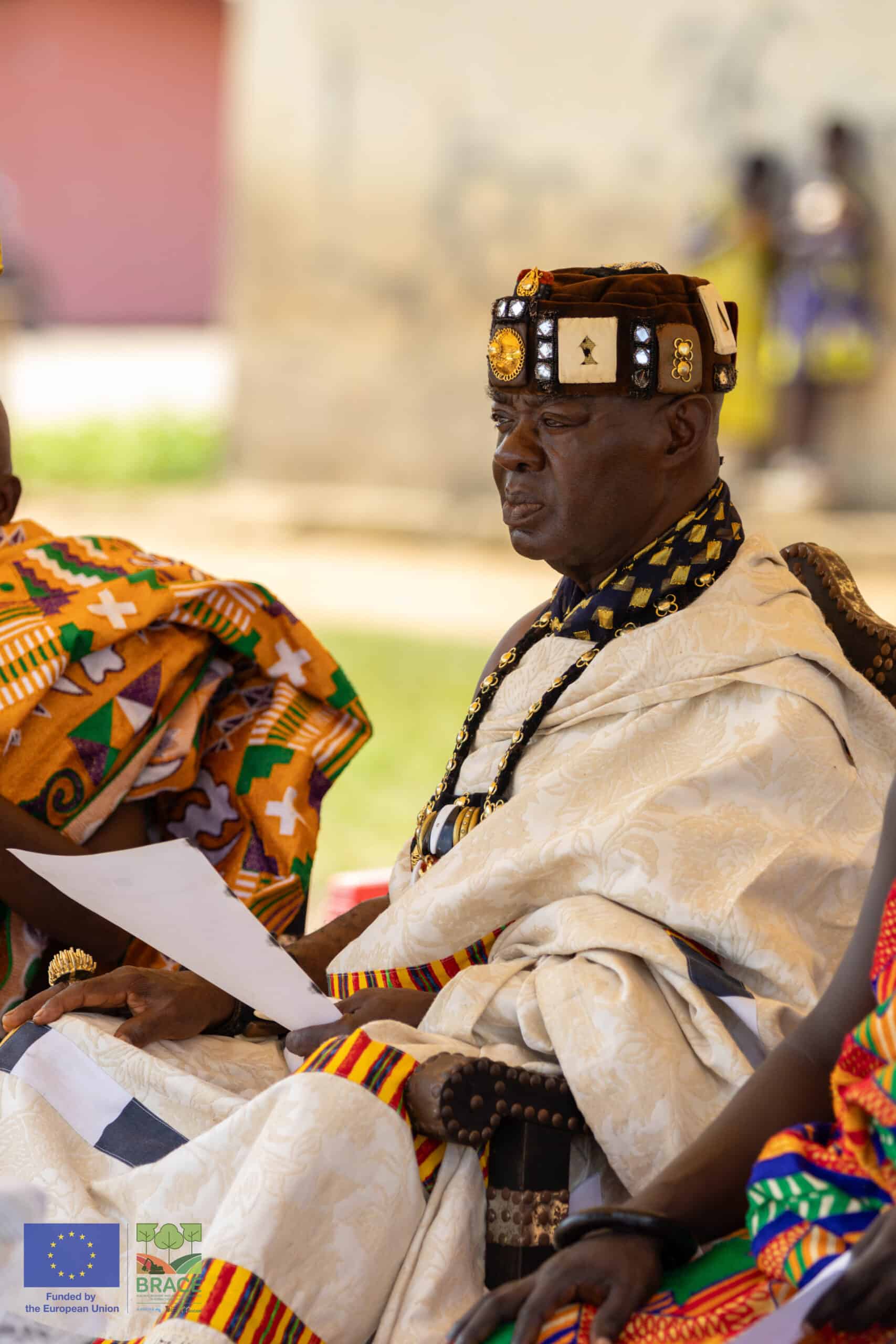
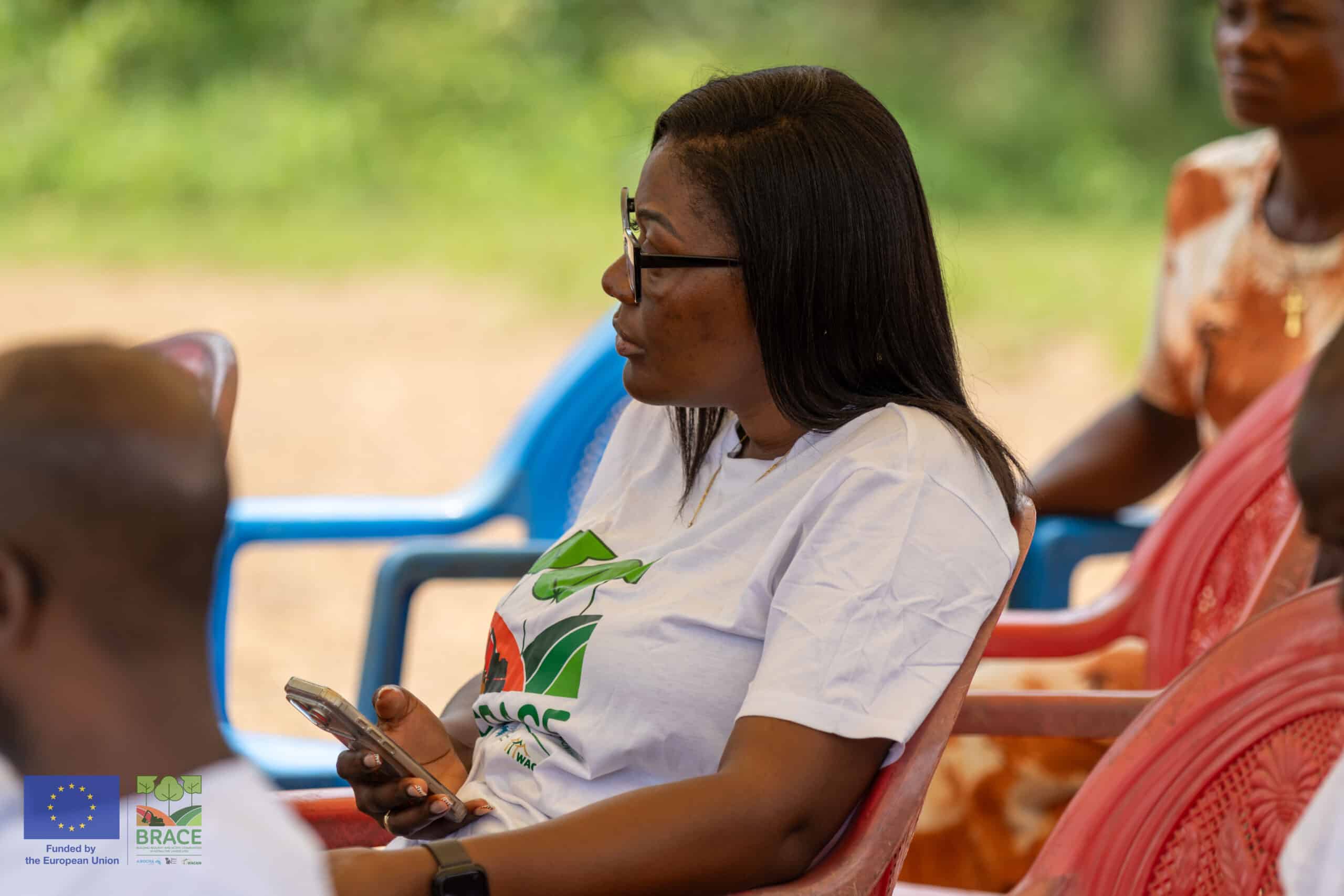
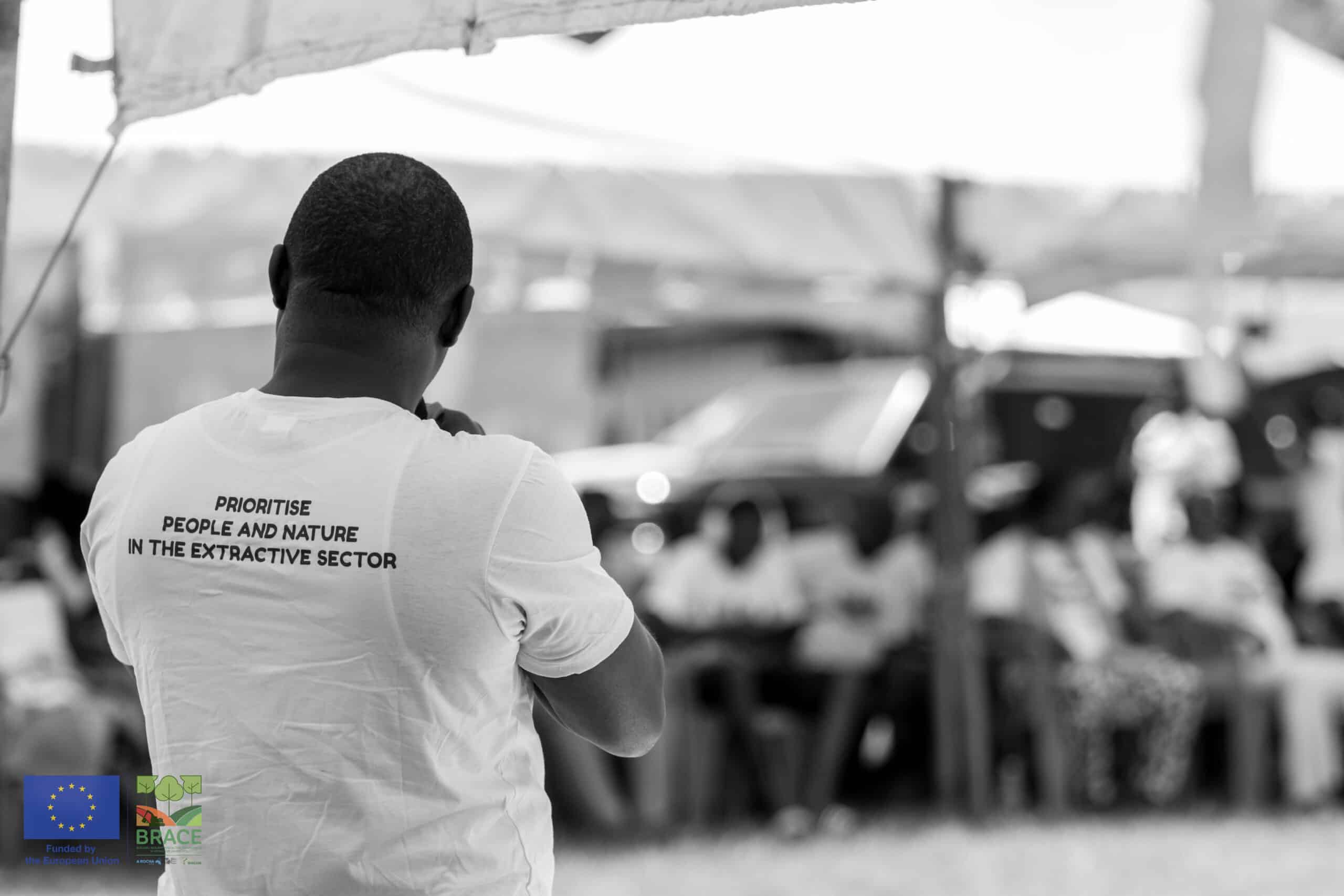
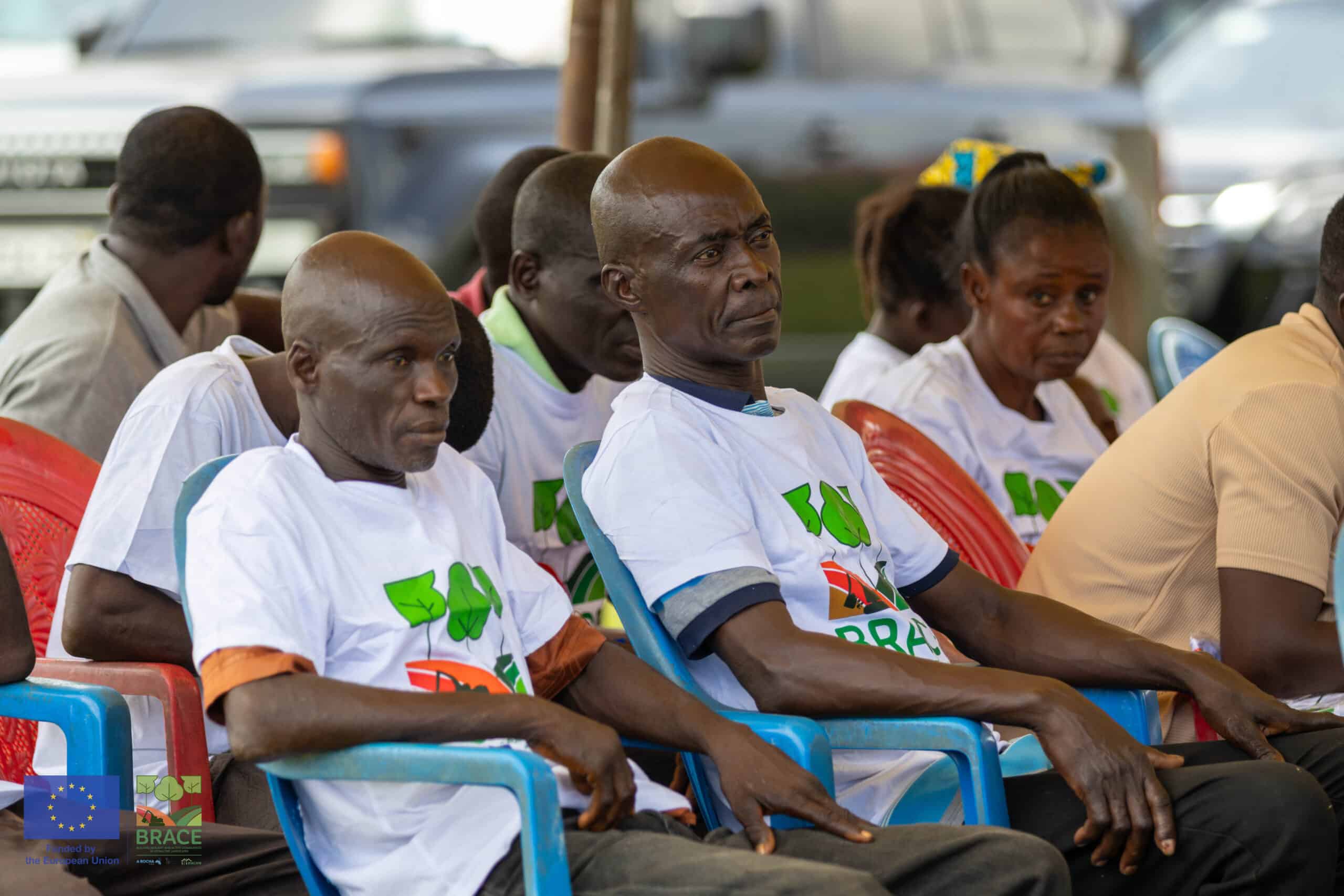
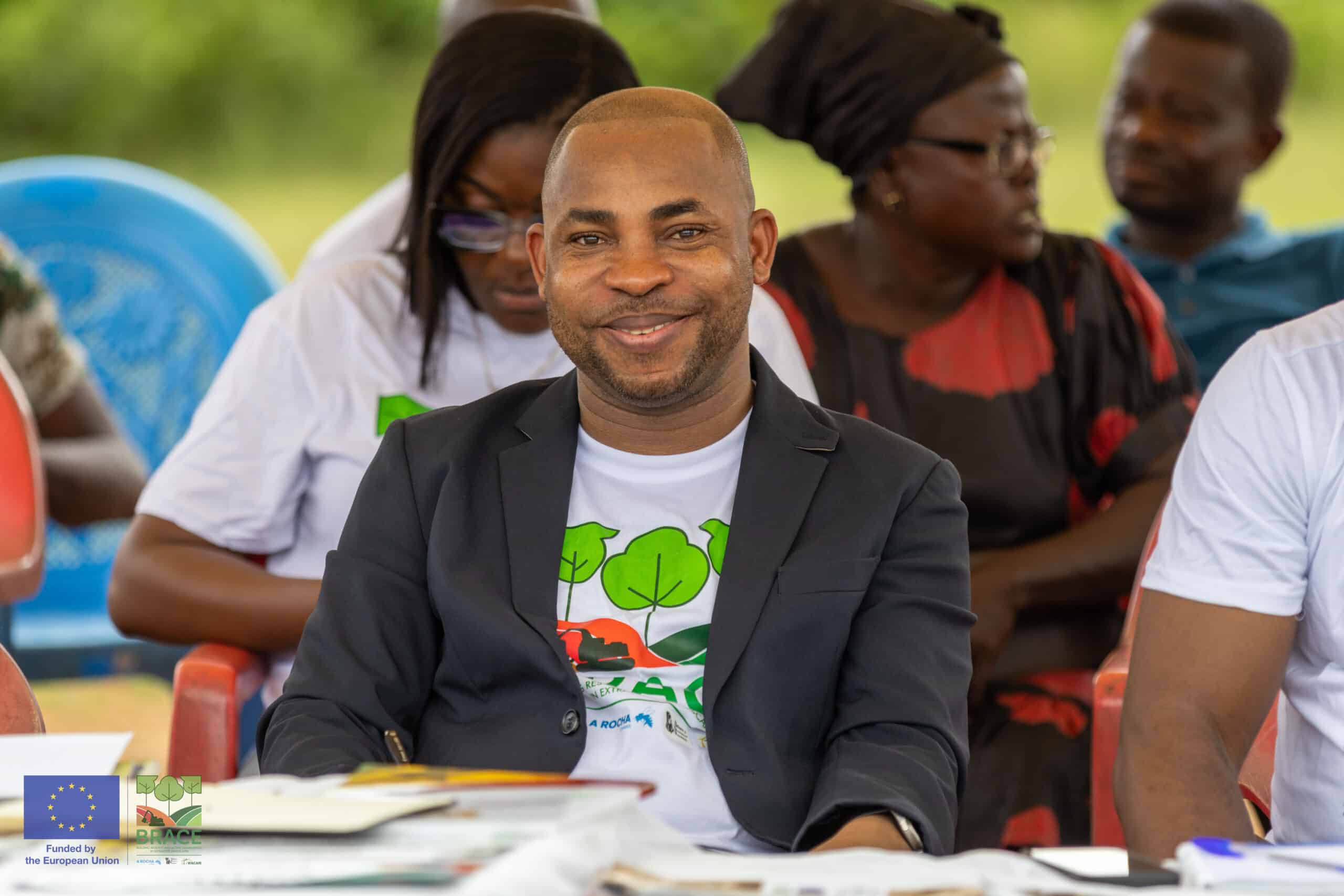
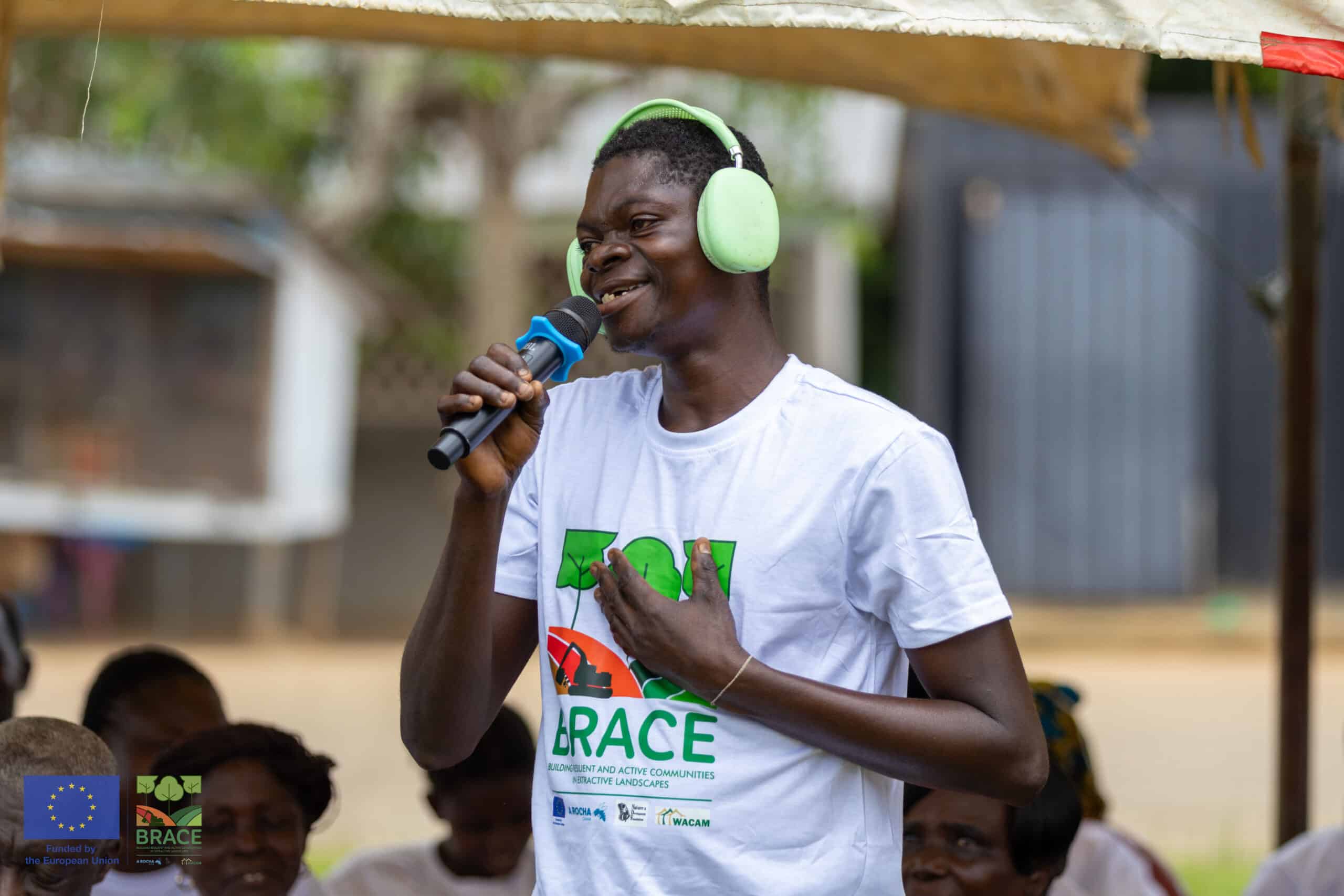
Communities affected by mining activities are gaining new tools, knowledge, and support to defend their rights and protect their environment through the Building Resilience Against Climate and Environmental Exploitation (BRACE) Project.
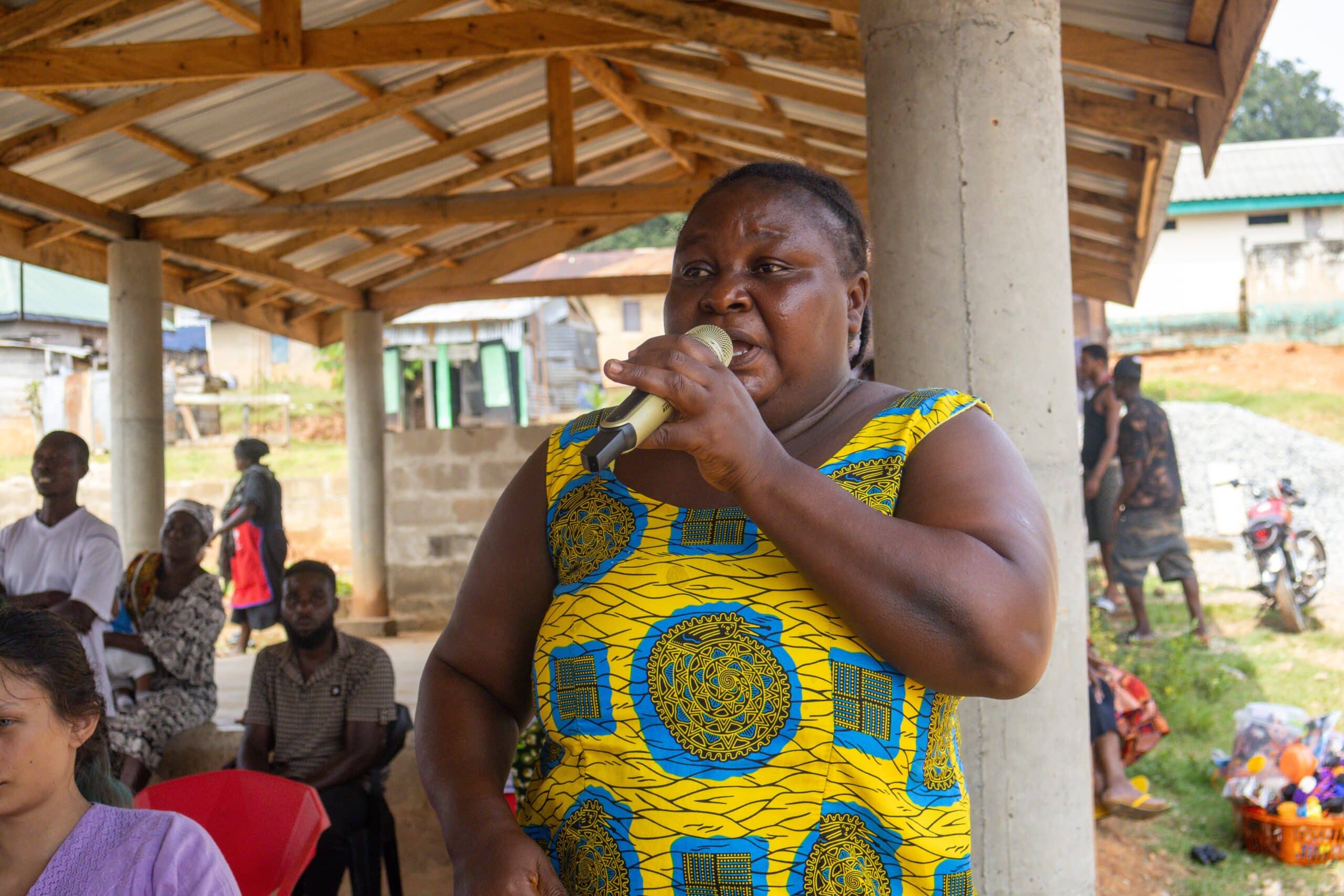
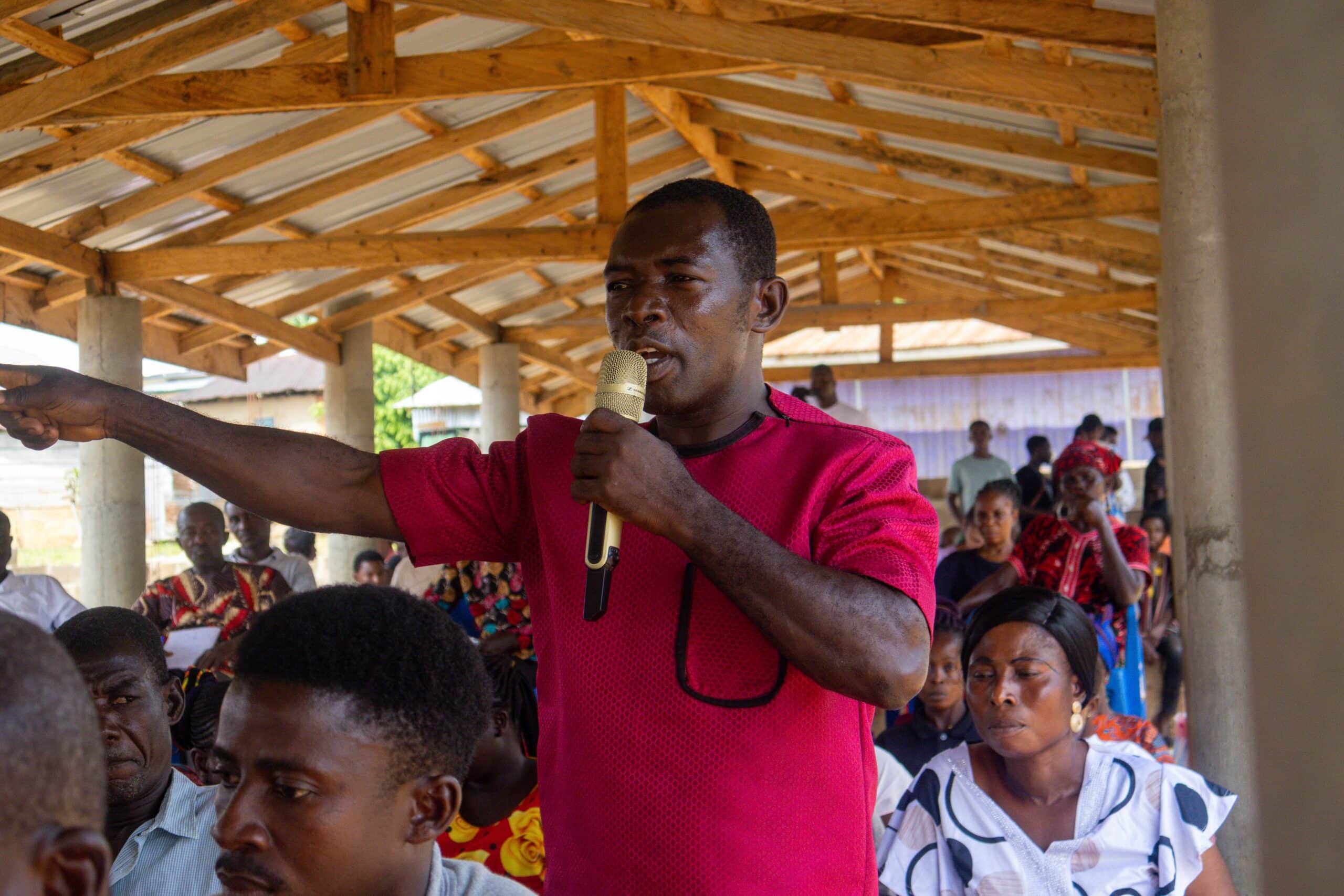
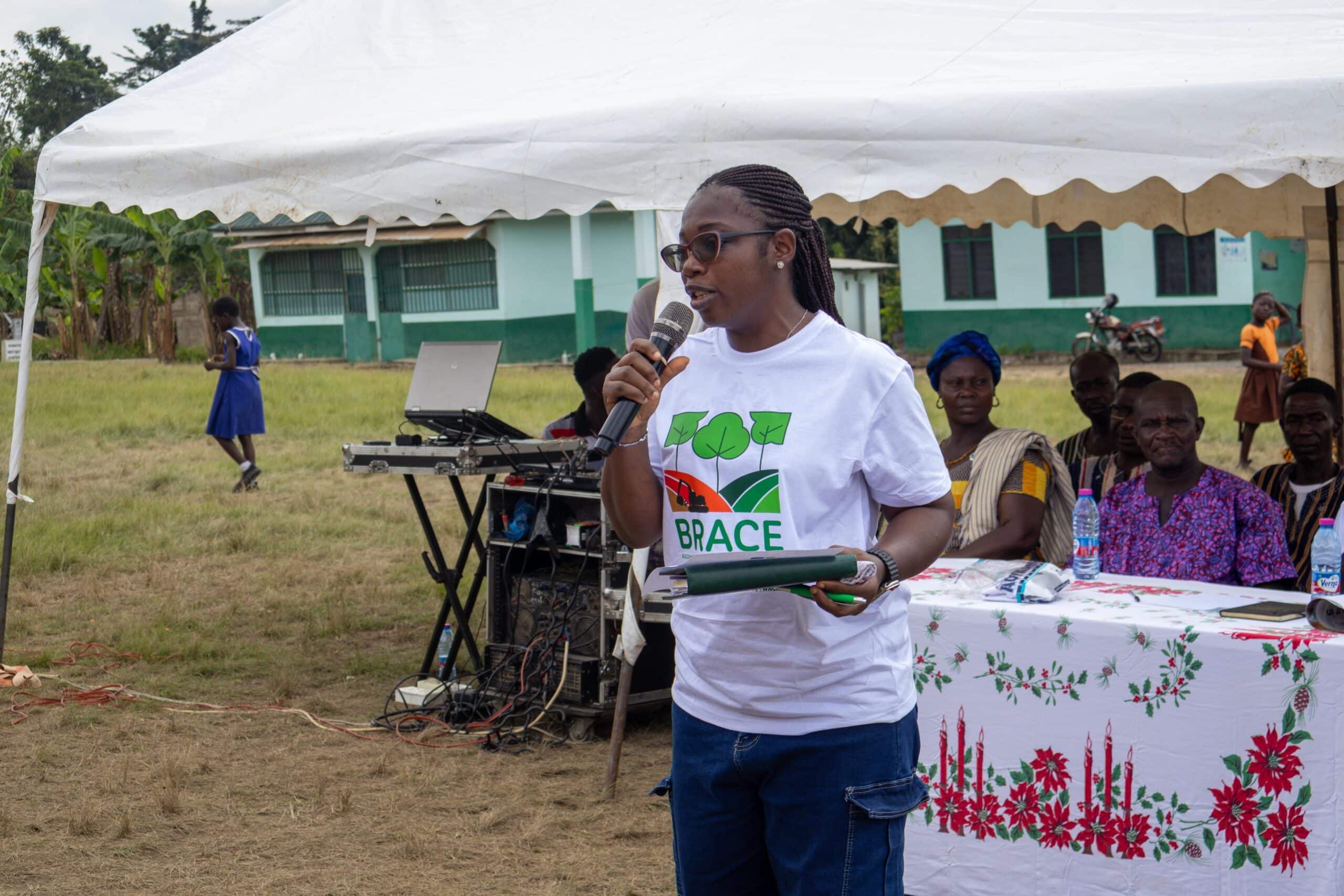
Over the past six months, the BRACE Project has worked closely with communities across Ghana to strengthen their capacity to respond to the environmental and social impacts of mining while increasing awareness of the National Action Plan on Business and Human Rights.
Implemented in partnership with the Commission on Human Rights and Administrative Justice (CHRAJ) and the National Commission for Civic Education (NCCE), the initiative has equipped community members with practical knowledge on their rights and the mechanisms available to seek redress when those rights are violated.
Empowering Communities Through Knowledge
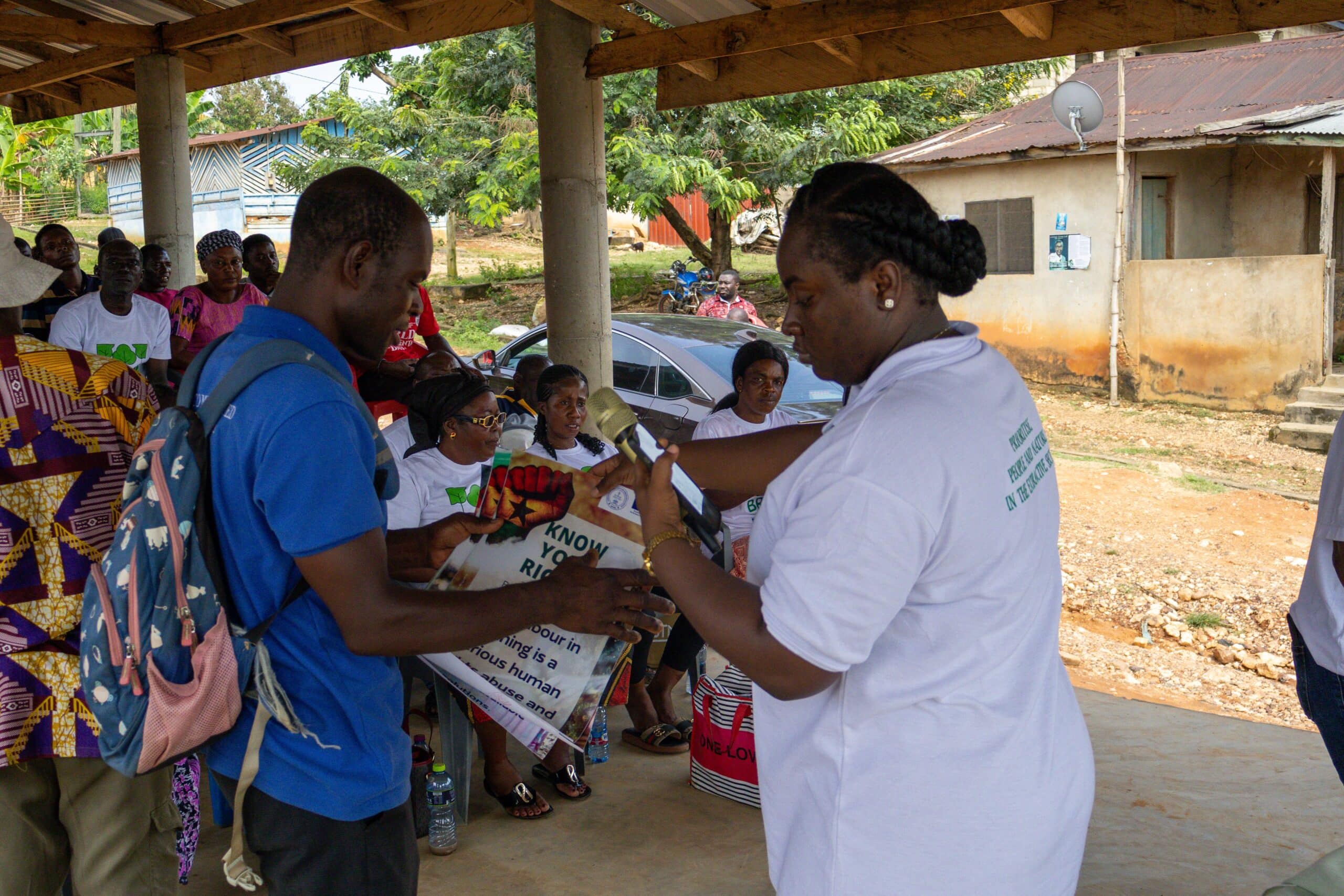
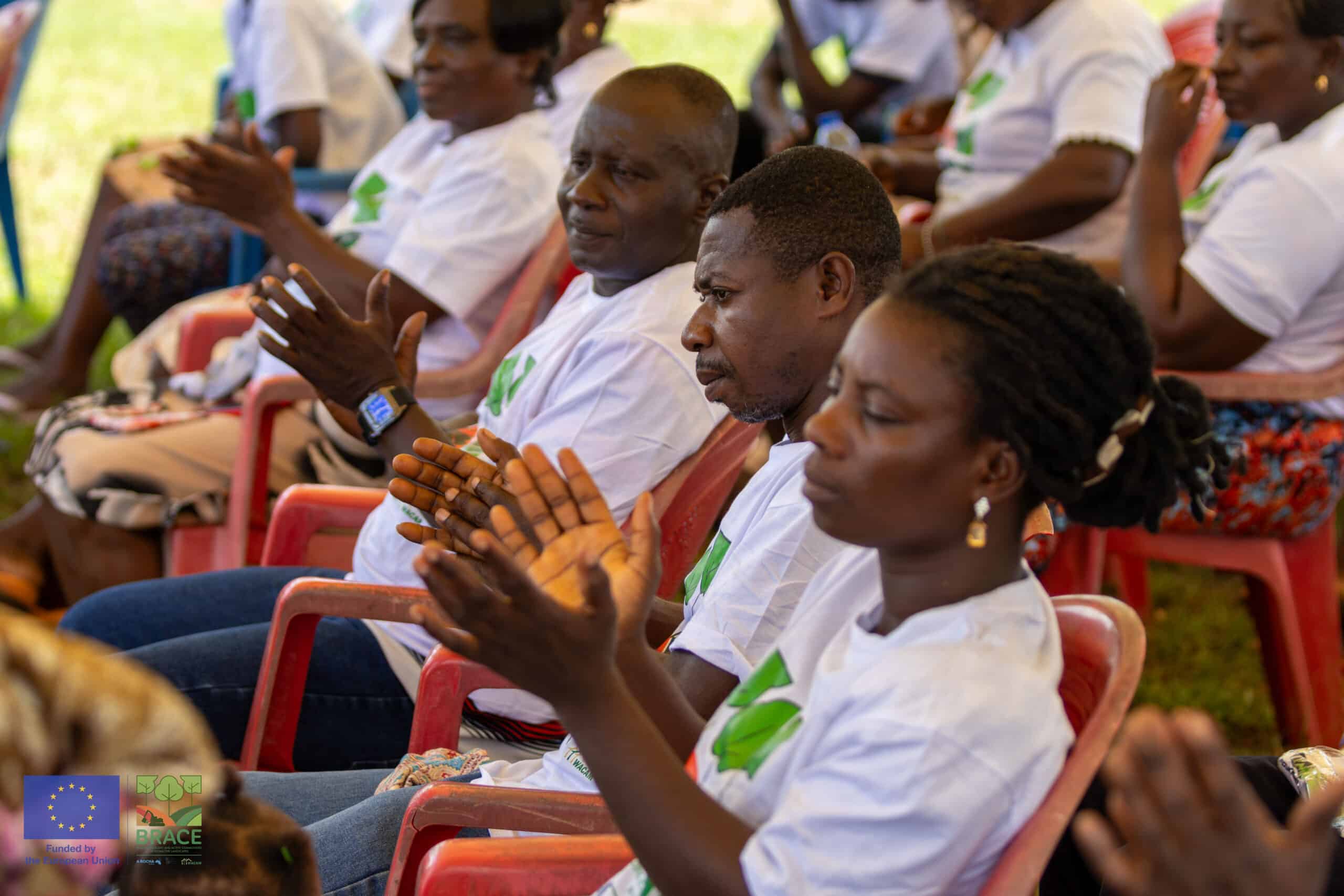
Through a series of community engagements and training sessions, participants were introduced to Ghana’s National Action Plan on Business and Human Rights and trained on how to use it as a tool to protect their rights and hold duty bearers accountable.
The engagements focused on:
Raising awareness of the National Action Plan on Business and Human Rights and its relevance to mining-affected communities.
Equipping community members with skills to document environmental and human rights violations.
Providing guidance on reporting grievances and engaging relevant authorities for action.
Strengthening community capacity to respond to the impacts of mining on land, water resources, public health, livelihoods, and safety.
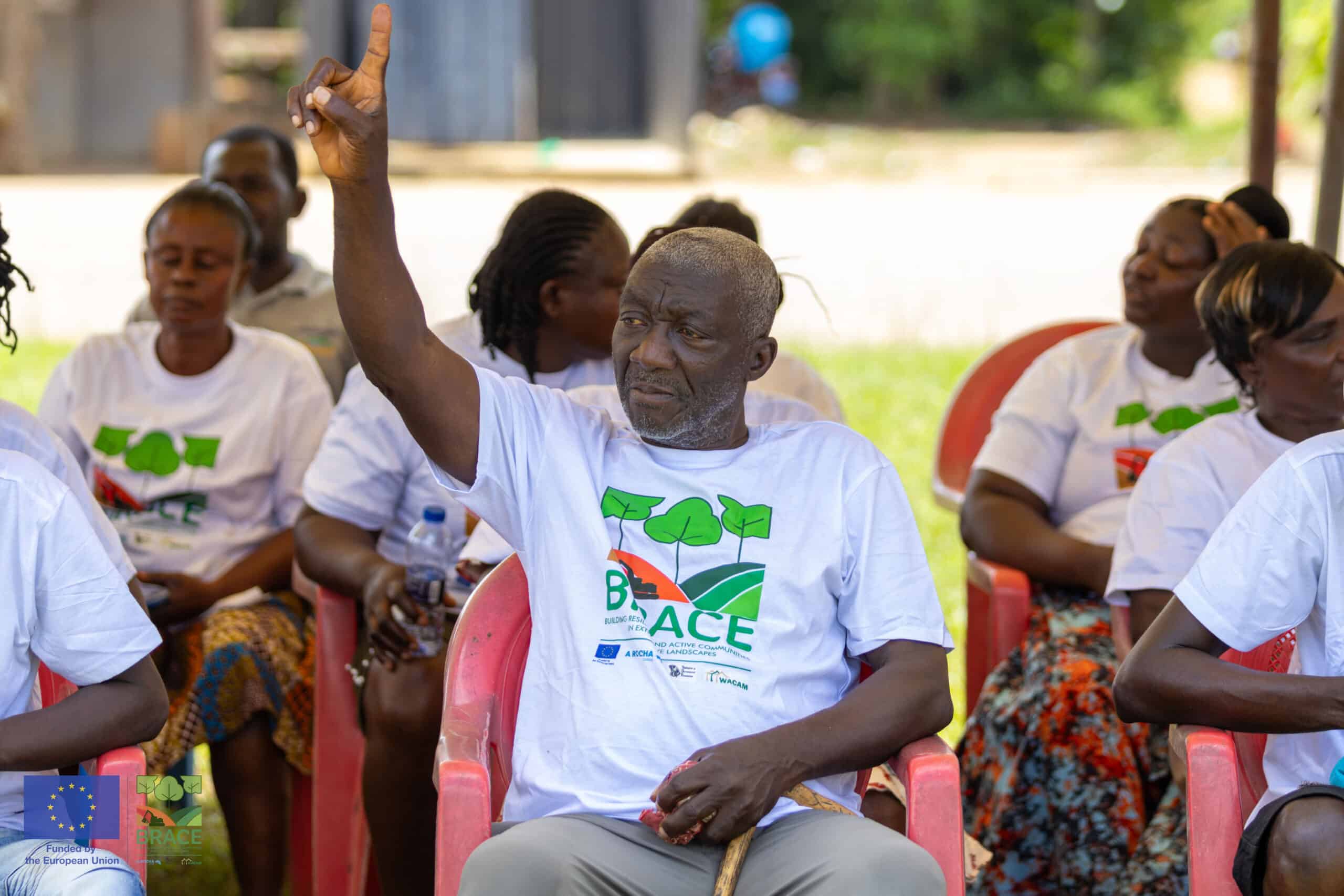
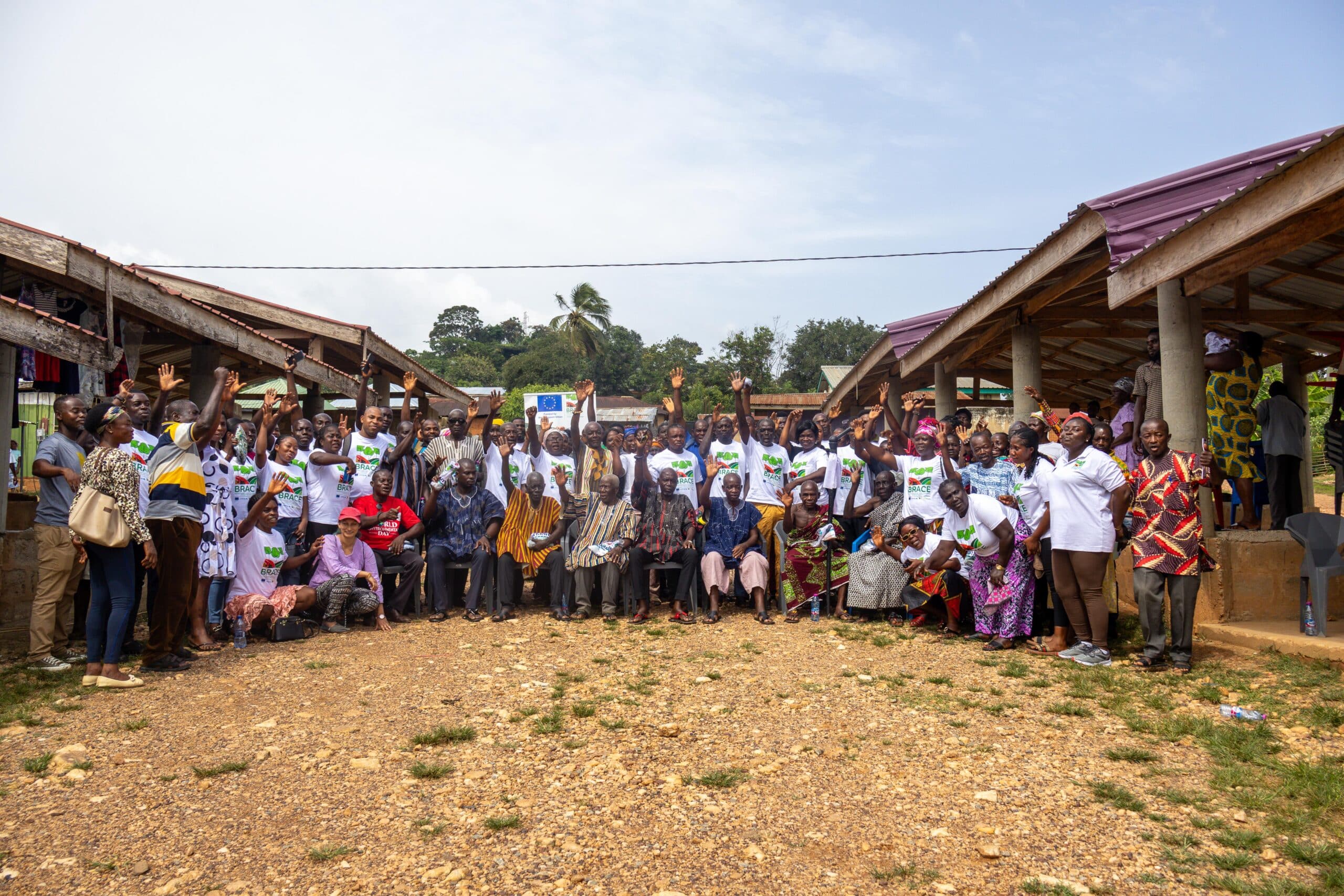
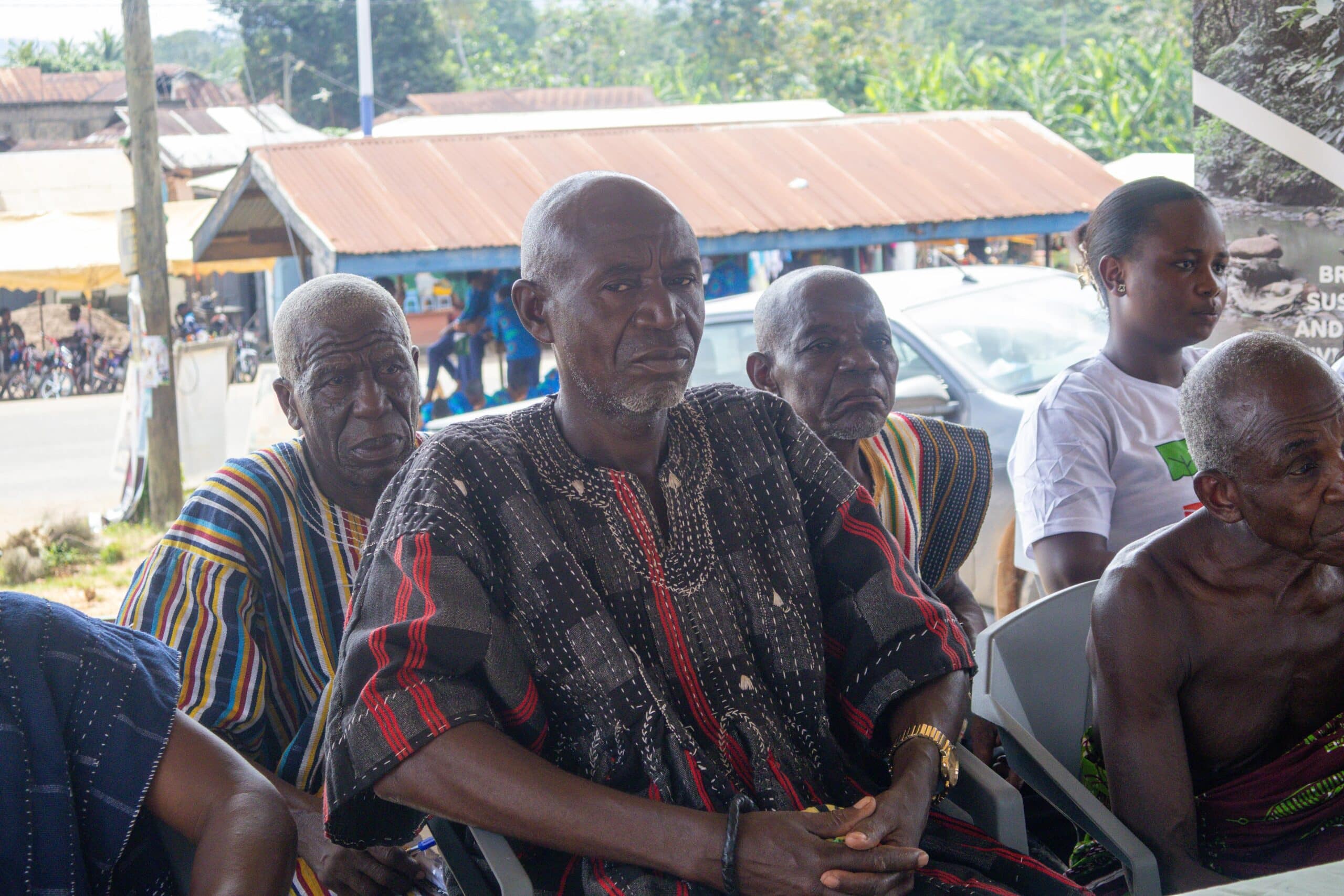
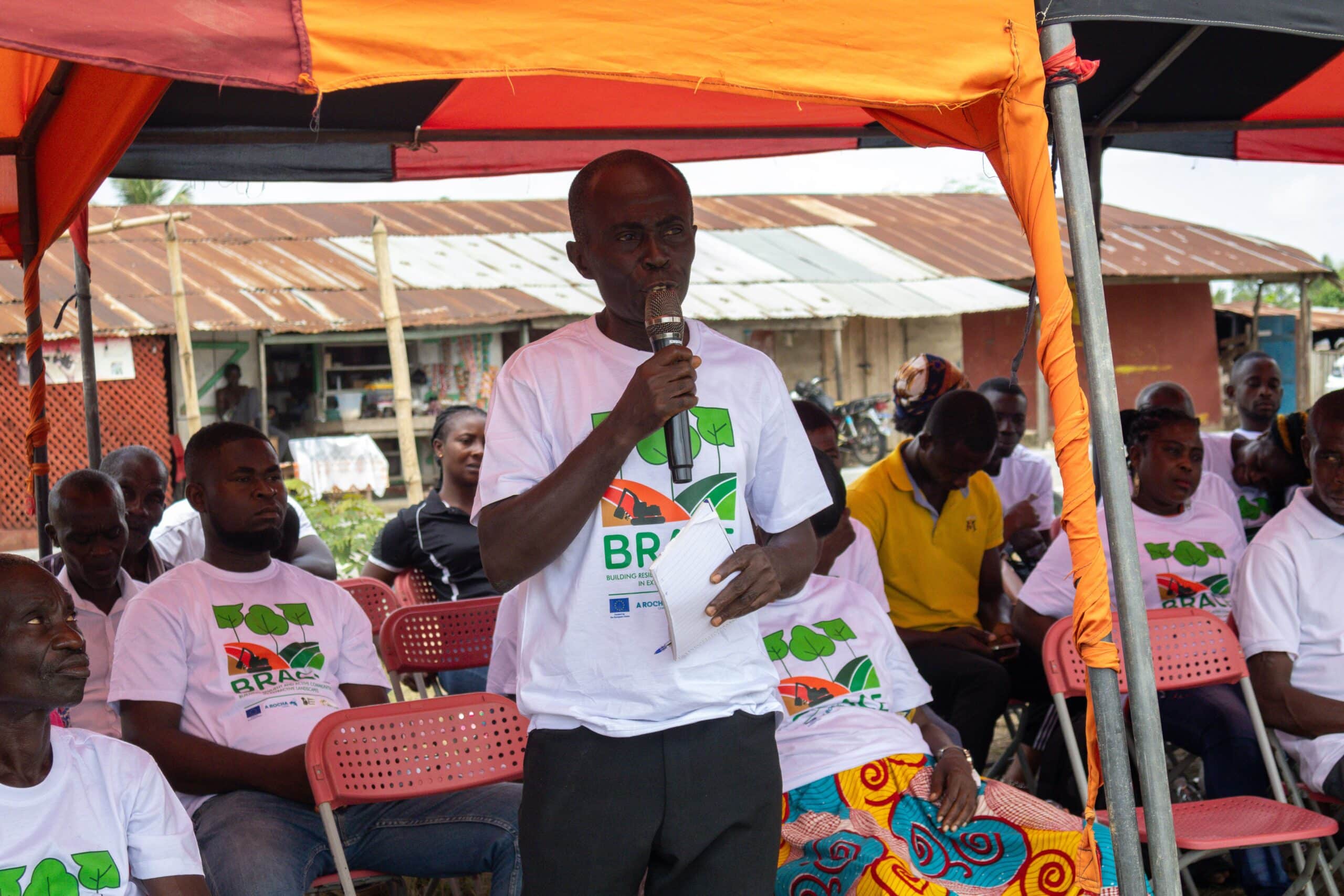
To date, 539 people from 73 communities have participated in these engagements, helping to build a stronger network of informed citizens capable of advocating for environmental justice and responsible business practices.
Introducing the BRACE Legal Support Provision
A major milestone of the project has been the introduction of the BRACE Legal Support Provision, a dedicated mechanism designed to support communities and individuals affected by illegal and irresponsible mining activities.
For many communities, seeking justice can be challenging due to the high cost of legal services. The Legal Support Provision aims to remove this barrier by providing access to legal support for those whose land, water sources, health, livelihoods, or rights have been negatively impacted by mining operations.
The Provision offers an opportunity for affected individuals and communities to pursue legal remedies, defend their rights, and contribute to the protection of their environment.
Community members seeking support can contact their BRACE community representatives or reach out to A Rocha Ghana, WACAM, or Nature and Development Foundation (NDF) for information on how to access the provision.
Building Resilience for the Future
By combining rights awareness, community empowerment, and access to legal support, the BRACE Project is helping communities move from vulnerability to action. The initiative is fostering greater accountability, encouraging responsible business practices, and ensuring that mining-affected communities have the knowledge and resources needed to safeguard their rights and natural resources.
The BRACE Project is funded by the European Union and implemented in Ghana by A Rocha Ghana, WACAM, and Nature and Development Foundation.
Conservation is most effective when everyone has a role to play.
Across Ghana, countless species of plants, animals, insects, and fungi share our landscapes, yet many remain undocumented or poorly understood. Protecting biodiversity begins with knowing what exists, where it occurs, and how it is changing over time. Recognising this, A Rocha Ghana in May, launched SNAP for Biodiversity, an initiative that harnesses the power of citizen science and digital technology to strengthen biodiversity monitoring while inspiring greater public appreciation for nature.
The contests invites people from all walks of life to become active contributors to conservation. Whether you are a student, community member, nature enthusiast, photographer, or simply someone who enjoys spending time outdoors, your observations can help build valuable knowledge about Ghana’s rich natural heritage.
Using digital tools, participants are encouraged to photograph and document plants, animals, insects, birds, fungi, and other forms of wildlife they encounter in their daily lives. These observations contribute to a growing pool of biodiversity data that can support conservation planning, research, education, and awareness.
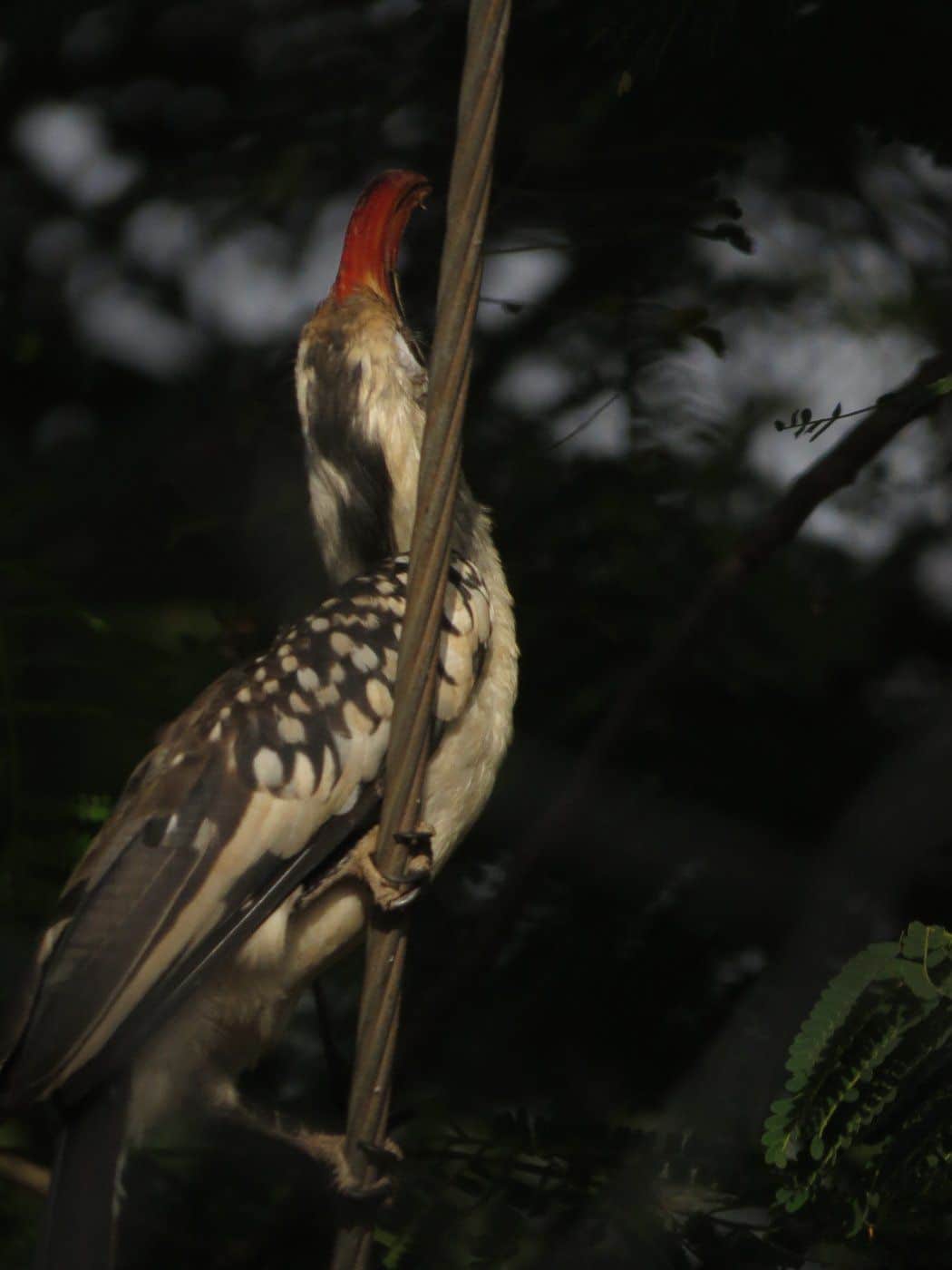
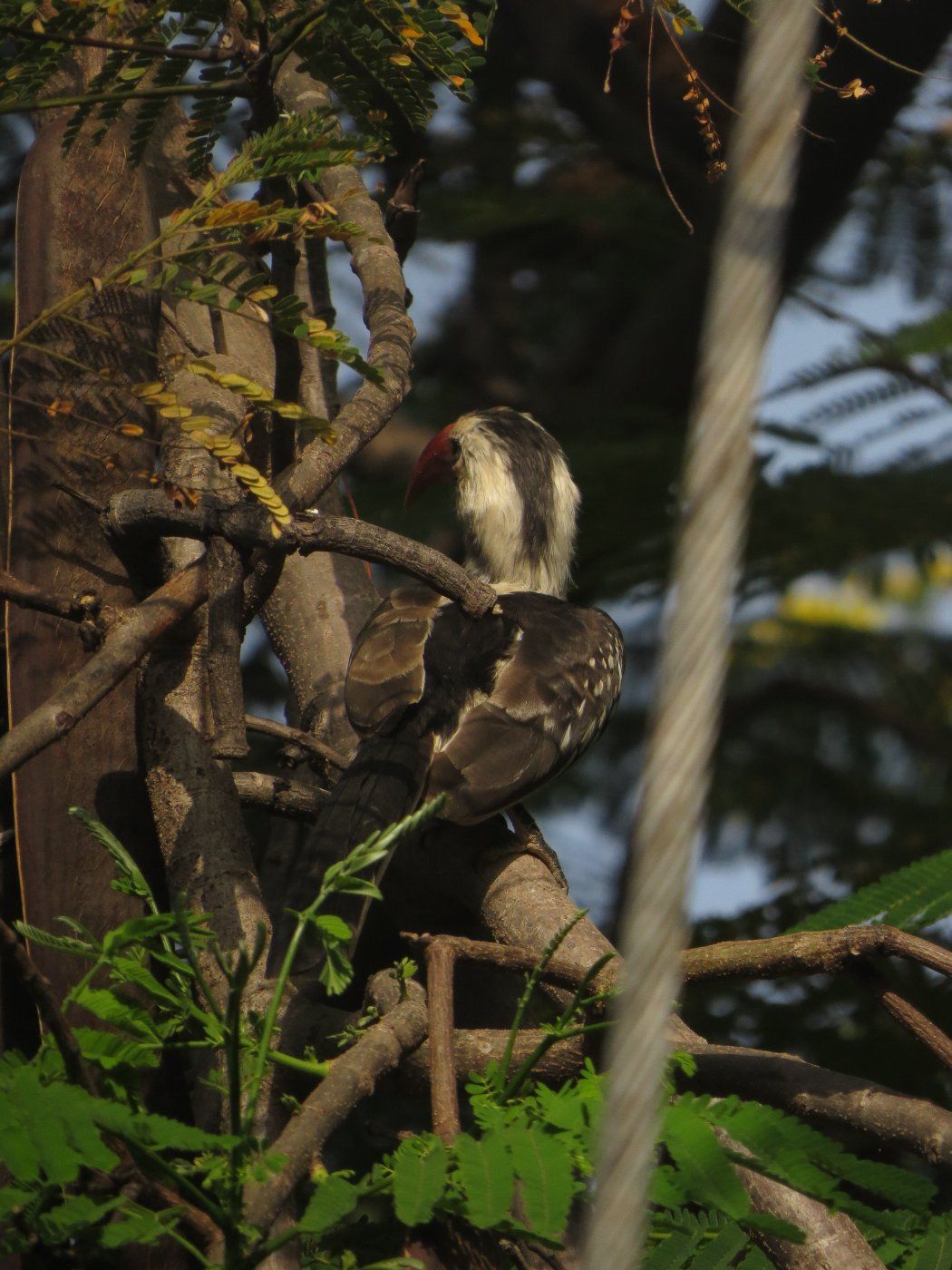
Captured during a Nature Photography class practical at Nyankpala Campus, UDS, Tamale, Ghana.
This beautiful bird, known for its bright red curved bill and striking spotted feathers, can be found in savannah woodlands and open forests across Africa. It plays an important role in seed dispersal and insect control, helping maintain healthy ecosystems.
Fun Fact: During breeding, the female seals herself inside a tree cavity while the male brings food to her and the chicks.
Nature is full of wonders waiting to be noticed.
Biodiversity is life, and every species counts.
Credit:Awumbo Aboyella
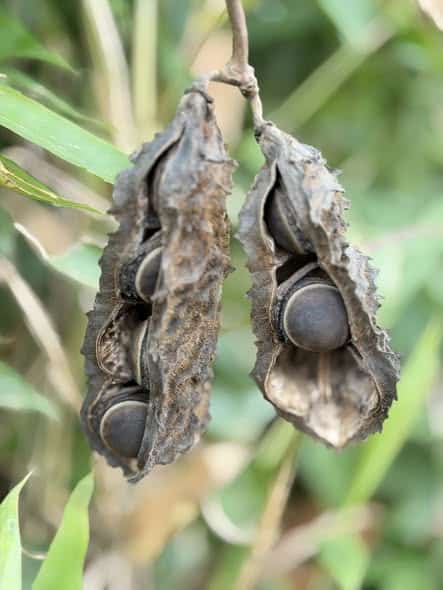
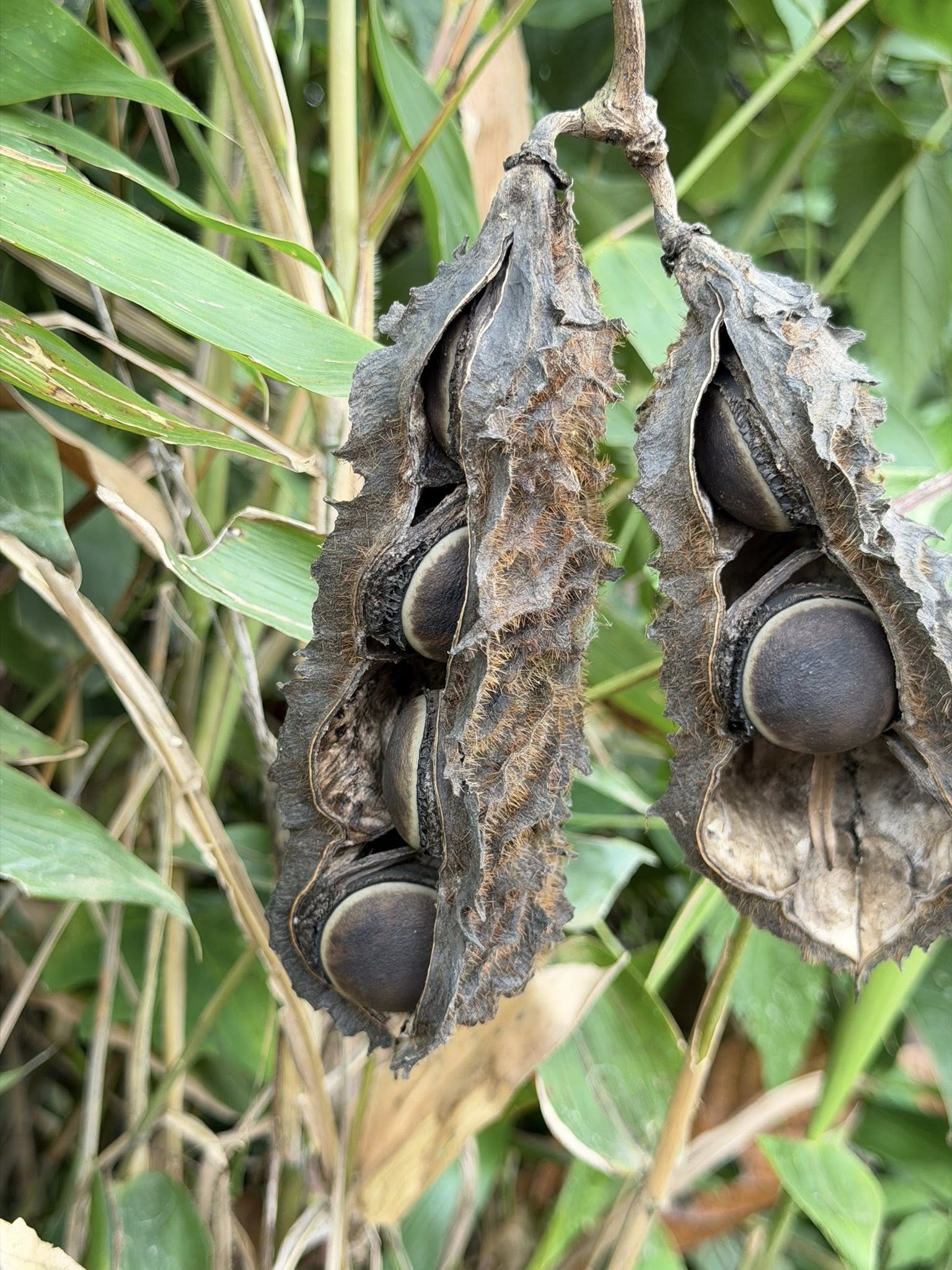
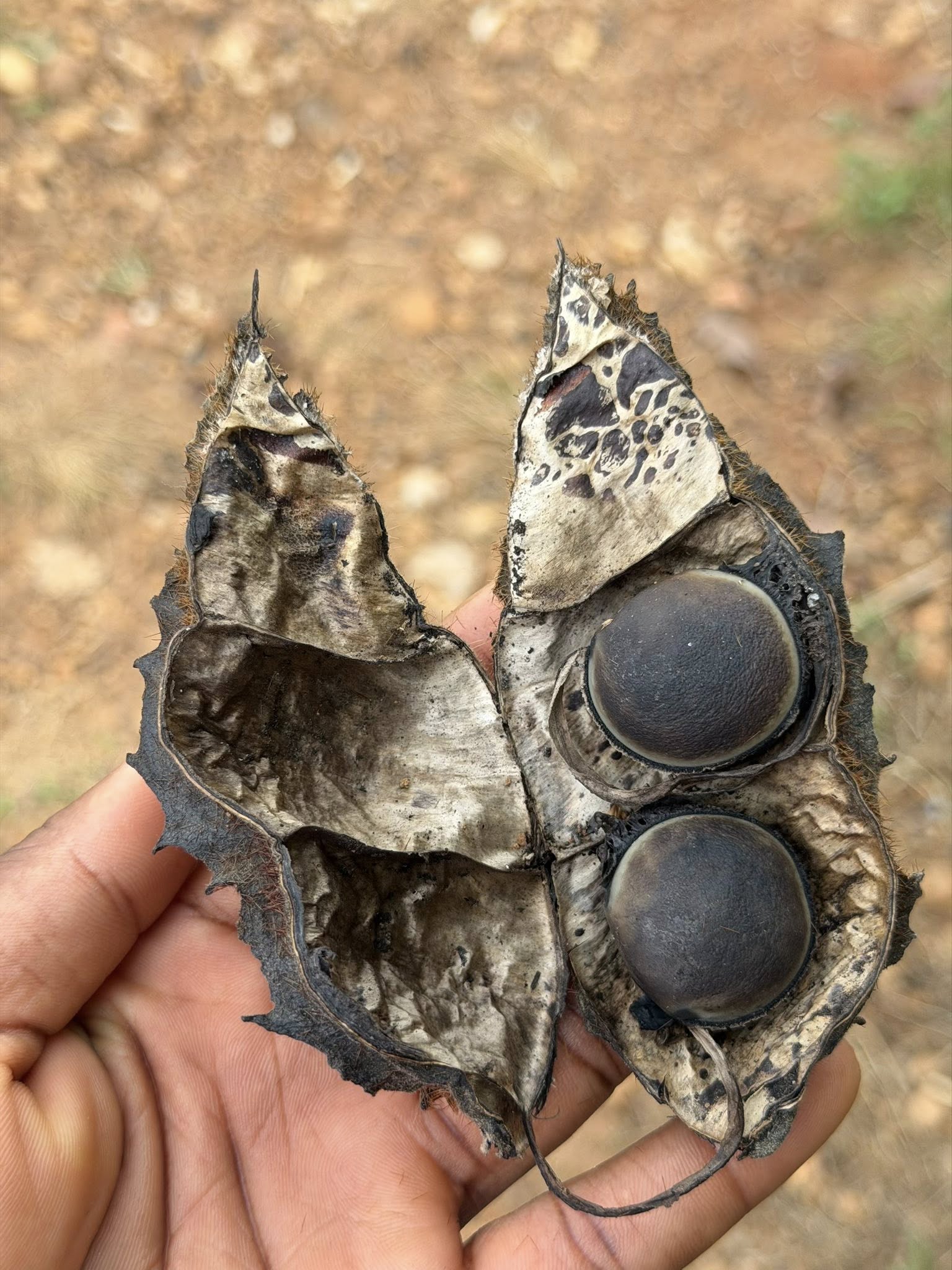
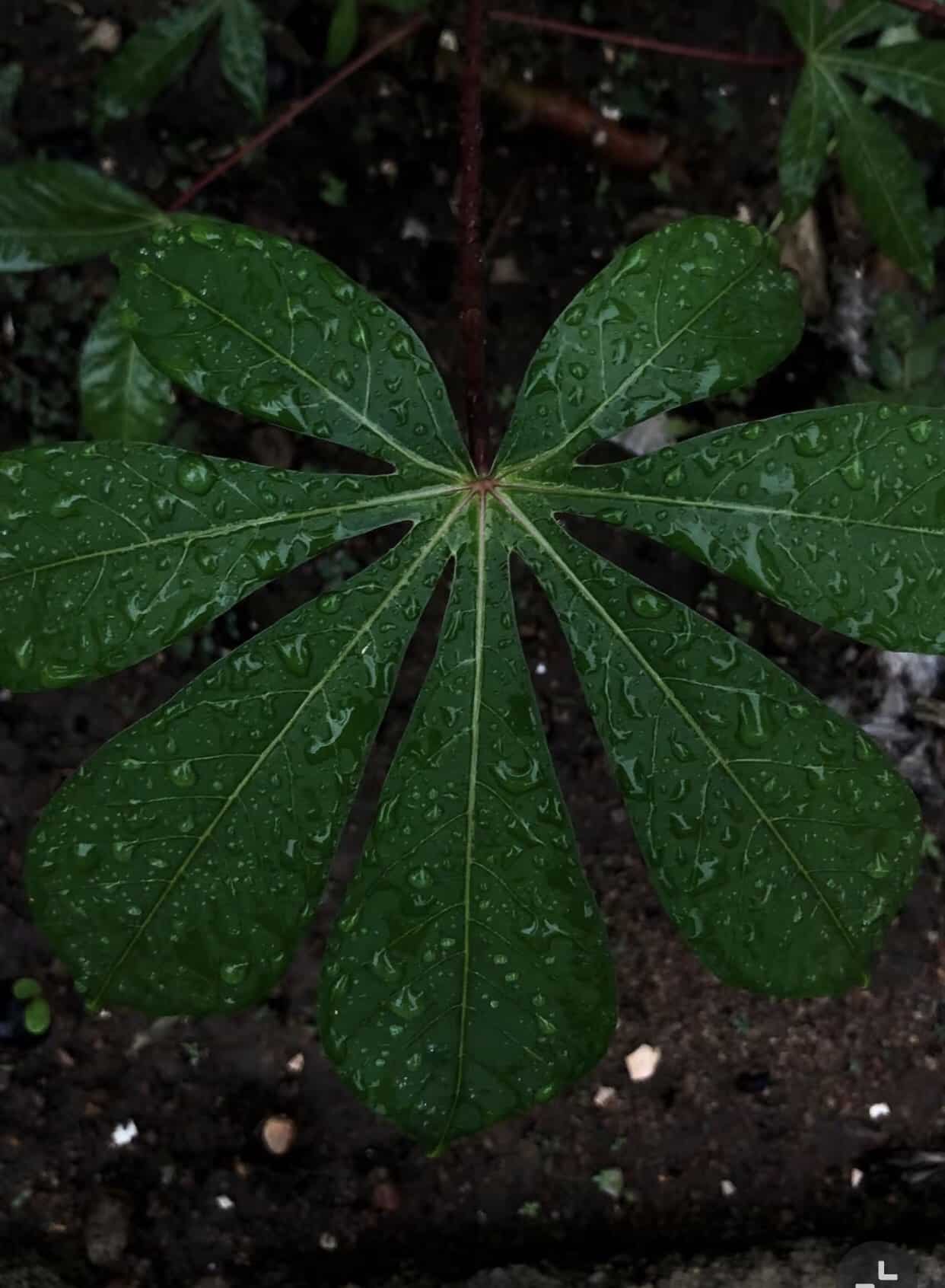
Mucuna sloanei
If you’re in Ghana, Mucuna sloanei is absolutely the star of that 90s and 2000s rural nostalgia.
Forget PlayStation and Xbox,this was our real gaming console! Who remembers being the Atɛ champion in their neighborhood?
From the stinging hairs on the pods to the perfectly smooth seeds we spent hours spinning, this plant (Mucuna sloanei) was the heartbeat of our childhood. I can still feel the heat from the friction burns!
It fixes nitrogen in the earth, feeds our local fruit bats at night, and even contains natural compounds used in medicine. On this International Day of Biological Diversity, let’s celebrate the plants that didn’t just give us a fun childhood, but keep our Ghanaian soil healthy and alive.
Credit:Benedicta Obenewah
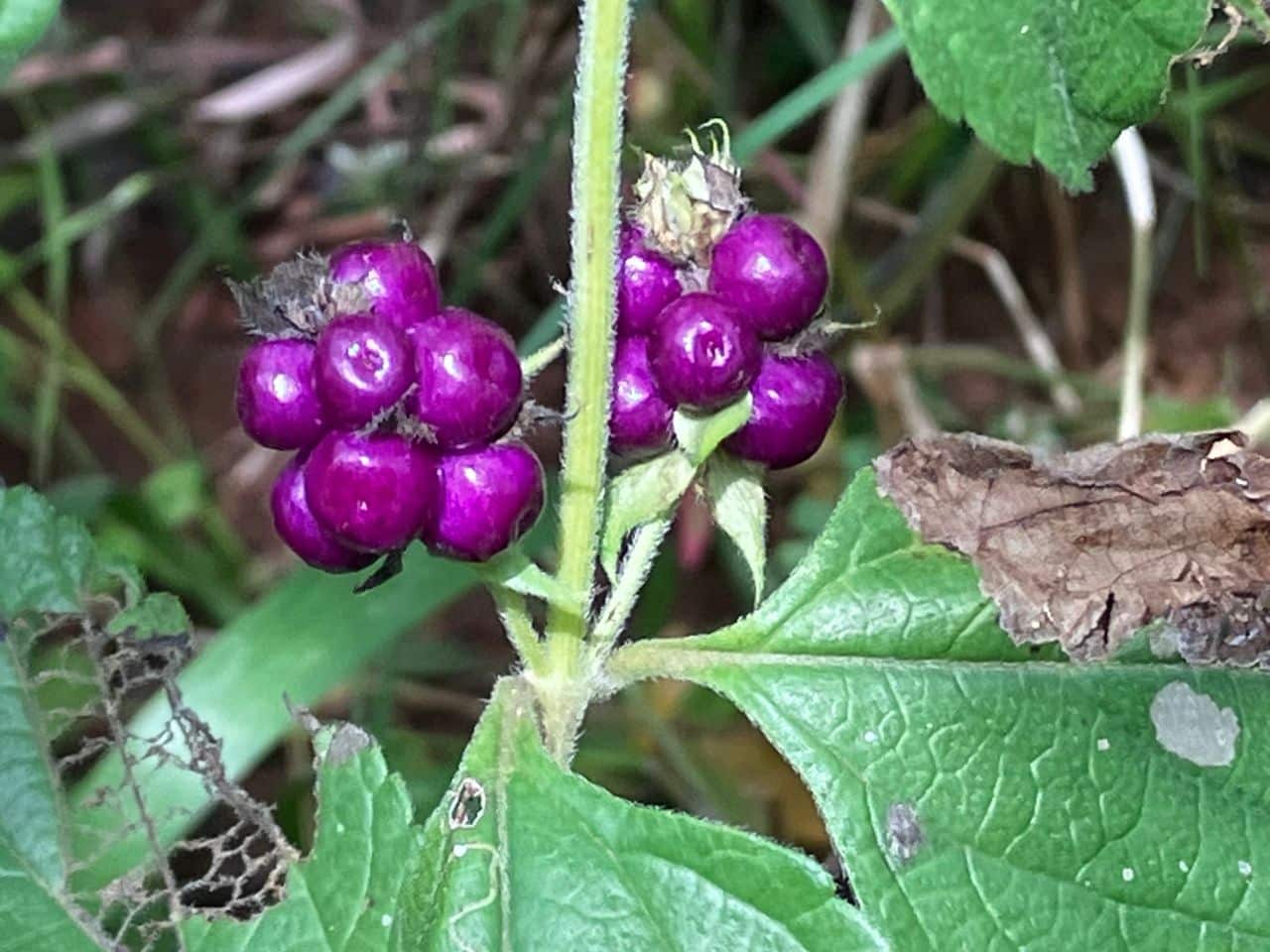
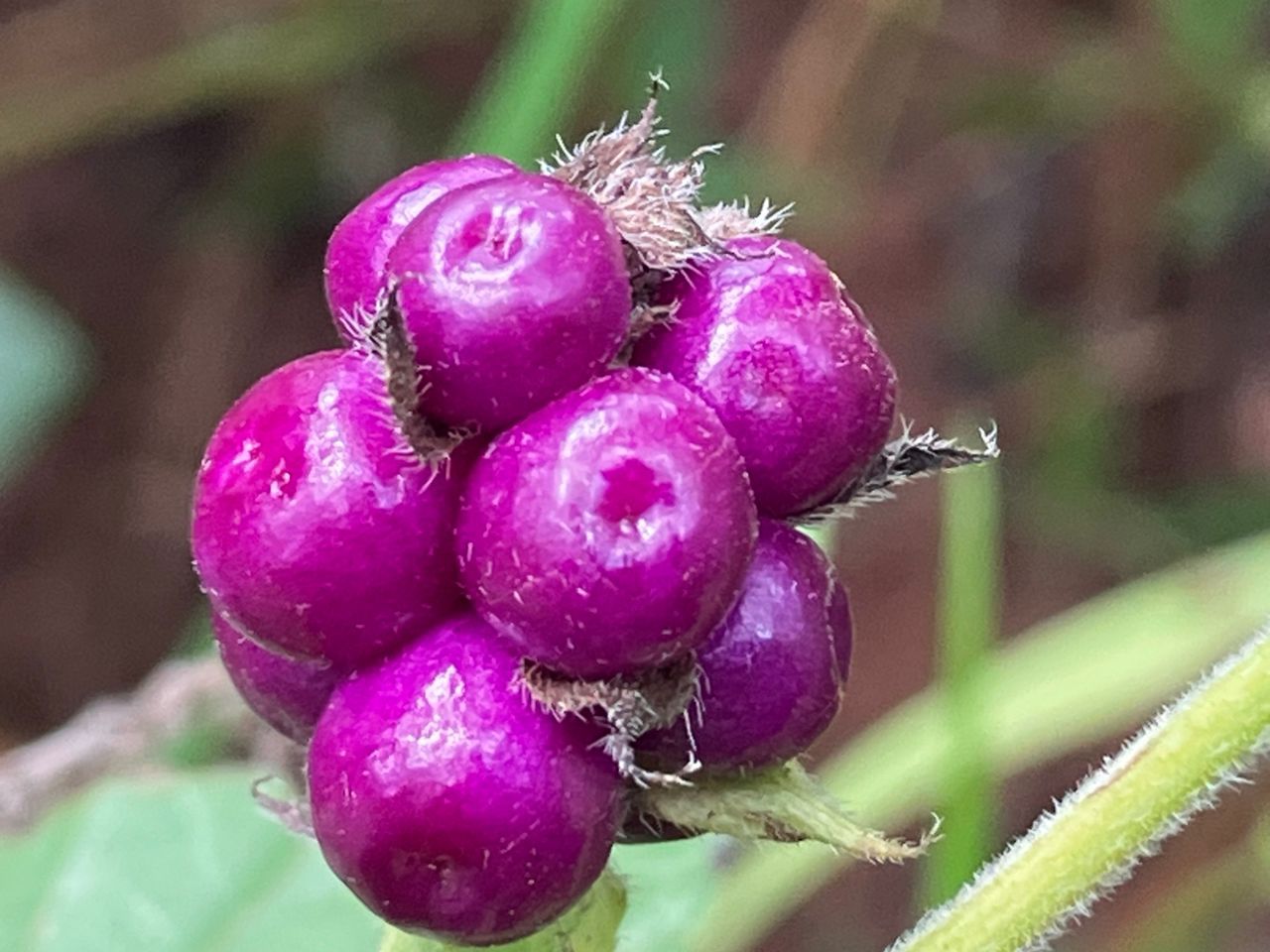
Lantana trifolia
Lantana trifoliais sometimes called a “bird-friendly plant” because birds love visiting it for its berries, making the area around it lively and active. These tiny fruits provide food for birds and other small wildlife, while the flowers attract pollinators like butterflies and bees that help maintain healthy ecosystems. In some communities, the plant is also valued for its traditional medicinal uses.
Even the smallest fruits in nature carry life, beauty, and a story worth protecting.
Credit:Awumbo Aboyella
Bushbuck
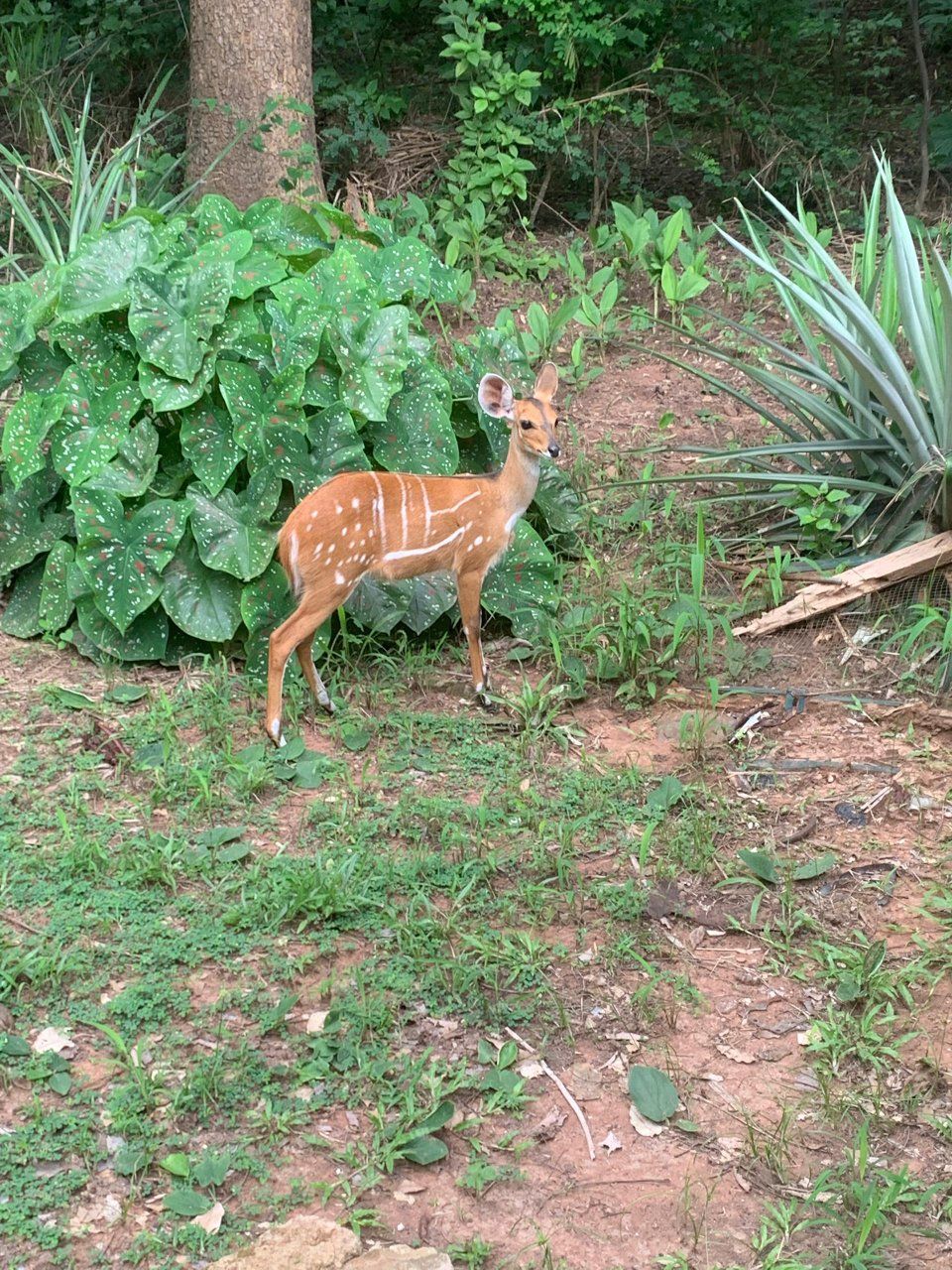
Meet “Lucky” — a bushbuck juvenile and the gentle soul of Kyabobo National Park.
Lucky is the only bushbuck in the park known to be so friendly and close to humans. After sadly losing its mother shortly after birth, it was lovingly raised by the park managers, creating a special bond between wildlife and people.
Calm, beautiful, and full of life, Lucky is truly a wonderful reminder of why conservation matters. If you ever visit the Oti Region, make time to explore the park and experience this amazing creation for yourself.
Biodiversity is life, and every species counts.
Credit:Awumbo Aboyella
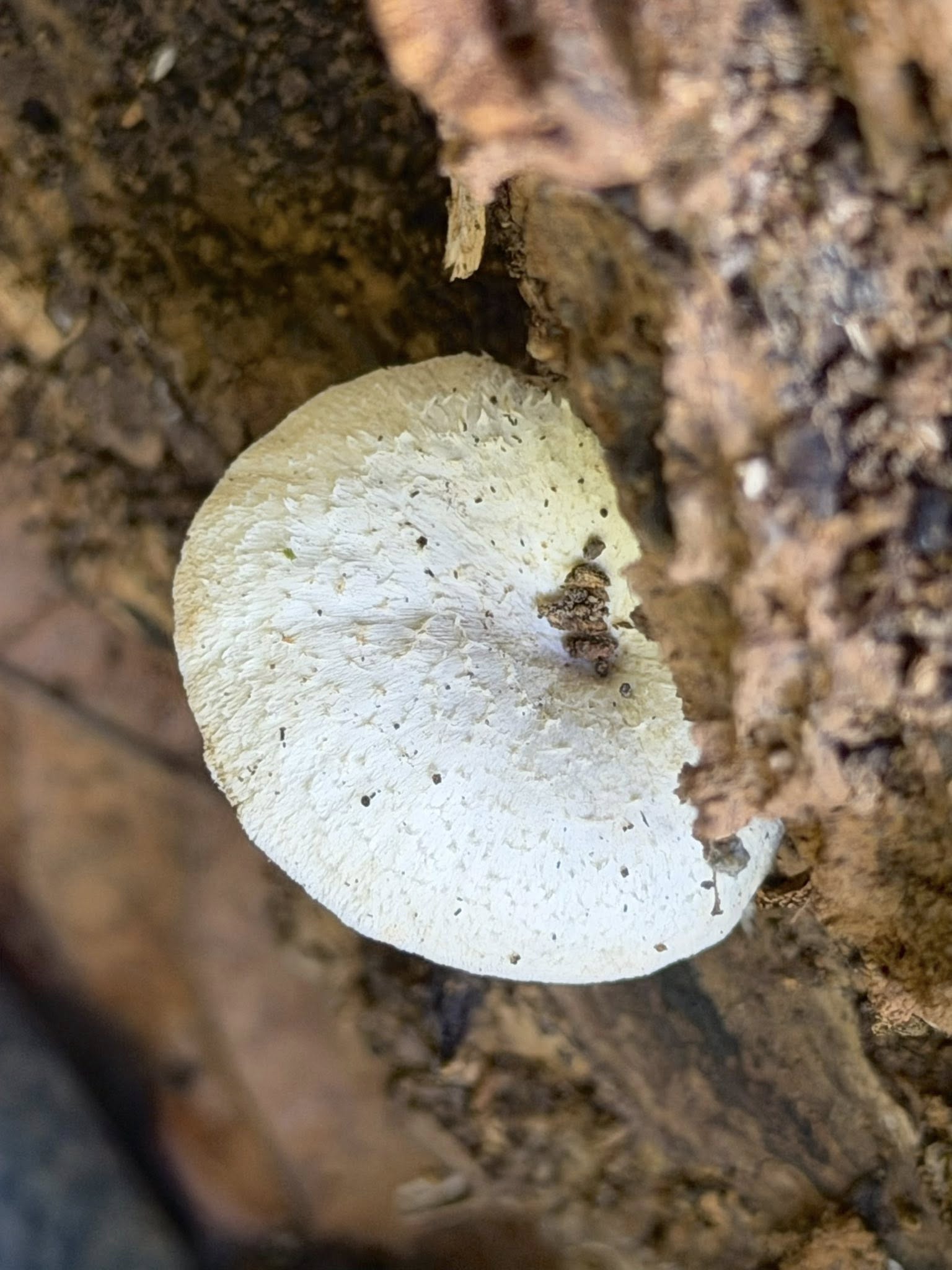
Lentinus Squarrosulus
Deep within the damp, shaded heart of tropical forests across Africa and Asia, a quiet magic awaits the thunder. To the untrained eye, there is only decaying wood. But when the skies finally break and the rainy season arrives, the forest floor witnesses a sudden, spectacular awakening.
This is the home of Lentinus squarrosulus, a wild, transient mushroom that lives in perfect harmony with the weather.
Like clockwork, the first heavy downpour triggers an explosion of life. Sprouting in dense, crowded clusters, these mushrooms unfurl their caps, release a flurry of spores into the humid air, shrink, and vanish into nothingness,all within a mere handful of days. Yet, they are never truly gone. They are merely waiting. The moment the next rain kisses the earth, they materialize out of thin air, reclaiming the exact same spot on the exact same log.
Lentinus squarrosulus is far more than a simple fungus. It is a master of survival, a culinary delicacy, and a hidden pharmacy, waiting in the wood for the next drop of rain to share its gifts with the world.
Credit:Benedicta Obenewah
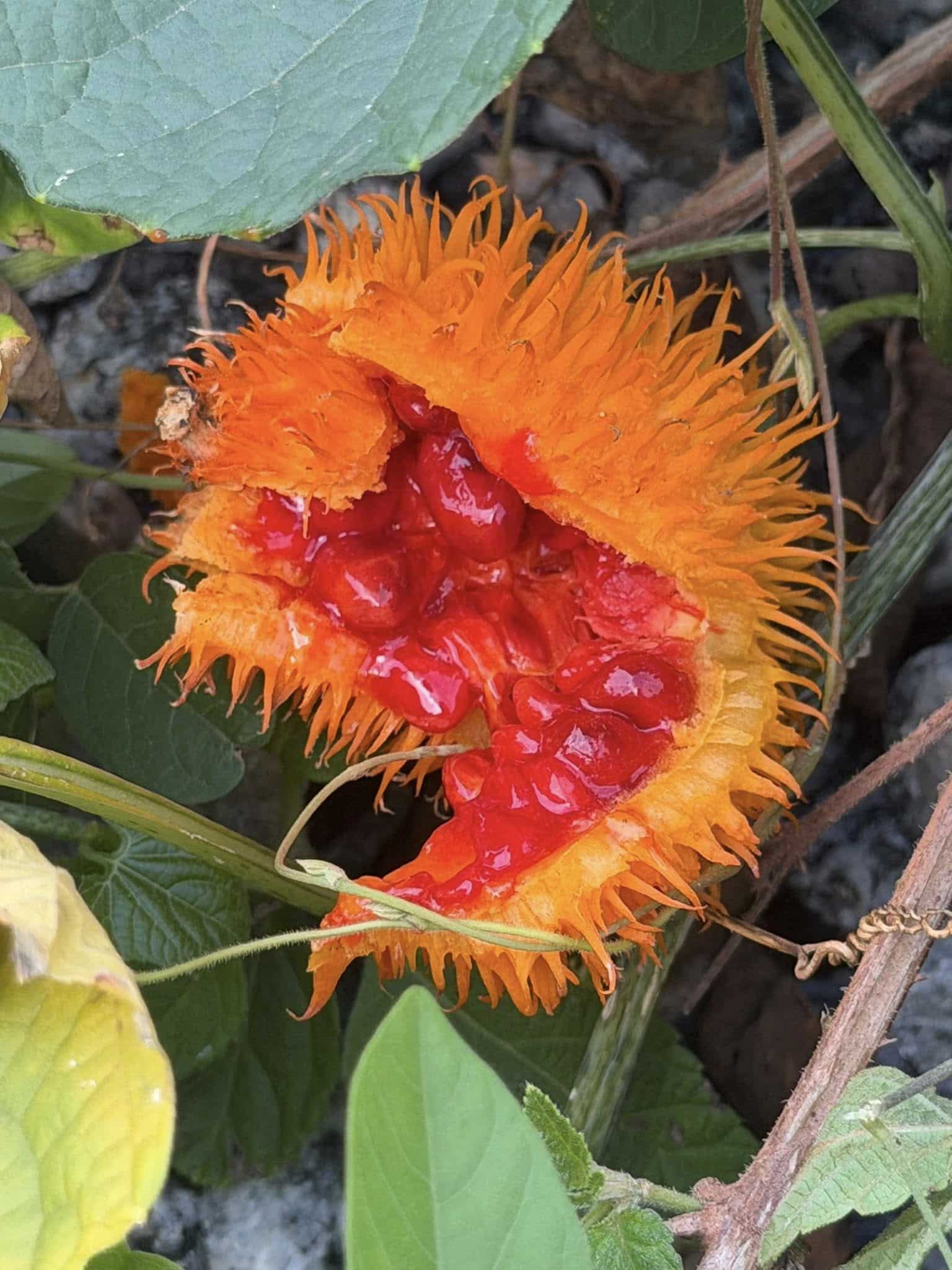
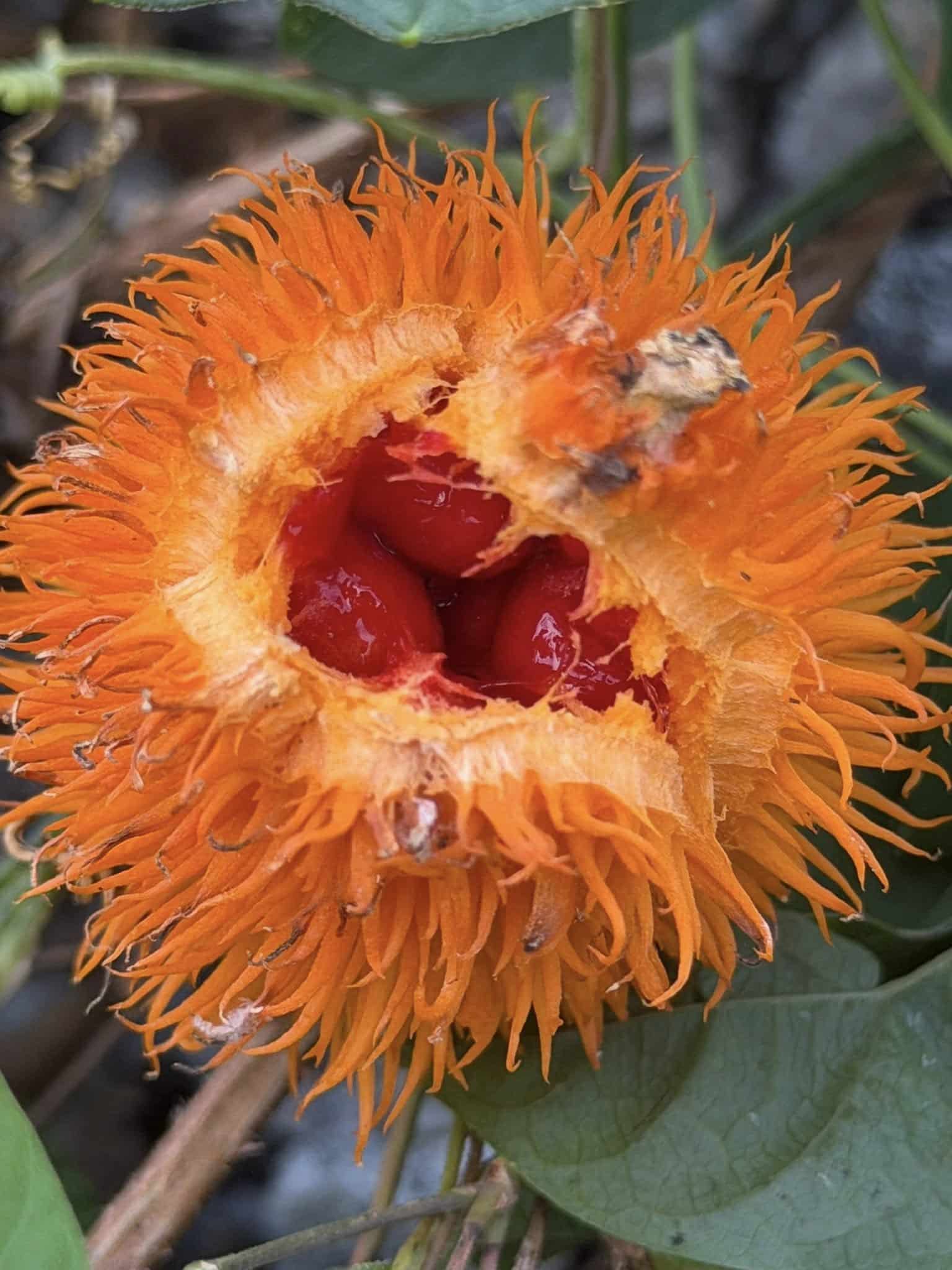
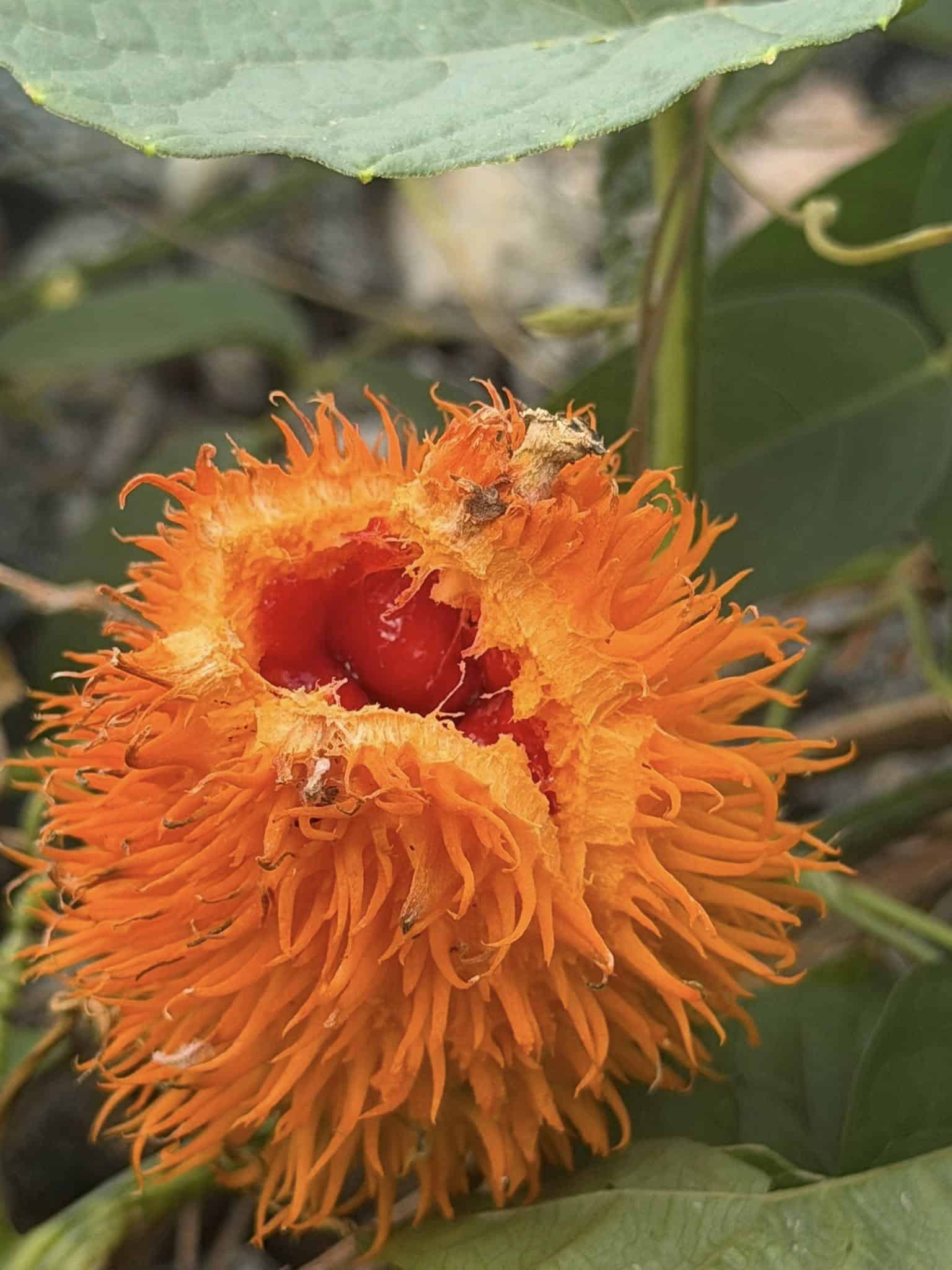
Momordica foetida
Meet Momordica foetida—often called the stinking wild cucumber, or awoduan in Twi.
This tropical African climbing vine certainly lives up to its name with its stinky leaves, but it’s also known for its striking, spiky orange fruits. When these fruits ripen, they pop open to show off bright red, sweet pulp that both birds and snakes love to snack on.
But this plant isn’t just a treat; it’s also a powerful tool in traditional medicine. Crushing the foul-smelling leaves into stagnant water acts as a natural mosquito killer, helping local communities fight malaria.
Credit:Benedicta Obenewah
Hoverfly
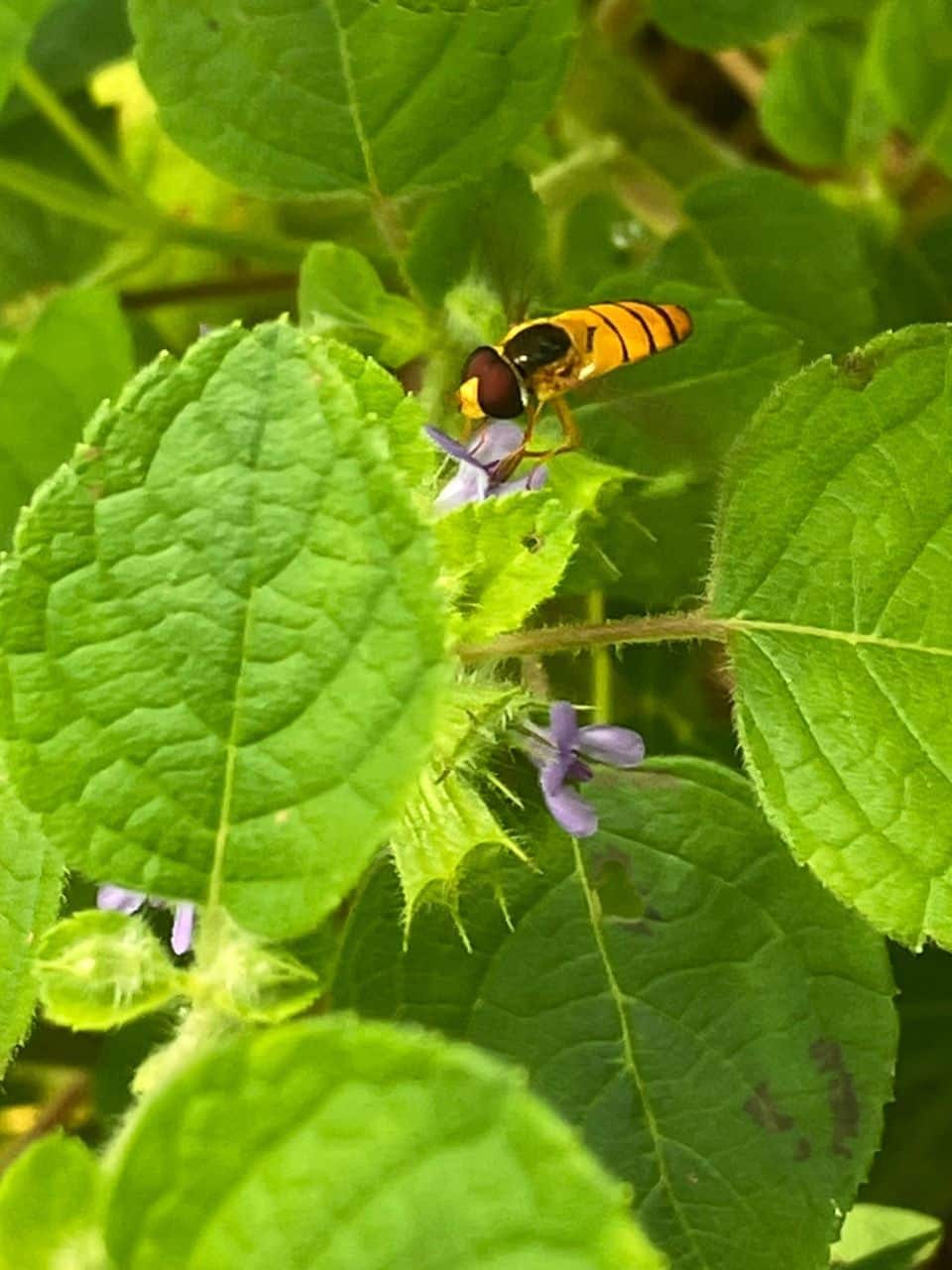
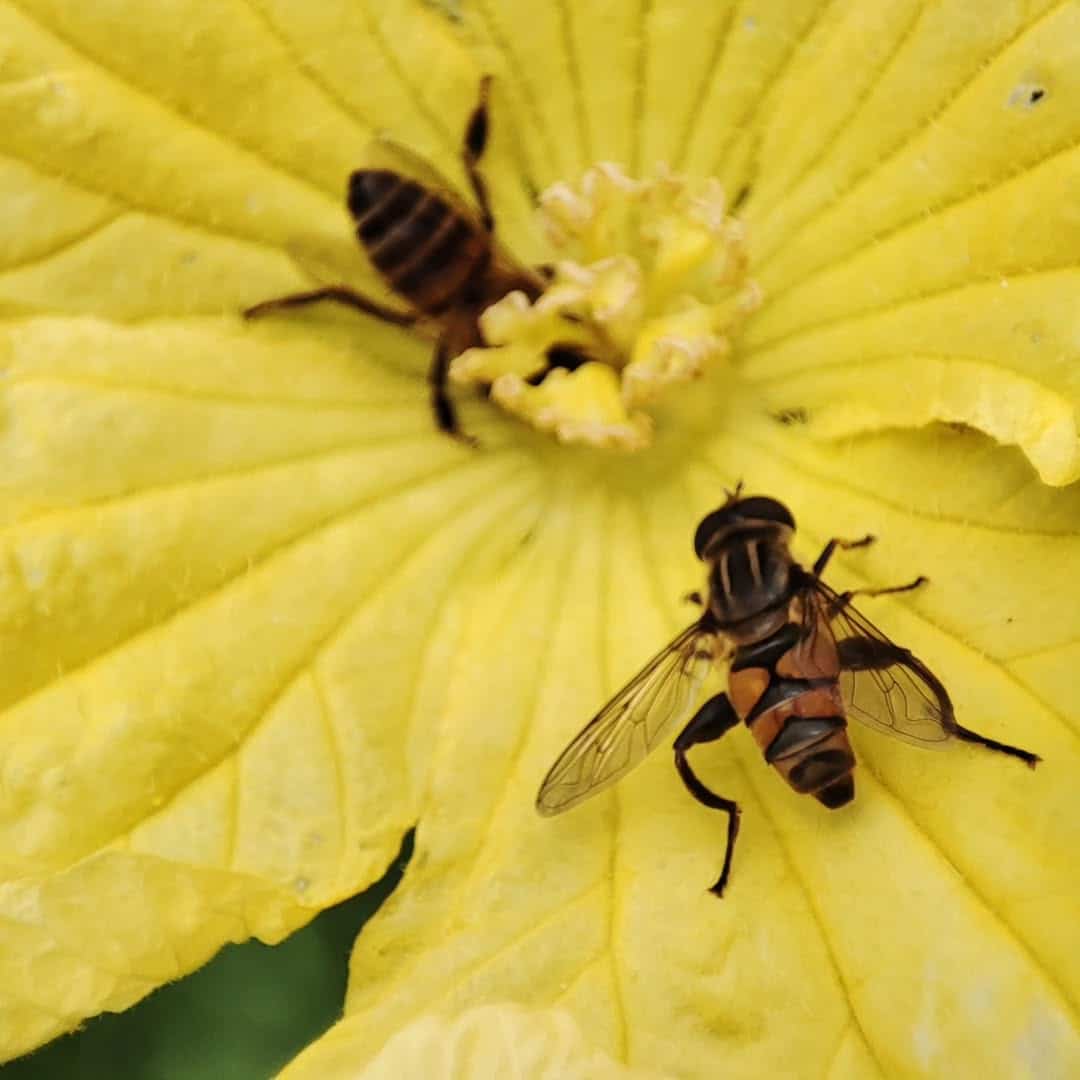
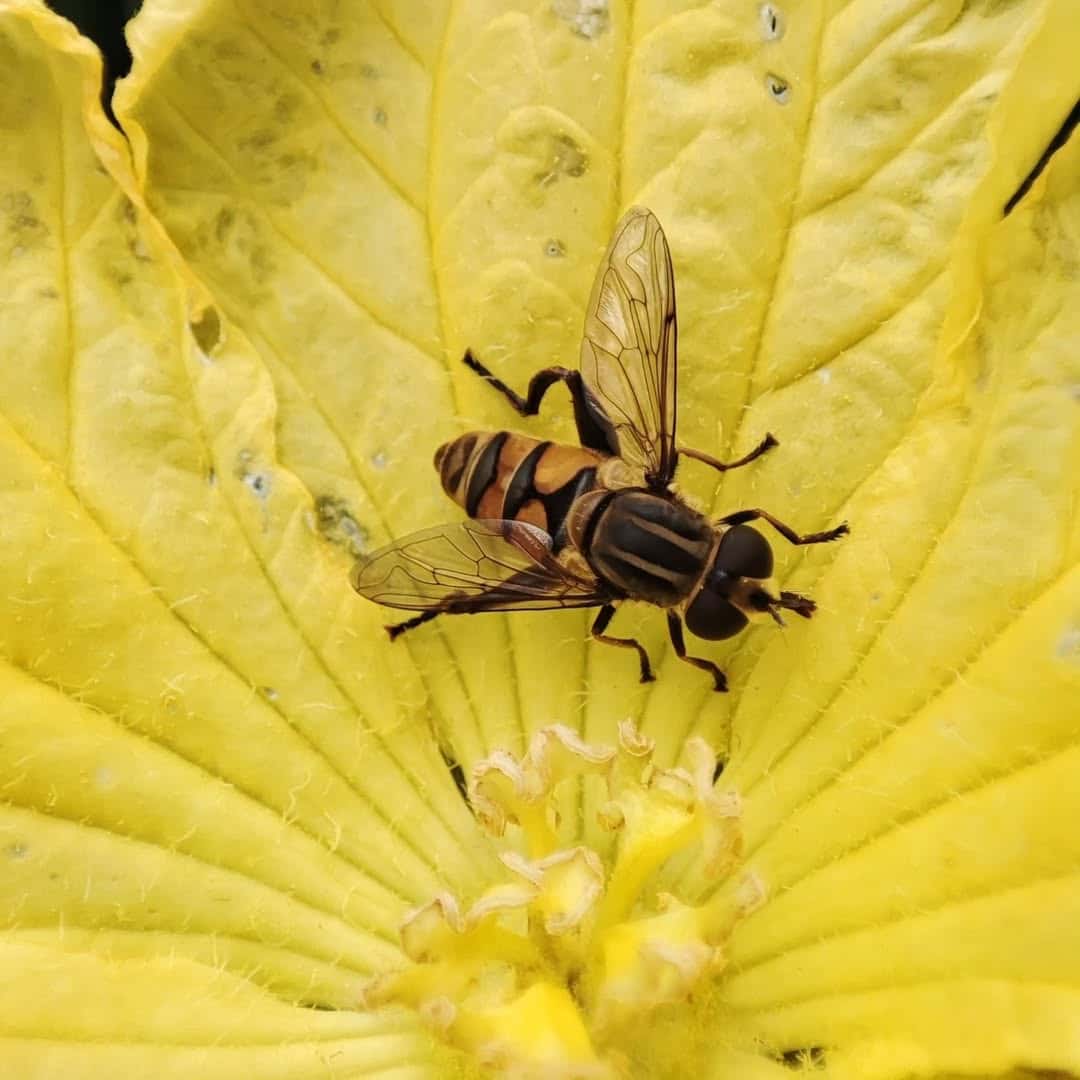
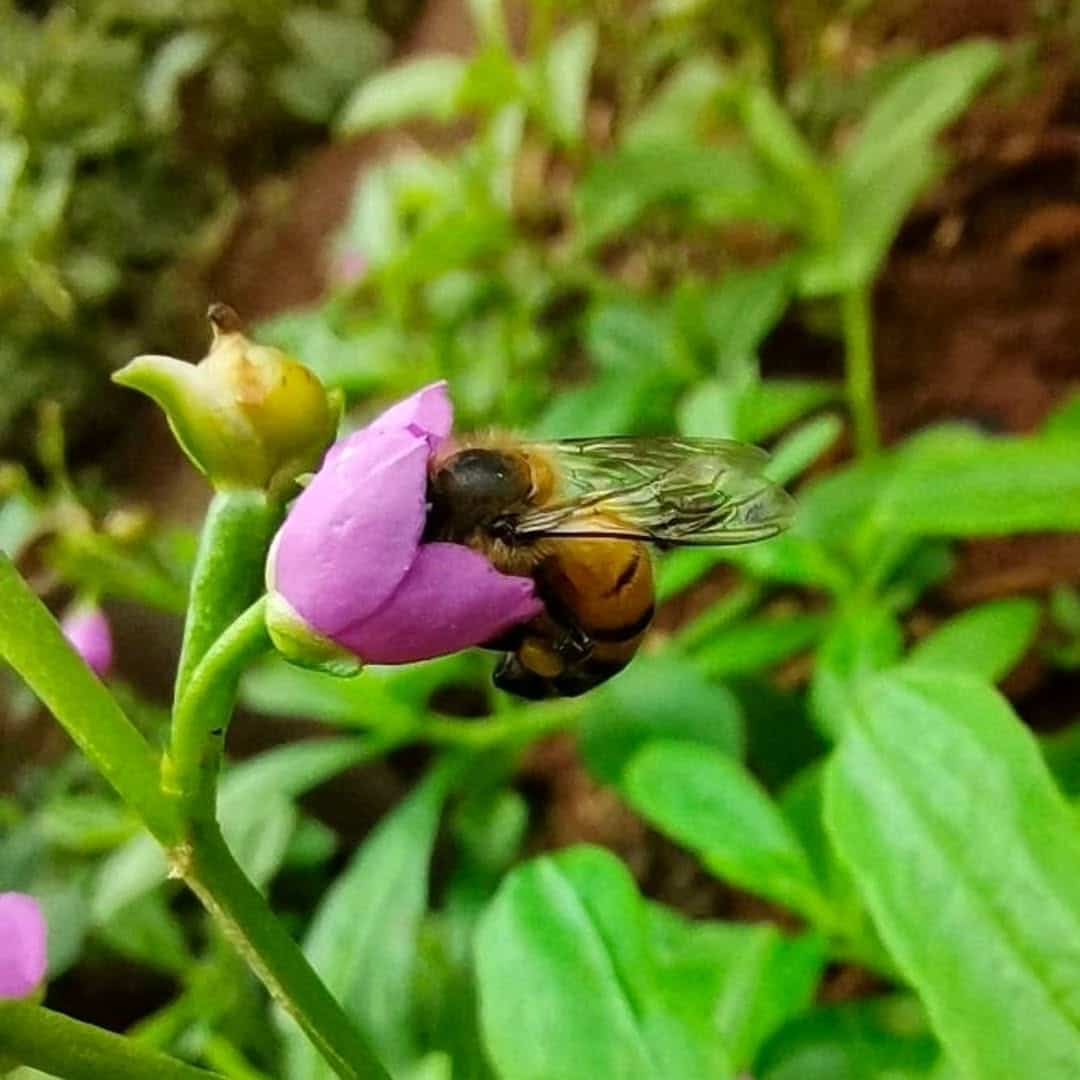
Captured during a Nature Photography practical session at the Nyankpala Campus of the University for Development Studies in Northern Region, this vibrant hoverfly pauses delicately on a tiny purple flower hidden within lush green leaves.
Though often mistaken for bees, hoverflies, also called flower flies or syrphids are harmless pollinators that contribute greatly to healthy ecosystems and biodiversity.
“Hoverflies may be small, but they play a huge role in our environment—pollinating plants, controlling aphids, and even helping to break down organic matter,” – (Royal Horticulture Society, 2025).
Remember that even the smallest creatures play an important role in nature.
Credit:Awumbo Aboyella
Talinium triangulare
I found this on the Legon campus, precisely in the lawns outside Legon Main Hall. This is Talinium triangulare, locally called Borkorborkor. It is good for stew, especially stew that goes with Yakayake. When prepared by an experienced Ewe cook, you can forget your name. It is also added to animal feed because it is rich in nutrients, not only good for humans but also for farm animals. Unfortunately, it is not domesticated. I mean it is not cultivated but harvested from the wild. Am still wondering why a good food like this has not been domesticated yet.
Credit:Cephas Glavee
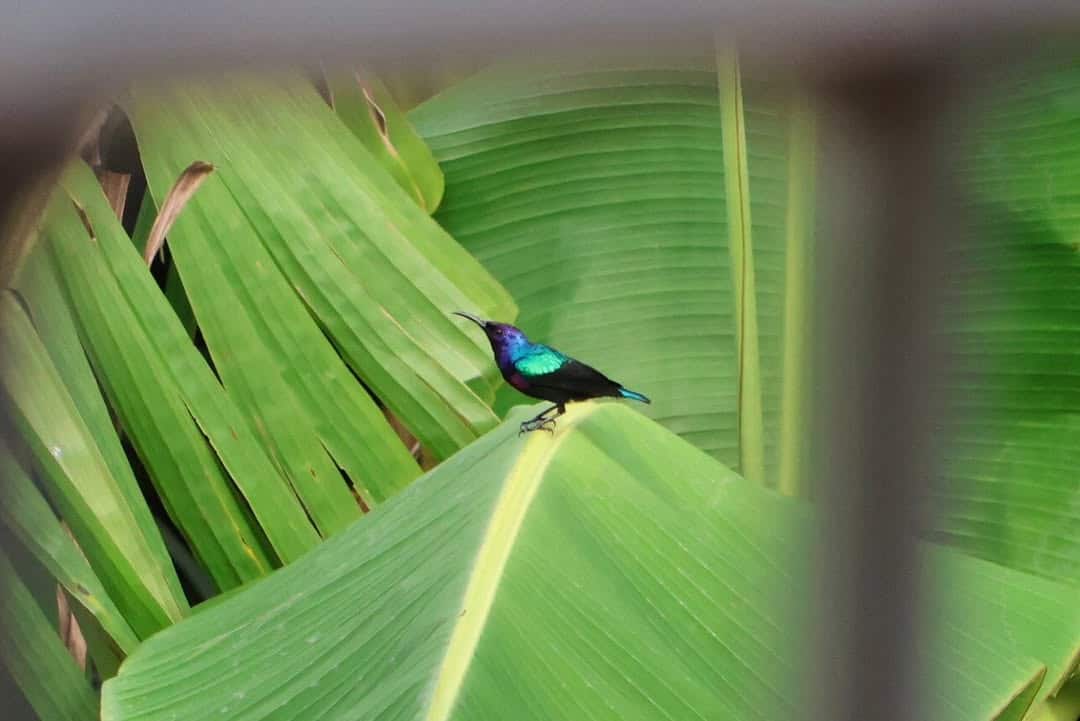
Sunbird
From the ruins of a degraded land stripped of all nutrients, @gyemgh and WildRain resorted to agroforestry to gradually rebuild the soil and boost biodiversity presence and activities. We started on this new field in 2025 in Akwamu Kwanyarko and now in 2026, I am proud to share the sighting of a splendid sunbird perched right on our plantain.
Credit:Glorious Emmanuella
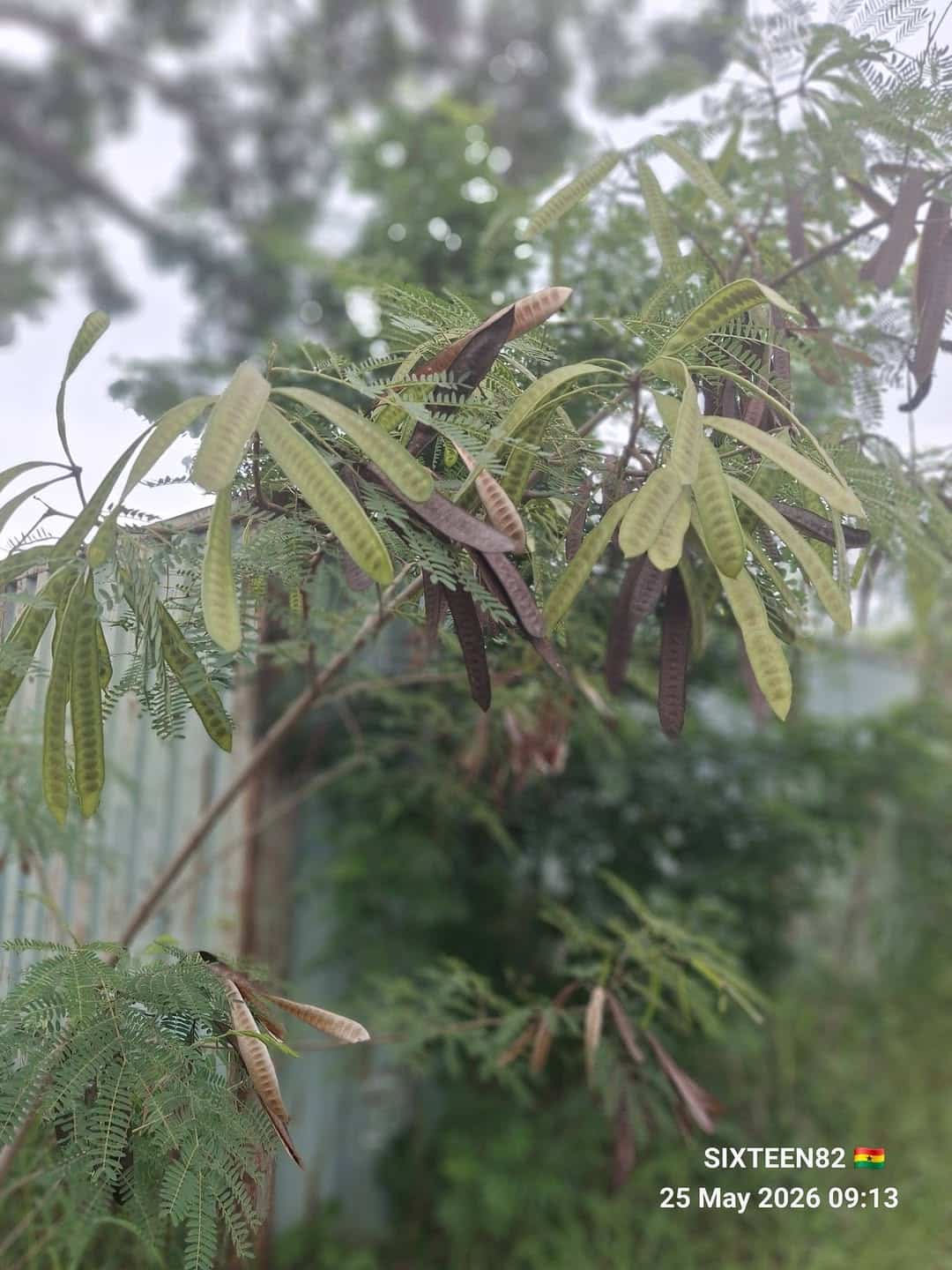
Leucaena leucocephala
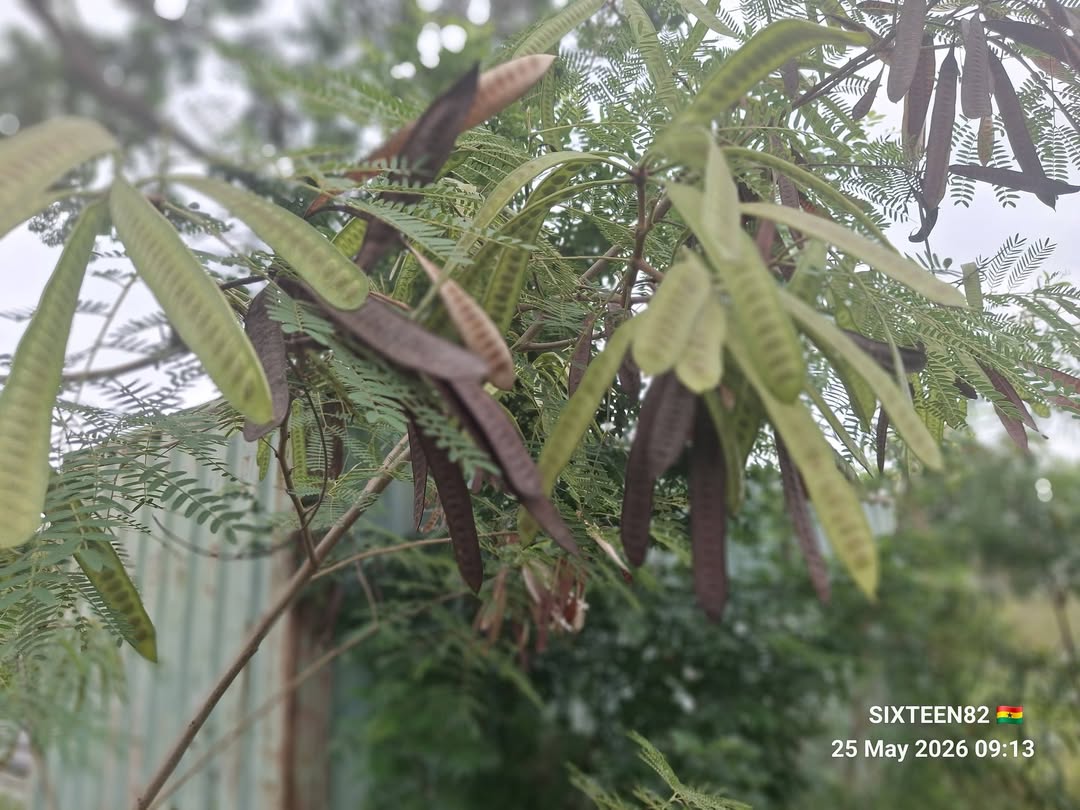
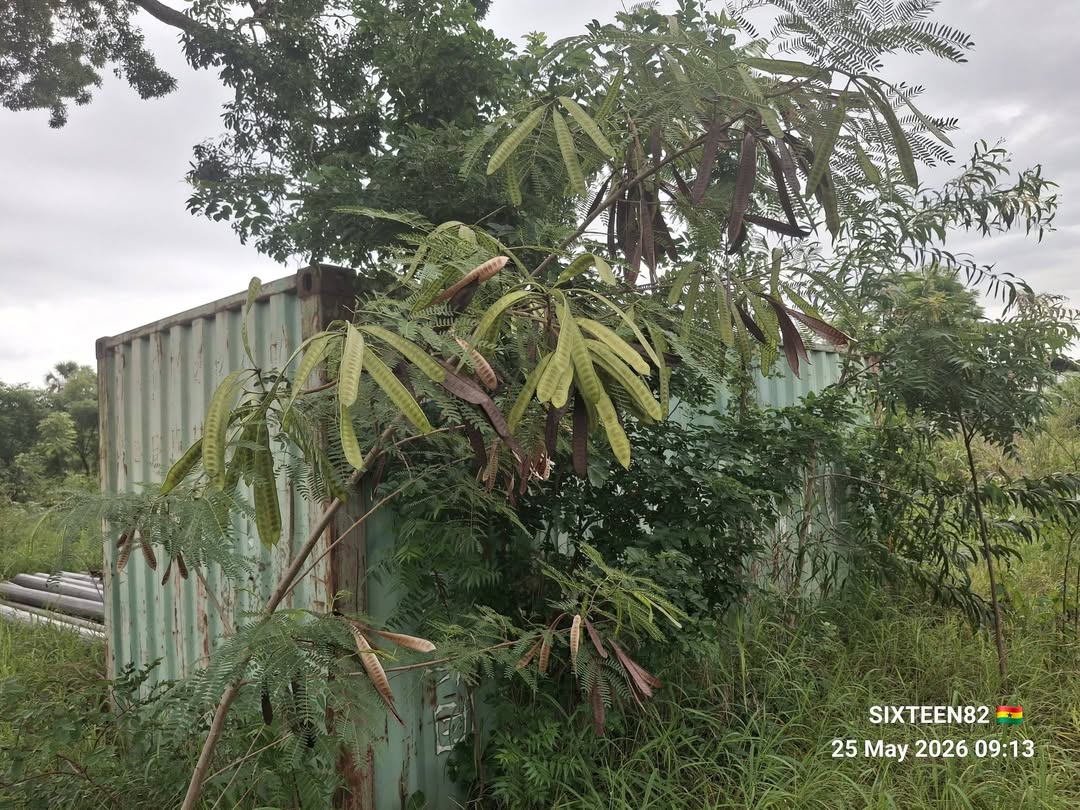
This is the Leucaena leucocephala, spotted on Legon Hill near Vandal City,.
Although it was introduced into Ghana for beneficial purposes, it is now considered an invasive alien species (IAS). Its ability to produce large numbers of seeds, grow quickly, and thrive under harsh conditions allows it to spread rapidly and outcompete native vegetation.
Interestingly, Leucaena is not all bad. It is used as livestock feed, particularly for poultry, and as a leguminous plant, it helps improve soil fertility by fixing nitrogen. For this reason, it is commonly used in agroforestry systems.
This plant reminds us that some invasive species can present both challenges and opportunities, depending on how they are managed.
Credit:Cephas Glavee
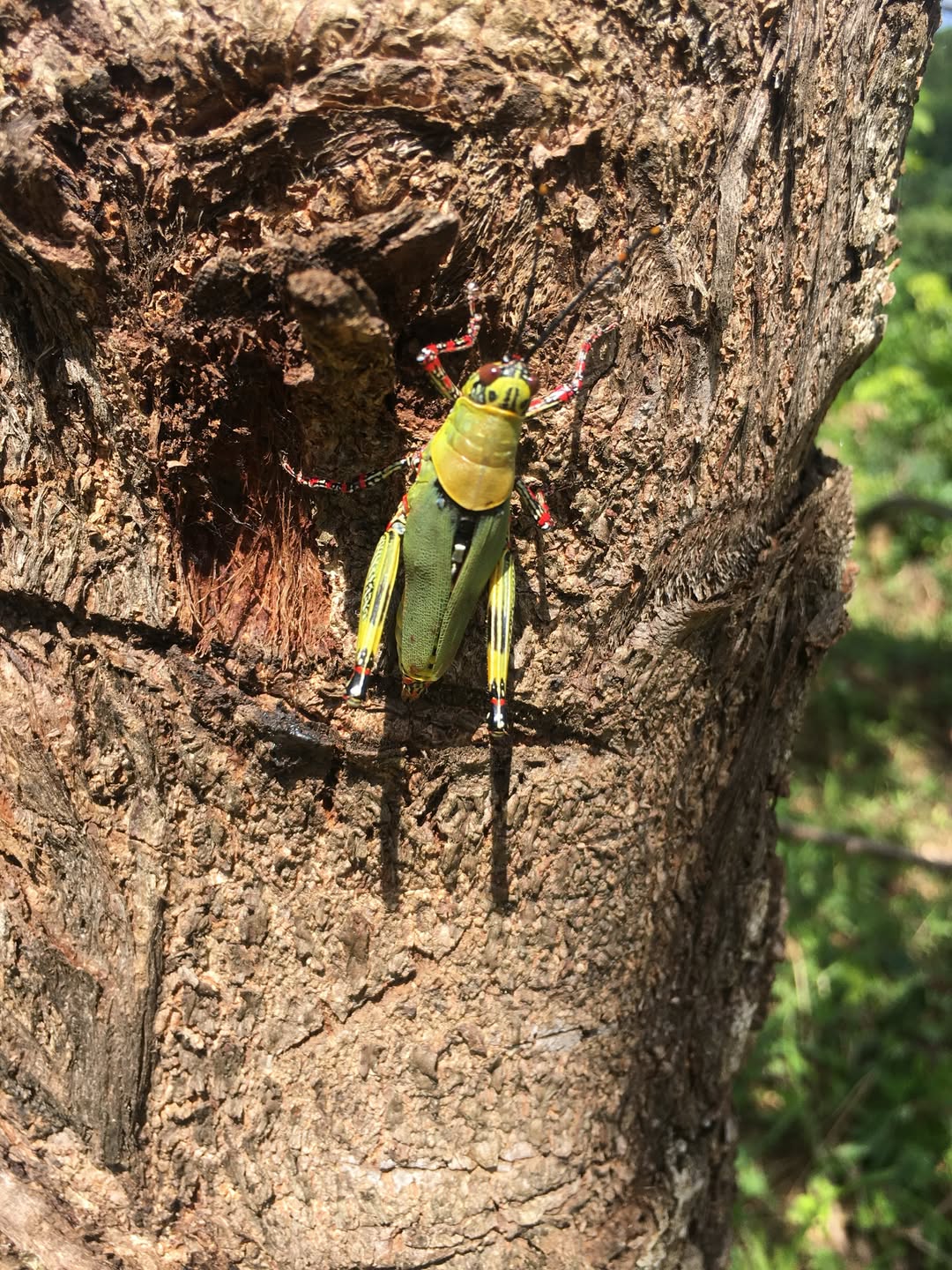
Grasshopper
Tiny jumper, mighty role in the ecosystem 🦗🌿 Spotting this grasshopper reminds us that even the smallest creatures keep Ghana’s biodiversity buzzing.
Taken in Atewa Range Forest Reserve Meet a master of camouflage and a key player in the food web.
Credit:Joana Okoampah
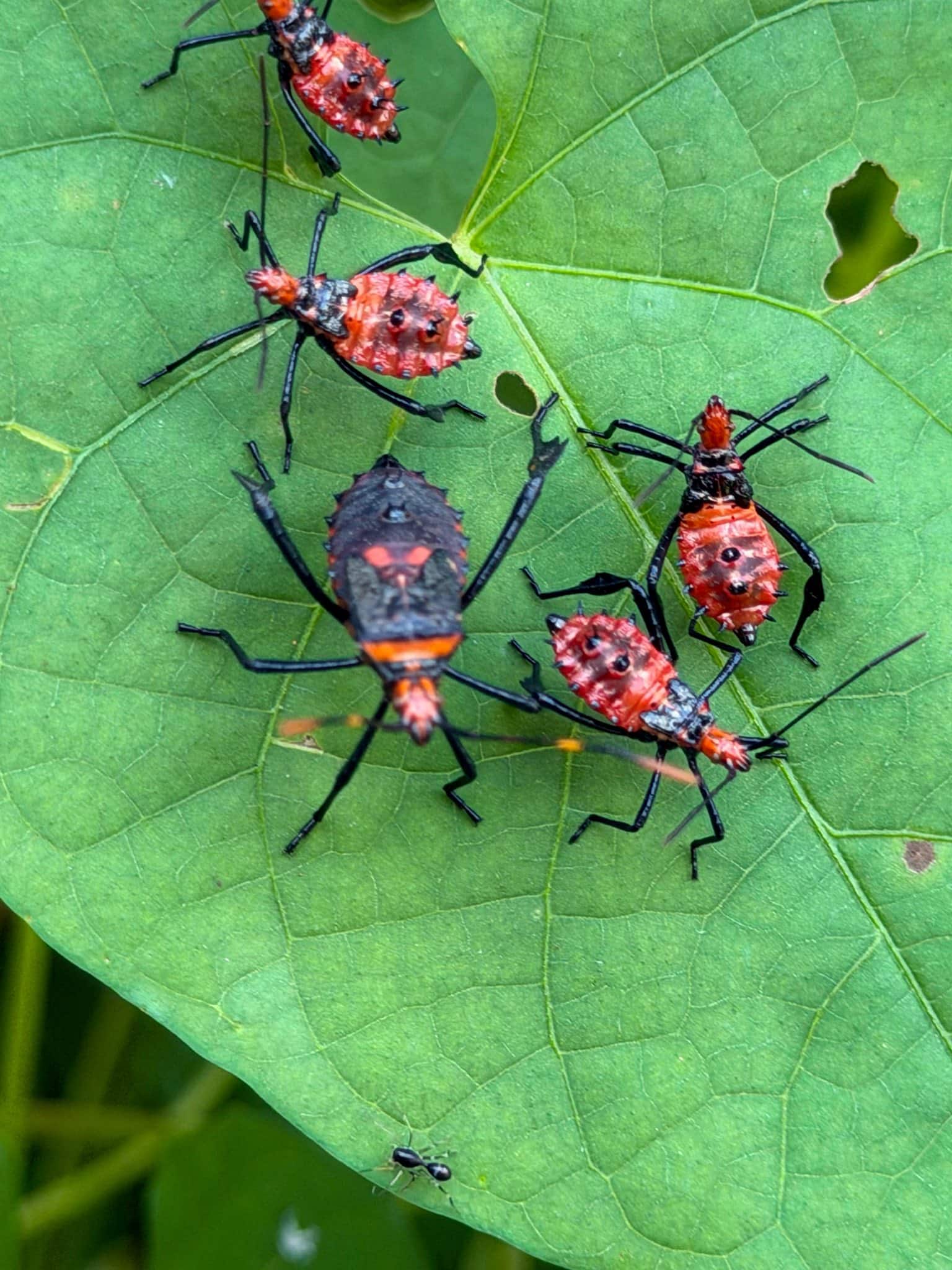
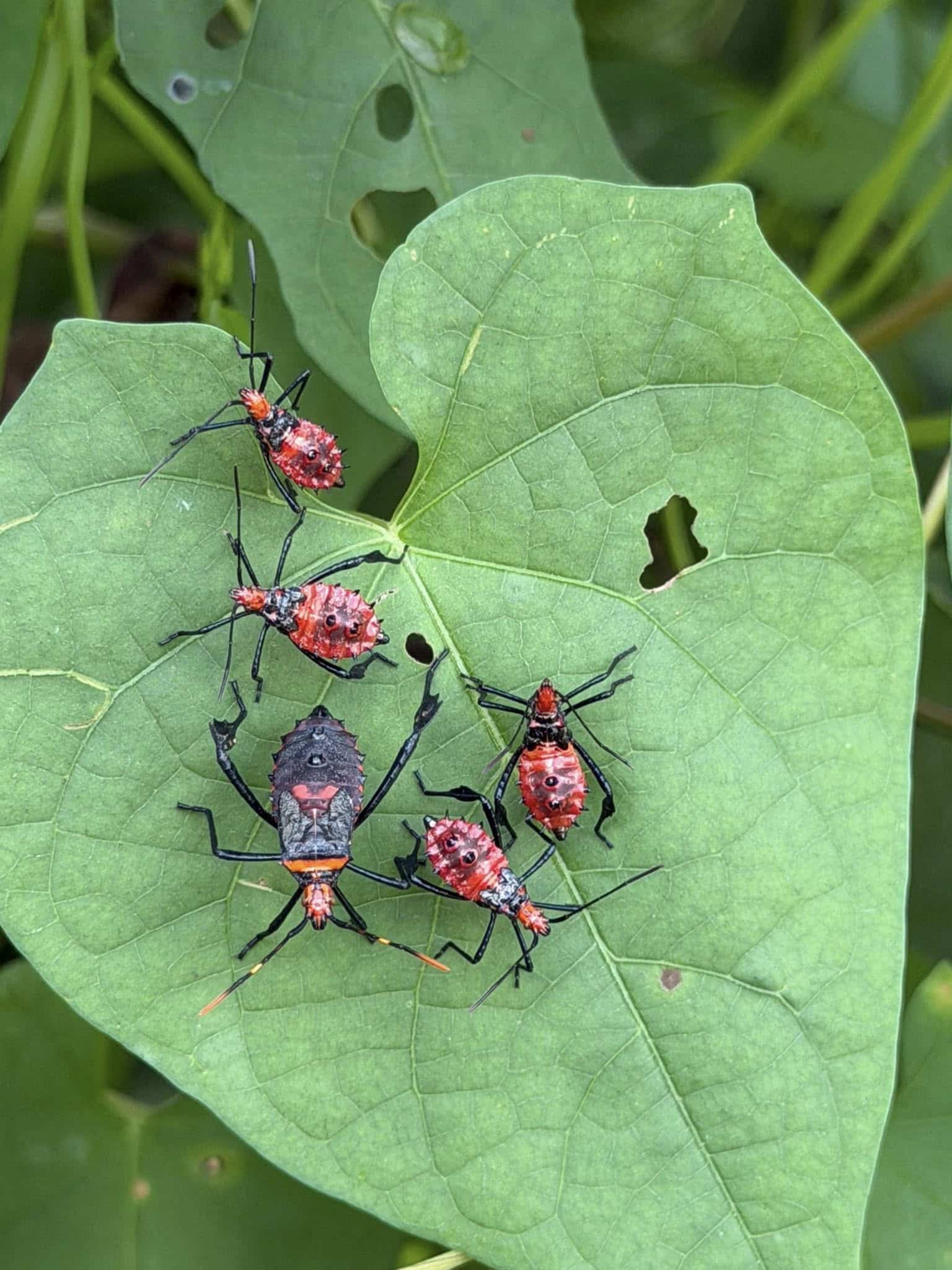
The Citron Bug
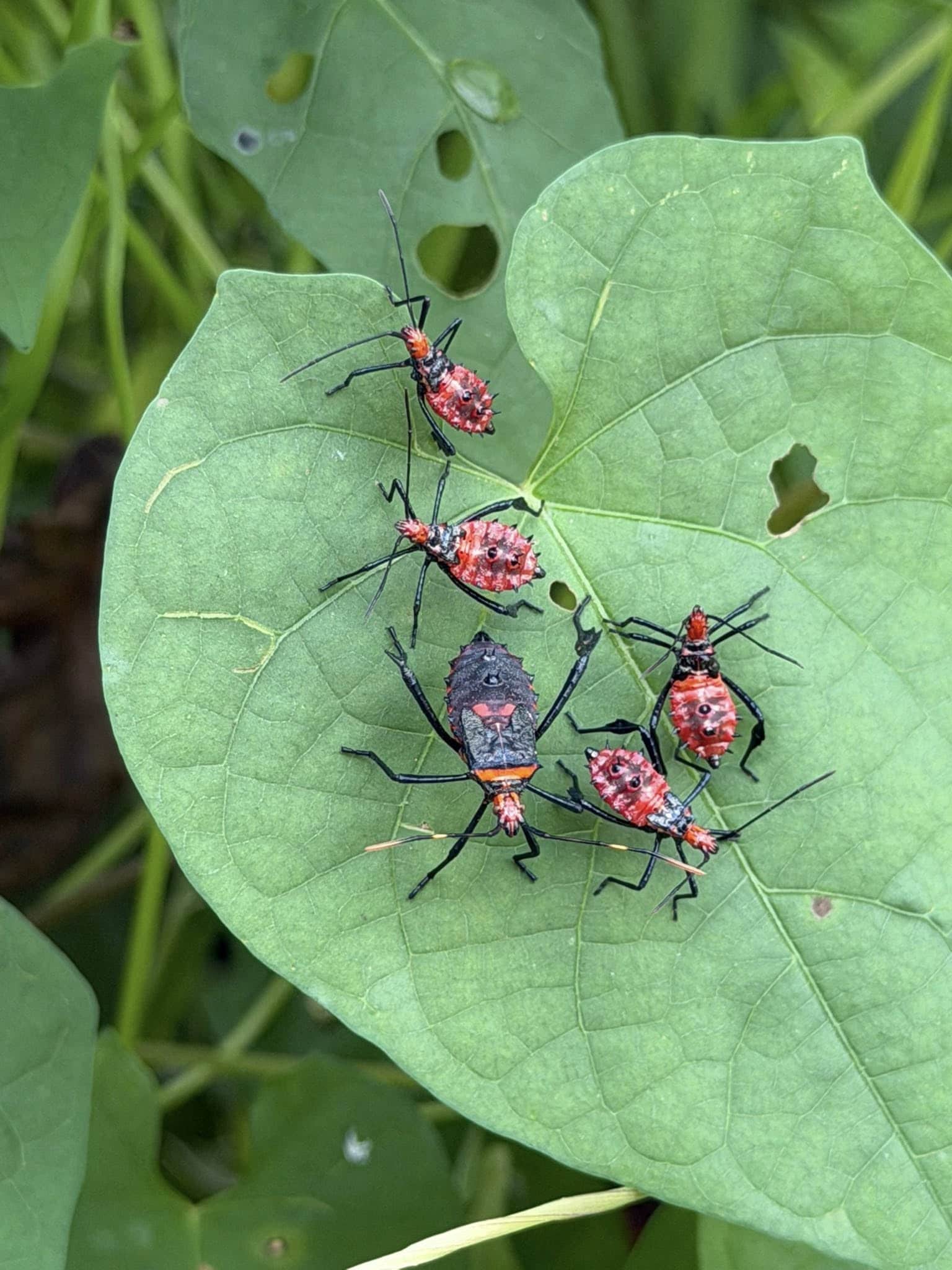
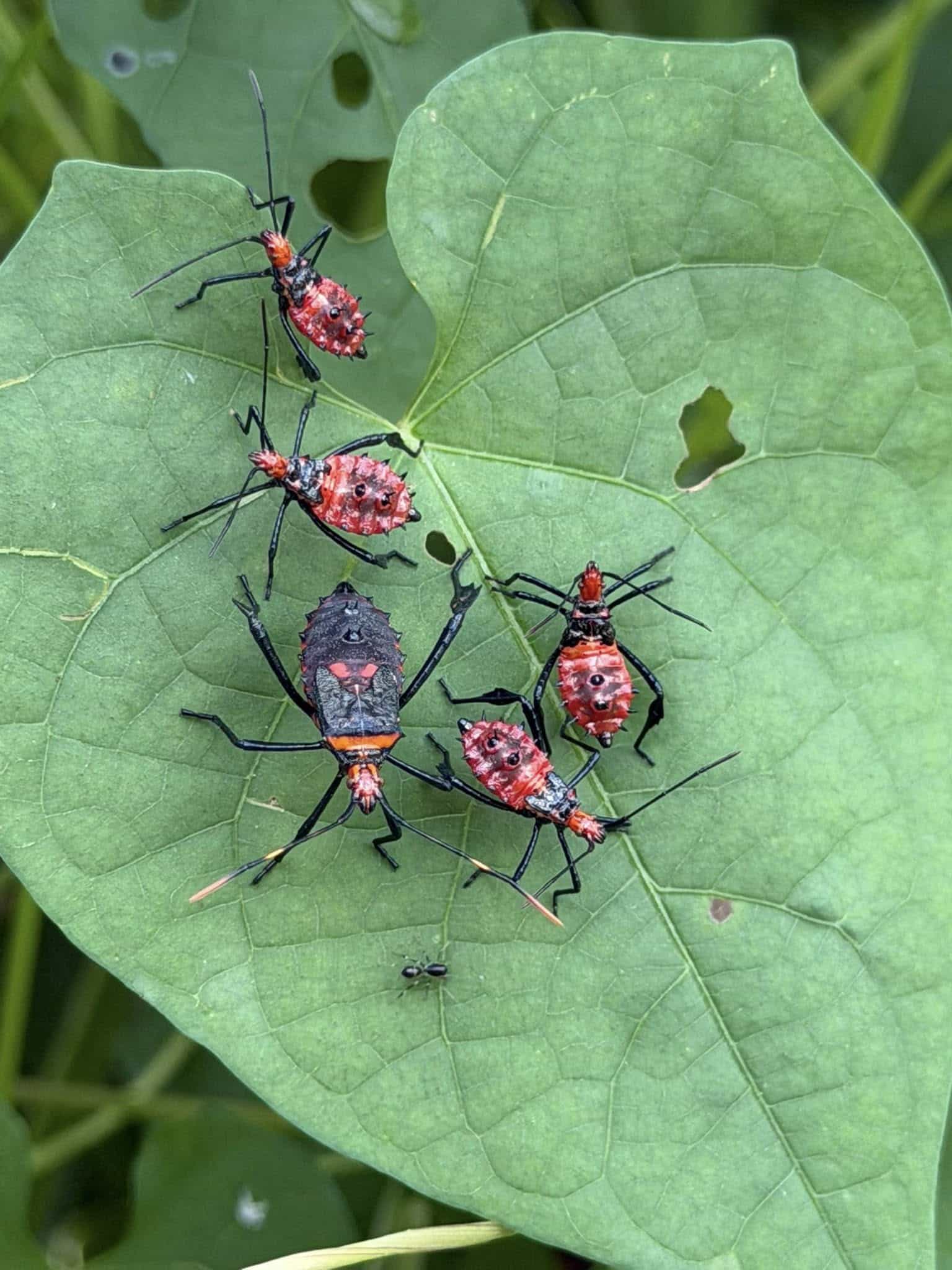
With its striking leaf-shaped legs and banded antennae, the citron bug (Leptoglossus gonagra) is a stylish but devastating orchard traveler.
Using its needle-sharp mouthparts, it pierces ripening fruit to sip the sweet juices inside.
This uninvited snacking causes crops to wrinkle, change color too soon, and drop from the branches early. While they love a sun-drenched citrus grove, these pests are far from picky.They happily feast on avocados, passion fruit, coffee, cacao, and garden vegetables alike.
The citron bug is a global traveler! While it is native to the Americas, it has successfully spread across the warmer regions of the globe,widespread throughout much of sub-Saharan Africa and Madagascar.
Credit: Benedicta Obenewah
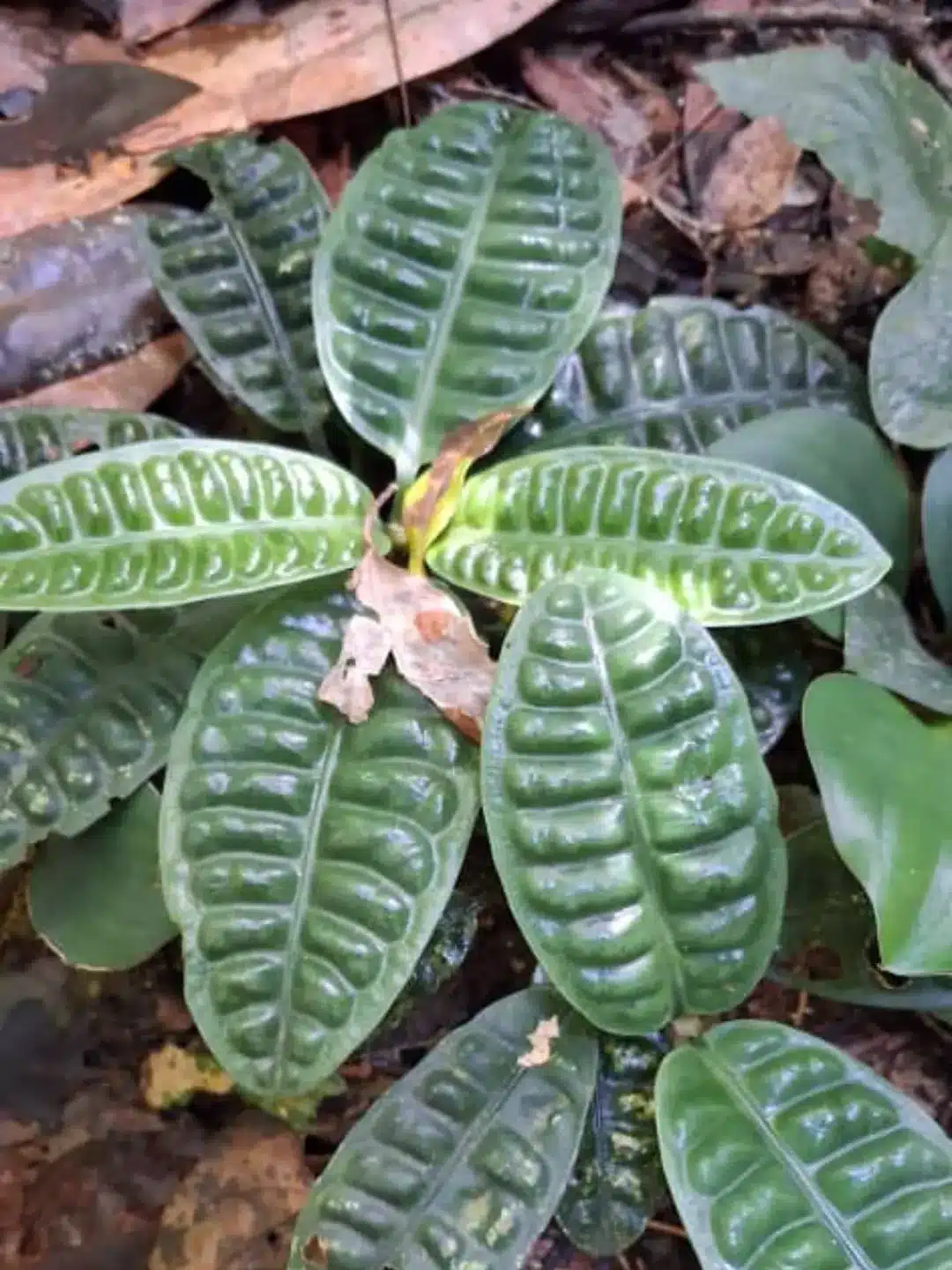
Psychotria ankasensis
Meet Psychotria ankasensis, a tropical subshrub native uniquely to Ghana’s rich biomes.
Protecting rare, local species like this is how we safeguard the planet’s shared future.
Credit:noeghana
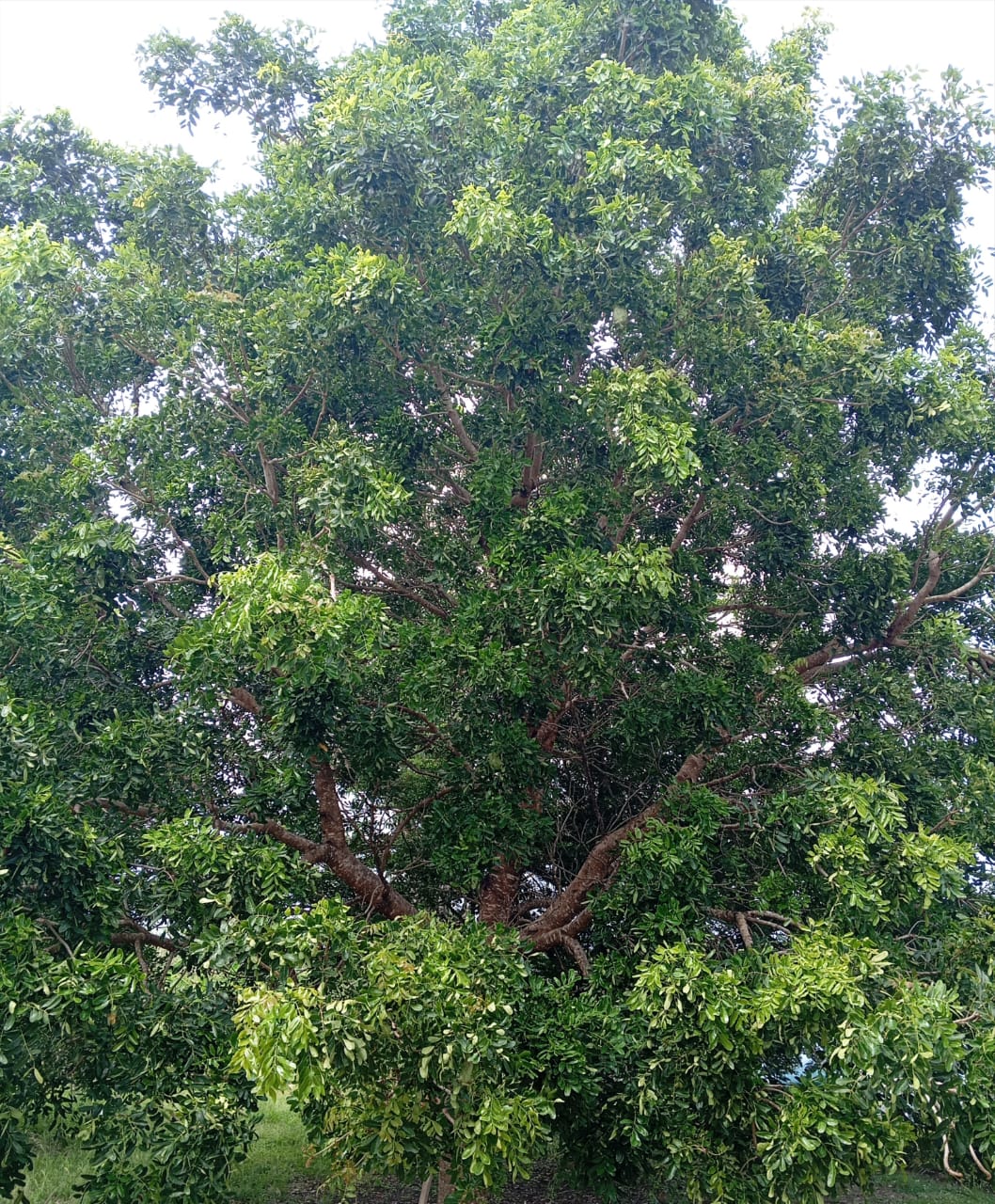
Mahogany
Mahogany (Khaya senegalensis)
The number one used medicinal plant in herbal preparations in Ghana. According to unpublished research of over 2,000 Ghanaian herbal products on the market.
It is classified as a vulnerable plant that needs protection by the International Union for Conservation of Nature (IUCN).
Credit:Alfred Ofori Agyemang
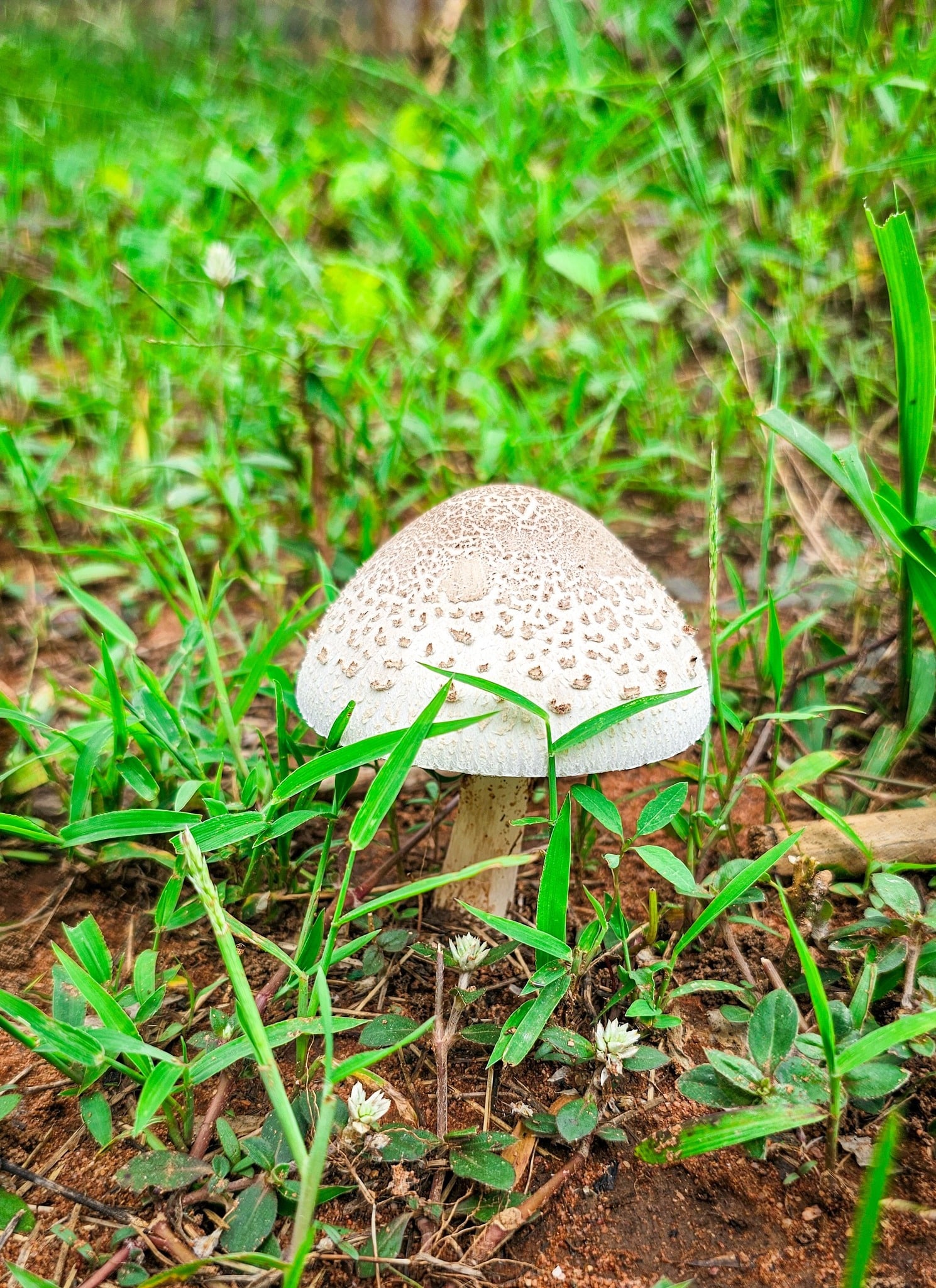
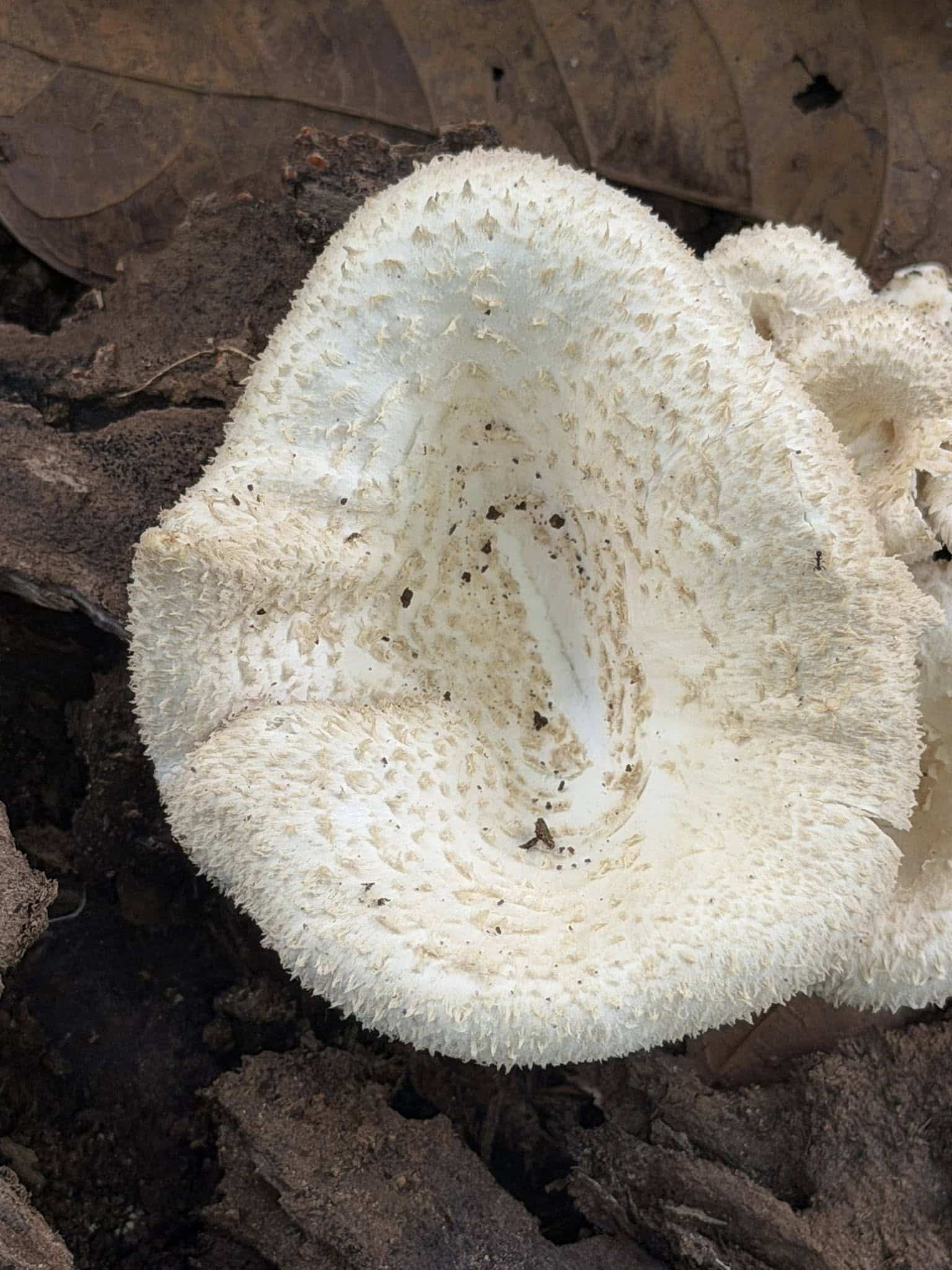
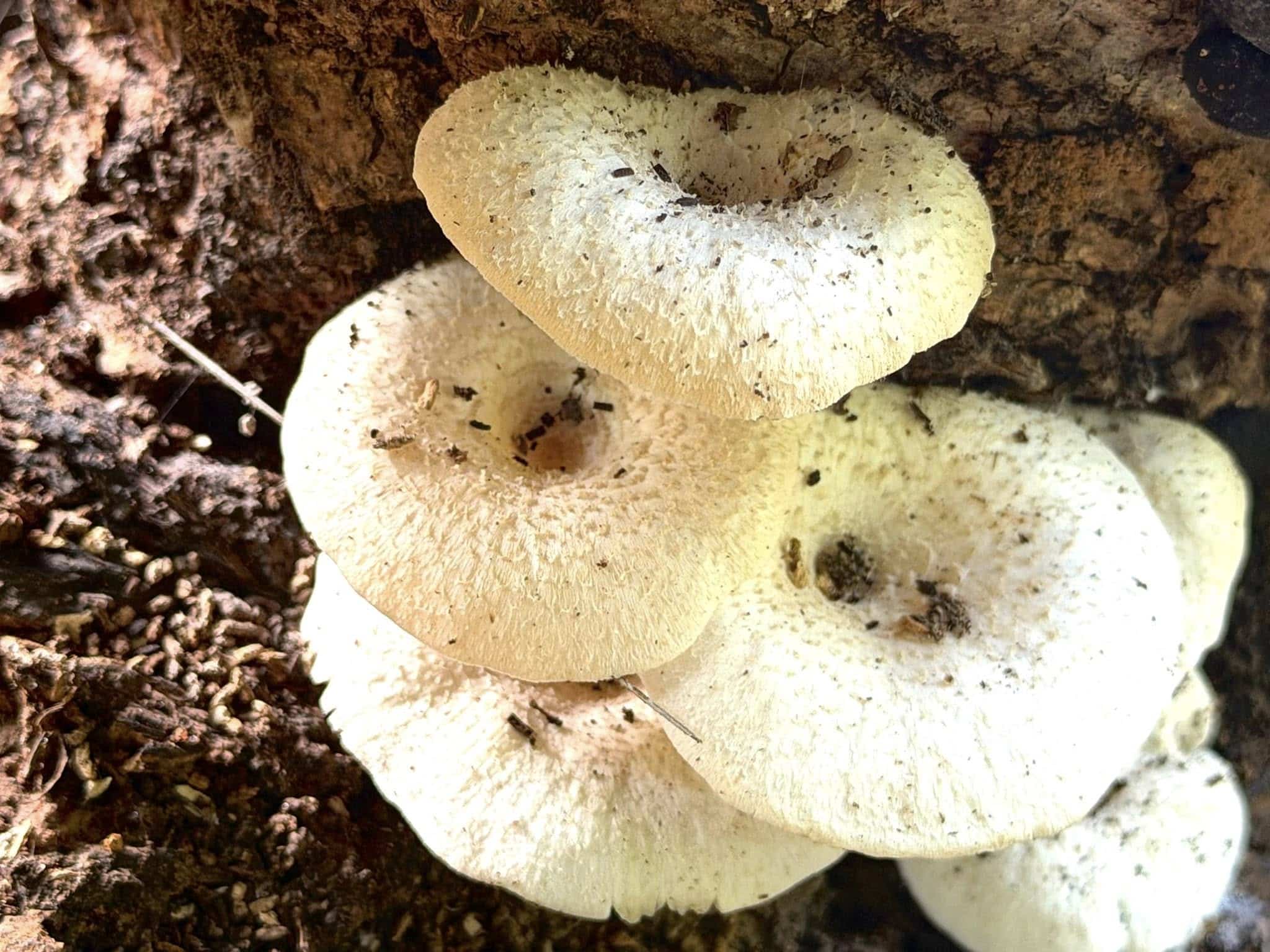
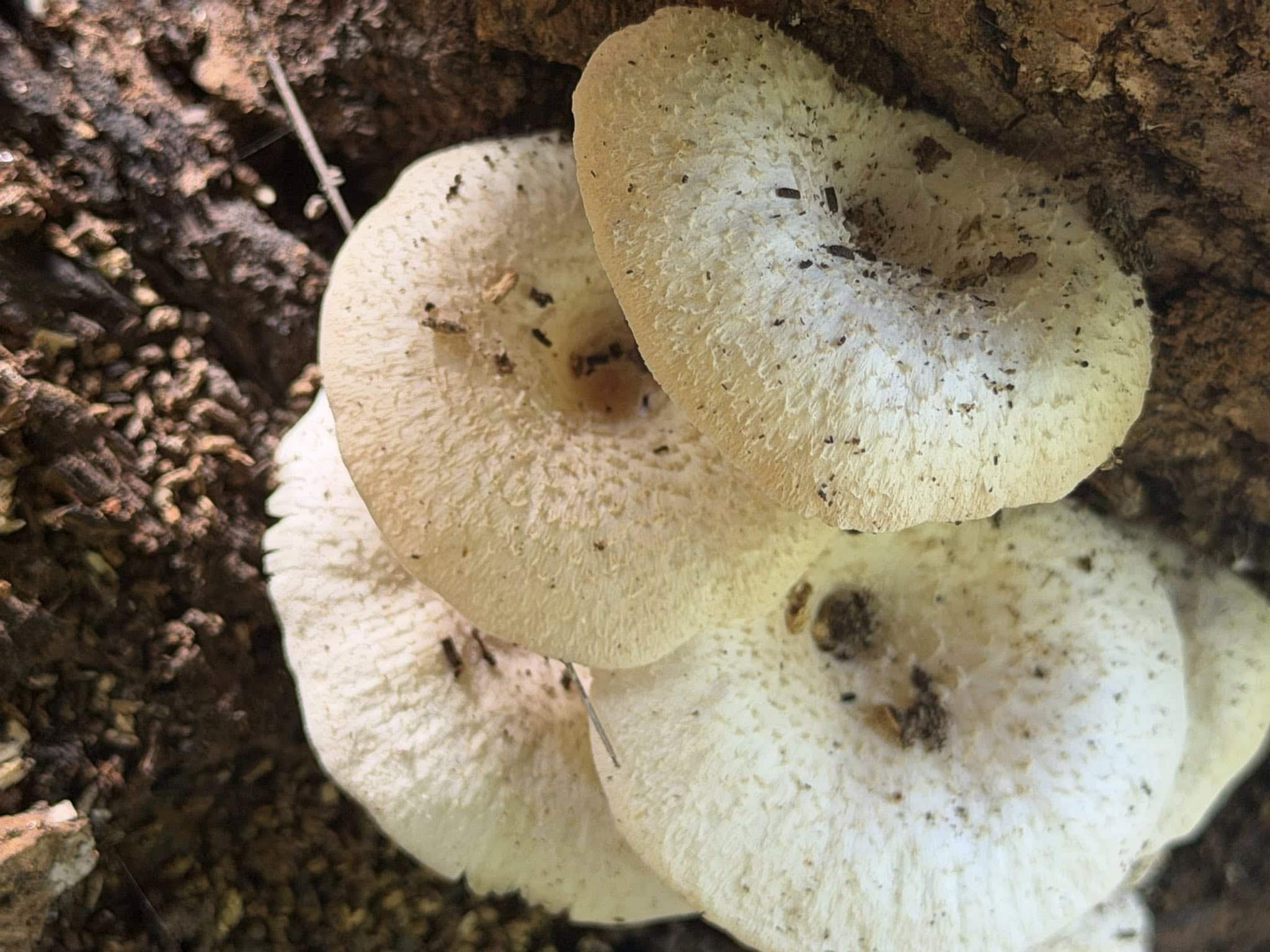
Parasol mushroom or Amanita cokeri?
We received this photo from Mustapha Dauda, but we are not sure what species of mushrooms this is. We are torn between a Parasol mushroom (Macrolepiota procera) and an Amanita cokeri. Let us know if you are able to identify it.
Credit:Mustapha Dauda
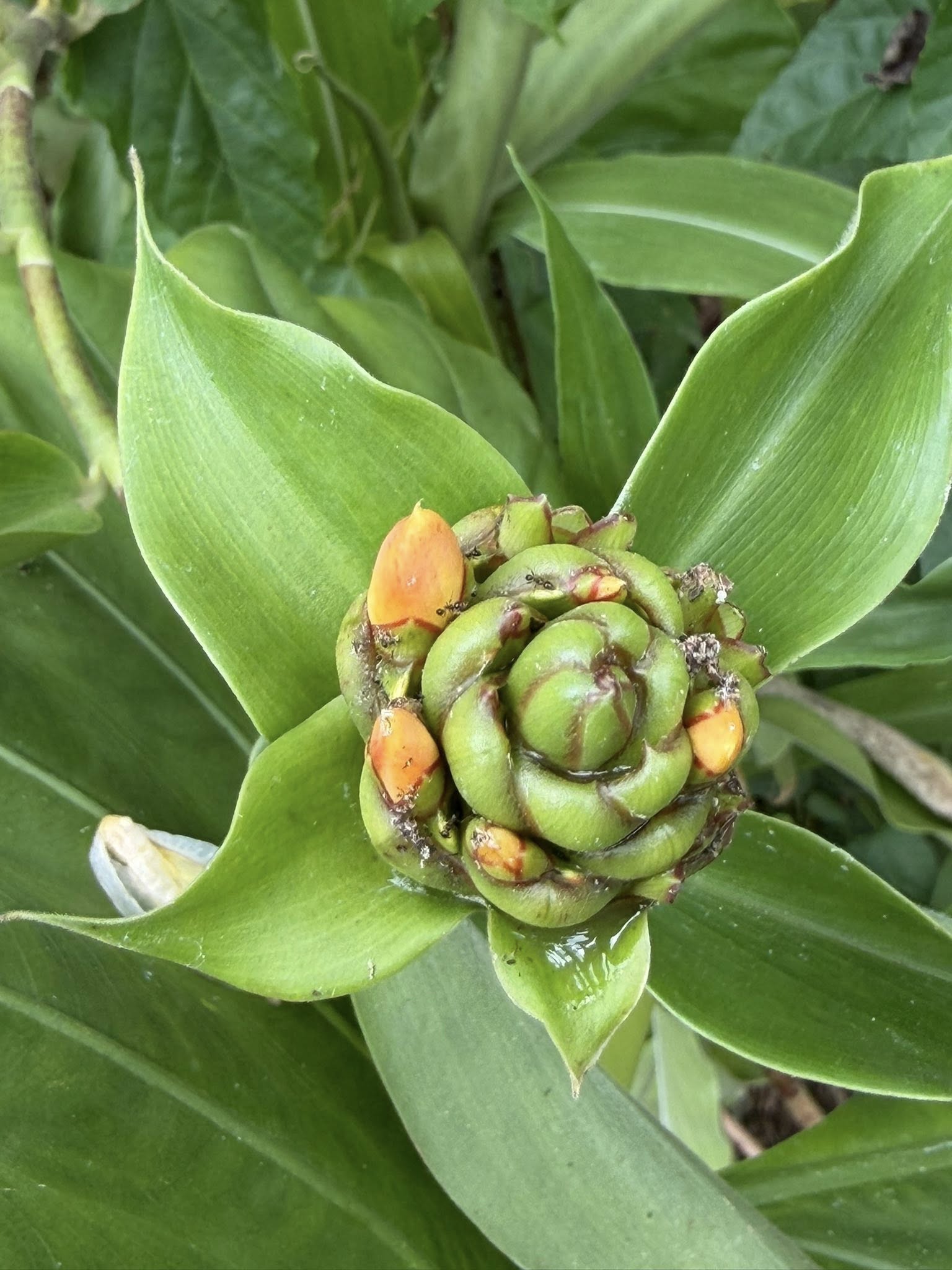
Costus dubius
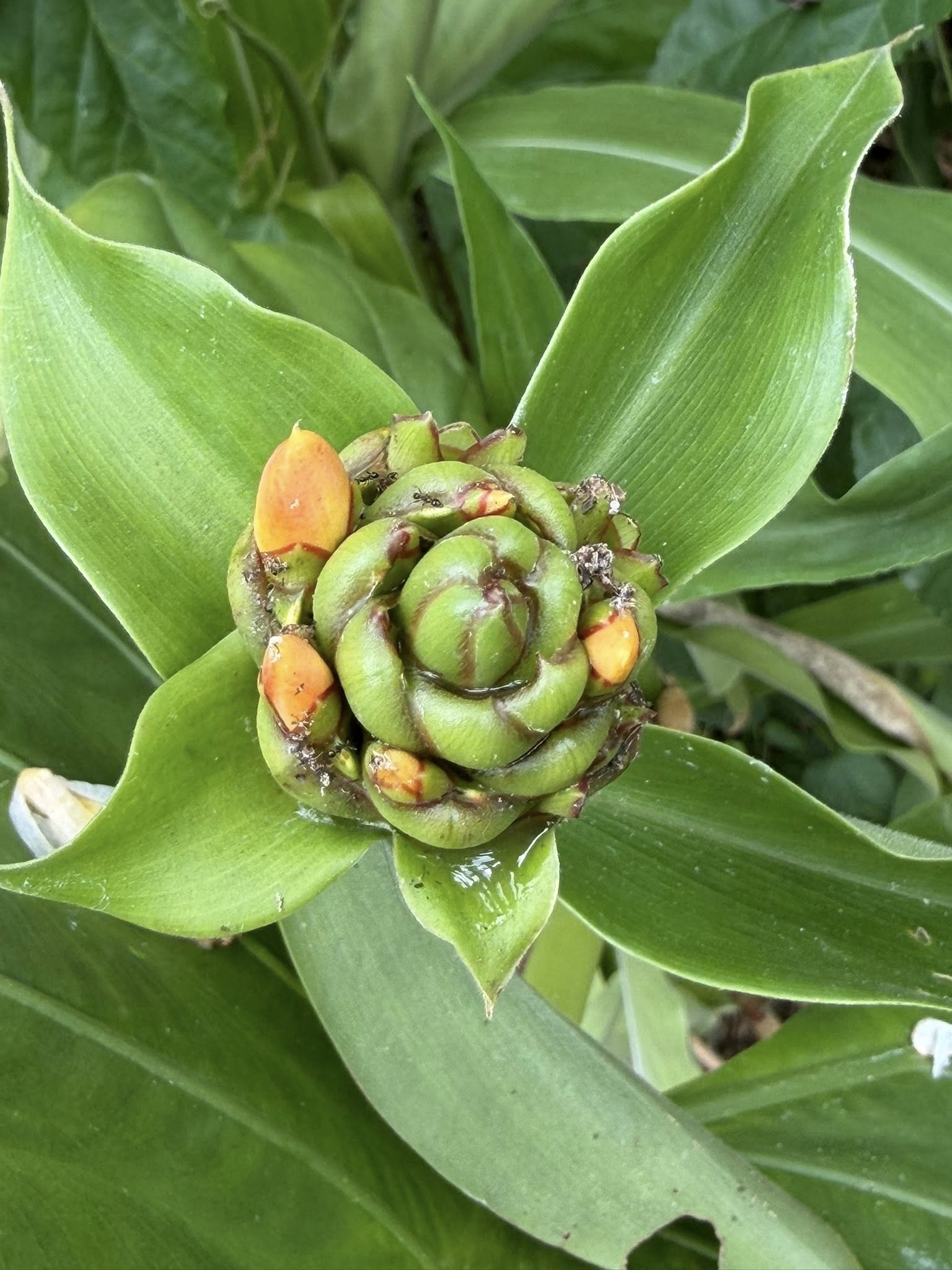
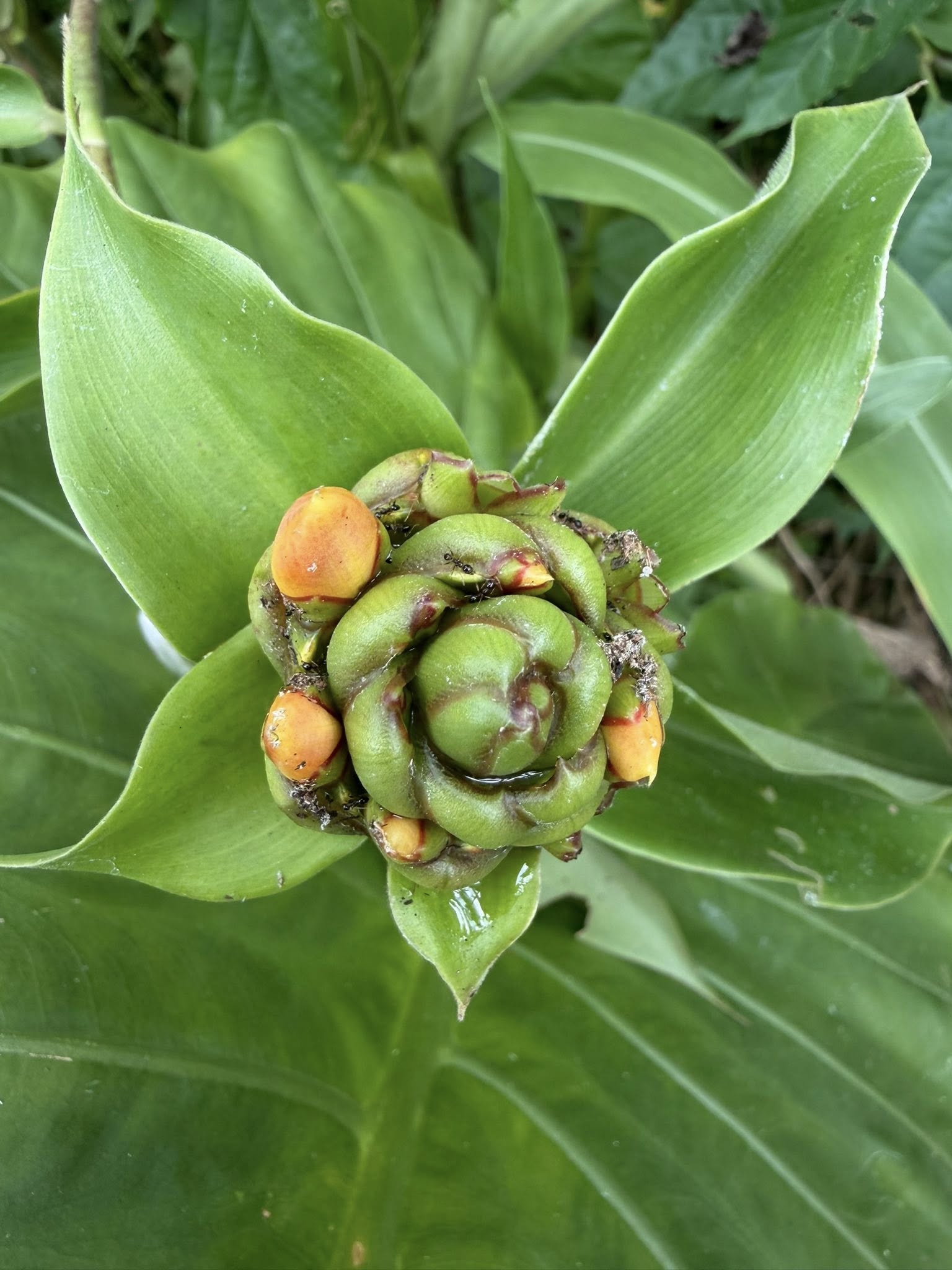
Costus dubius, also known scientifically as Costus albus, is a fascinating spiral ginger native to West and Central Africa. With its broad, gracefully spiraled leaves and eye-catching white flowers, this plant stands out beautifully in the tropical forest understory.
Beyond its beauty, the species plays an important role in both nature and traditional medicine. In parts of West Africa, including Guinea, its leaves and stems are commonly used in ethnomedicine to help relieve coughs and are traditionally believed to possess antipox properties.
The plant is also valuable to wildlife — its tender young shoots and leaves serve as a natural food source for primates such as the West African Chimpanzee, highlighting its importance within the forest ecosystem.
Credit:Benedicta Obenewah
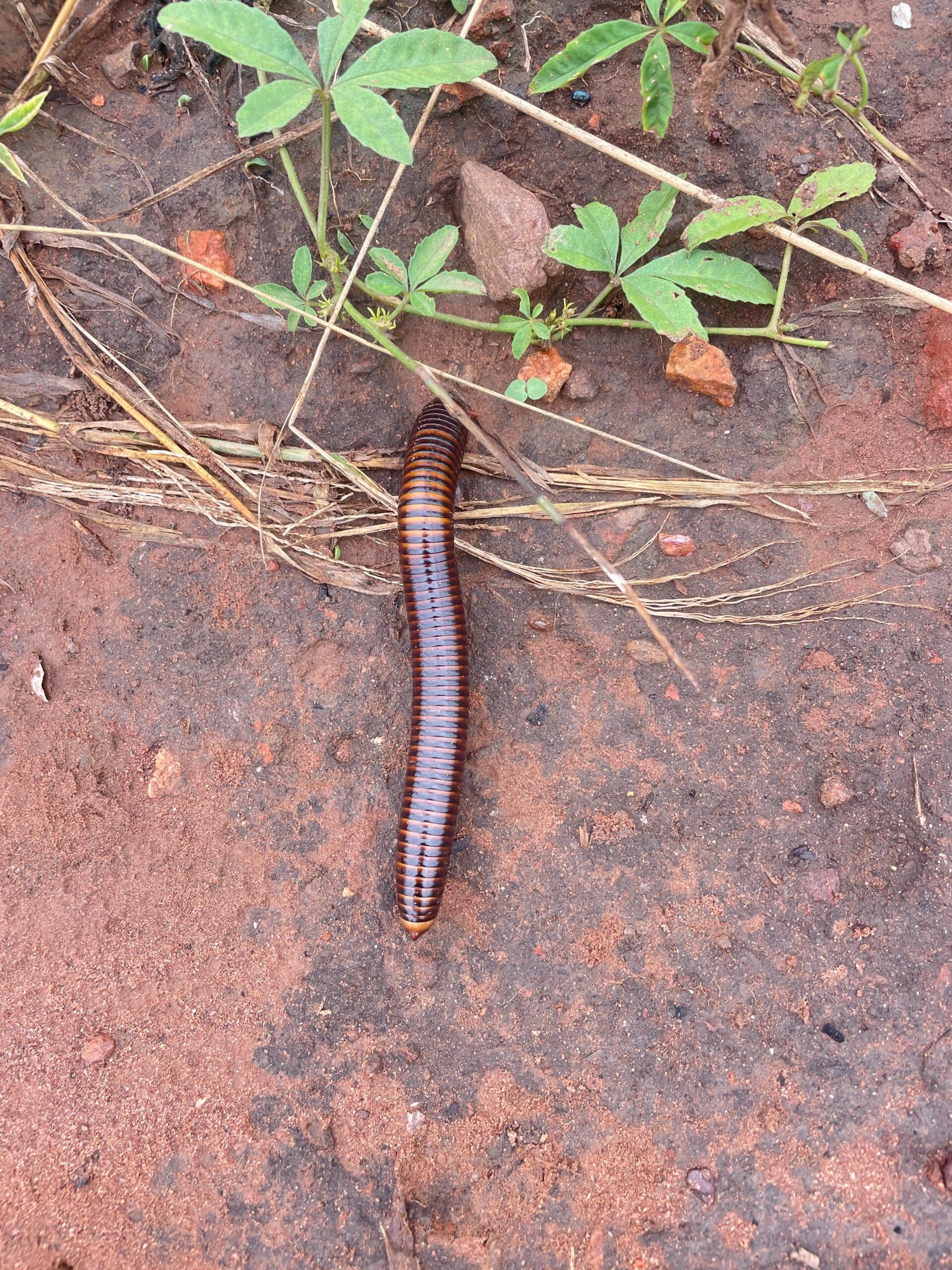
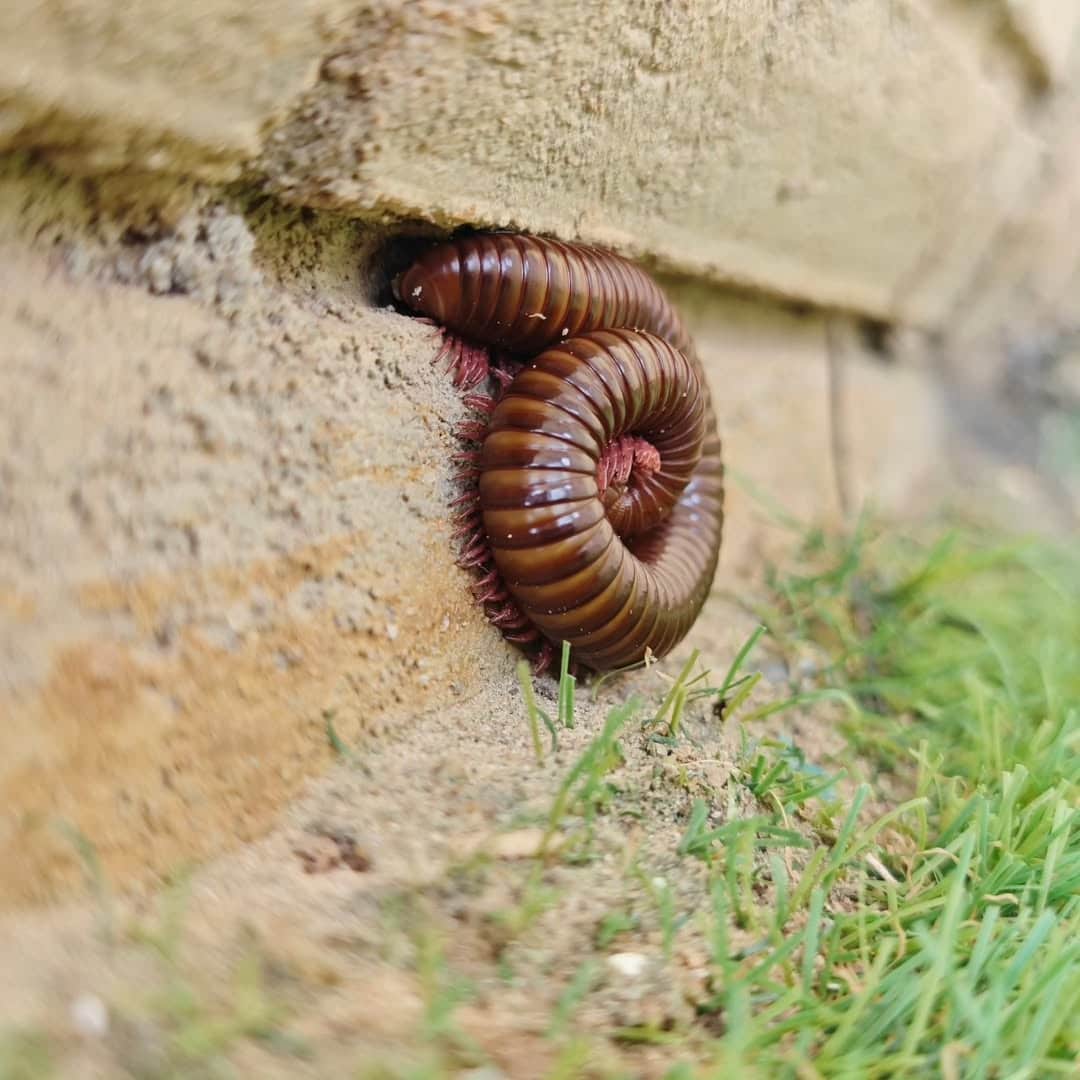
African Giant Millipede
After a long night of rainfall in Akwamu Kwanyarko, the morn comes and out of the soil comes this beautiful African Giant Millipede. Rushing off while the soil is still moist and soft, so it can burrow, twist, turn and play happily. But then the farmer benefits the most because his field will be aerated, biomass decomposed and soil ready to receive his seeds.
Credit:Glorious Emmanuella
Jesse Joey Nkansah
Jesse Joey Nkansah is a passionate photography enthusiast with a keen eye for nature’s beauty. He was kind enough to share a stunning collection of photographs with us through #Snap4Biodiversity, capturing the incredible wildlife and natural wonders that surround us.
Take a moment to immerse yourself in these remarkable images and appreciate the rich biodiversity that makes our environment so special. Every photograph tells a story and reminds us why protecting nature matters.
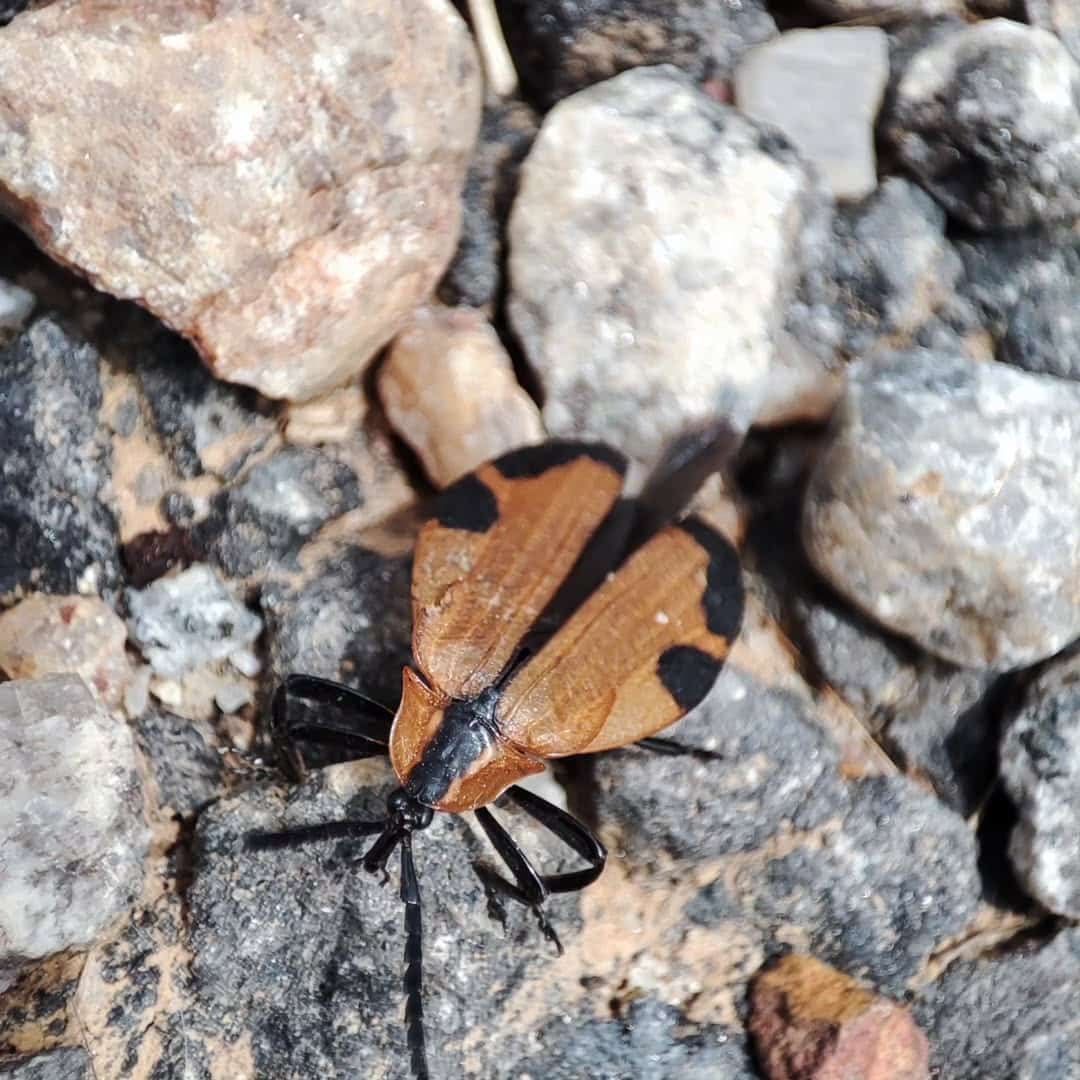
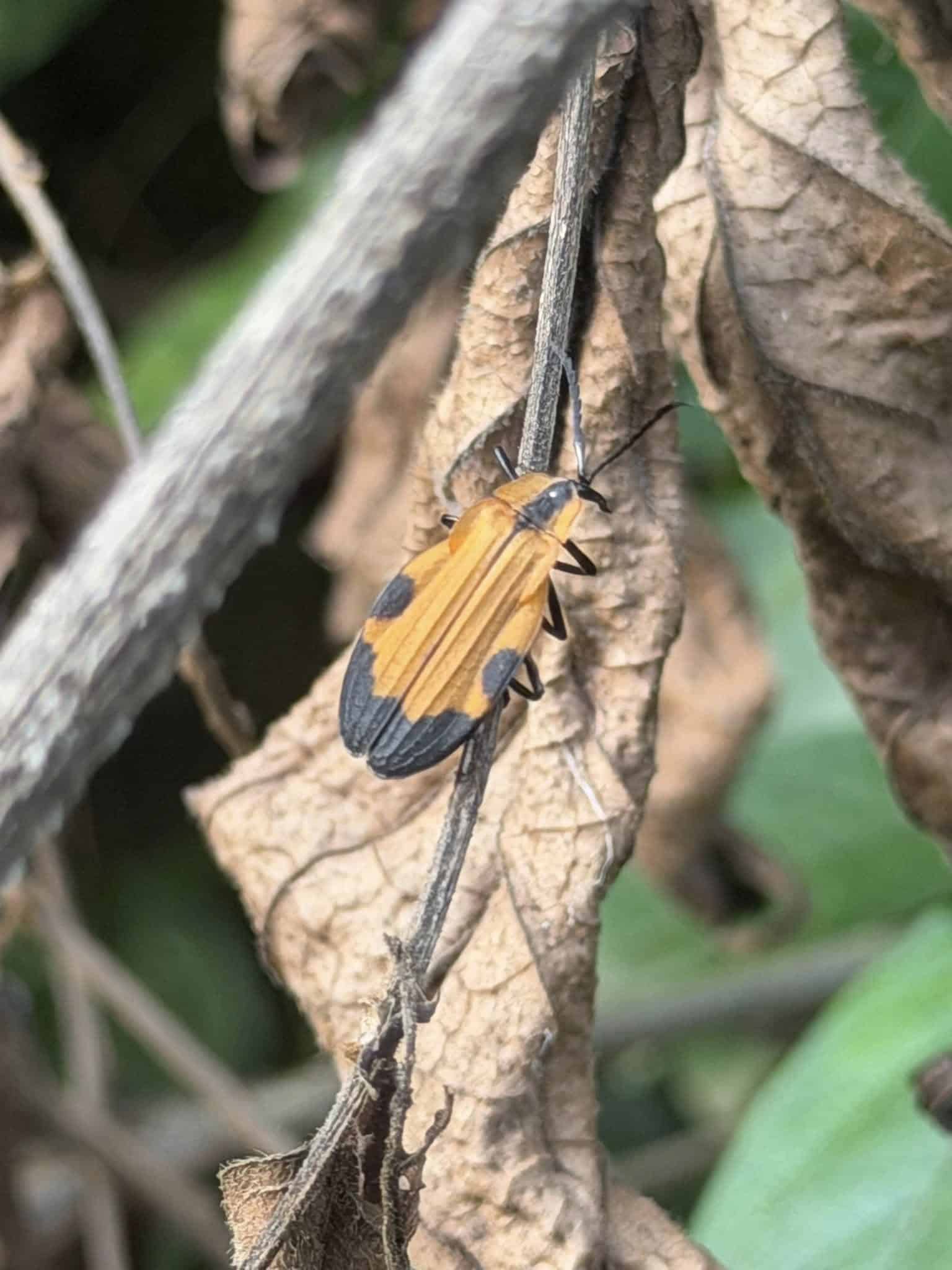
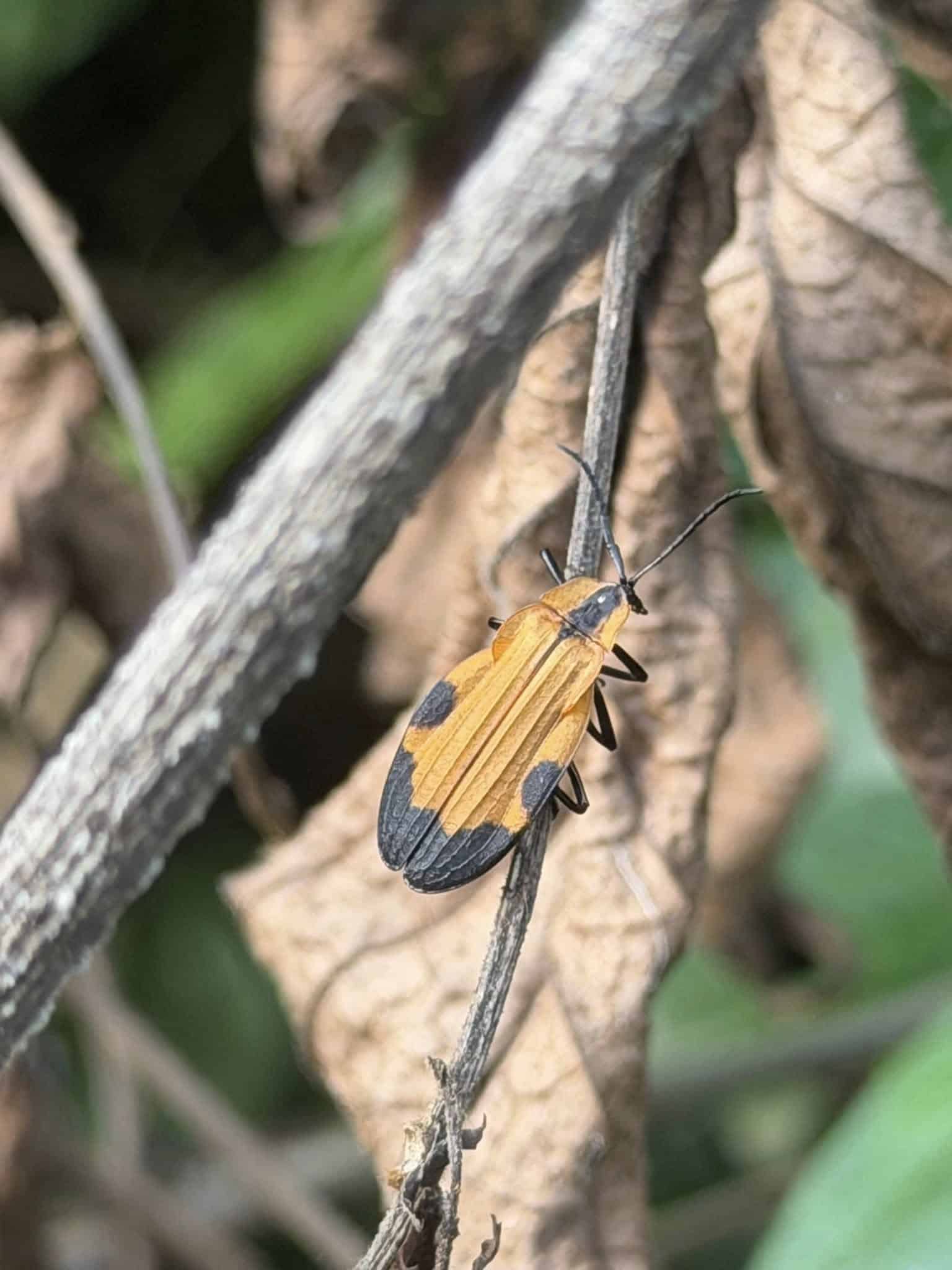
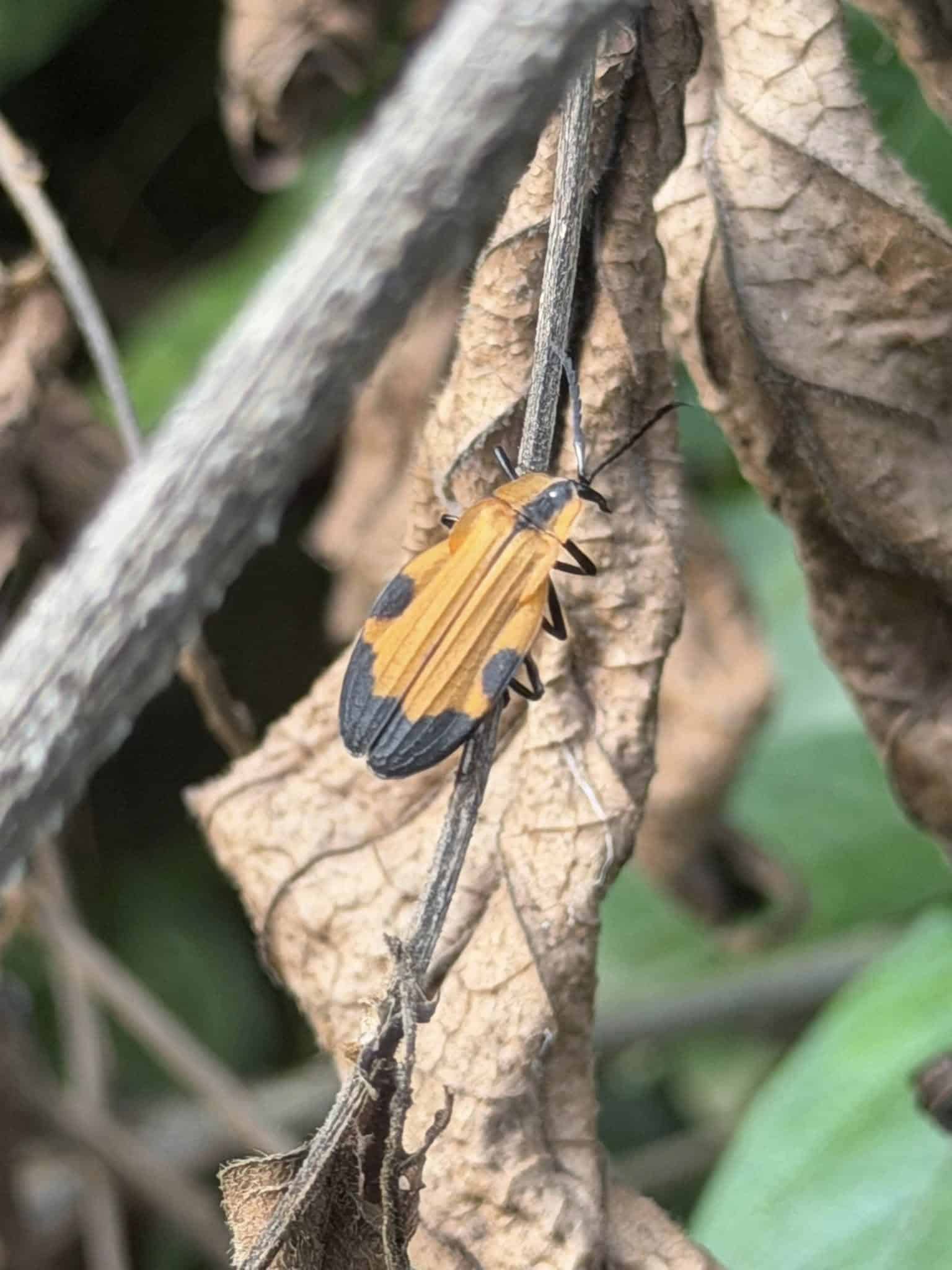
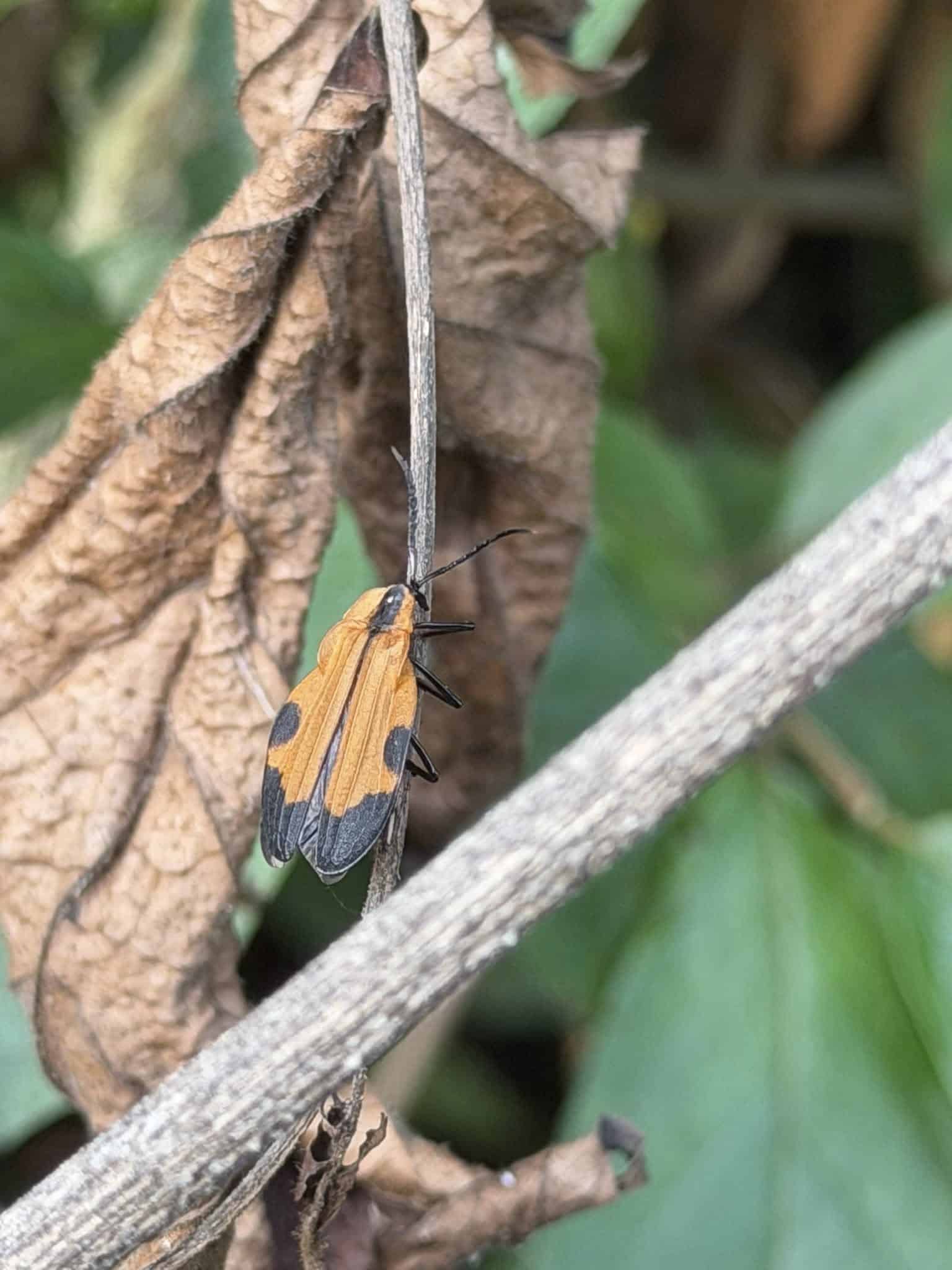
This a beautiful photograph of Lycus latissimus, a net-winged beetle from the Lycidae family.It is native to parts of West and Central Africa. Credit:Benedicta Obenewah
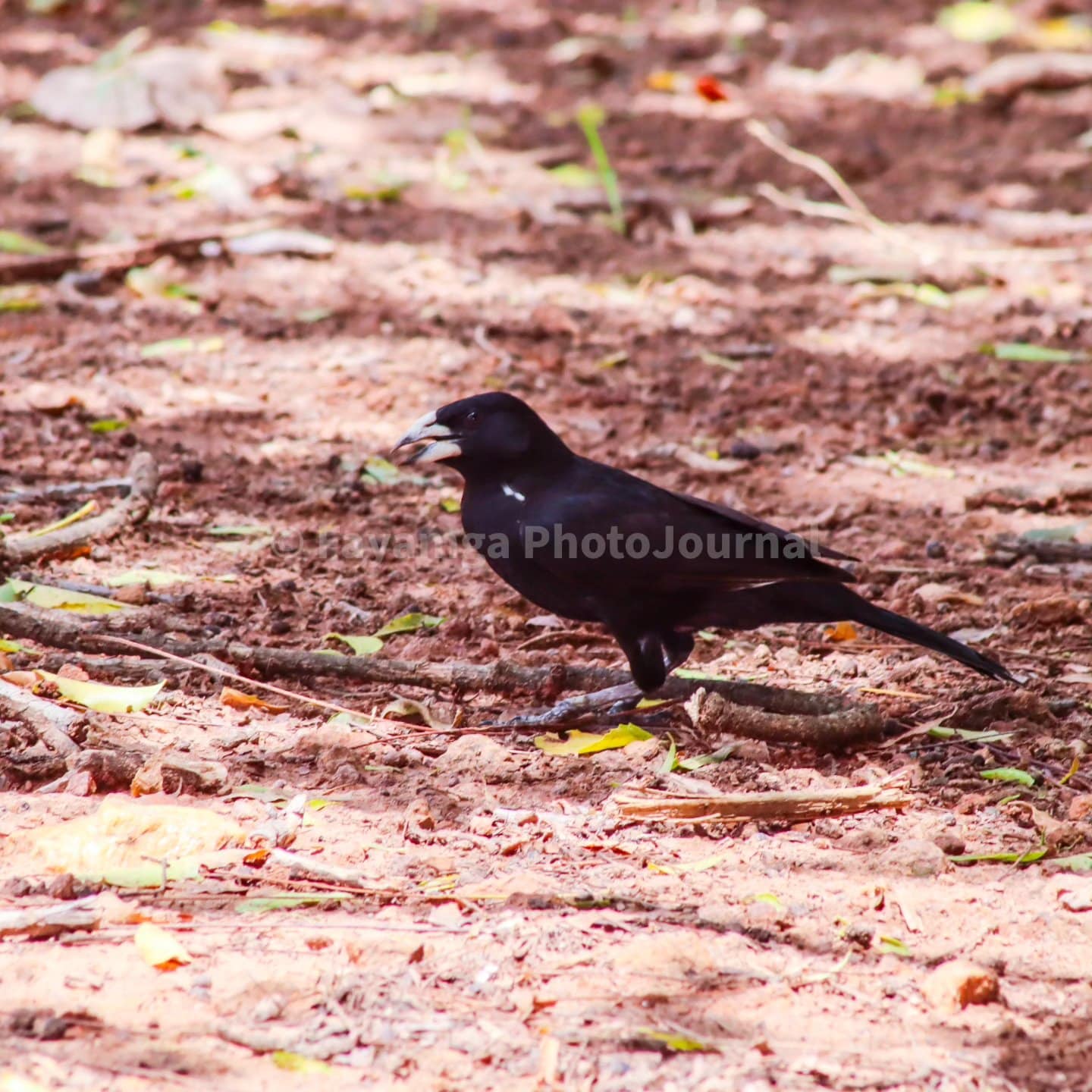
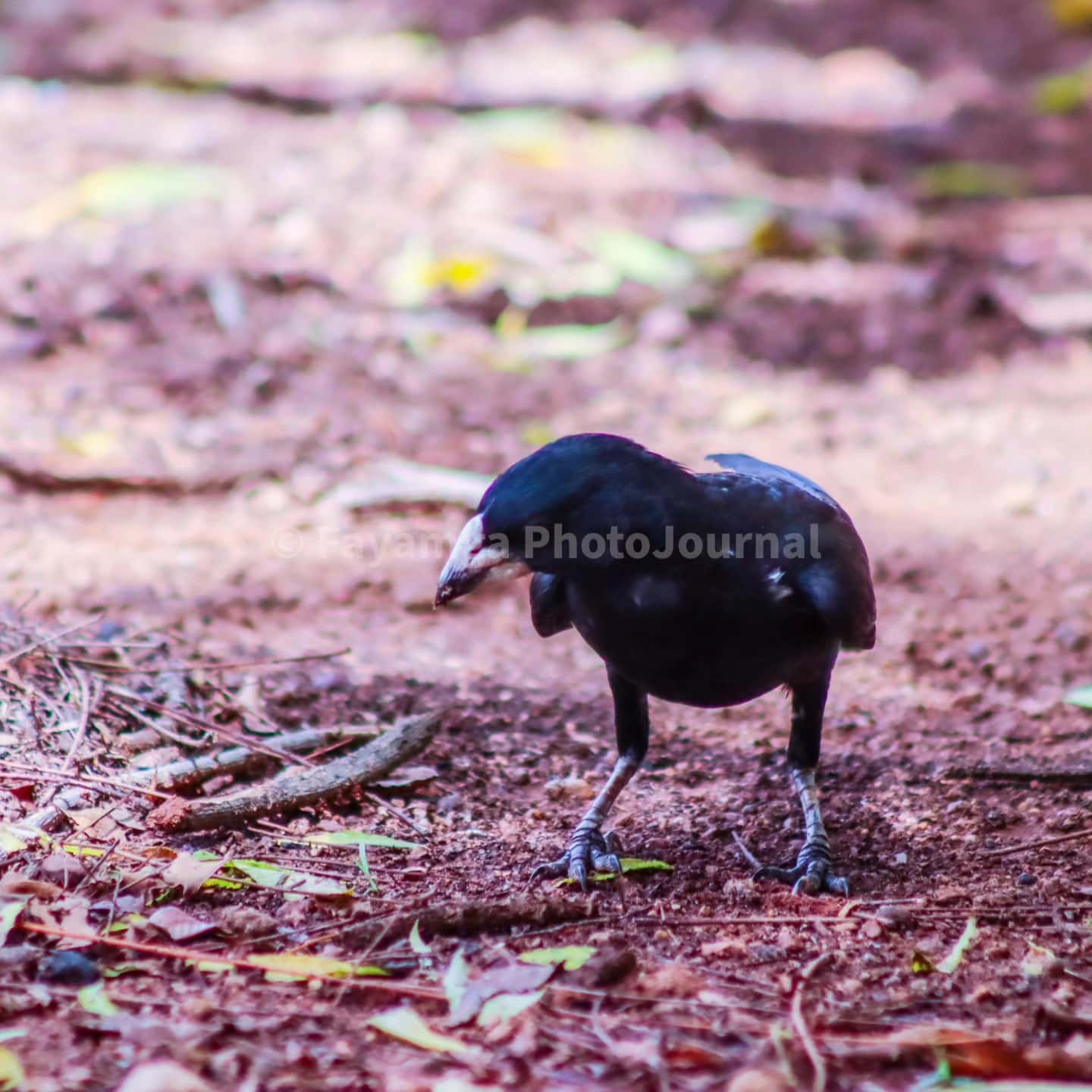
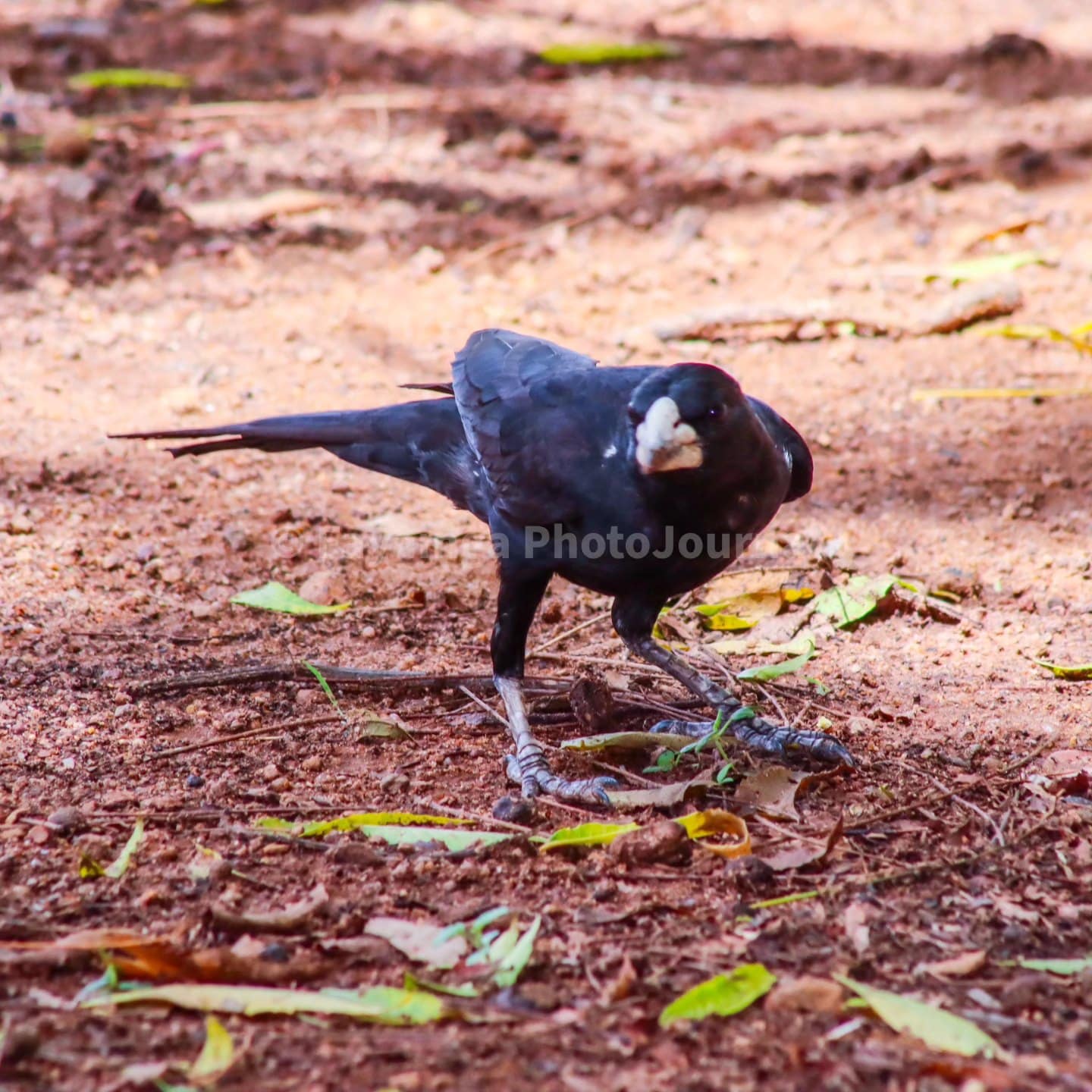
Black Bucherbird
Credit: Ayamga Bawa Fatawu
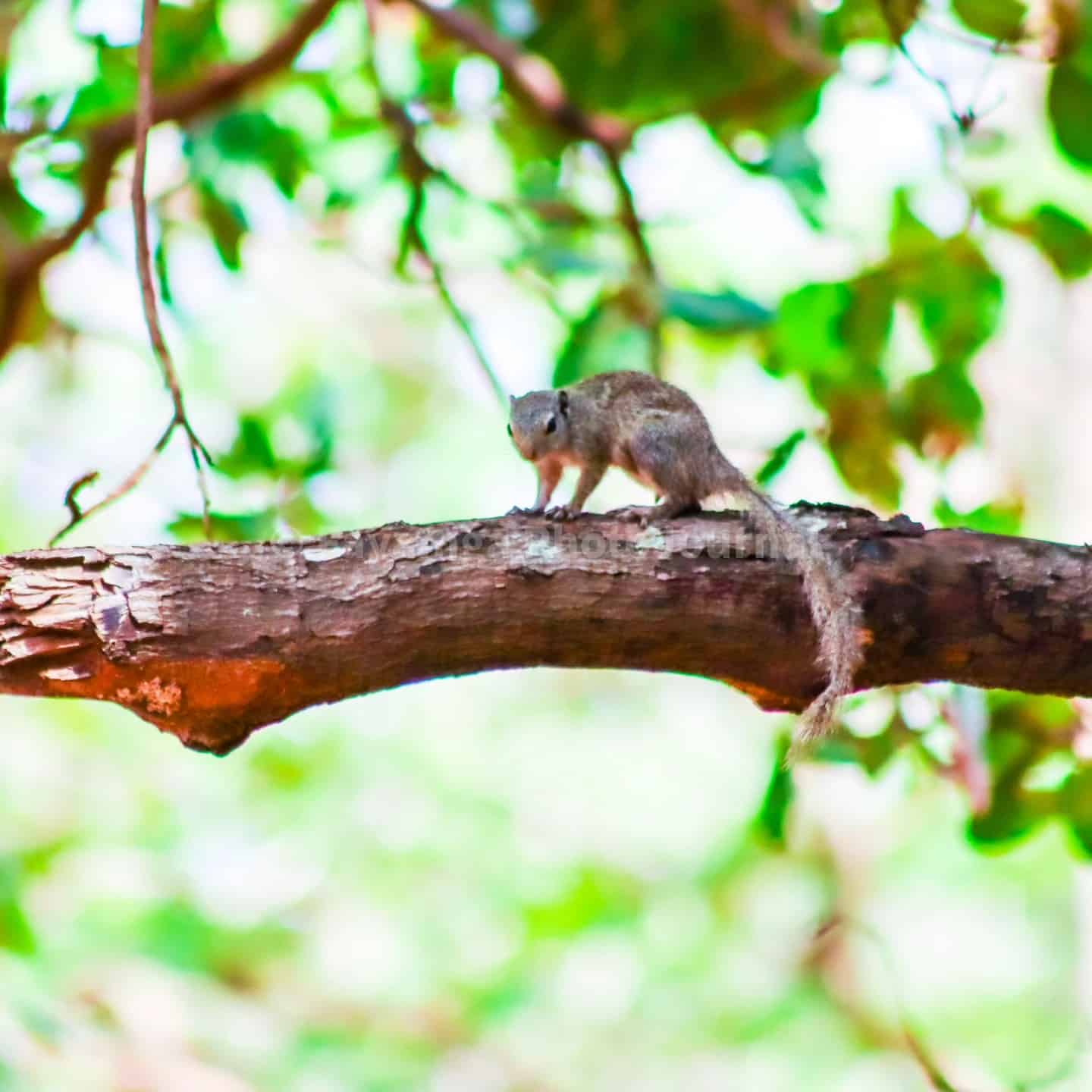
Grey Bellied Squirrel
Credit: Ayamga Bawa Fatawu
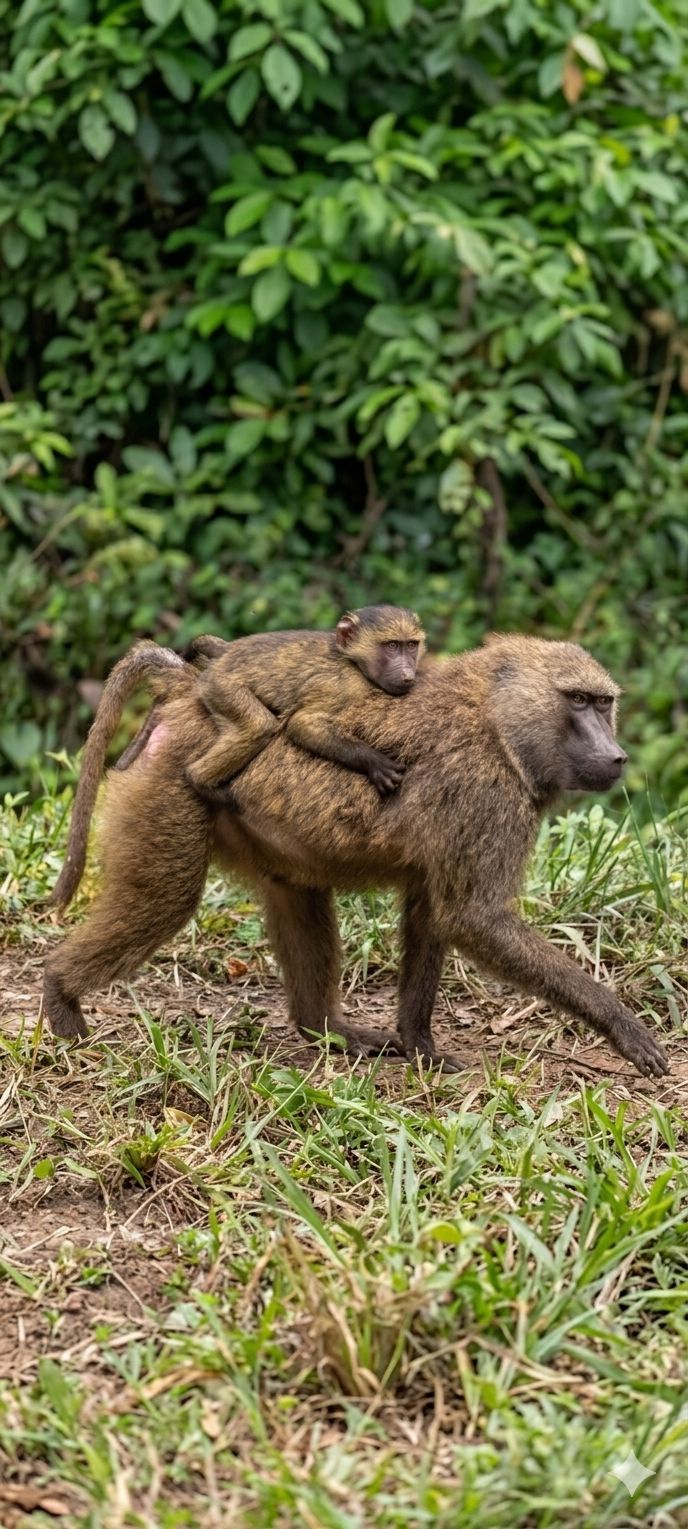
Olive baboon (Papio anubis)
Olive baboon (Papio anubis) carrying her infant on her back captured at Mole National Park at savannah region, Ghana.
Olive baboons are intelligent and highly social primates that live in groups called troops, communicating through sounds, social expressions, and body movements. Beyond their playful and mischievous nature, they play an important role in seed dispersal, ecosystem balance, and the food chain.
From their funny facial expressions to the energetic play of young baboons, these remarkable animals remind us of the beauty and the importance of wildlife.
Credit: Azoe Fataw
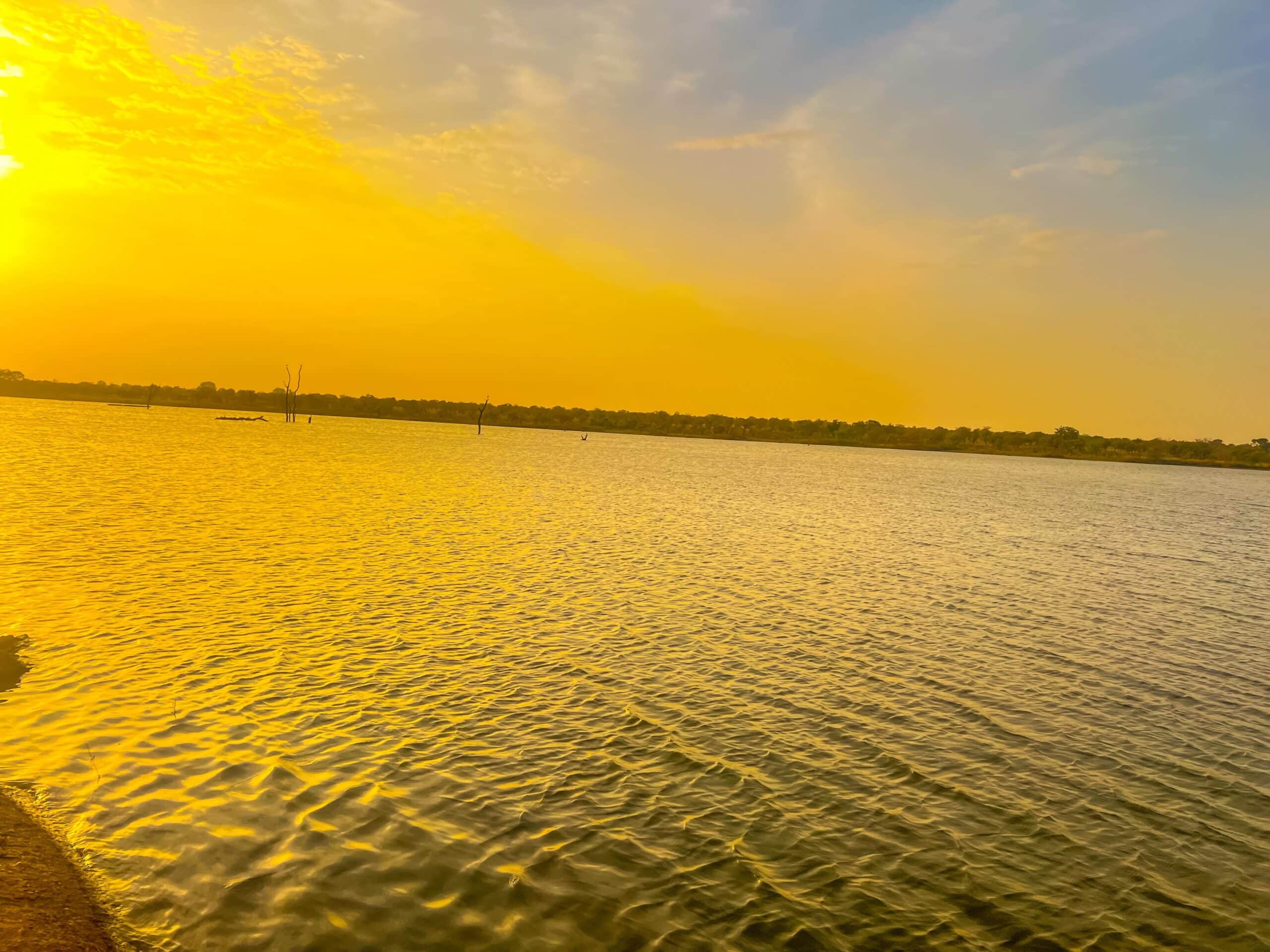
Sunset in Northern Ghana
Credit:Ayamga Bawa Fatawu
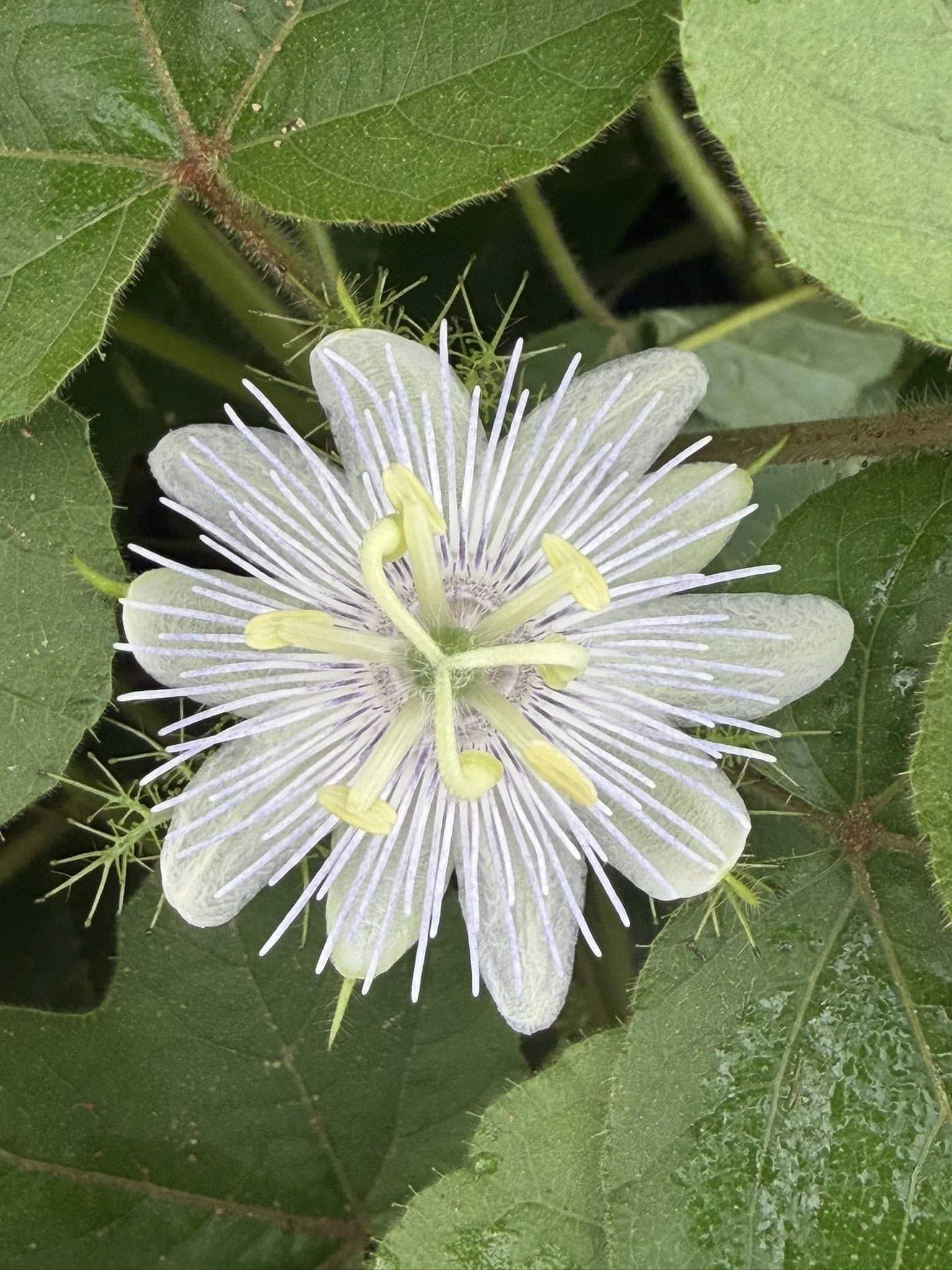
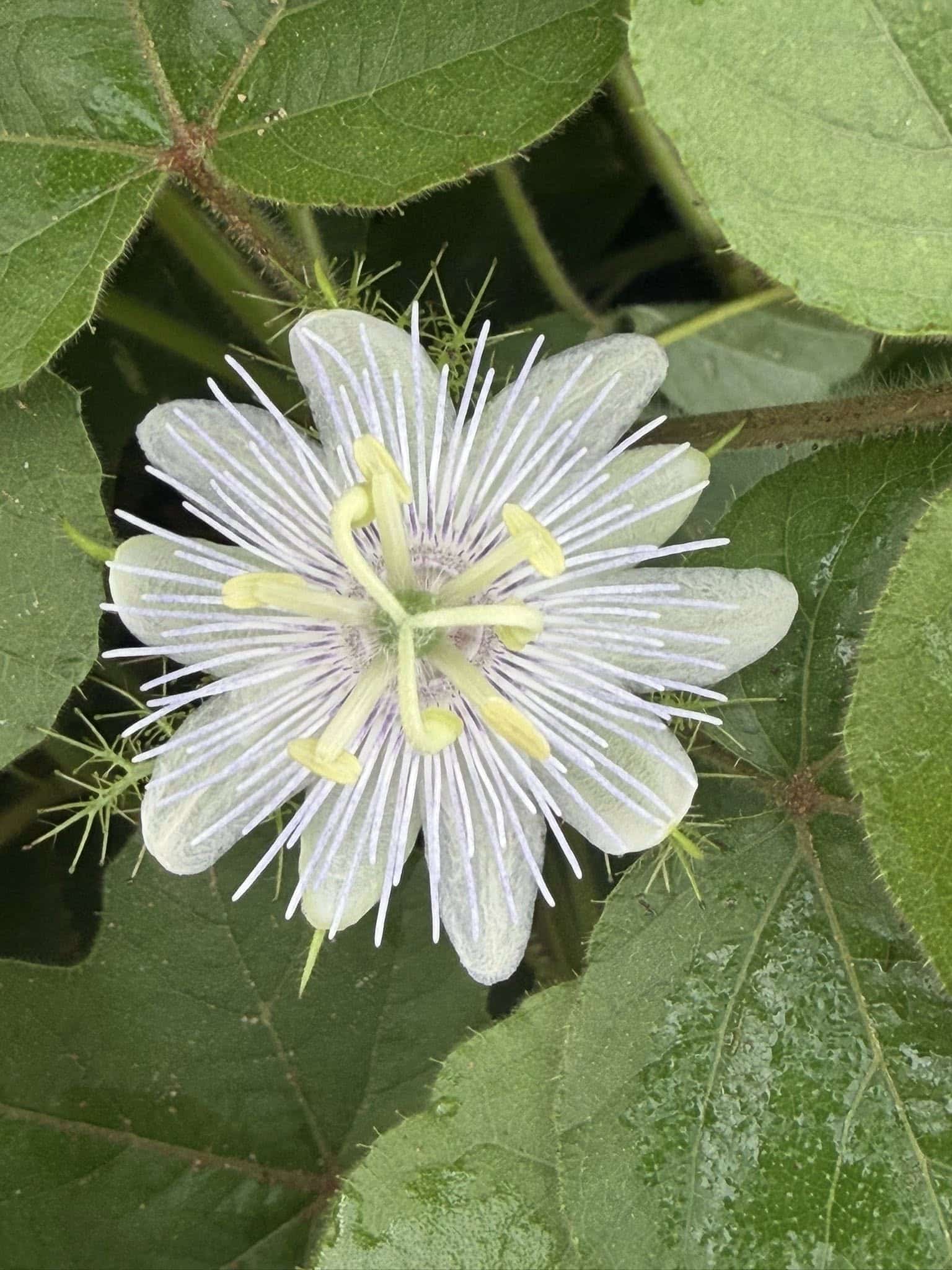
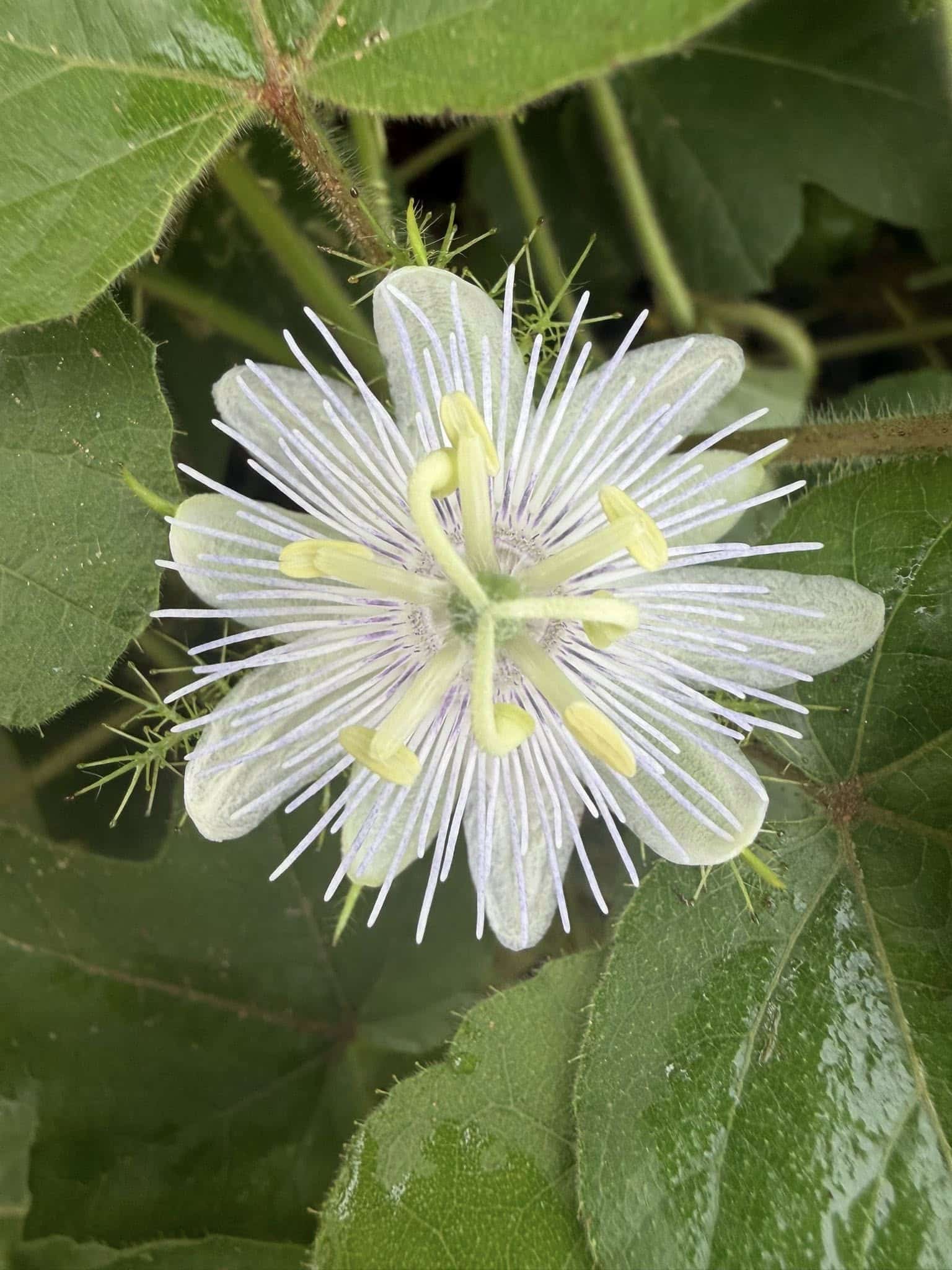
The stinking passion flower
The stinking passion flower (Passiflora foetida) is a fascinating semi-carnivorous plant. Surrounding its flowers and fruits are delicate, lace-like structures called bracts that produce a sticky, enzyme-rich substance. This sticky coating traps and breaks down small insects, helping to protect the plant’s developing flowers and fruits from pests.
Native to the tropical and subtropical regions of the Americas, Passiflora foetida has spread widely and now grows in many tropical areas around the world, including parts of Africa and Southeast Asia, where it often thrives as a common weed.
Credit:Benedicta Obenewah
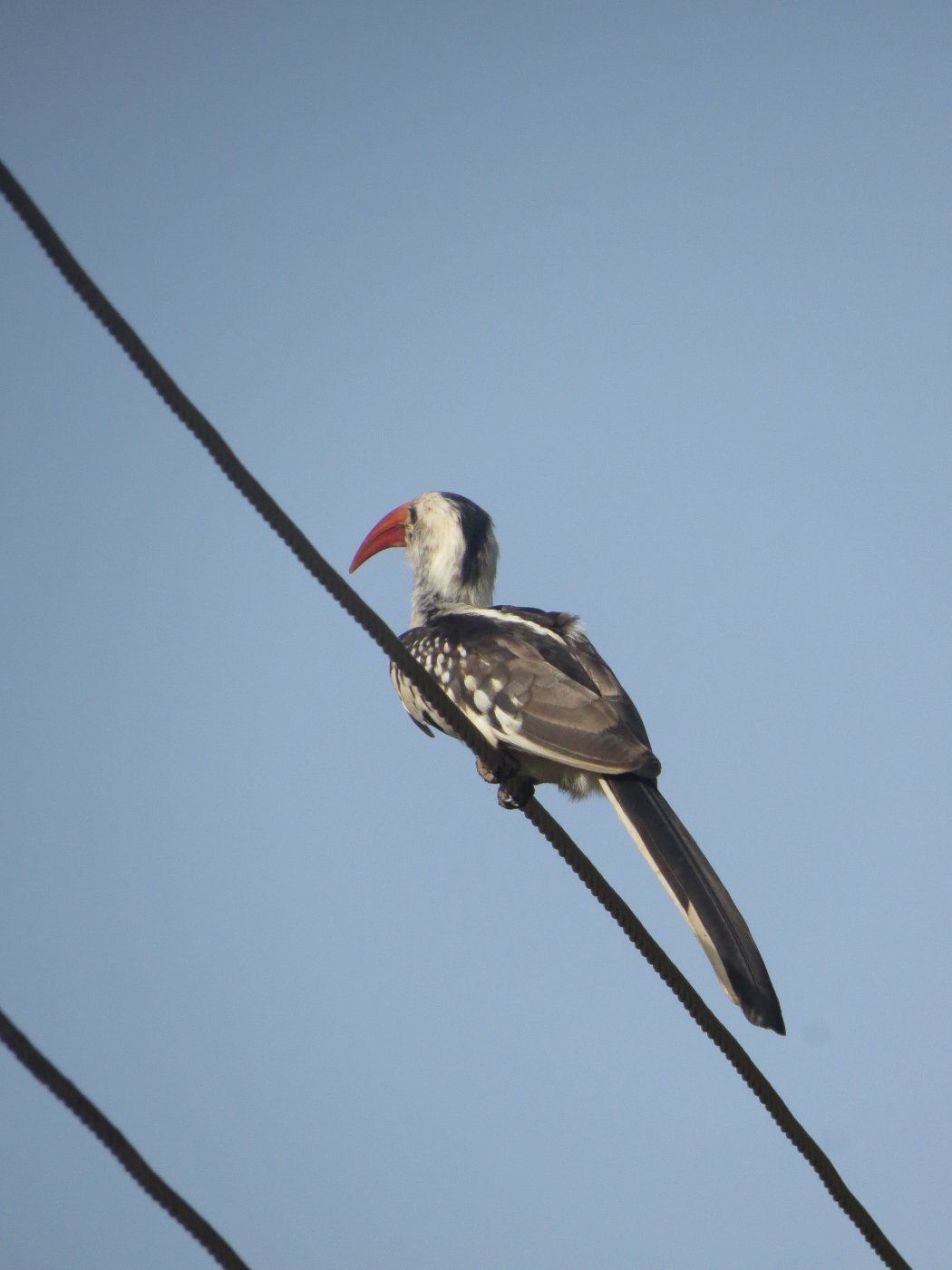
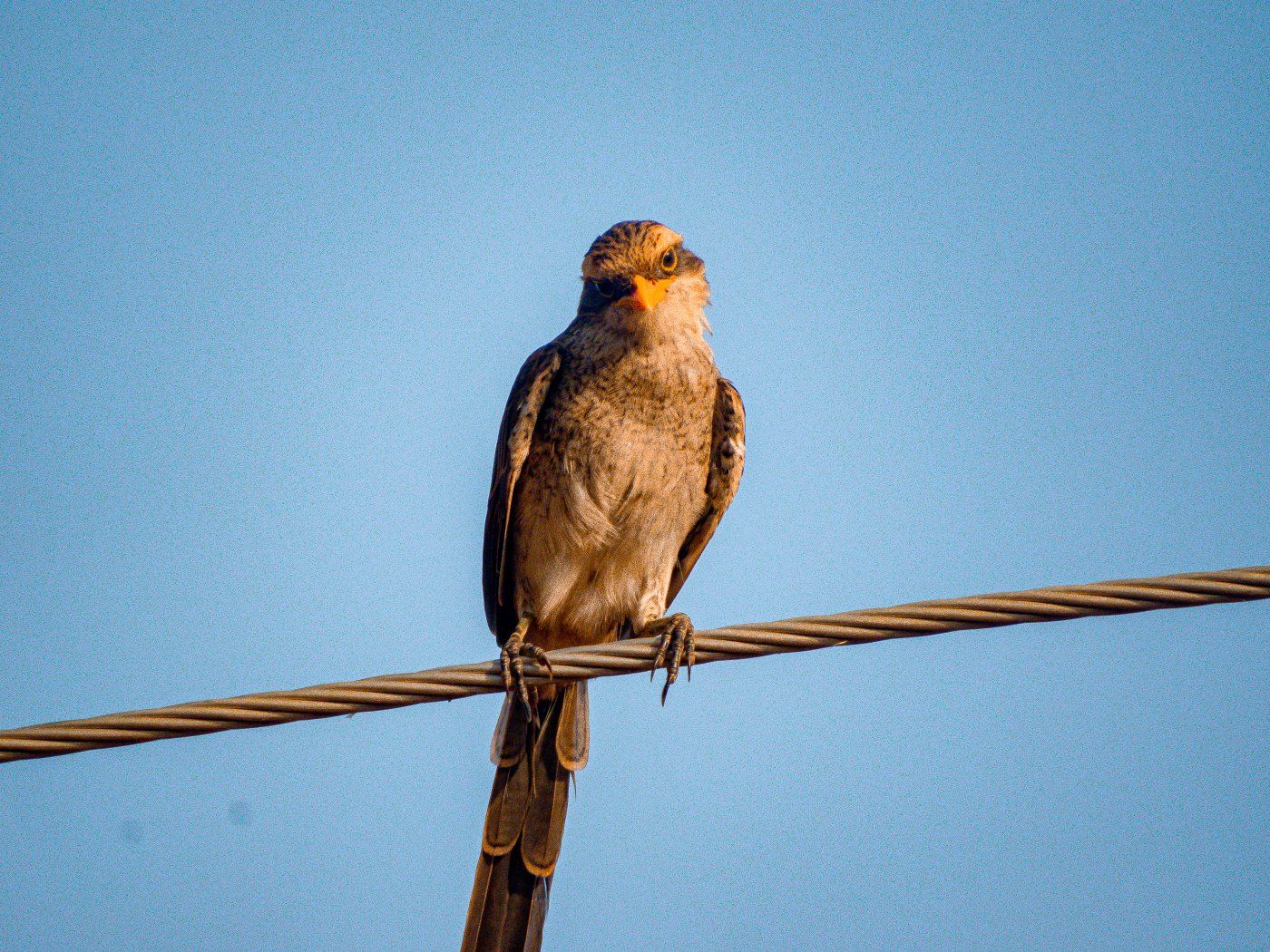
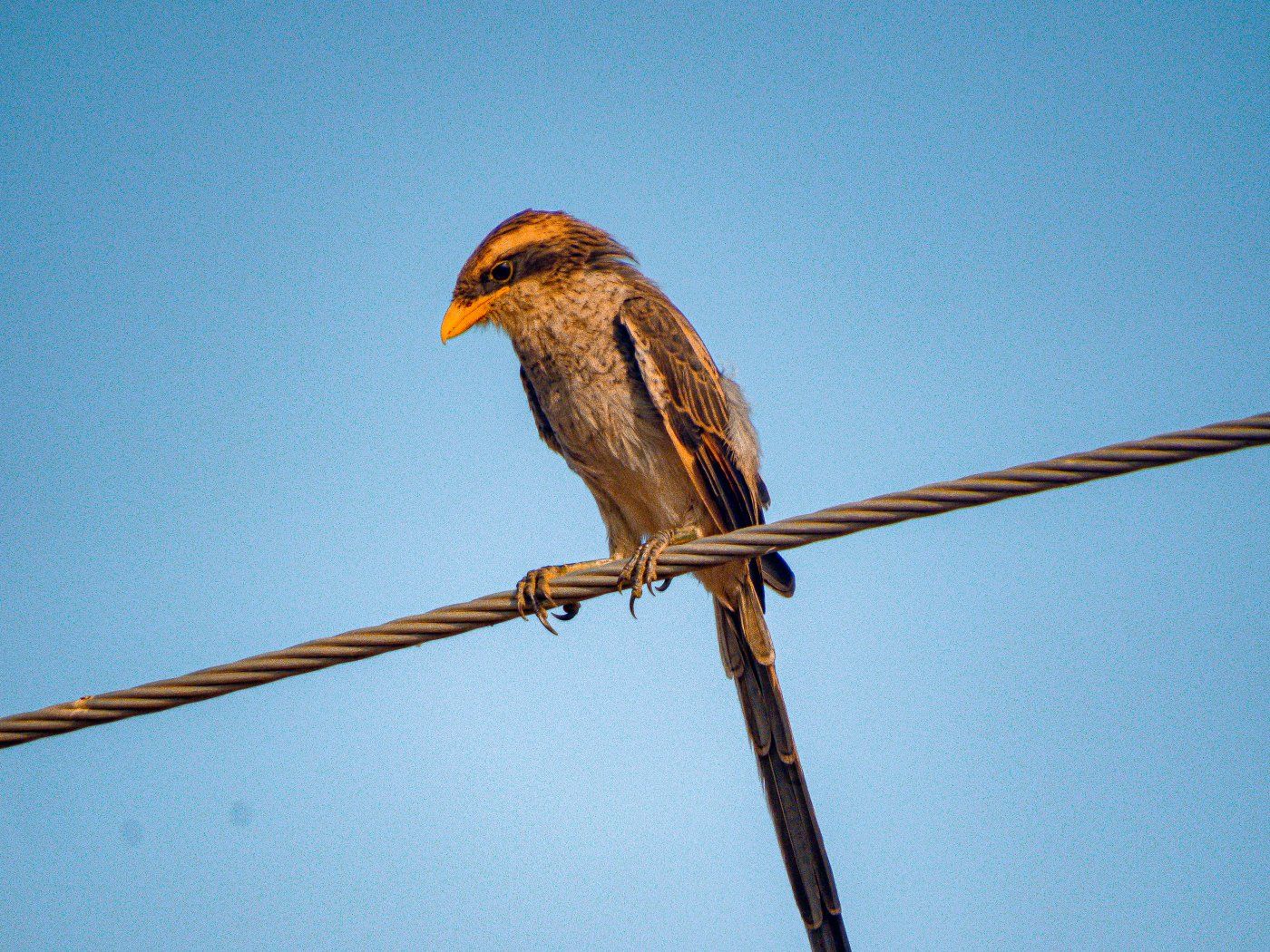
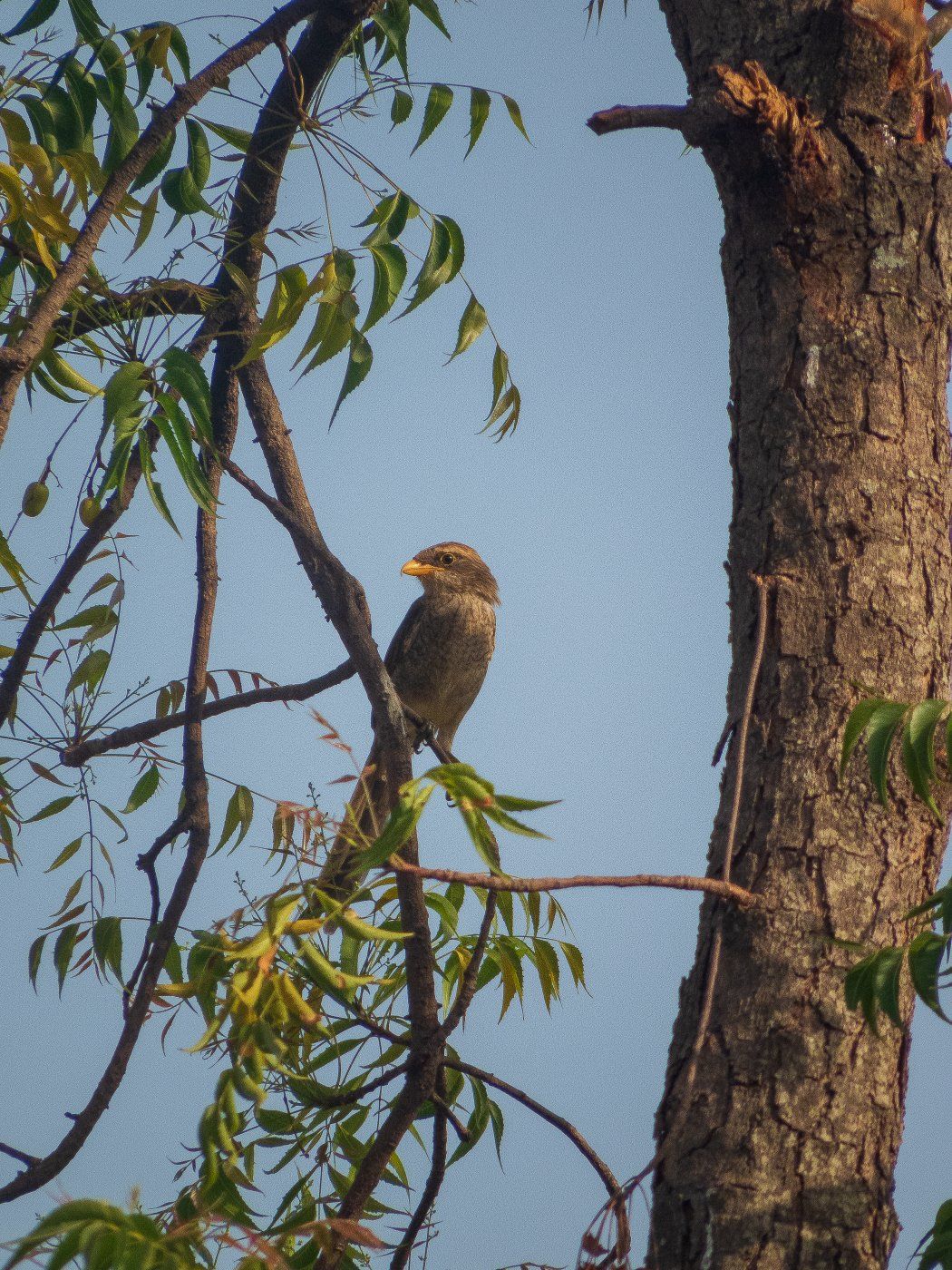
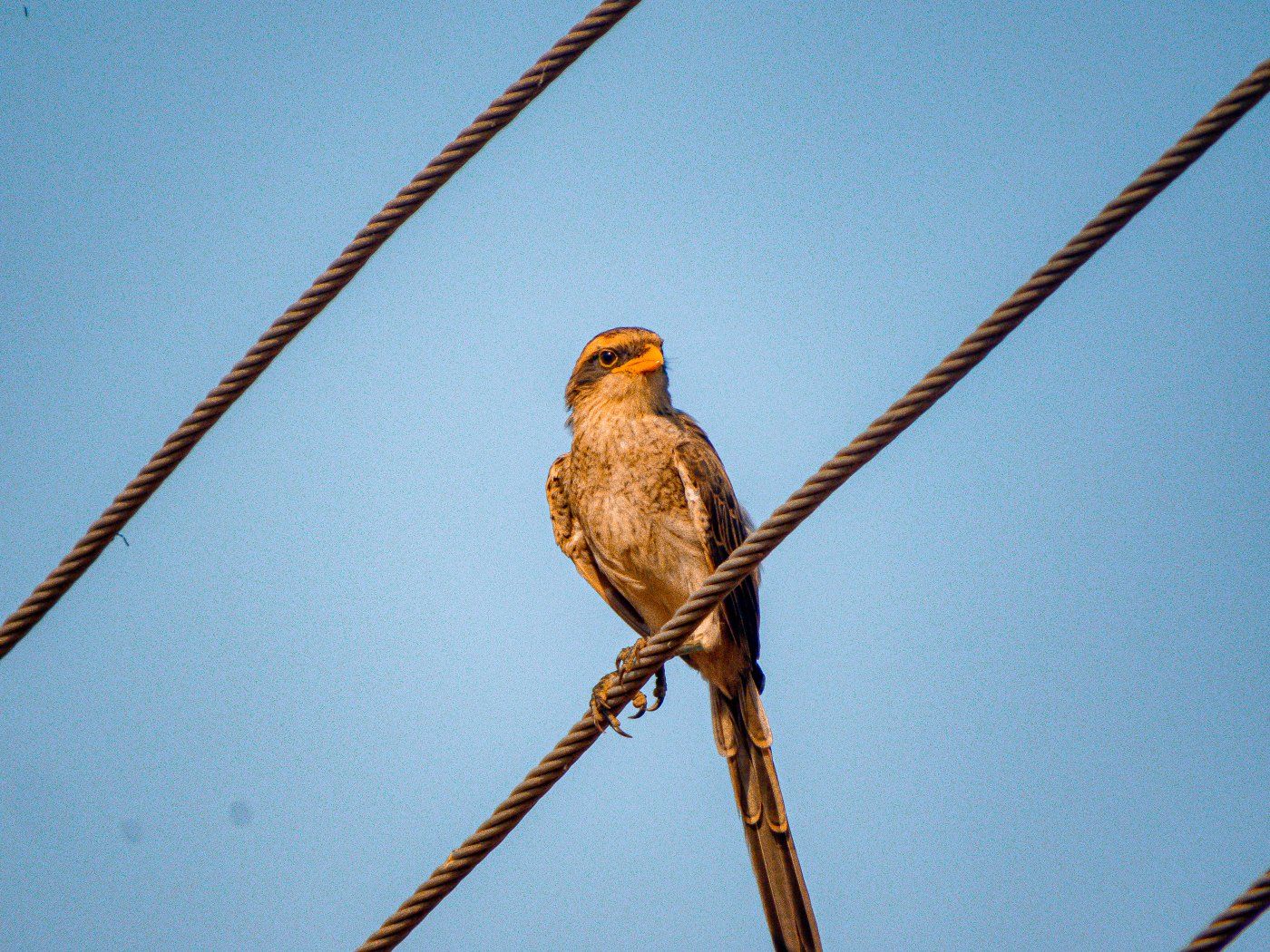
Yellow-billed Shrike
Captured at Nyankpala Campus, University for Development Studies, Tamale, Ghana.
The Yellow-billed Shrike is known for its sharp eyesight, long tail, and striking yellow bill. Often seen perched quietly on wires or tree branches, it helps control insects in the environment.
Fun fact: Although they can appear calm and solitary, Yellow-billed Shrikes are very vocal birds and are often heard calling loudly before they are noticed. Their swift movements and constant calls make them one of the familiar sounds of the Nyankpala campus environment.
Credit:Awumbo Aboyella
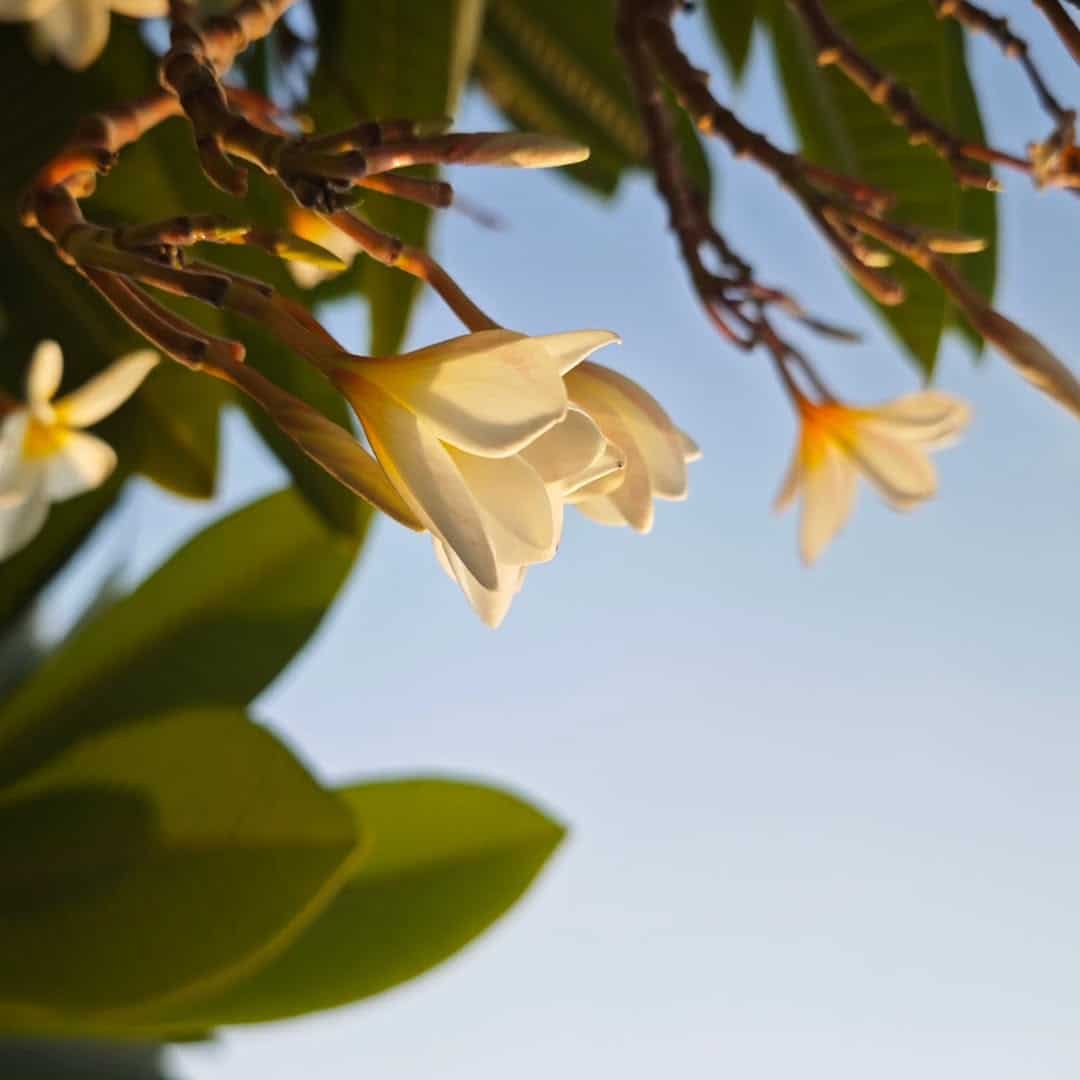
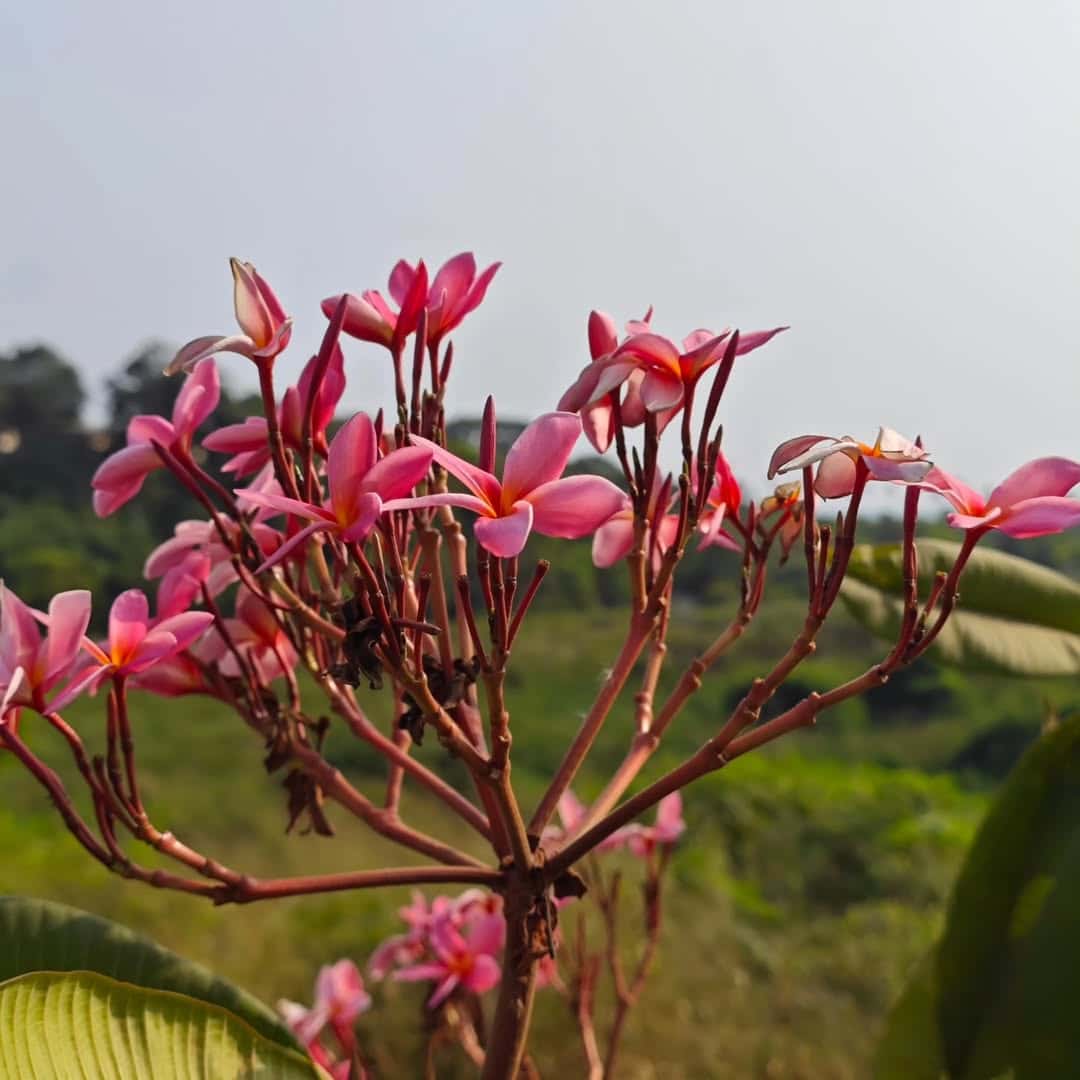
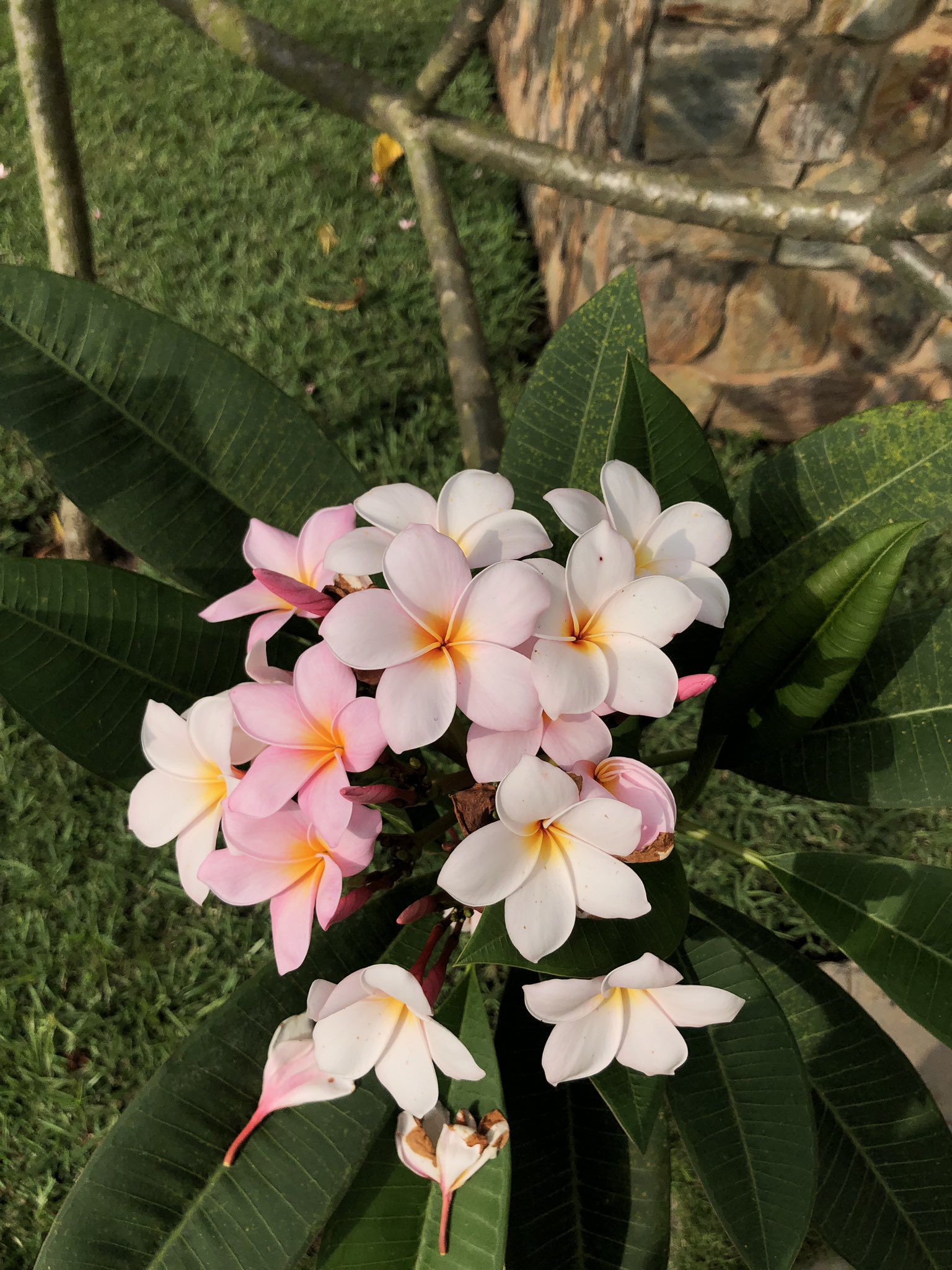
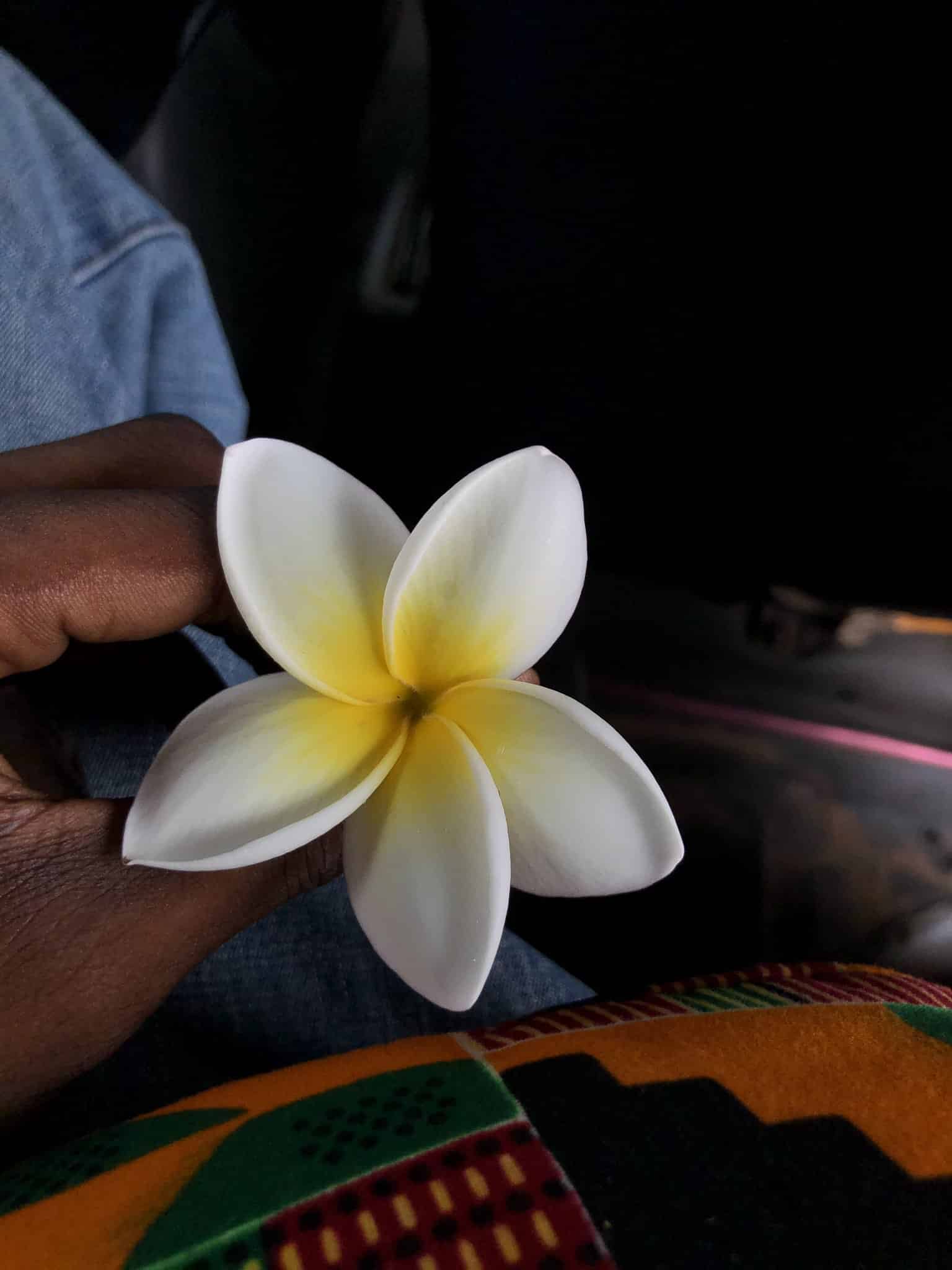
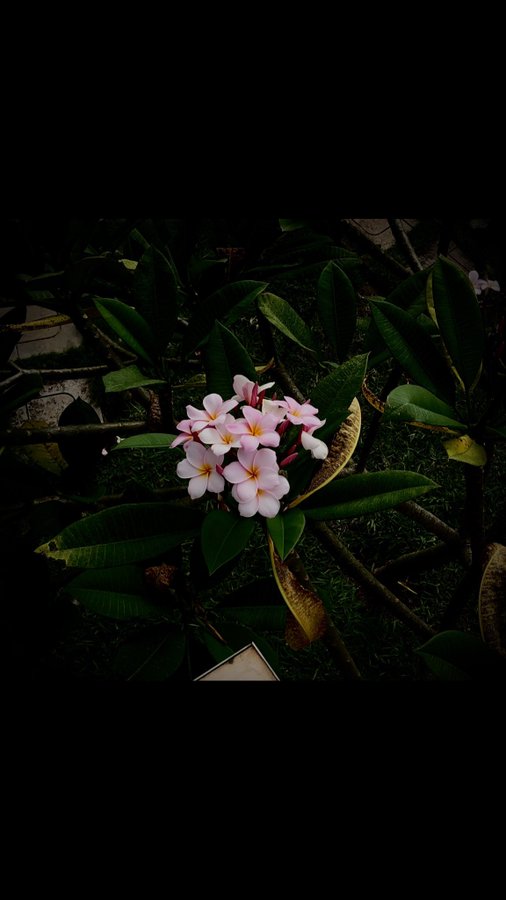
The Frangipani(Plumeria)
This isn’t wild, but it’s quite a common tree in Ghana. The Frangipani(Plumeria)
Fun fact: in Hawaii, wearing this on your left ear means you’re taken.
Credit:Houdini on X
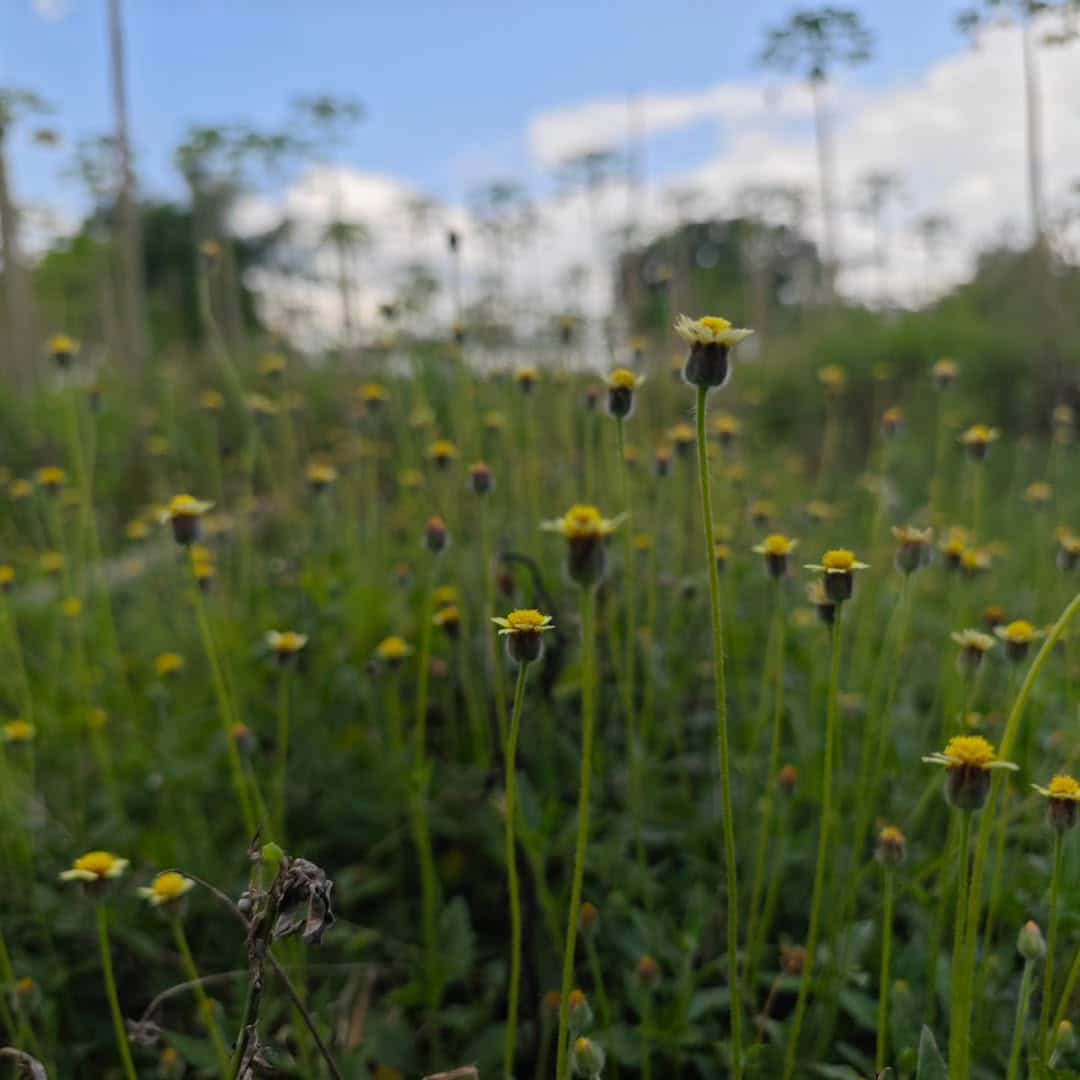
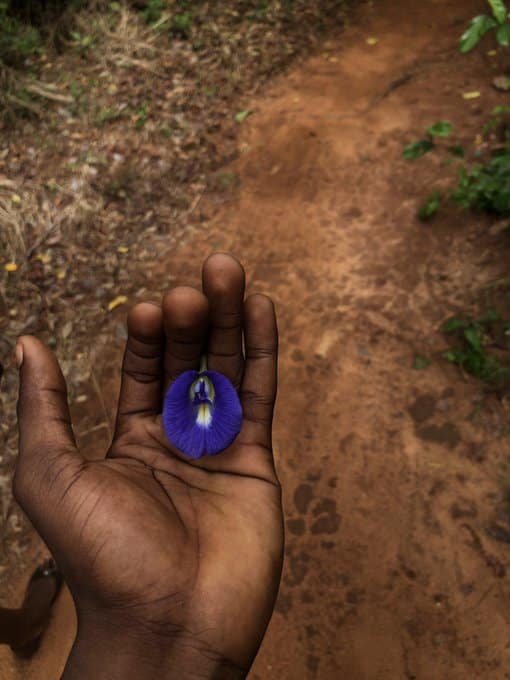
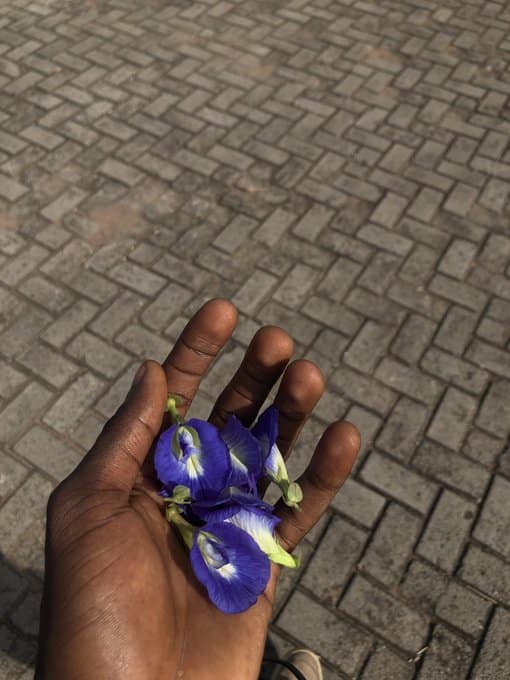
Butterfly pea plant
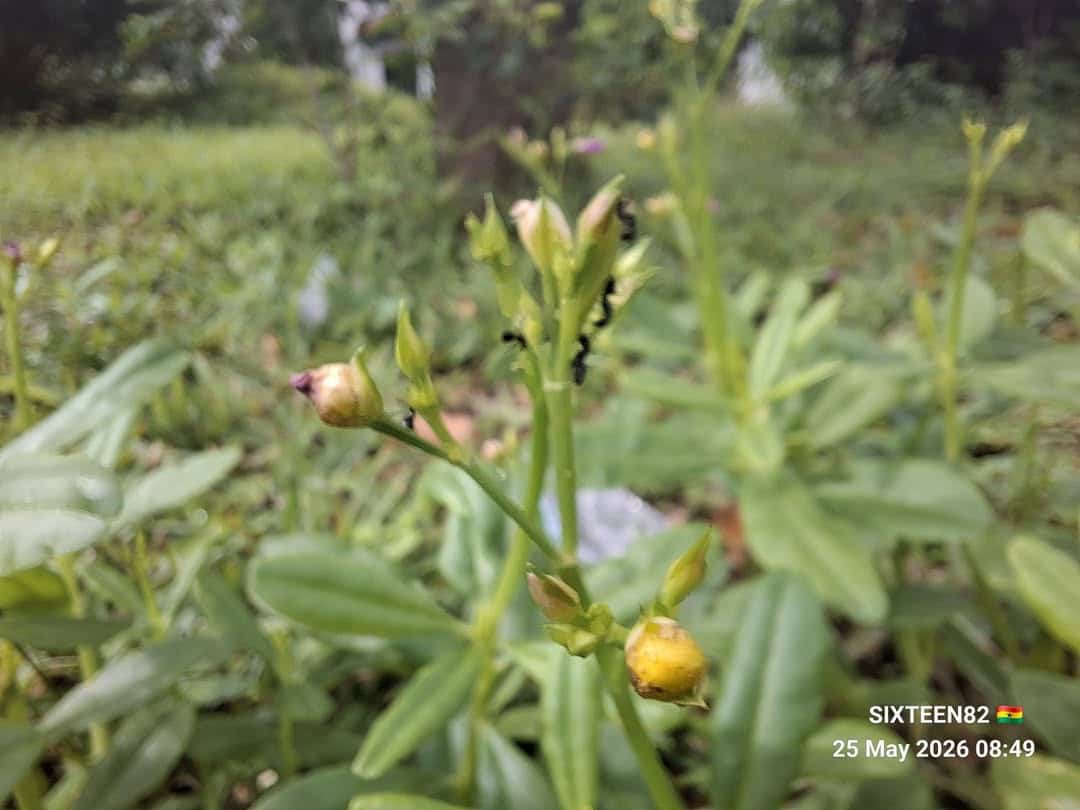
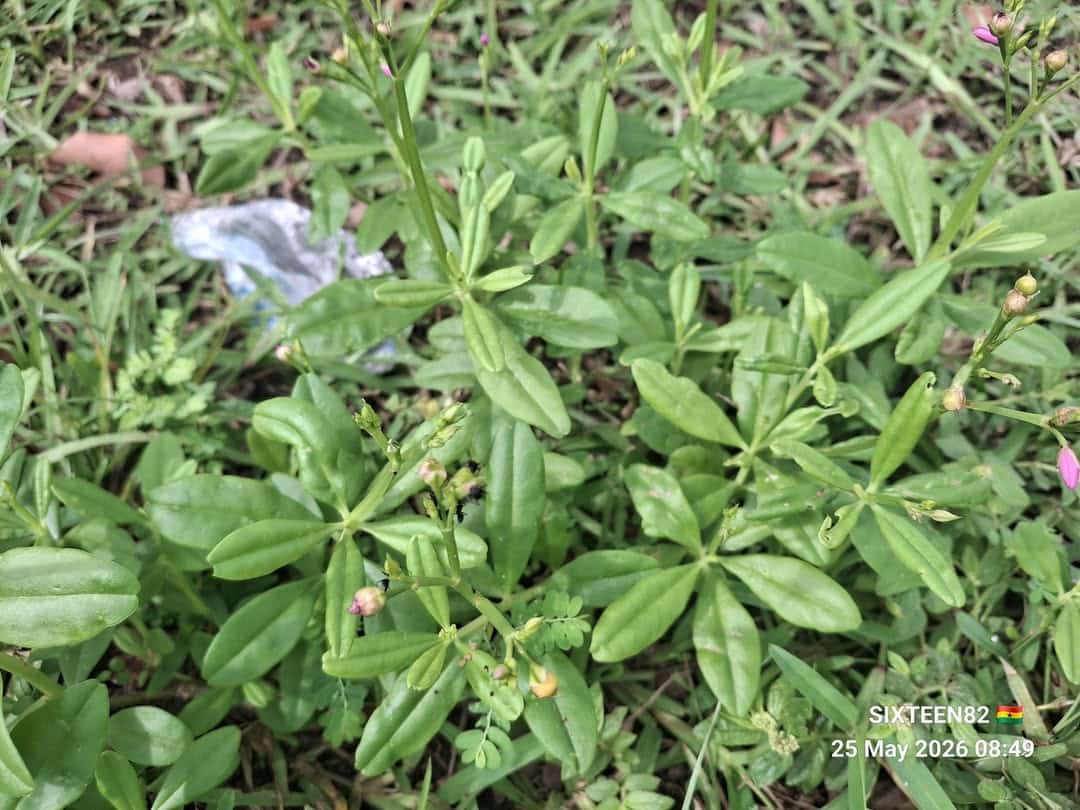
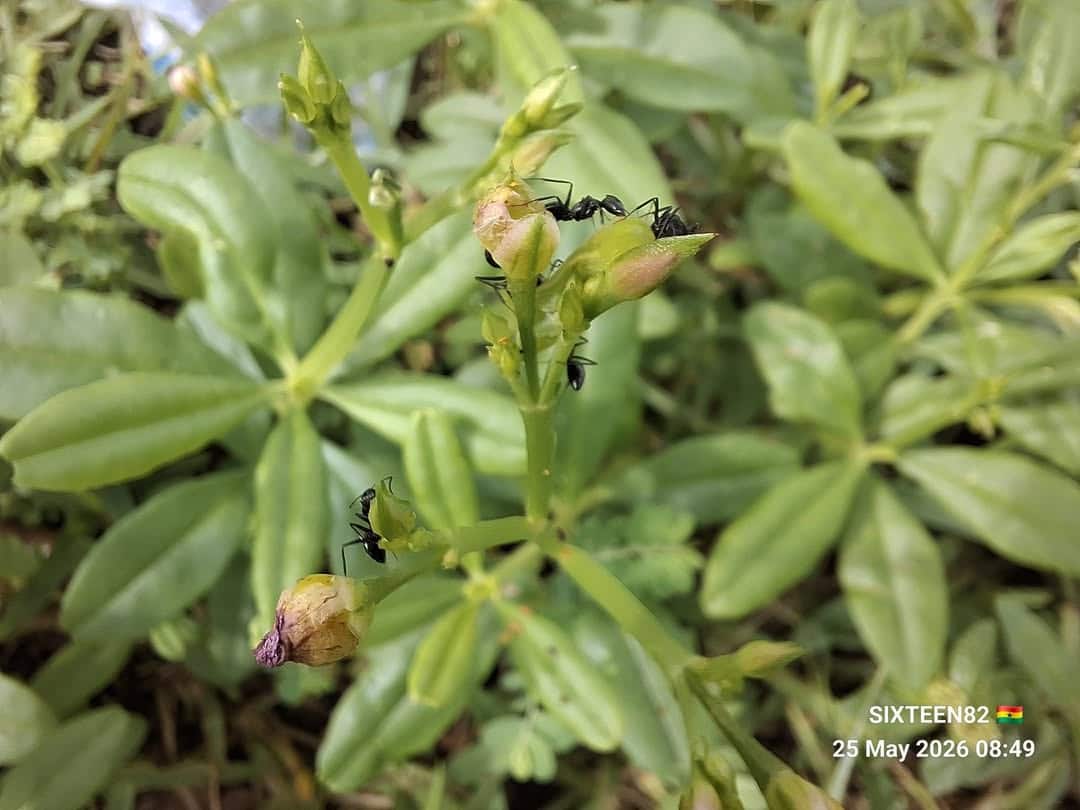
These are the flowers of the Butterfly pea plant (Clitoria ternatea) high is normally considered a weed.
What does it take to restore a landscape, and who leads that change?
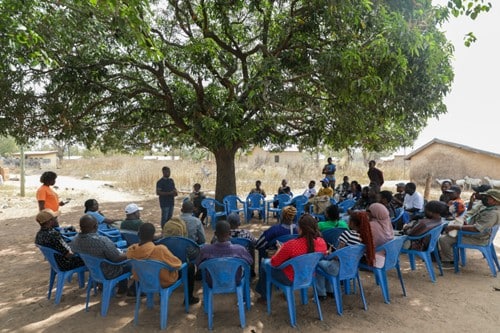
For a group of professionals, lecturers, and graduate students, the answer lay far beyond the classroom. It was found in the lived experiences of communities, in the resilience of restored ecosystems, and in the practical knowledge shared on the ground.
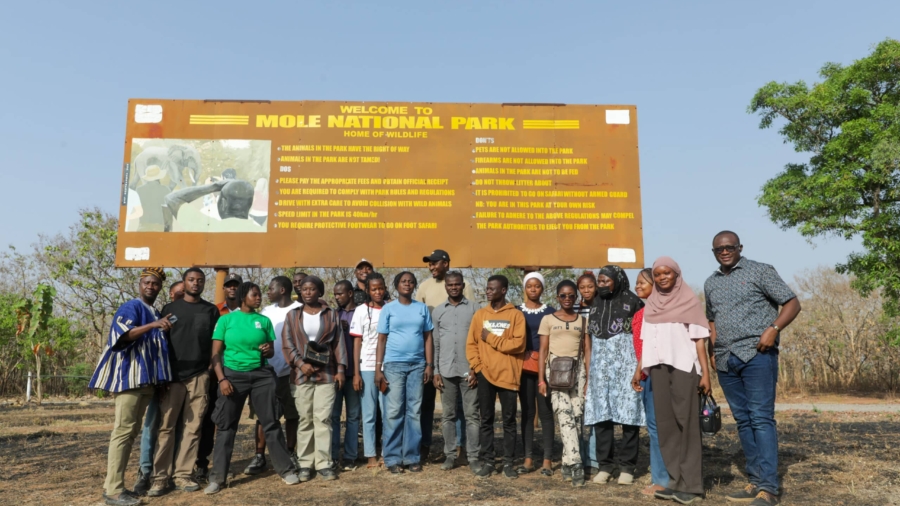
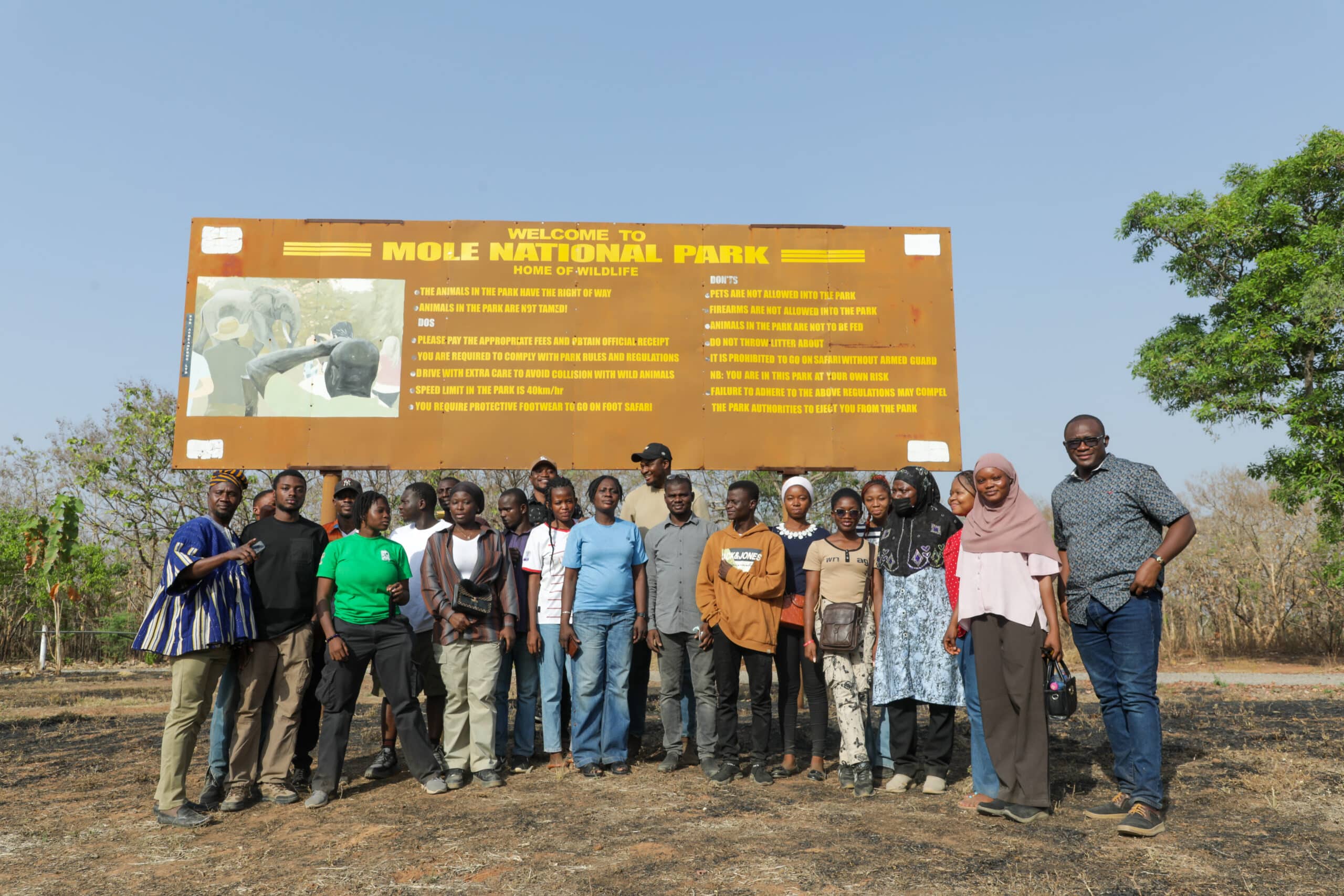
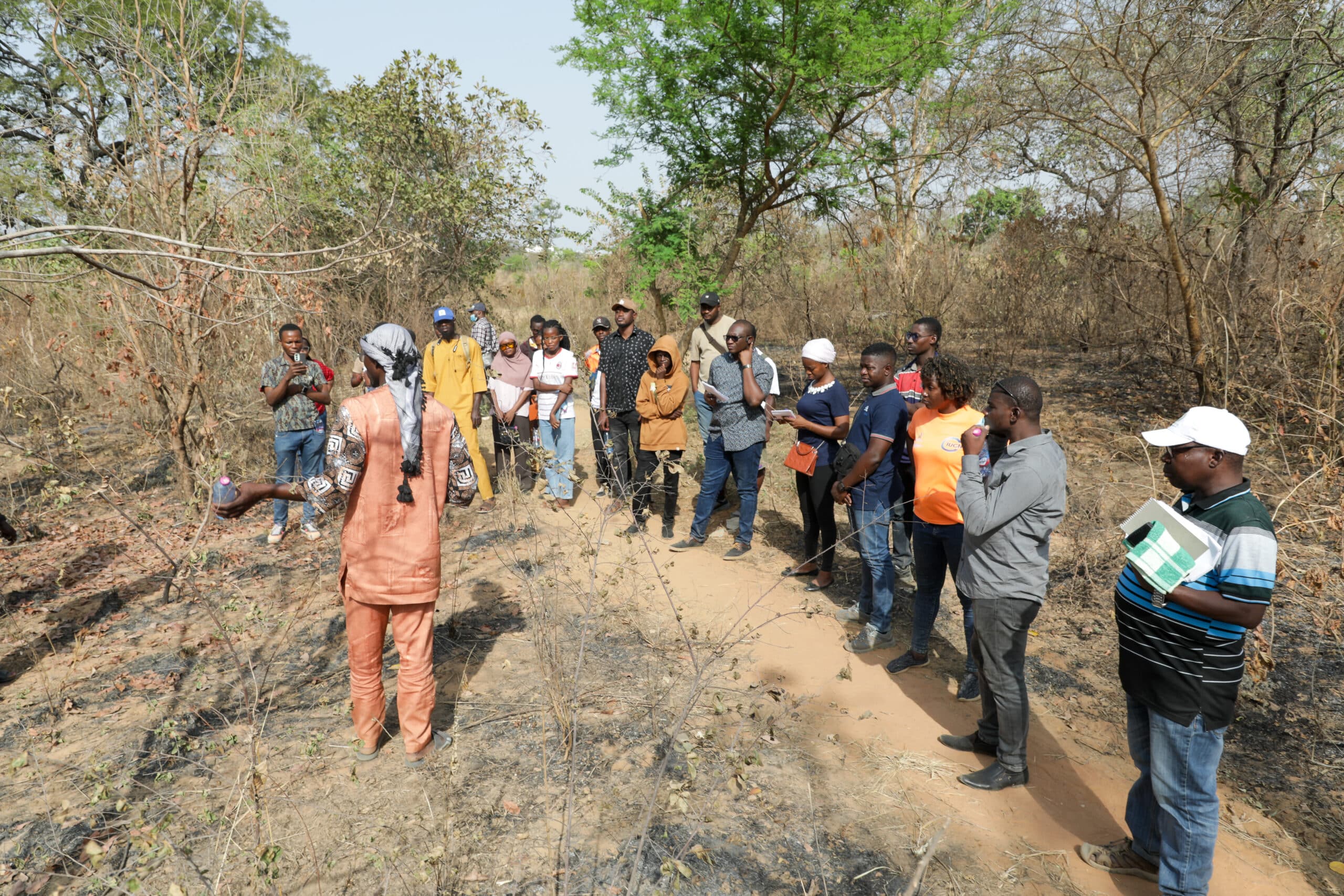
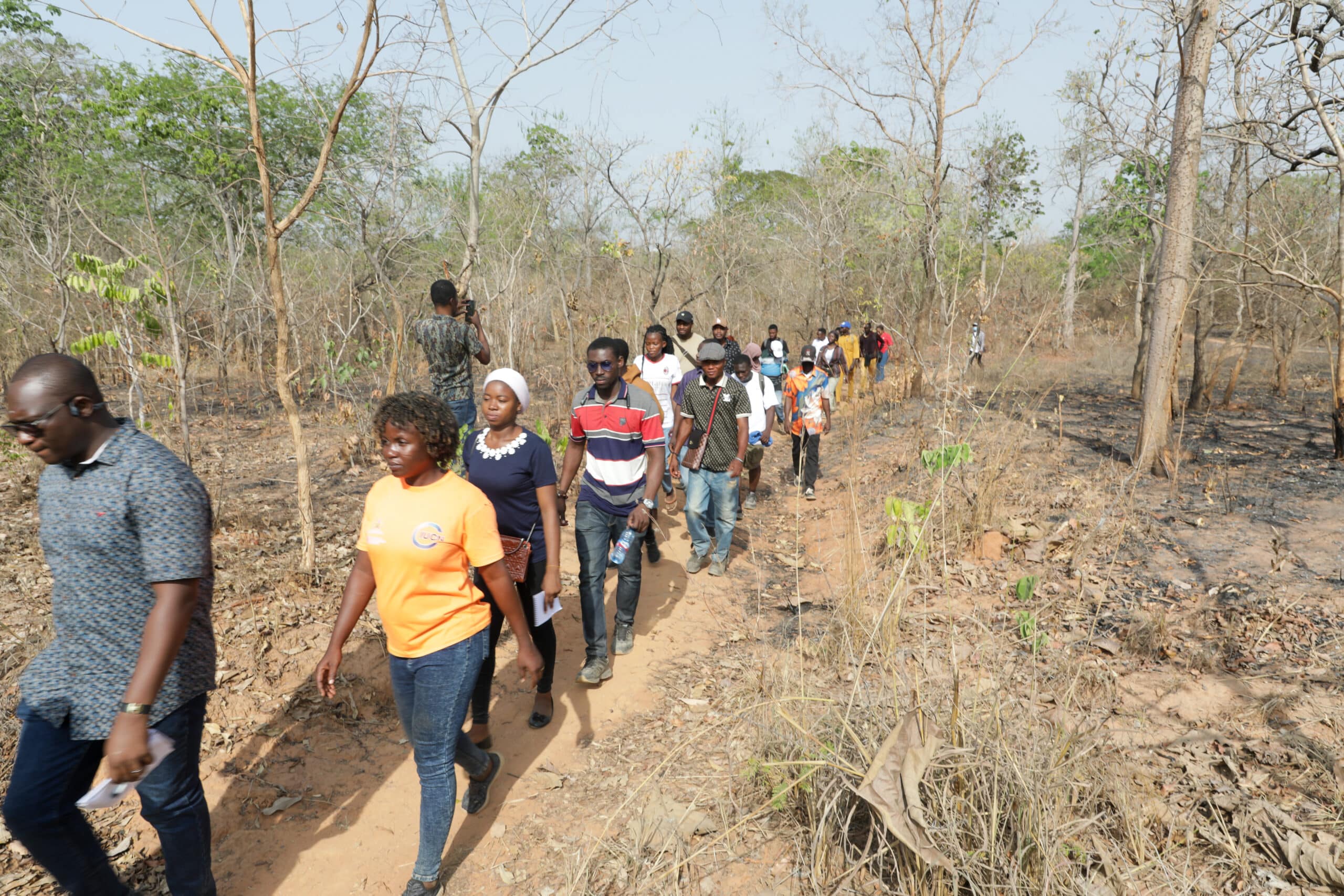
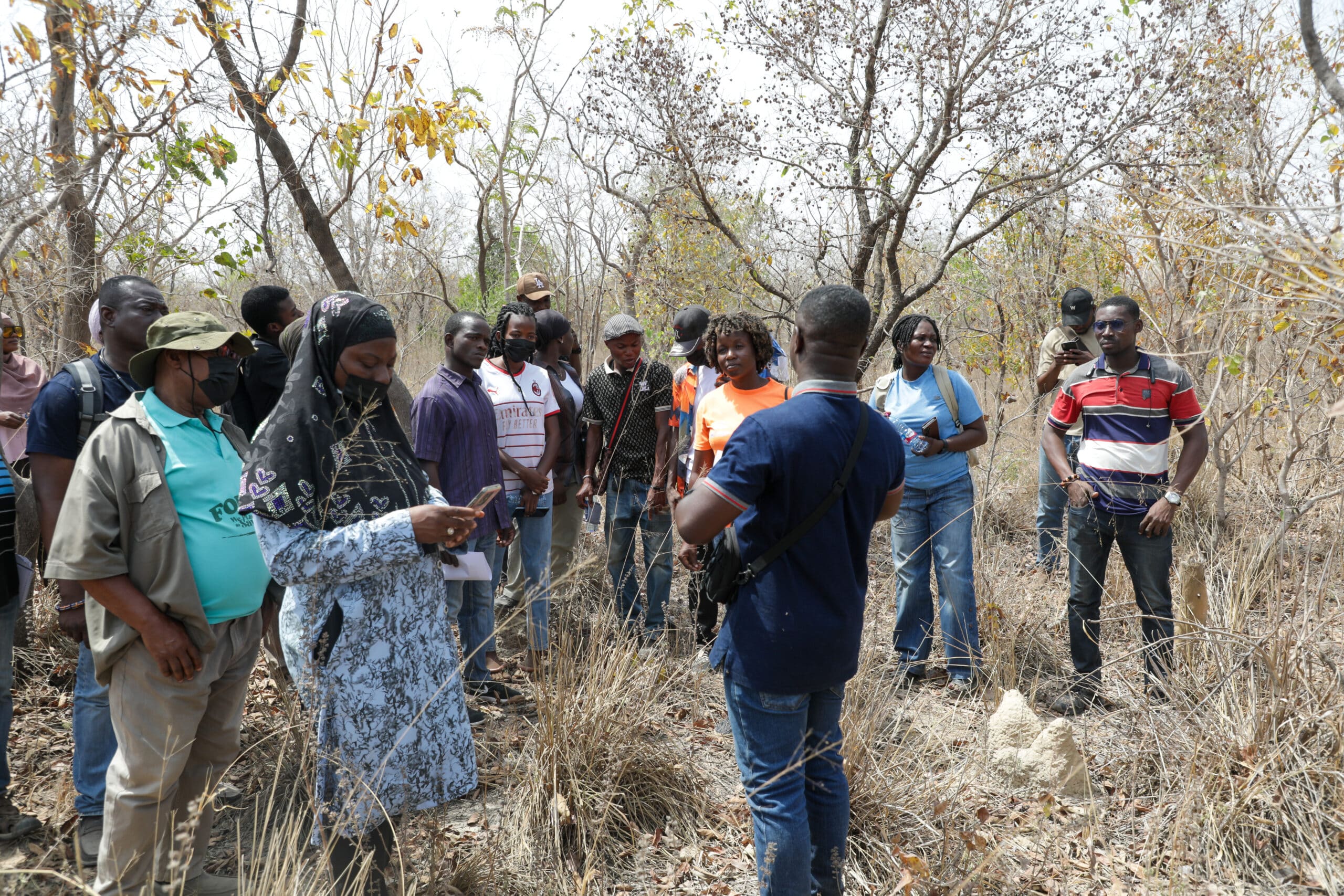
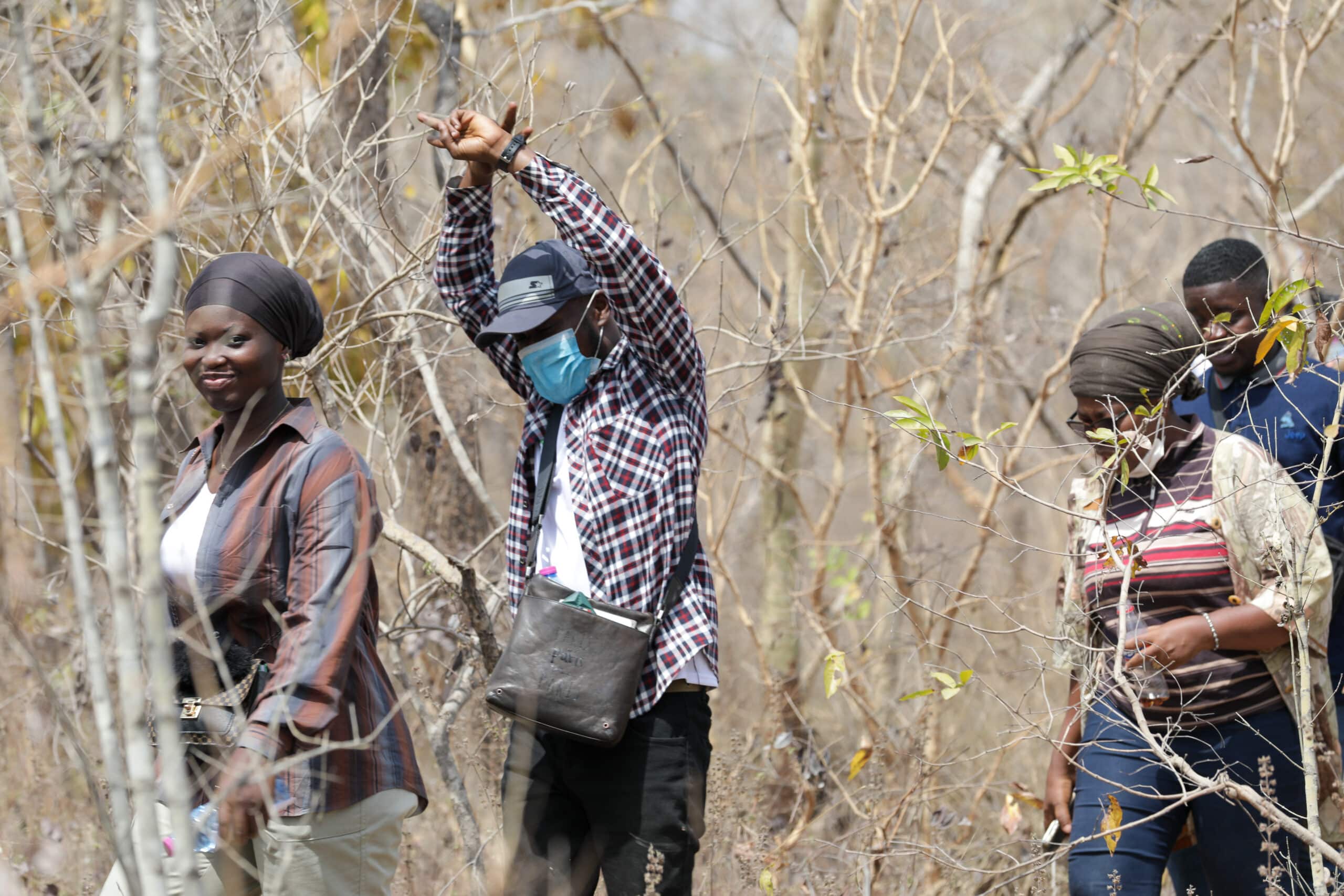
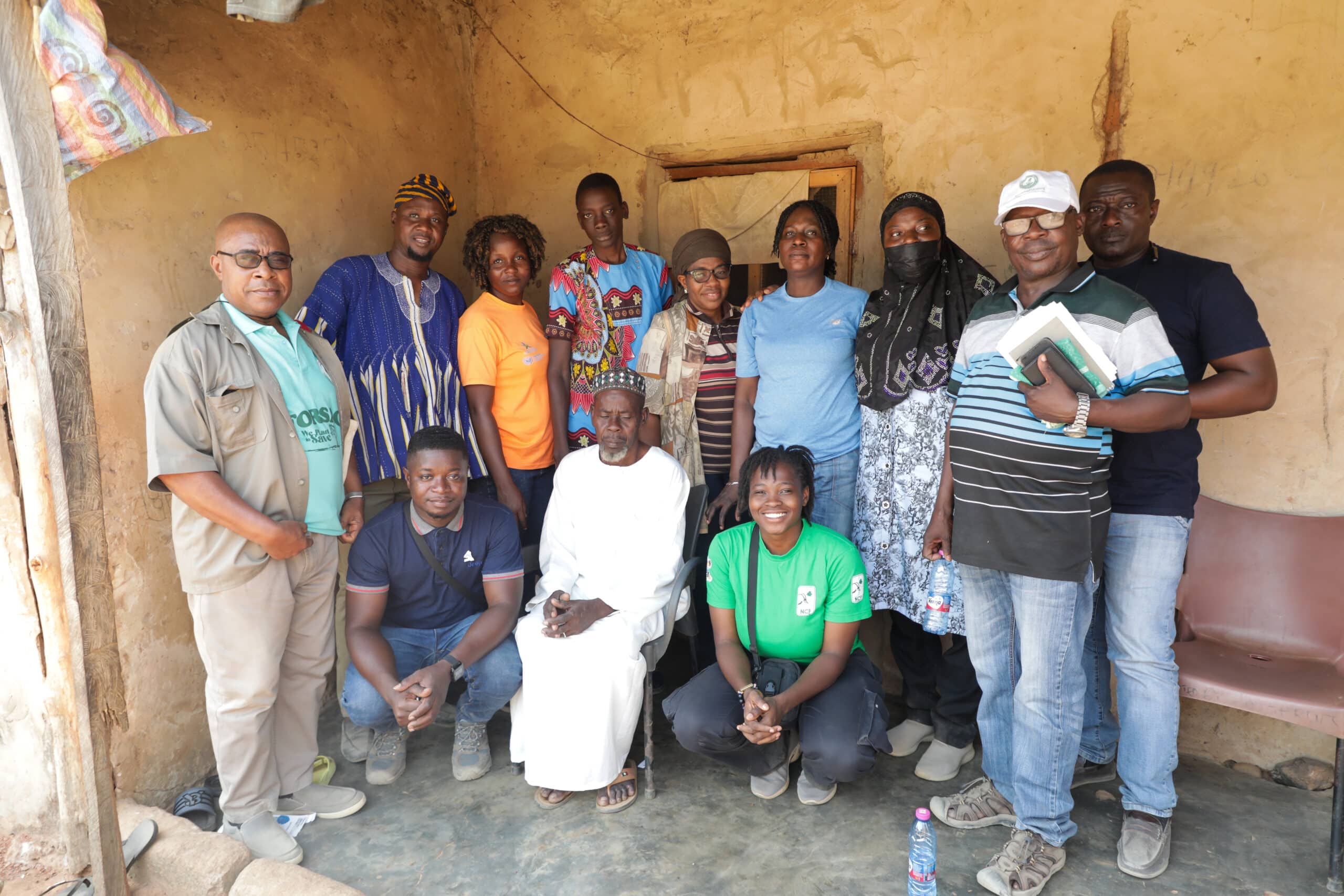
A Rocha Ghana recently facilitated a dynamic field-based learning experience to deepen participants’ practical understanding of landscape restoration, as part of an annual conference organized by the University for Development Studies (Nyankpala) and the University of Environment and Sustainable Development (Somanya), dubbed the “Training for Professionals and Graduate Students: Collaboration for Landscape Restoration” programme. This initiative aims to bridge the gap between theory and practice in environmental conservation in Ghana.
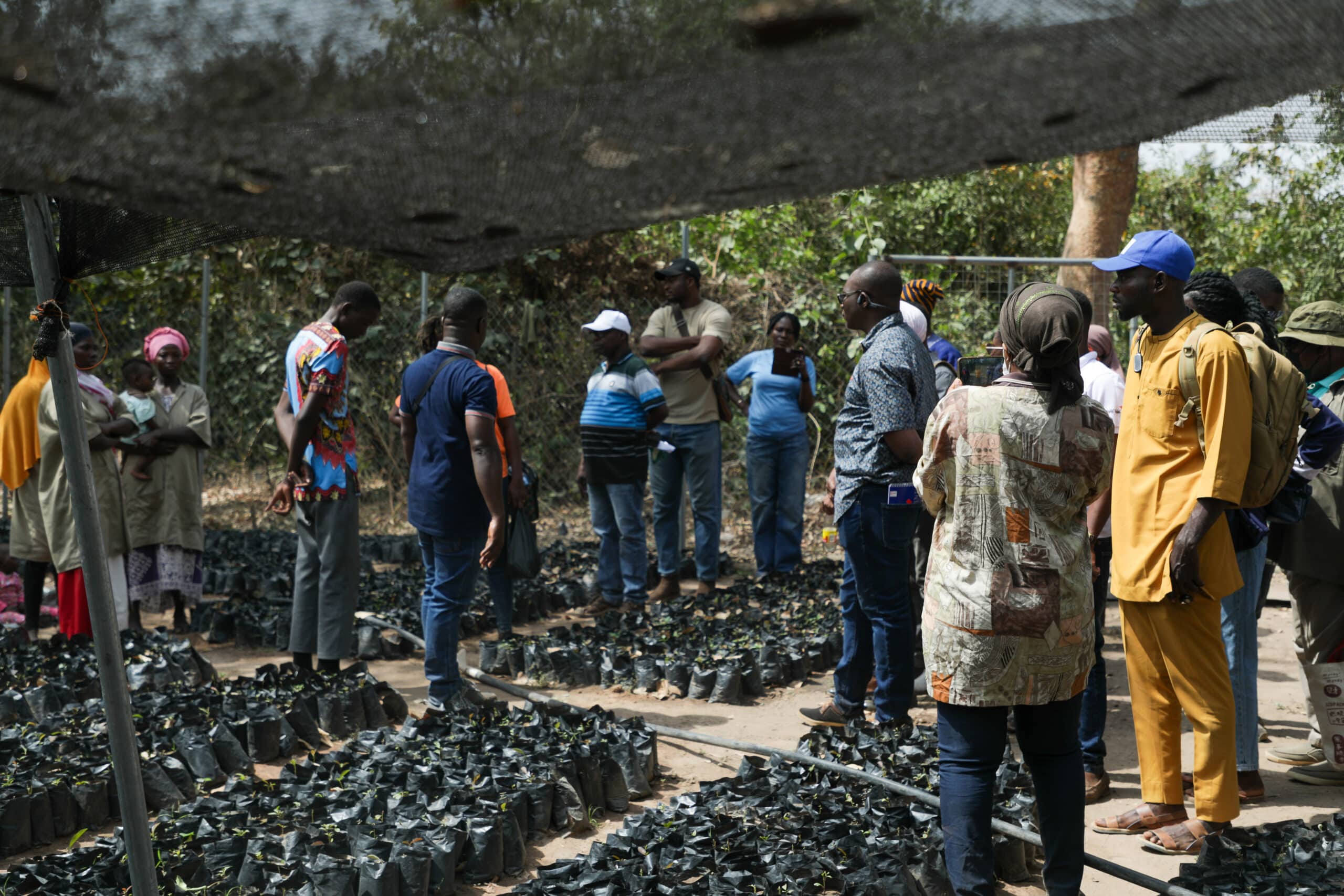
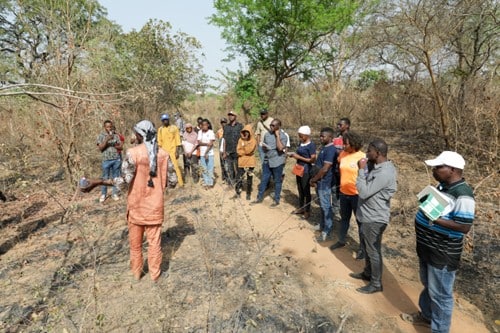
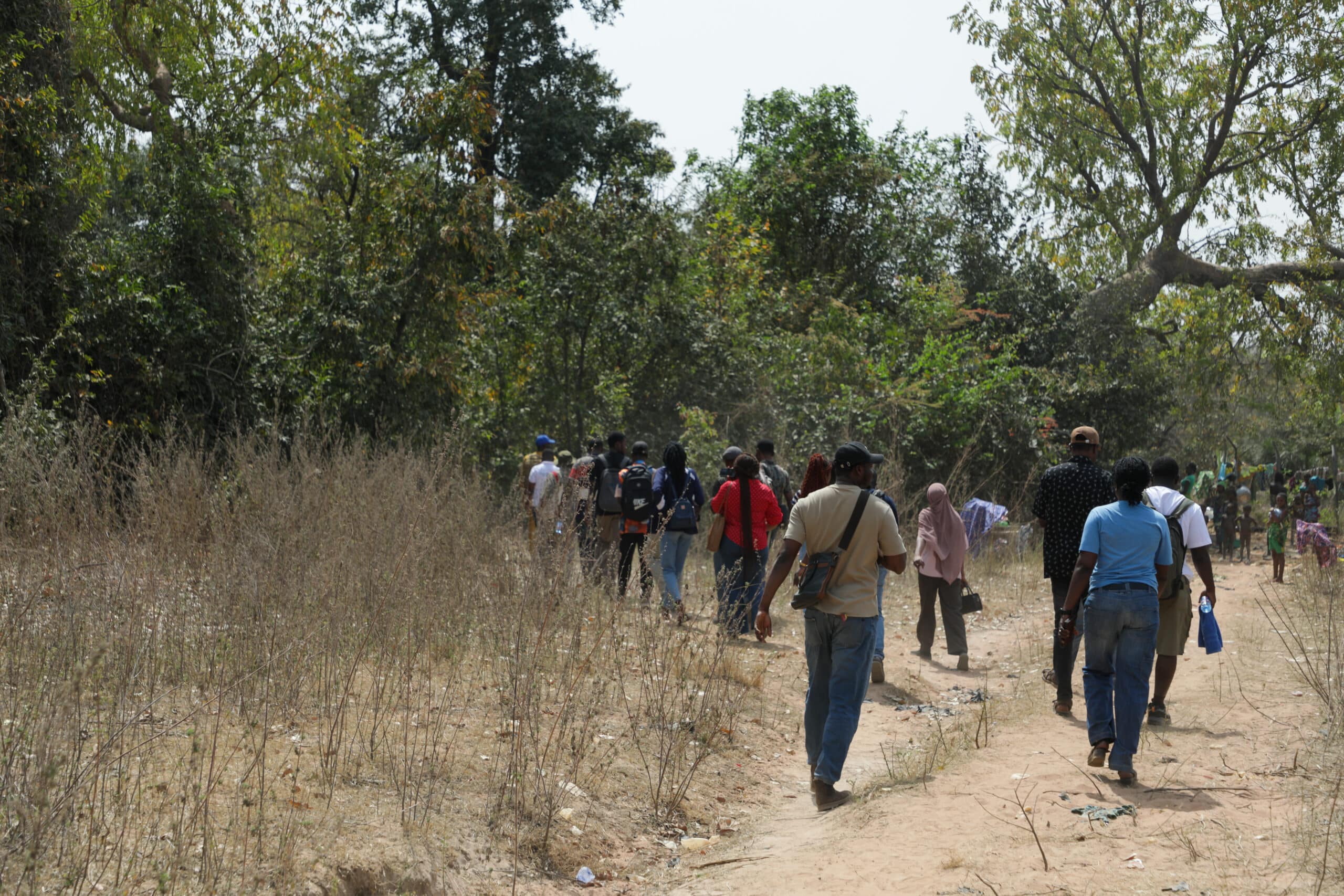
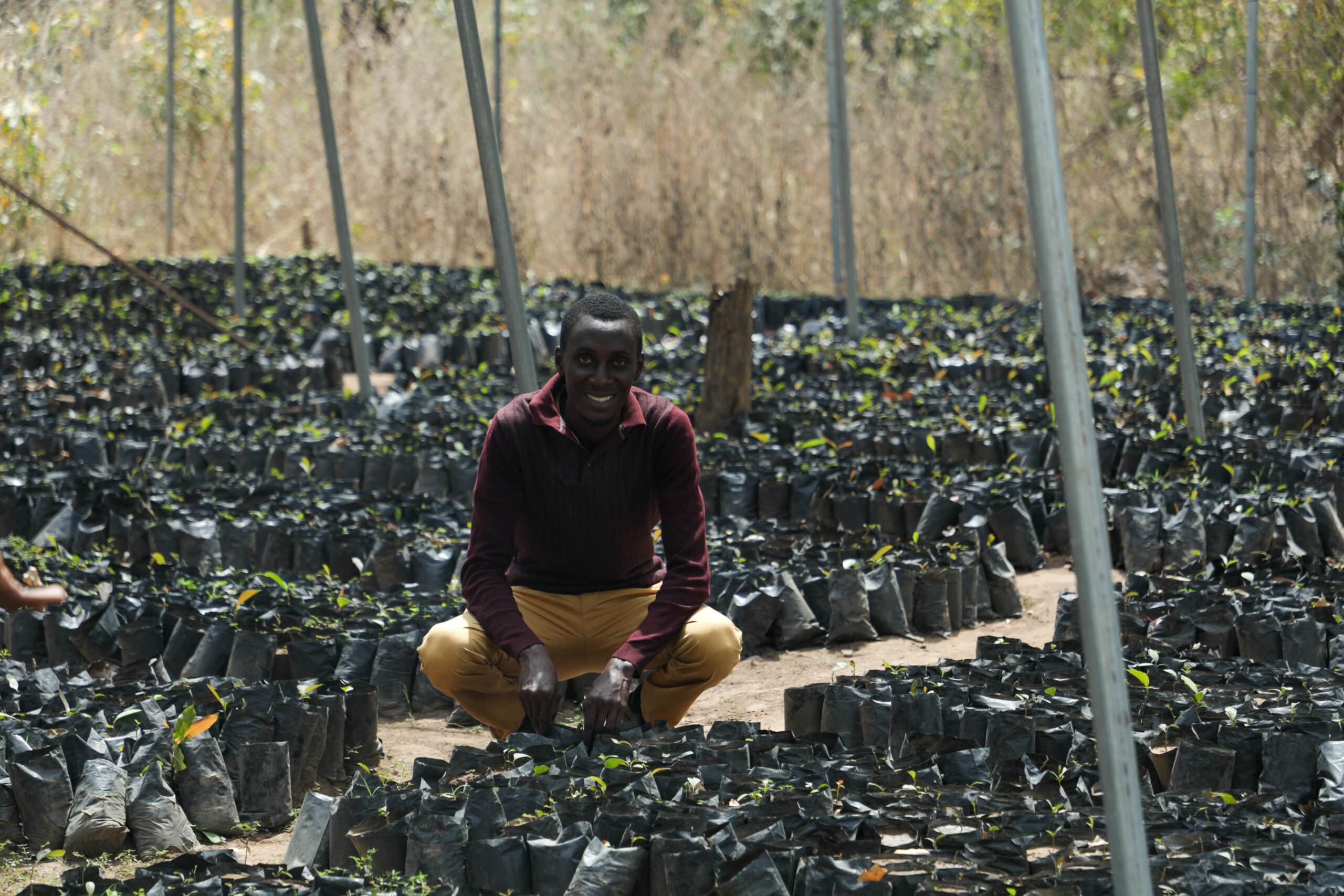
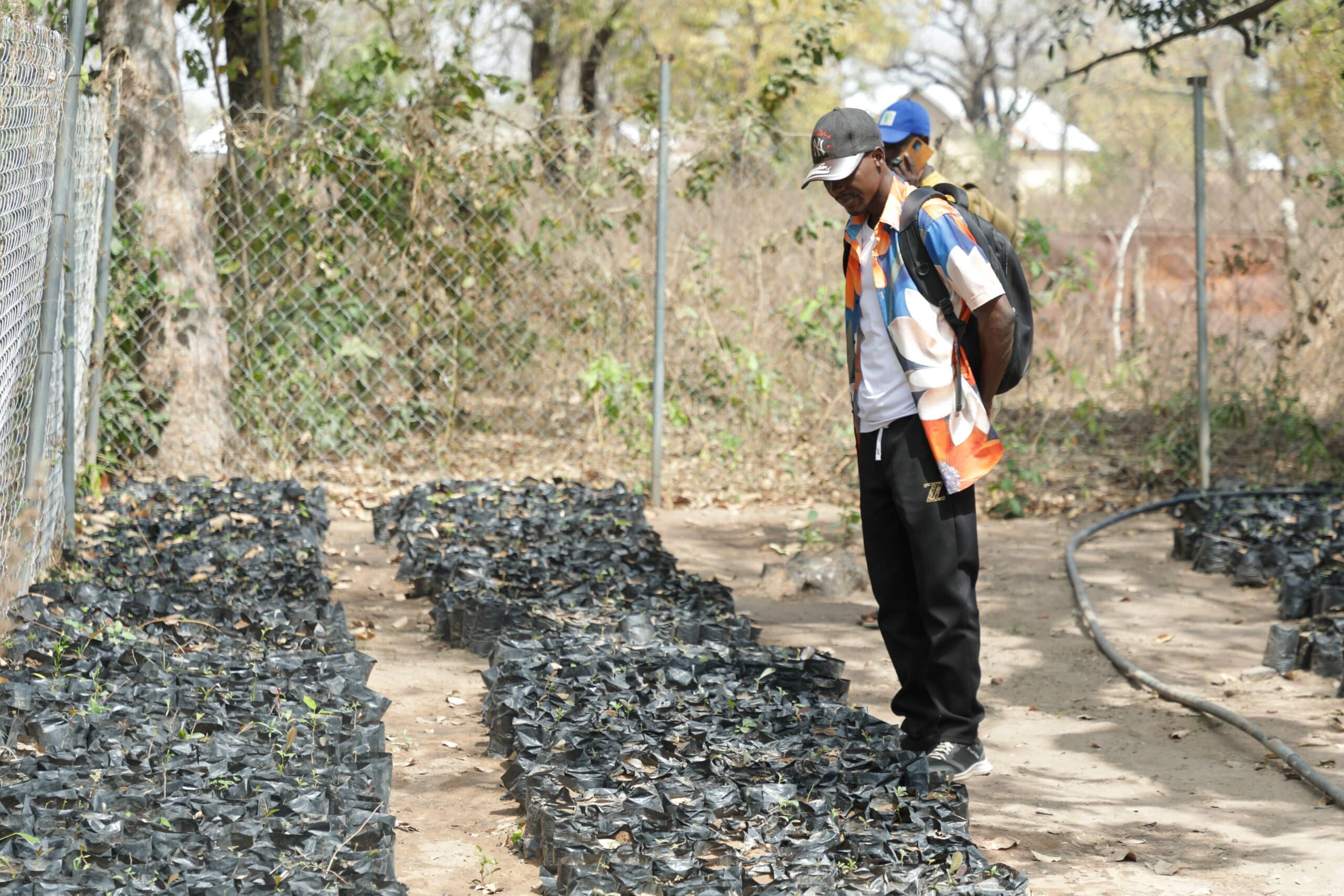
Participants embarked on a journey to community-led restoration sites in Bonyanto, where four years of active restoration are already reshaping the landscape, and Larabanga, a long-standing model of community engagement with nearly two decades of restoration experience. The visit also included a vibrant community tree nursery in Bonyanto, where local stakeholders are actively nurturing seedlings and strengthening ecosystem resilience.
Throughout the experience, participants engaged directly with local practitioners, gaining first-hand insights into the building blocks of successful restoration. Conversations and demonstrations covered critical areas such as site identification, species selection, seed sourcing and propagation, and effective monitoring strategies to sustain ecosystem recovery.
At every stage, one message stood out clearly:
“Restoration efforts are strongest when they are rooted in community leadership and local knowledge.”
More than a field trip, the experience served as a bridge between academic learning and real-world application. By stepping into active restoration sites, participants were able to connect theory with practice in meaningful ways. As they return to their institutions and professional spaces, they carry with them not only technical knowledge but also a renewed appreciation for collaboration between academia, communities, and practitioners as a driver of sustainable impact.
A Rocha Ghana played a central role in facilitating this learning journey, coordinating access to restoration sites and providing technical guidance throughout. Through hands-on demonstrations and open knowledge-sharing, the organisation highlighted practical, community-led restoration models and reinforced the importance of long-term stakeholder engagement in ecosystem management.
The impact of this initiative extends beyond the immediate learning experience. It contributes to broader global goals, including SDG 15 (Life on Land), SDG 13 (Climate Action), SDG 4 (Quality Education), and SDG 17 (Partnerships for the Goals). By equipping participants with the skills and perspectives needed for landscape restoration, the programme is helping to build a network of informed, capable leaders ready to advance sustainable practices across Ghana.