The Ghana Coalition Against Galamsey (GCAG) has raised serious concerns about the state of the country’s fight against illegal mining, warning that the situation is worsening despite earlier signs of progress.
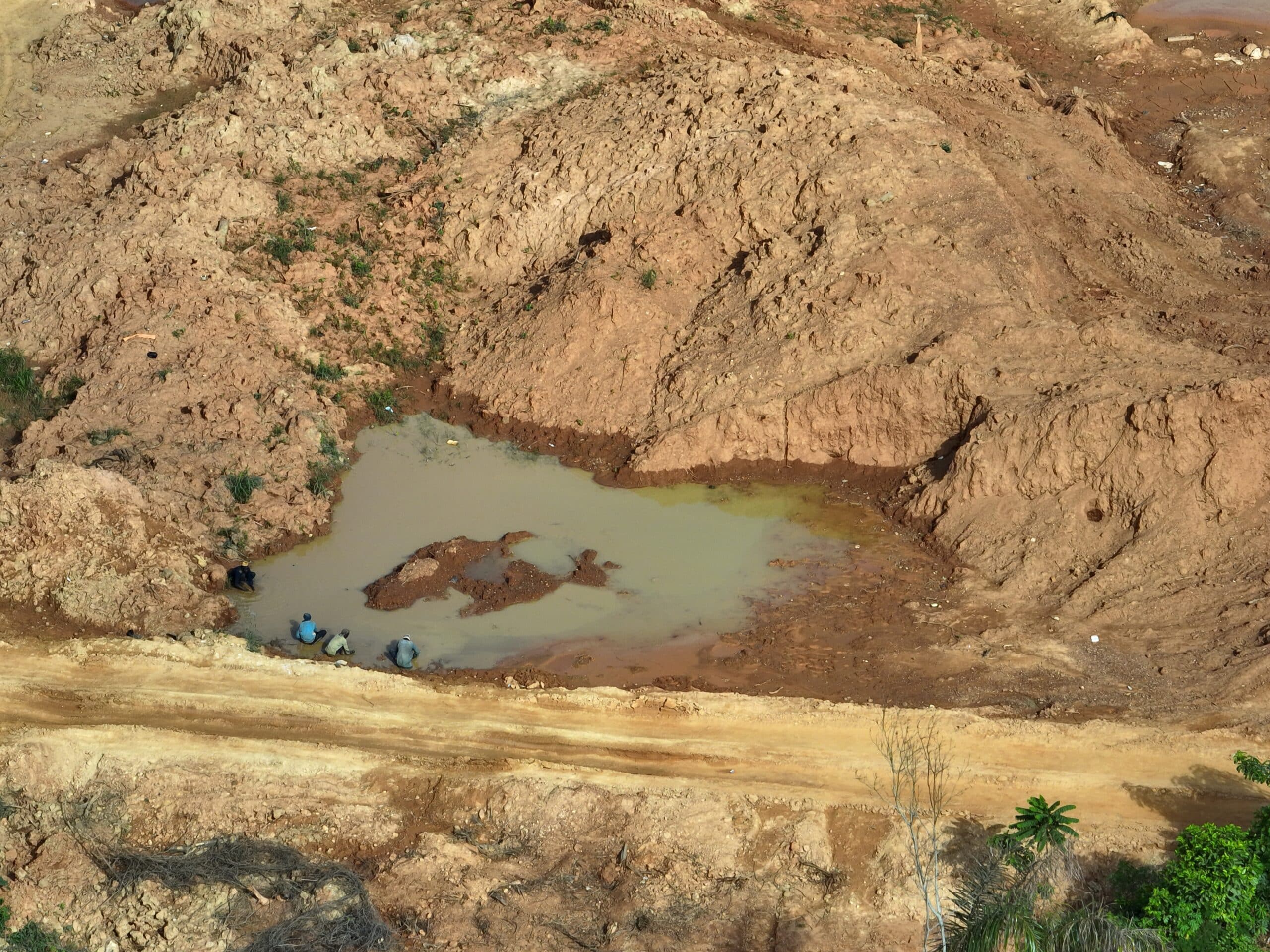
In a press release issued on March 28, 2026, the Coalition highlighted the increasing destruction of forest reserves now affecting over 50 sites and the continued pollution of major rivers, posing significant risks to public health, biodiversity, and water security.
The Coalition is calling on President John Dramani Mahama to take immediate and decisive action to address weak enforcement, political interference, and widespread impunity. Key recommendations include resourcing state institutions, halting the issuance of small-scale mining licenses, prosecuting offenders, and strengthening protections for critical ecosystems such as the Atewa and Achimota forests.
Additionally, the statement underscores urgent human rights concerns, including the need to protect environmental defenders and ensure justice in reported abuses linked to illegal mining activities.
GCAG is urging the President to demonstrate strong political will by committing to clear, time-bound actions that will restore accountability and safeguard Ghana’s natural resources for future generations.
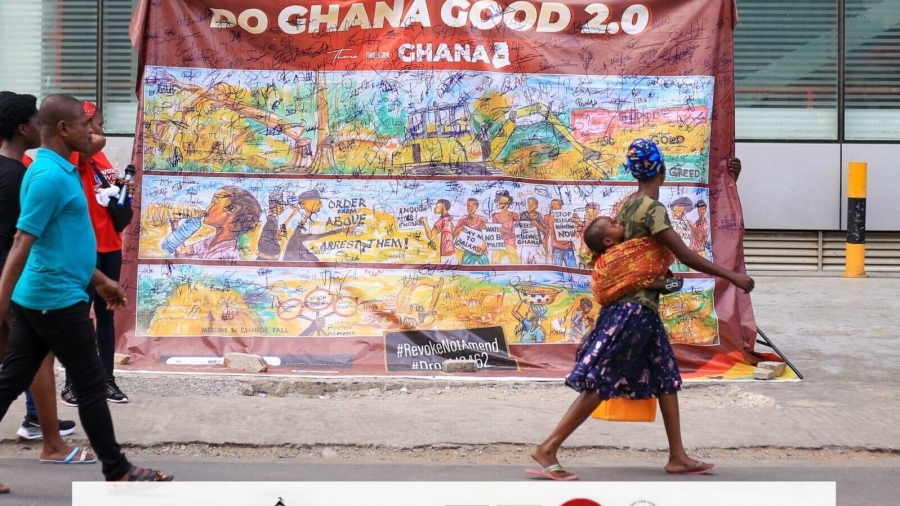
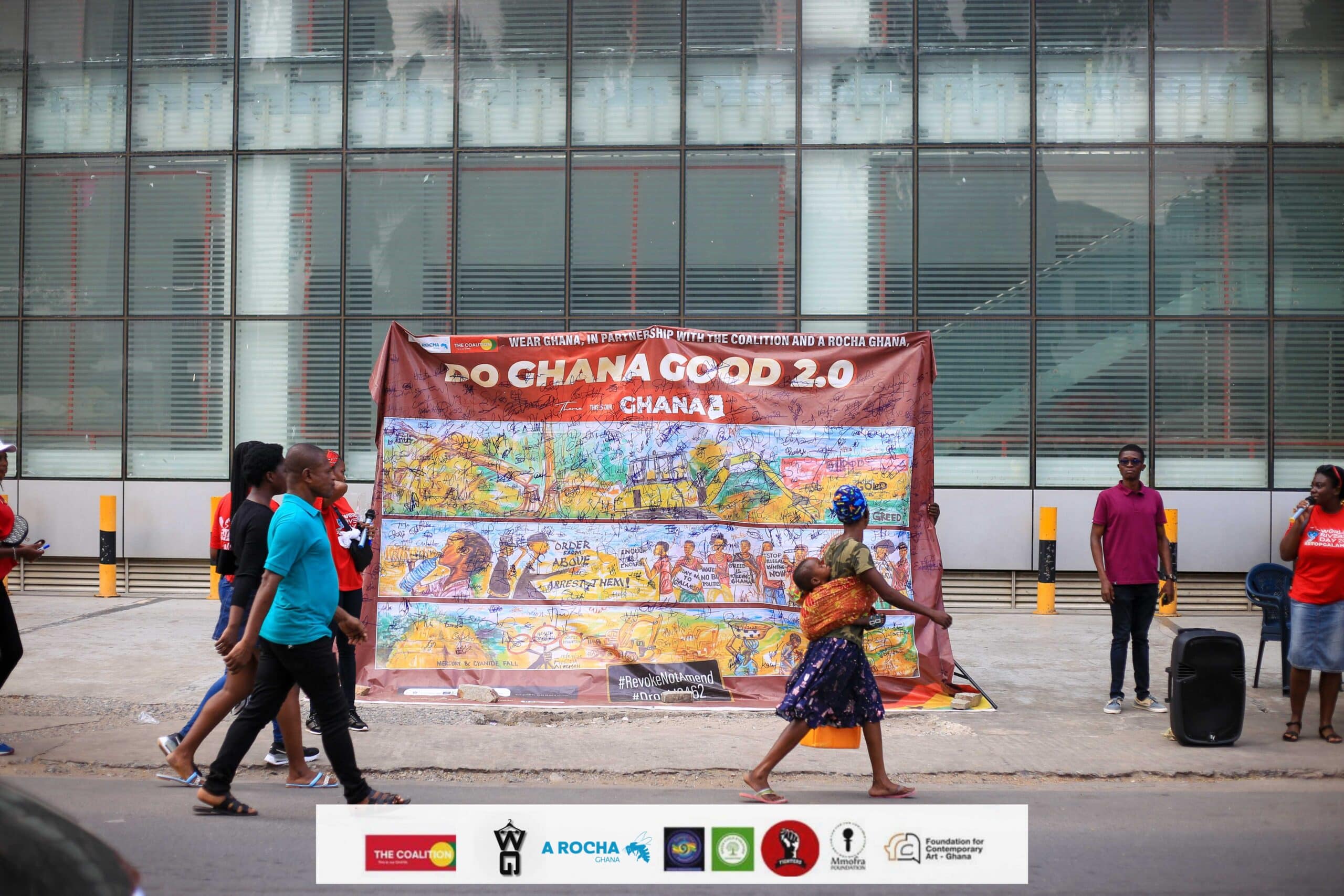
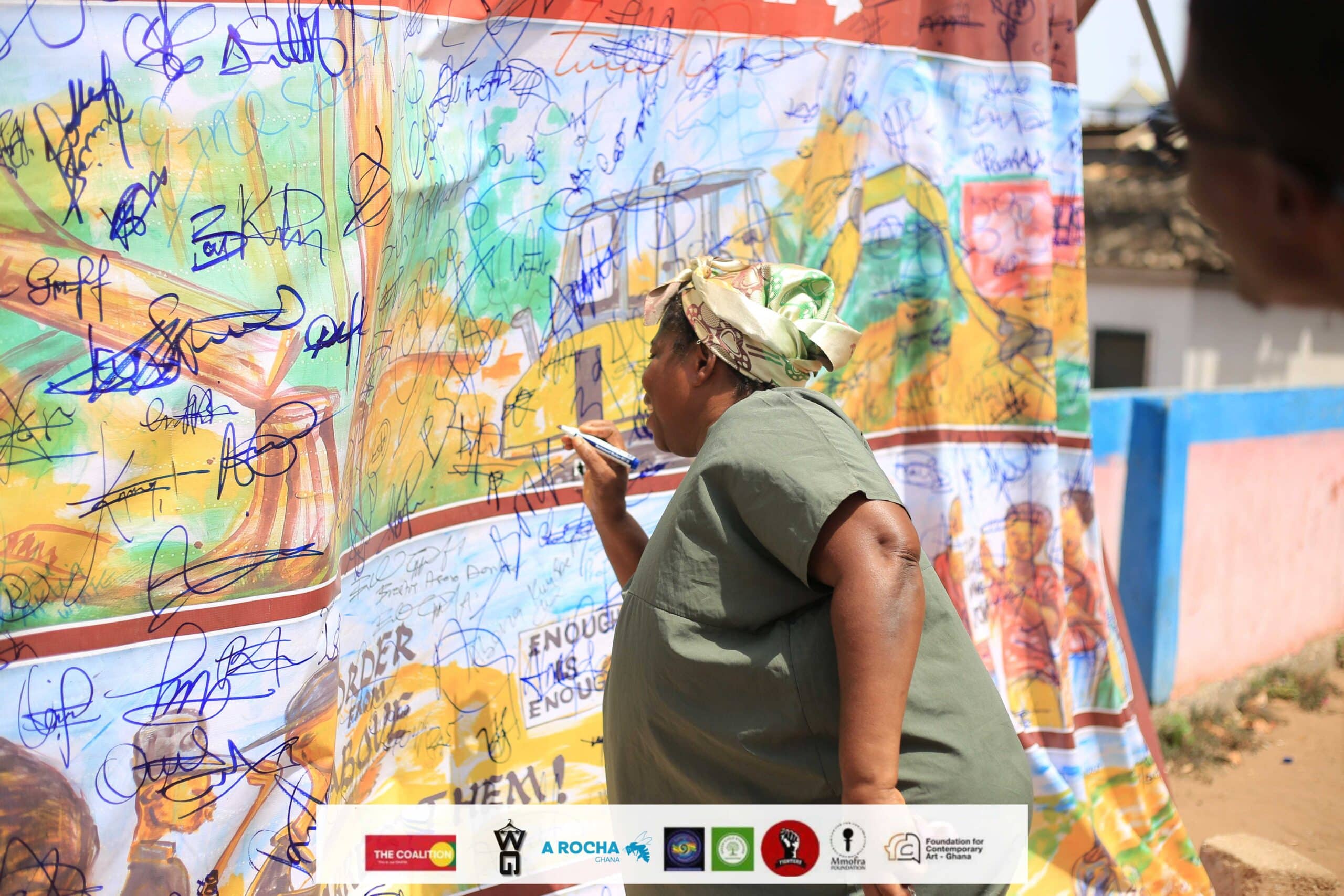
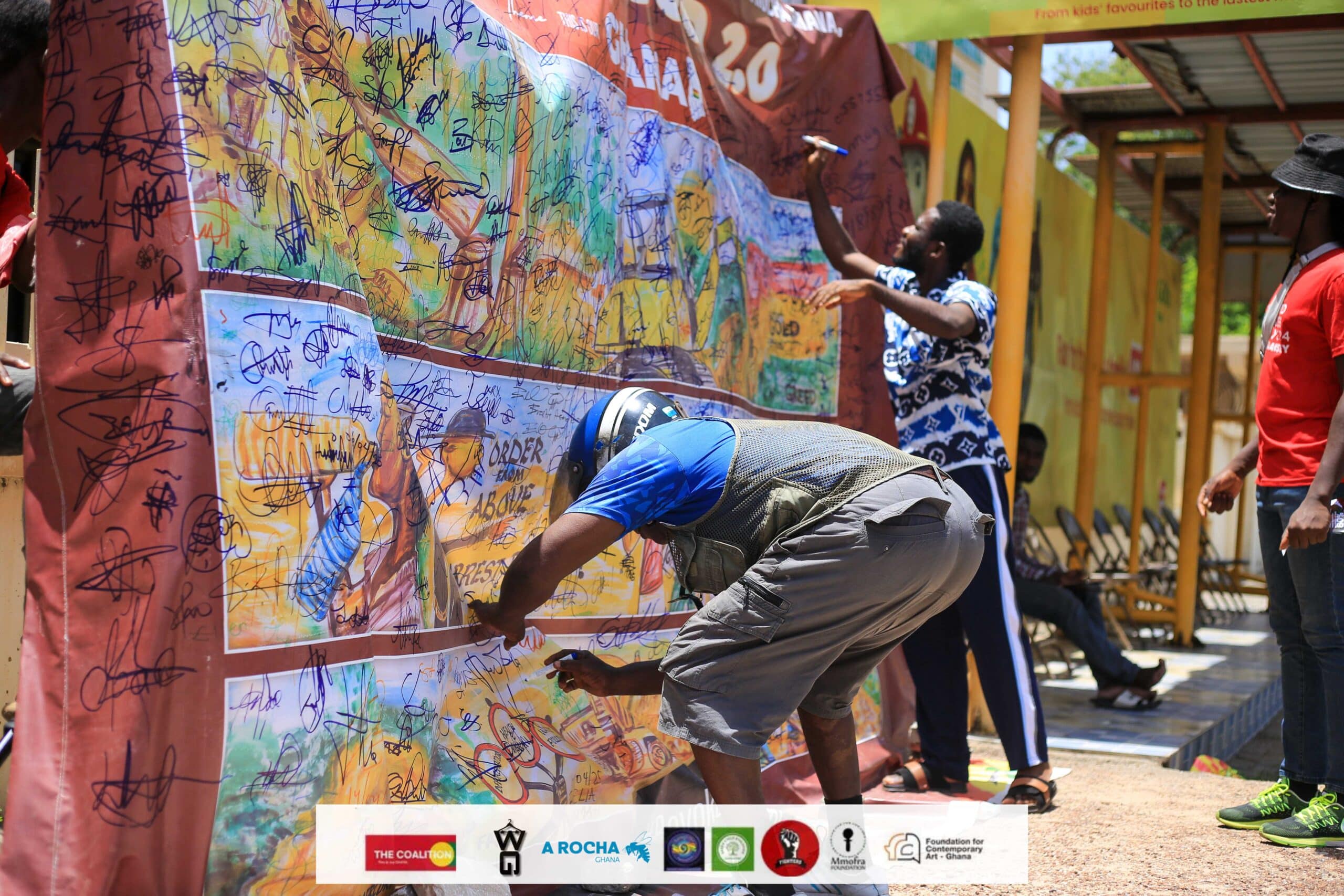
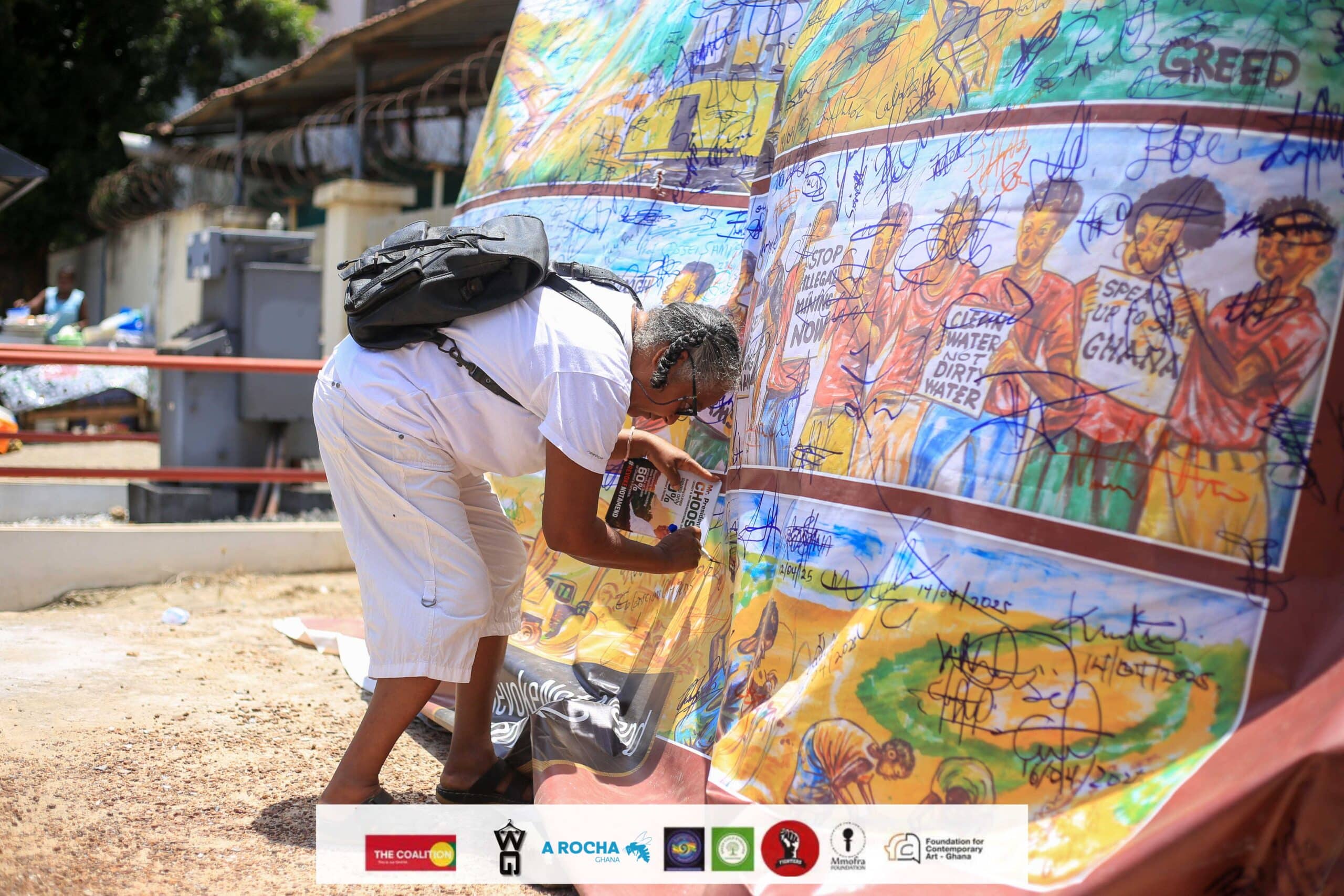
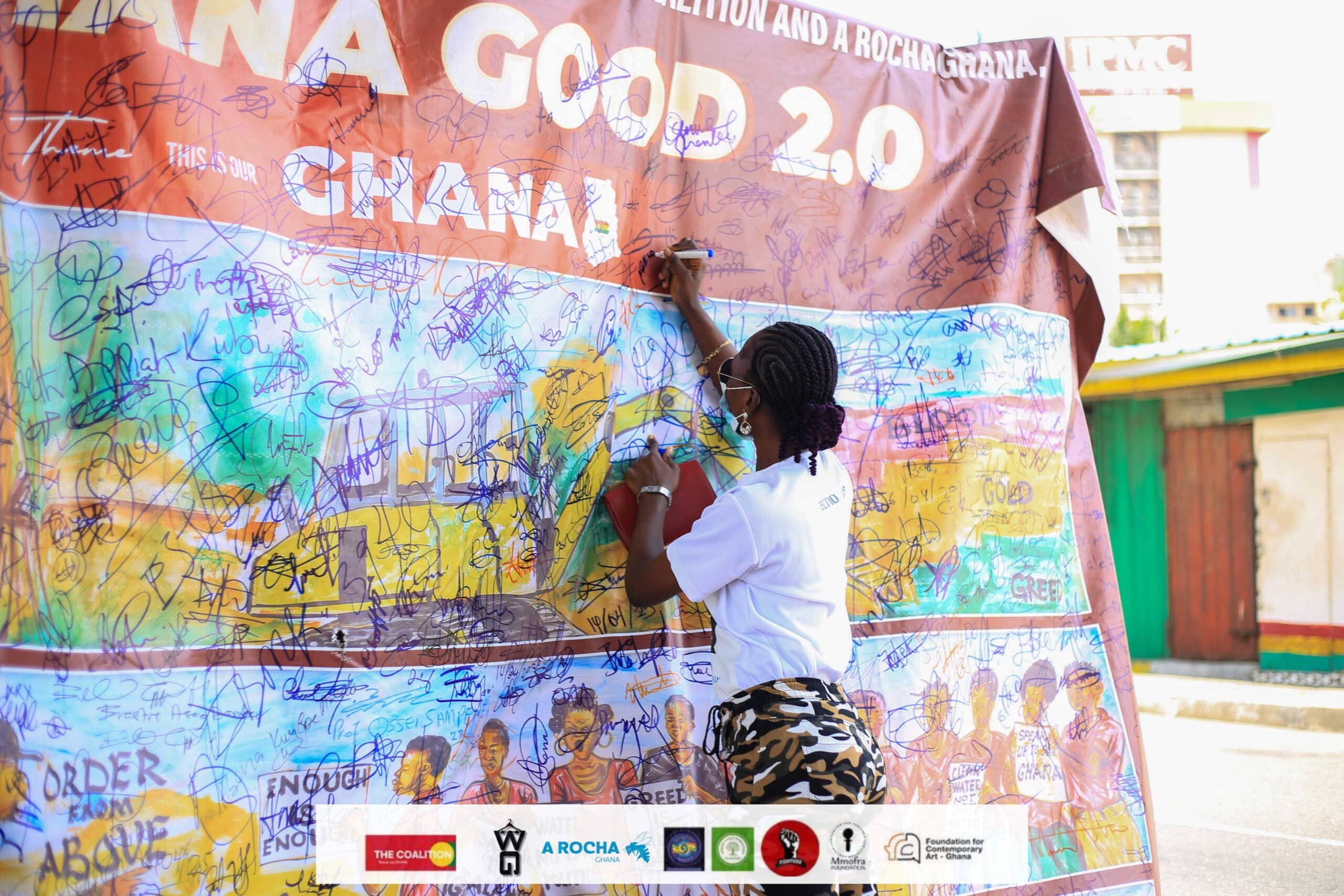
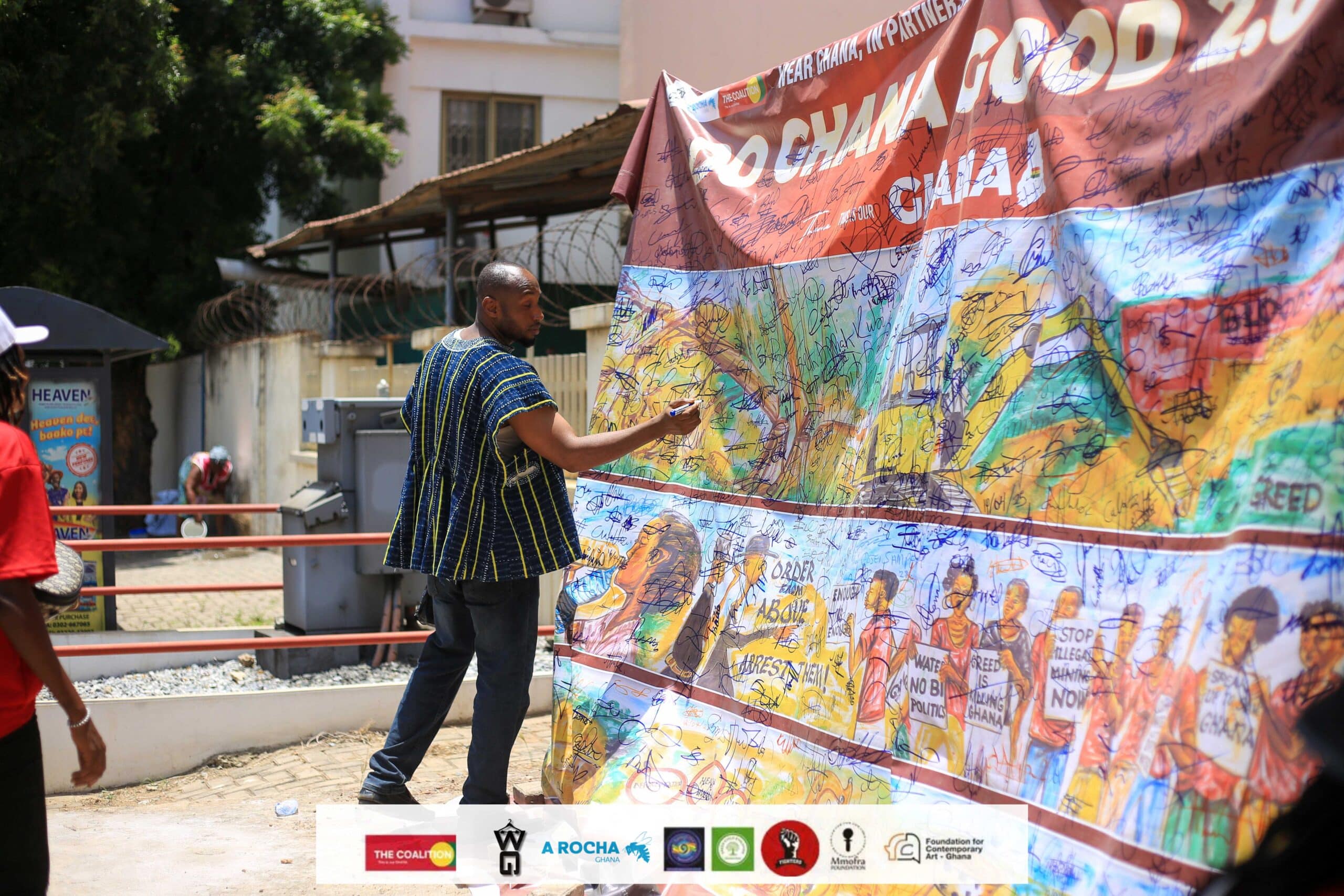
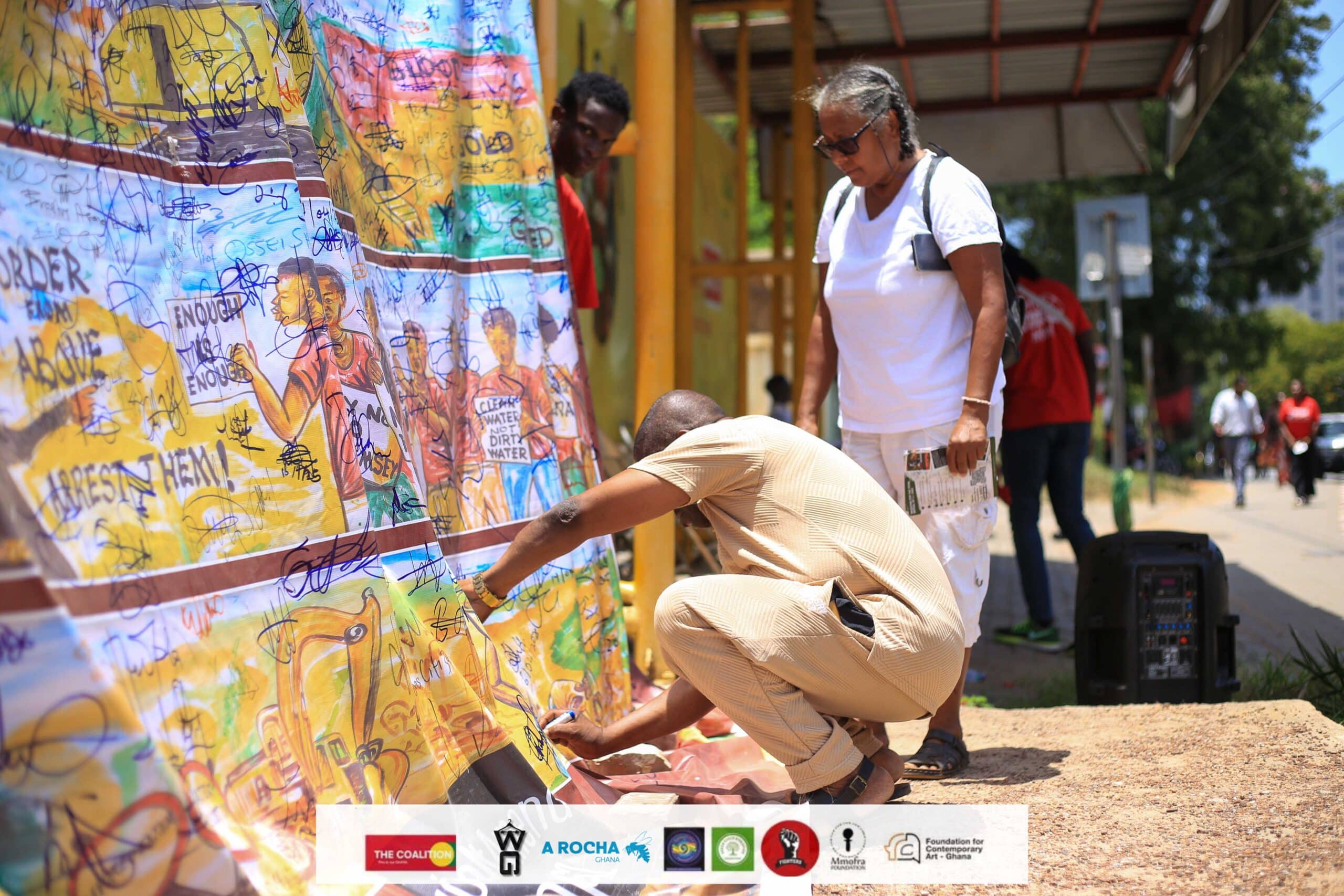
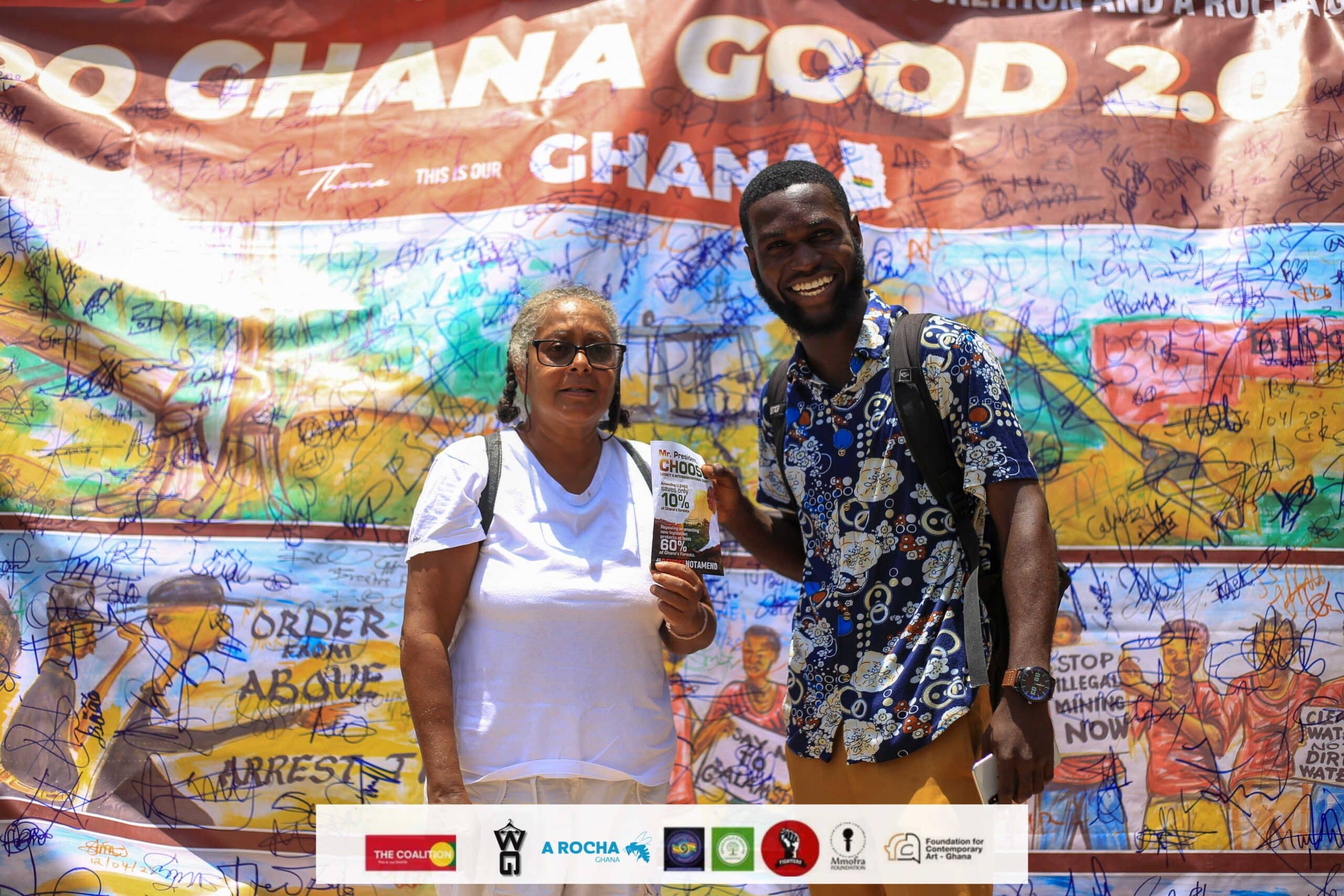
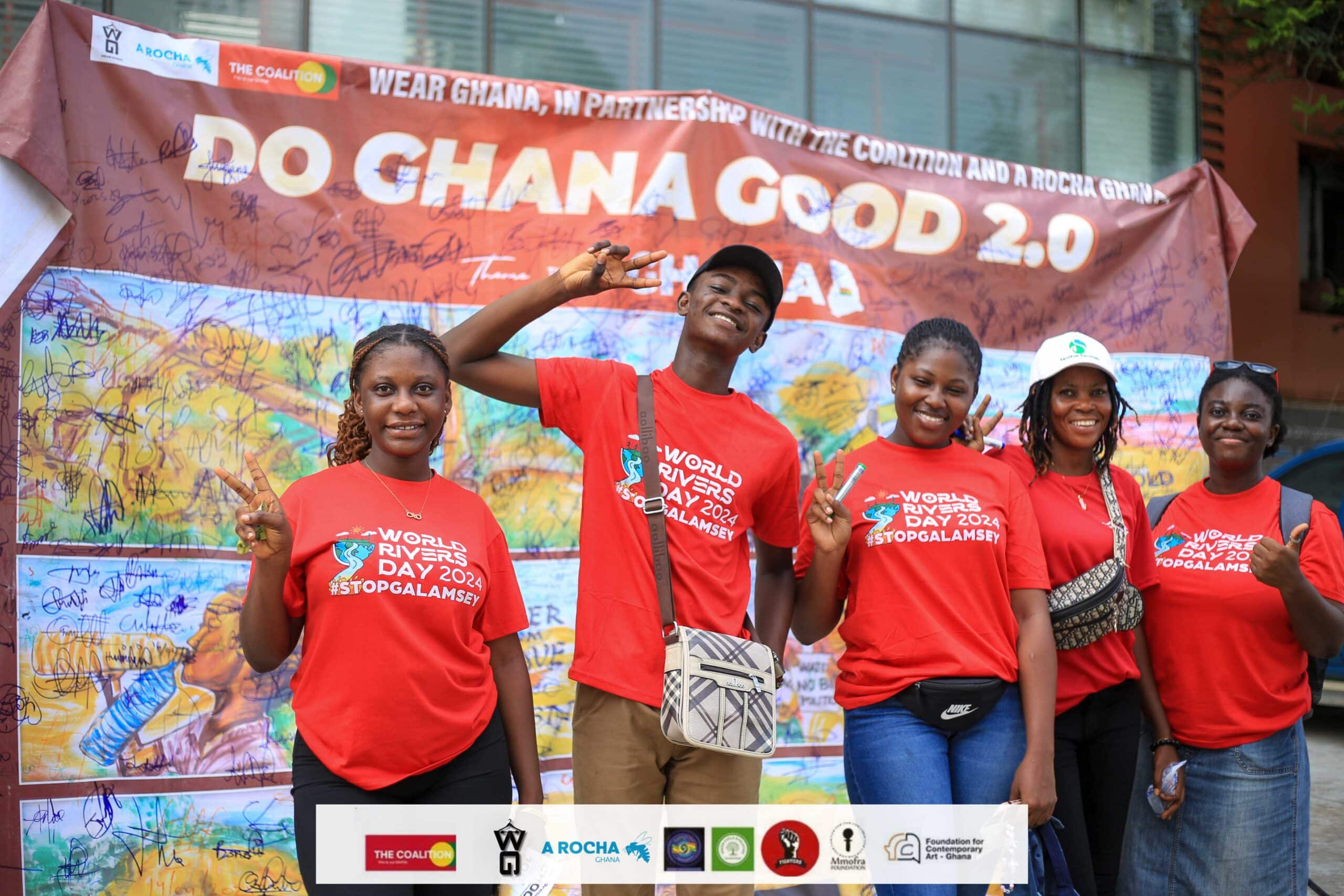
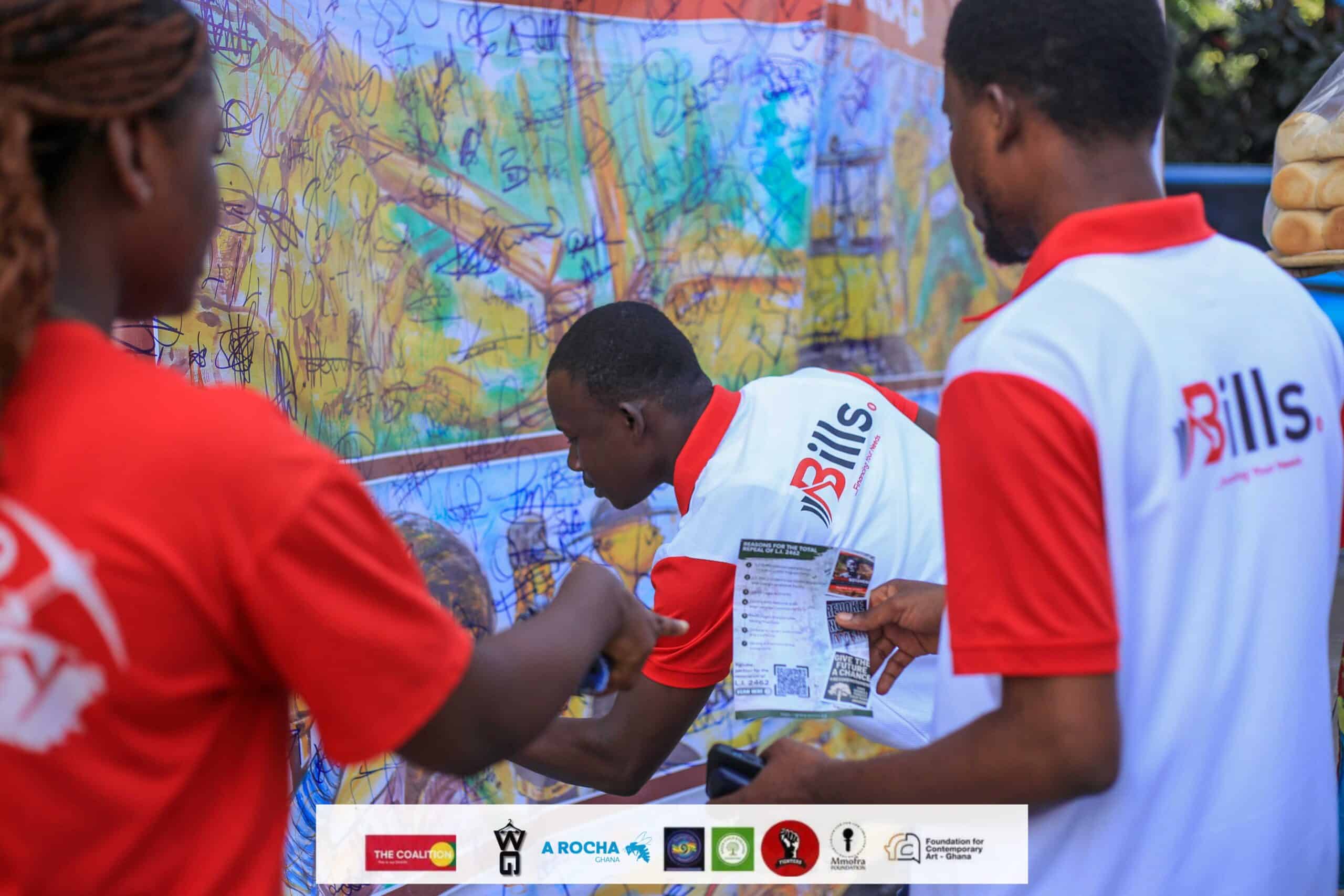
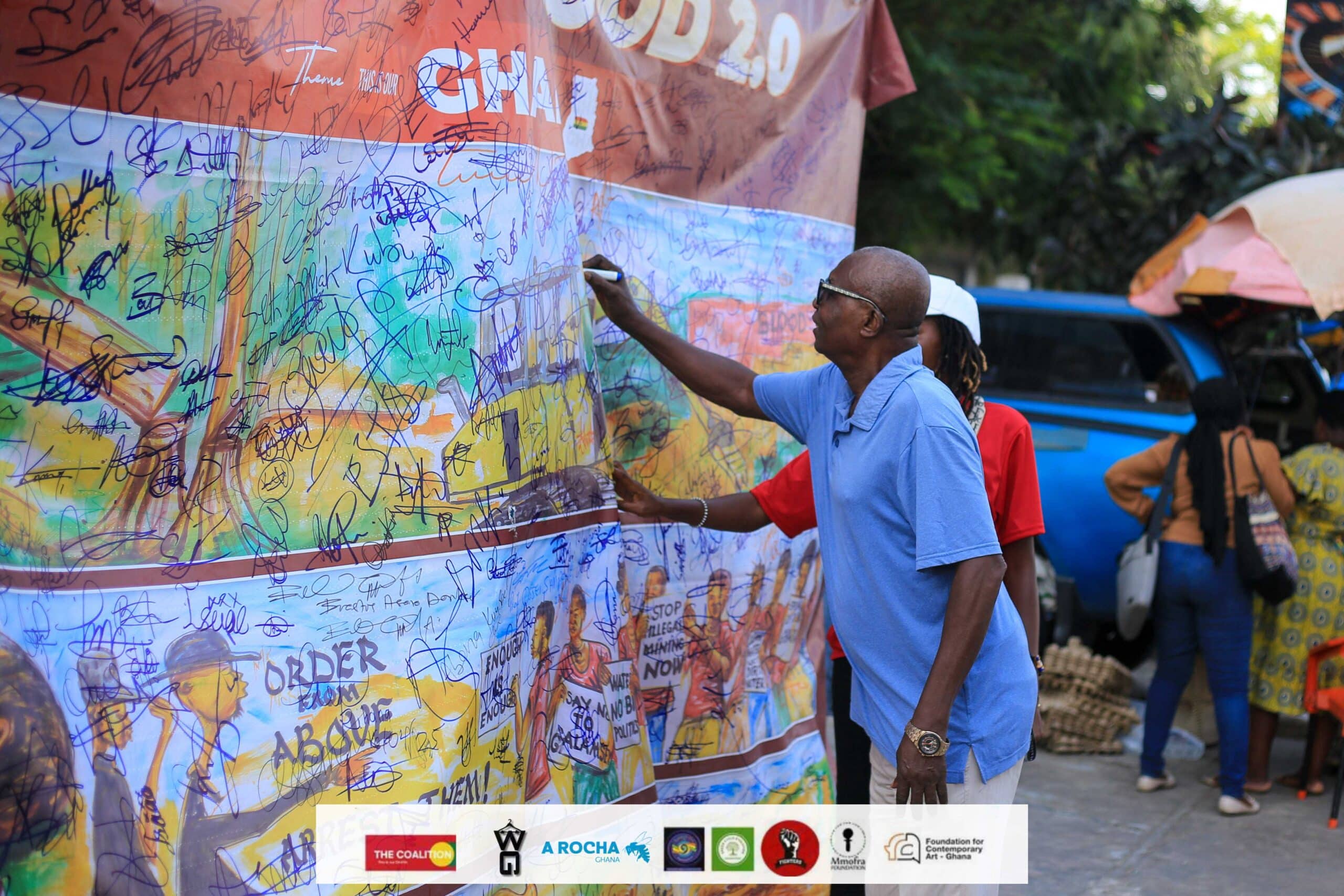
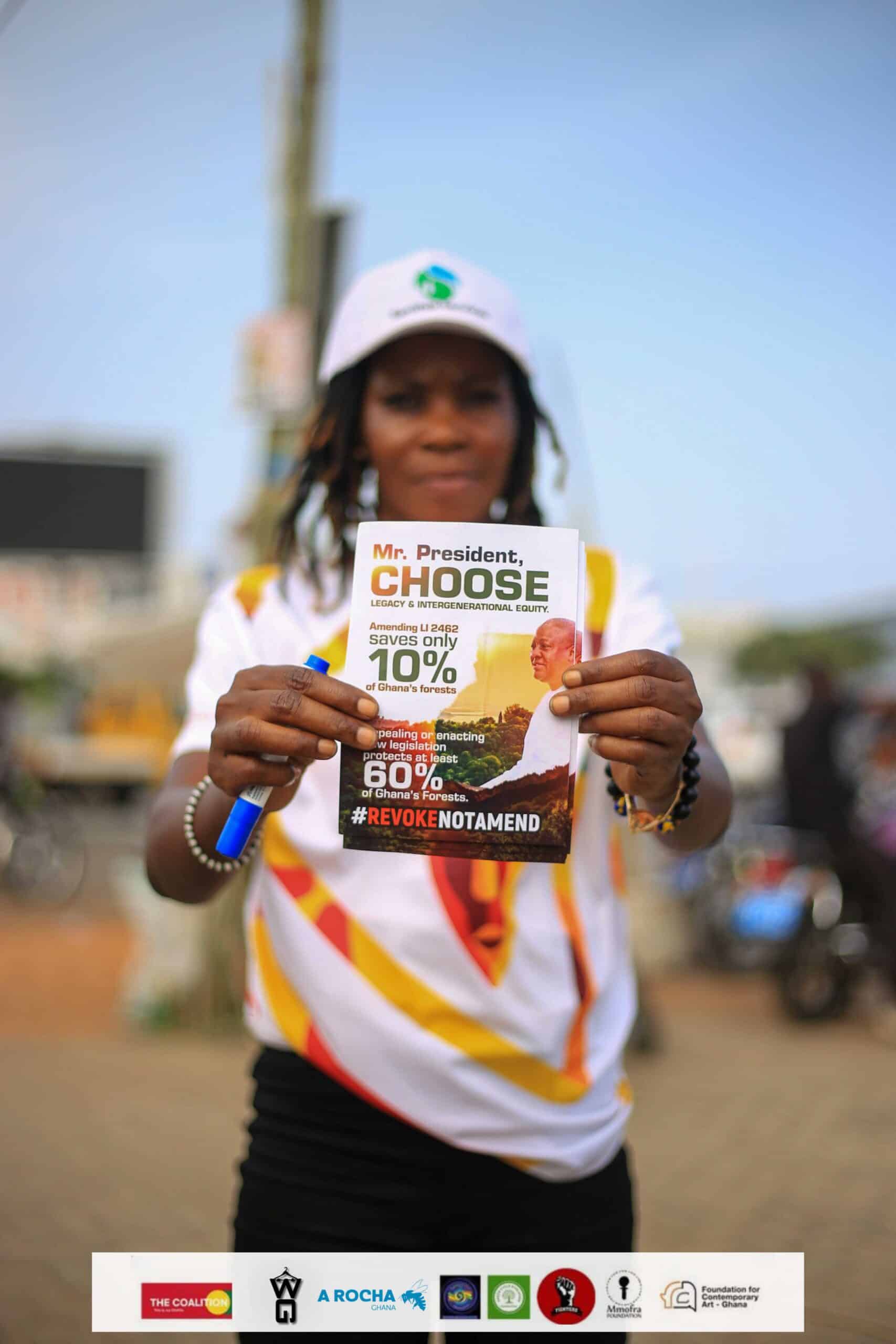
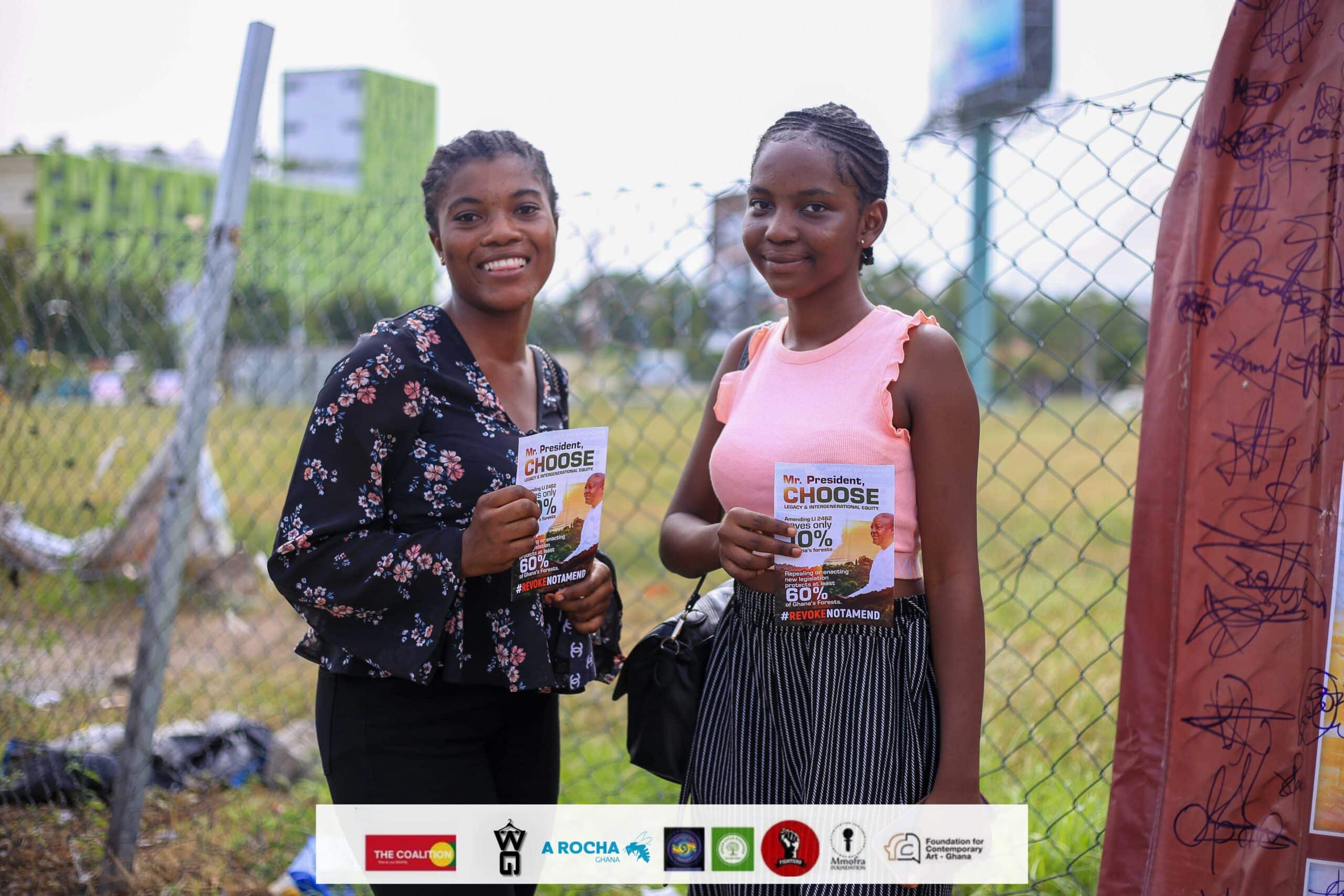
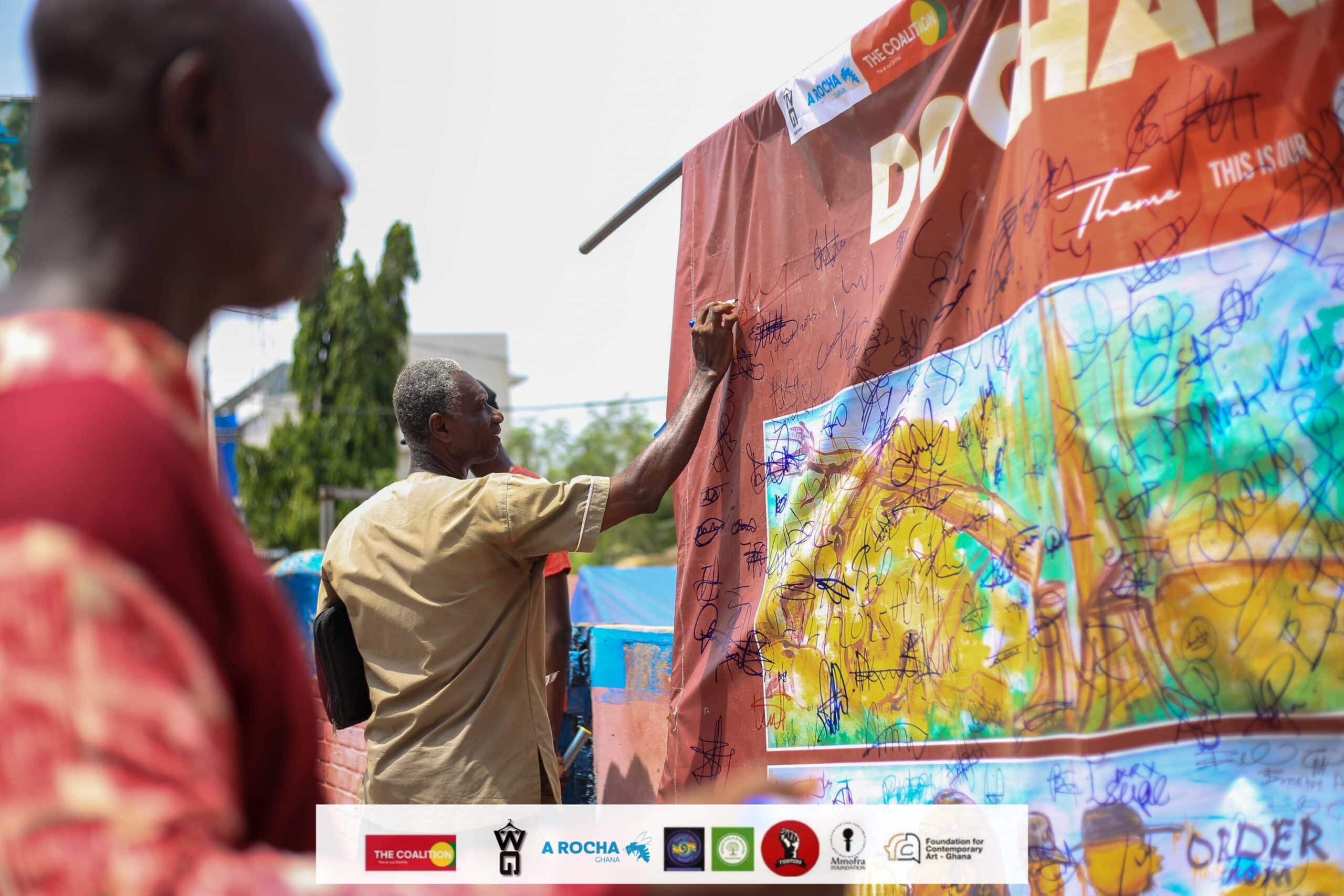
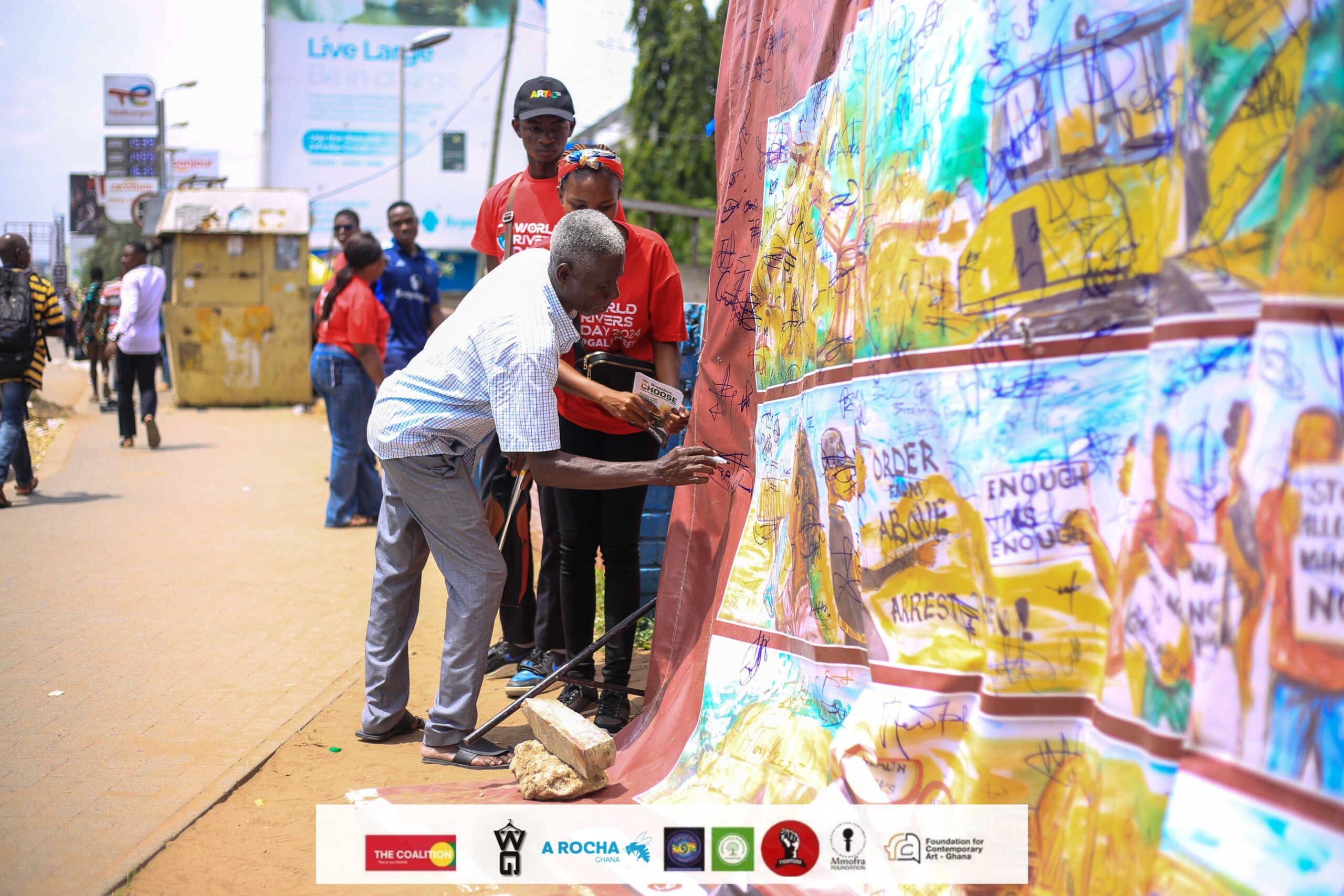
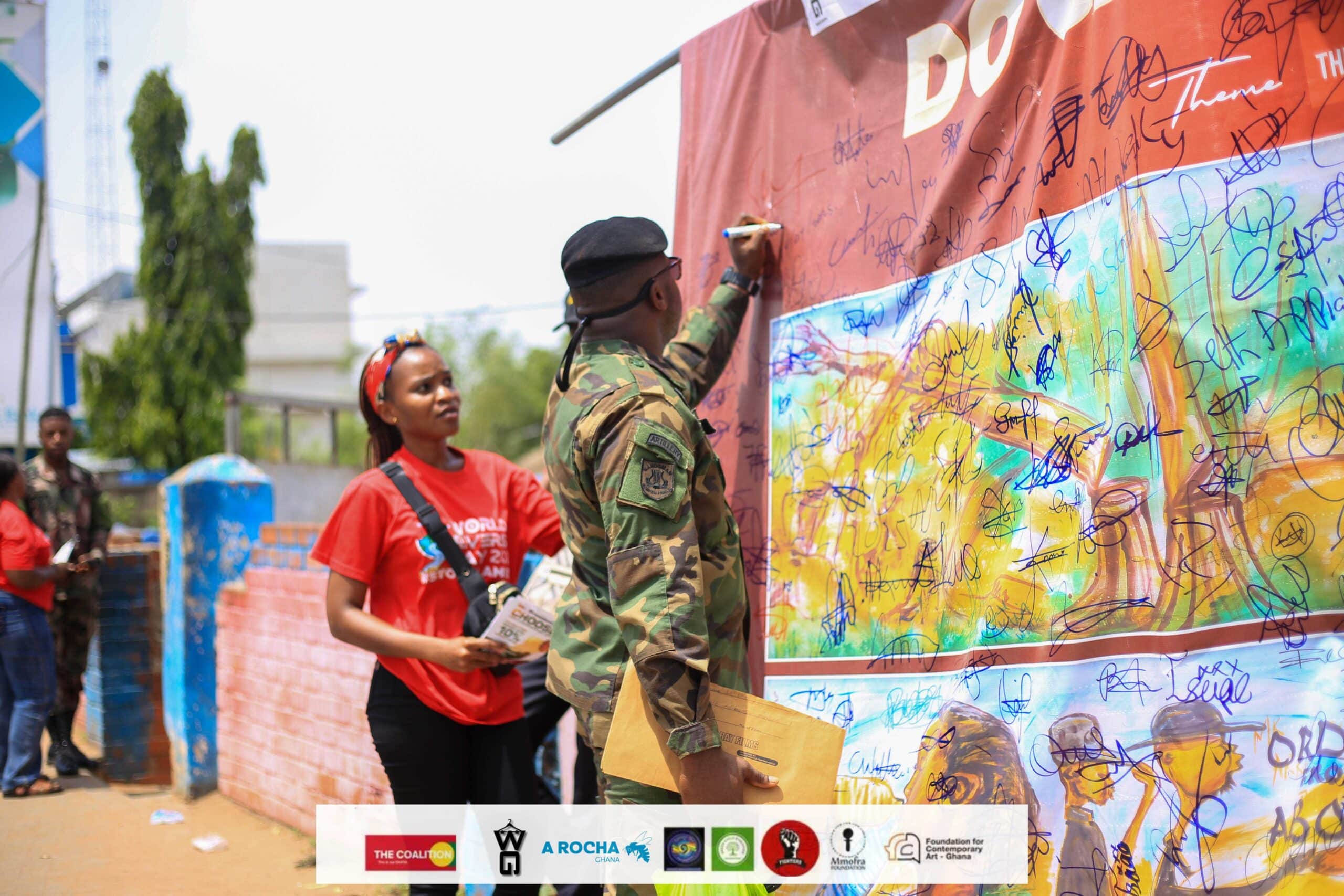
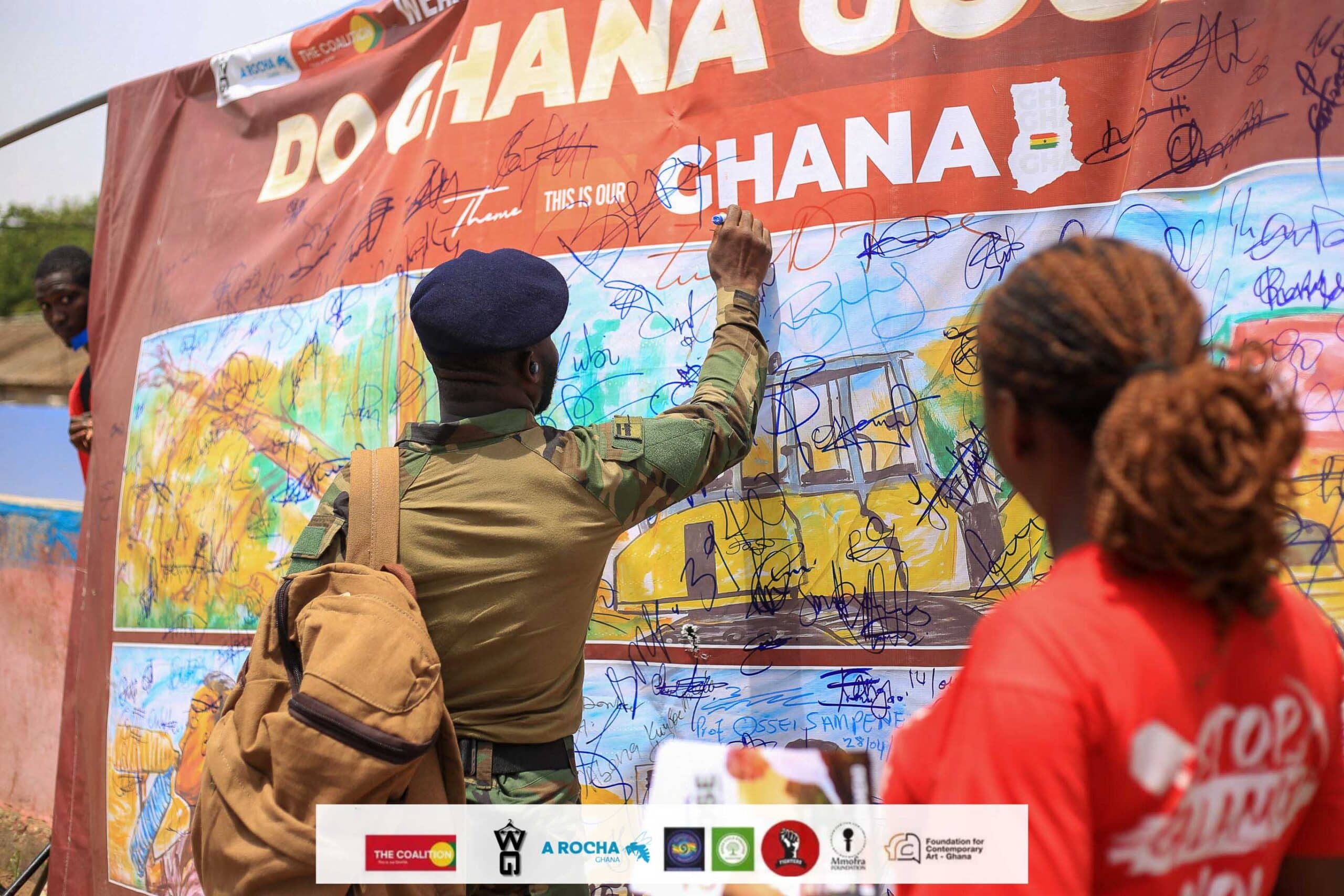
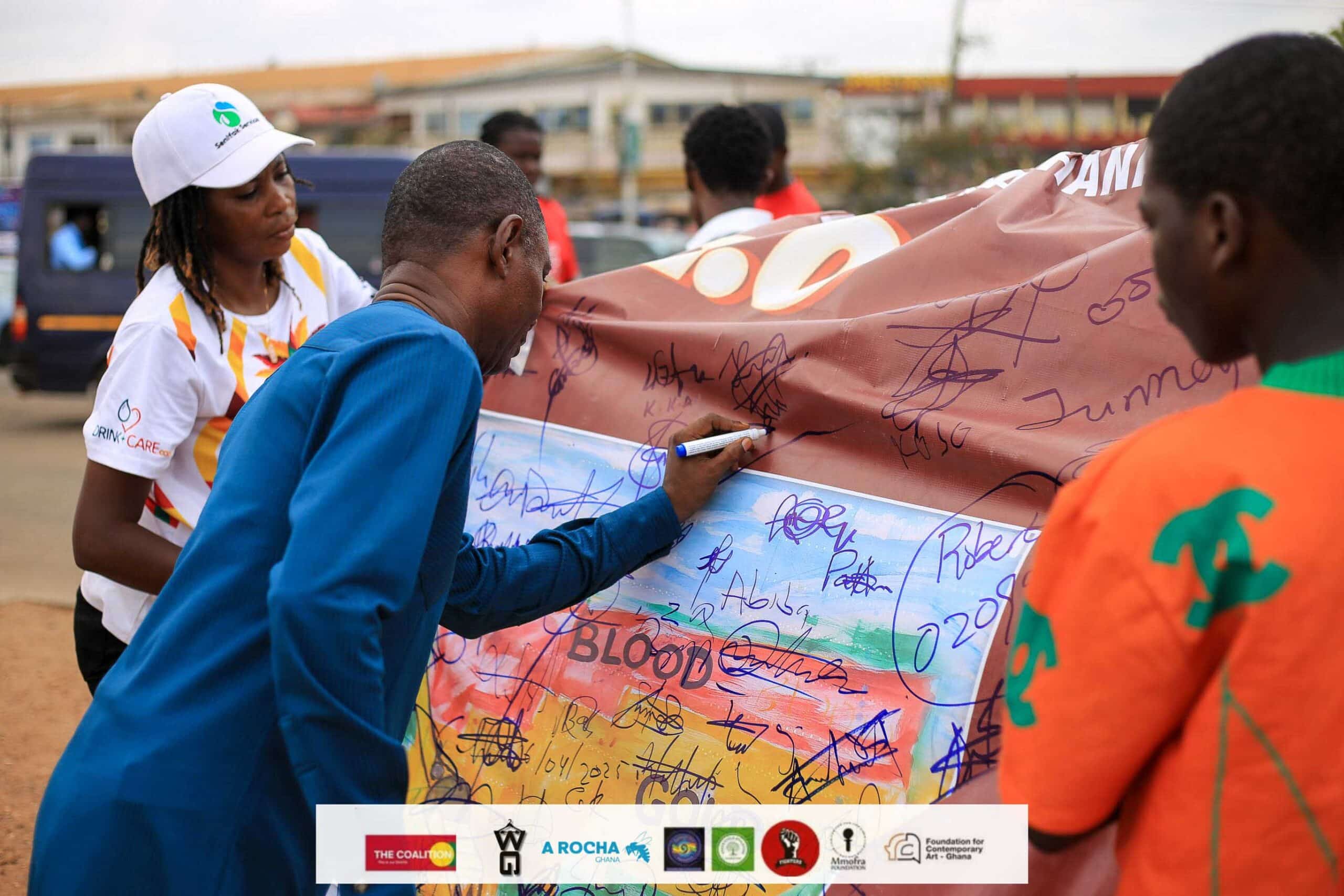
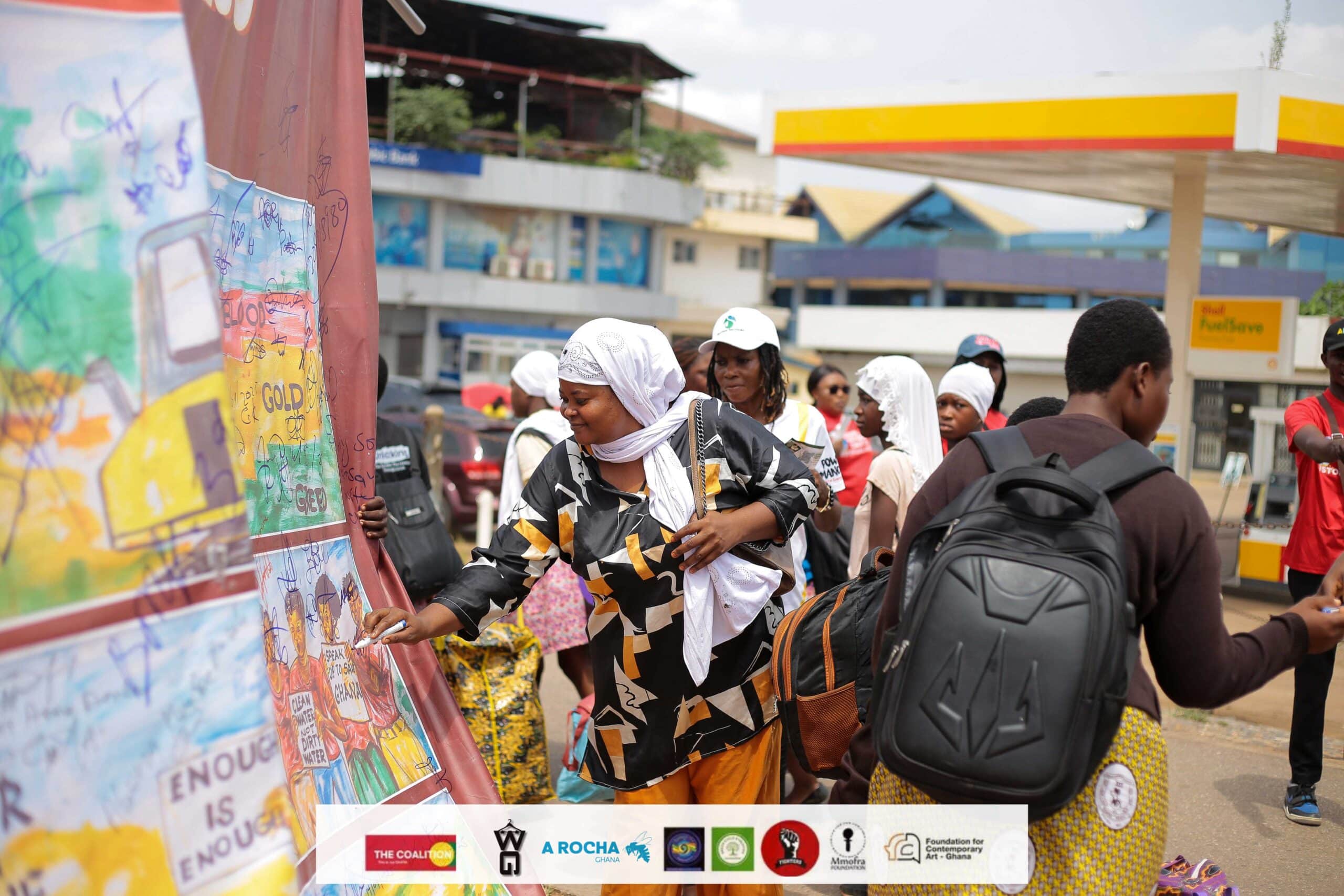
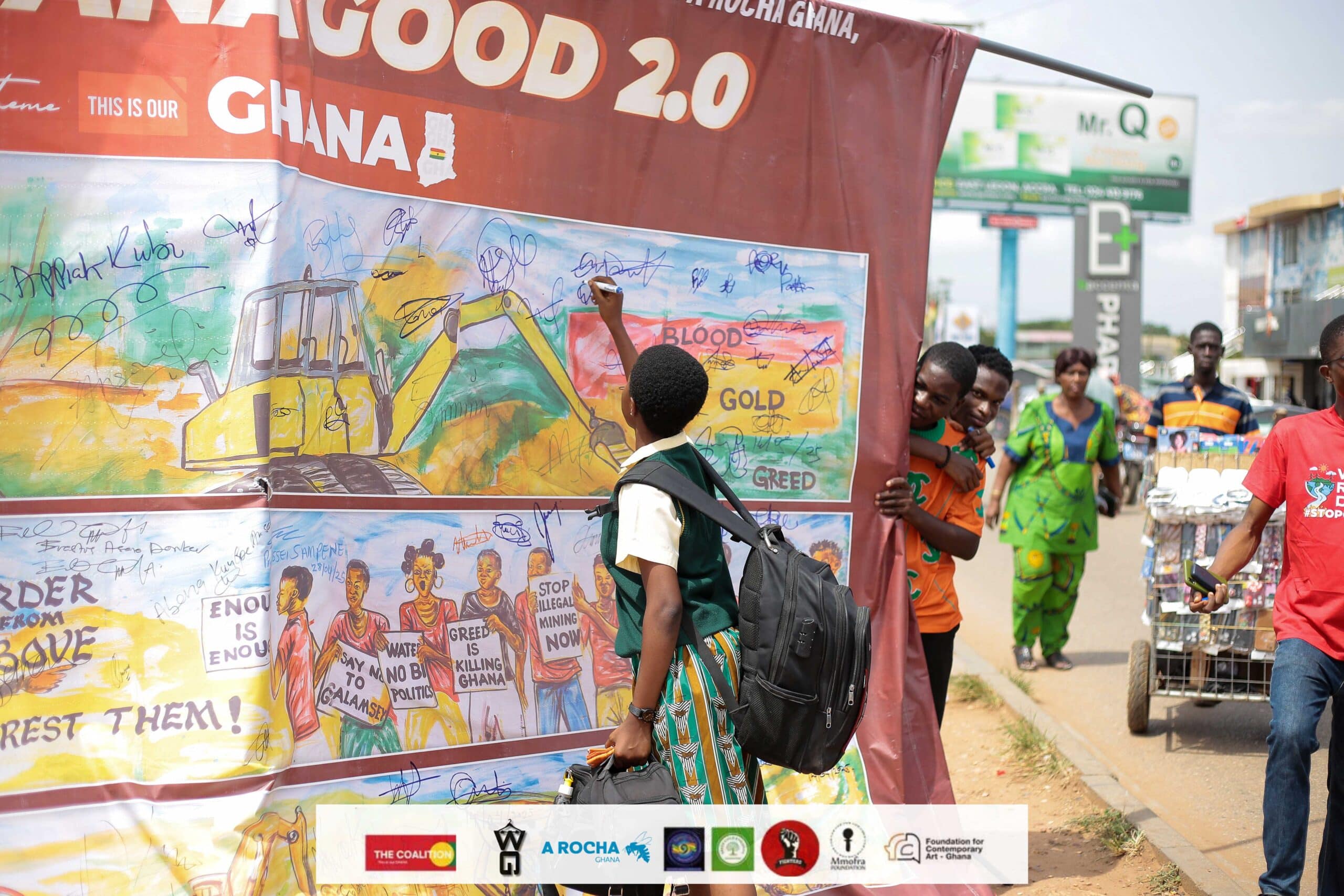
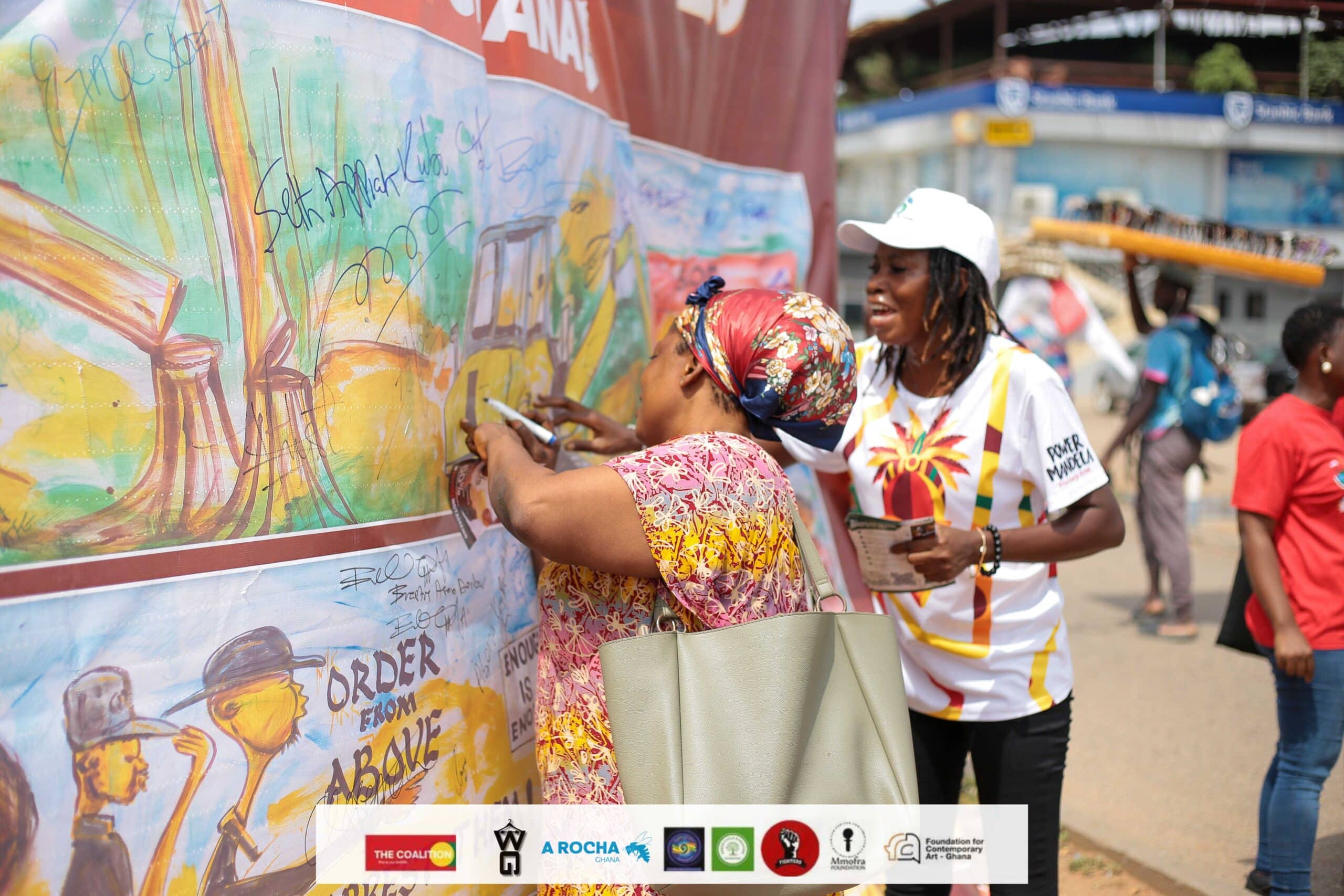
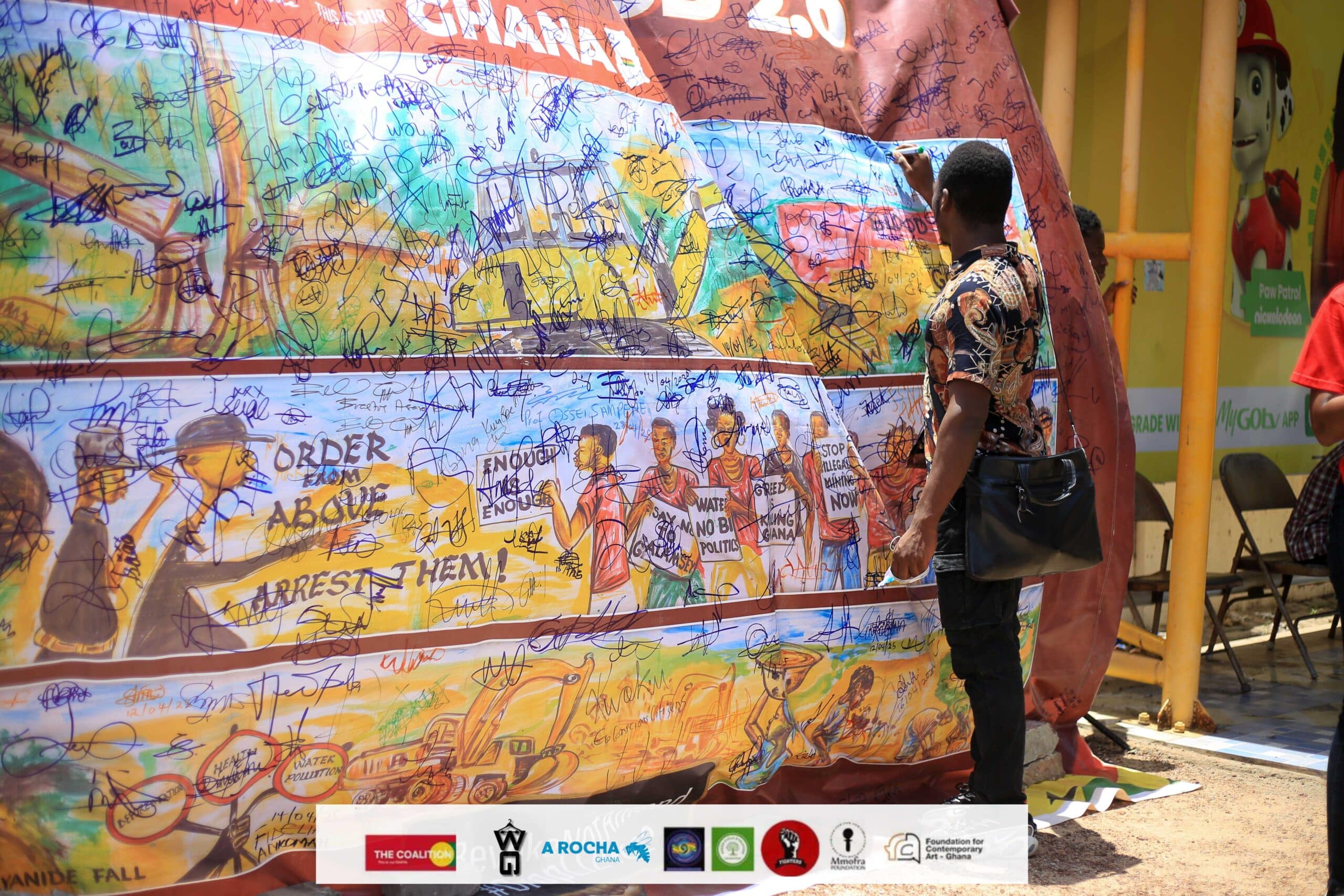
The campaign, titled “DO GHANA GOOD 2.0”, sought to educate the public about the implications and increase public participation in a petition to revoke the controversial L.I. 2462, which grants mining rights within these critical ecosystems.
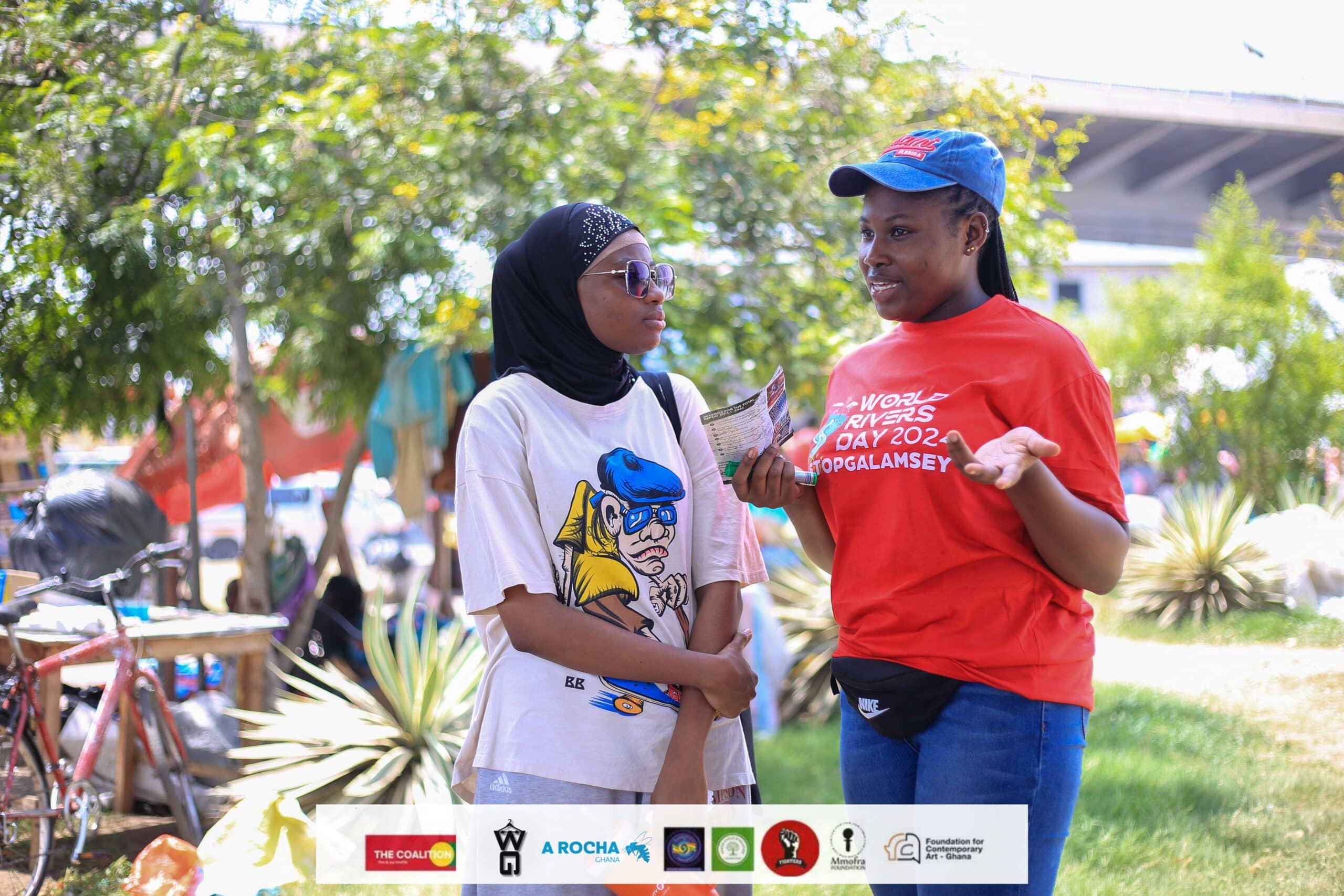
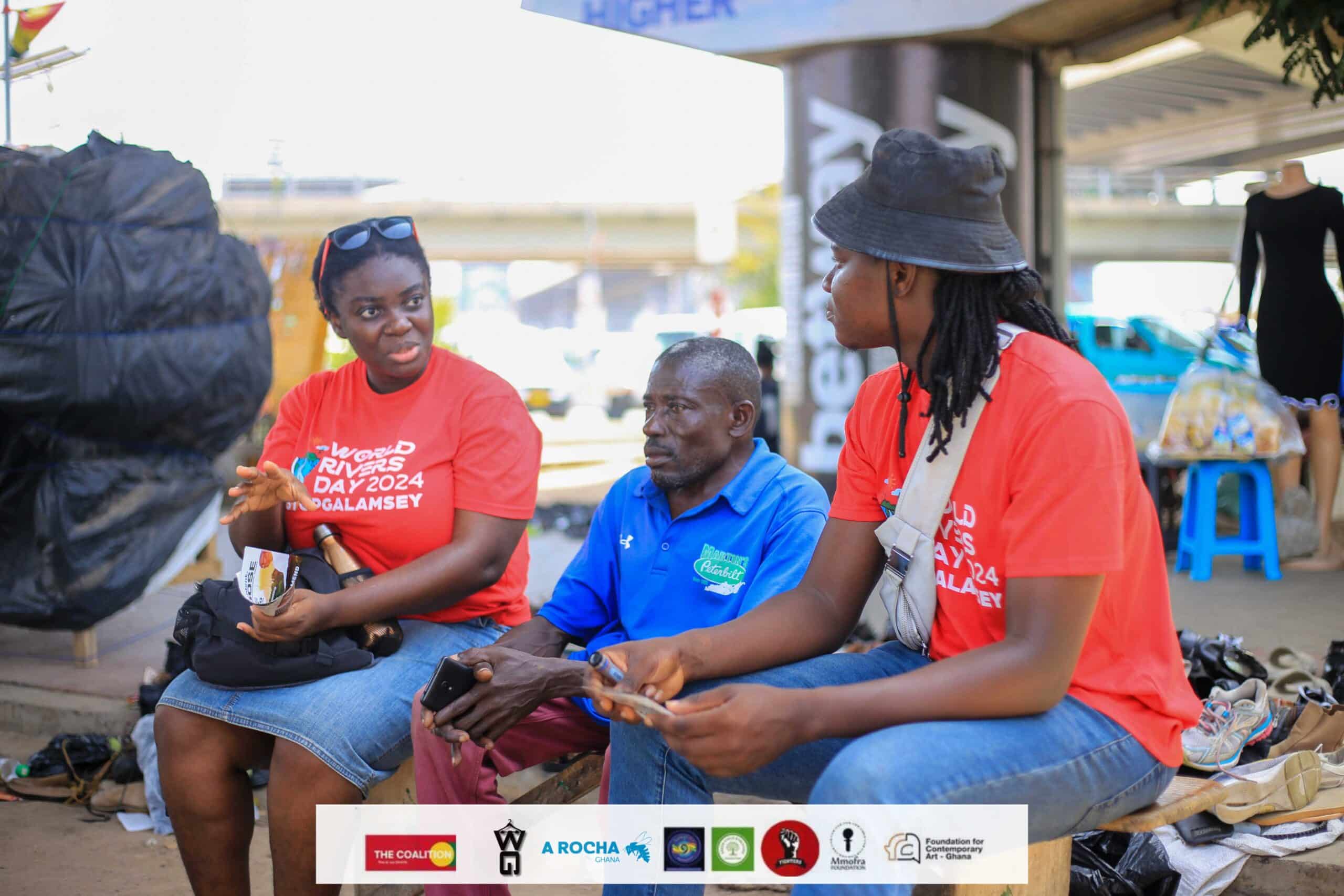
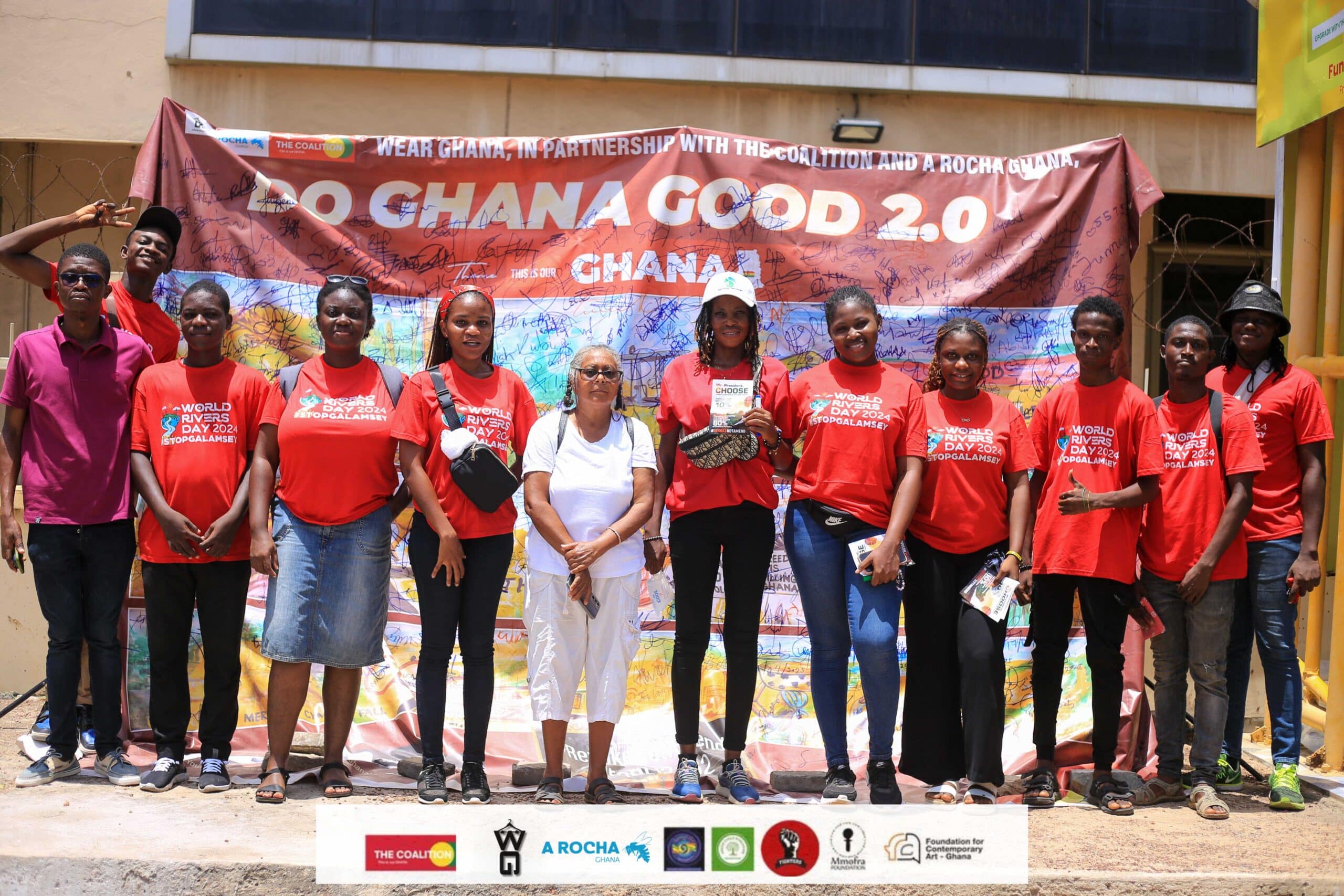
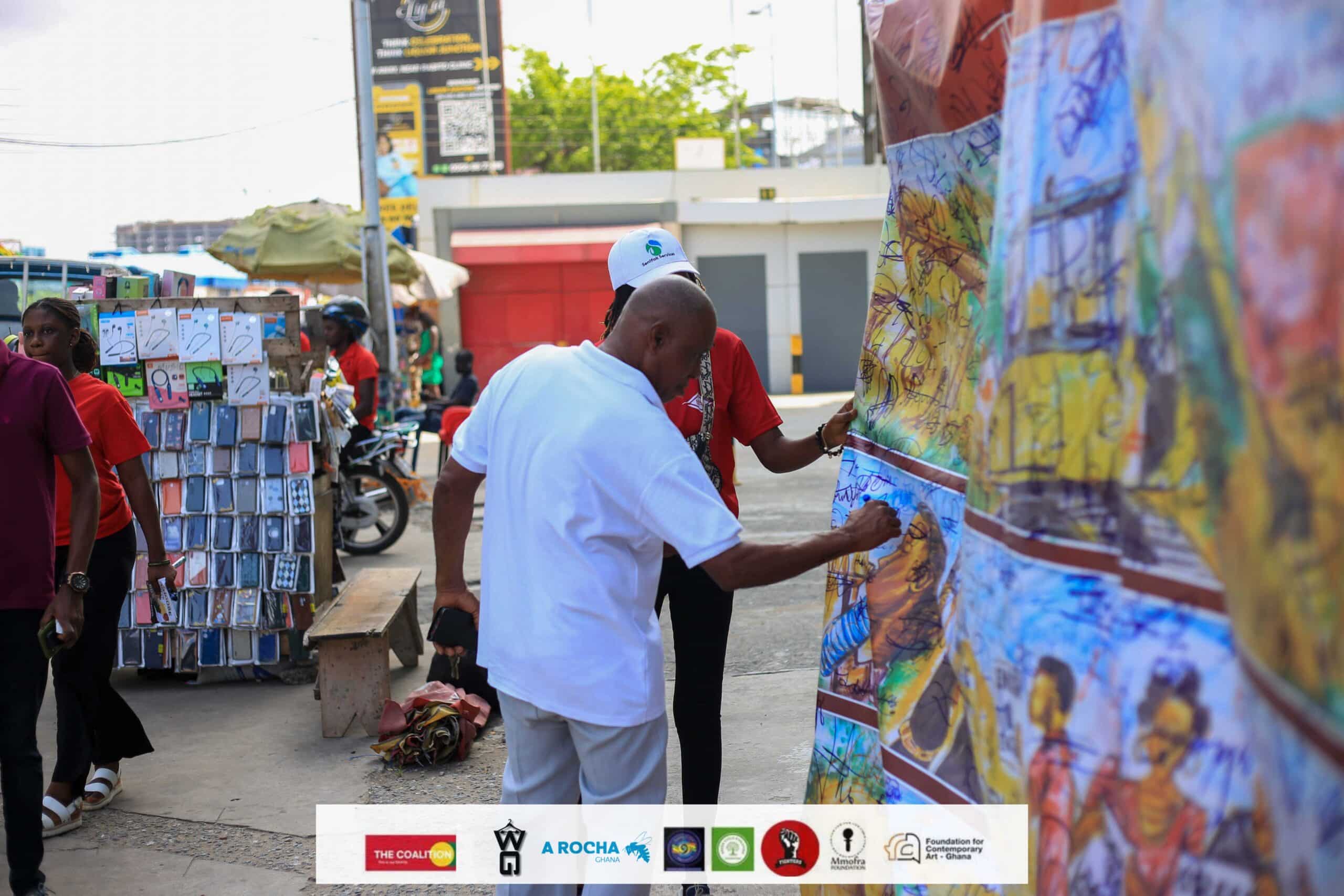
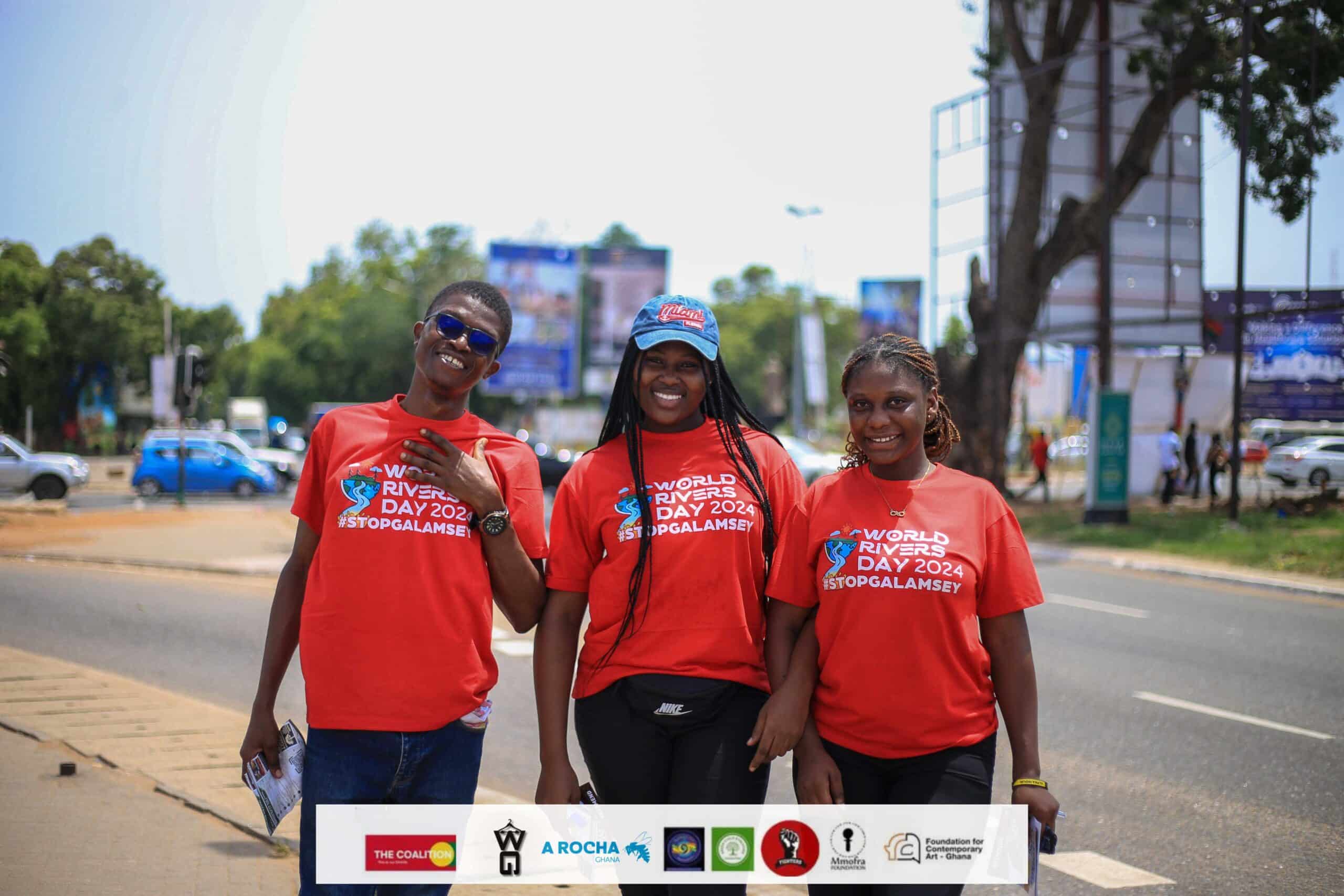
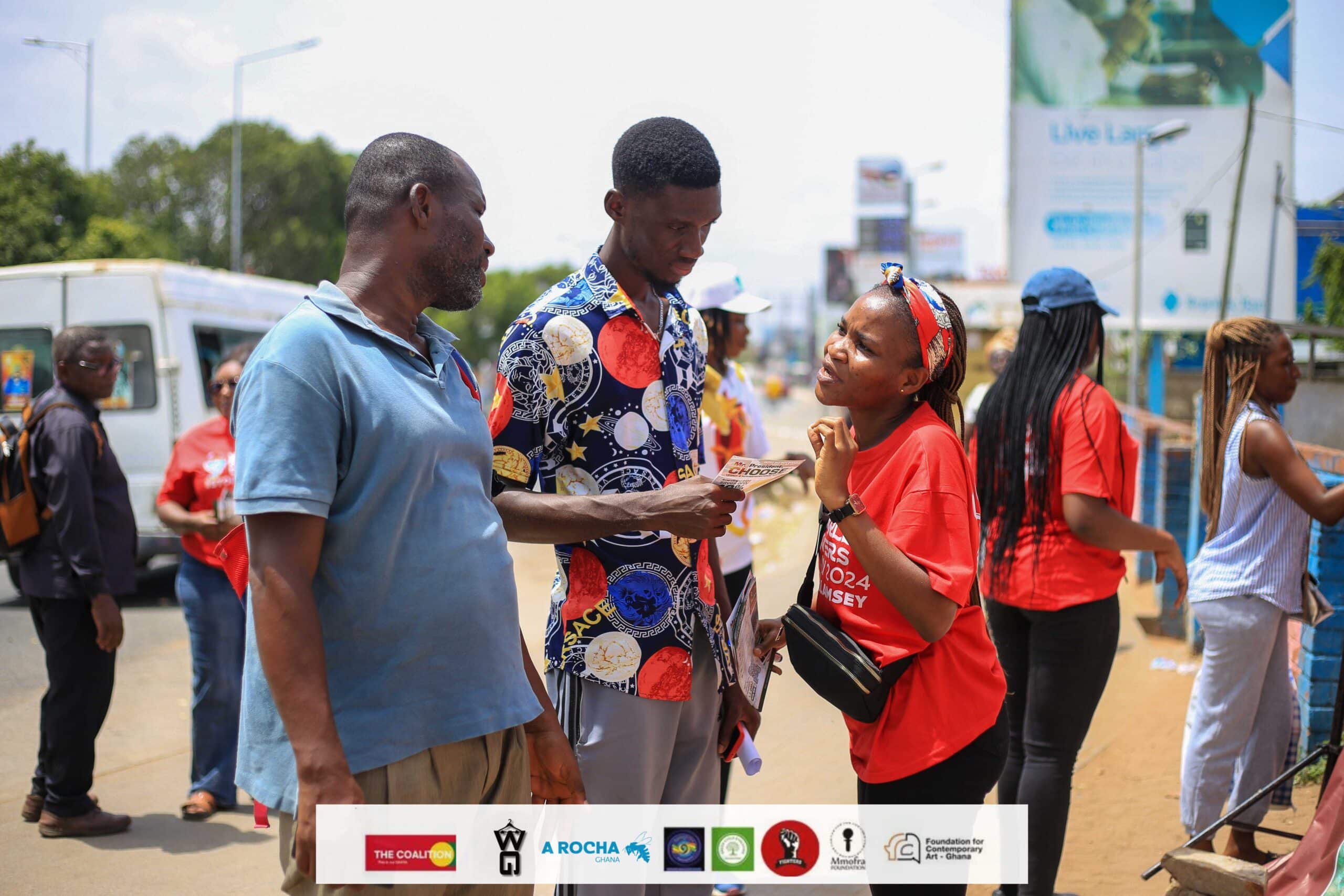
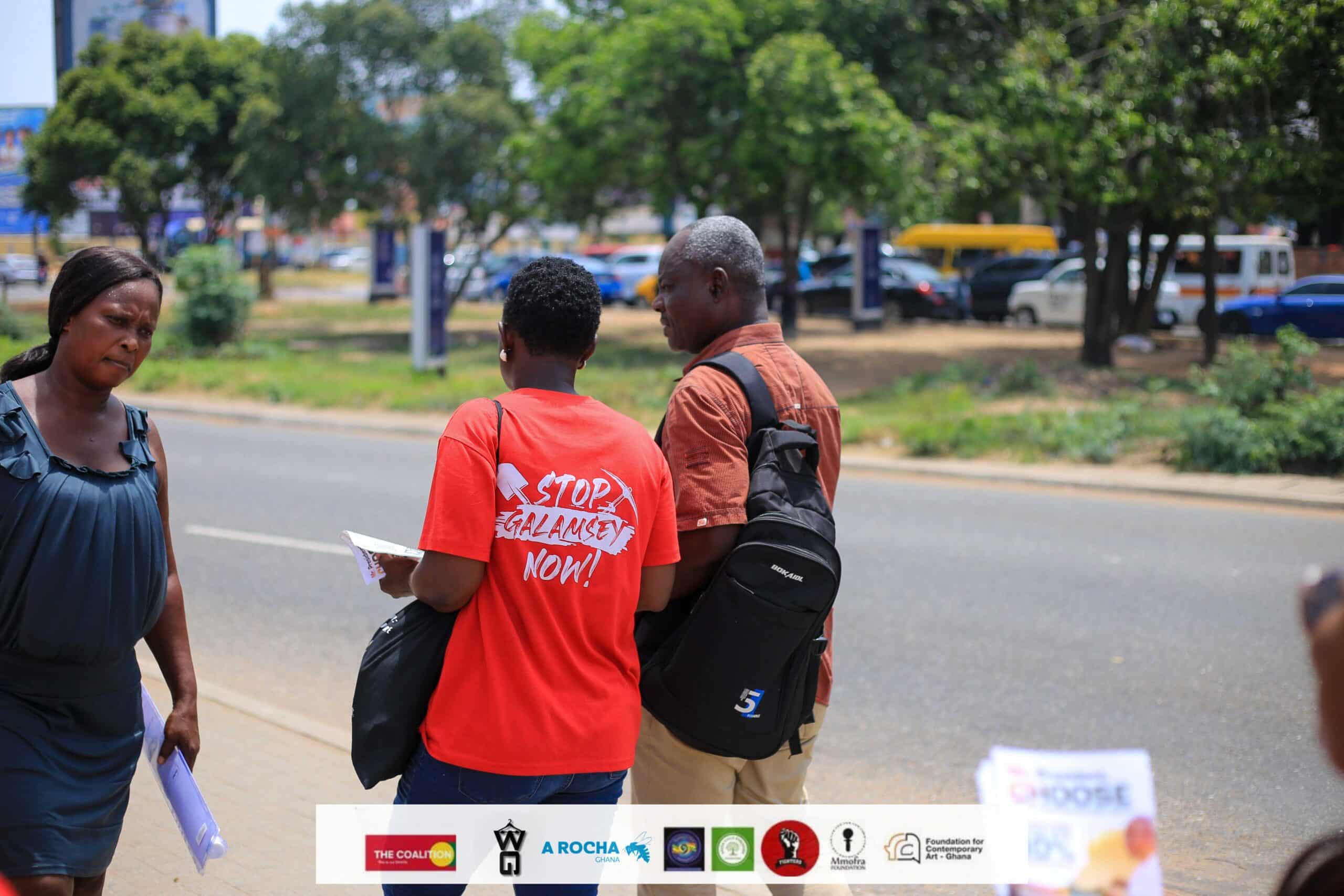
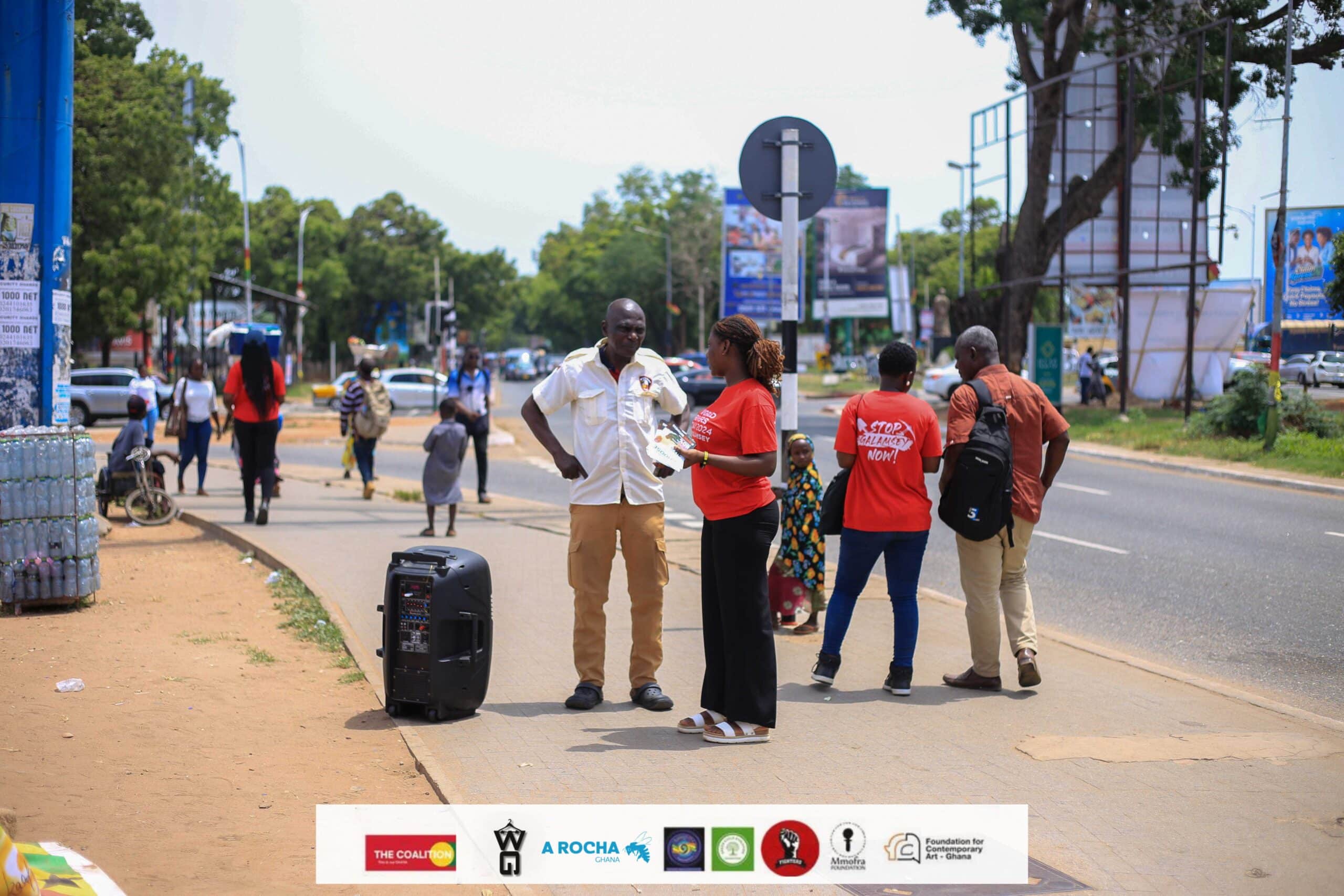
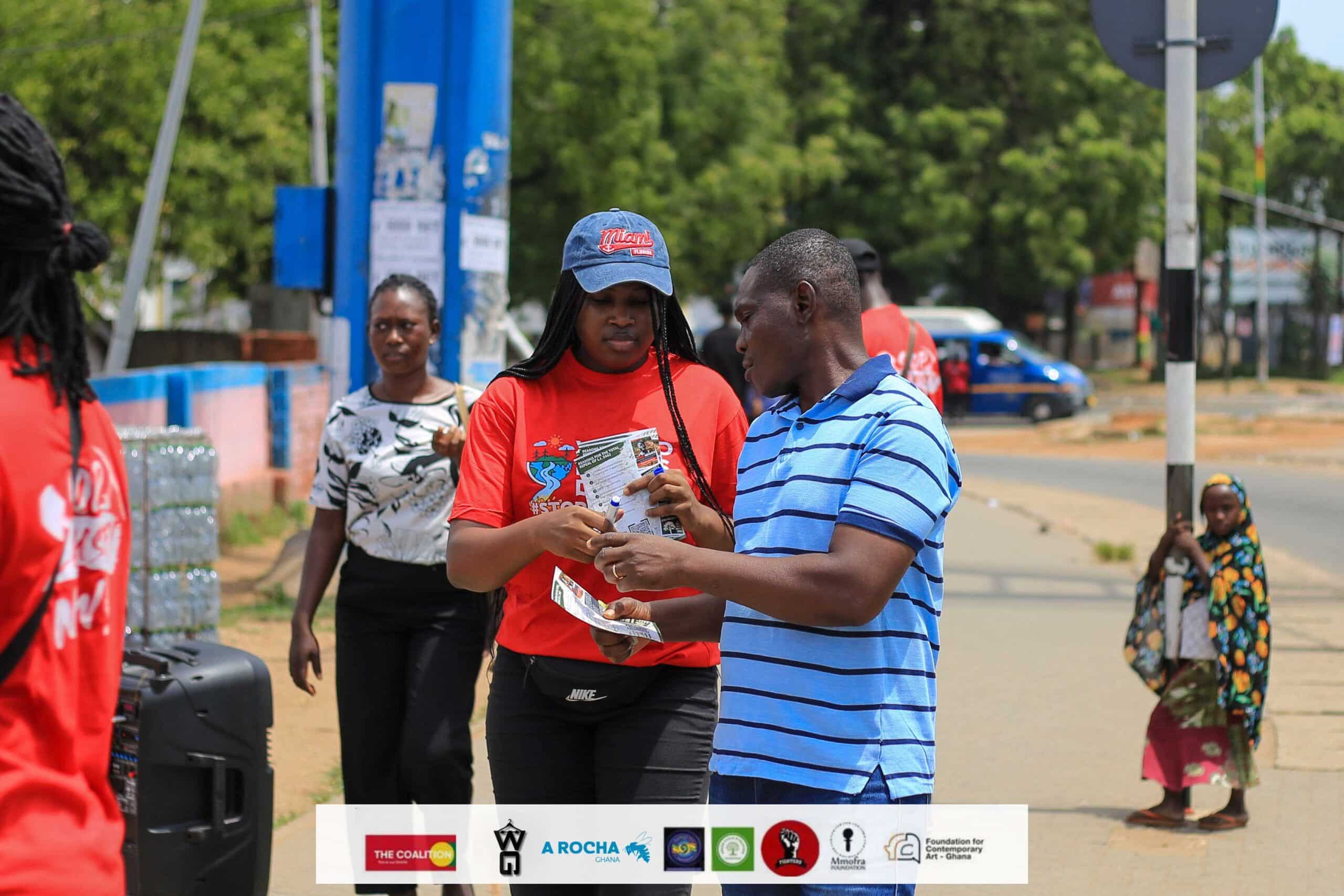
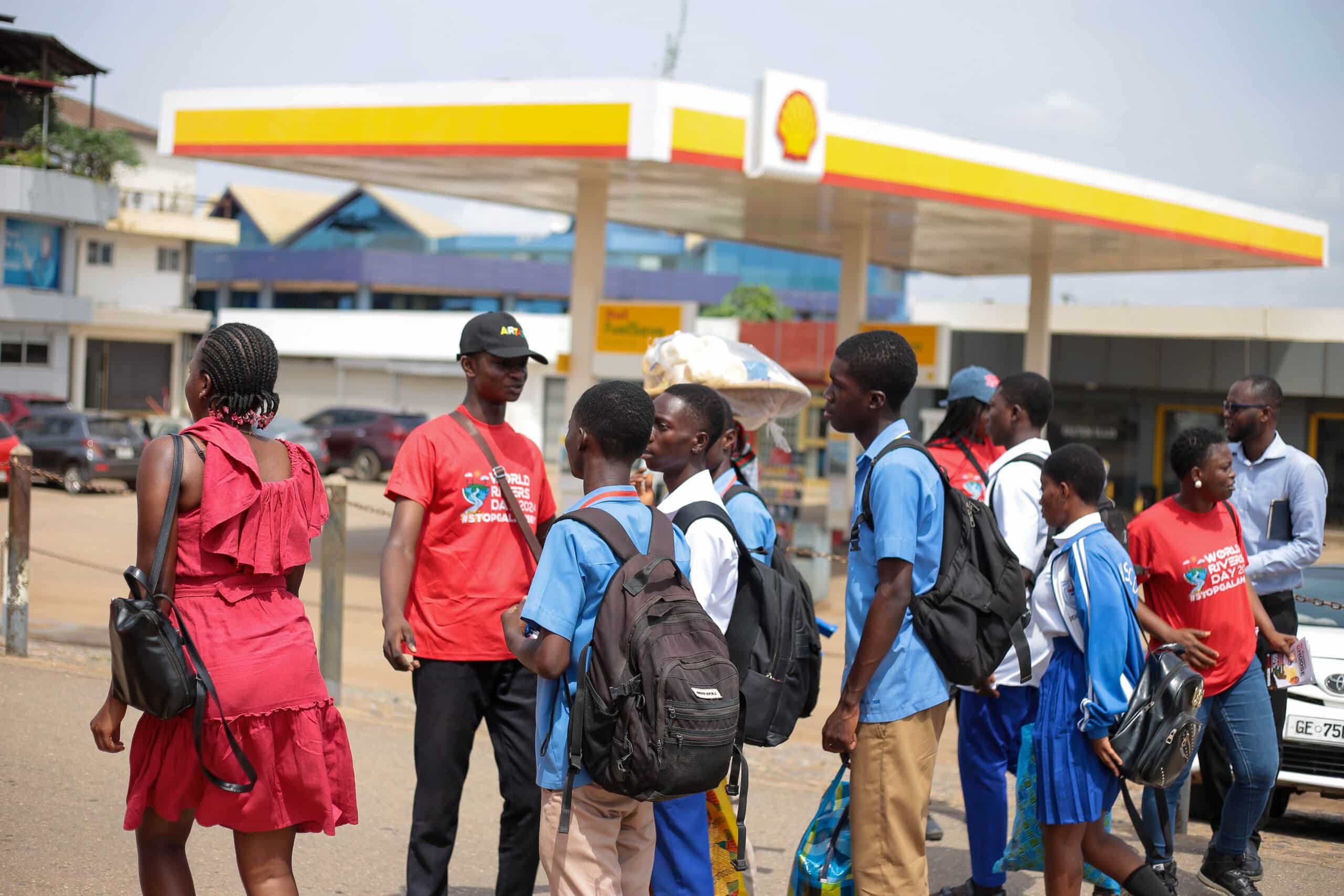
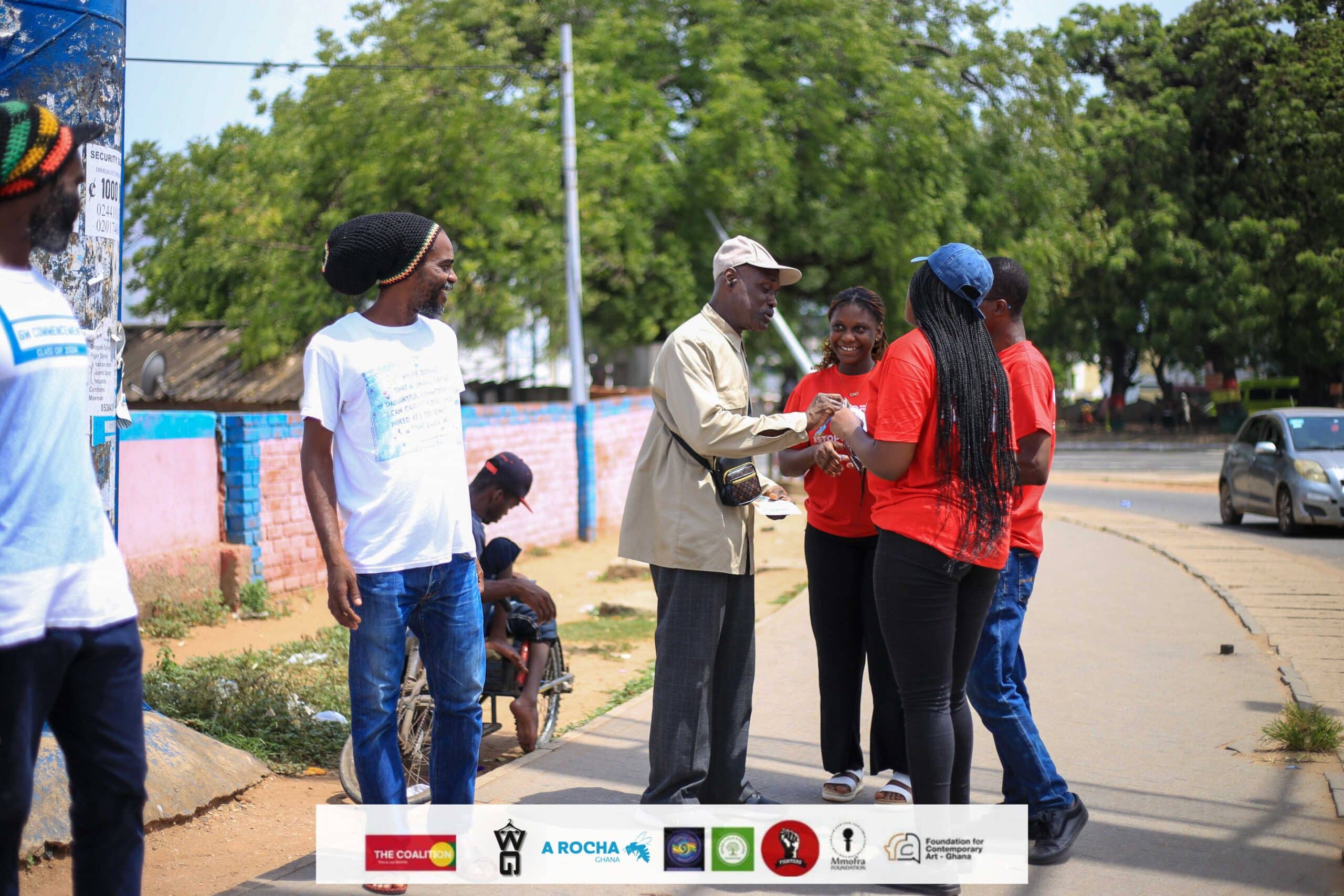
The initiative kicked off on Wednesday, April 16, setting up at key locations in Accra, including Madina, 37, and the popular Accra Mall. Volunteers engaged passersby, explaining the dangers of mining in forest reserves, such as deforestation, loss of biodiversity, and negative impacts on local communities. The campaign emphasised the importance of preserving these natural resources for future generations.
The campaign has been in partnership with Wear Ghana, The Coalition
Public Response and Impact
According to Grace Sogbey, Communications Officer at A Rocha Ghana, “The enthusiastic response we received is a testament to the growing awareness among Ghanaians about the importance of protecting our environment.”
“We believe that by uniting our voices, we can influence policy changes that will safeguard our natural heritage,” she added.
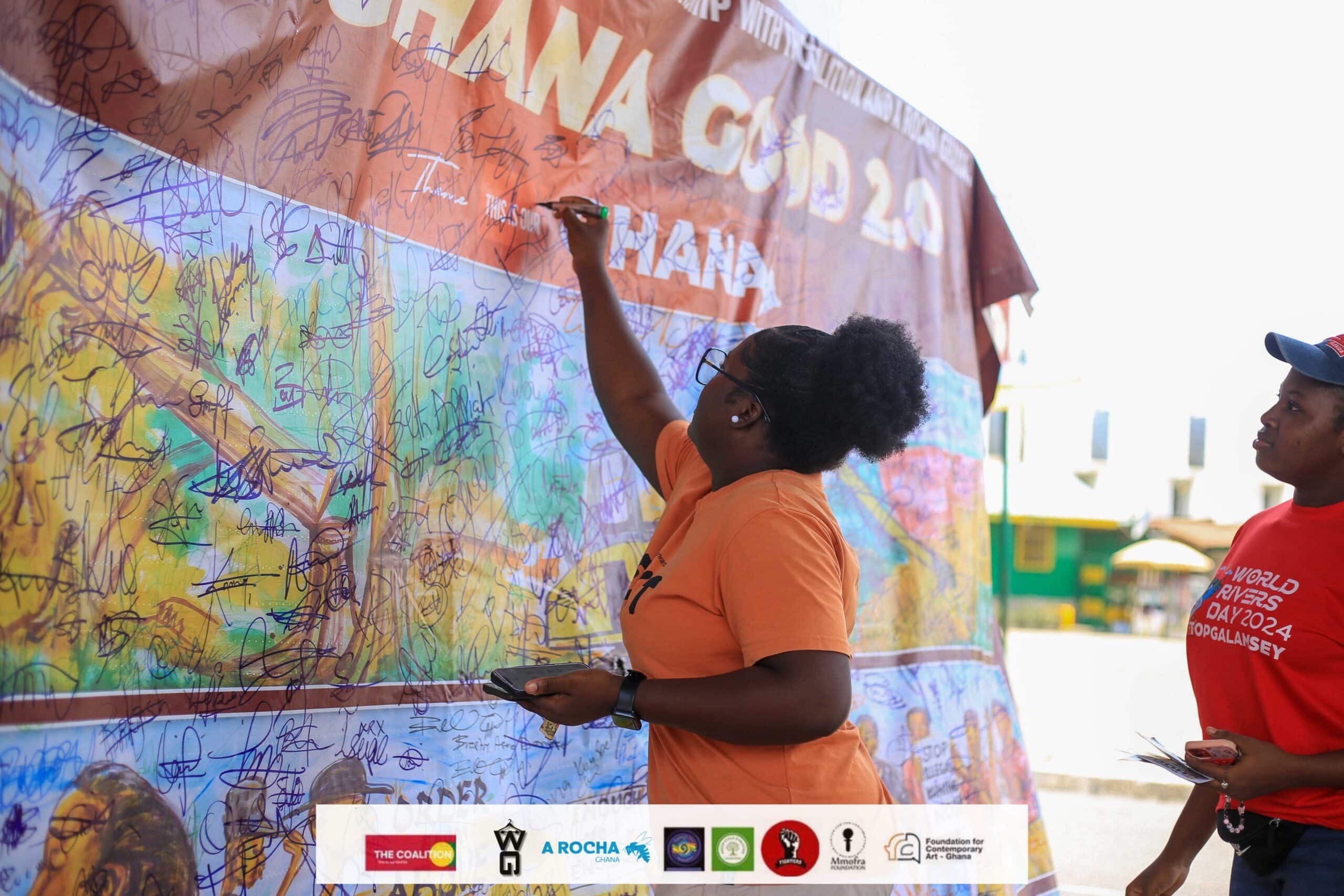
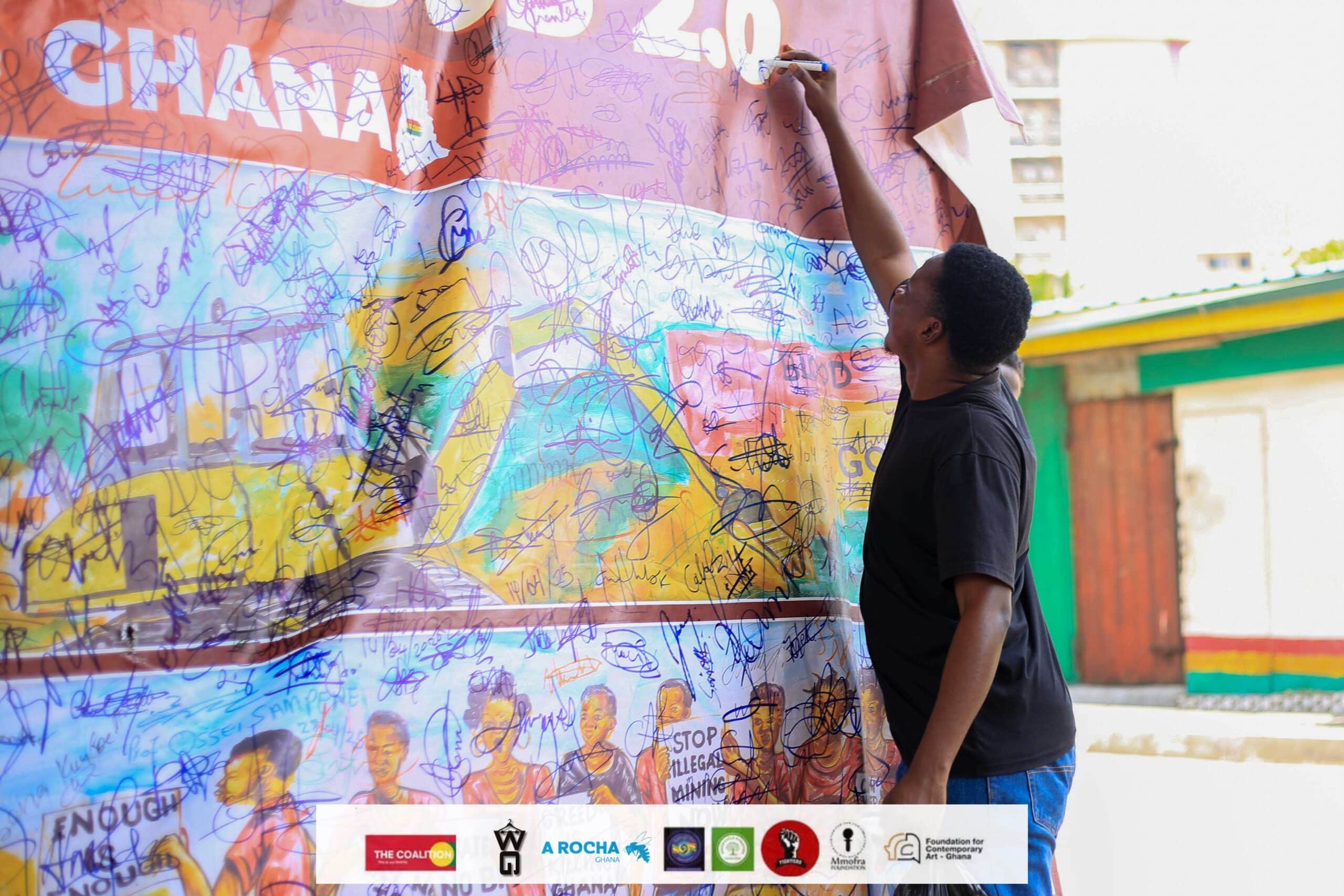
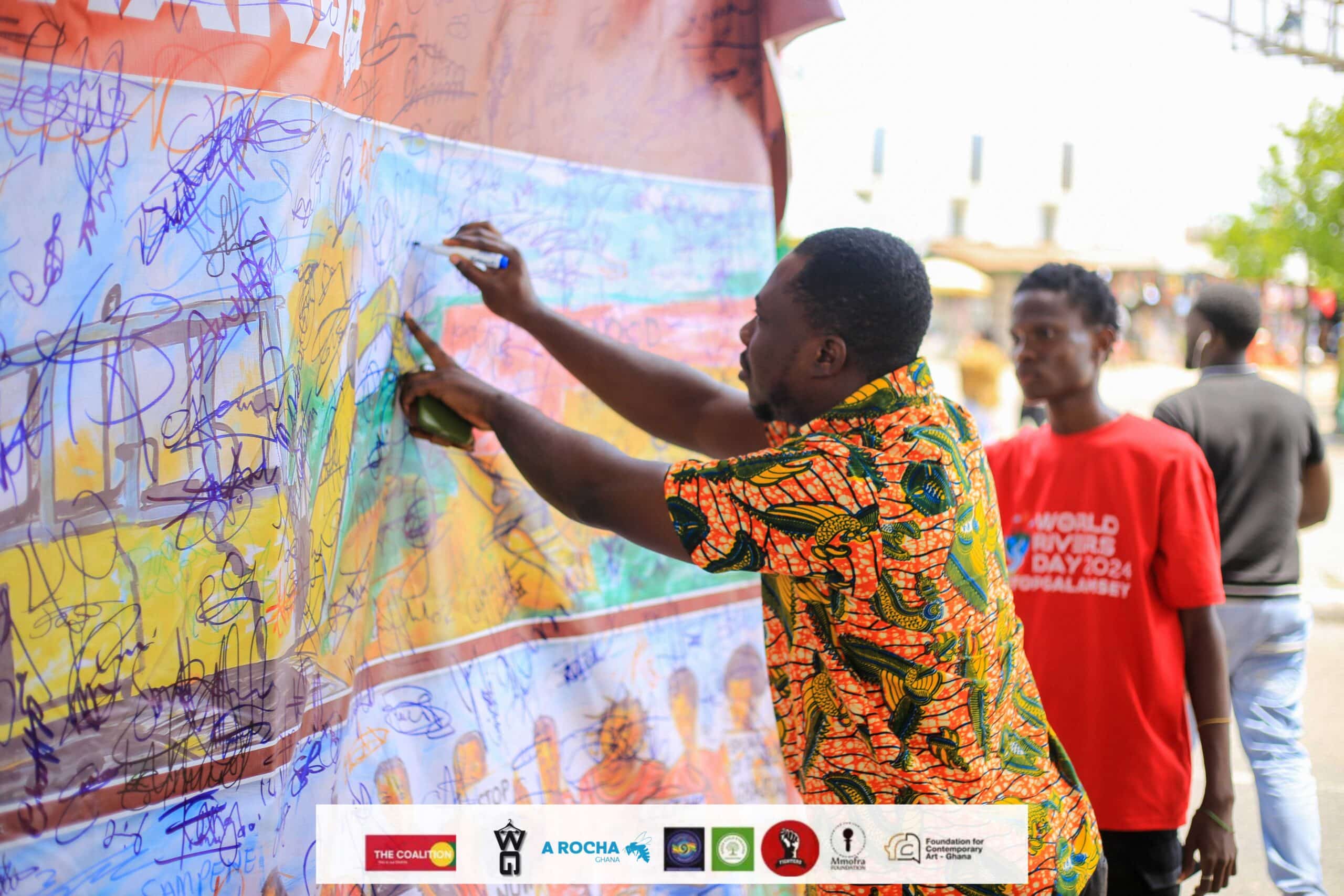
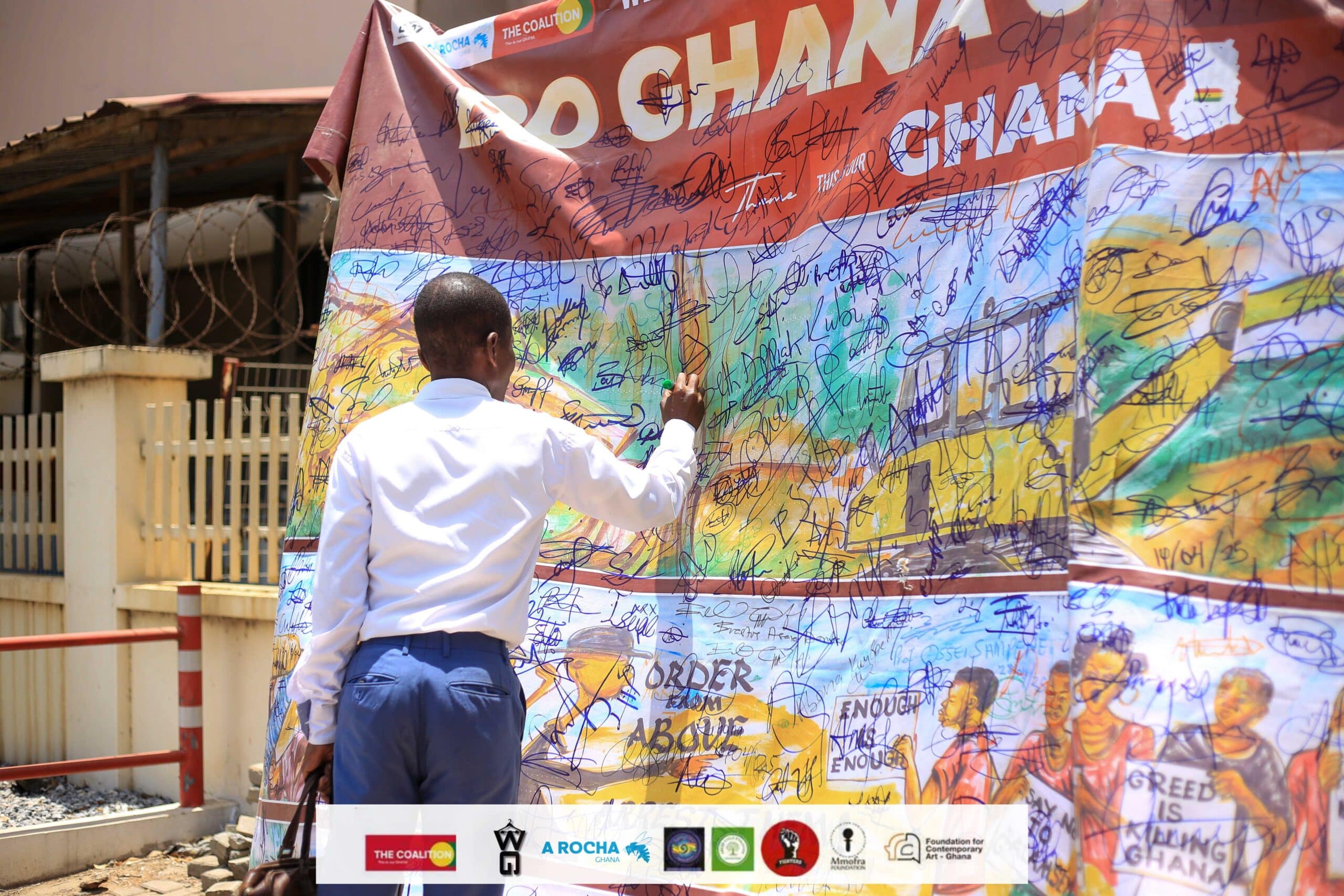
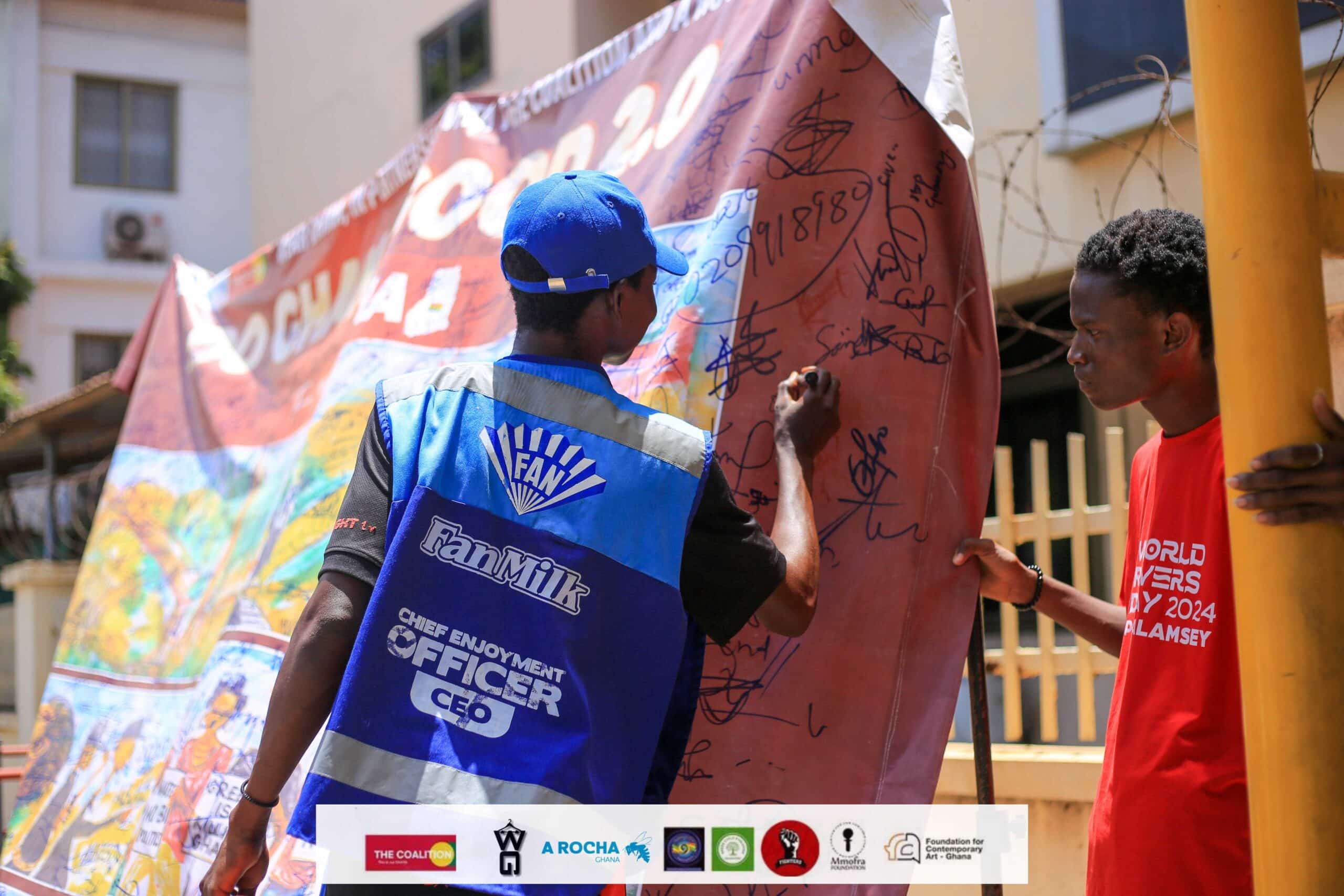
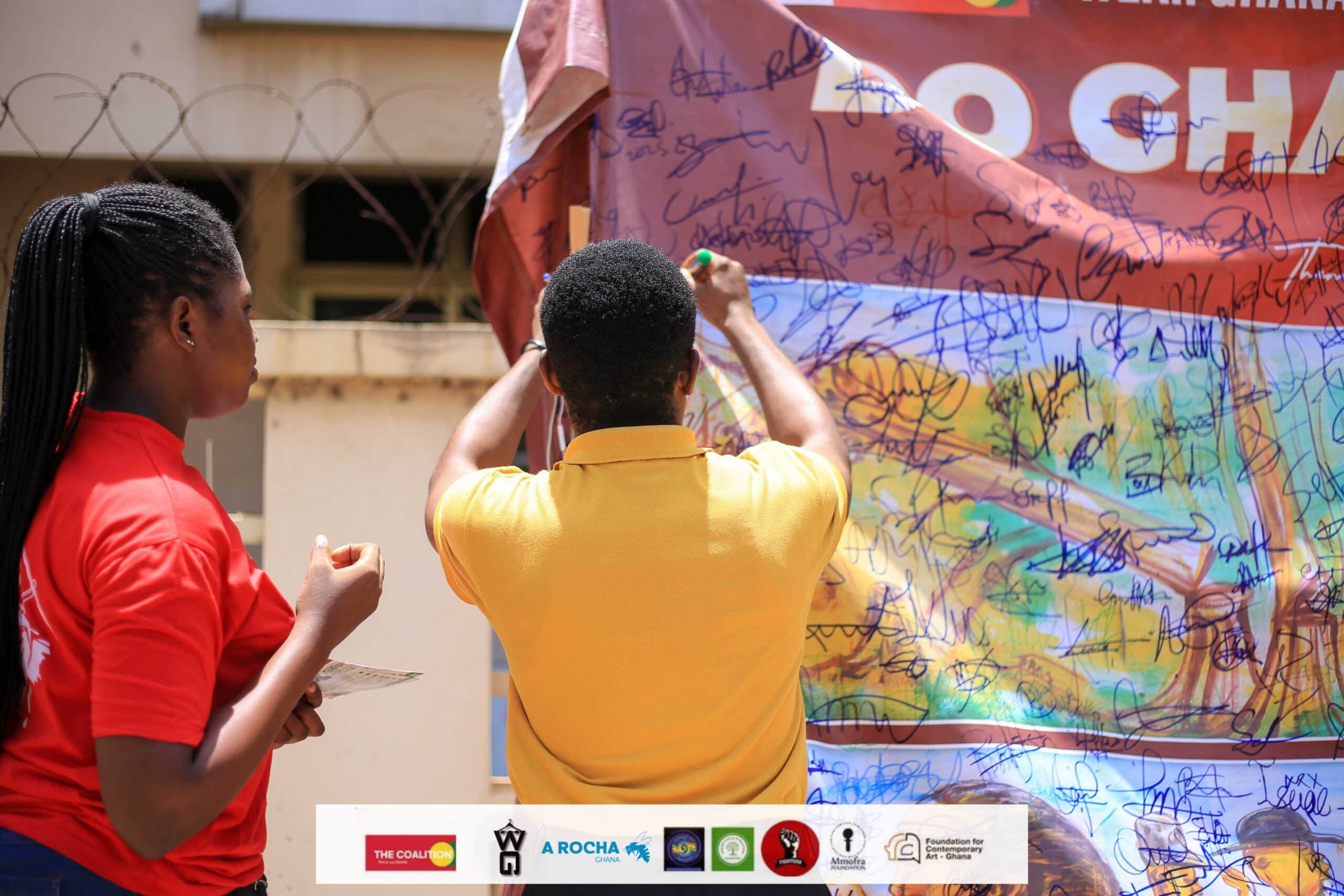
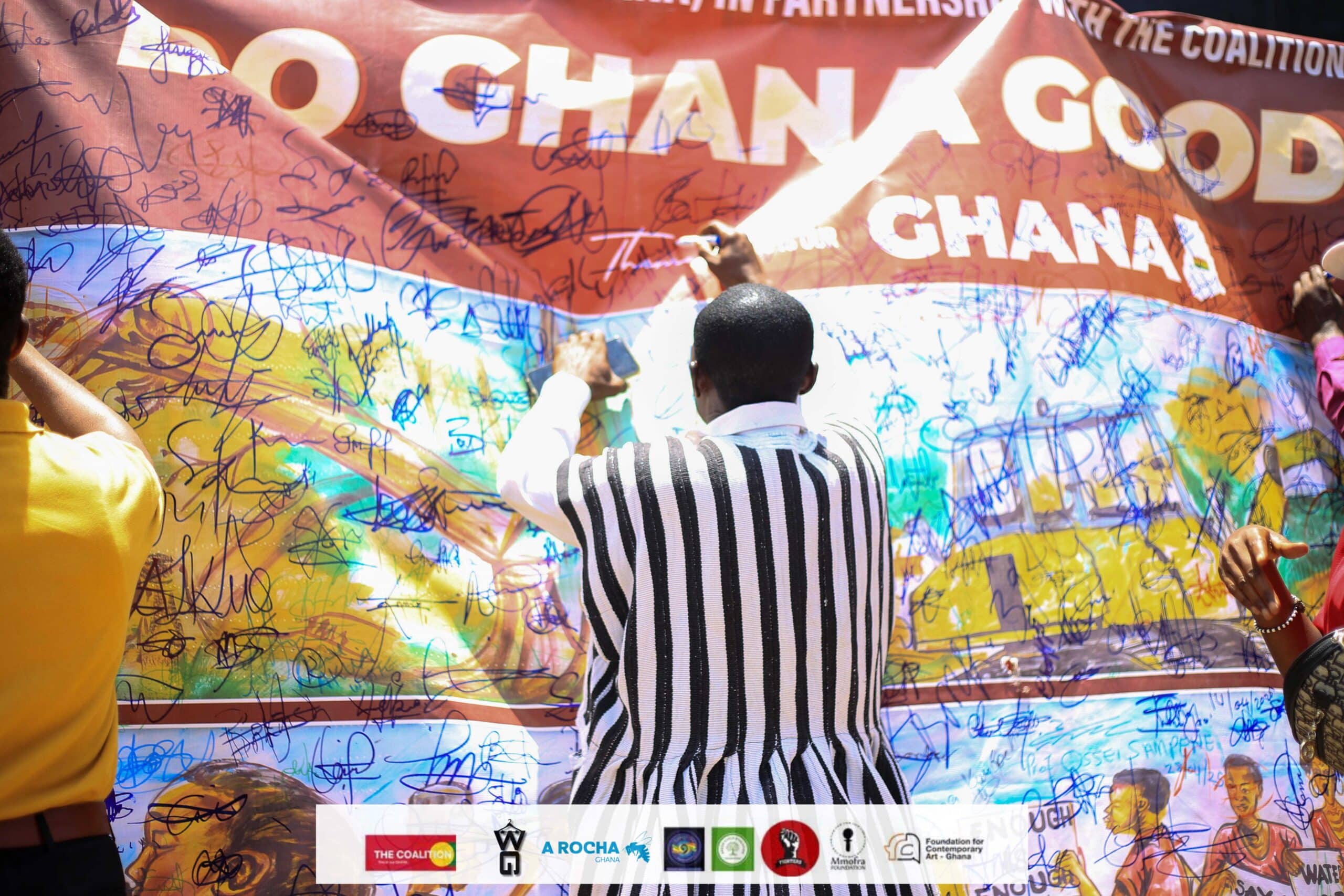
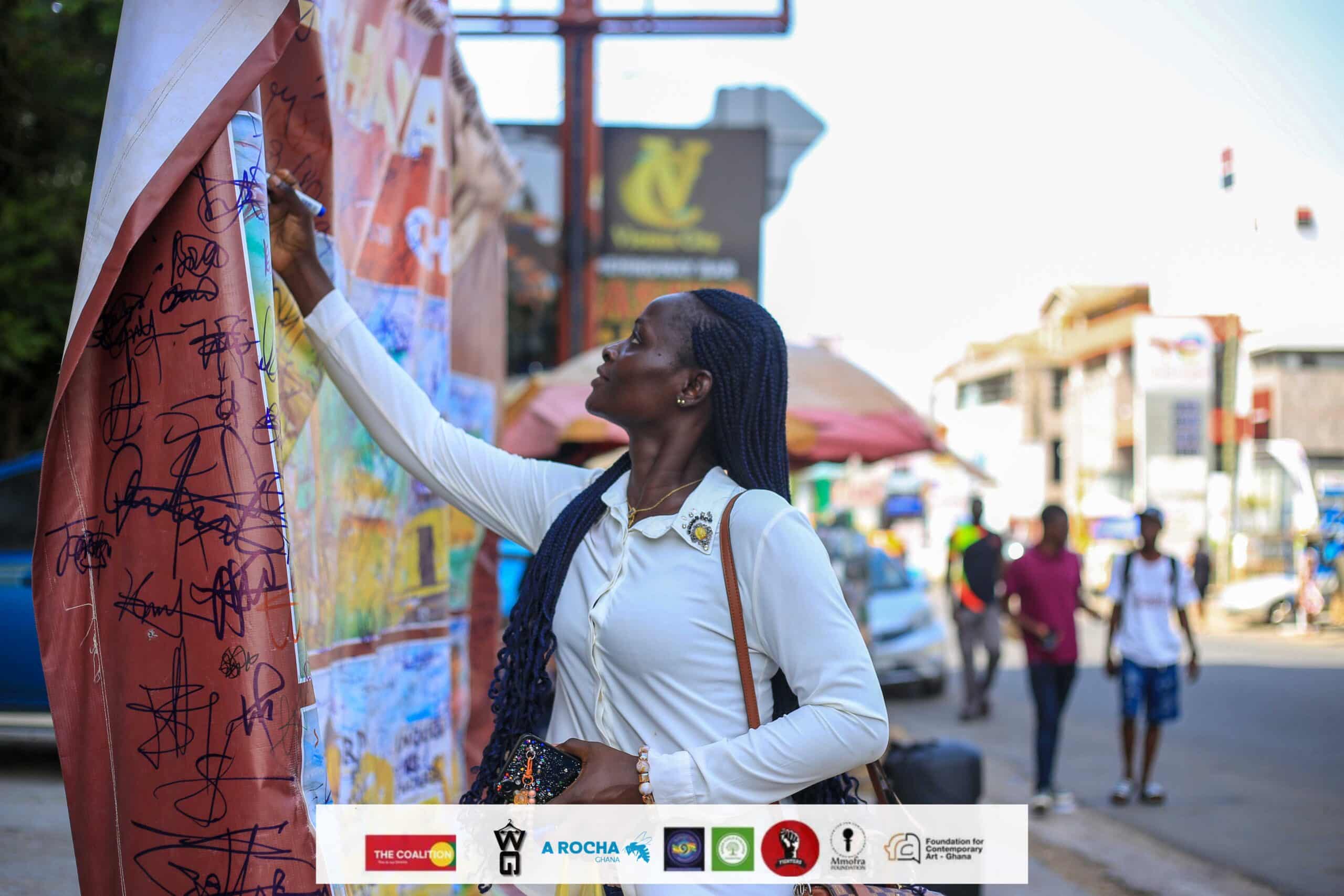
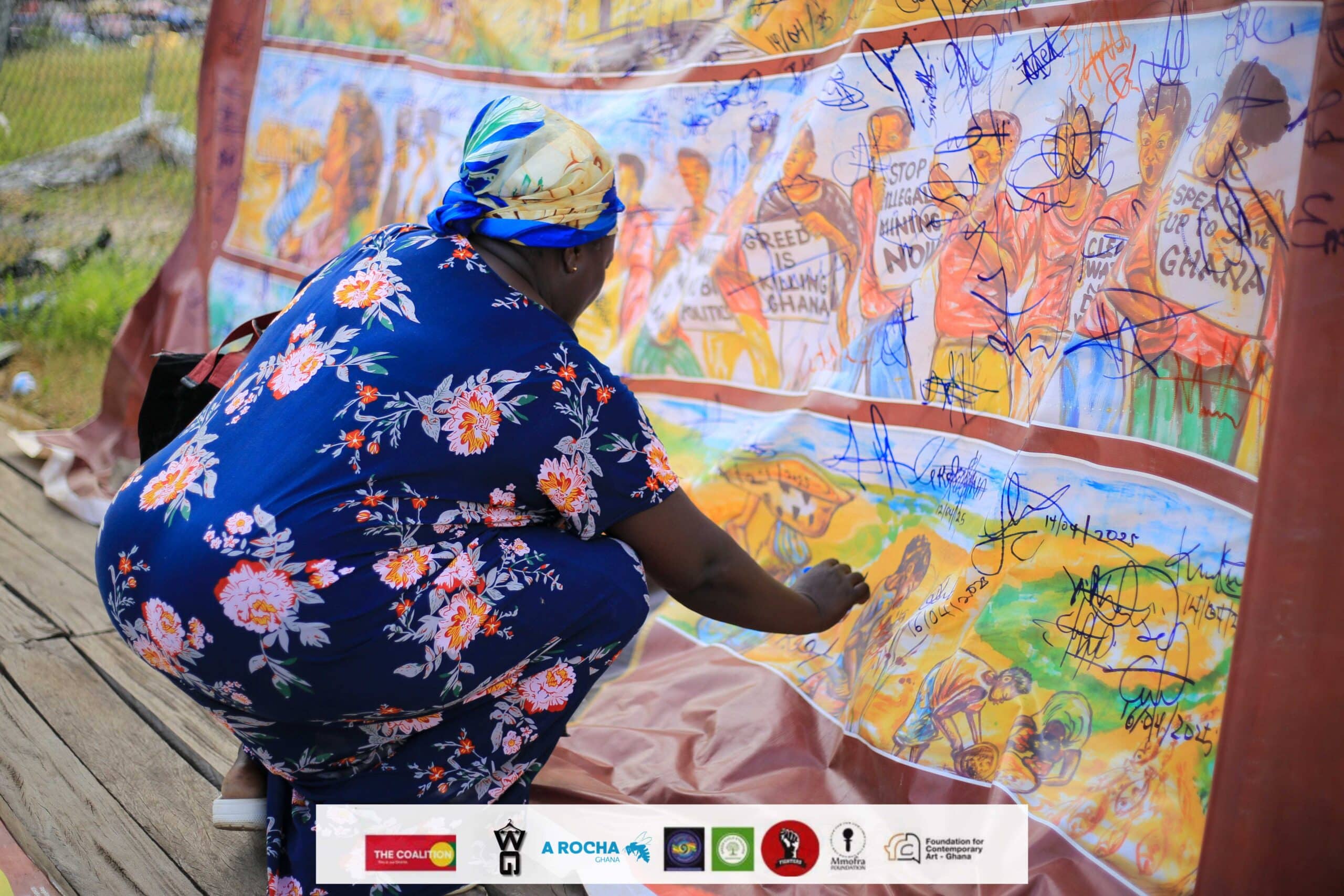
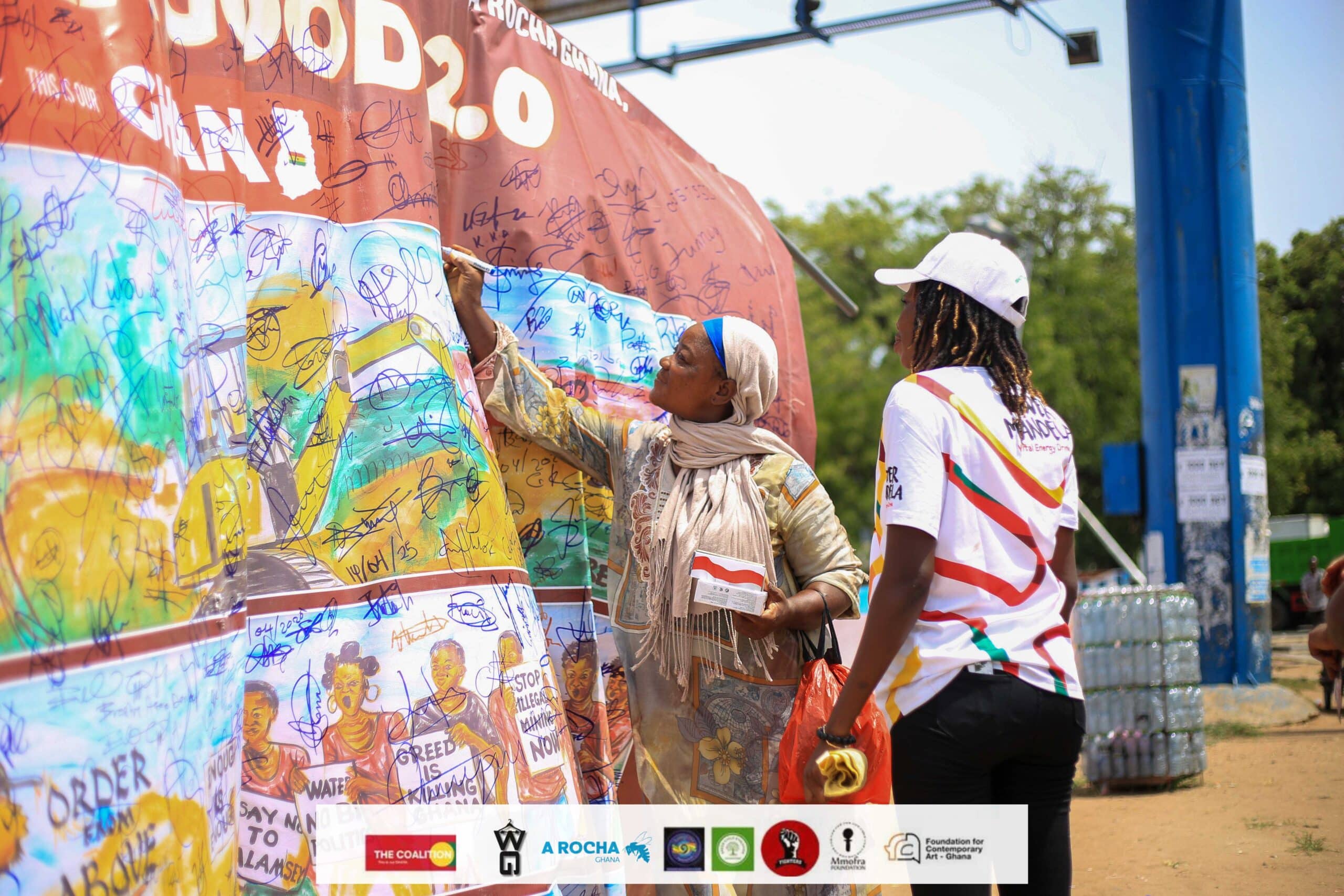
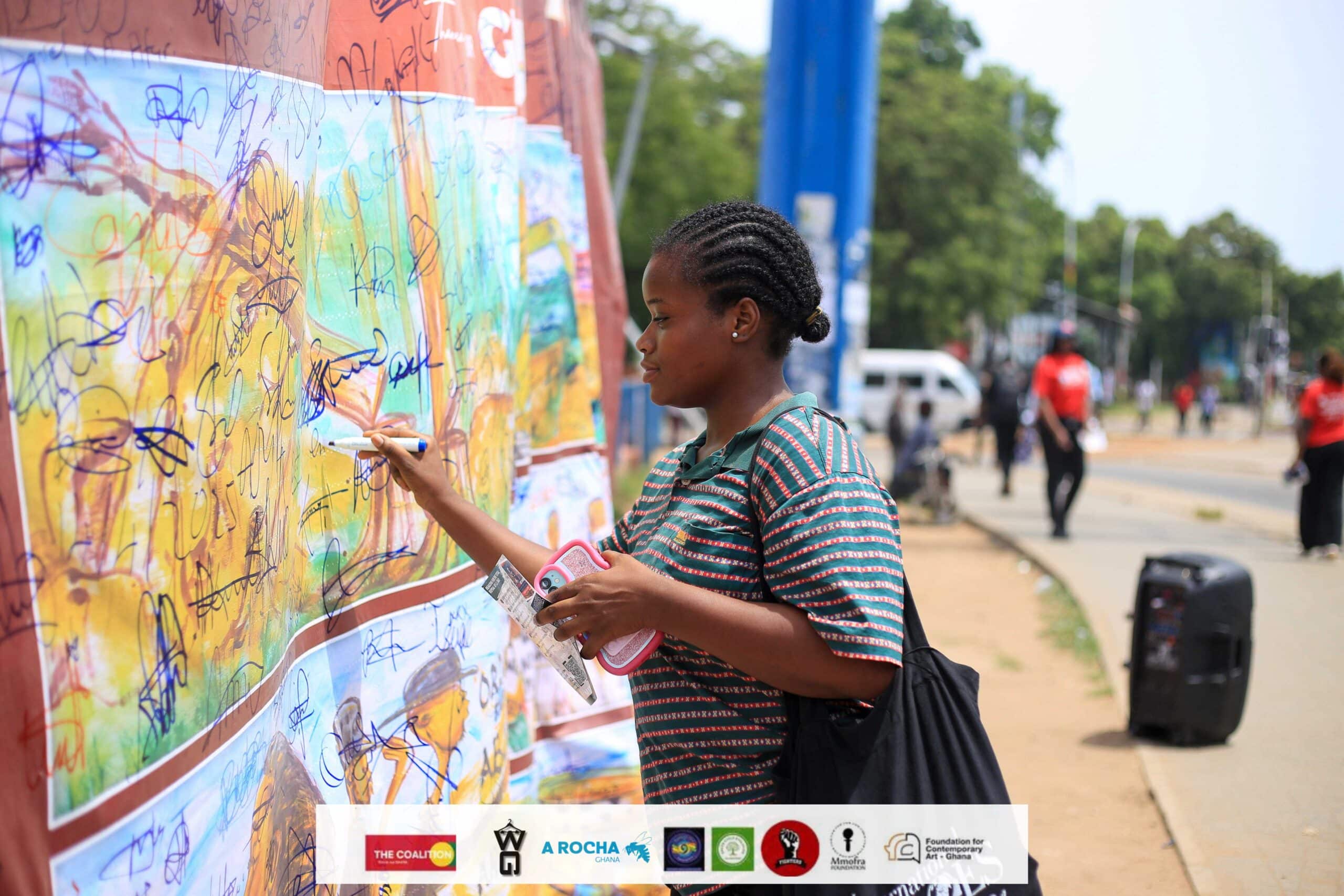
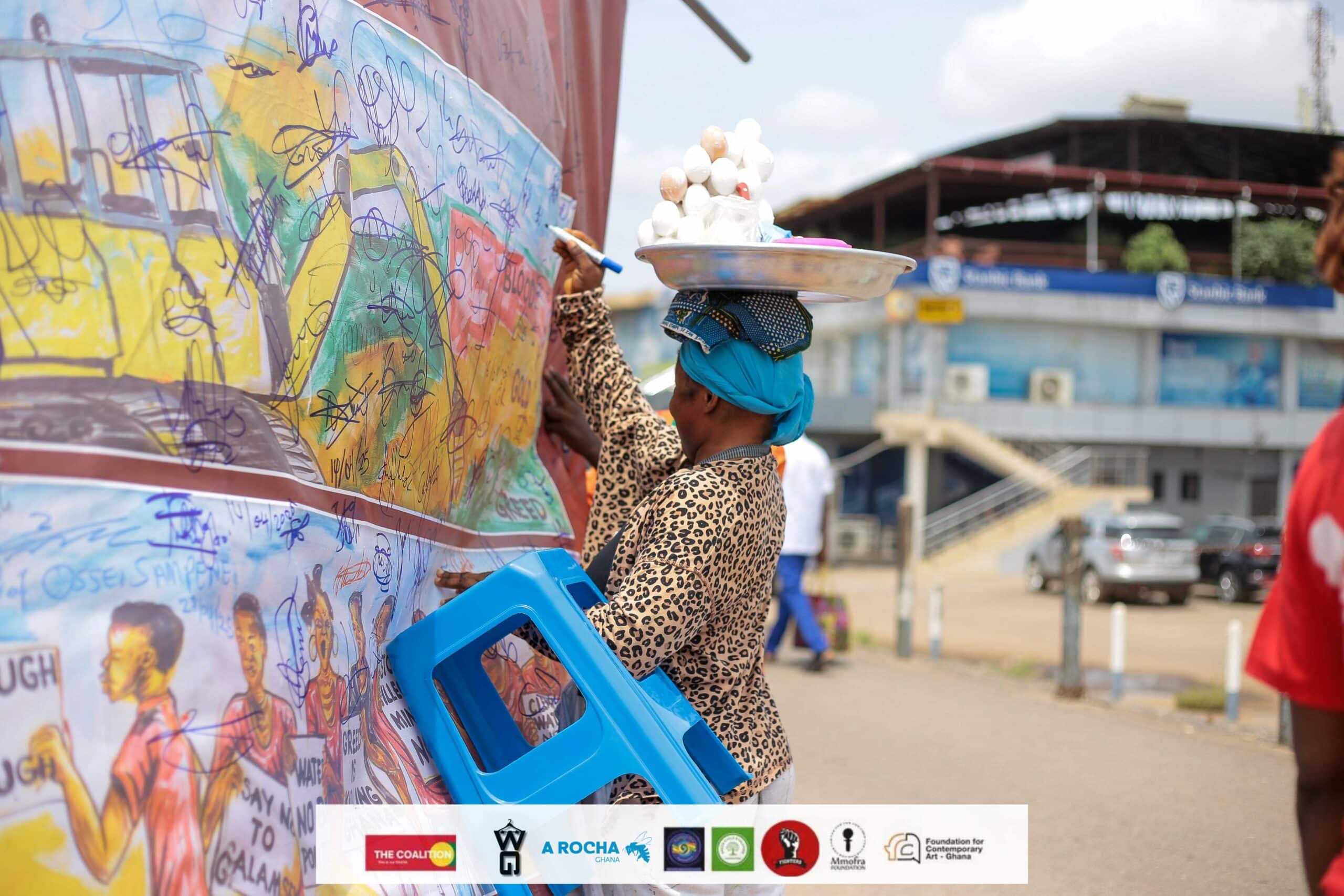
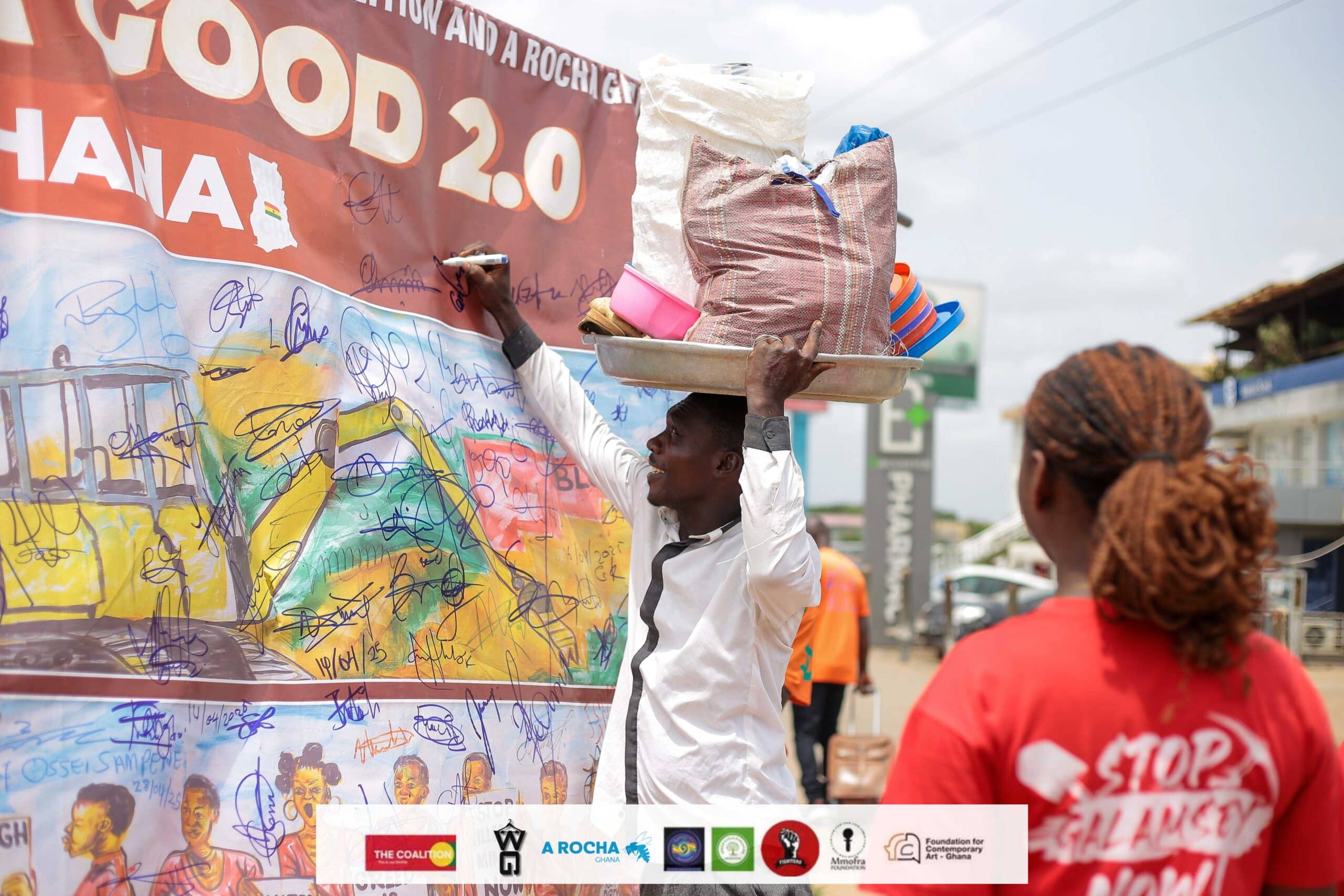
On Thursday, the second day of the campaign, we moved to other strategic locations, including Osu, Ministries, Circle, and Ridge. The team mounted the “DO Ghana GOOD 2.0” banner, inviting citizens to add their voices to the cause by signing it. The response was overwhelmingly positive, with many people expressing their support for environmental protection and concern over the current law, L.I. 2462.
By the end of the two-day engagement, nearly 1,000 signatures had been collected to complement an active online petition platform that had already gathered 7000 signatures from citizens who are calling on President John Mahama to revoke L.I. 2462. The signatures will be presented in a formal petition aimed at urging the government to reconsider its stance on mining activities in forest reserves.
L.I. 2462 Must be Revoked
Naa Densuah, an activist in the famous #StopGalamseyNow demonstration in 2024, highlights that galamsey not only affects the environment, but it also promotes social vices like child prostitution in some rural communities. She cited recent media reports in the Western Region about an illegal mining community with an alleged 10,000 residents, including foreign nationals.
“People my age have grandchildren; young people will have grandchildren. Now, our water bodies, air, and food chain have been destroyed. Just yesterday, we found a Galamsey community with over 10,000 residents, and that village was characterised by child prostitution. Is that not enough reason we should end Galamsey for the future?” she quizzed.
We at A Rocha Ghana reiterate that, until L.I. 2462 is revoked, no forest reserve in Ghana is safe and therefore makes it is imperative for all Ghanaians to join the campaign.
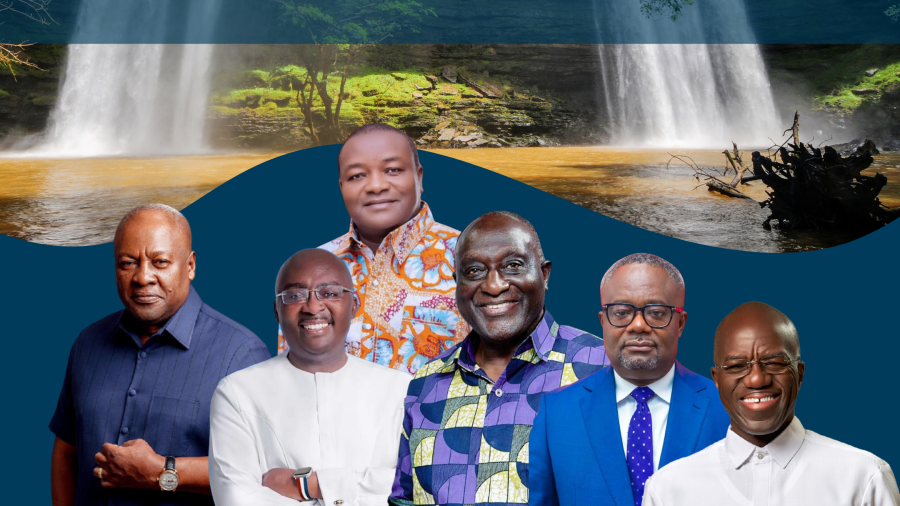
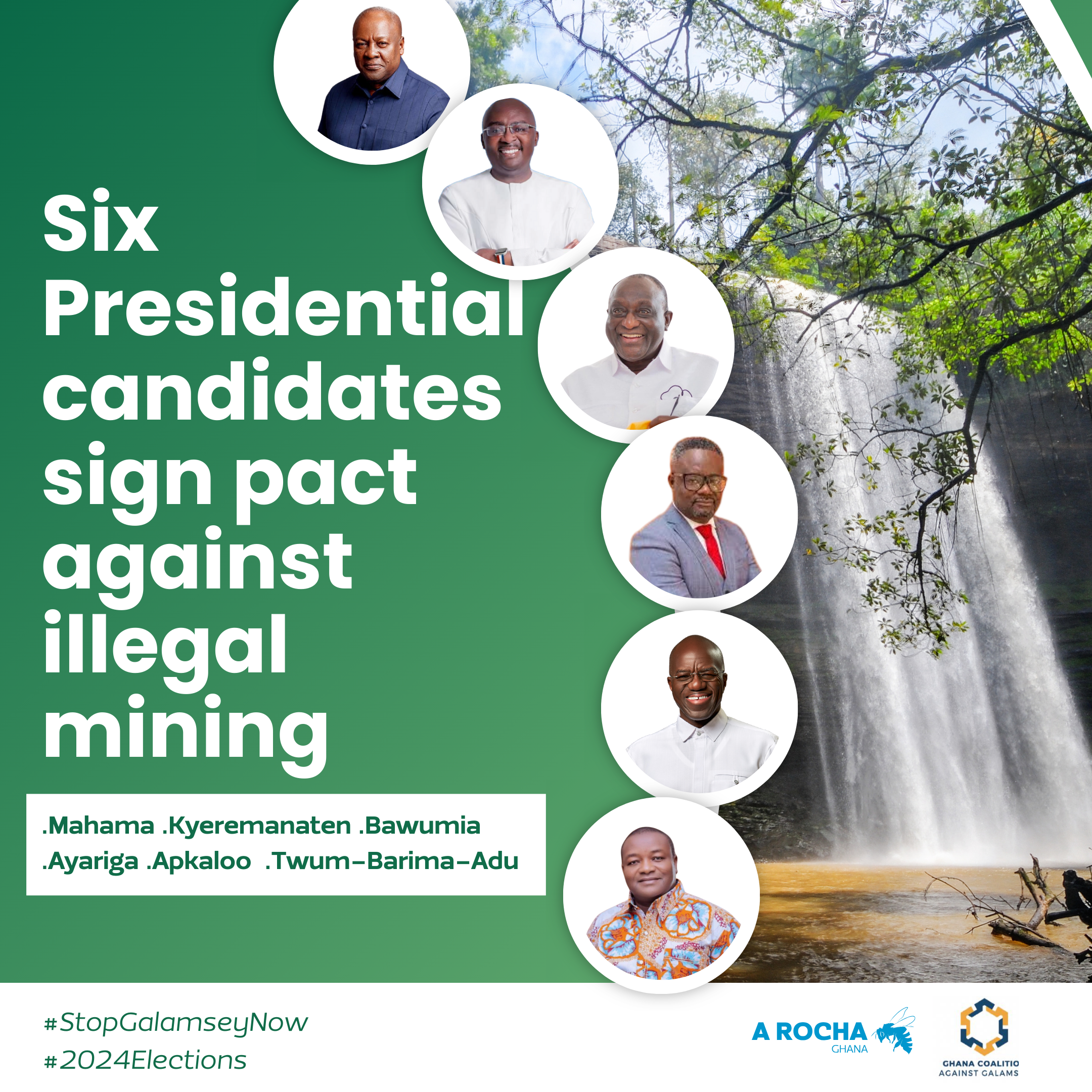
In a progressive turn of events in the fight against illegal mining in Ghana, six of the twelve presidential candidates in Ghana’s upcoming elections have signed a National Pledge Against Illegal and Irresponsible Mining. This initiative, spearheaded by the Ghana Coalition Against Galamsey (GCAG), underscores a shared urgency among political leaders to address the rampant illegal mining, commonly referred to as galamsey, that has been devastating Ghana’s natural resources.
GCAG is a national platform that comprises, coalitions and networks of organisations from ten key sectors in Ghana including the Media, Labour, Religious Groups, Youth Groups, Research and Academia, Pressure Groups, CSOs, Professional Bodies, Traditional Leaders, and Business bodies. The action to sign the ‘pact’ follows several months of active engagements with state and non-state actors within the extractive sector in Ghana, with a goal to halt the indiscriminate and irresponsible mining across the country known as galamsey.
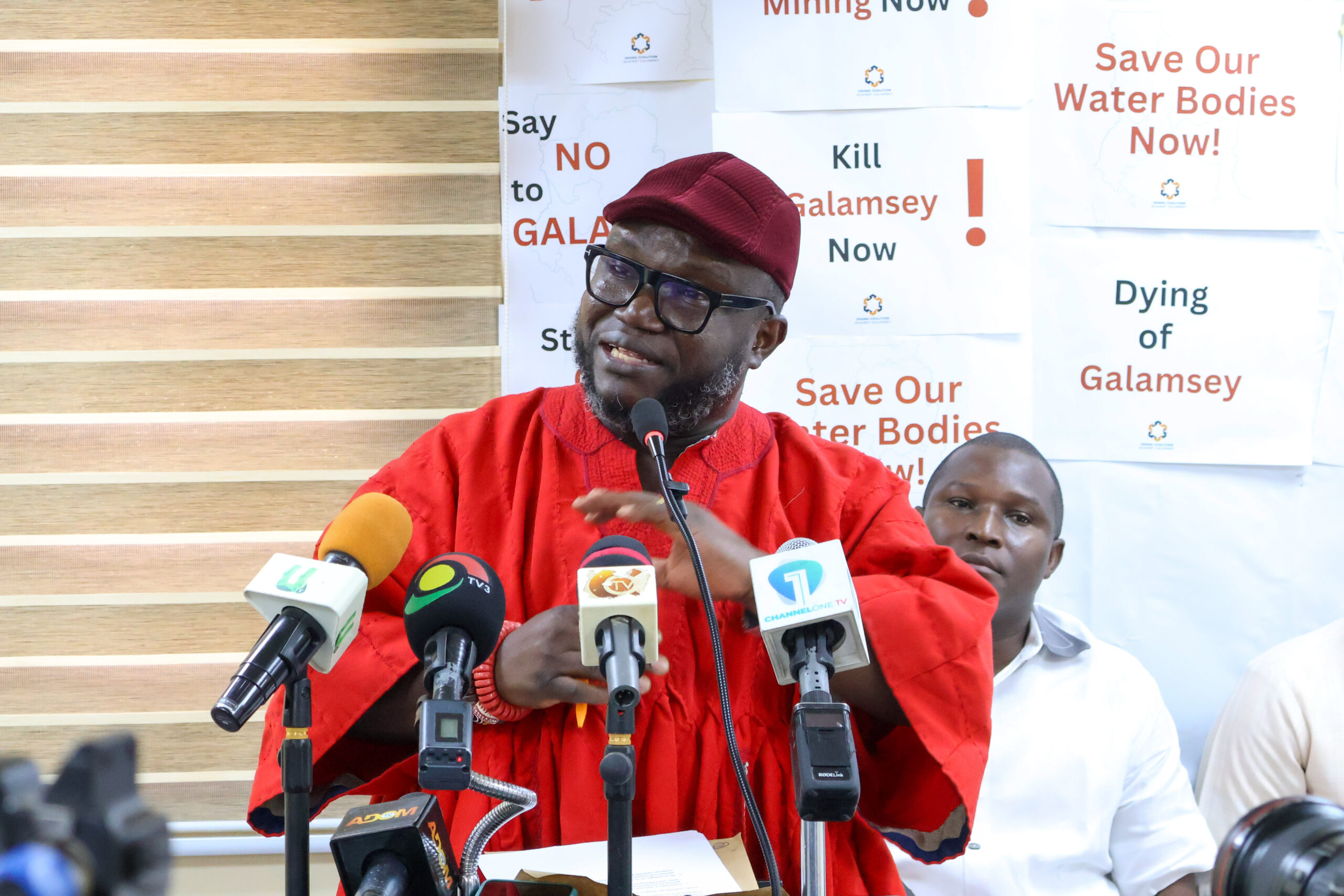
Ing. Dr. Kenneth Ashigbey briefing the media
Disclosing the commitments made by the flagbearers of the six political parties at a press conference on the 5th of December, 2024, Ing. Dr. Kenneth Ashigbey, Convener of GCAG, made it clear that the winner of the December 7 election will face immediate scrutiny regarding their commitment to the pledge starting January 2025.
“There is no honeymoon for whosoever will win the December 7th, 2024 elections,” Ashigbey asserted, emphasizing that all signatories will be held accountable to the collective goals of this initiative.
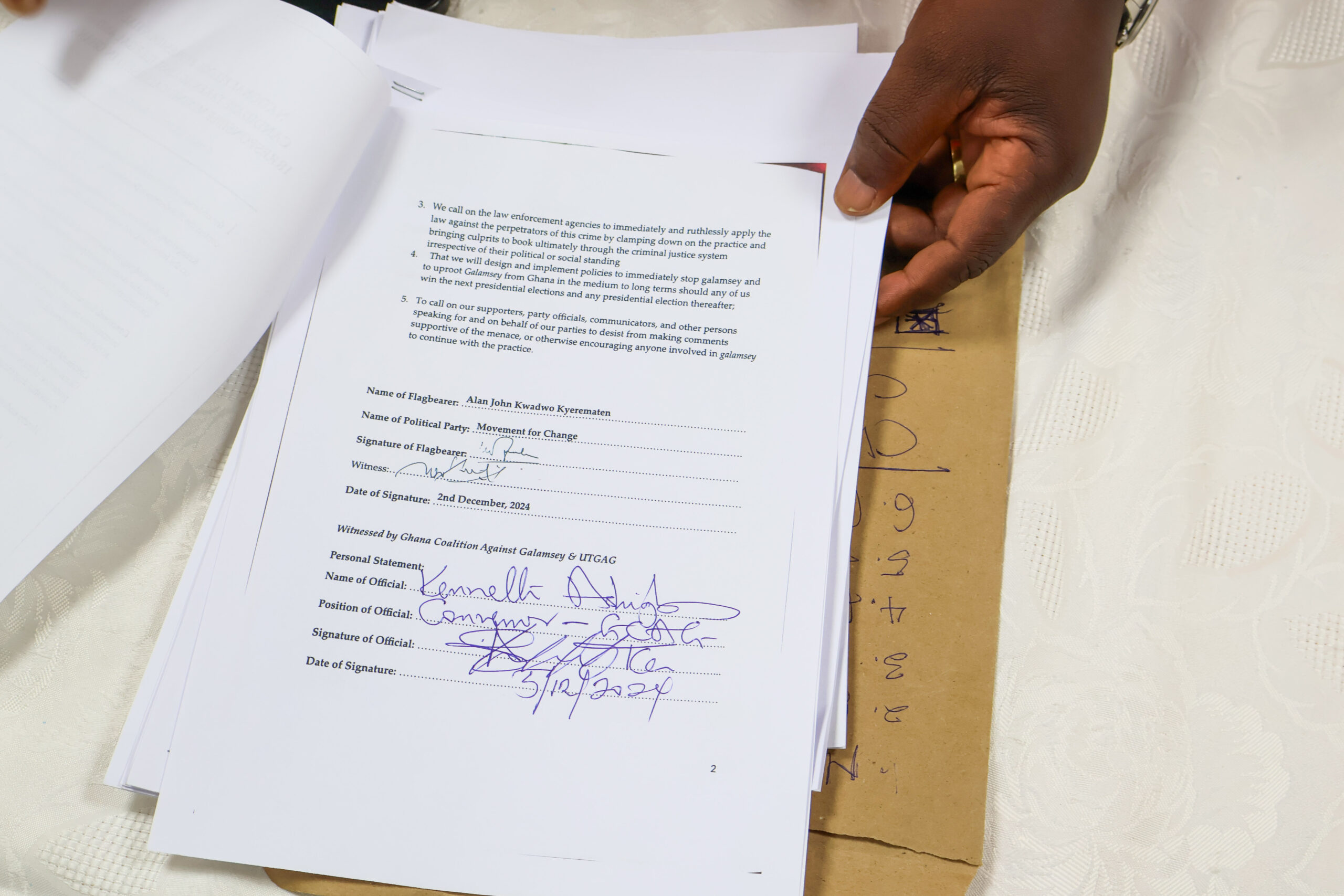
Prominent candidates such as John Mahama, Alan Kyerematen, and Dr. Mahamudu Bawumia have signed on to the pledge, signaling their unified commitment to addressing illegal mining should they win the mandate of the people to lead Ghana after the December 7th Presidential and Parliamentary elections. The remaining candidates that have also signed are, Kofi Akpaloo, Hassan Ayariga and independent candidate John Twum Barima.
The need for a Pact
The pledge is one of several key demands by professional and civil society bodies as well as members of the media fraternity for concerted and decisive action on illegal mining by the executive. This pact symbolizes a unified commitment to eradicating galamsey and restoring Ghana’s waterbodies, forest reserves, and environmental heritage for future generations.
By signing the pact, Presidential Candidates affirm their political will and showcase decisive leadership in addressing a crisis with profound consequences for Ghana’s environment, economy, and public health. This pact reflects the spirit of responsibility and national interest, positioning signatories as champions in the fight against galamsey.
It aims to inspire a new social contract with the people of Ghana, fostering collective action and environmental stewardship for future generations. Grounded in collaboration among political leaders, civil society, traditional authorities, faith leaders, and local communities, this pact sets a powerful standard of accountability and leadership, shaping a legacy of environmental protection.
This pledge is not just symbolic; it establishes specific commitments that require accountability from the candidates. They are expected to publicly denounce galamsey, call for an end to illegal mining activities, and ensure strict law enforcement against offenders, irrespective of their political or social standing.
Furthermore, the pact outlines the development of comprehensive policies aimed at ending illegal mining in both the short and long term, making it clear that future leaders must act decisively.
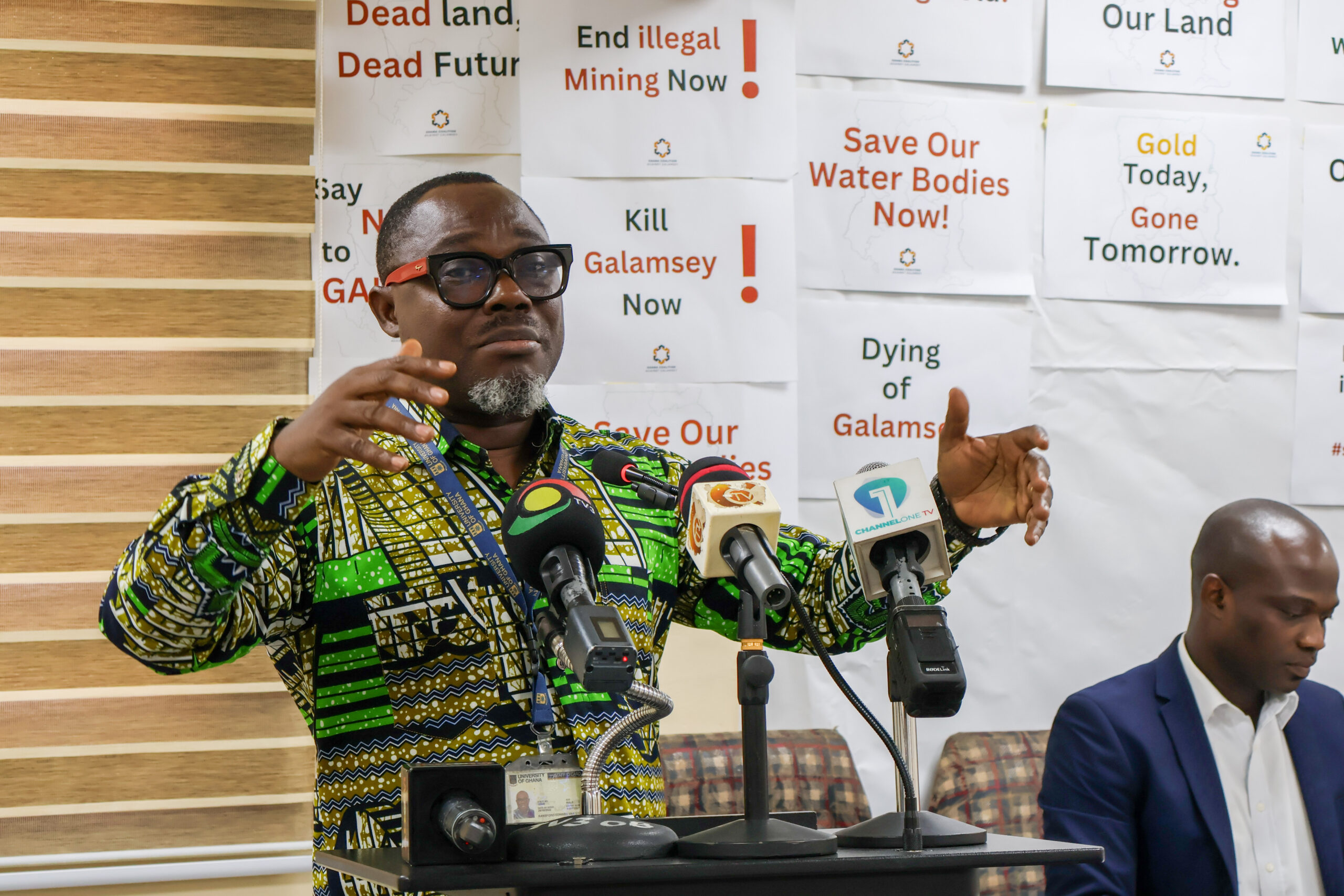
Speaking at the Press Conference Professor Ransford Gyampo, speaking on behalf of the University Teachers Association of Ghana (UTAG), highlighted that the pact serves as a tool for accountability. He stated, “Once they sign the pact with us, we use the pact as a tool of accountability.” This sentiment captures the essence of the coalition’s mission: to hold future leaders responsible for their commitments.
Arch. Foster Akornor from the Ghana Institute of Architects added that active participation is crucial. “We can only do better as a country if we don’t sit on the fence,” he asserted, stressing that collective responsibility is key to safeguarding the environment for future generations.
Beverlyn Osei Ampadu, National Coordinator for the CSO Platform on Sustainable Development Goals (SDGs), underscored the urgency of adhering to sustainable development goals, particularly in light of the adverse impacts of galamsey. “We have failed ourselves; we cannot fail the future,” she remarked, reinforcing the notion that the fight against illegal mining transcends political boundaries.
Engineer Henry Kwadwo Boateng from the Institute of Engineers shared his concerns about the extensive involvement of various sectors in combating illegal mining. He reemphasized, “Politicians, chiefs, those who are influential in society, public servants, and now those who know better are also involved. So, we are fully supporting the coalition so that we don’t give honeymoon to the next government.”
Demanding Immediate Action Post-Election
Ing. Ashigbey reiterated that environmental governance must be prioritized following the elections. He stated, “Immediately after the election finishes, we are going to issue Right to Information requests.” This proactive approach highlights the coalition’s commitment to demanding accountability from agencies like the Minerals Commission and the Environmental Protection Agency (EPA).
Ashigbey also cautioned against complacency, drawing a stark comparison to the moral implications of self-harm through environmental neglect. “A country that poisons its enemy’s water in the time of war is considered a grave war crime. I wonder what we will say of a country that does that to itself,” he remarked.
He further indicated that the stakes are high and future leaders must be prepared to face scrutiny and act decisively to protect Ghana’s environment and resources.
The Path Forward
The agreement signed by candidates is a crucial first step, but accountability will not wane after the election. Ashigbey’s call for a sustained effort to enforce environmental regulations and hold leaders responsible for their actions signifies a commitment to long-term change. As Ghana approaches a critical juncture, the expectation for immediate and sustained action against illegal mining remains a priority for all stakeholders involved.