IDB Snap4Biodiversity SM Campaign 2026 (1)

How SNAP for Biodiversity is Empowering Citizen Scientists Across Ghana

Conservation is most effective when everyone has a role to play.

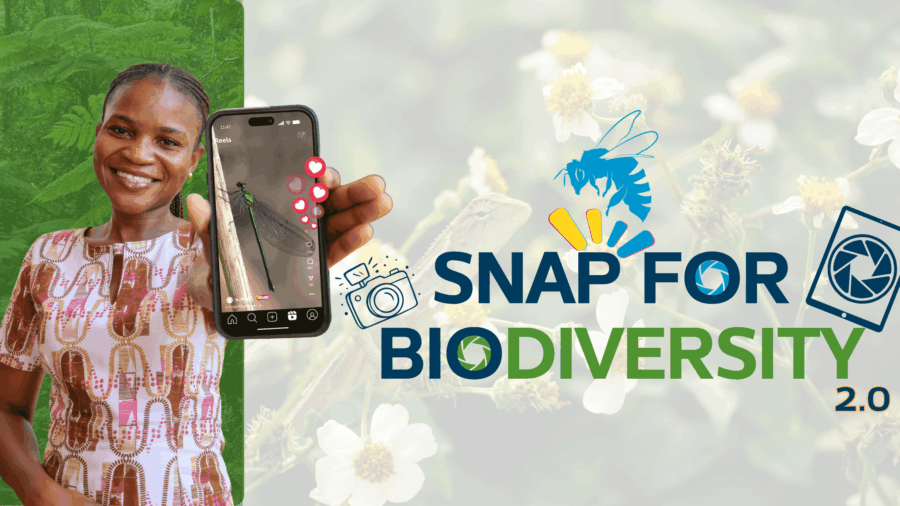
Across Ghana, countless species of plants, animals, insects, and fungi share our landscapes, yet many remain undocumented or poorly understood. Protecting biodiversity begins with knowing what exists, where it occurs, and how it is changing over time. Recognising this, A Rocha Ghana in May, launched SNAP for Biodiversity, an initiative that harnesses the power of citizen science and digital technology to strengthen biodiversity monitoring while inspiring greater public appreciation for nature.

The contests invites people from all walks of life to become active contributors to conservation. Whether you are a student, community member, nature enthusiast, photographer, or simply someone who enjoys spending time outdoors, your observations can help build valuable knowledge about Ghana’s rich natural heritage.

Using digital tools, participants are encouraged to photograph and document plants, animals, insects, birds, fungi, and other forms of wildlife they encounter in their daily lives. These observations contribute to a growing pool of biodiversity data that can support conservation planning, research, education, and awareness.

Check out some of the entries we’ve had so far.

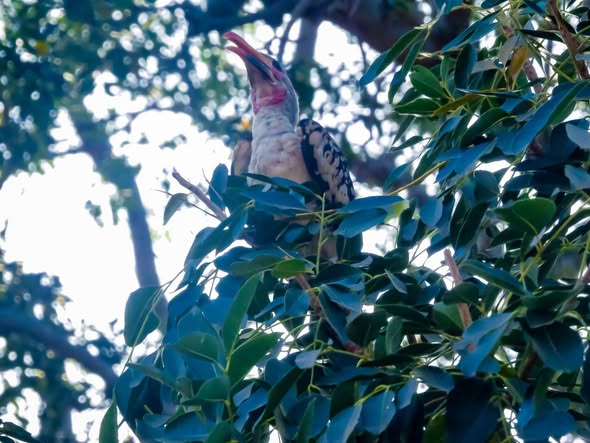
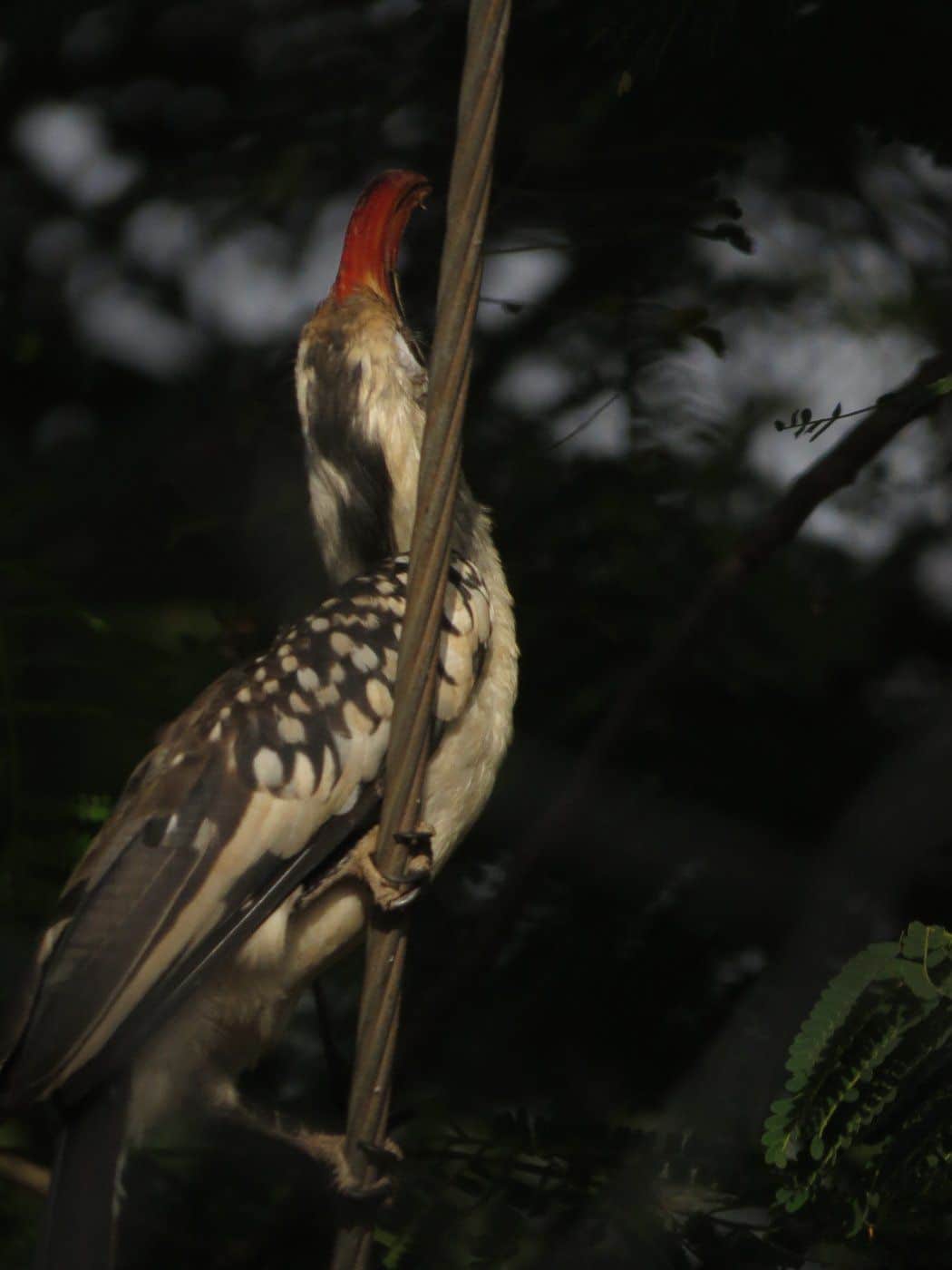
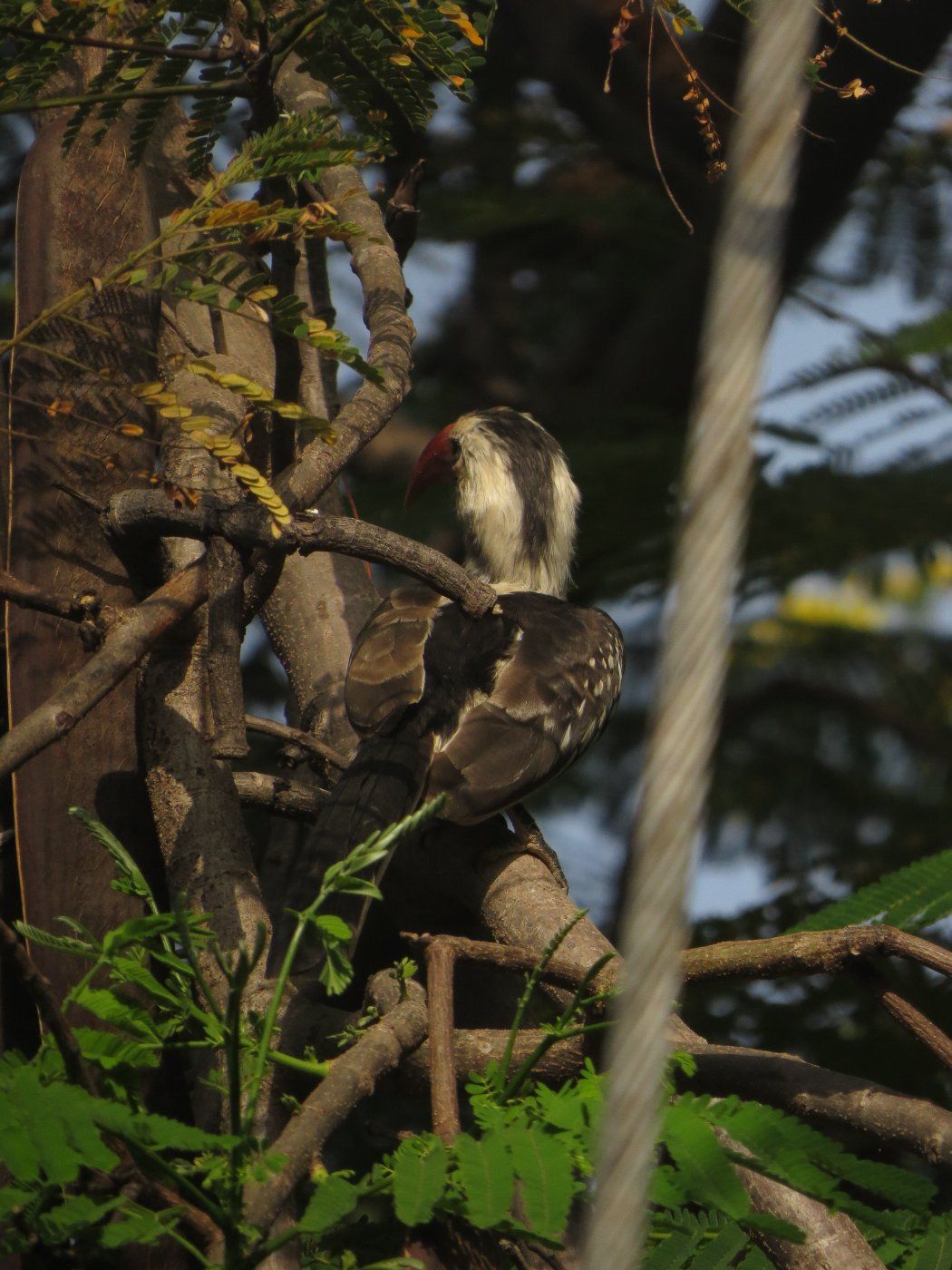
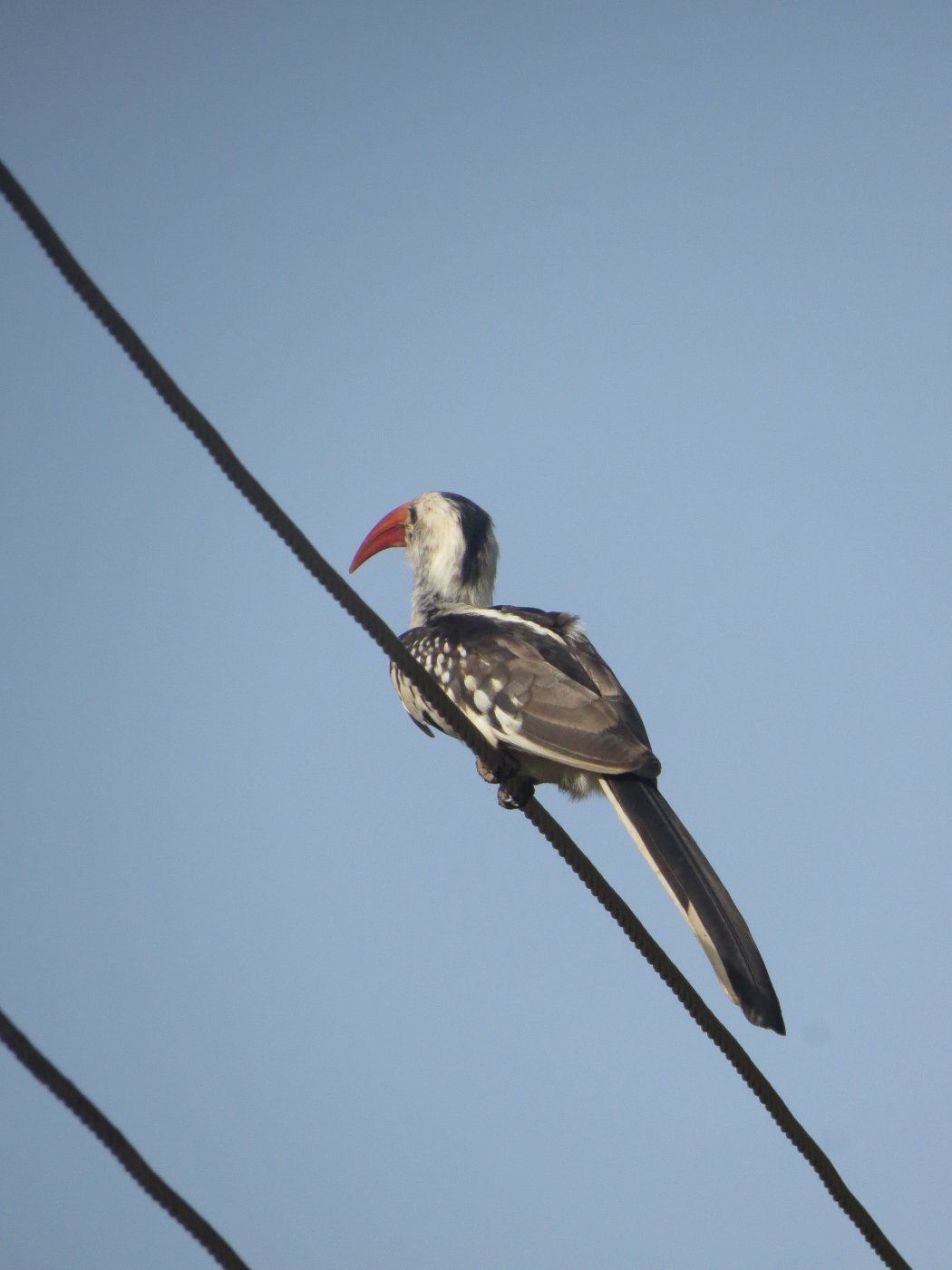
African Red-billed Hornbill

African Red-billed Hornbill (Tockus erythrorhynchus)

Captured during a Nature Photography class practical at Nyankpala Campus, UDS, Tamale, Ghana.

This beautiful bird, known for its bright red curved bill and striking spotted feathers, can be found in savannah woodlands and open forests across Africa. It plays an important role in seed dispersal and insect control, helping maintain healthy ecosystems.

Fun Fact: During breeding, the female seals herself inside a tree cavity while the male brings food to her and the chicks.

Nature is full of wonders waiting to be noticed.

Biodiversity is life, and every species counts.

Credit: Awumbo Aboyella

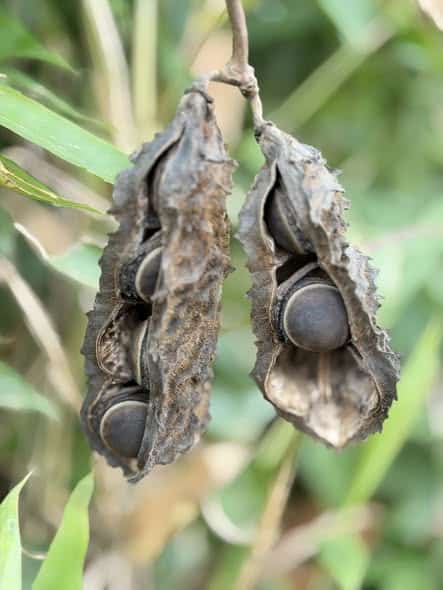
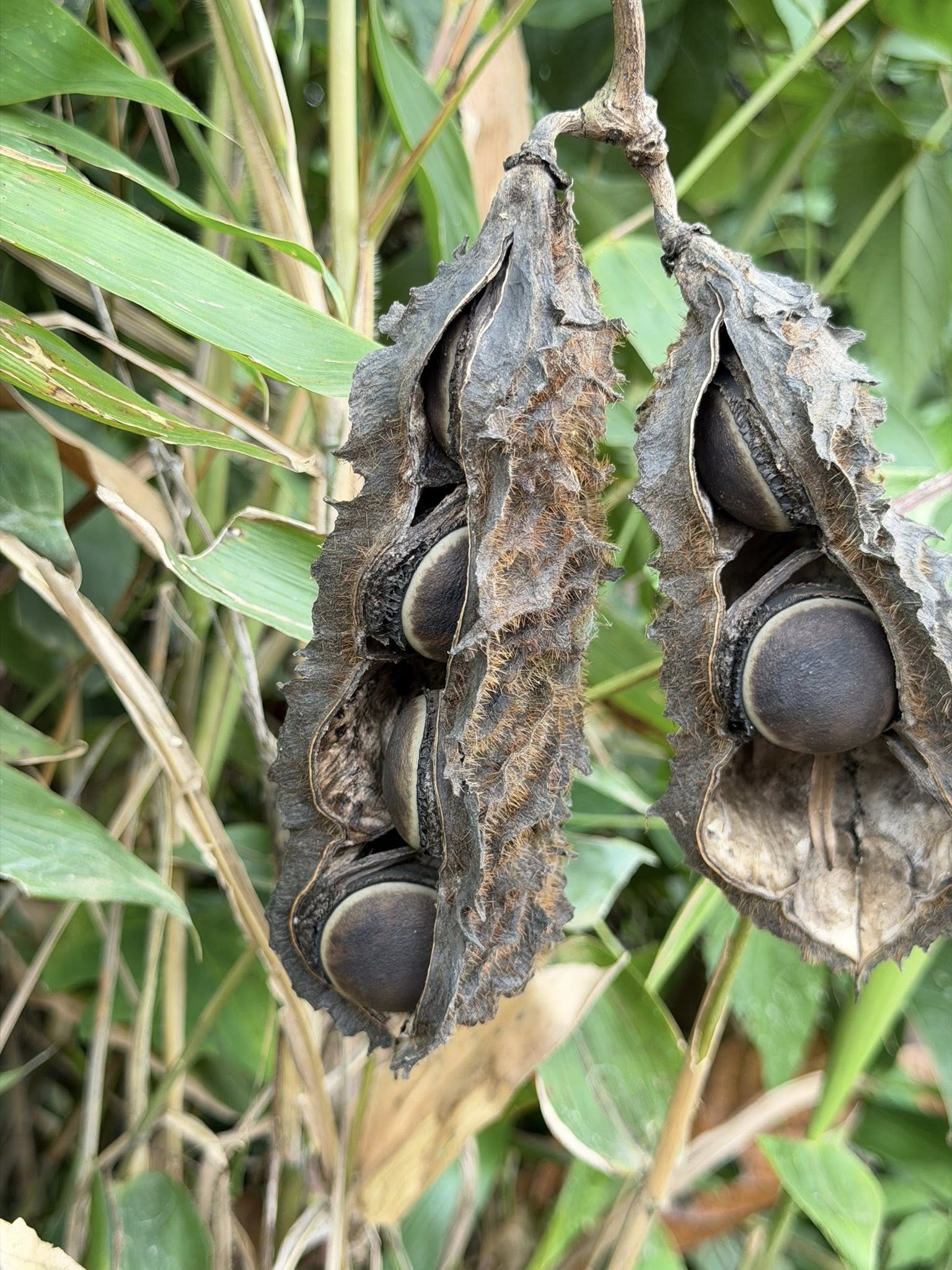
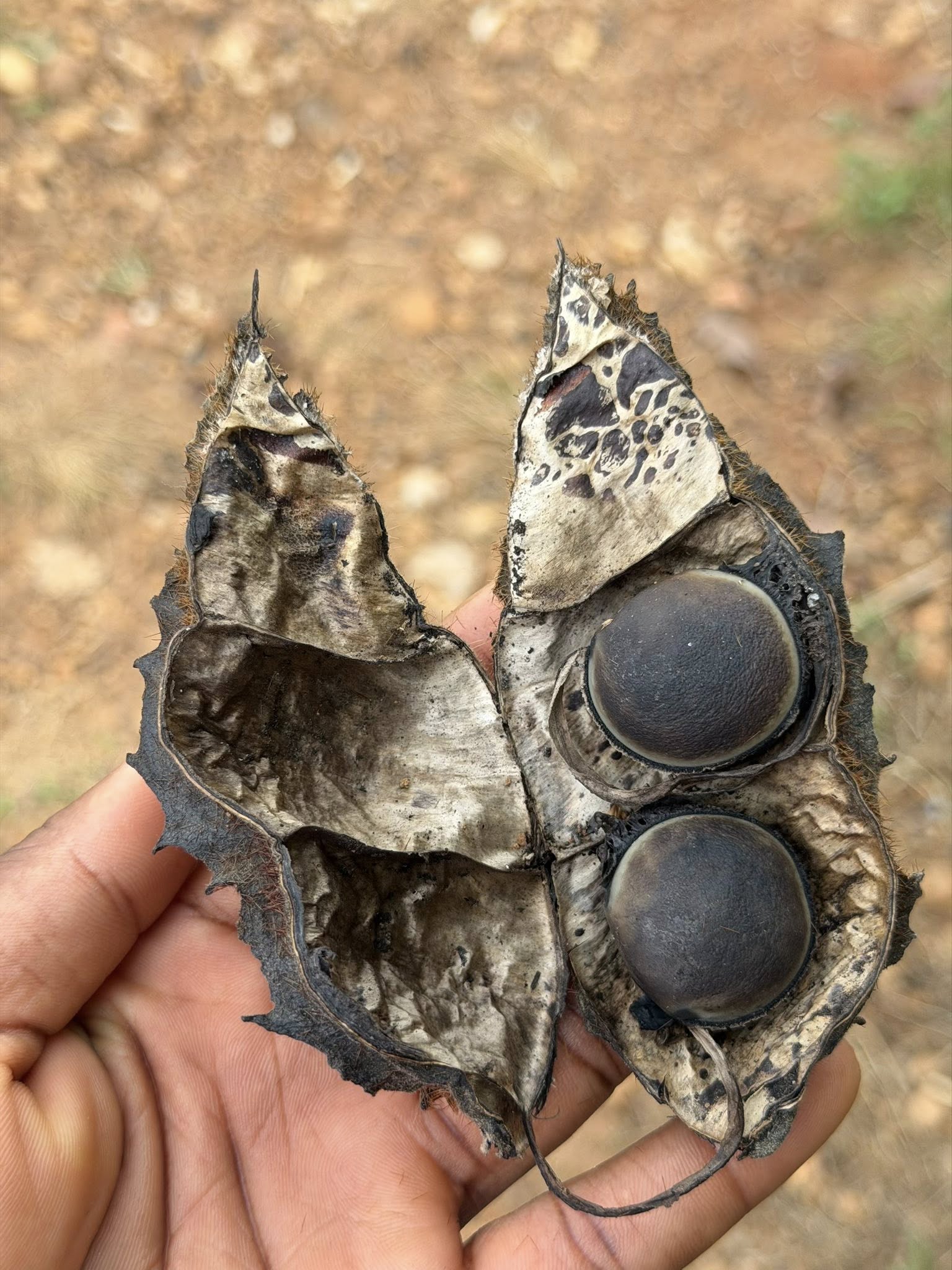
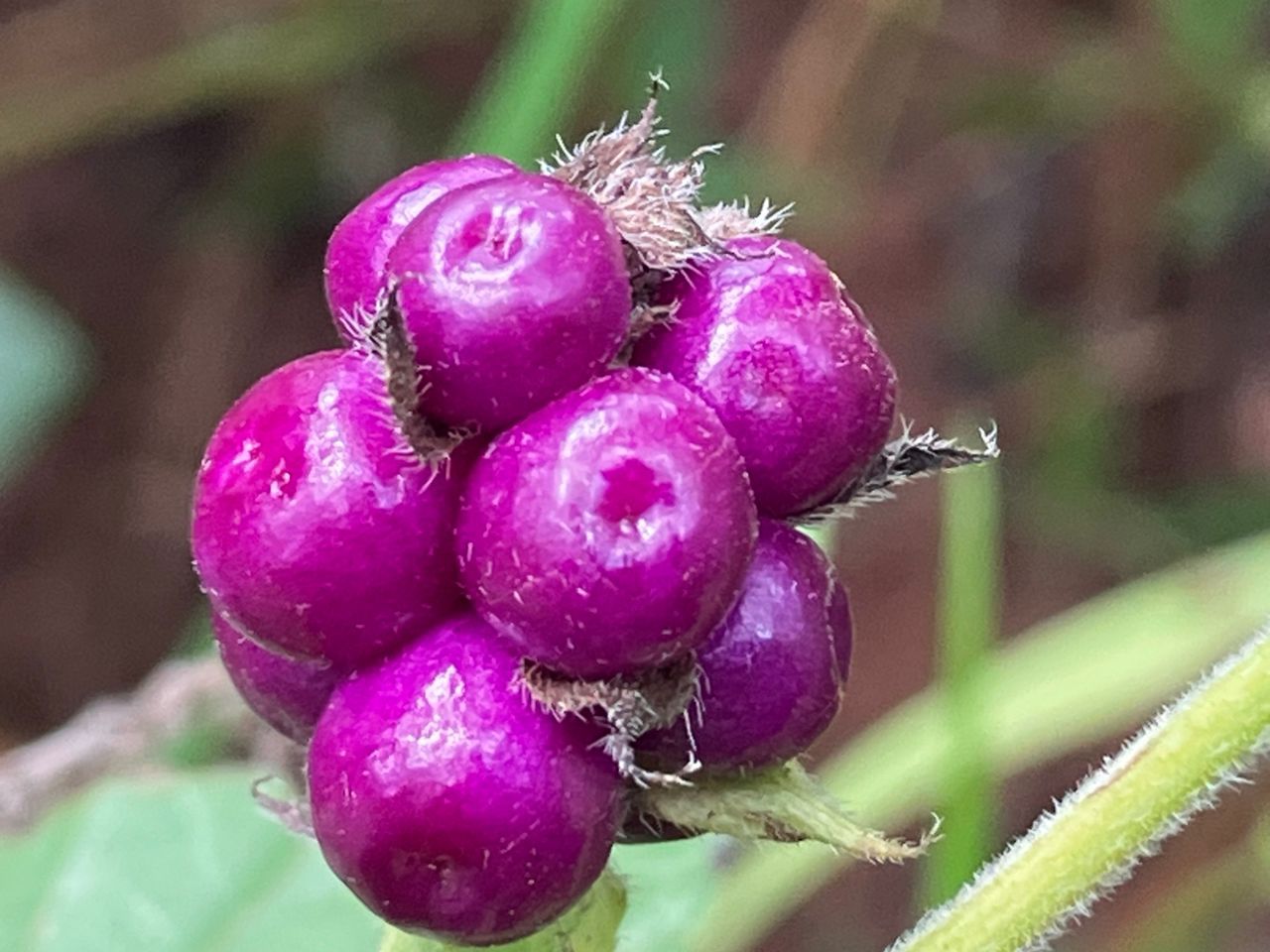
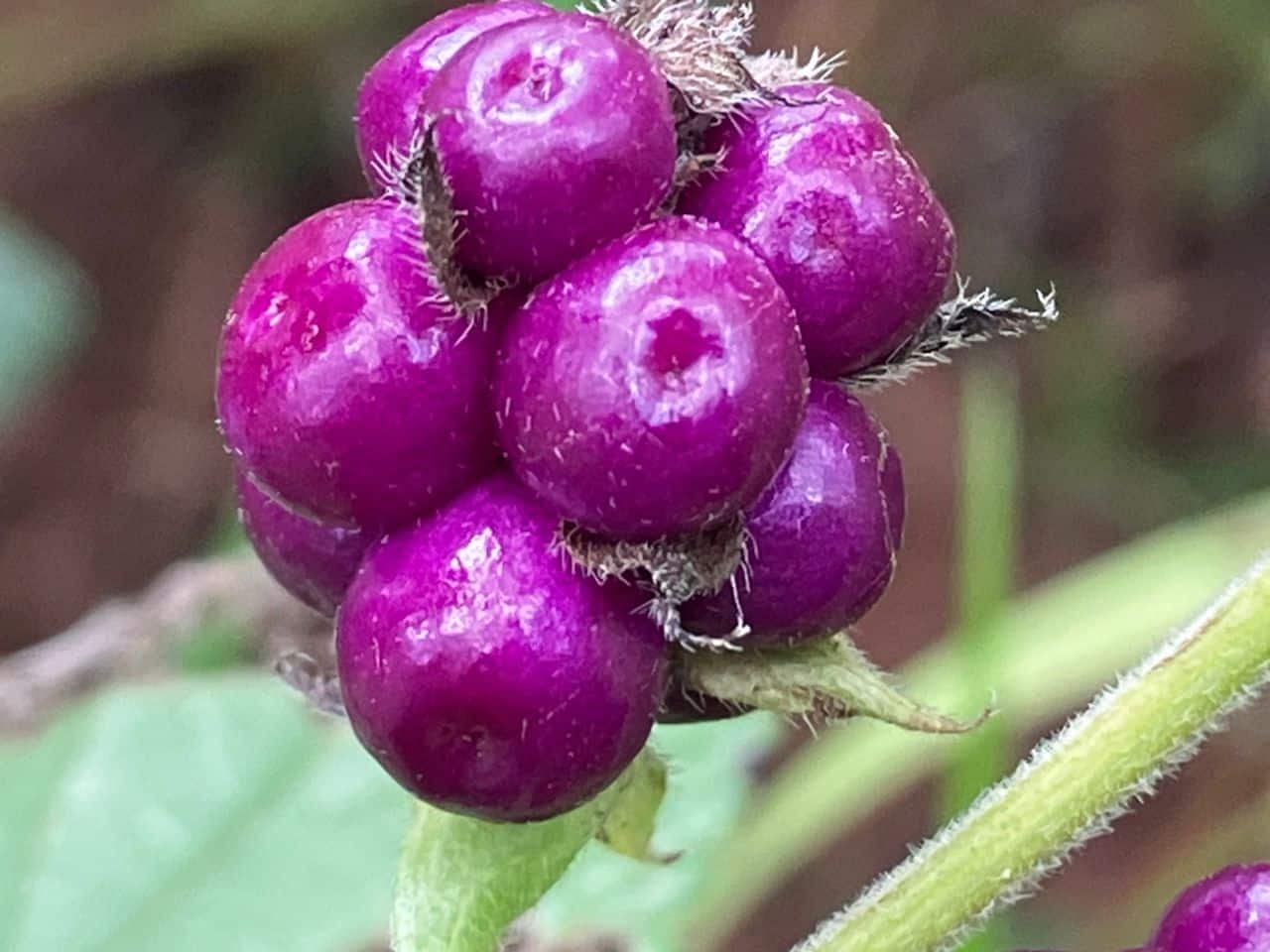
Mucuna sloanei

If you’re in Ghana, Mucuna sloanei is absolutely the star of that 90s and 2000s rural nostalgia.

Forget PlayStation and Xbox,this was our real gaming console! Who remembers being the Atɛ champion in their neighborhood?

From the stinging hairs on the pods to the perfectly smooth seeds we spent hours spinning, this plant (Mucuna sloanei) was the heartbeat of our childhood. I can still feel the heat from the friction burns!

It fixes nitrogen in the earth, feeds our local fruit bats at night, and even contains natural compounds used in medicine. On this International Day of Biological Diversity, let’s celebrate the plants that didn’t just give us a fun childhood, but keep our Ghanaian soil healthy and alive.

Credit: Benedicta Obenewah

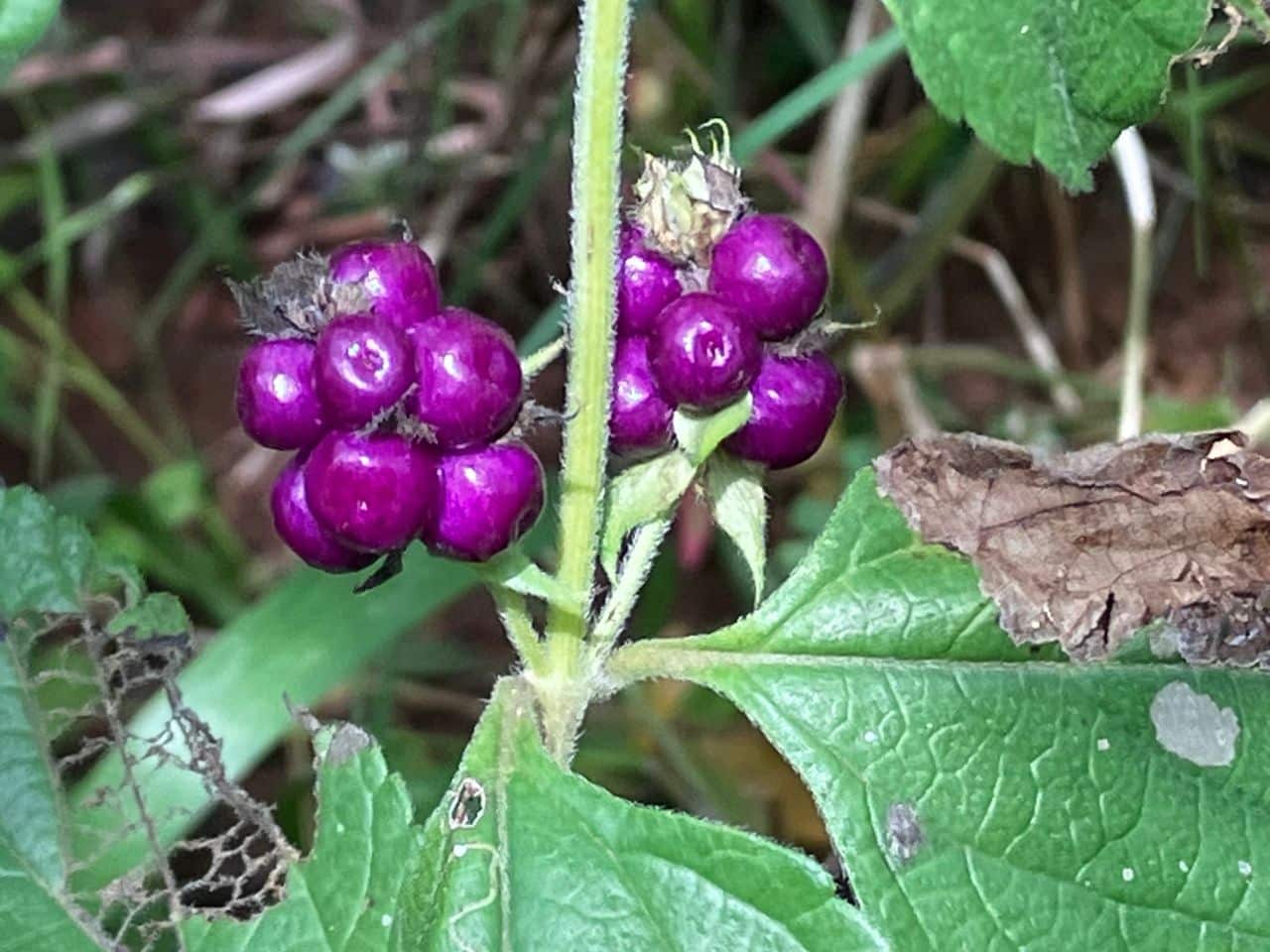
Lantana trifolia

Lantana trifolia is sometimes called a “bird-friendly plant” because birds love visiting it for its berries, making the area around it lively and active. These tiny fruits provide food for birds and other small wildlife, while the flowers attract pollinators like butterflies and bees that help maintain healthy ecosystems. In some communities, the plant is also valued for its traditional medicinal uses.

Even the smallest fruits in nature carry life, beauty, and a story worth protecting.

Credit: Awumbo Aboyella

Bushbuck

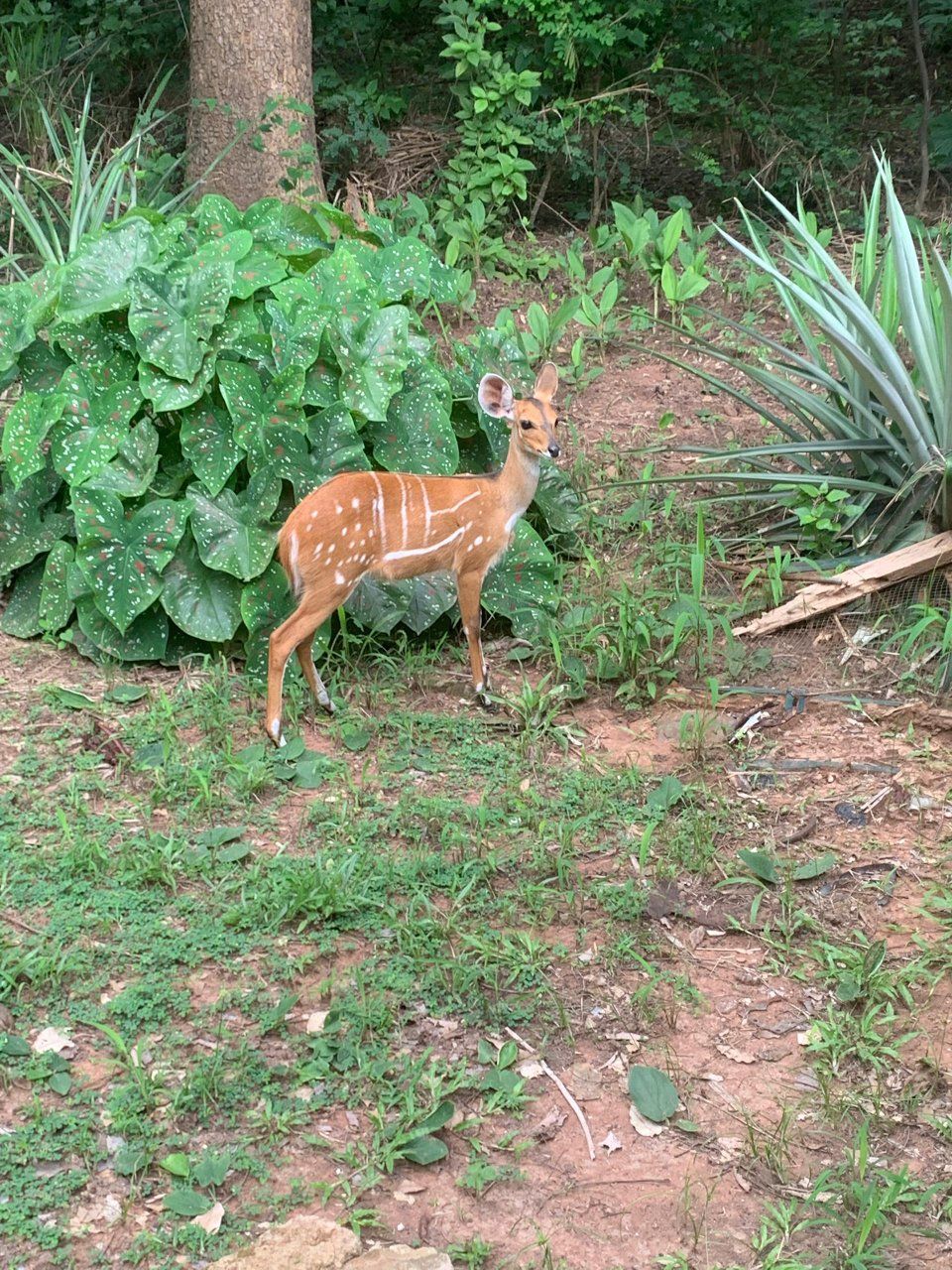
Meet “Lucky” — a bushbuck juvenile and the gentle soul of Kyabobo National Park.

Lucky is the only bushbuck in the park known to be so friendly and close to humans. After sadly losing its mother shortly after birth, it was lovingly raised by the park managers, creating a special bond between wildlife and people.

Calm, beautiful, and full of life, Lucky is truly a wonderful reminder of why conservation matters. If you ever visit the Oti Region, make time to explore the park and experience this amazing creation for yourself.

Biodiversity is life, and every species counts.

Credit: Awumbo Aboyella
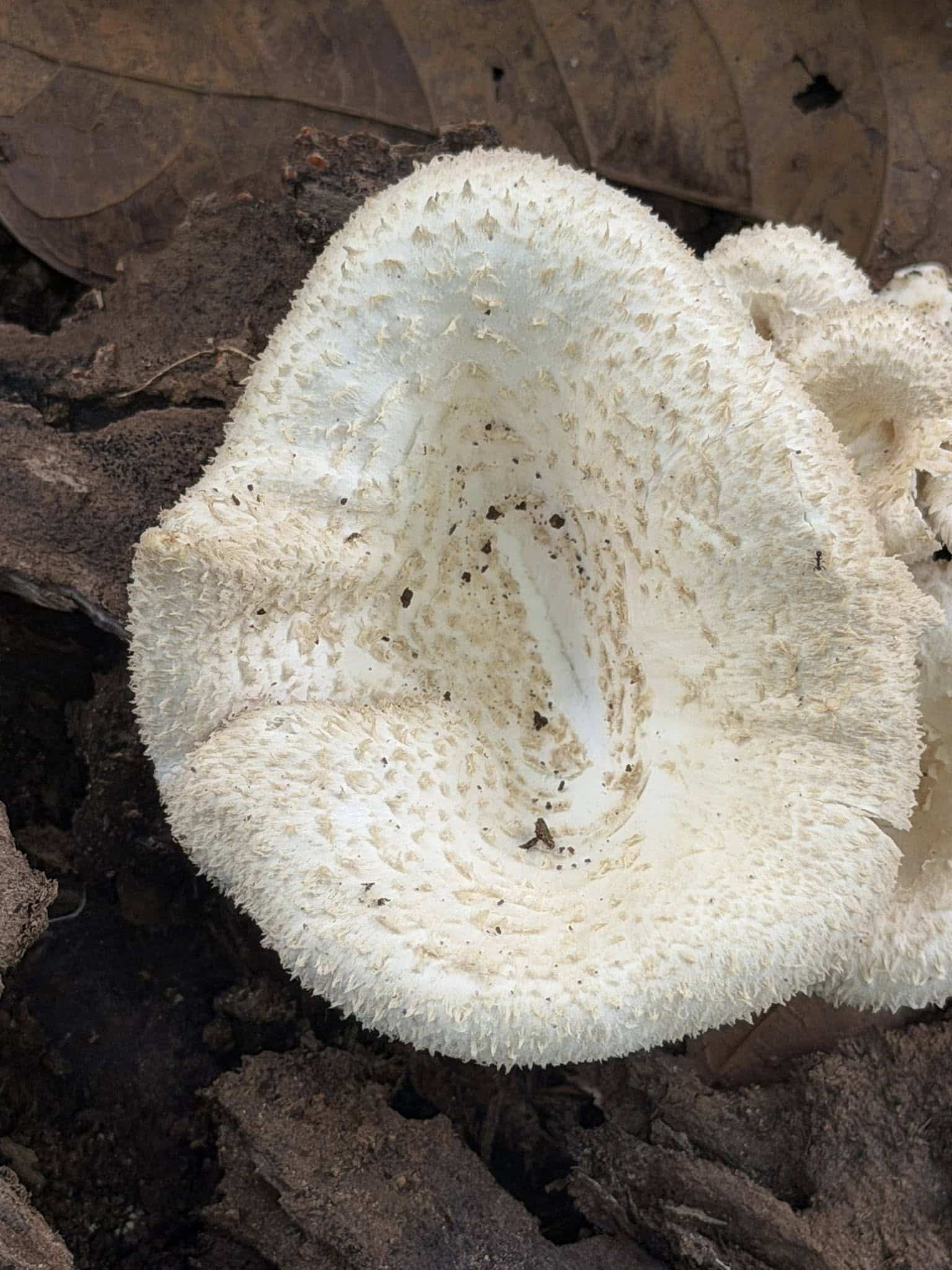
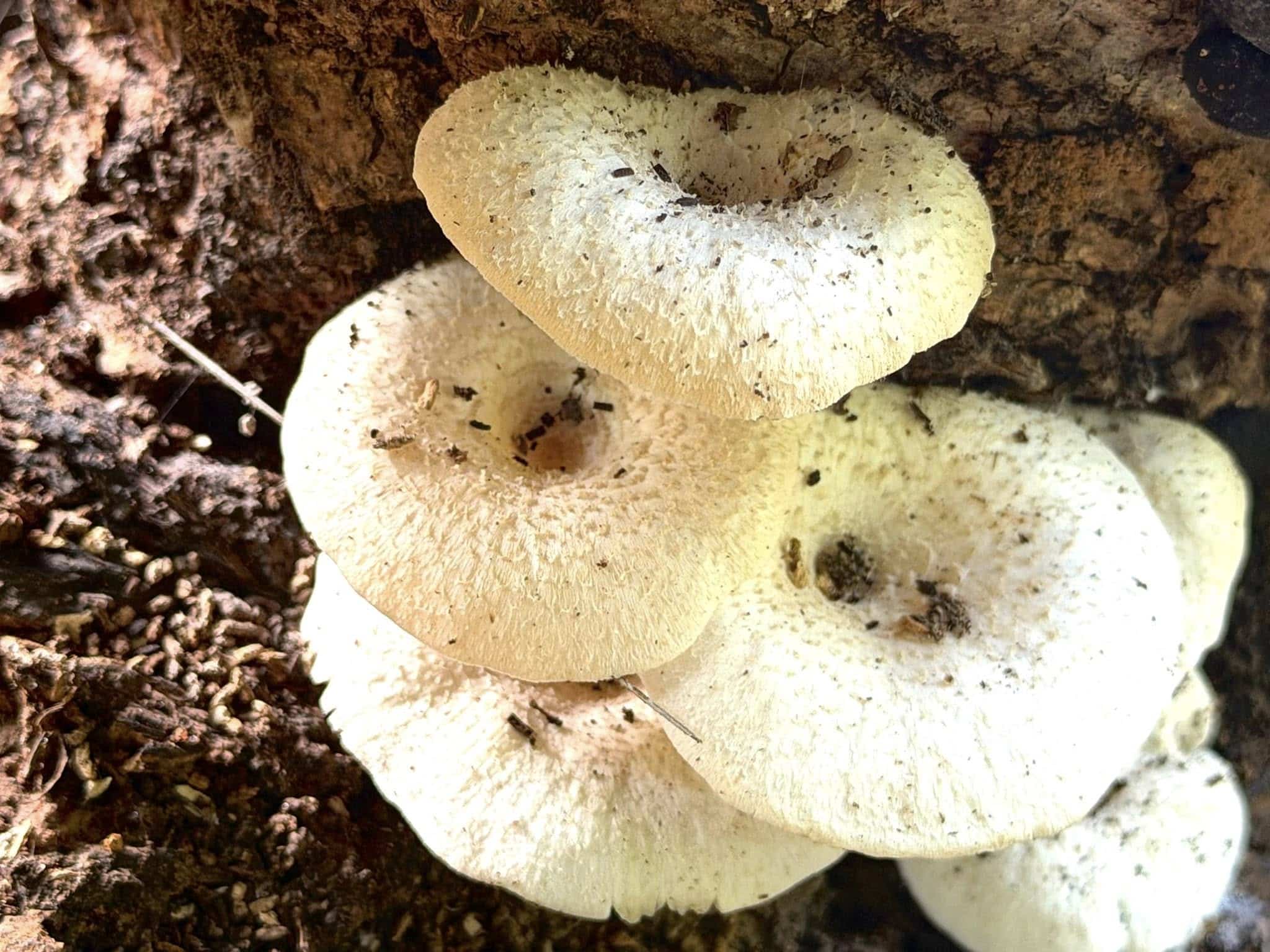
Lentinus Squarrosulus

Deep within the damp, shaded heart of tropical forests across Africa and Asia, a quiet magic awaits the thunder. To the untrained eye, there is only decaying wood. But when the skies finally break and the rainy season arrives, the forest floor witnesses a sudden, spectacular awakening.

This is the home of Lentinus squarrosulus, a wild, transient mushroom that lives in perfect harmony with the weather.

Like clockwork, the first heavy downpour triggers an explosion of life. Sprouting in dense, crowded clusters, these mushrooms unfurl their caps, release a flurry of spores into the humid air, shrink, and vanish into nothingness,all within a mere handful of days. Yet, they are never truly gone. They are merely waiting. The moment the next rain kisses the earth, they materialize out of thin air, reclaiming the exact same spot on the exact same log.

Lentinus squarrosulus is far more than a simple fungus. It is a master of survival, a culinary delicacy, and a hidden pharmacy, waiting in the wood for the next drop of rain to share its gifts with the world.

Credit: Benedicta Obenewah

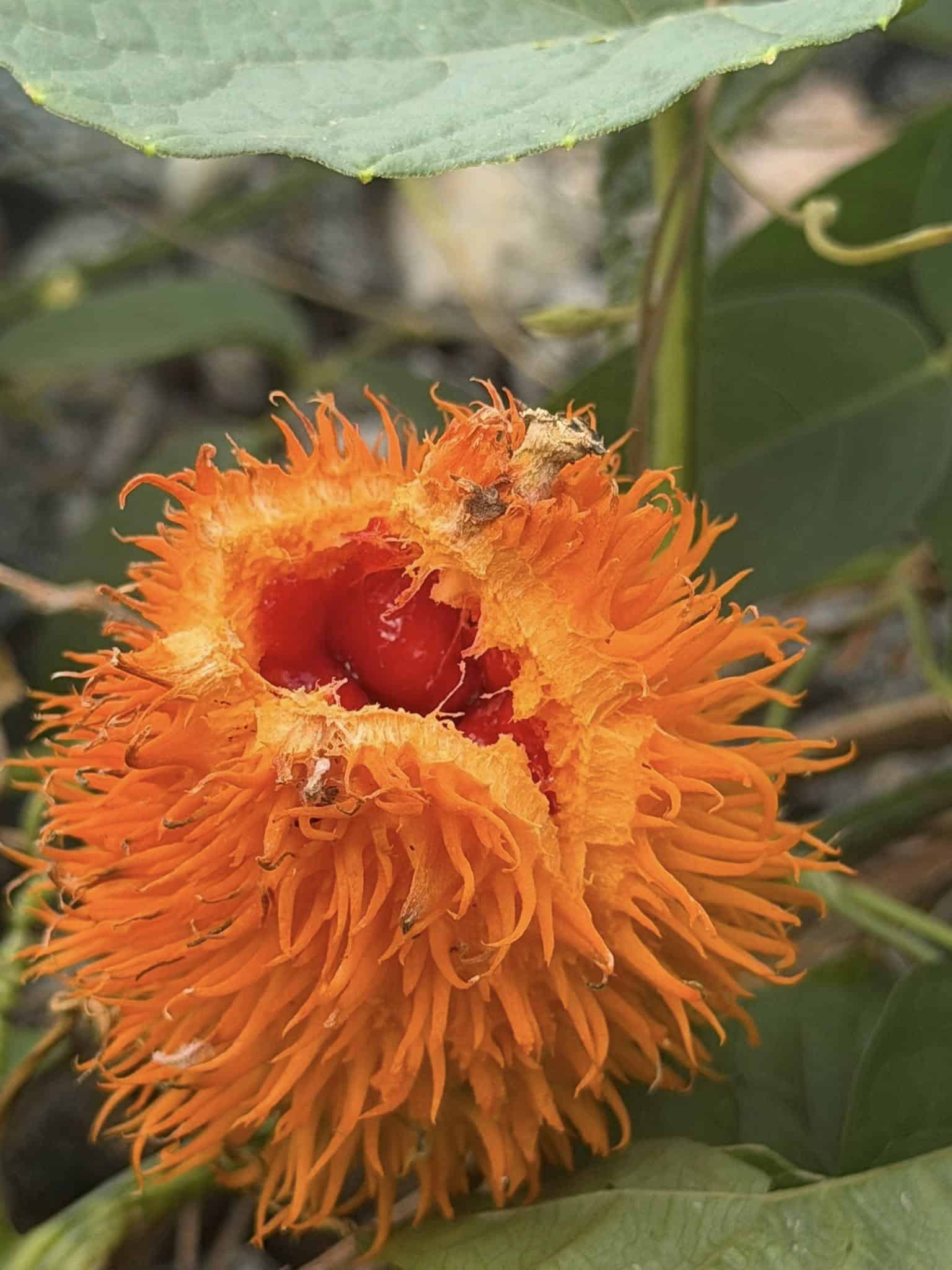
Momordica foetida

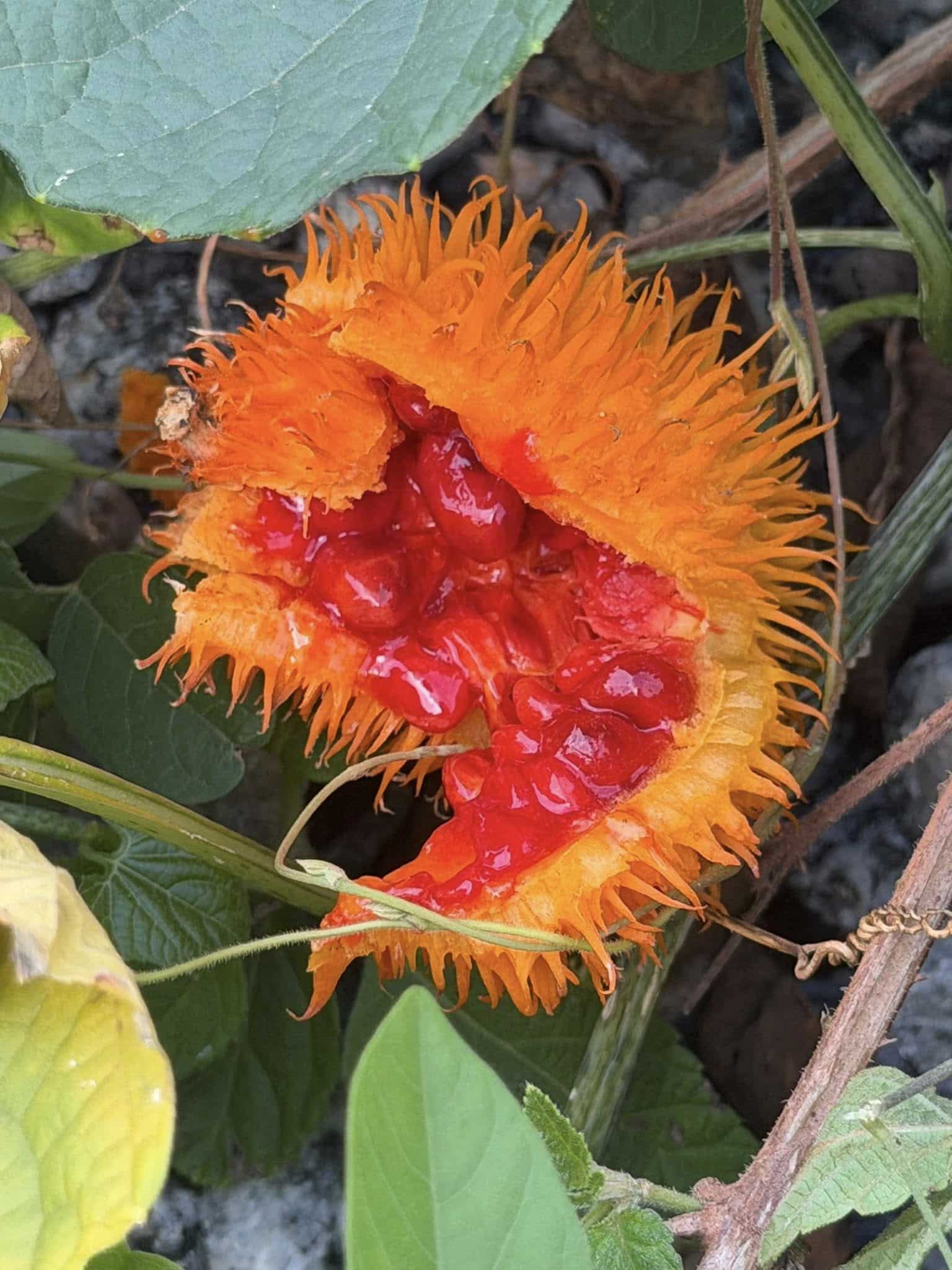
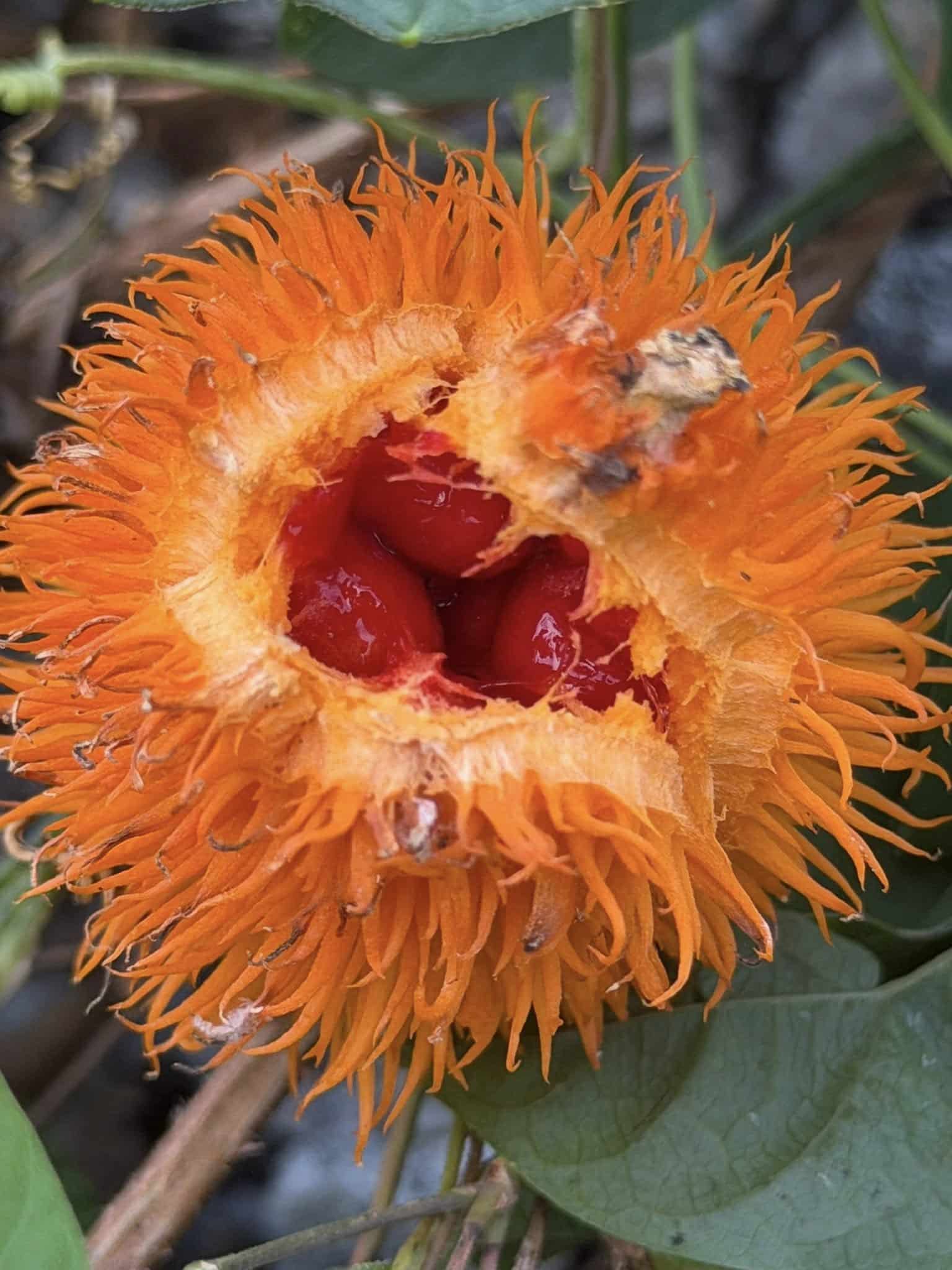
Meet Momordica foetida—often called the stinking wild cucumber, or awoduan in Twi.

This tropical African climbing vine certainly lives up to its name with its stinky leaves, but it’s also known for its striking, spiky orange fruits.
When these fruits ripen, they pop open to show off bright red, sweet pulp that both birds and snakes love to snack on.

But this plant isn’t just a treat; it’s also a powerful tool in traditional medicine. Crushing the foul-smelling leaves into stagnant water acts as a natural mosquito killer, helping local communities fight malaria.

Credit: Benedicta Obenewah

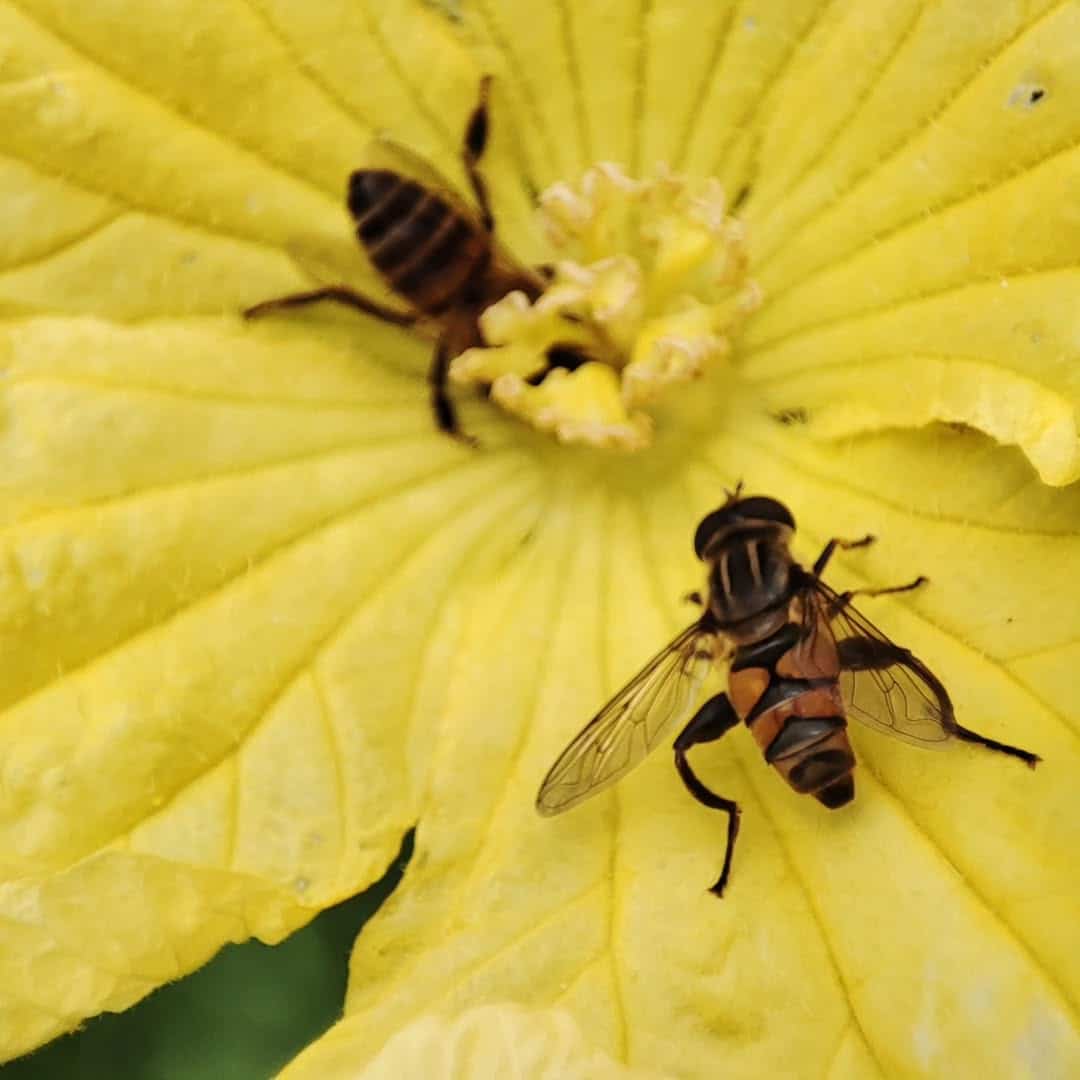
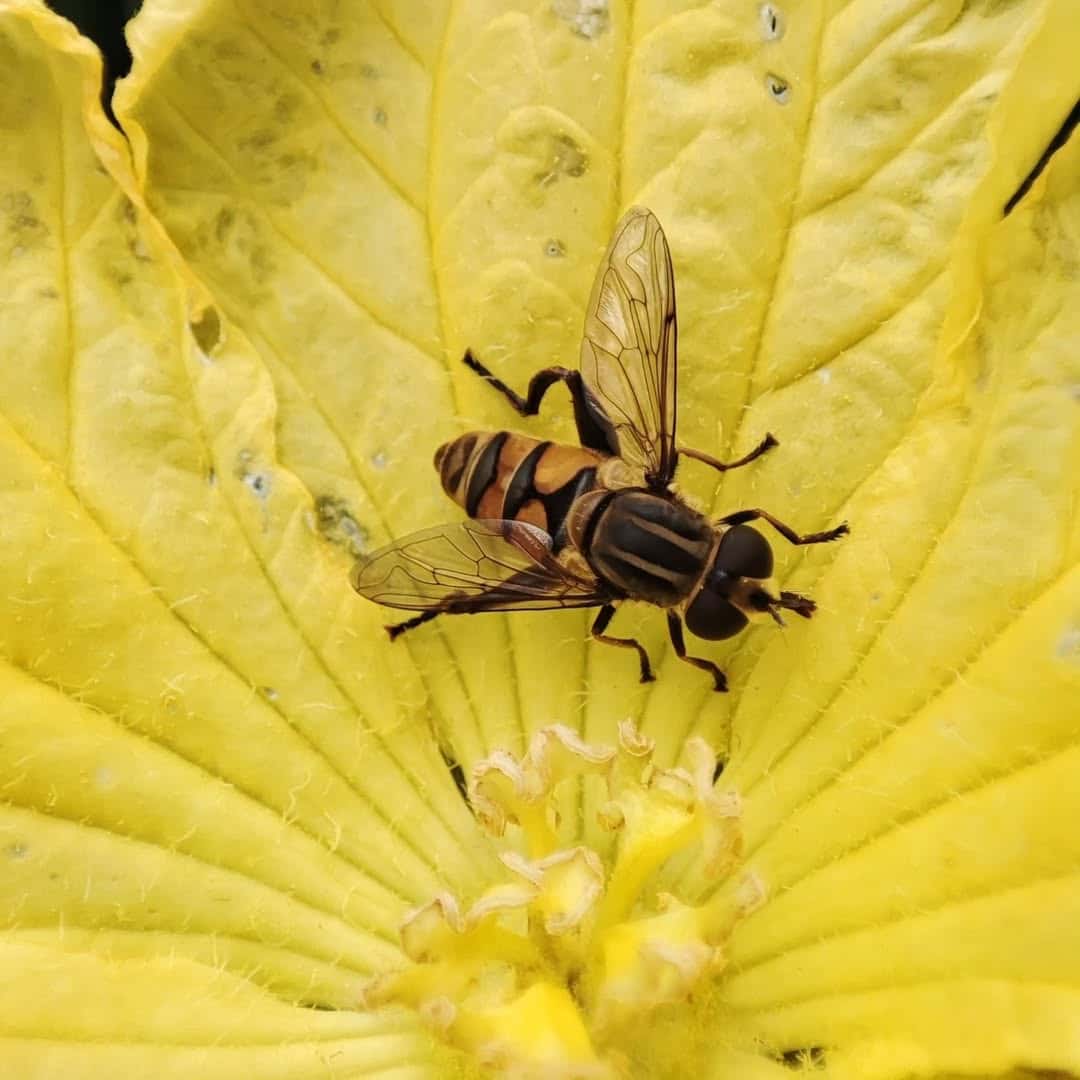
Hoverfly

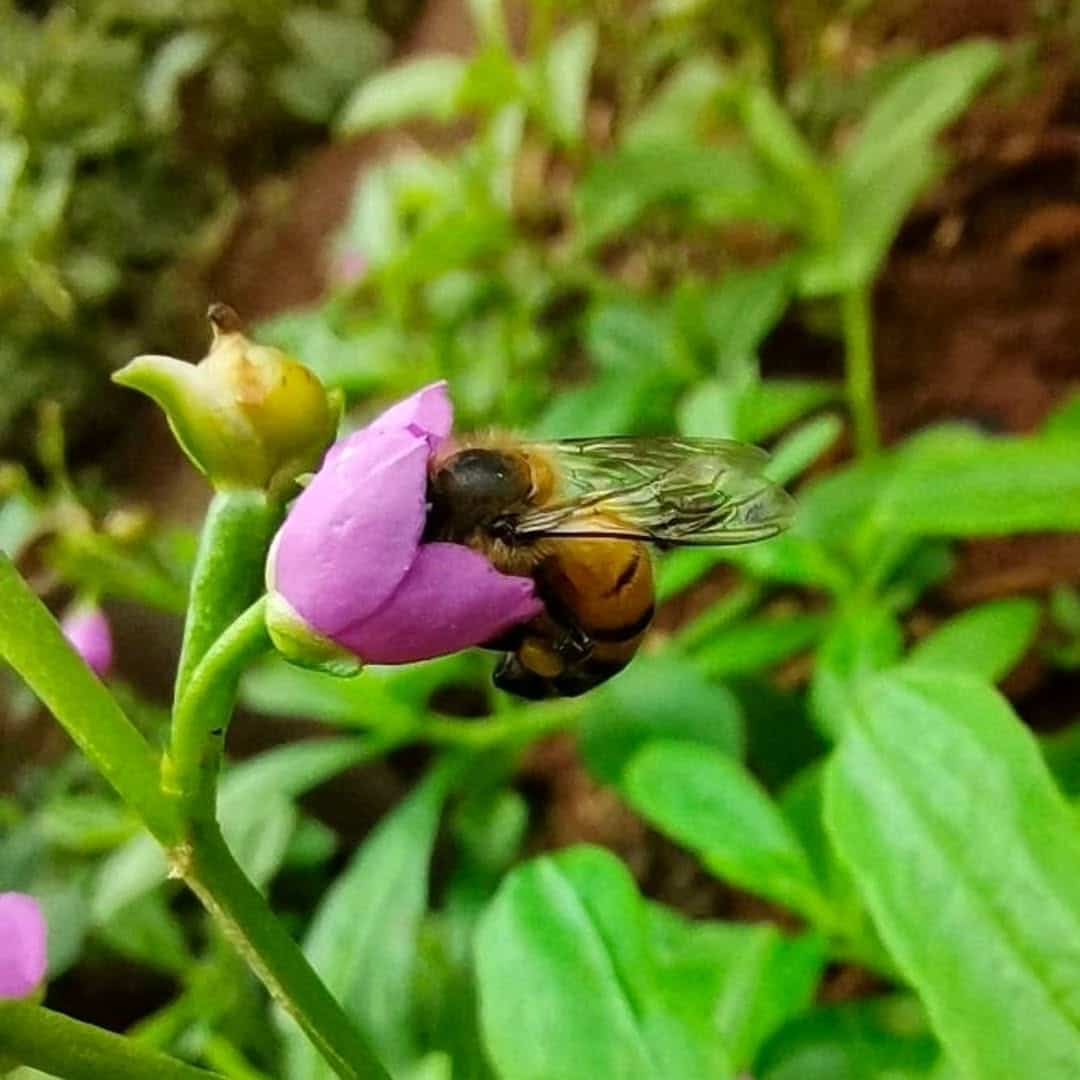
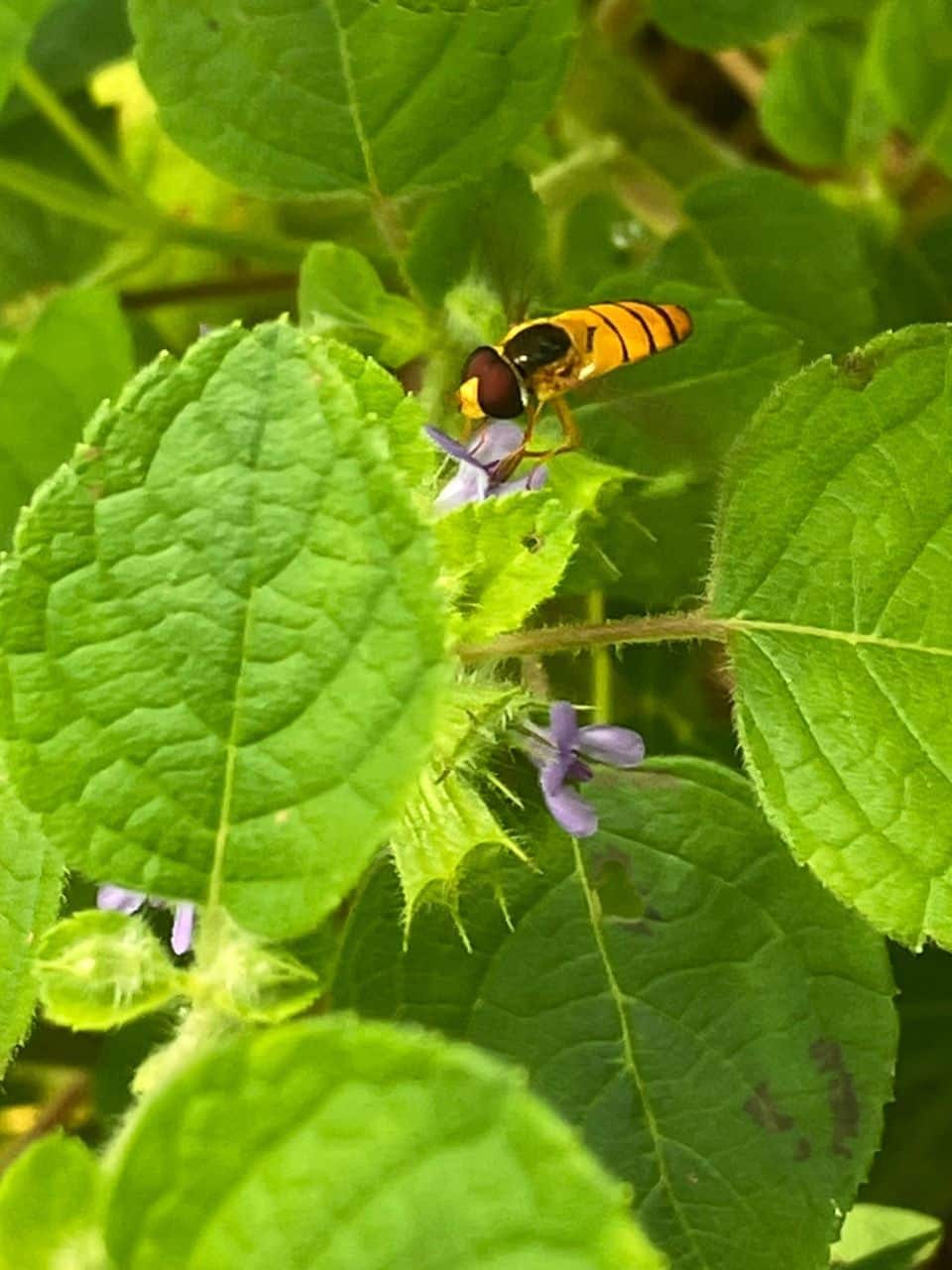
Captured during a Nature Photography practical session at the Nyankpala Campus of the University for Development Studies in Northern Region, this vibrant hoverfly pauses delicately on a tiny purple flower hidden within lush green leaves.

Though often mistaken for bees, hoverflies, also called flower flies or syrphids are harmless pollinators that contribute greatly to healthy ecosystems and biodiversity.

“Hoverflies may be small, but they play a huge role in our environment—pollinating plants, controlling aphids, and even helping to break down organic matter,” – (Royal Horticulture Society, 2025).

Remember that even the smallest creatures play an important role in nature.

Credit: Awumbo Aboyella
Talinium triangulare

I found this on the Legon campus, precisely in the lawns outside Legon Main Hall. This is Talinium triangulare, locally called Borkorborkor. It is good for stew, especially stew that goes with Yakayake. When prepared by an experienced Ewe cook, you can forget your name.
It is also added to animal feed because it is rich in nutrients, not only good for humans but also for farm animals.
Unfortunately, it is not domesticated. I mean it is not cultivated but harvested from the wild. Am still wondering why a good food like this has not been domesticated yet.

Credit: Cephas Glavee

Sunbird

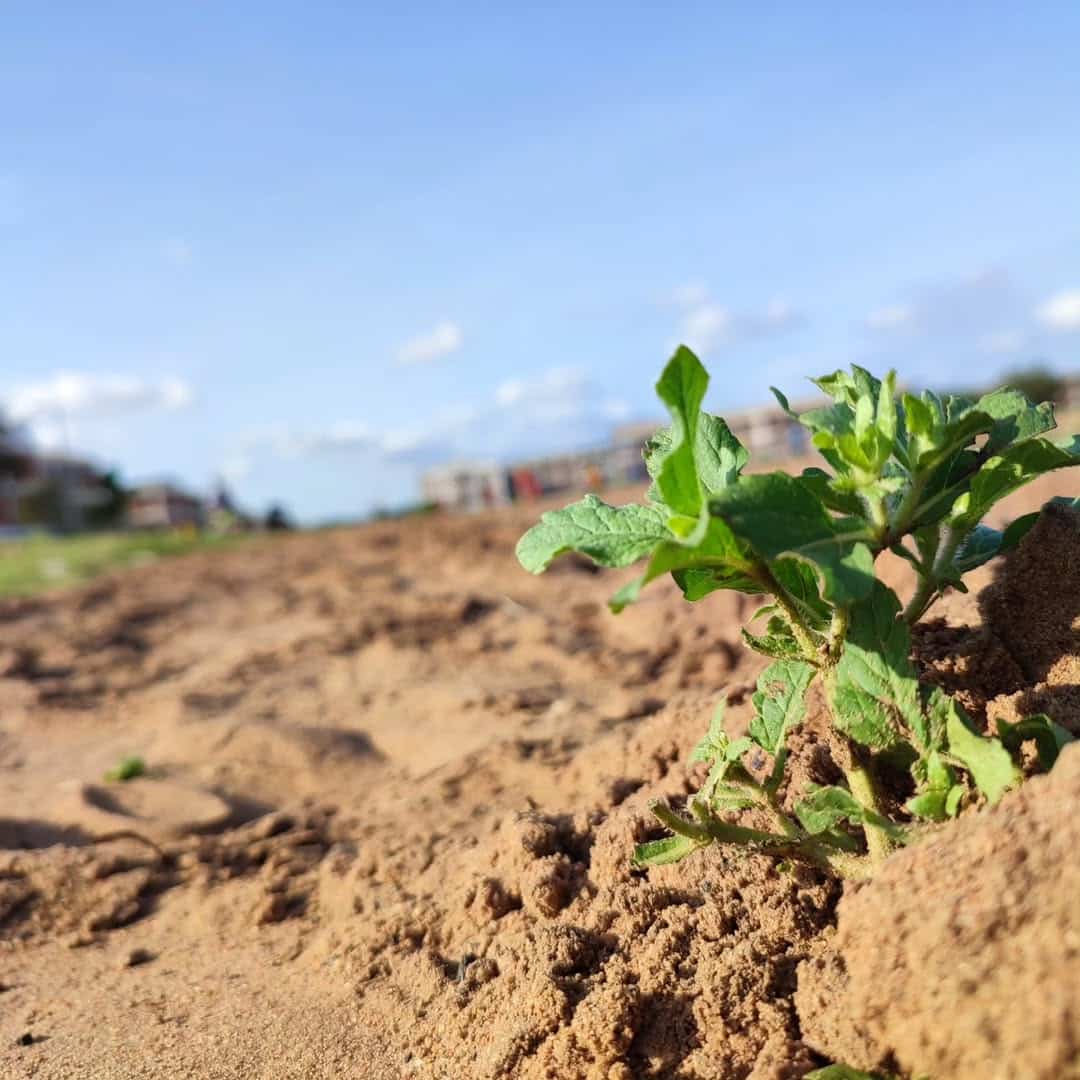
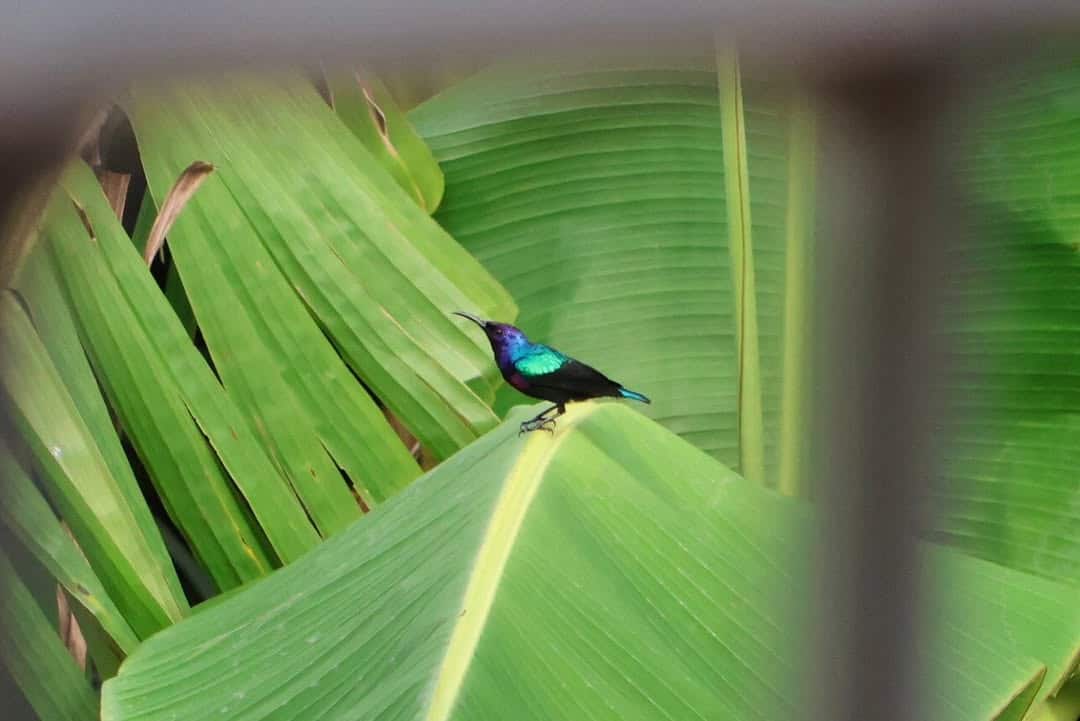
From the ruins of a degraded land stripped of all nutrients, @gyemgh and WildRain resorted to agroforestry to gradually rebuild the soil and boost biodiversity presence and activities. We started on this new field in 2025 in Akwamu Kwanyarko and now in 2026, I am proud to share the sighting of a splendid sunbird perched right on our plantain.

Credit: Glorious Emmanuella
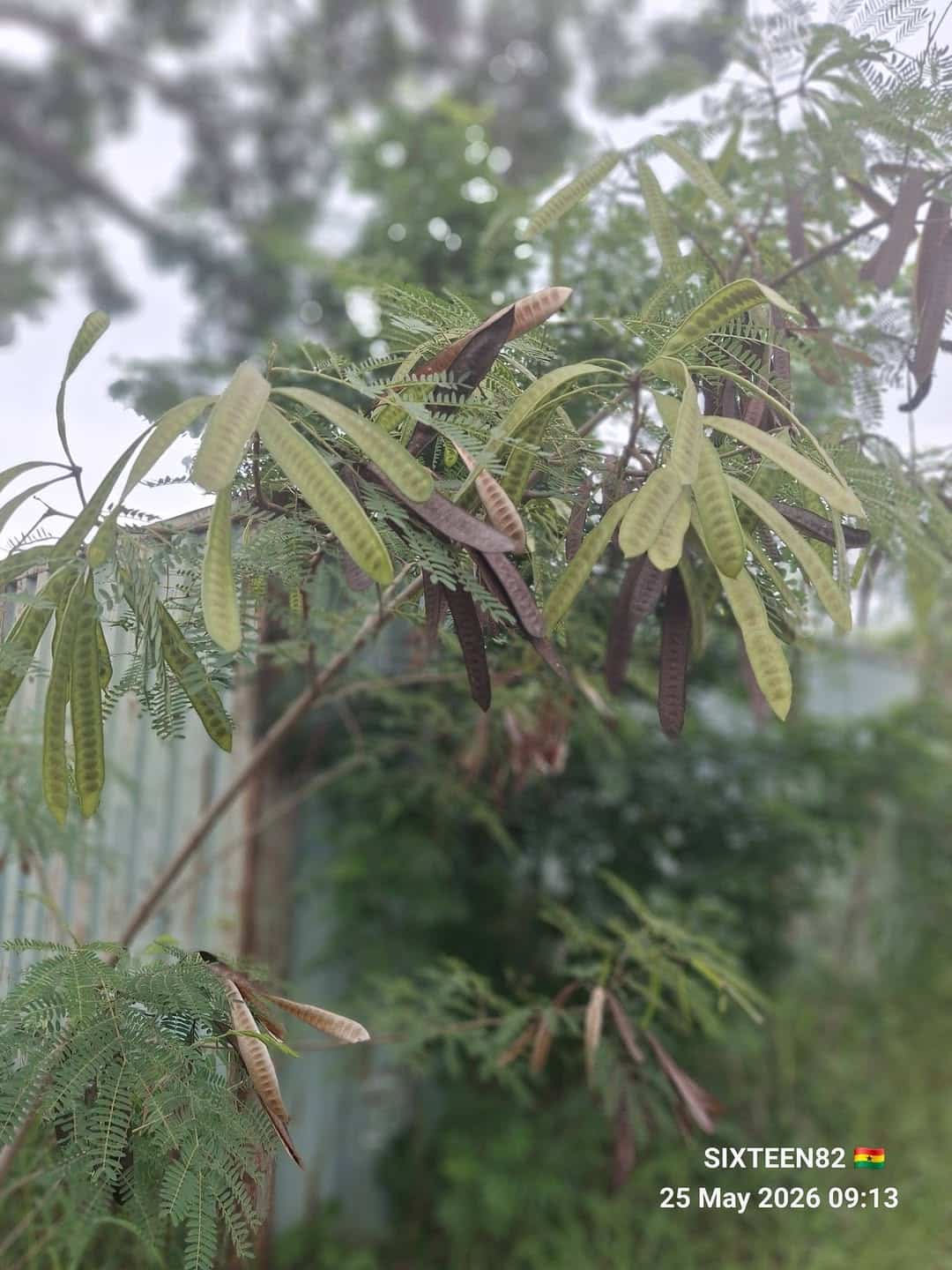
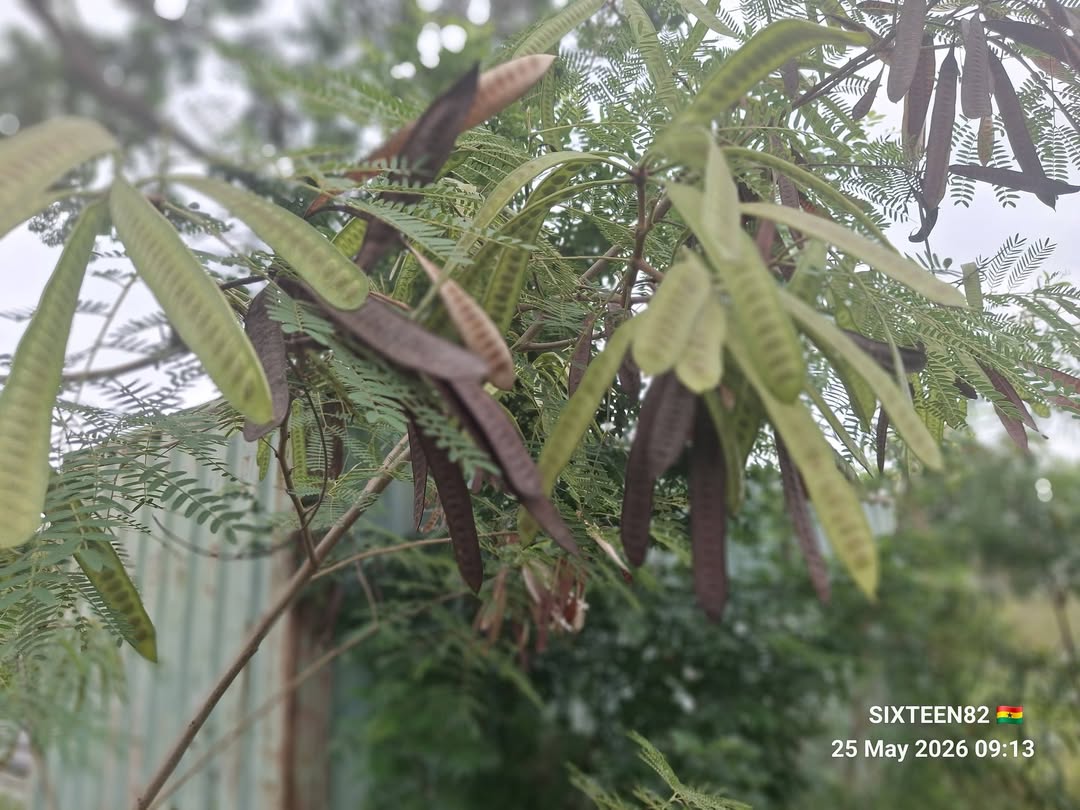
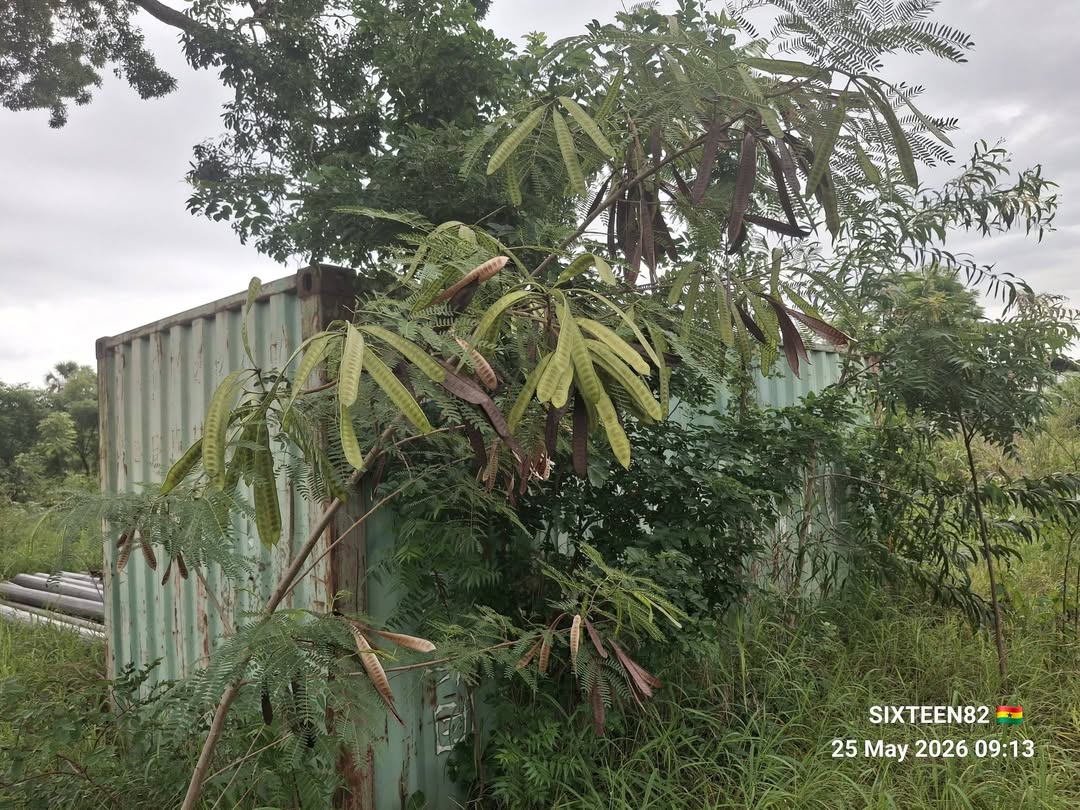
Leucaena leucocephala

This is the Leucaena leucocephala, spotted on Legon Hill near Vandal City,.

Although it was introduced into Ghana for beneficial purposes, it is now considered an invasive alien species (IAS). Its ability to produce large numbers of seeds, grow quickly, and thrive under harsh conditions allows it to spread rapidly and outcompete native vegetation.

Interestingly, Leucaena is not all bad. It is used as livestock feed, particularly for poultry, and as a leguminous plant, it helps improve soil fertility by fixing nitrogen. For this reason, it is commonly used in agroforestry systems.

This plant reminds us that some invasive species can present both challenges and opportunities, depending on how they are managed.

Credit: Cephas Glavee

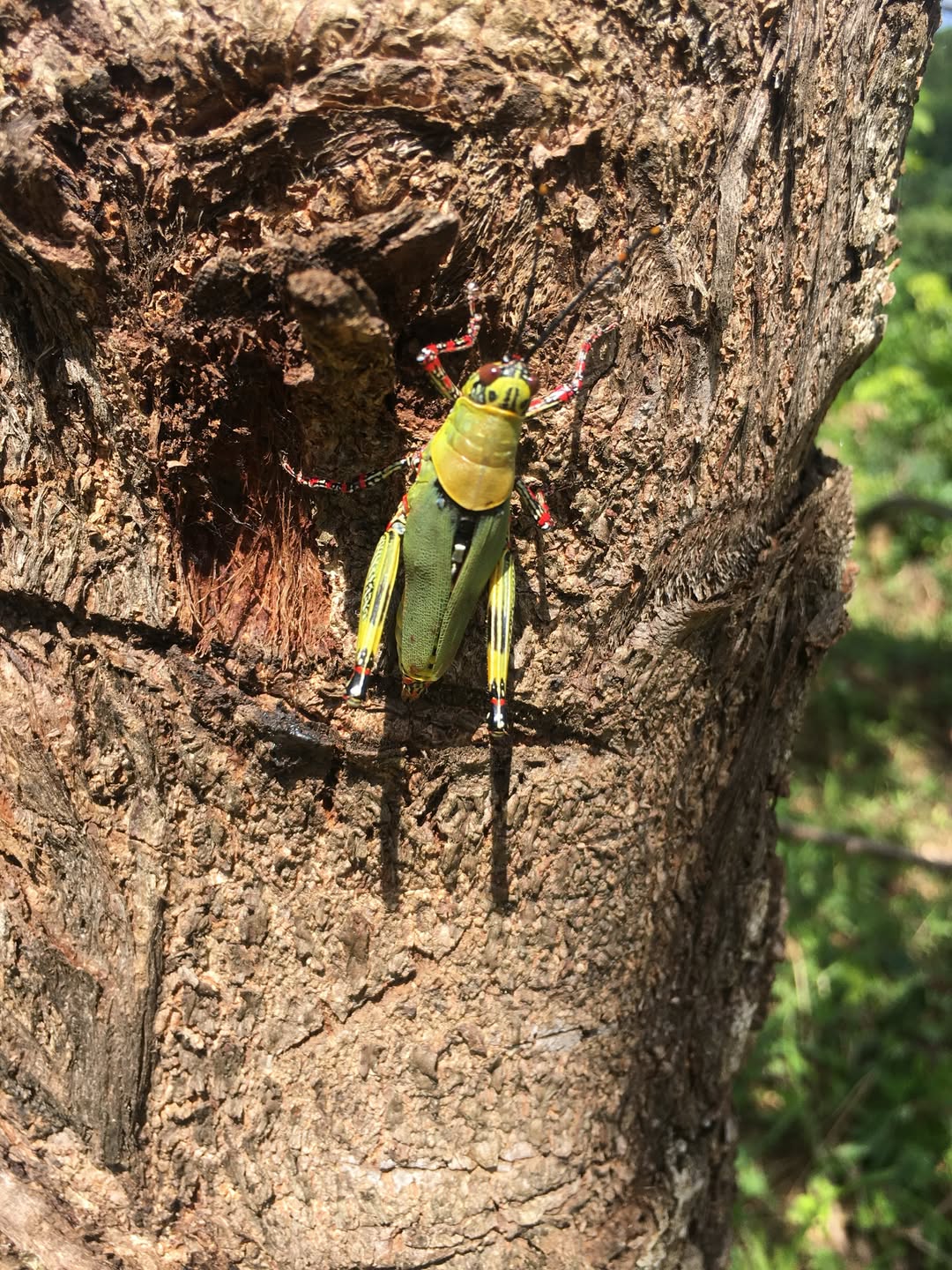
Grasshopper

Tiny jumper, mighty role in the ecosystem 🦗🌿
Spotting this grasshopper reminds us that even the smallest creatures keep Ghana’s biodiversity buzzing.

Taken in Atewa Range Forest Reserve
Meet a master of camouflage and a key player in the food web.

Credit: Joana Okoampah

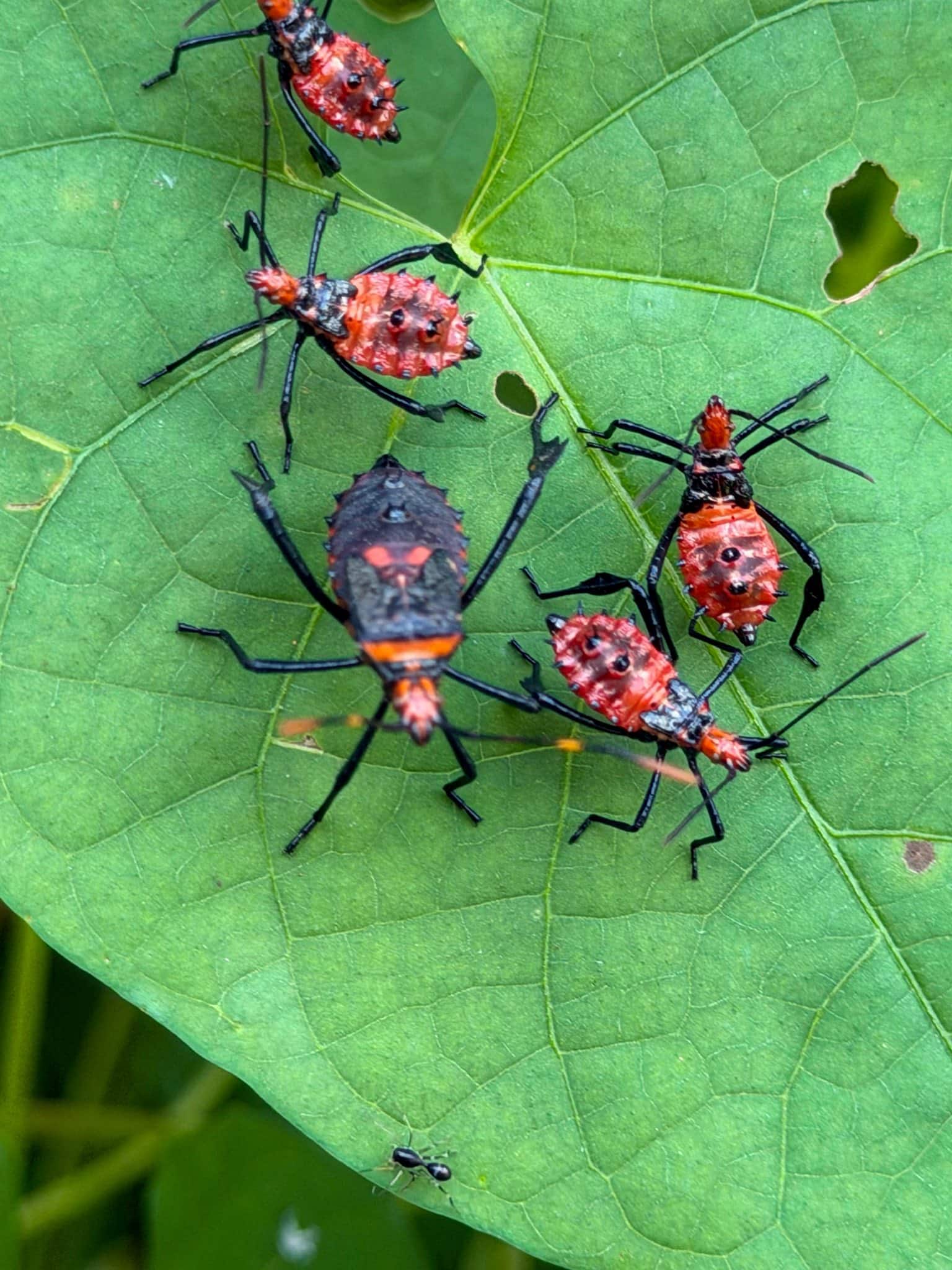
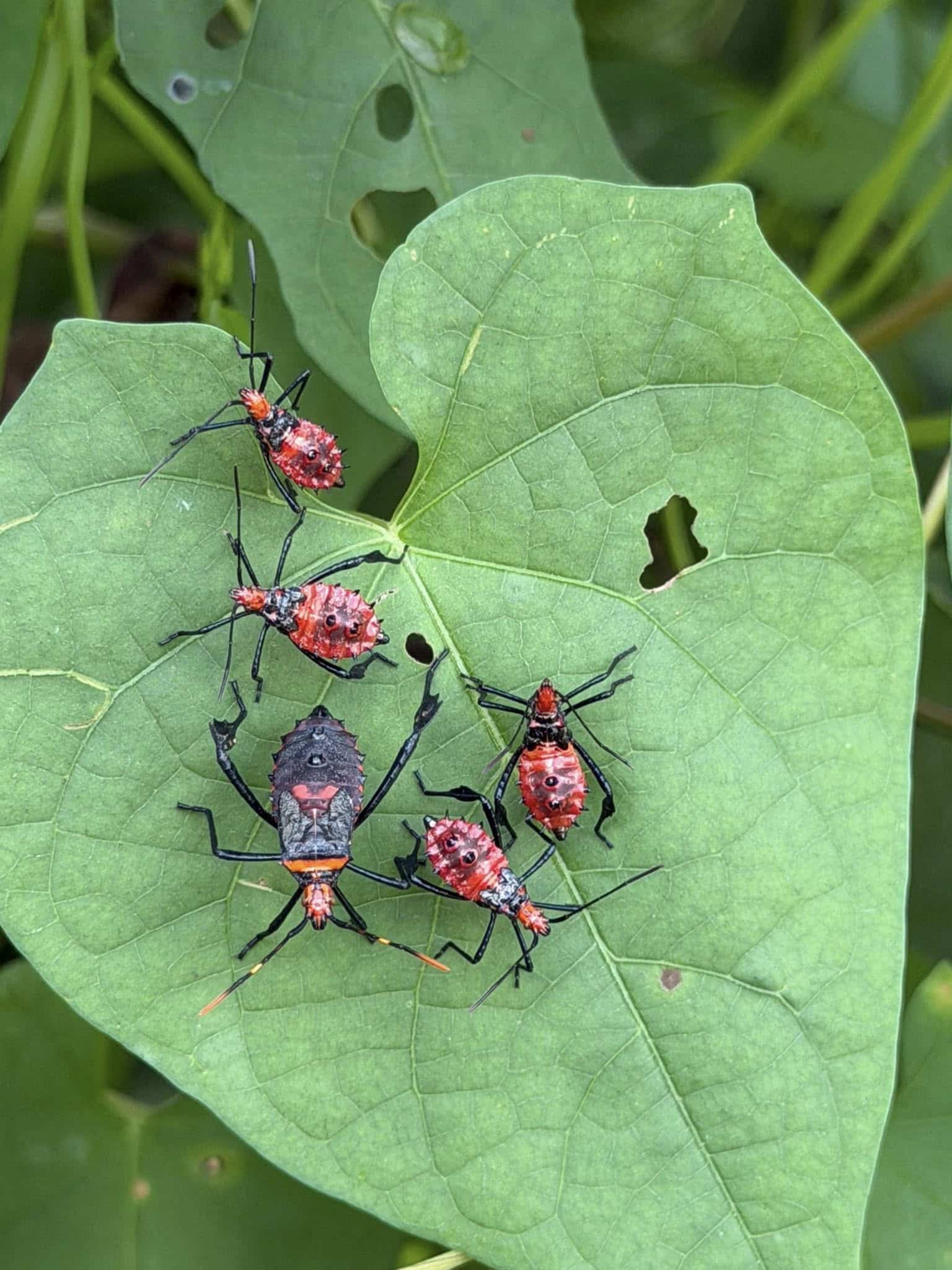
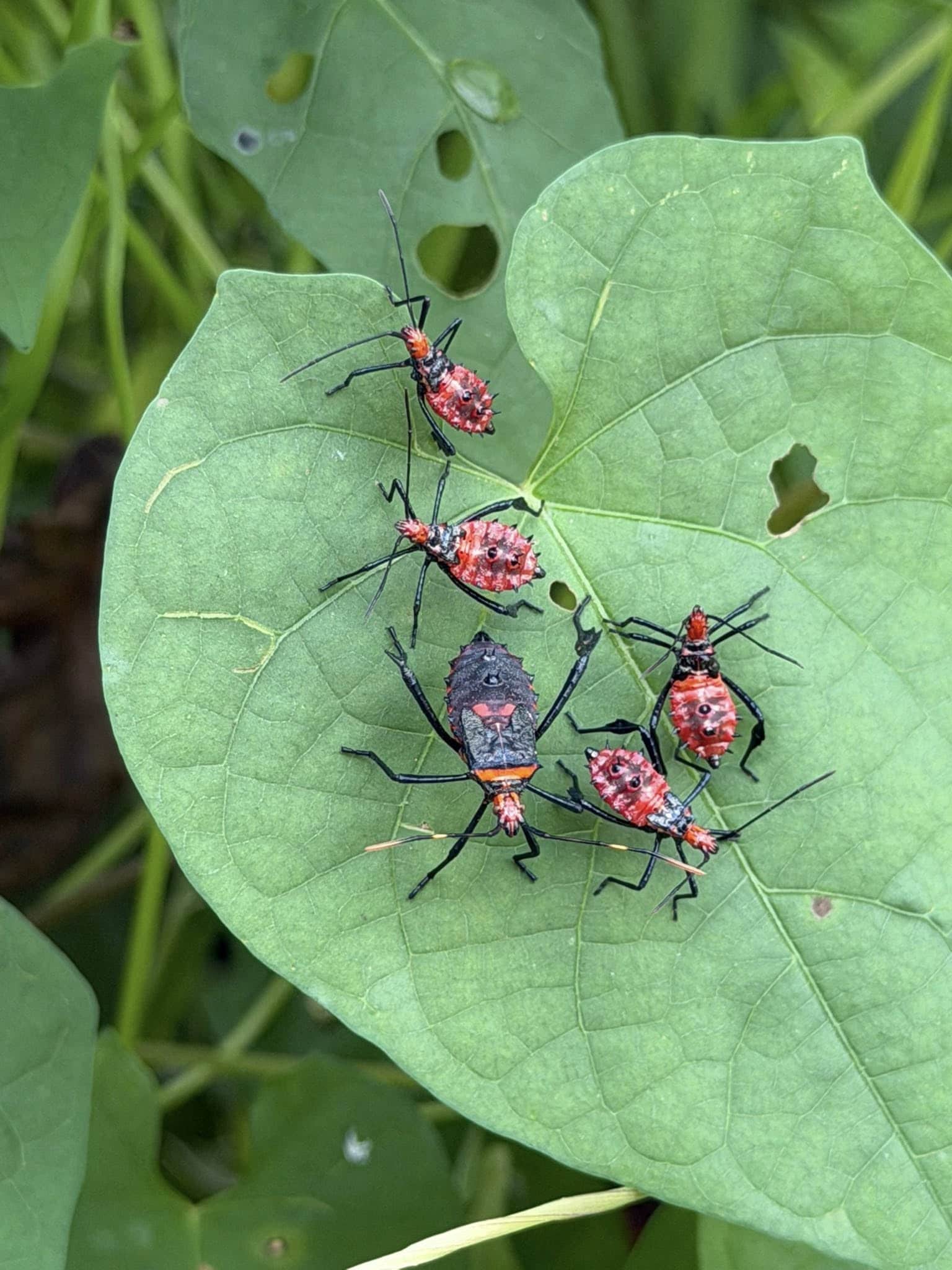
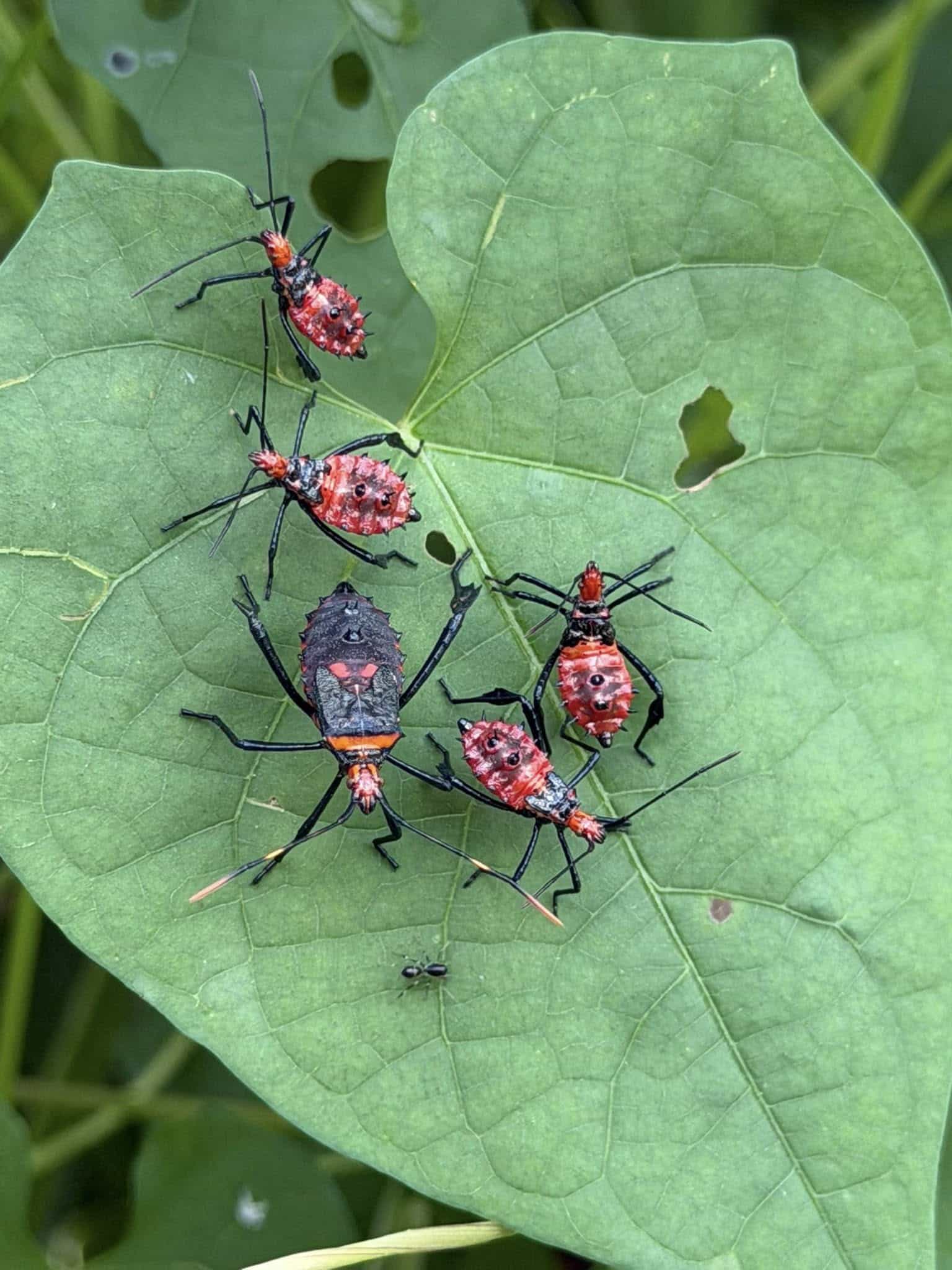
The Citron Bug

With its striking leaf-shaped legs and banded antennae, the citron bug (Leptoglossus gonagra) is a stylish but devastating orchard traveler.

Using its needle-sharp mouthparts, it pierces ripening fruit to sip the sweet juices inside.

This uninvited snacking causes crops to wrinkle, change color too soon, and drop from the branches early. While they love a sun-drenched citrus grove, these pests are far from picky.They happily feast on avocados, passion fruit, coffee, cacao, and garden vegetables alike.

The citron bug is a global traveler! While it is native to the Americas, it has successfully spread across the warmer regions of the globe,widespread throughout much of sub-Saharan Africa and Madagascar.

Credit: Benedicta Obenewah

Psychotria ankasensis

Meet Psychotria ankasensis, a tropical subshrub native uniquely to Ghana’s rich biomes.

Protecting rare, local species like this is how we safeguard the planet’s shared future. 

Credit: noeghana

Mahogany 
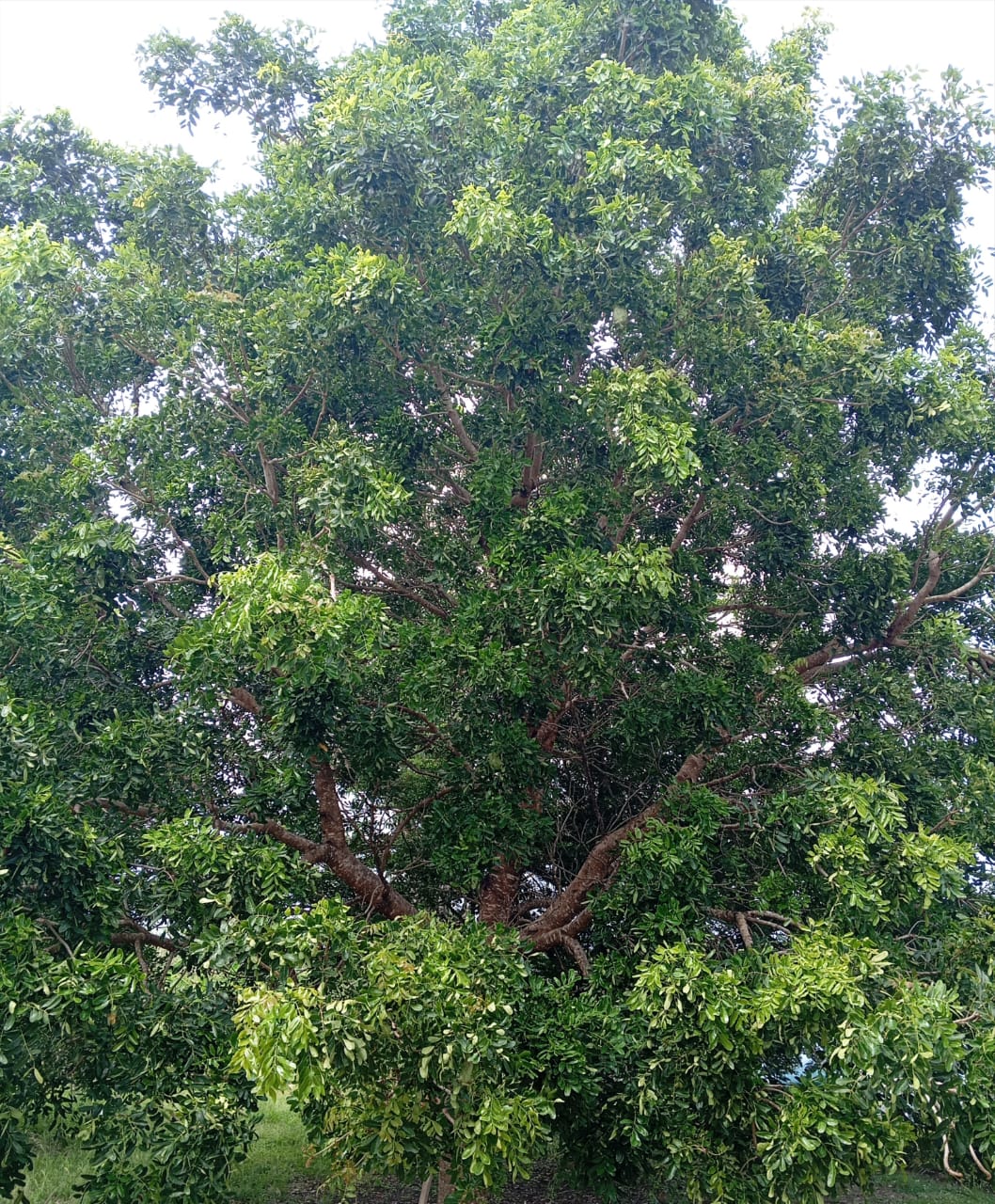
Mahogany (Khaya senegalensis)

The number one used medicinal plant in herbal preparations in Ghana. According to unpublished research of over 2,000 Ghanaian herbal products on the market.

It is classified as a vulnerable plant that needs protection by the International Union for Conservation of Nature (IUCN).

Credit: Alfred Ofori Agyemang

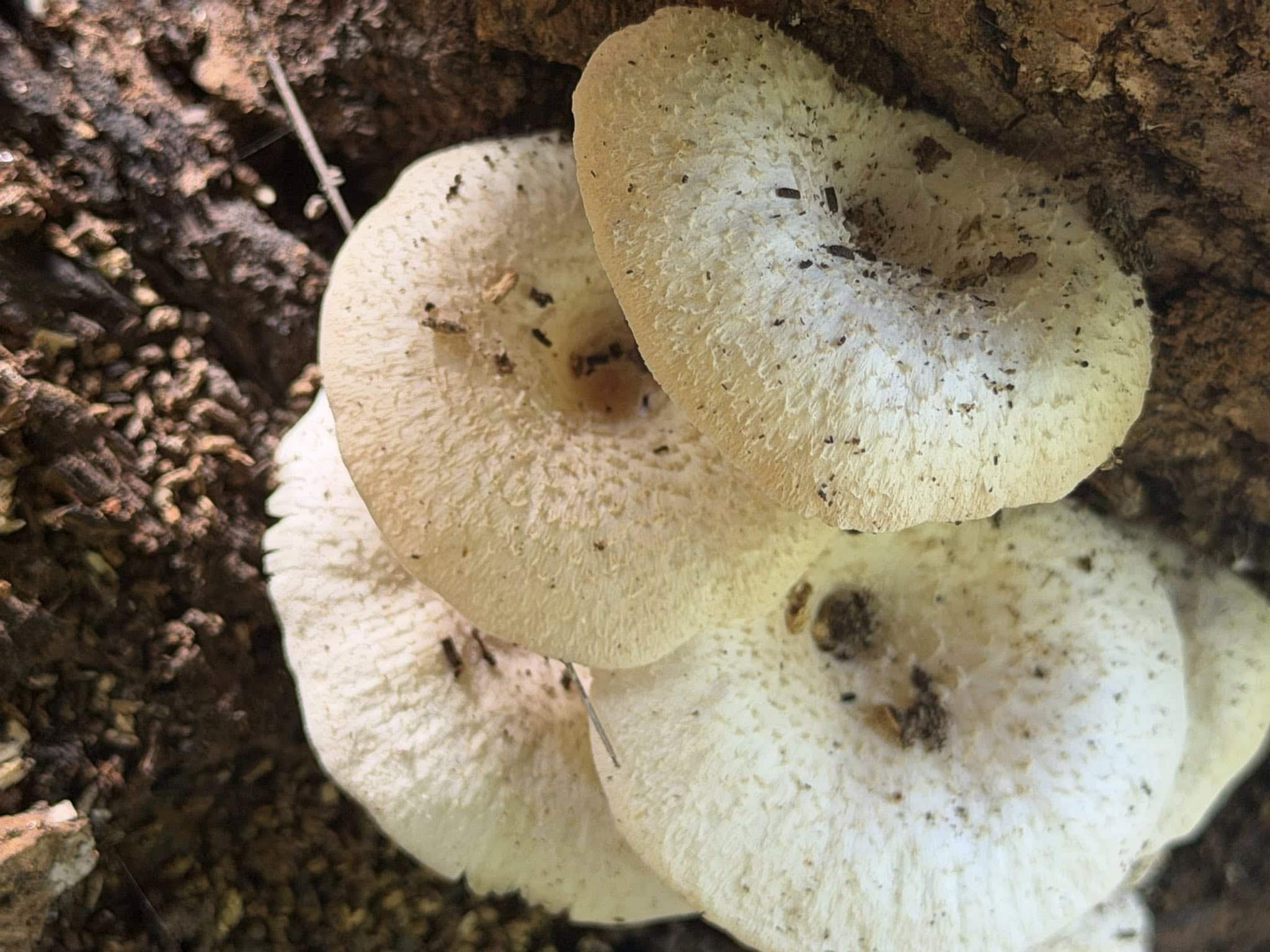
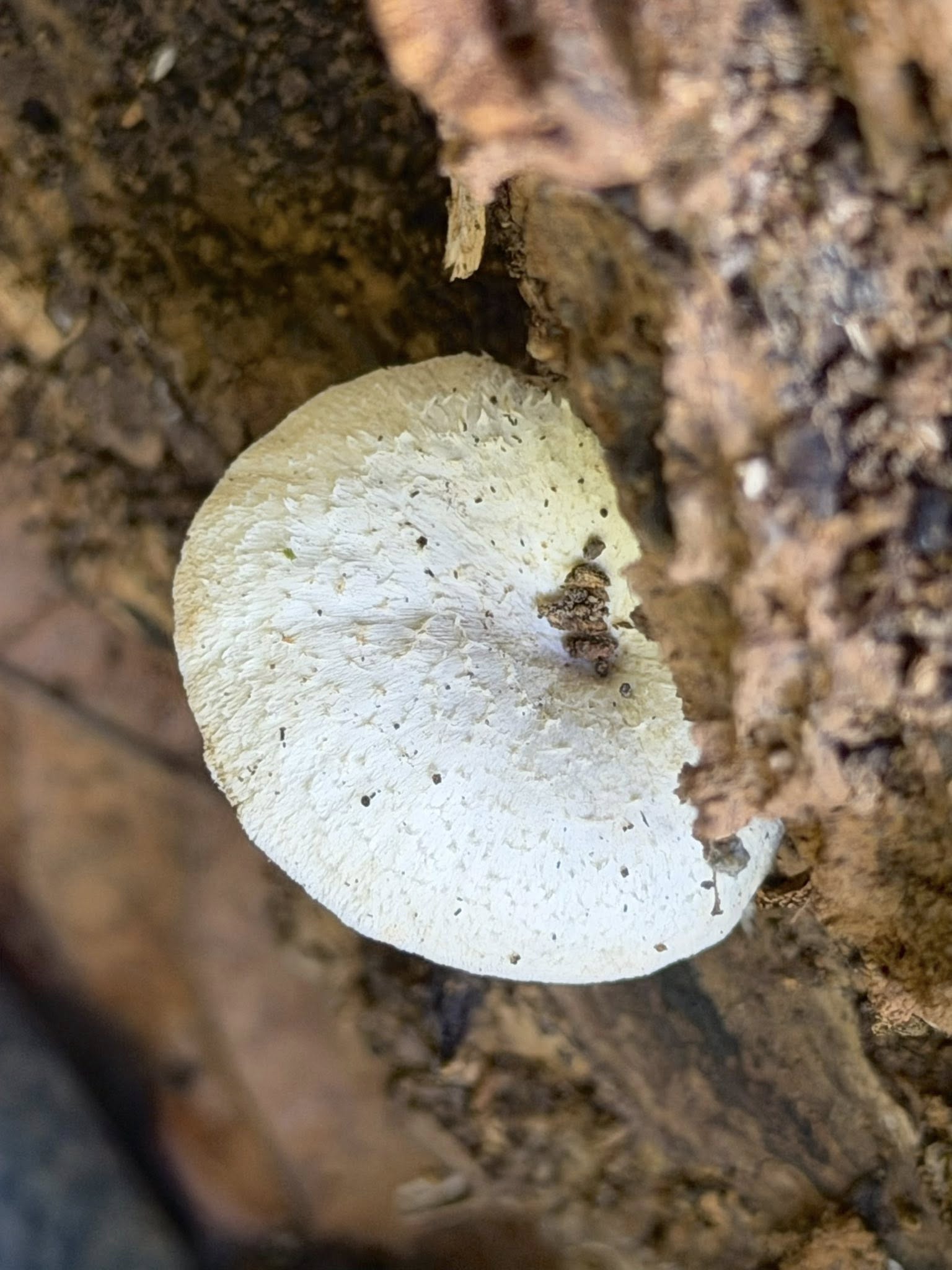
 Parasol mushroom or  Amanita cokeri?
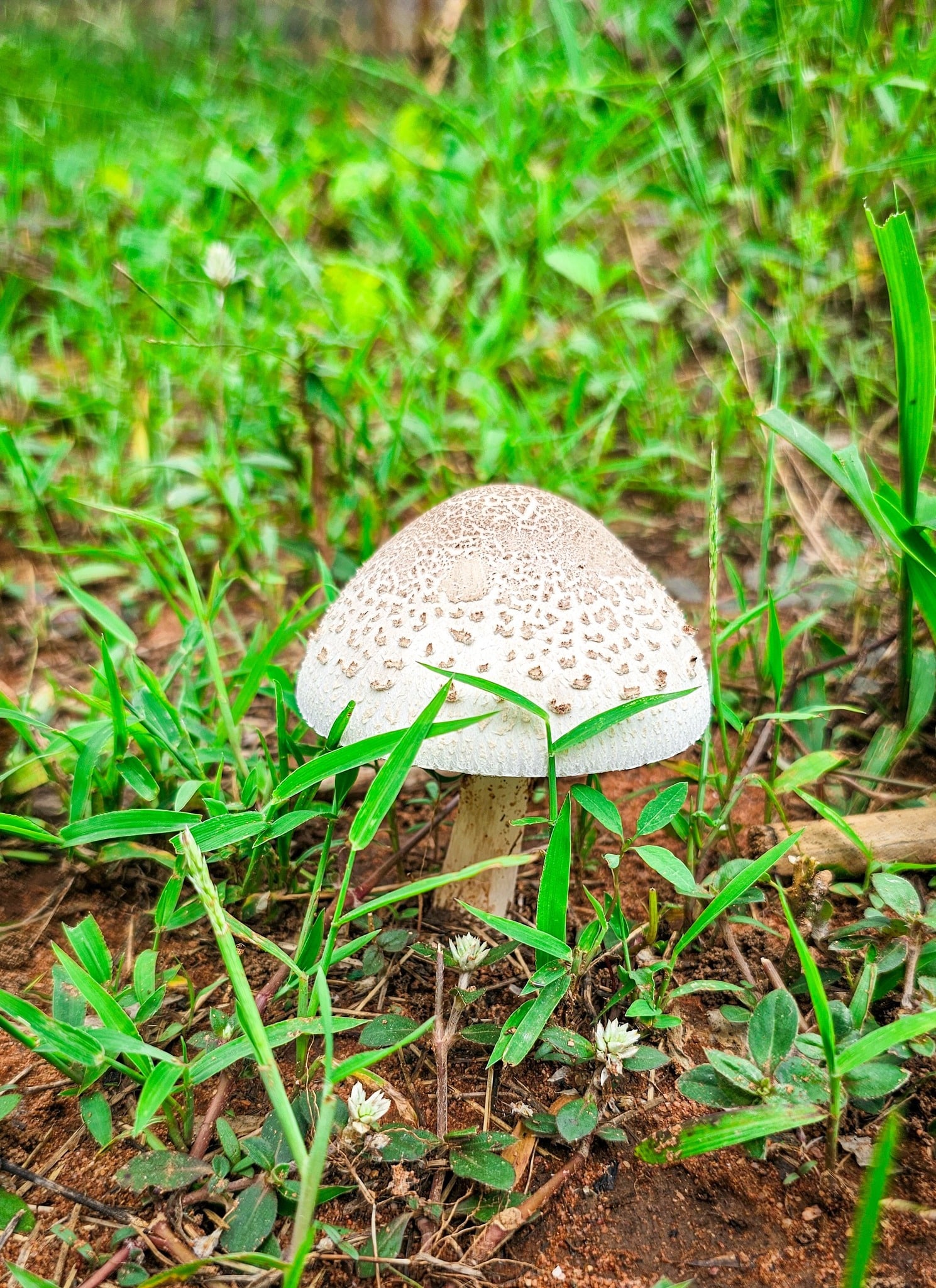
We received this photo from Mustapha Dauda, but we are not sure what species of mushrooms this is. We are torn between a Parasol mushroom (Macrolepiota procera) and an Amanita cokeri. Let us know if you are able to identify it.

Credit: Mustapha Dauda
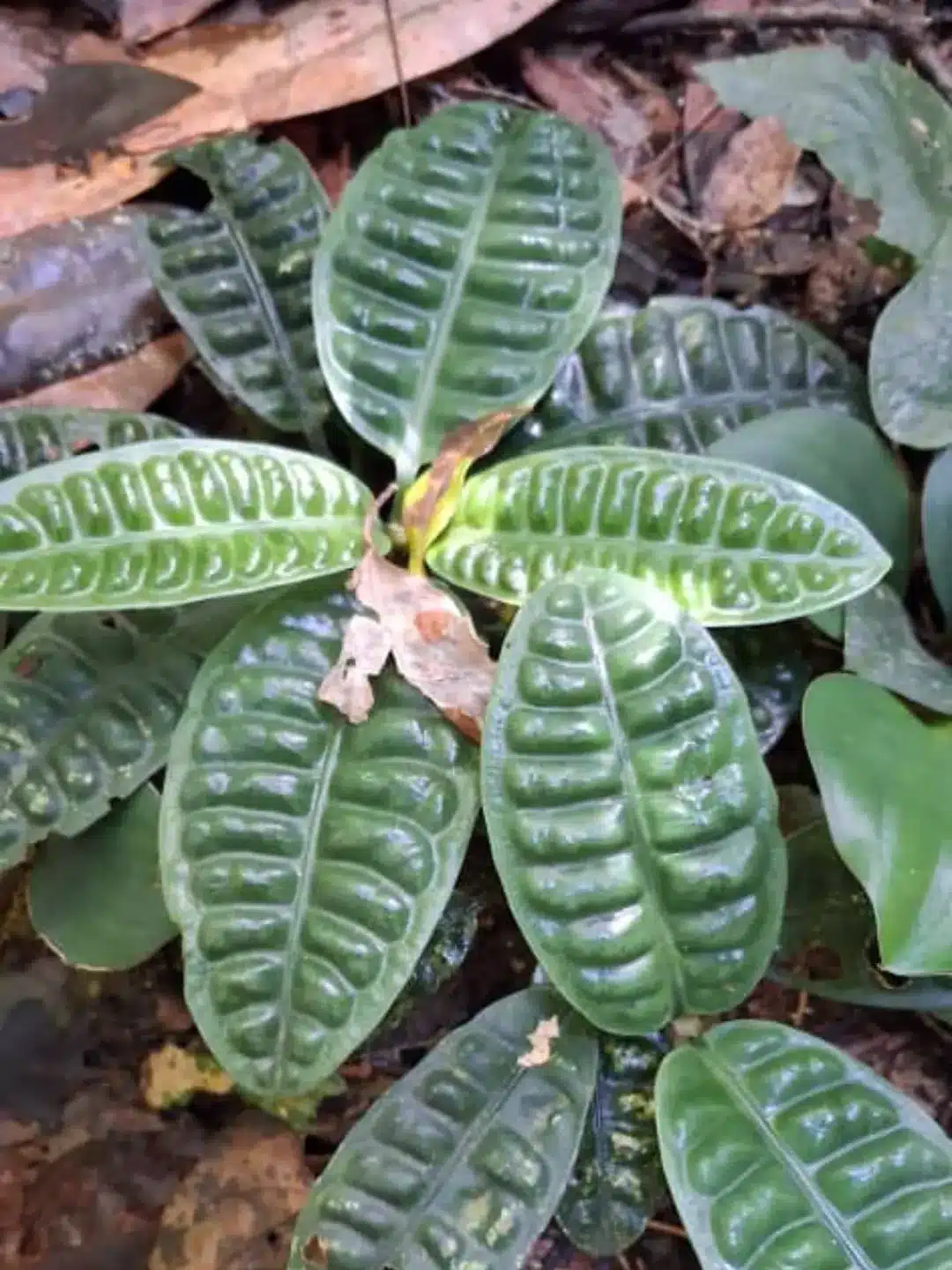
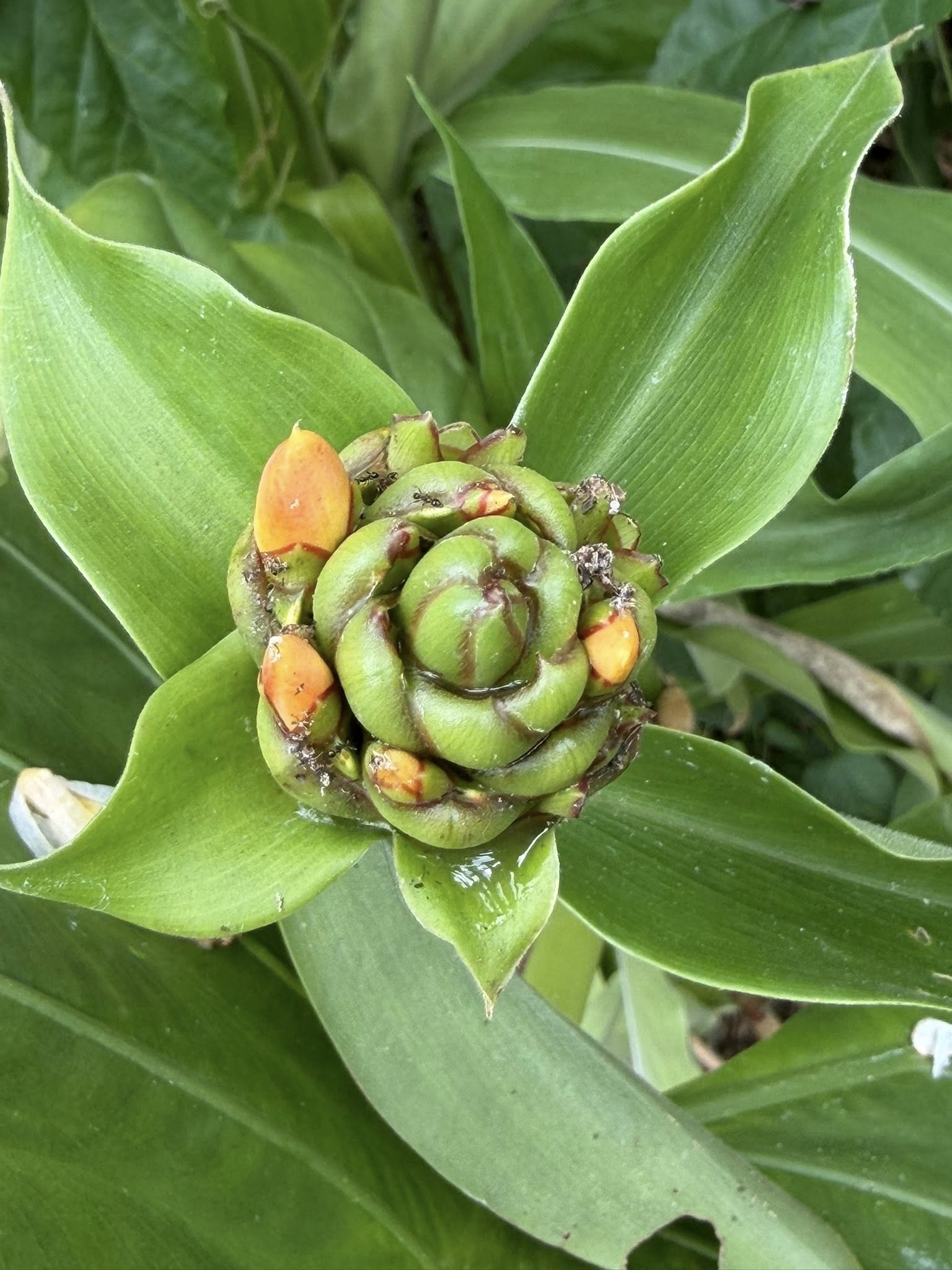
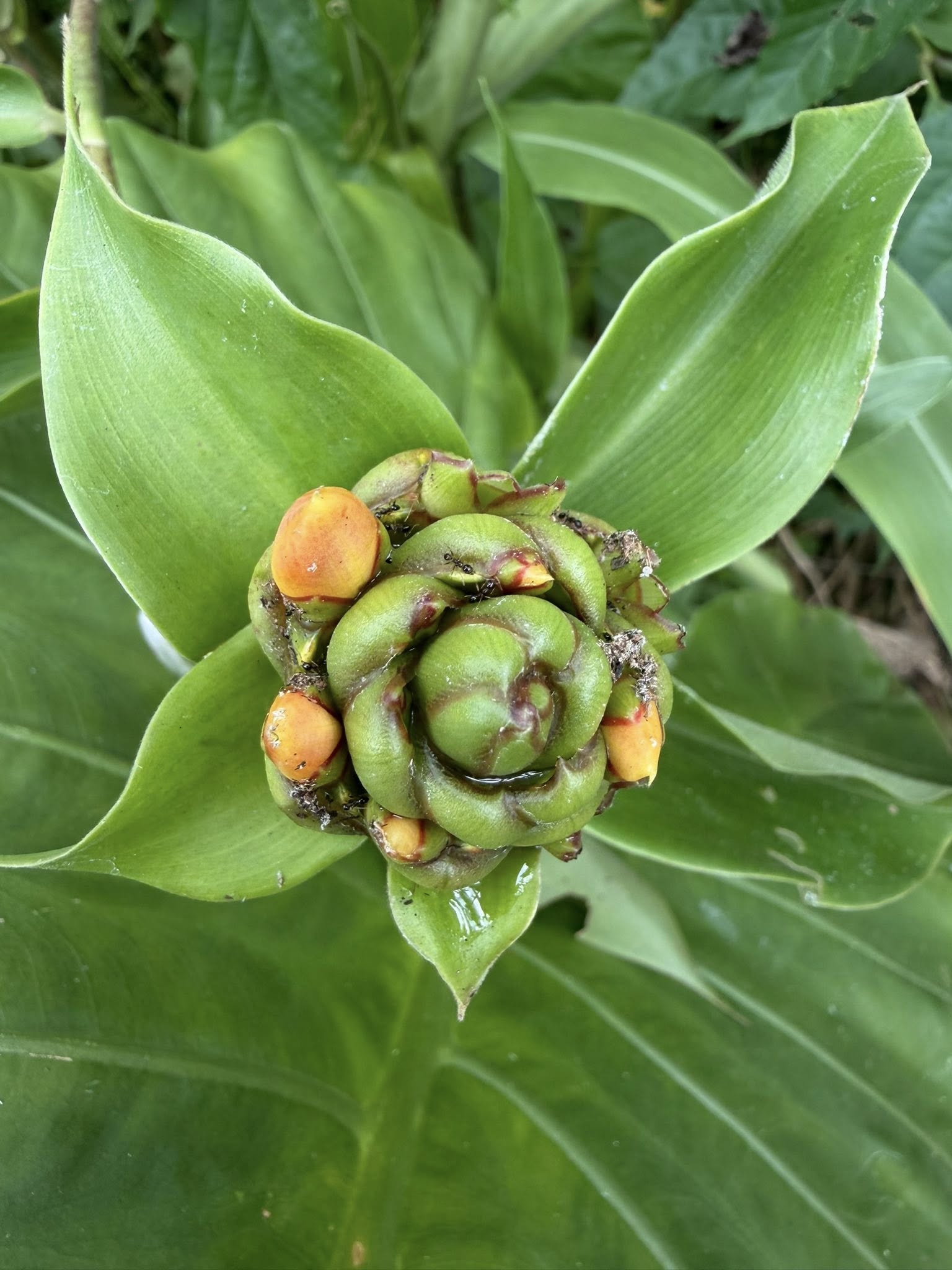
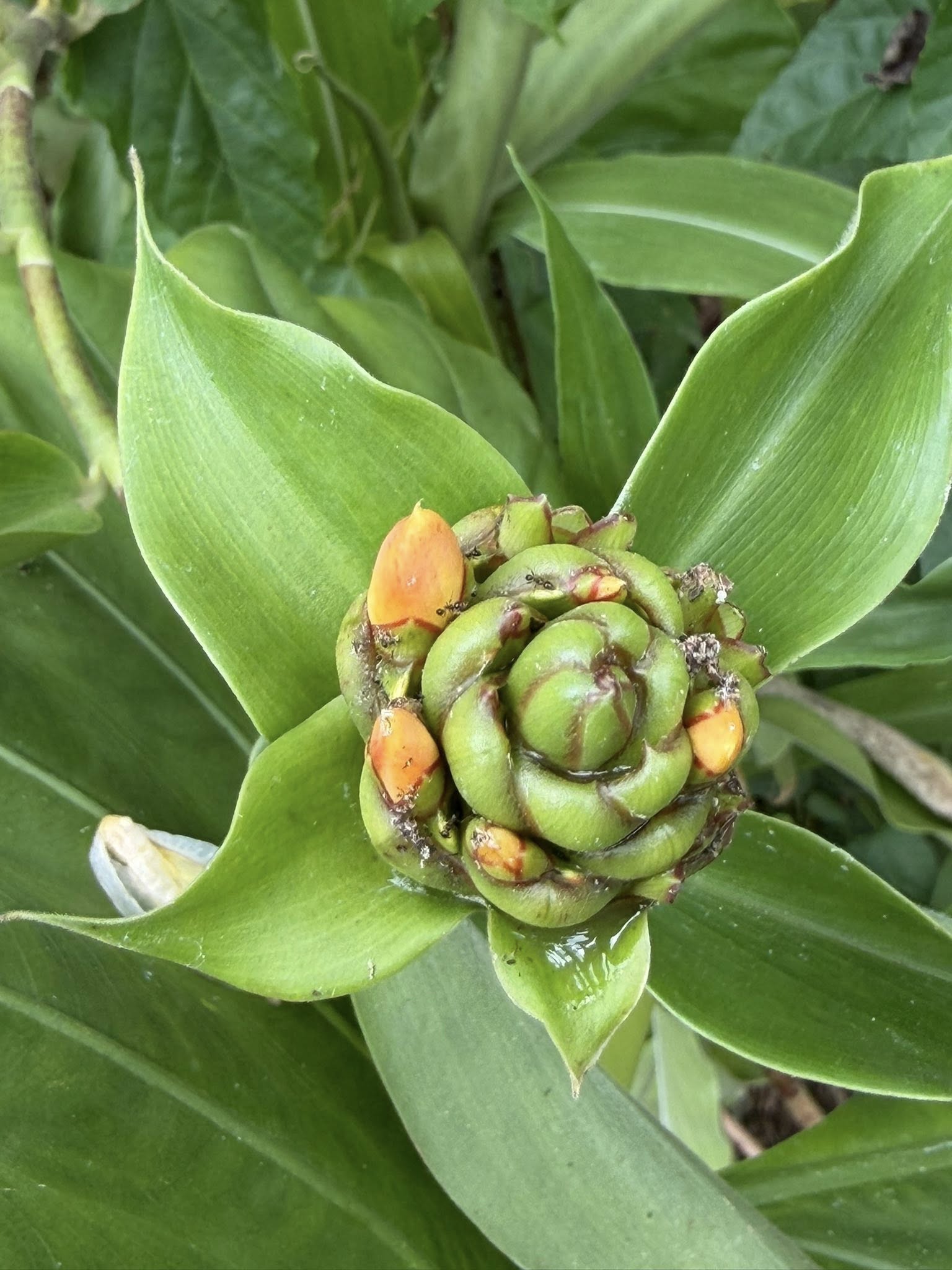
Costus dubius

Costus dubius, also known scientifically as Costus albus, is a fascinating spiral ginger native to West and Central Africa. With its broad, gracefully spiraled leaves and eye-catching white flowers, this plant stands out beautifully in the tropical forest understory.

Beyond its beauty, the species plays an important role in both nature and traditional medicine. In parts of West Africa, including Guinea, its leaves and stems are commonly used in ethnomedicine to help relieve coughs and are traditionally believed to possess antipox properties.

The plant is also valuable to wildlife — its tender young shoots and leaves serve as a natural food source for primates such as the West African Chimpanzee, highlighting its importance within the forest ecosystem.

Credit: Benedicta Obenewah

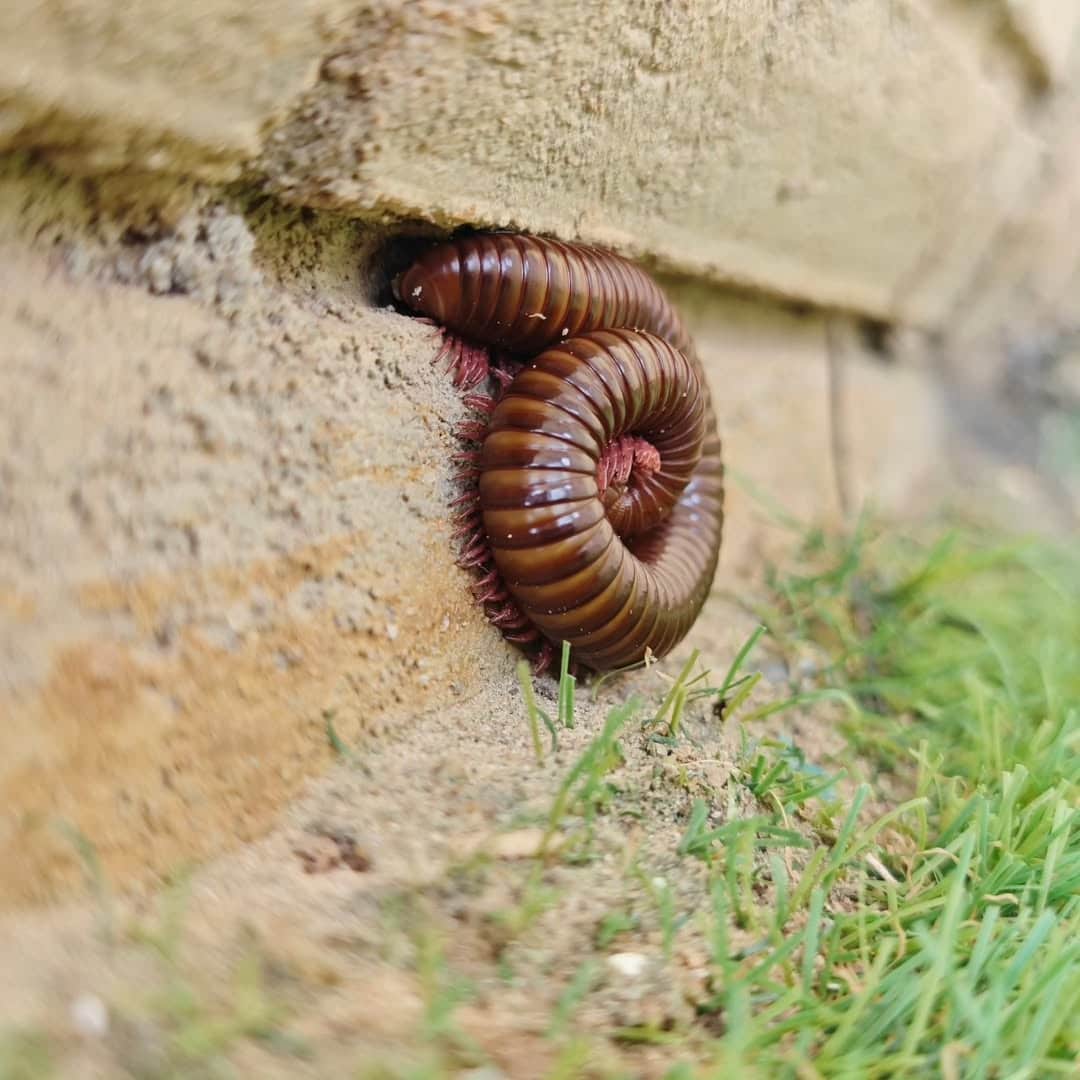
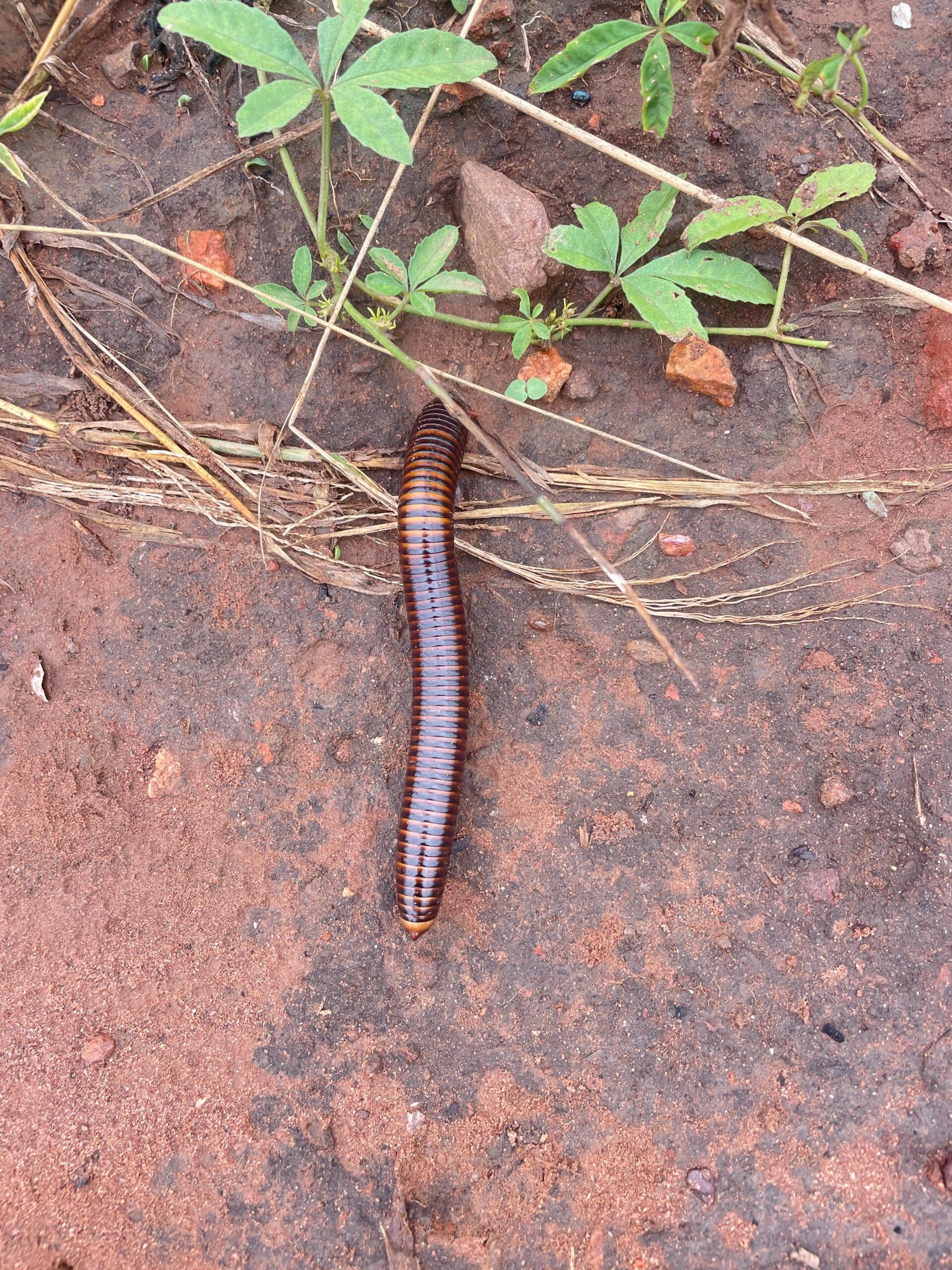
African Giant Millipede

After a long night of rainfall in Akwamu Kwanyarko, the morn comes and out of the soil comes this beautiful African Giant Millipede. Rushing off while the soil is still moist and soft, so it can burrow, twist, turn and play happily. But then the farmer benefits the most because his field will be aerated, biomass decomposed and soil ready to receive his seeds.

Credit: Glorious Emmanuella

Jesse Joey Nkansah

Jesse Joey Nkansah is a passionate photography enthusiast with a keen eye for nature’s beauty. He was kind enough to share a stunning collection of photographs with us through #Snap4Biodiversity, capturing the incredible wildlife and natural wonders that surround us.

Take a moment to immerse yourself in these remarkable images and appreciate the rich biodiversity that makes our environment so special. Every photograph tells a story and reminds us why protecting nature matters.

Enjoy the beauty through Jesse’s lens.

#Snap4Biodiversity #CitizenScience #Biodiversity #NaturePhotography #Conservation

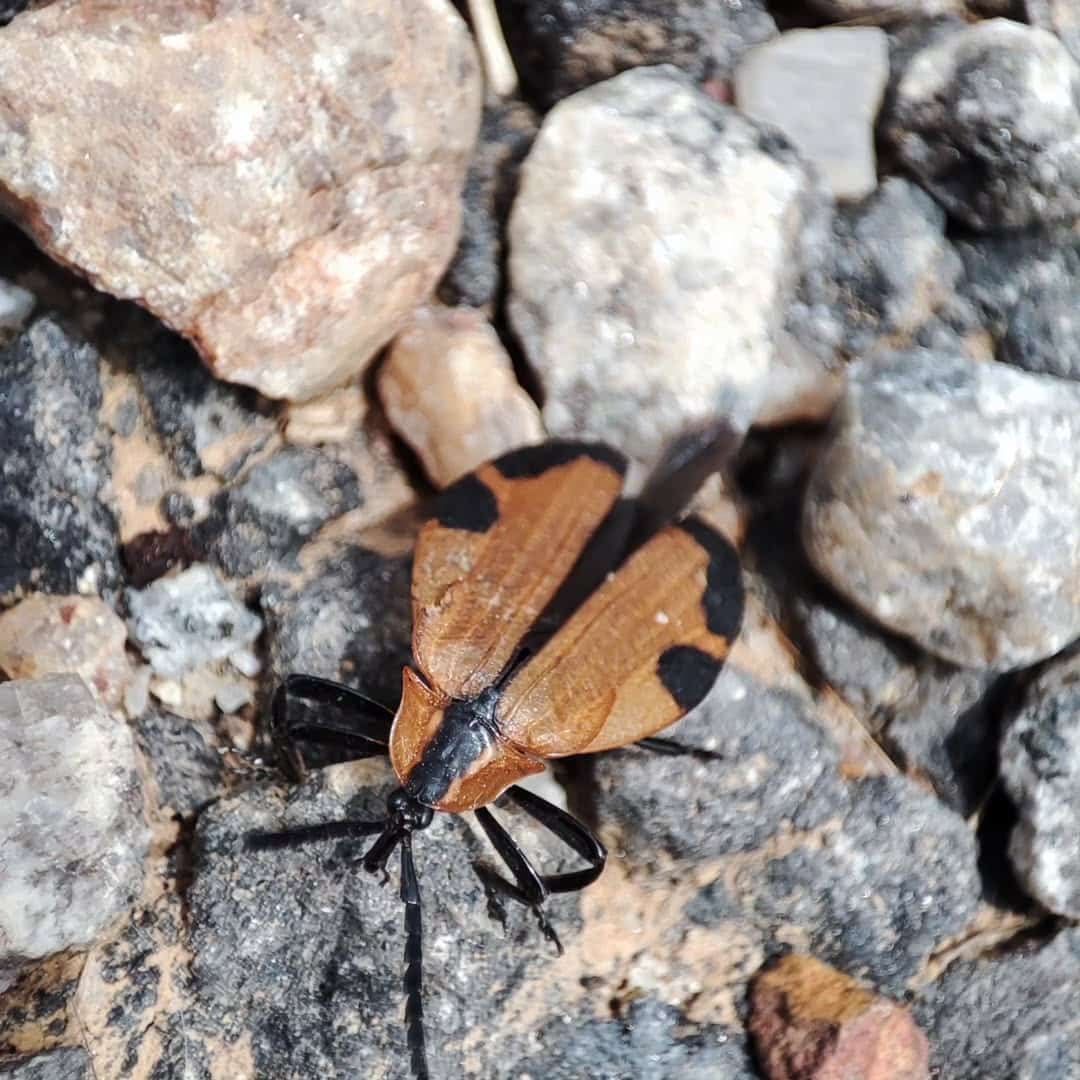
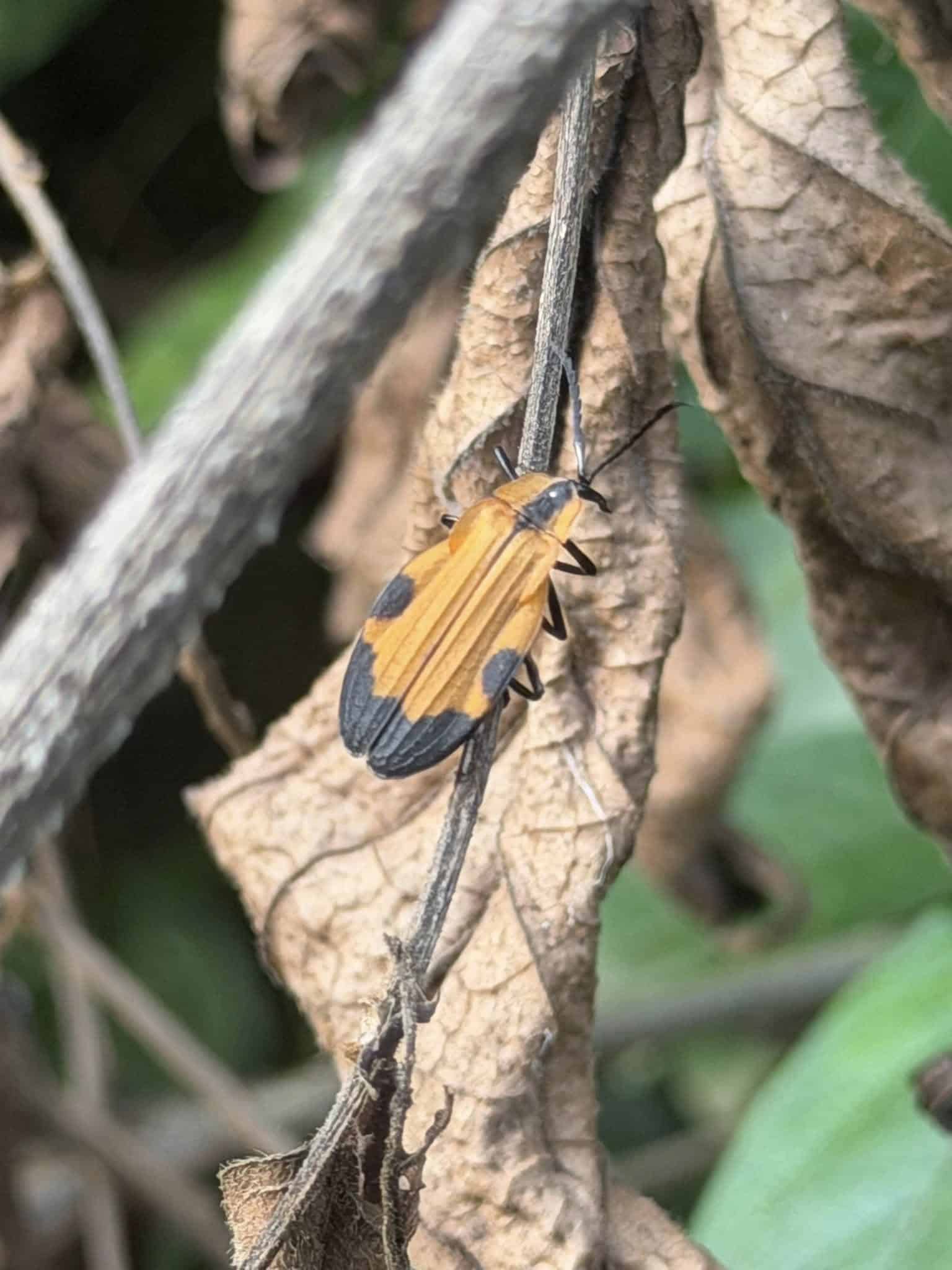
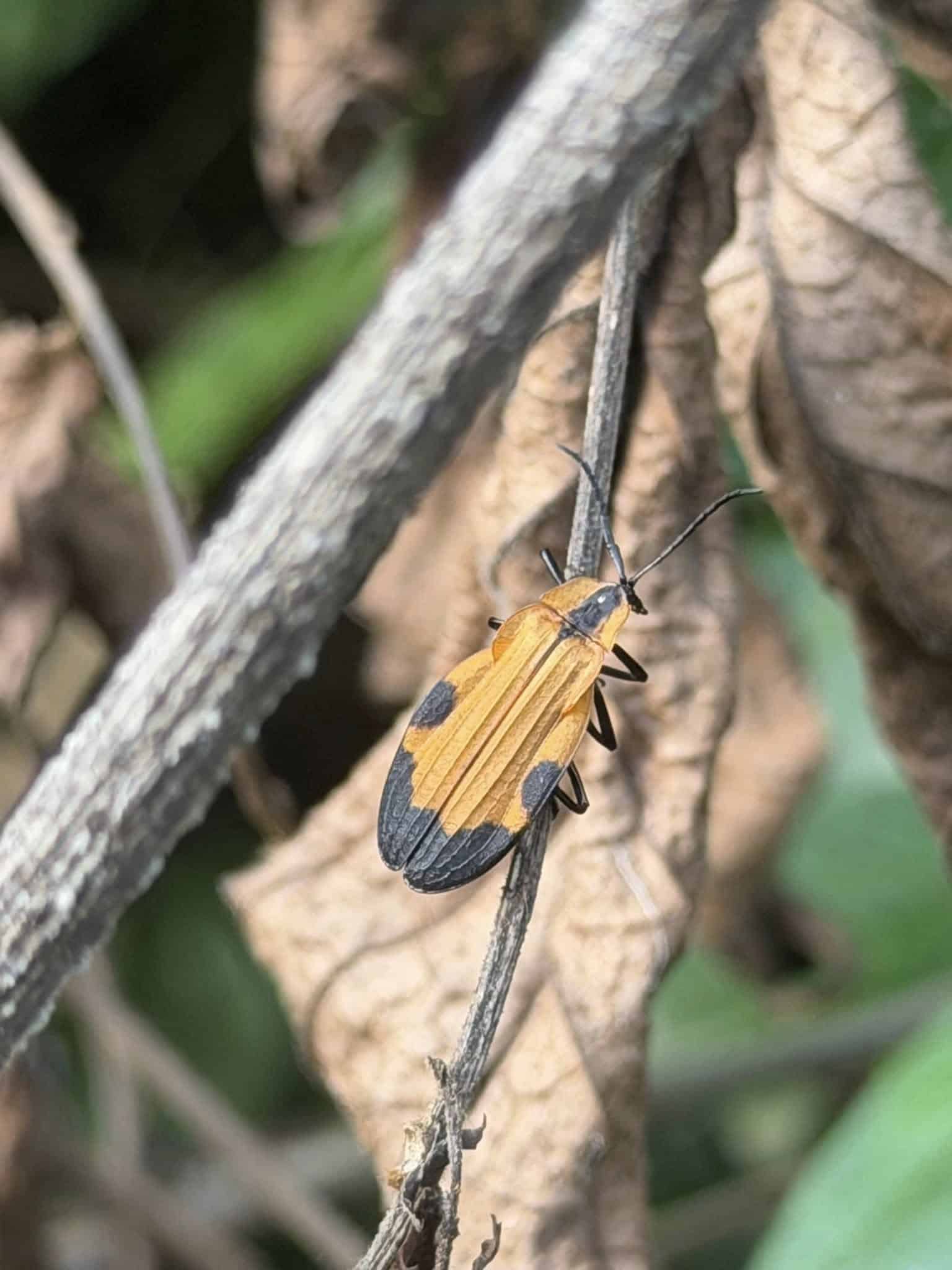
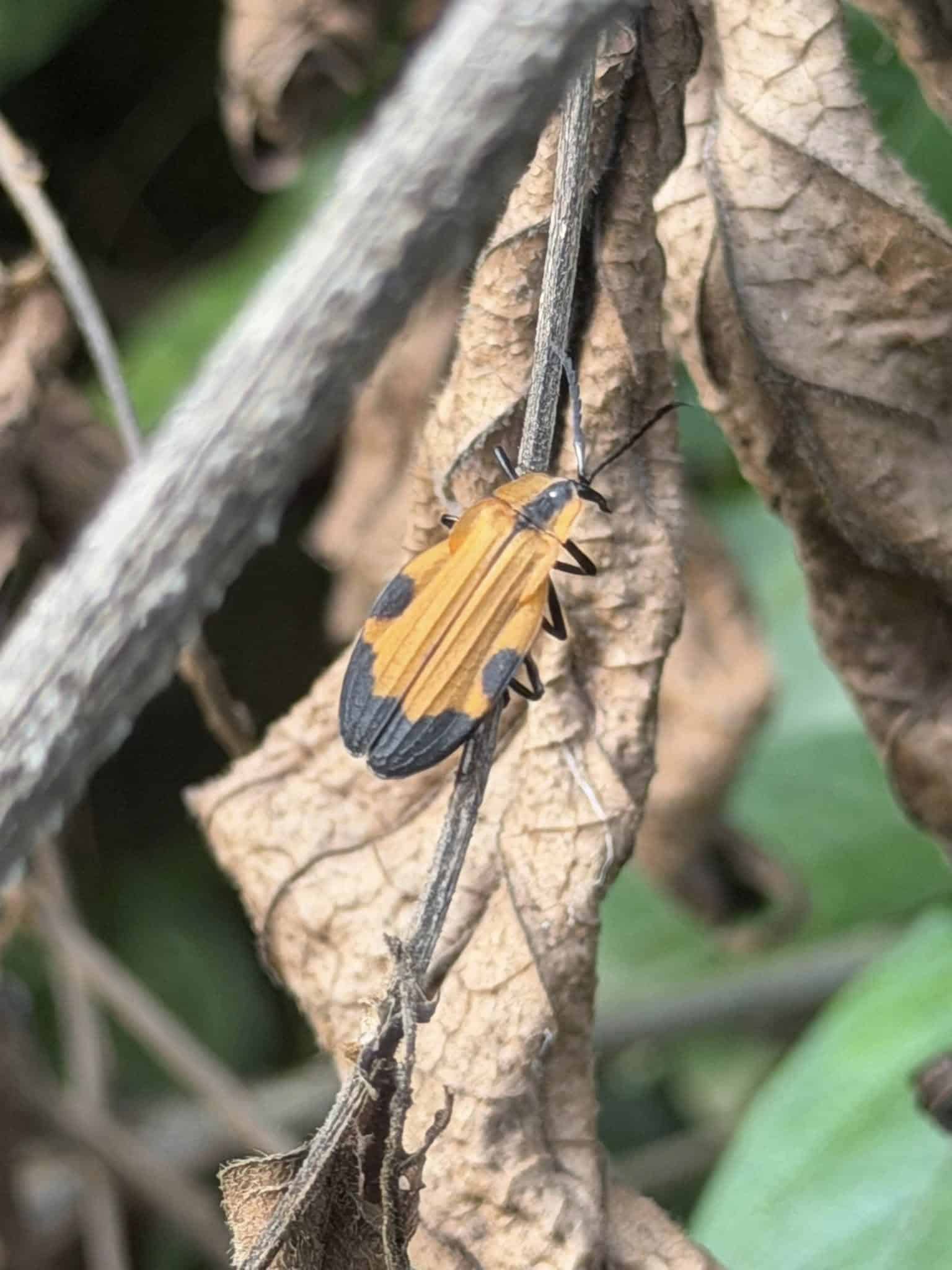
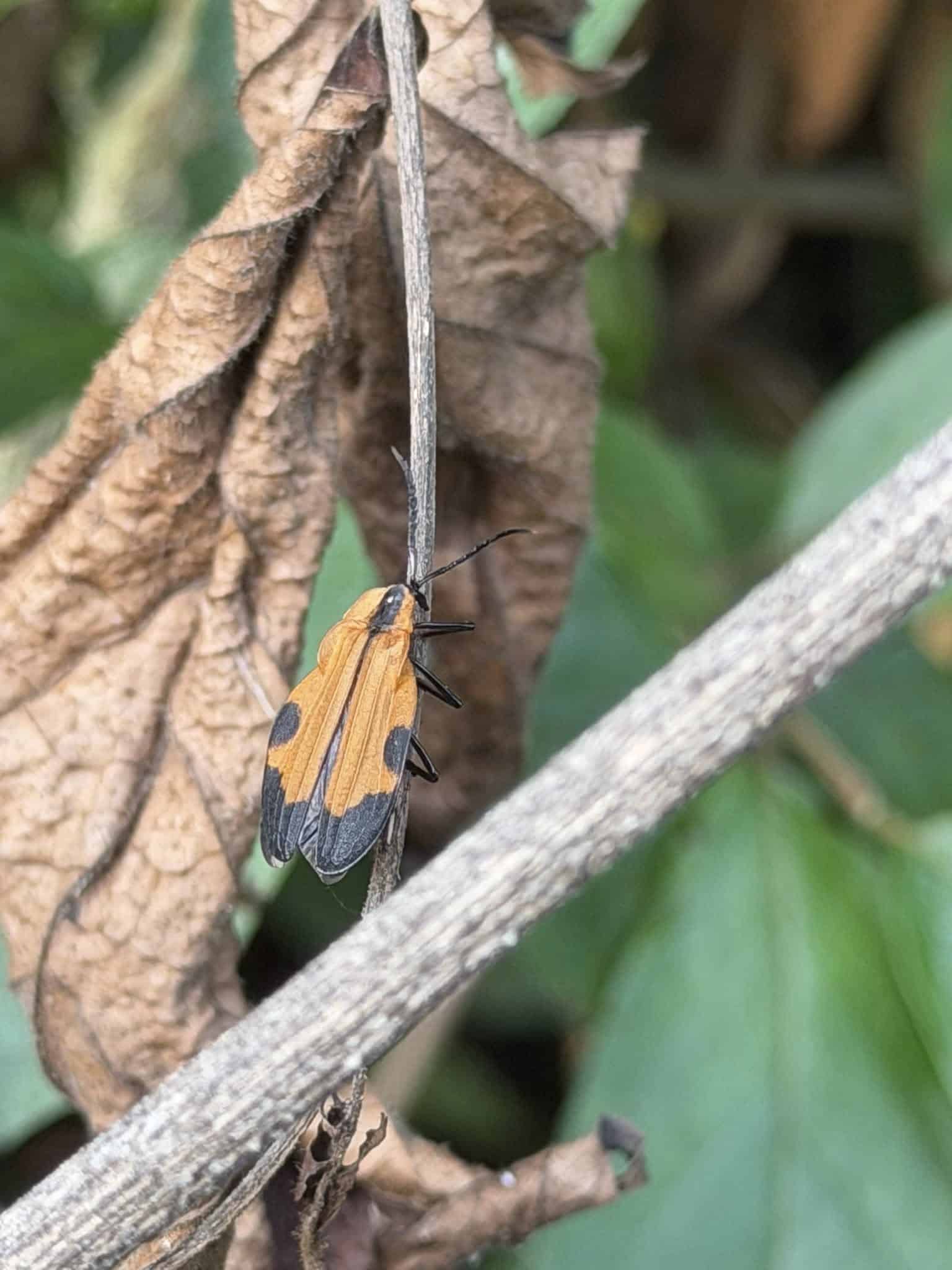
Lycus latissimus

This a beautiful photograph of Lycus latissimus, a net-winged beetle from the Lycidae family.It is native to parts of West and Central Africa.
Credit: Benedicta Obenewah

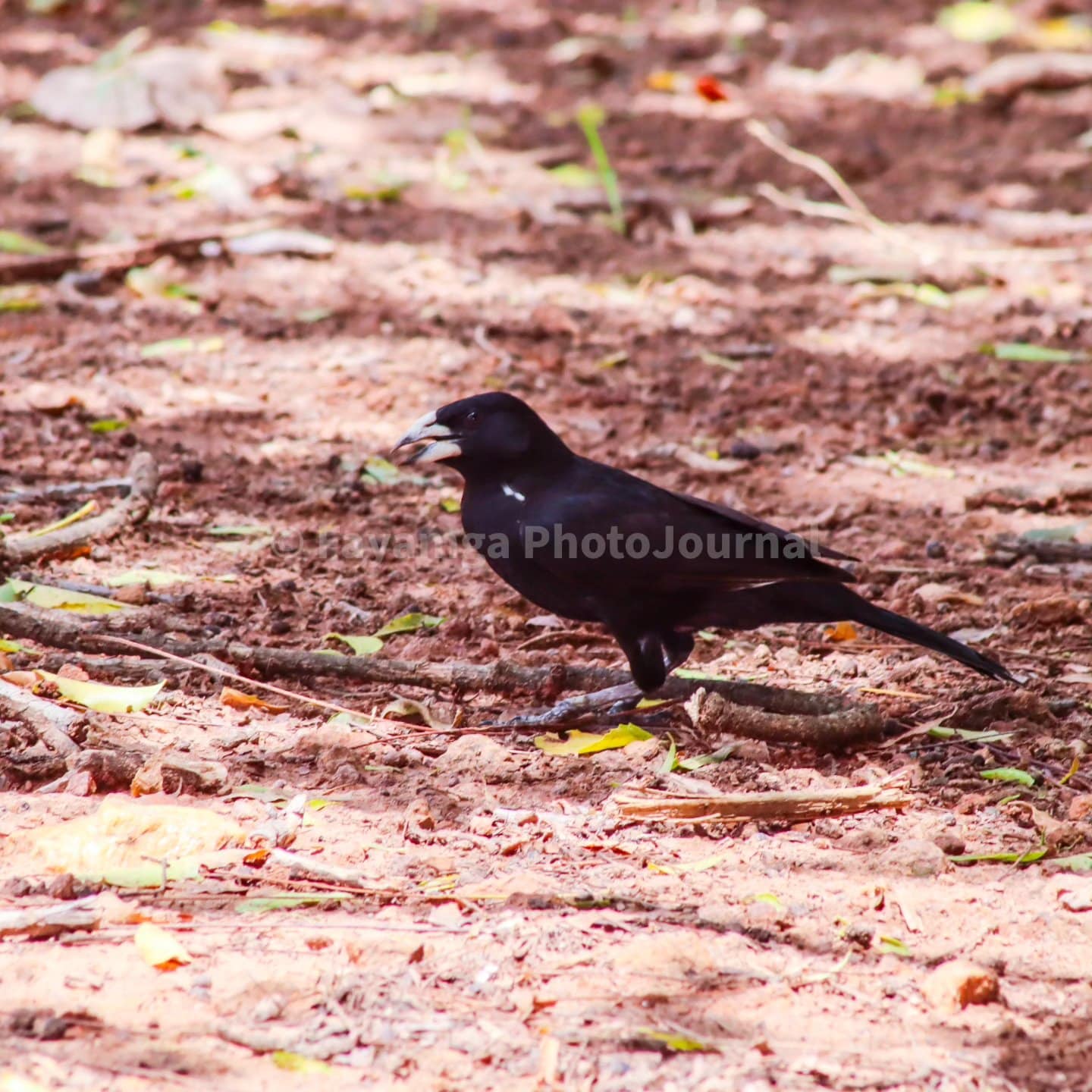
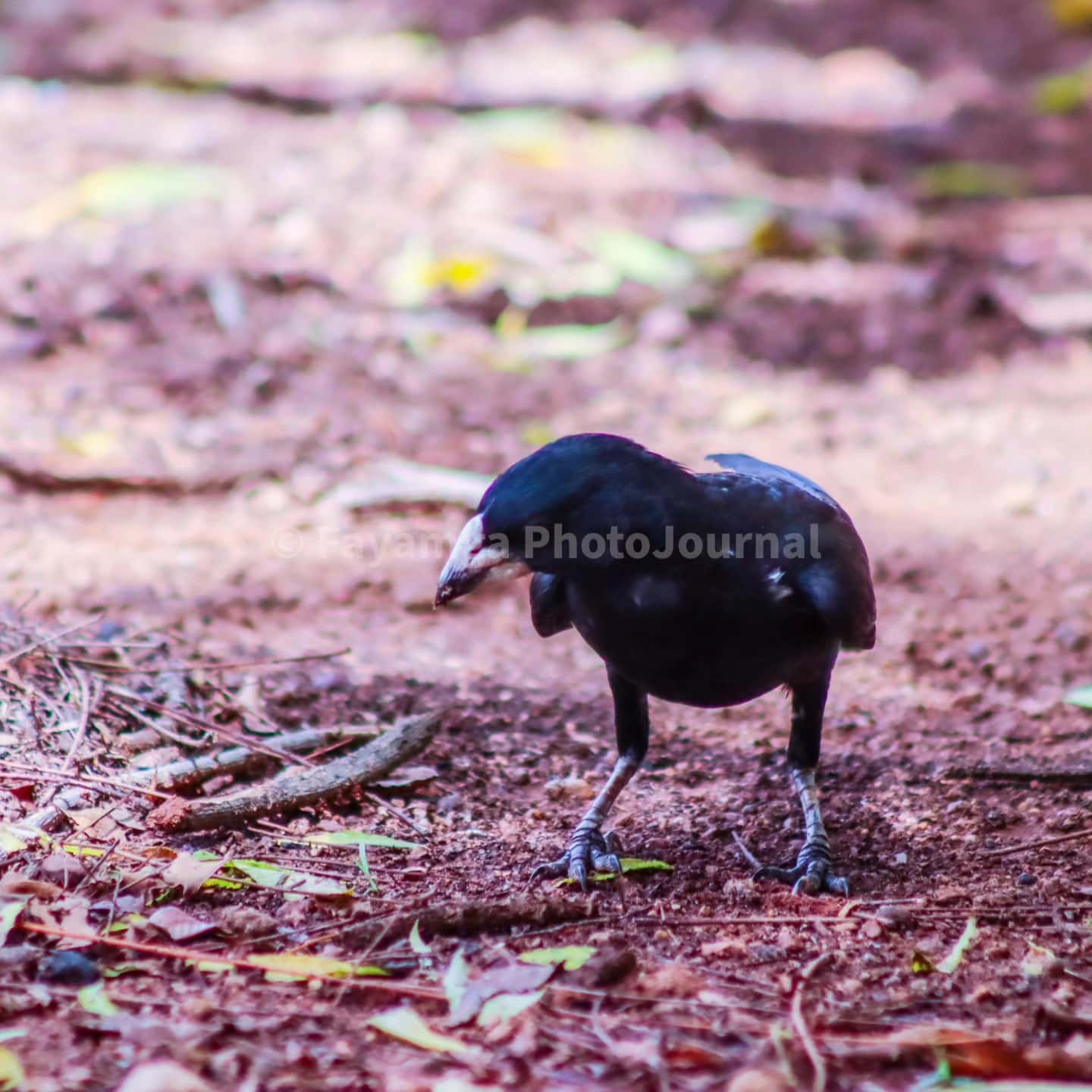
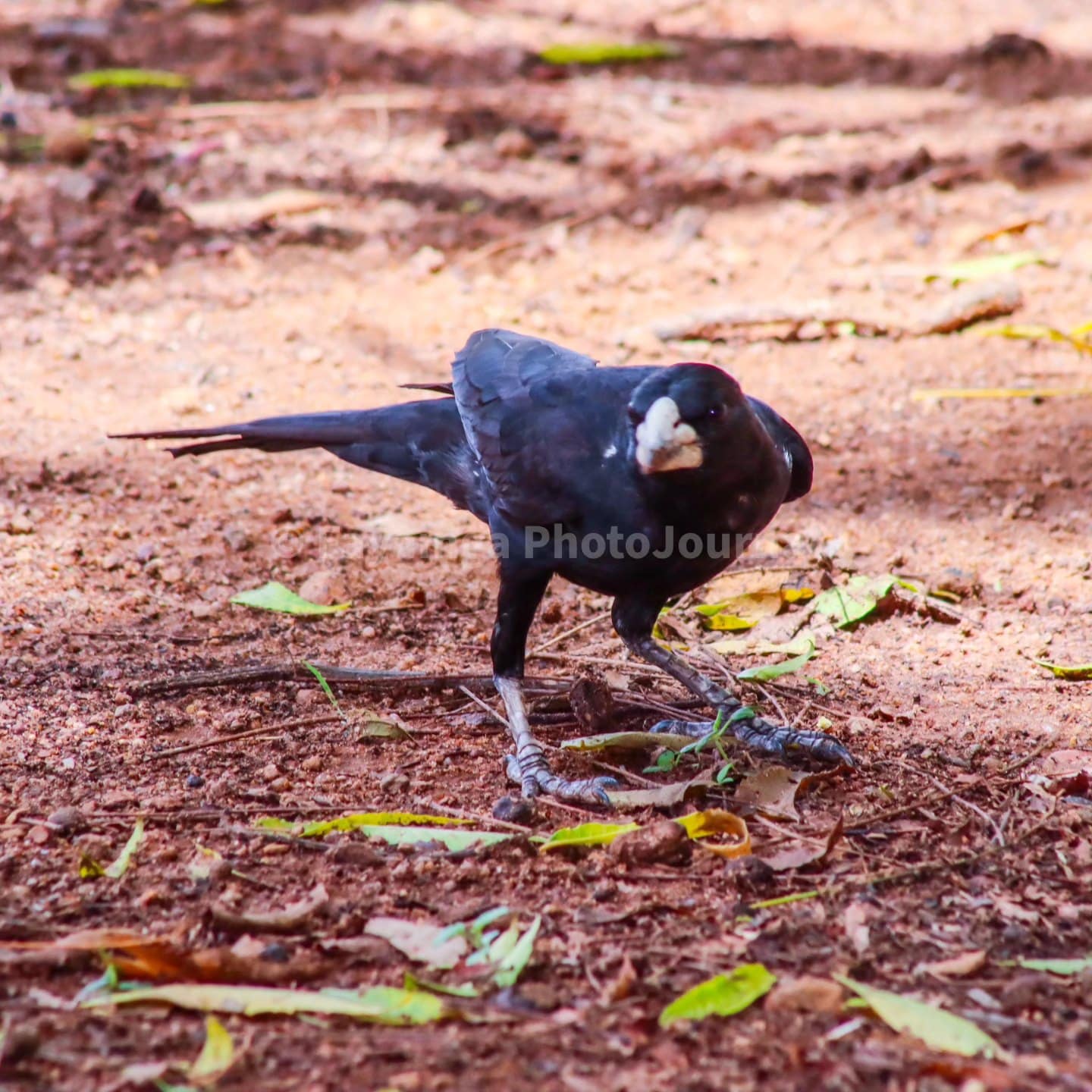
Black Bucherbird

Credit: Ayamga Bawa Fatawu


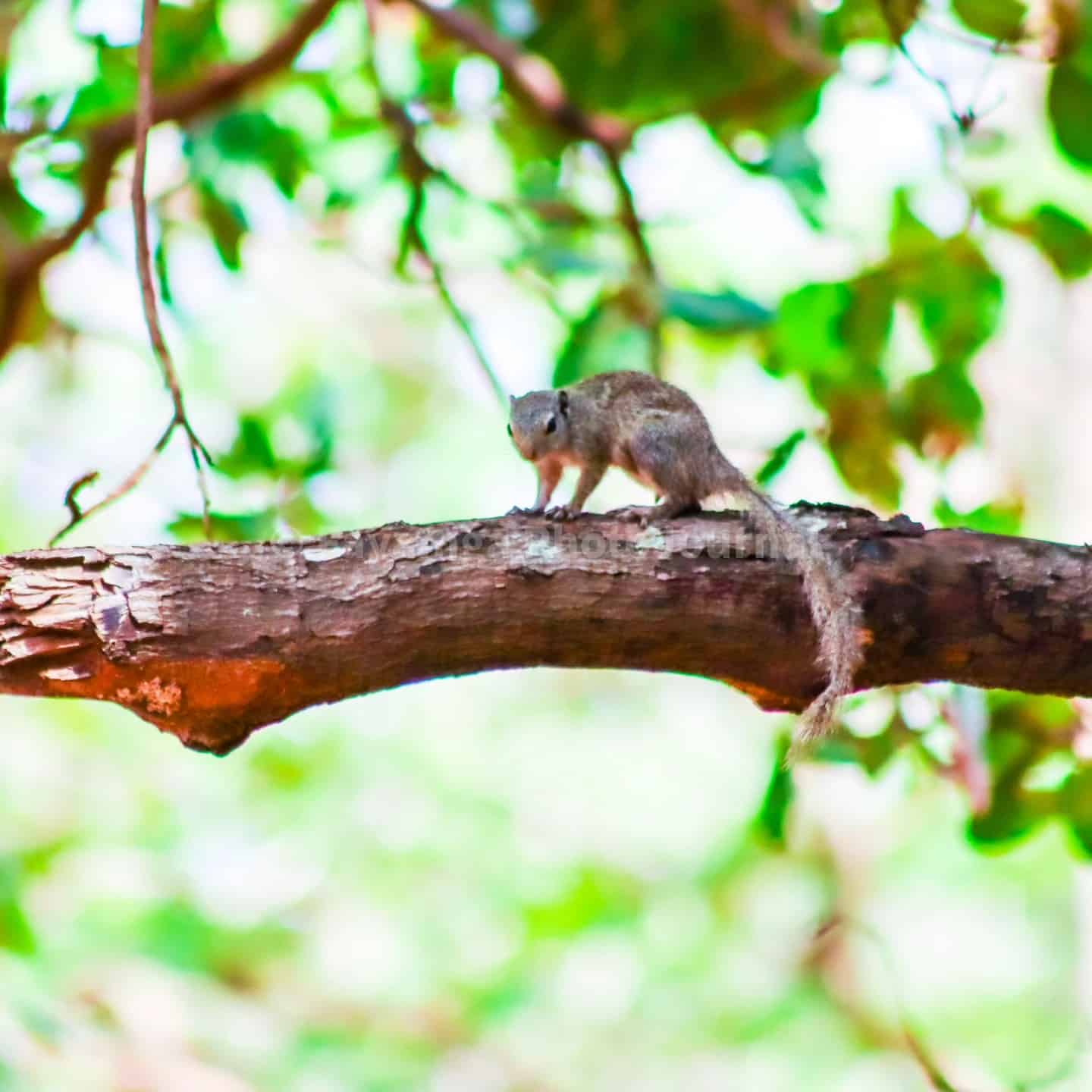
Grey Bellied Squirrel

Credit: Ayamga Bawa Fatawu

Olive baboon (Papio anubis)
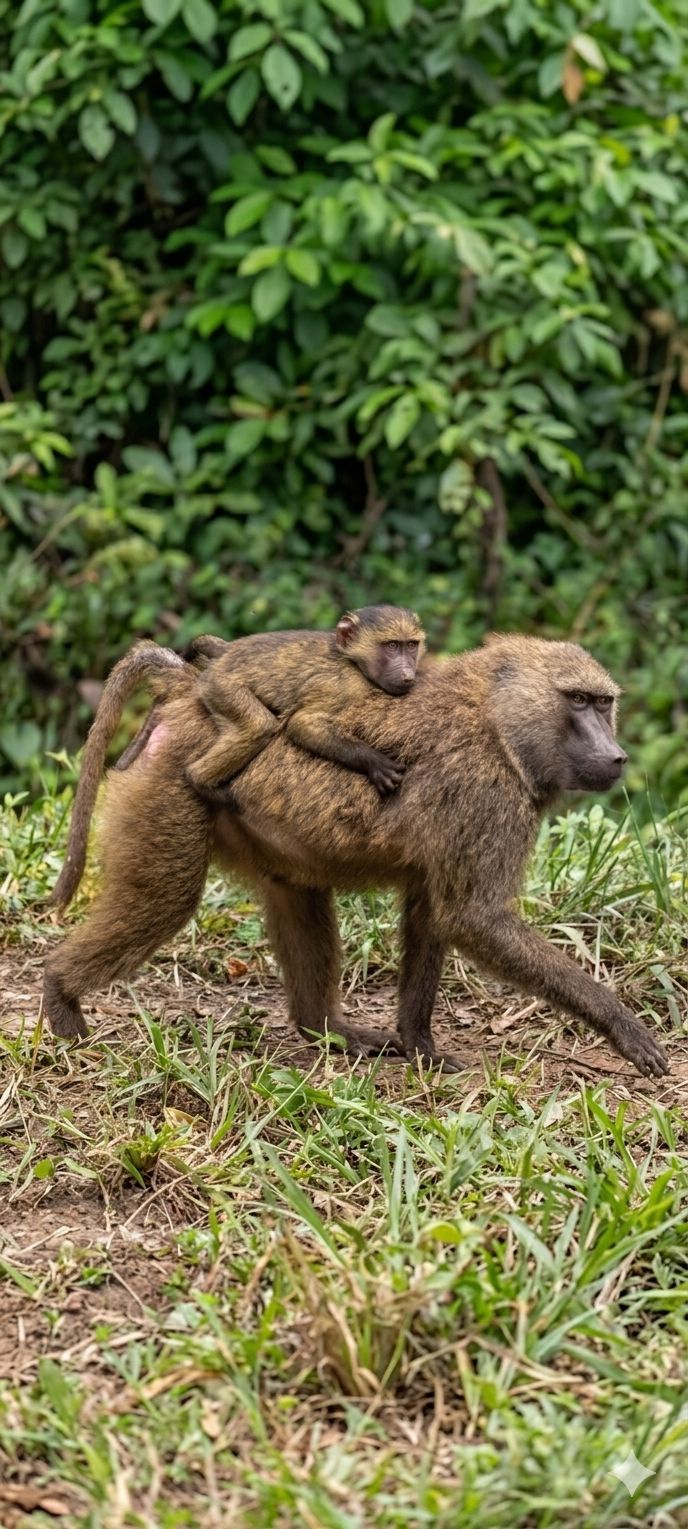
Olive baboon (Papio anubis) carrying her infant on her back captured at Mole National Park at savannah region, Ghana.

Olive baboons are intelligent and highly social primates that live in groups called troops, communicating through sounds, social expressions, and body movements. Beyond their playful and mischievous nature, they play an important role in seed dispersal, ecosystem balance, and the food chain.

From their funny facial expressions to the energetic play of young baboons, these remarkable animals remind us of the beauty and the importance of wildlife.


Credit: Azoe Fataw
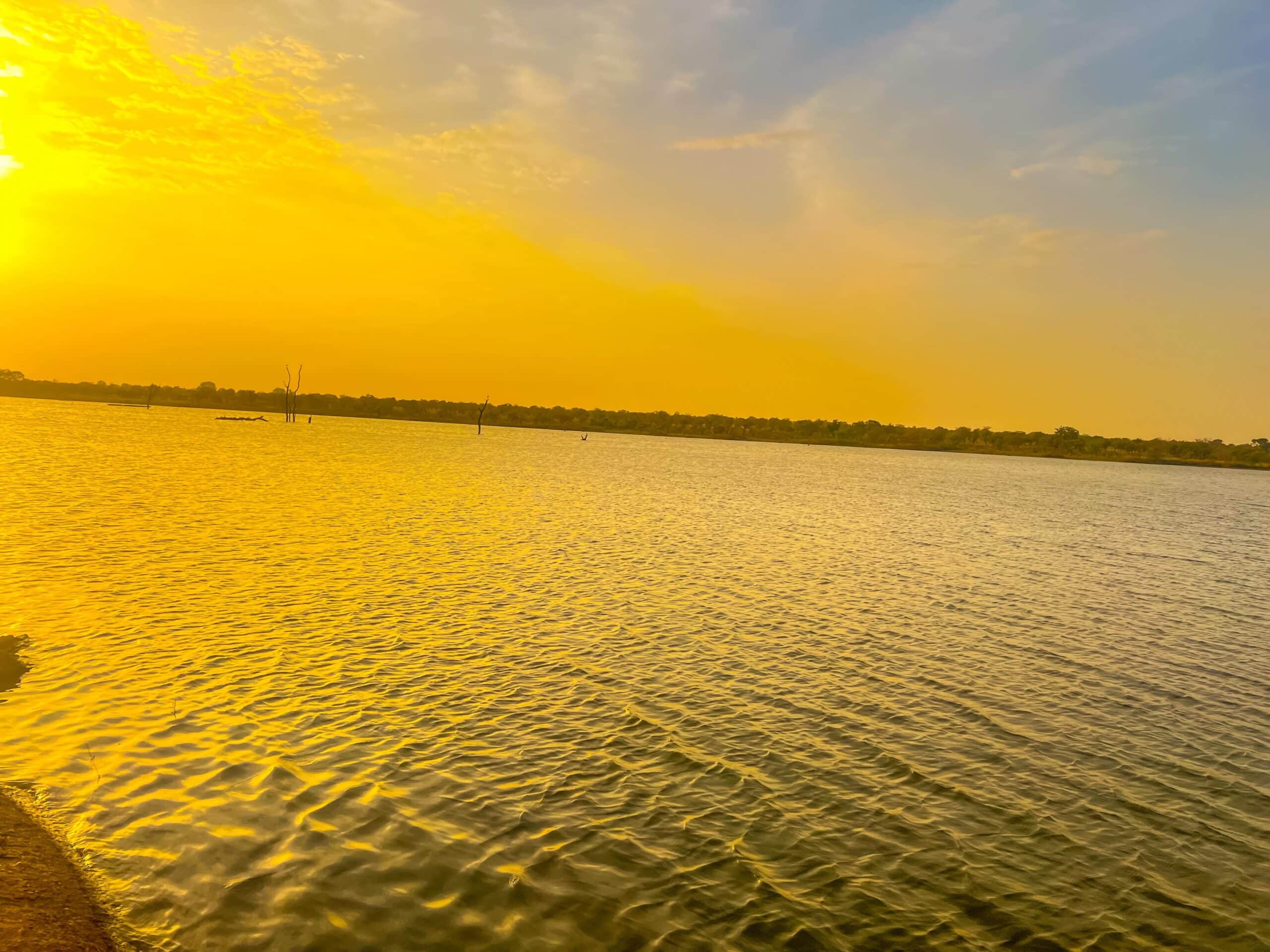
Sunset in Northern Ghana

Credit: Ayamga Bawa Fatawu

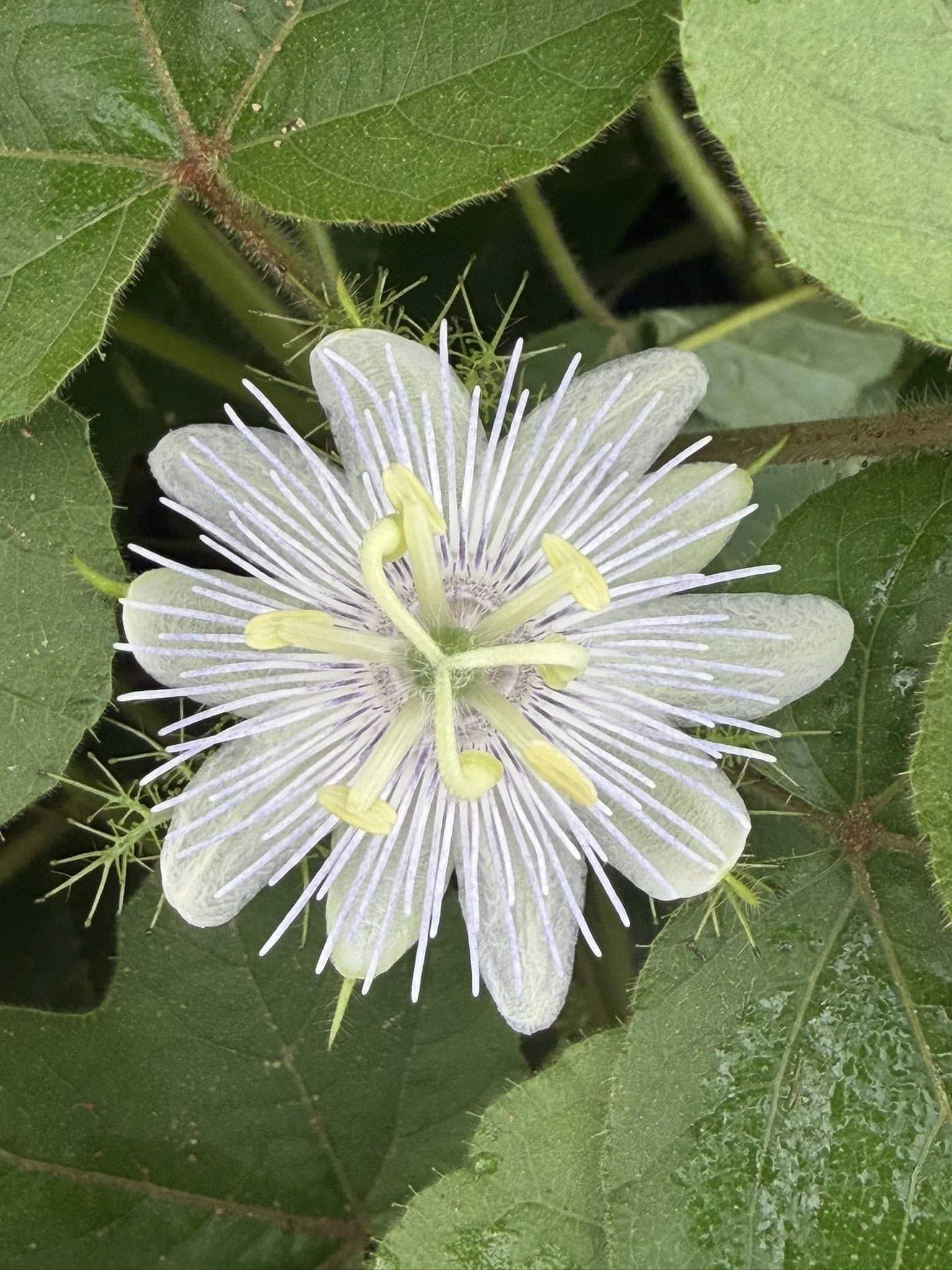
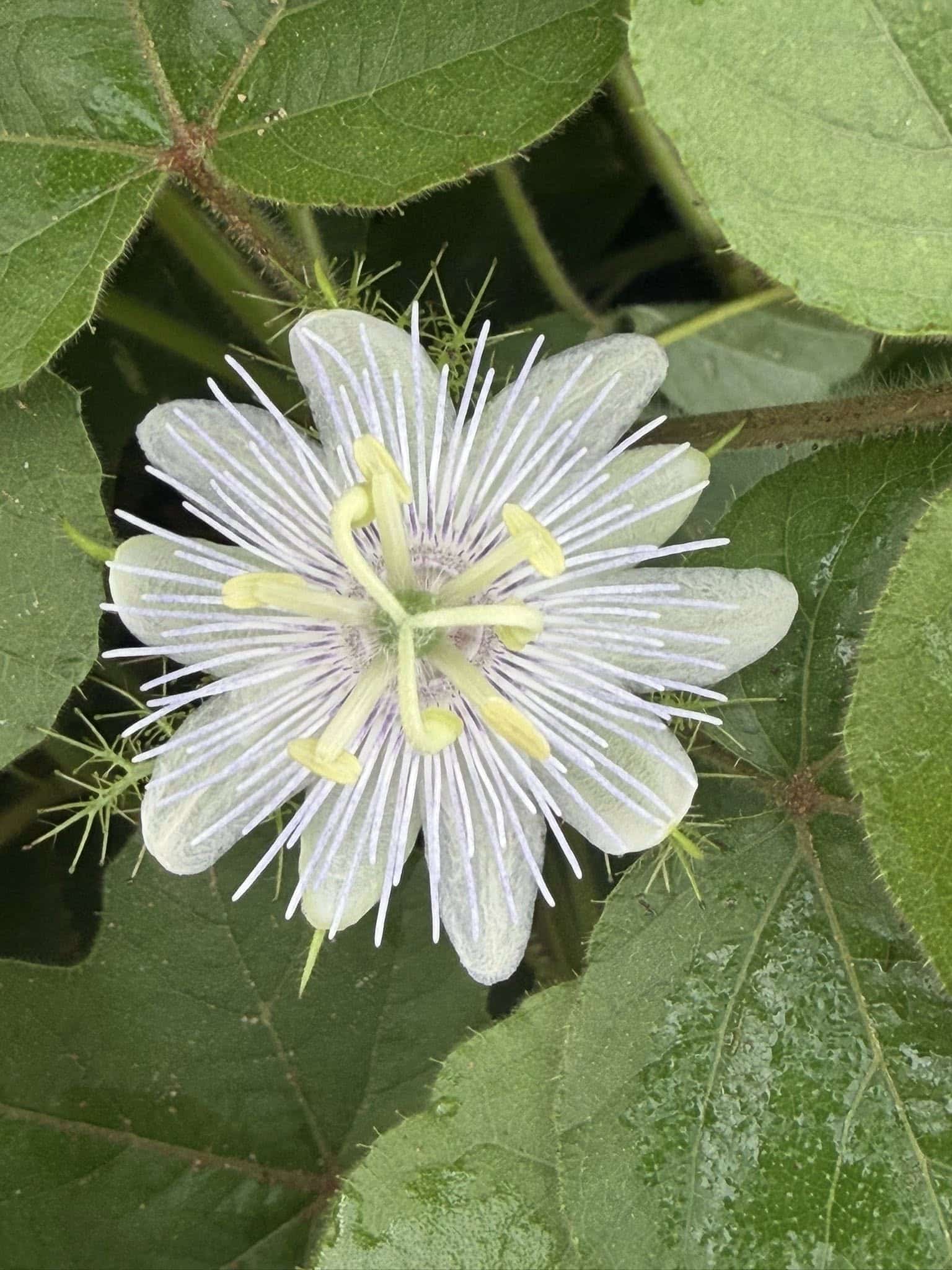
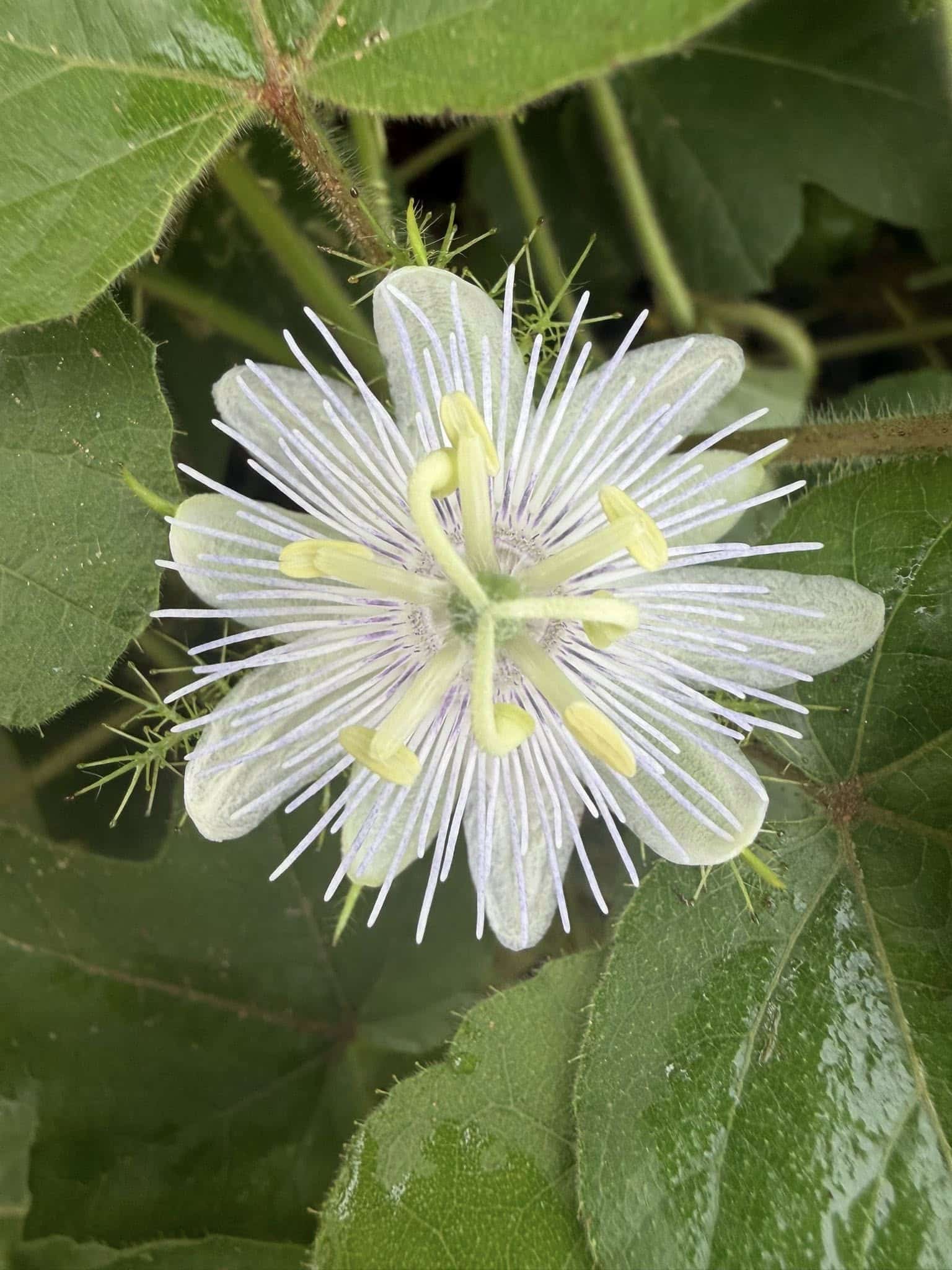
The stinking passion flower

The stinking passion flower (Passiflora foetida) is a fascinating semi-carnivorous plant. Surrounding its flowers and fruits are delicate, lace-like structures called bracts that produce a sticky, enzyme-rich substance. This sticky coating traps and breaks down small insects, helping to protect the plant’s developing flowers and fruits from pests.

Native to the tropical and subtropical regions of the Americas, Passiflora foetida has spread widely and now grows in many tropical areas around the world, including parts of Africa and Southeast Asia, where it often thrives as a common weed.

Credit: Benedicta Obenewah

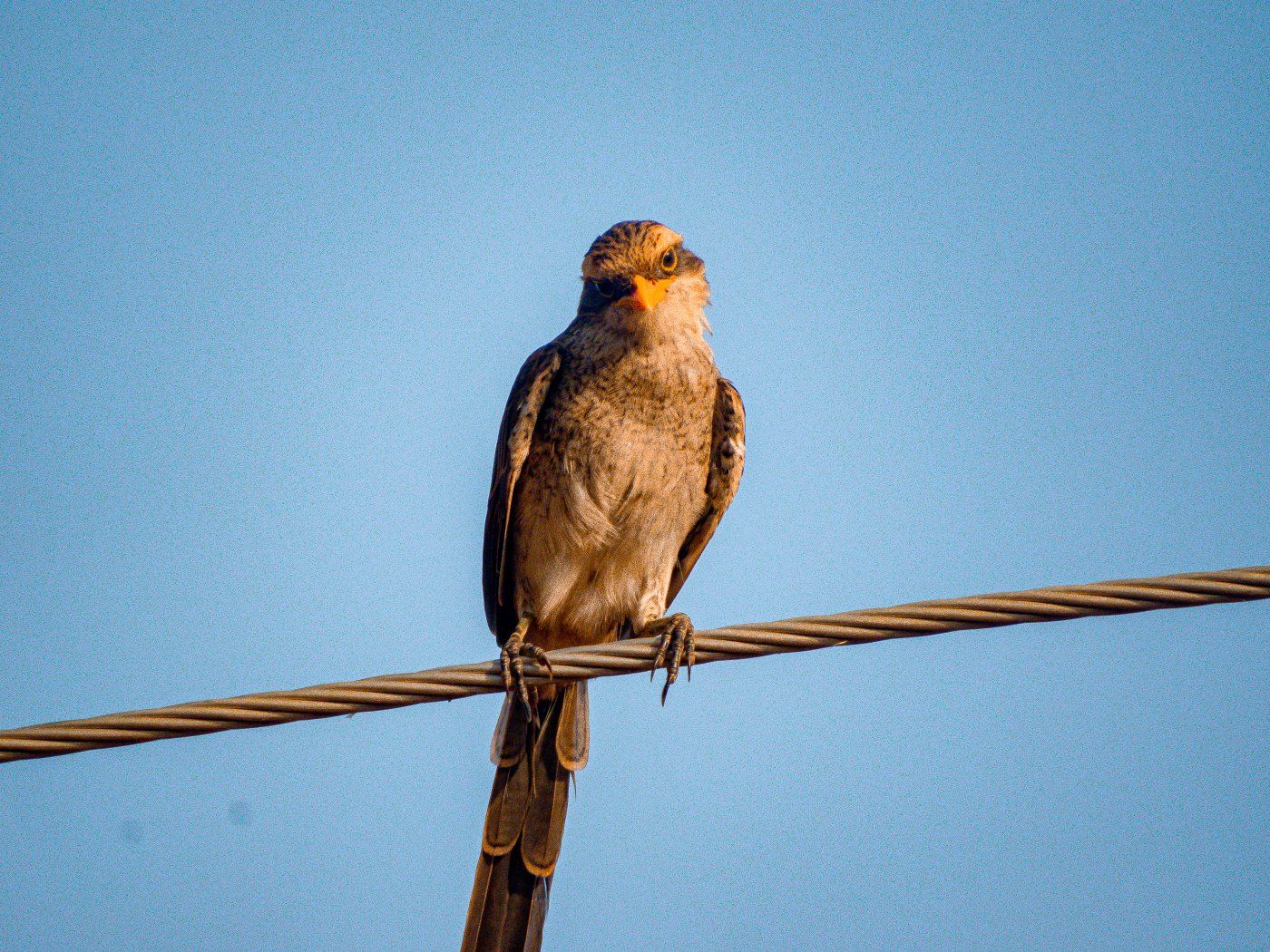
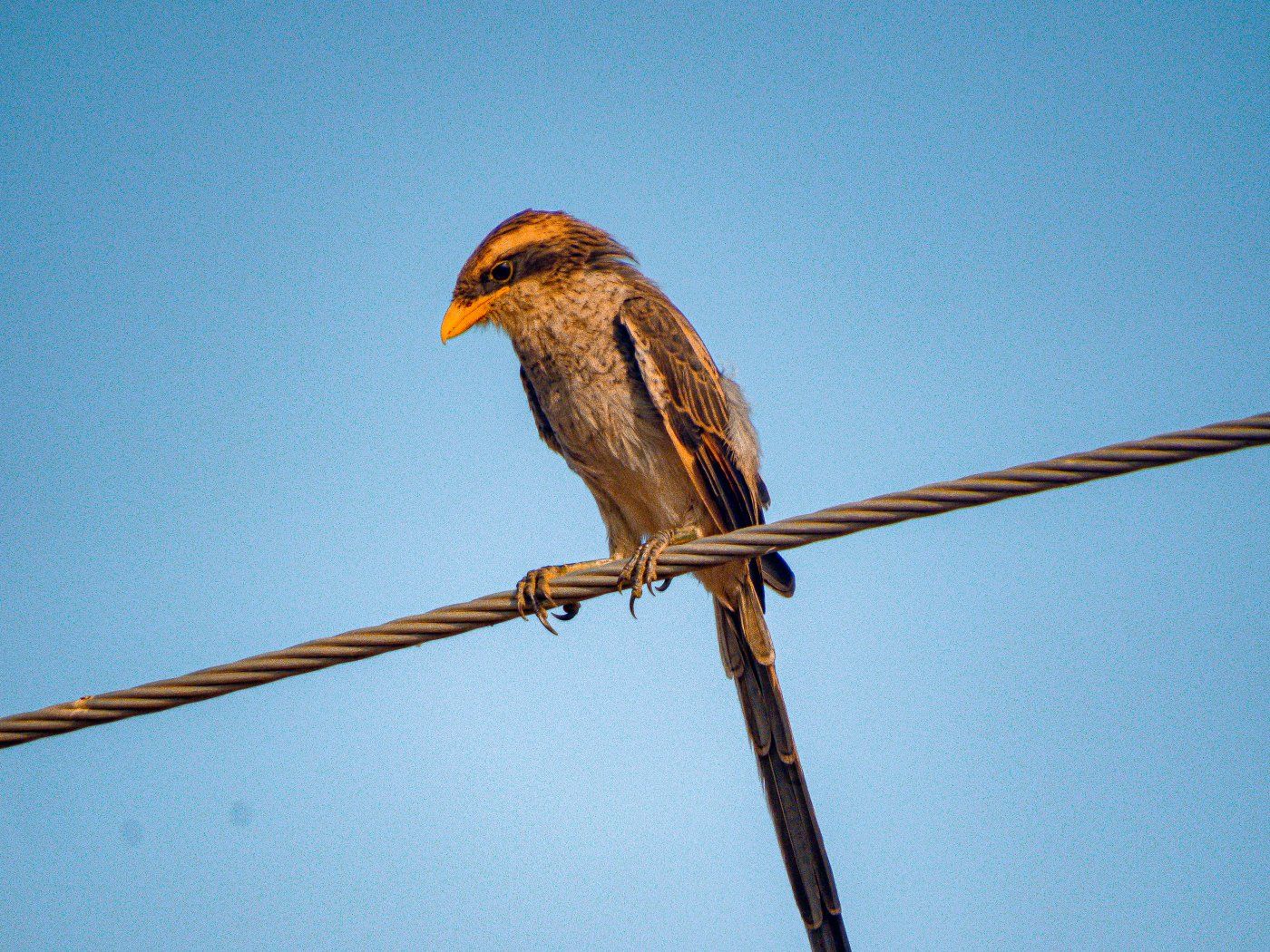
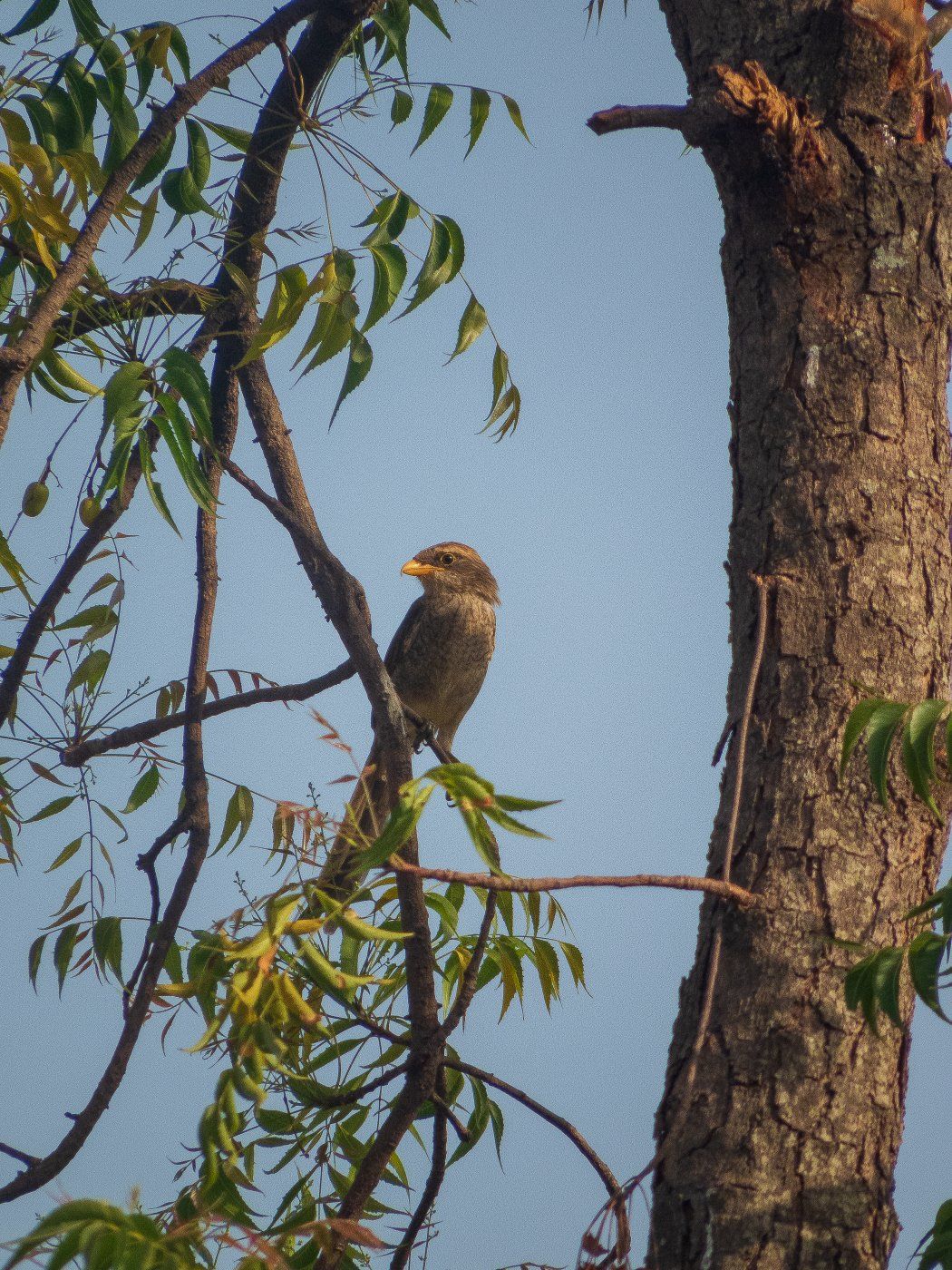
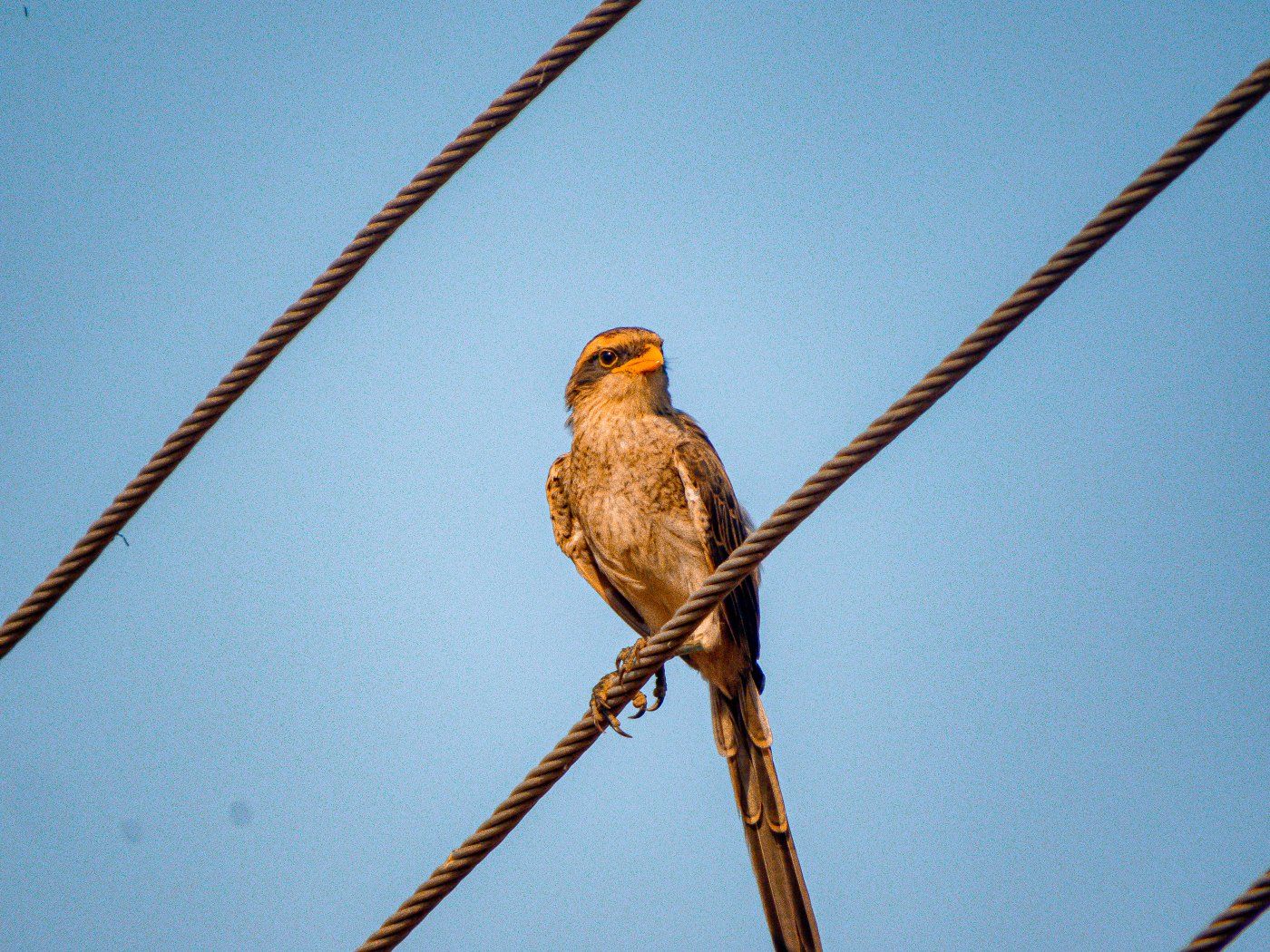
Yellow-billed Shrike

Captured at Nyankpala Campus, University for Development Studies, Tamale, Ghana.

The Yellow-billed Shrike is known for its sharp eyesight, long tail, and striking yellow bill. Often seen perched quietly on wires or tree branches, it helps control insects in the environment.

Fun fact: Although they can appear calm and solitary, Yellow-billed Shrikes are very vocal birds and are often heard calling loudly before they are noticed. Their swift movements and constant calls make them one of the familiar sounds of the Nyankpala campus environment.

Credit: Awumbo Aboyella

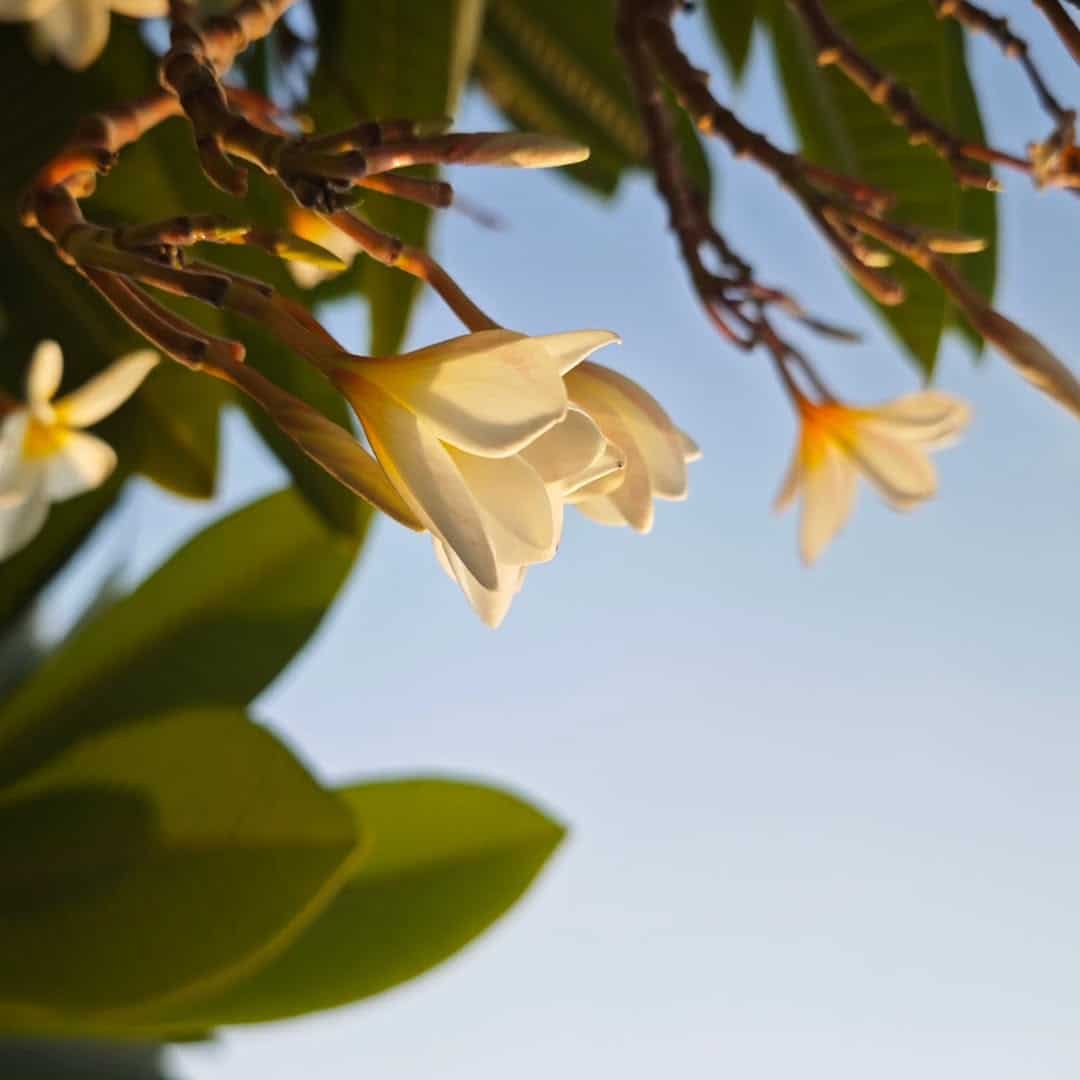
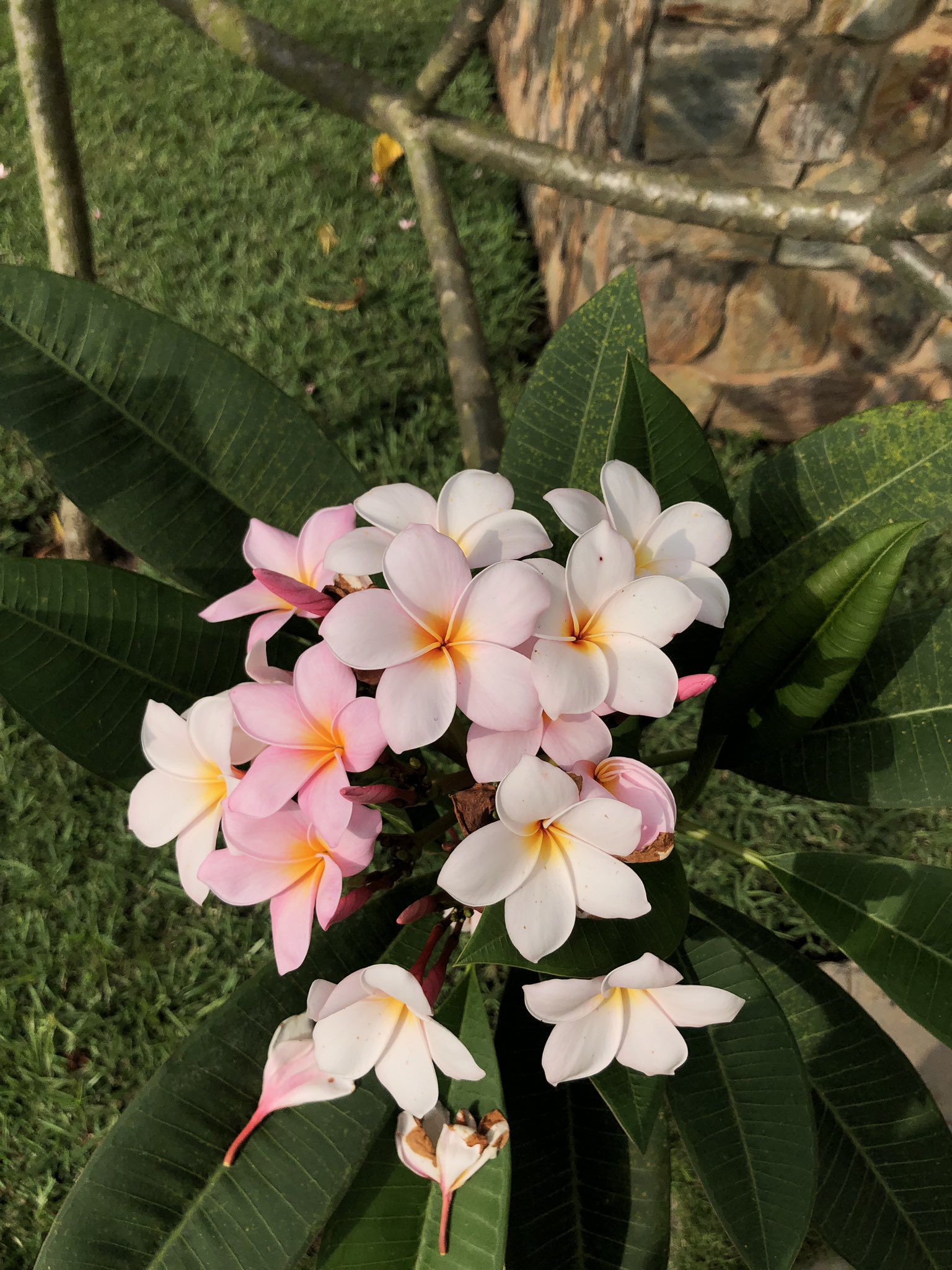
The Frangipani(Plumeria)

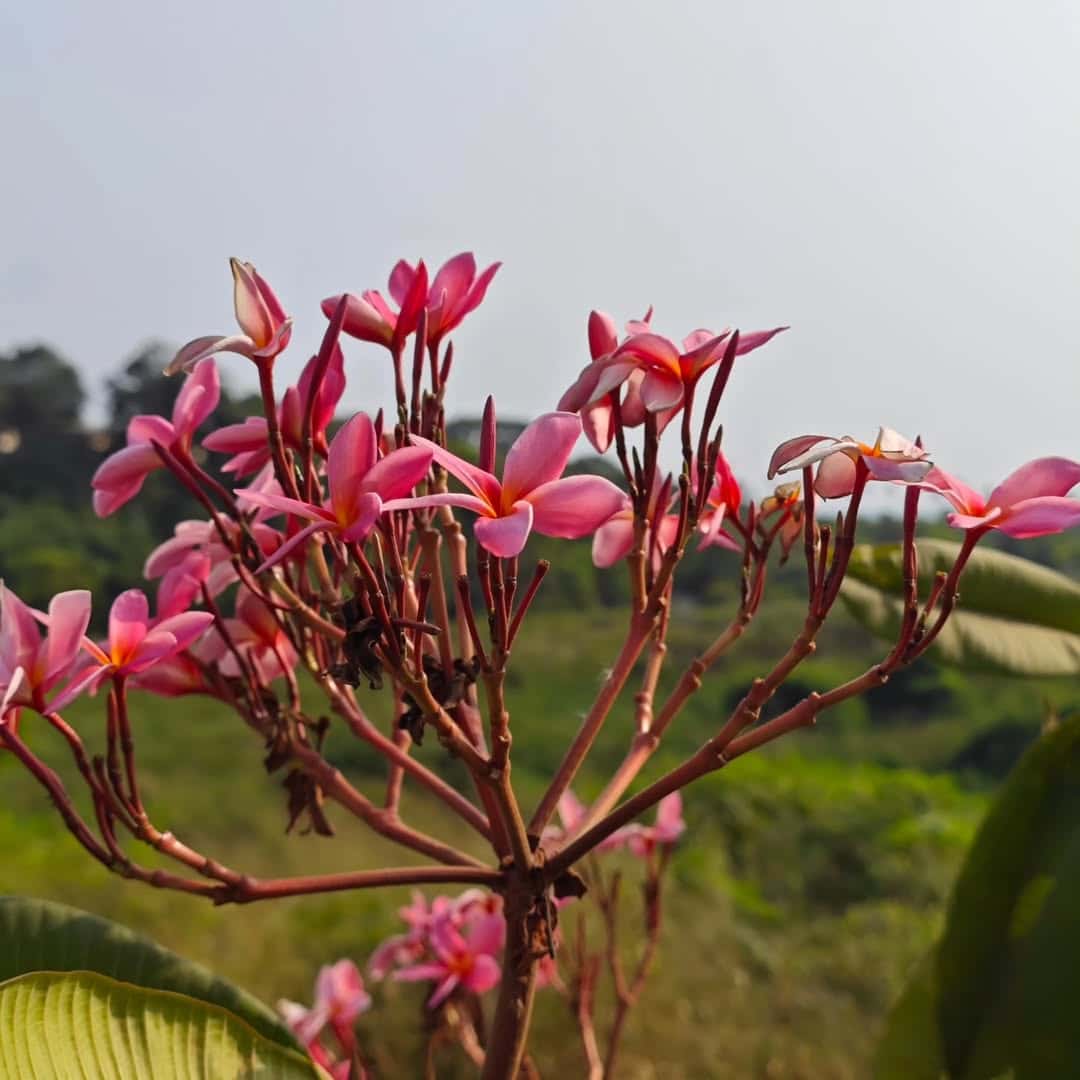
This isn’t wild, but it’s quite a common tree in Ghana. The Frangipani(Plumeria)

Fun fact: in Hawaii, wearing this on your left ear means you’re taken.

Credit: Houdini on X

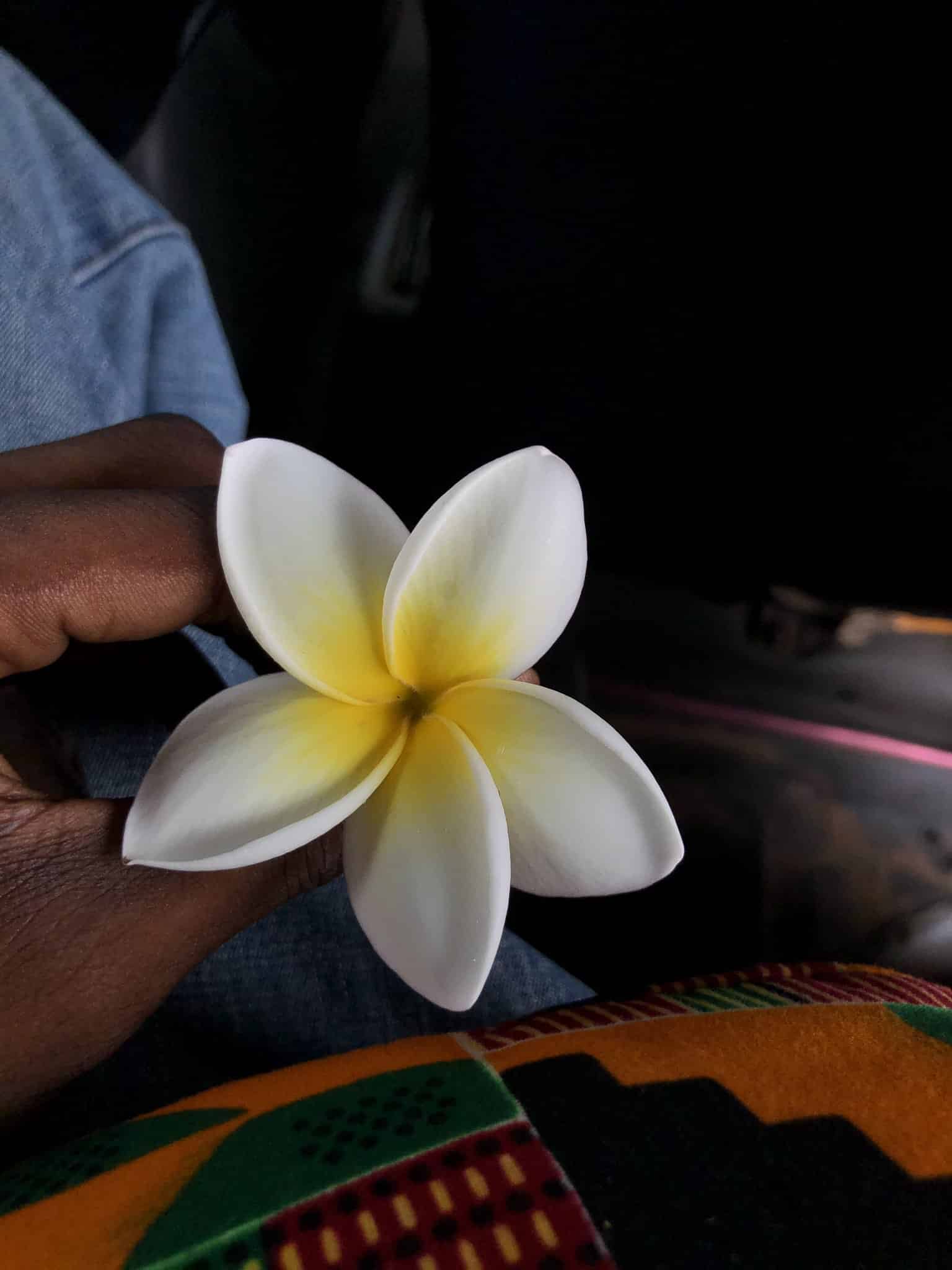
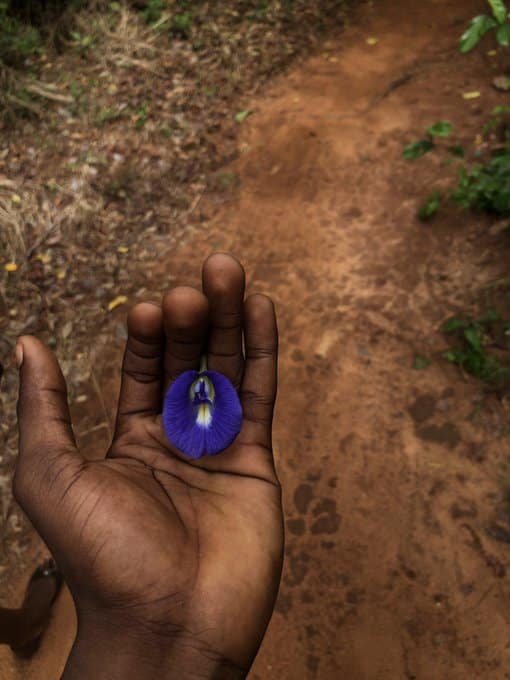
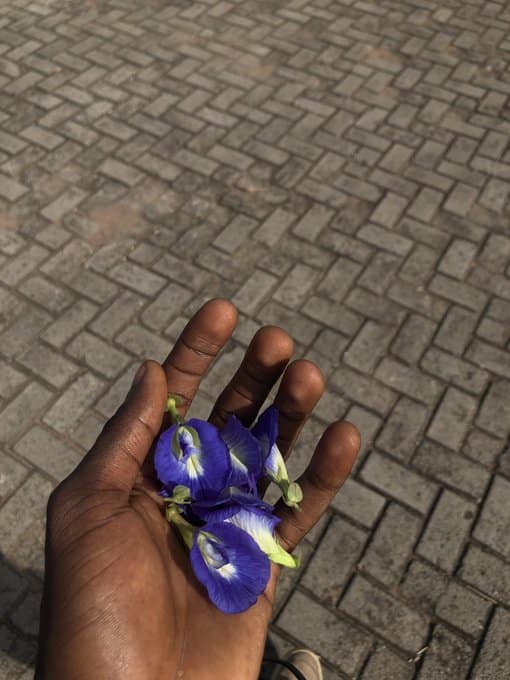
Butterfly pea plant

These are the flowers of the Butterfly pea plant (Clitoria ternatea) high is normally considered a weed.

Fun fact: The flowers can be used for teas and food dyes, and have anti-cancer, anti-inflammatory and antioxidant properties. #Snap4Biodiversity #ARochaGhana #GhanaBiodiversity

Credit: Houdini on X

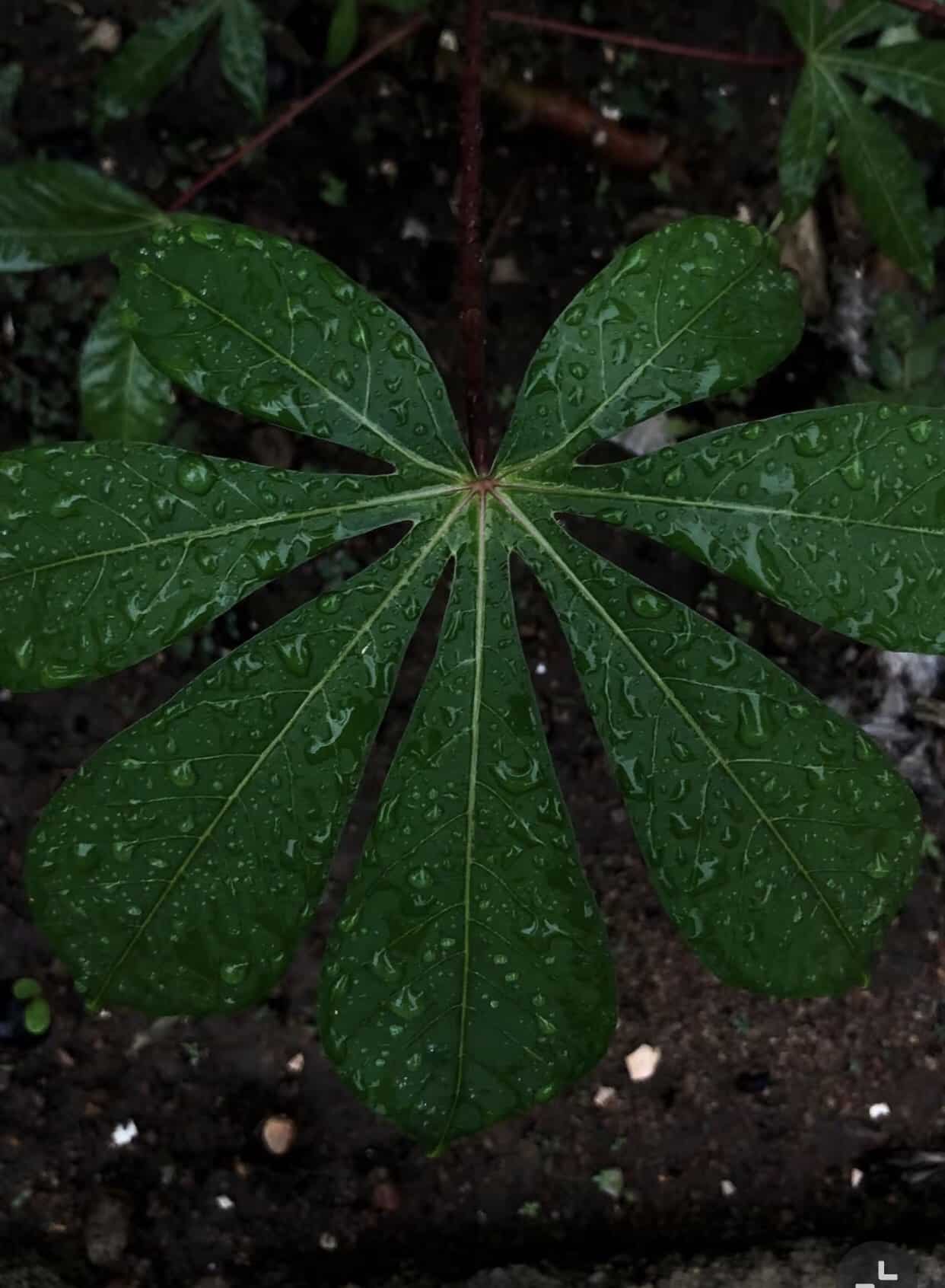
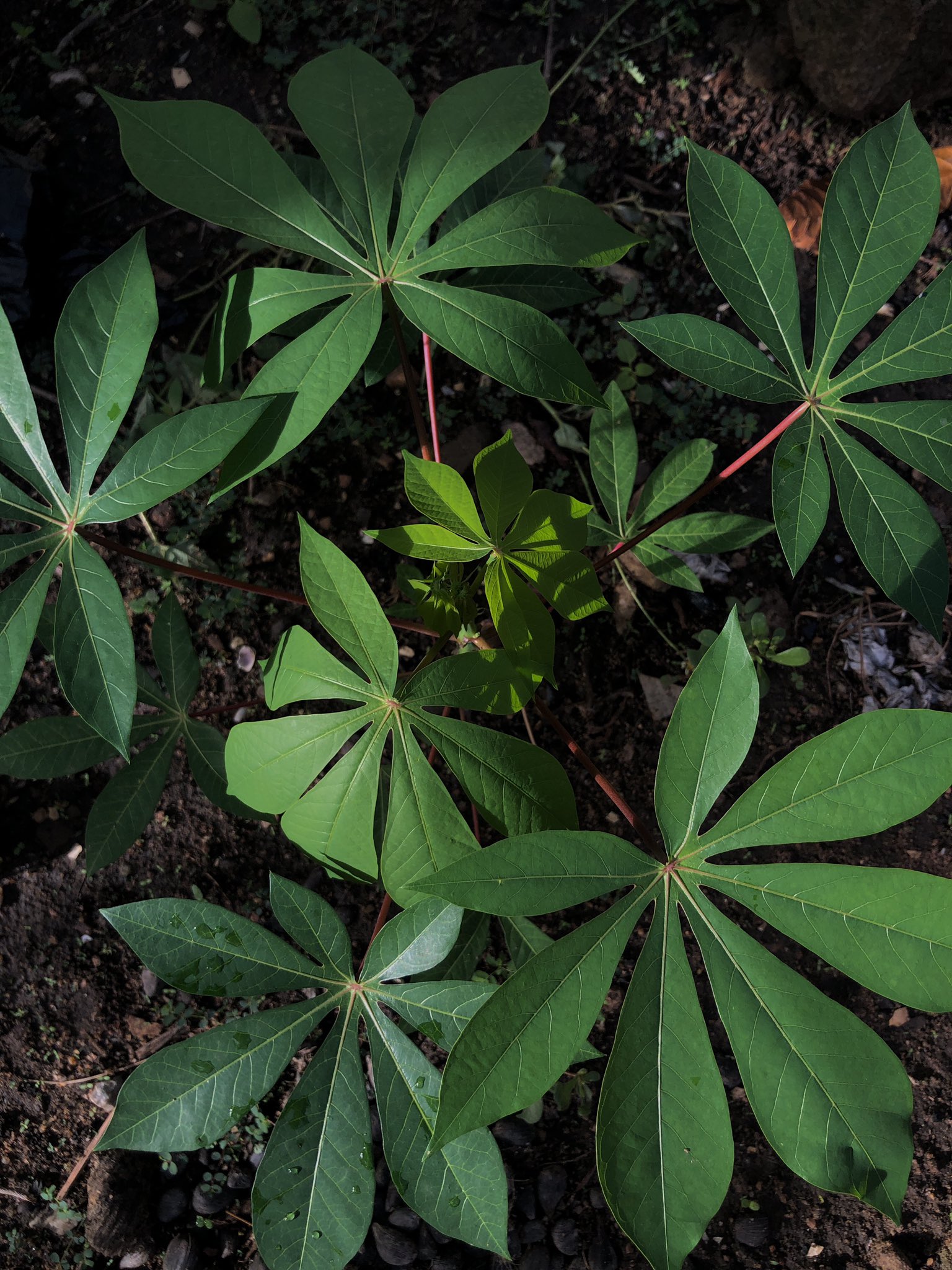
Manihot esculenta(Cassava) plant

These are the leaves of the Manihot esculenta(Cassava) plant.

Fun fact: it works as a perfect substitute for kontomire/cocoyam leaves in stews.

Location: Kwashieman

Credit: Houdini on X

5V7A0006

Empowering Leaders in Landscape Restoration: A Field-Based Learning Experience

  • What does it take to restore a landscape, and who leads that change?

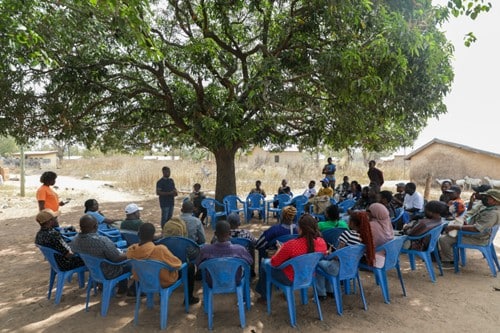
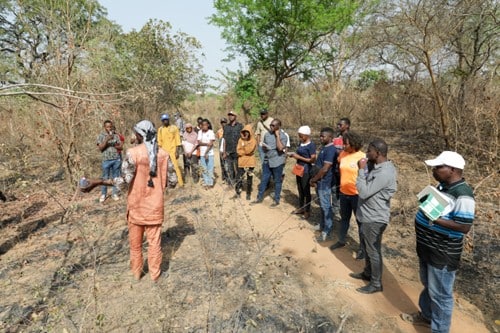
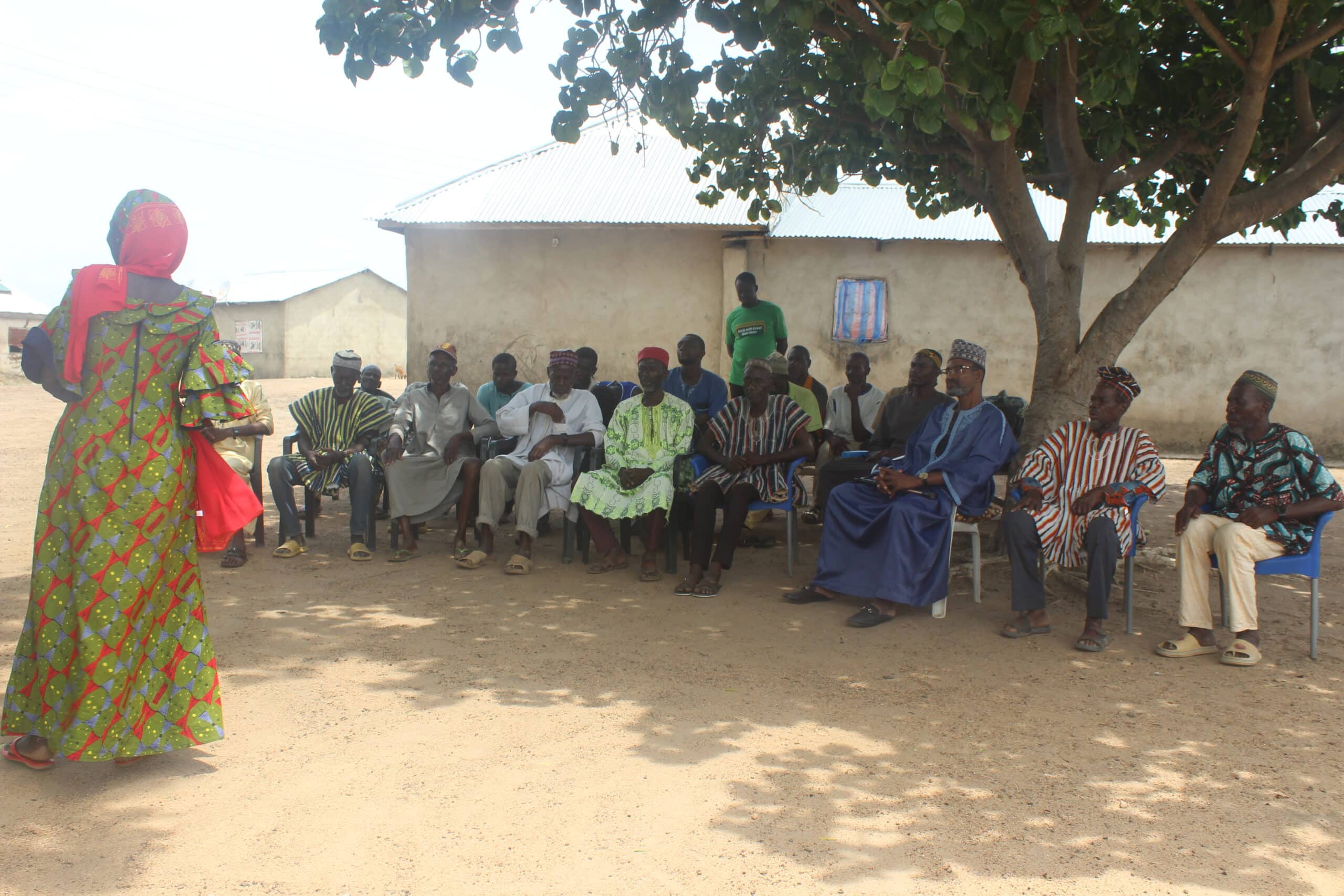
For a group of professionals, lecturers, and graduate students, the answer lay far beyond the classroom. It was found in the lived experiences of communities, in the resilience of restored ecosystems, and in the practical knowledge shared on the ground.

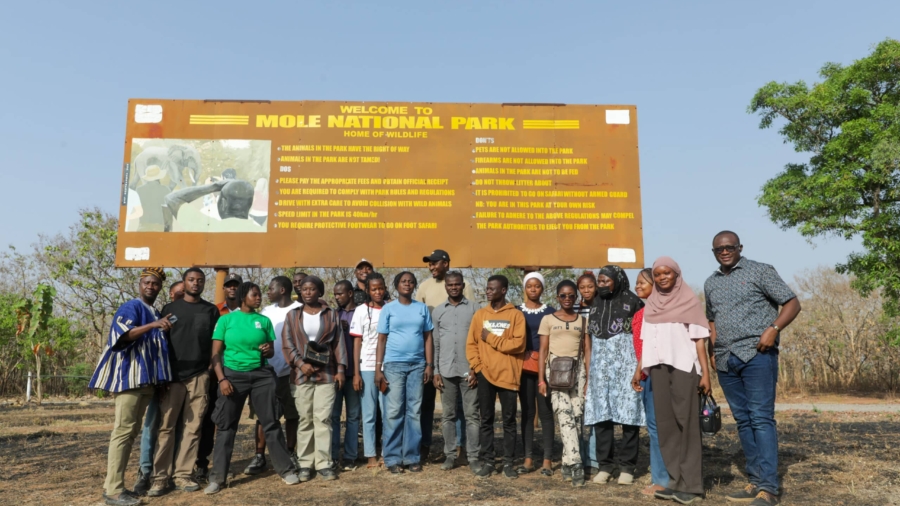
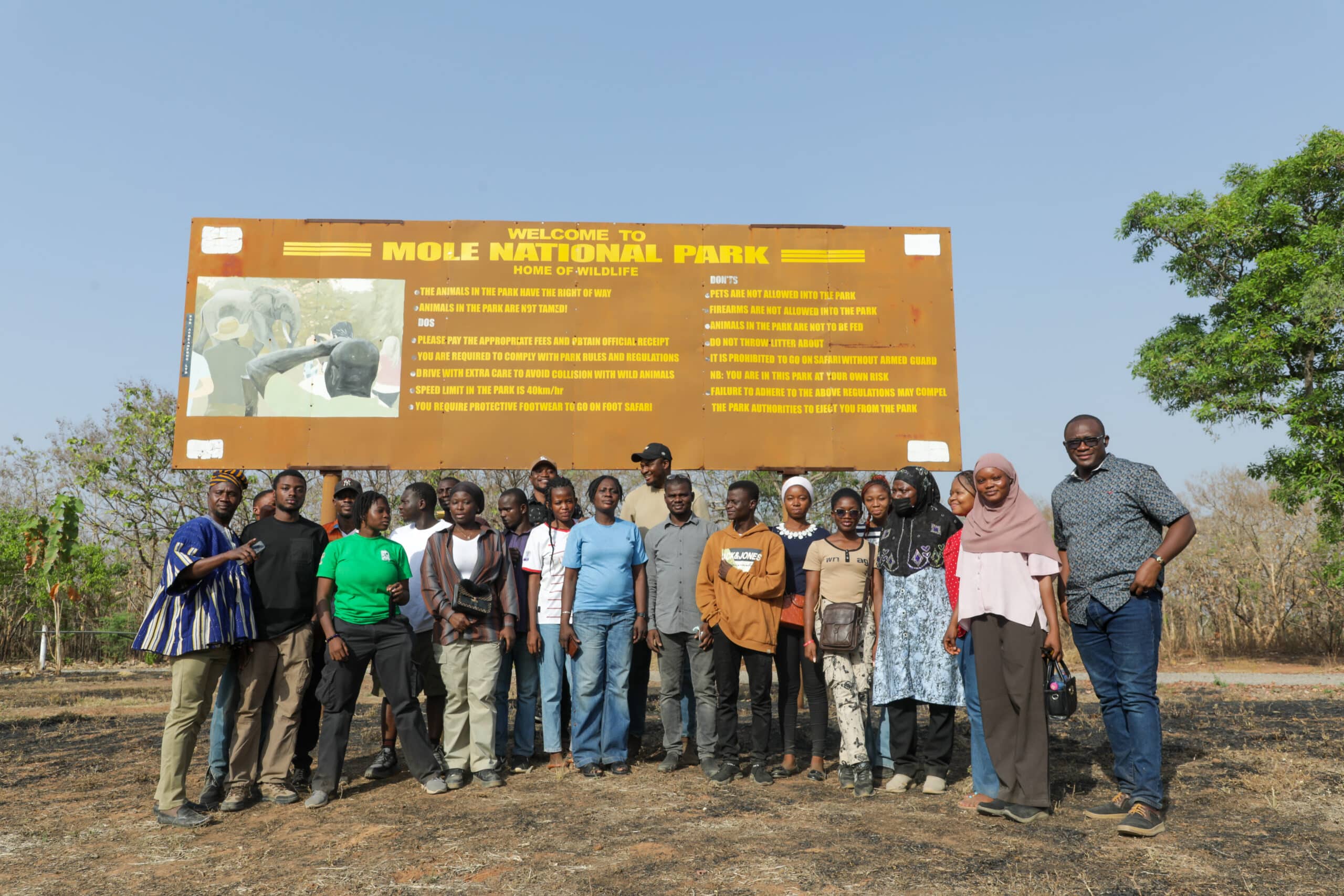
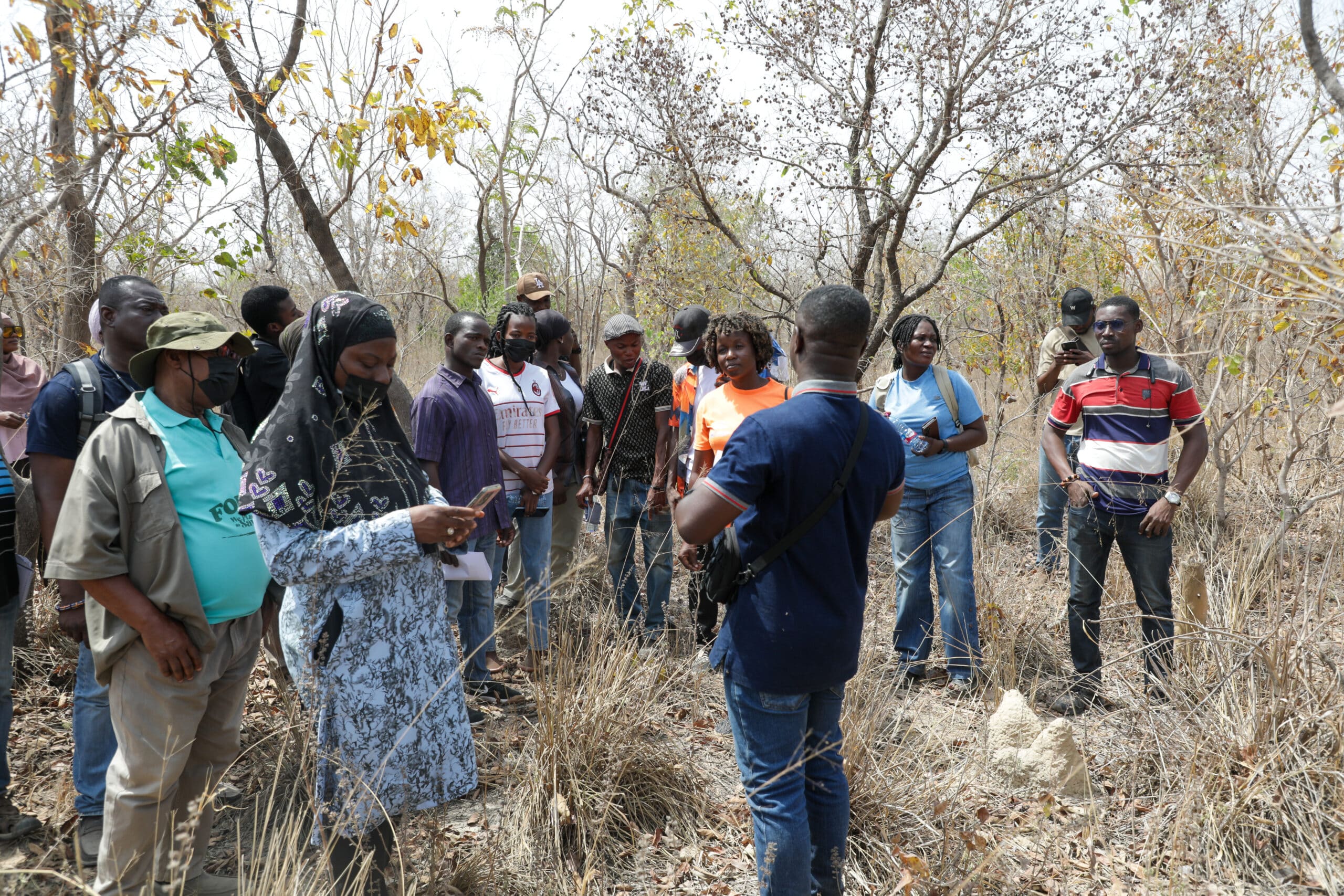
A Rocha Ghana recently facilitated a dynamic field-based learning experience to deepen participants’ practical understanding of landscape restoration, as part of an annual conference organized by the University for Development Studies (Nyankpala) and the University of Environment and Sustainable Development (Somanya), dubbed the “Training for Professionals and Graduate Students: Collaboration for Landscape Restoration” programme. This initiative aims to bridge the gap between theory and practice in environmental conservation in Ghana.

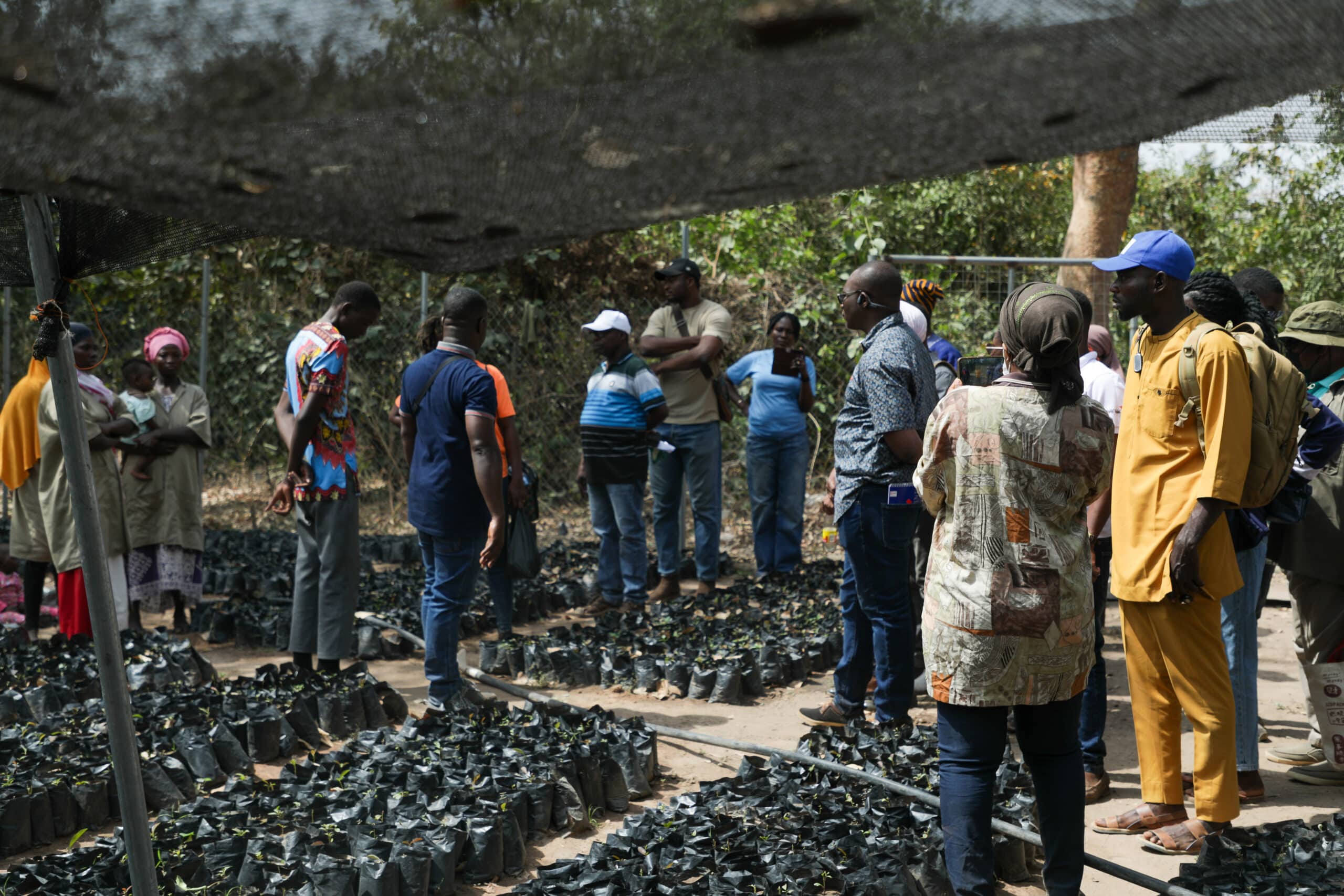
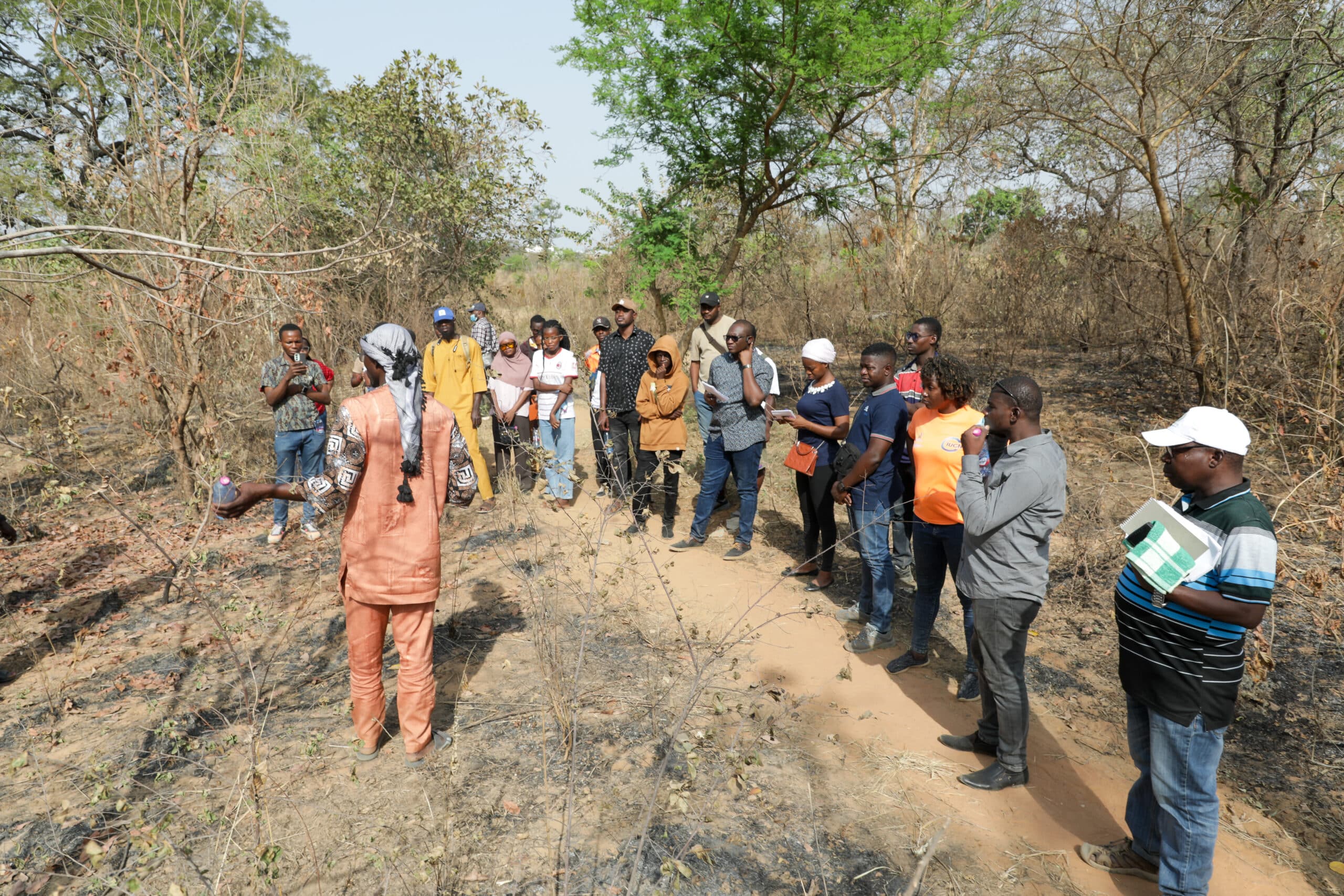
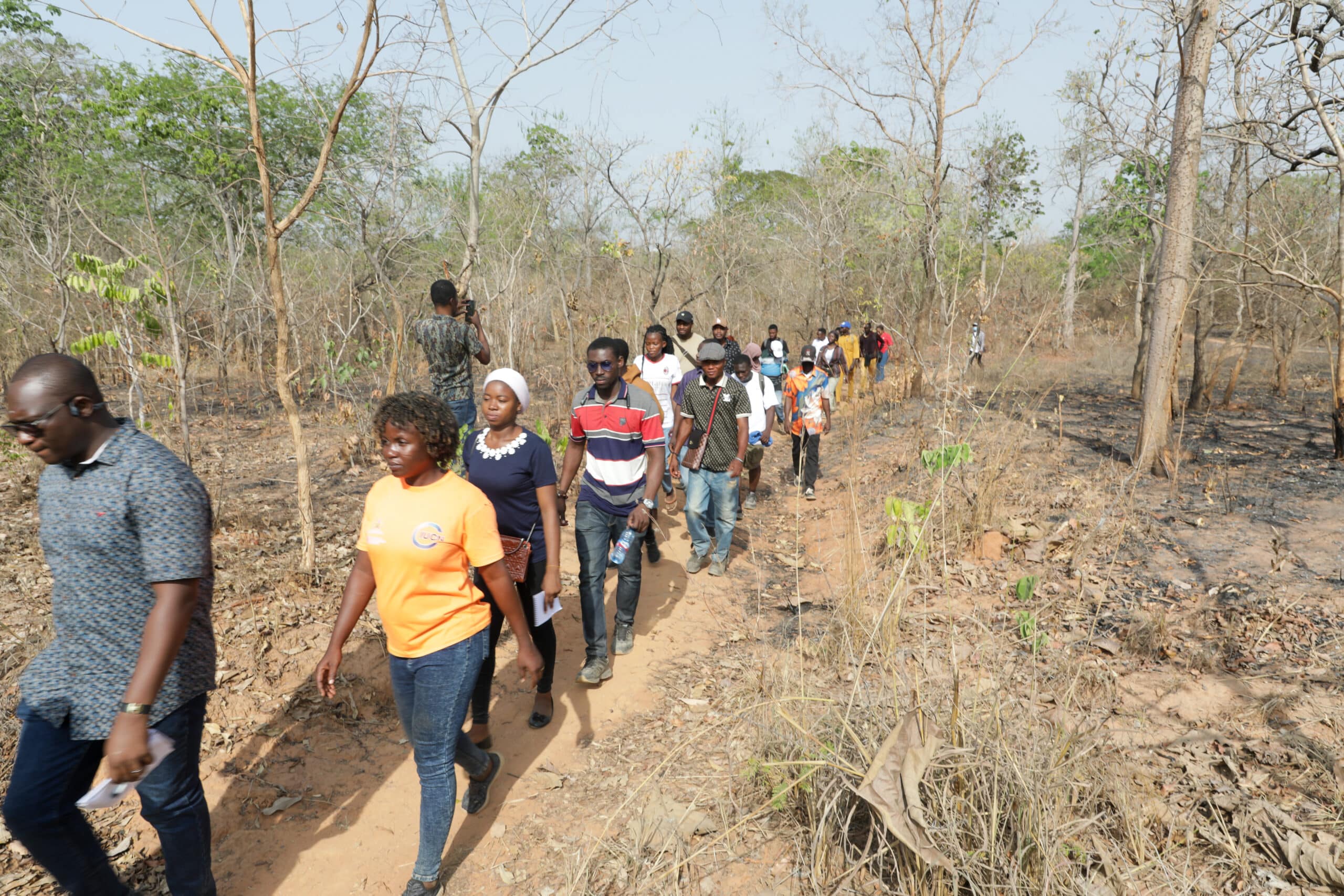
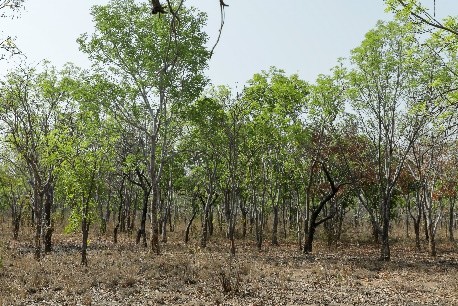
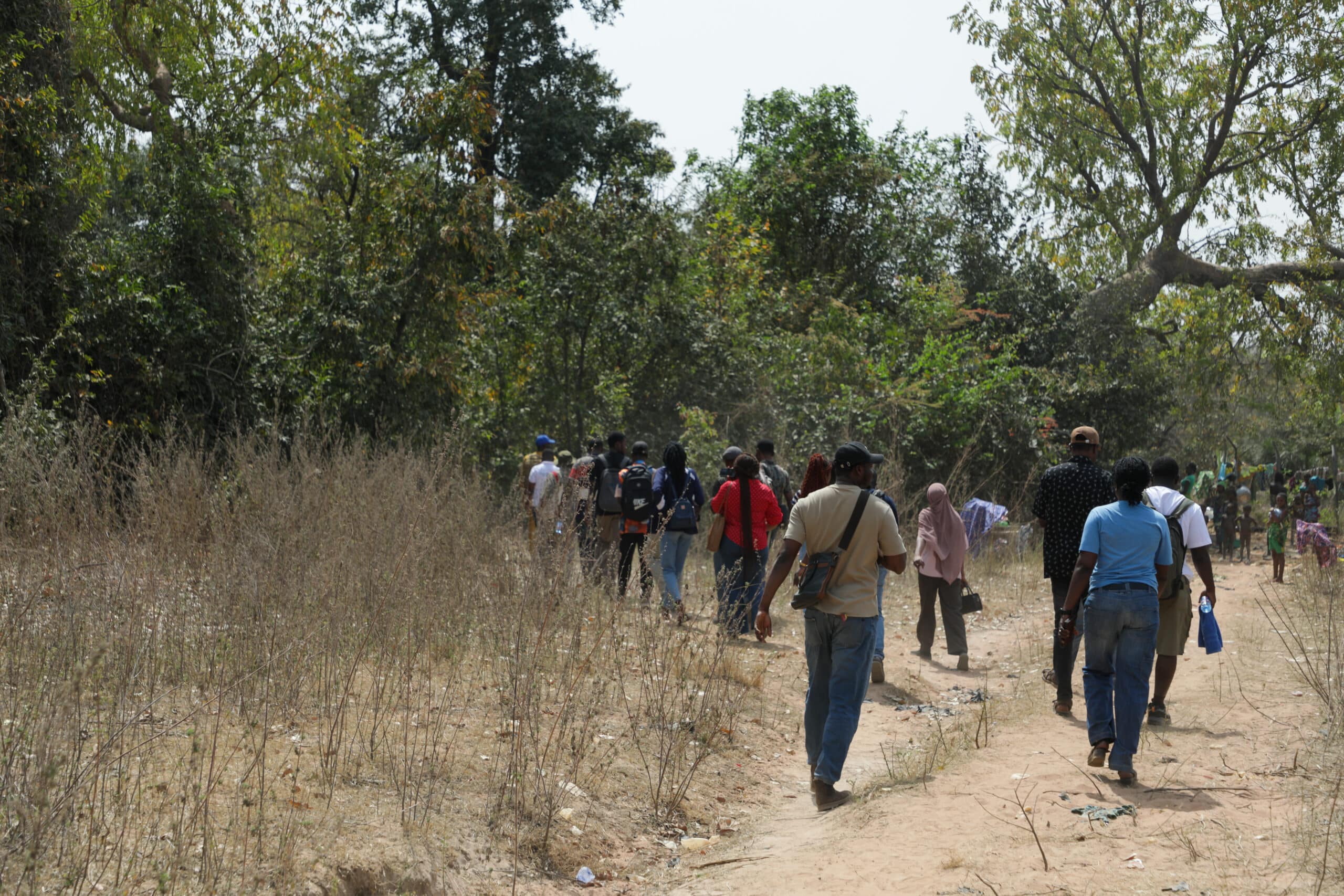
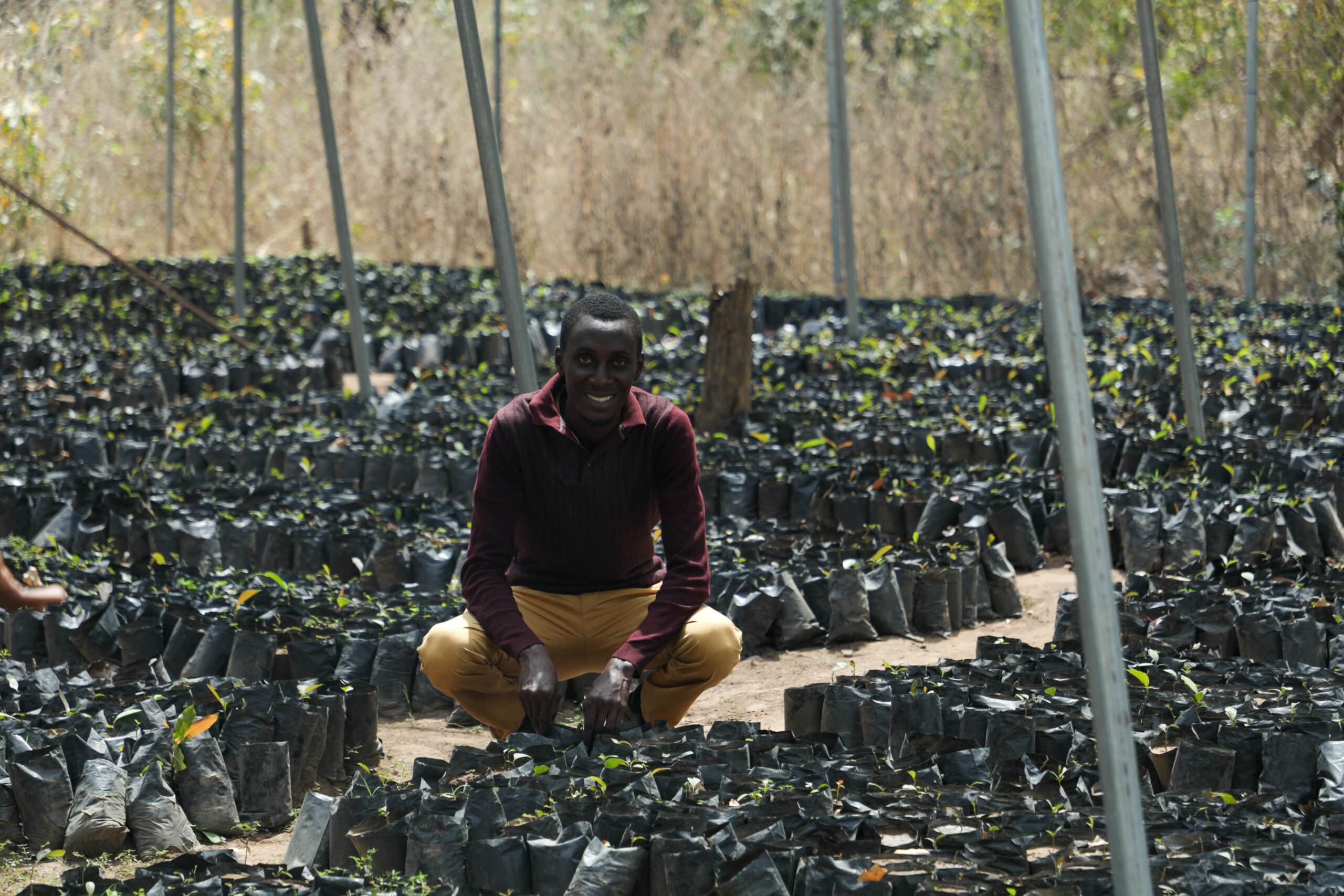
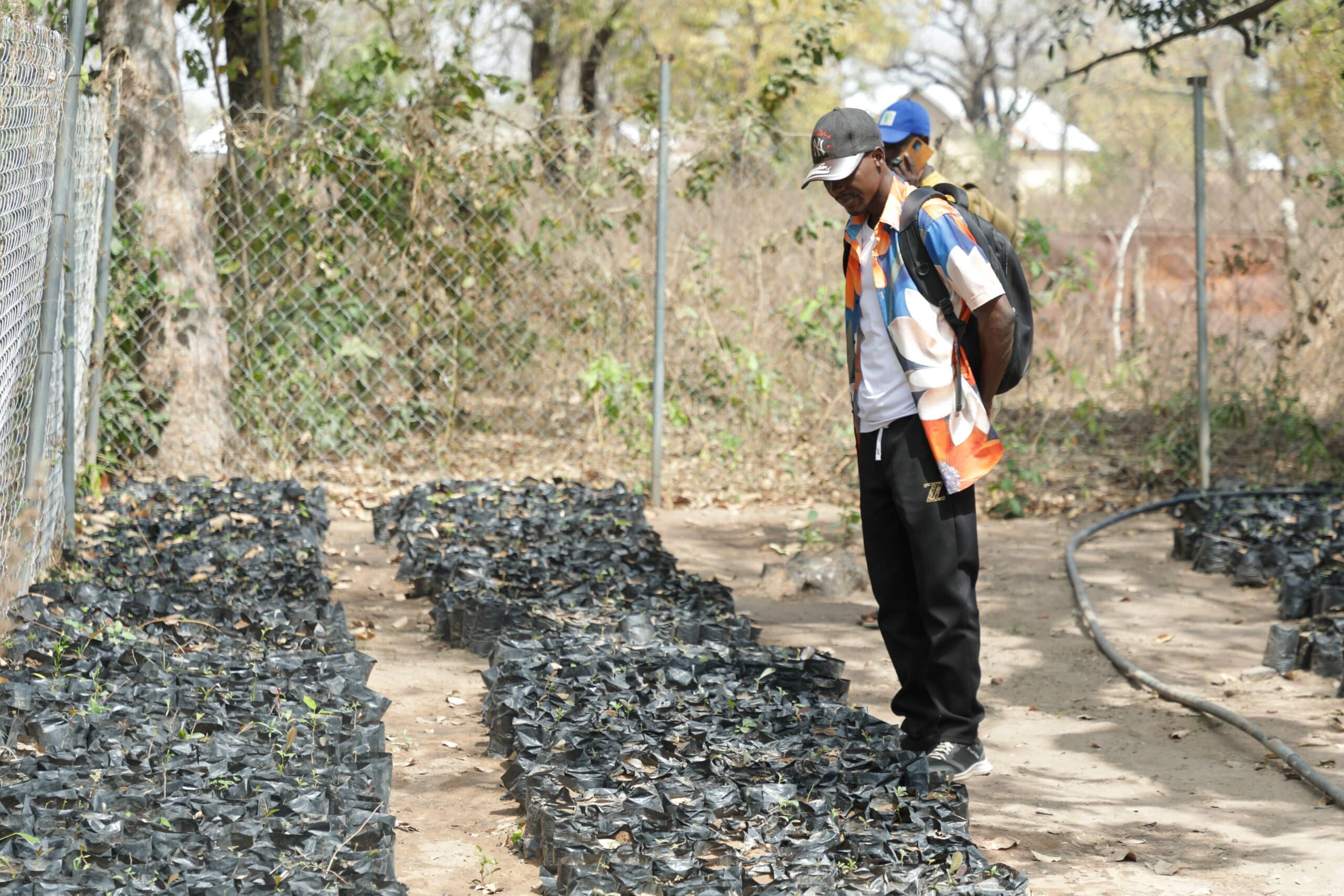
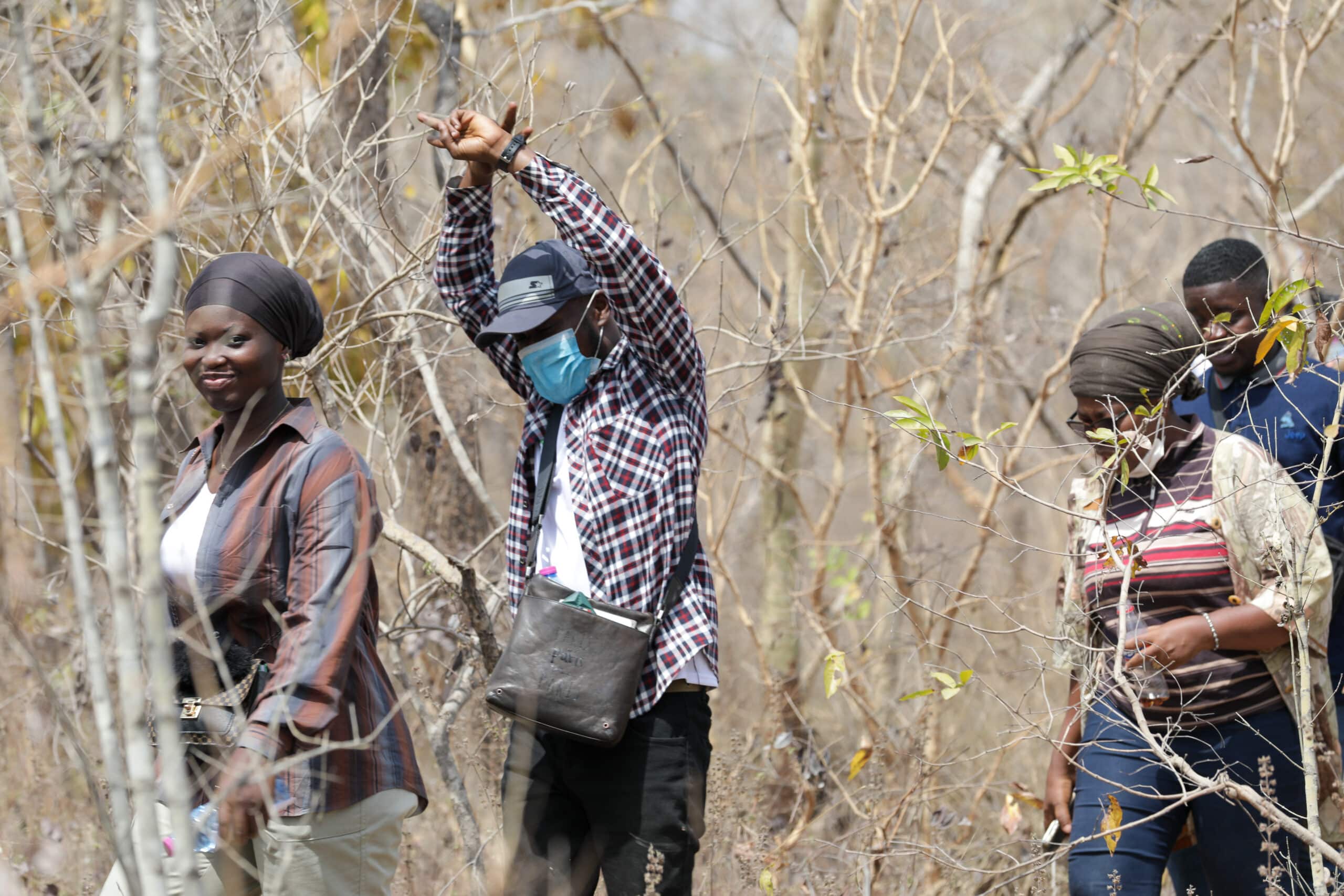
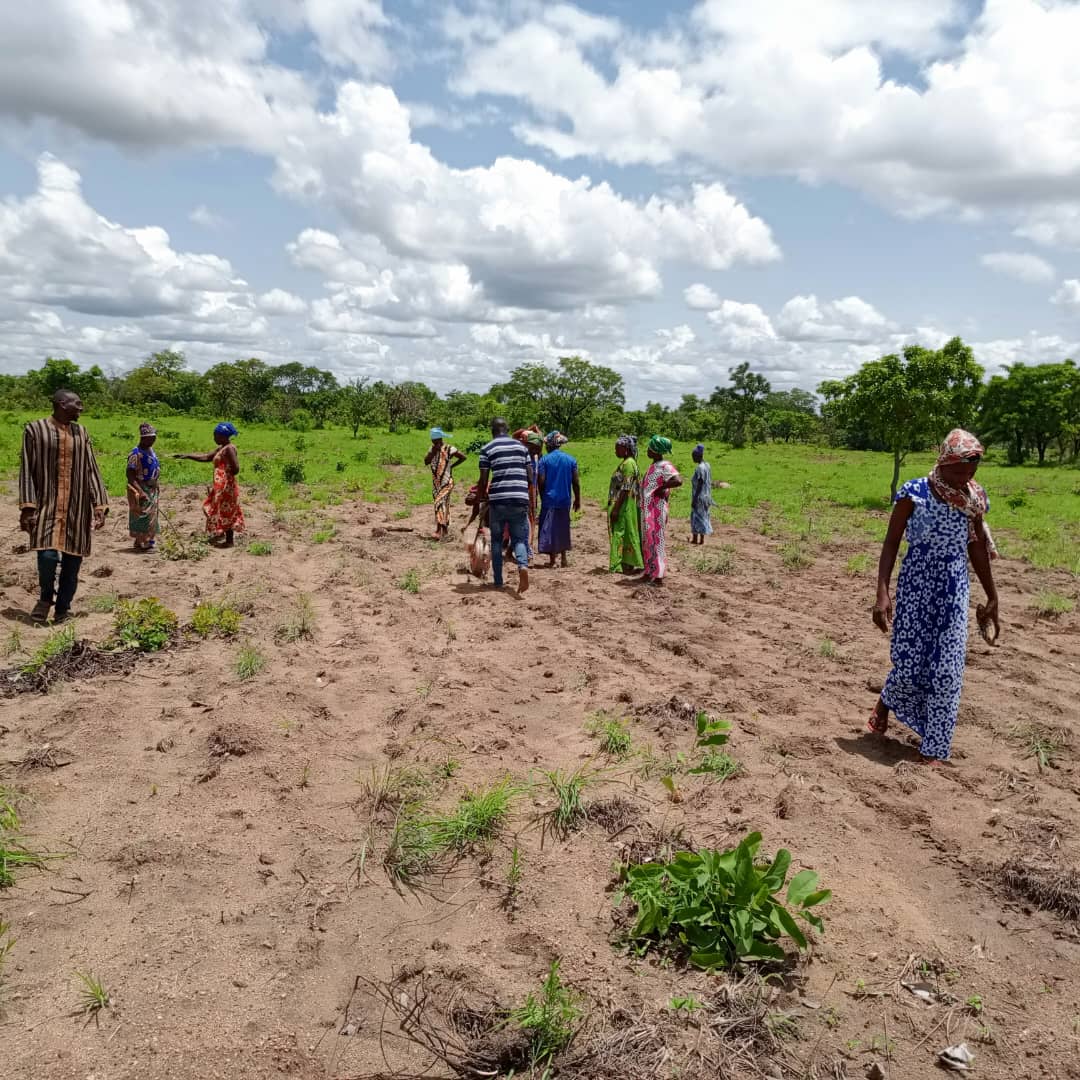
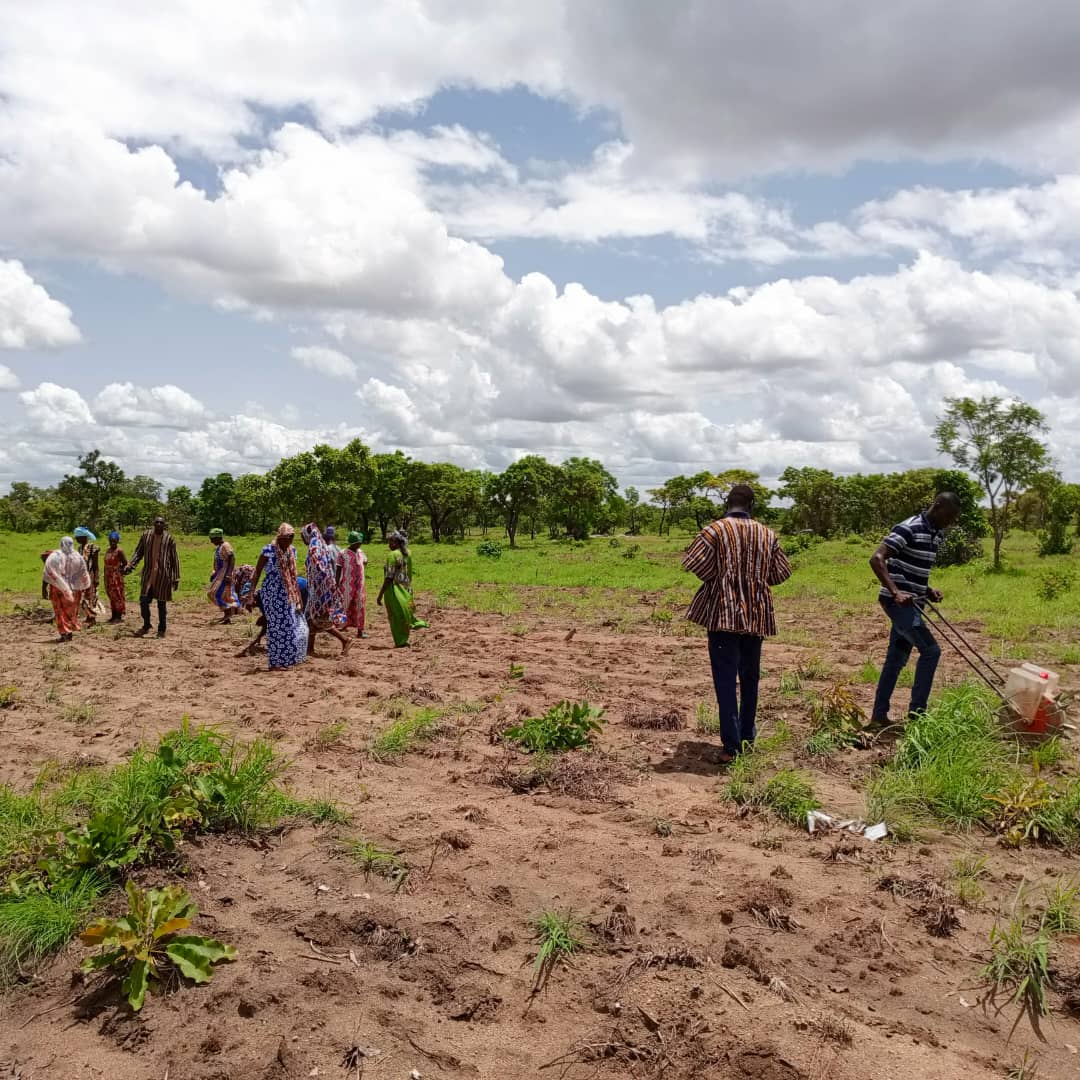
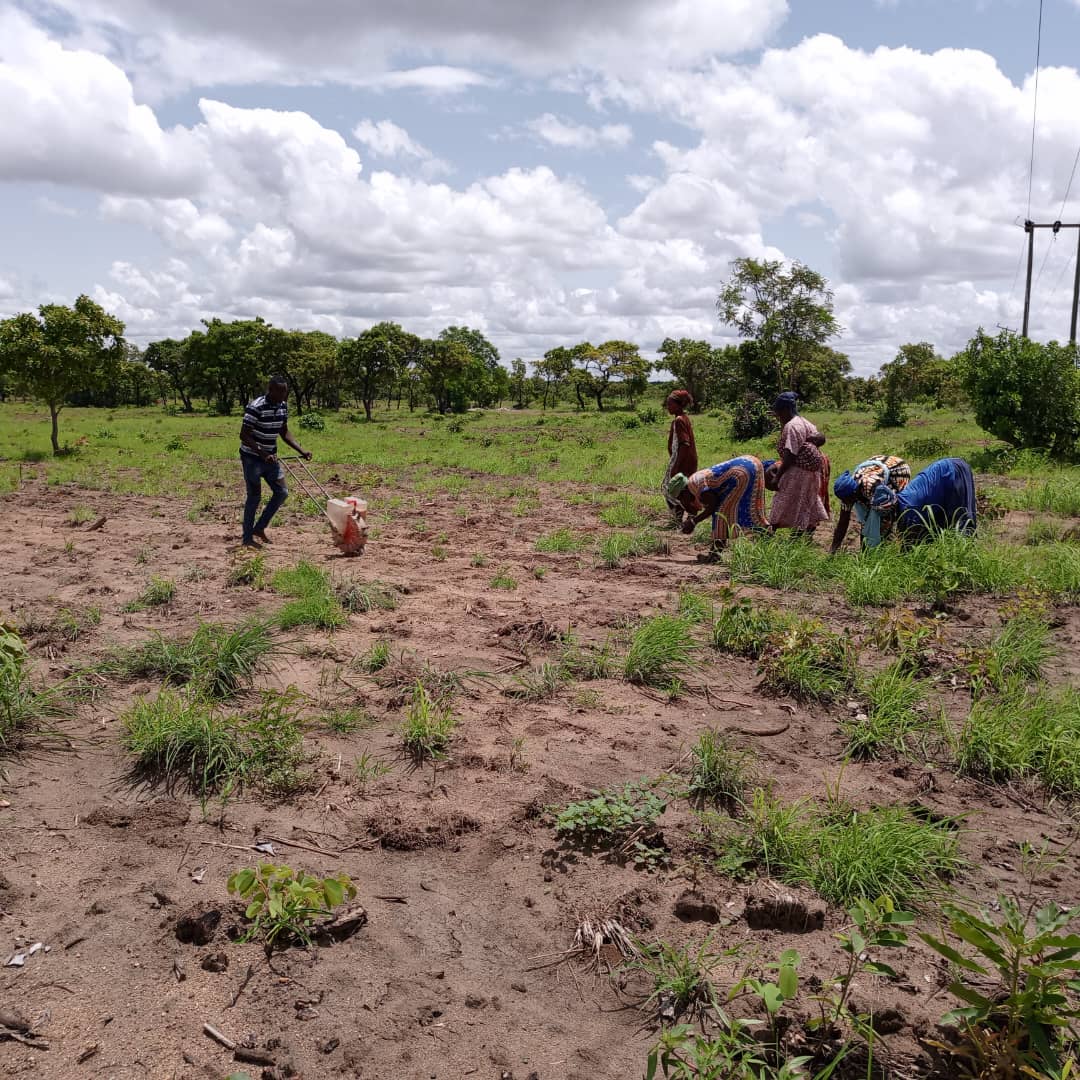
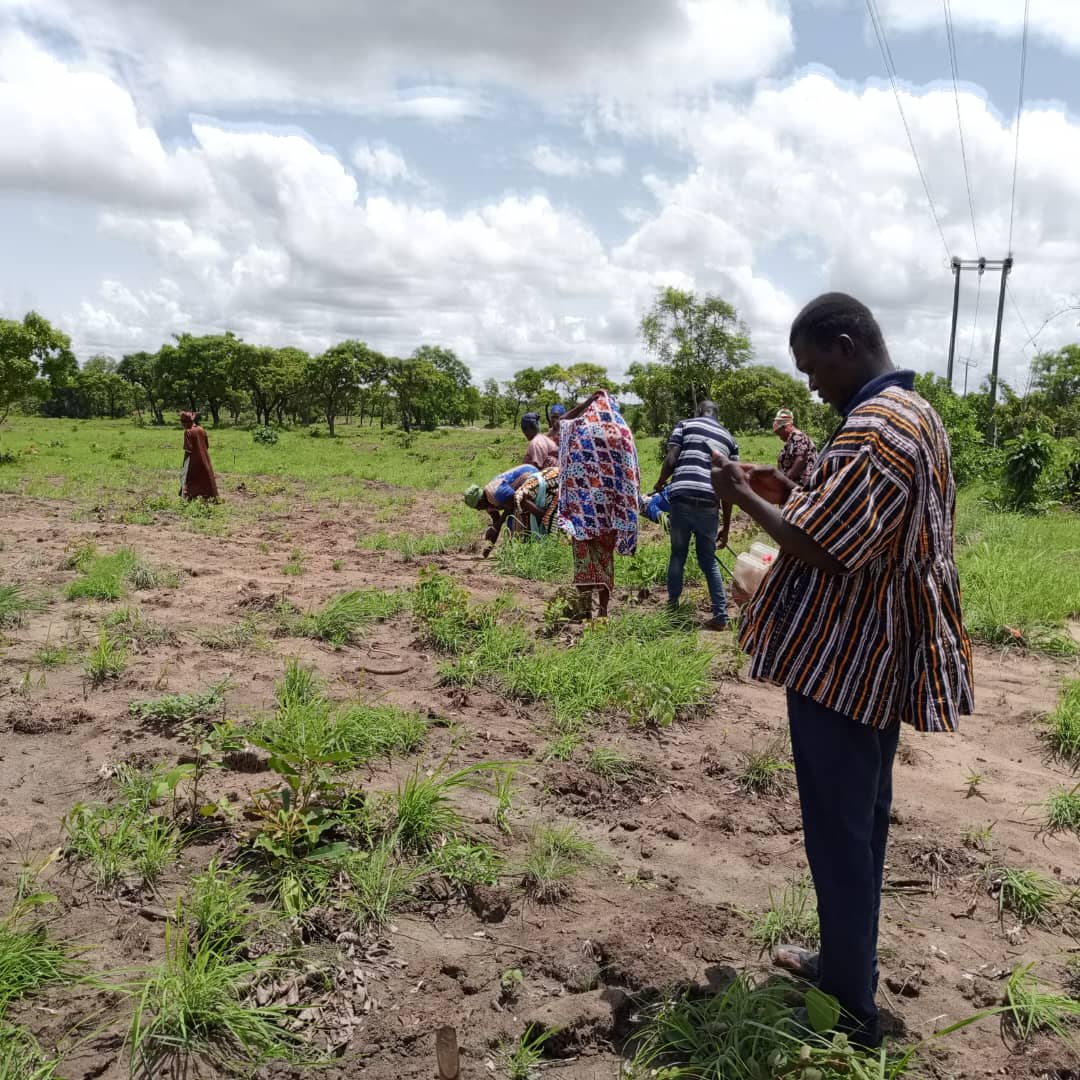
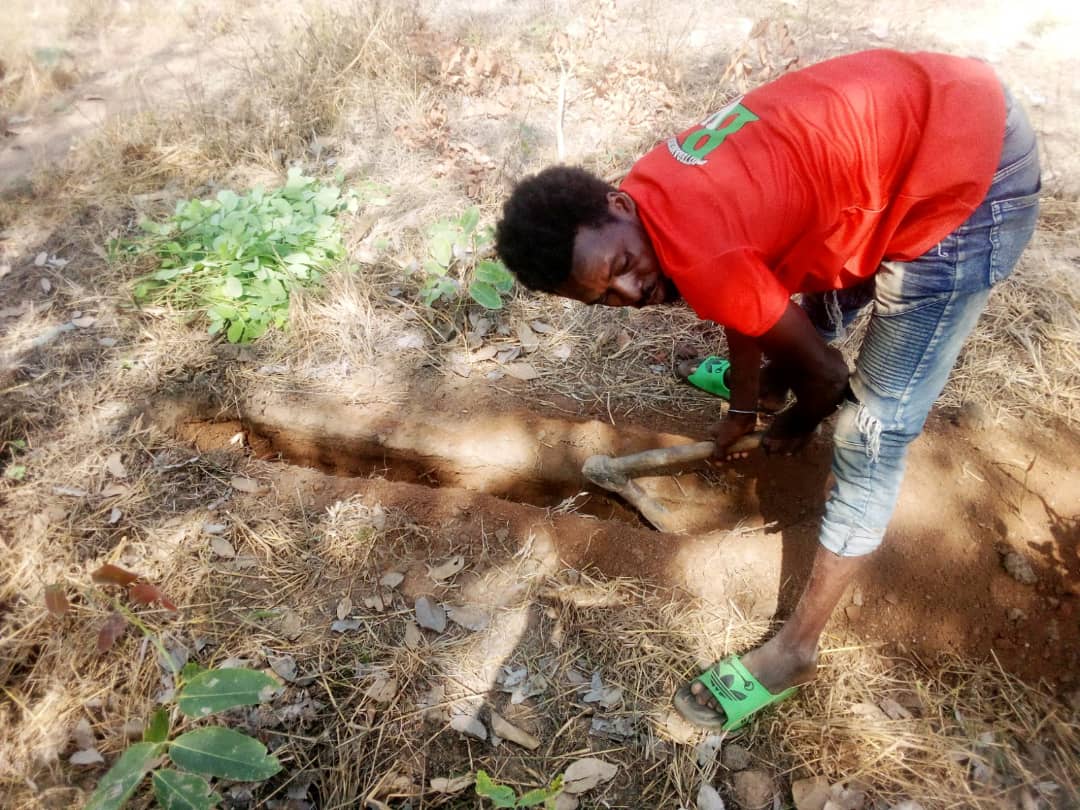
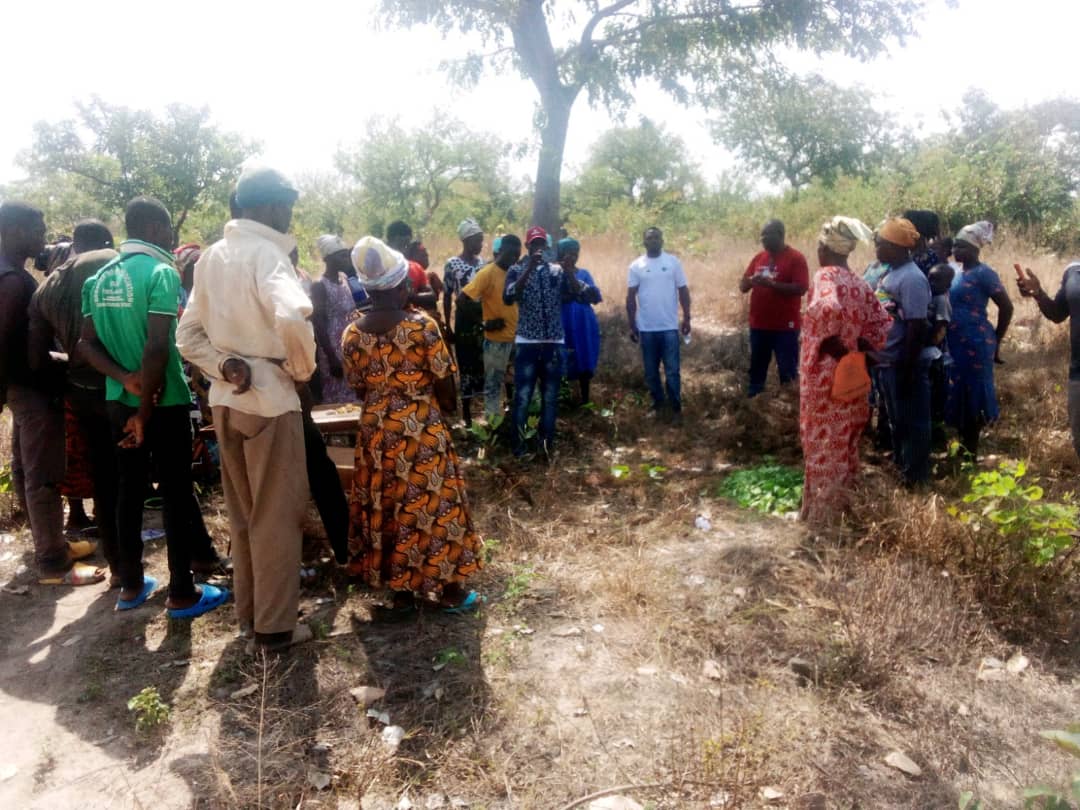
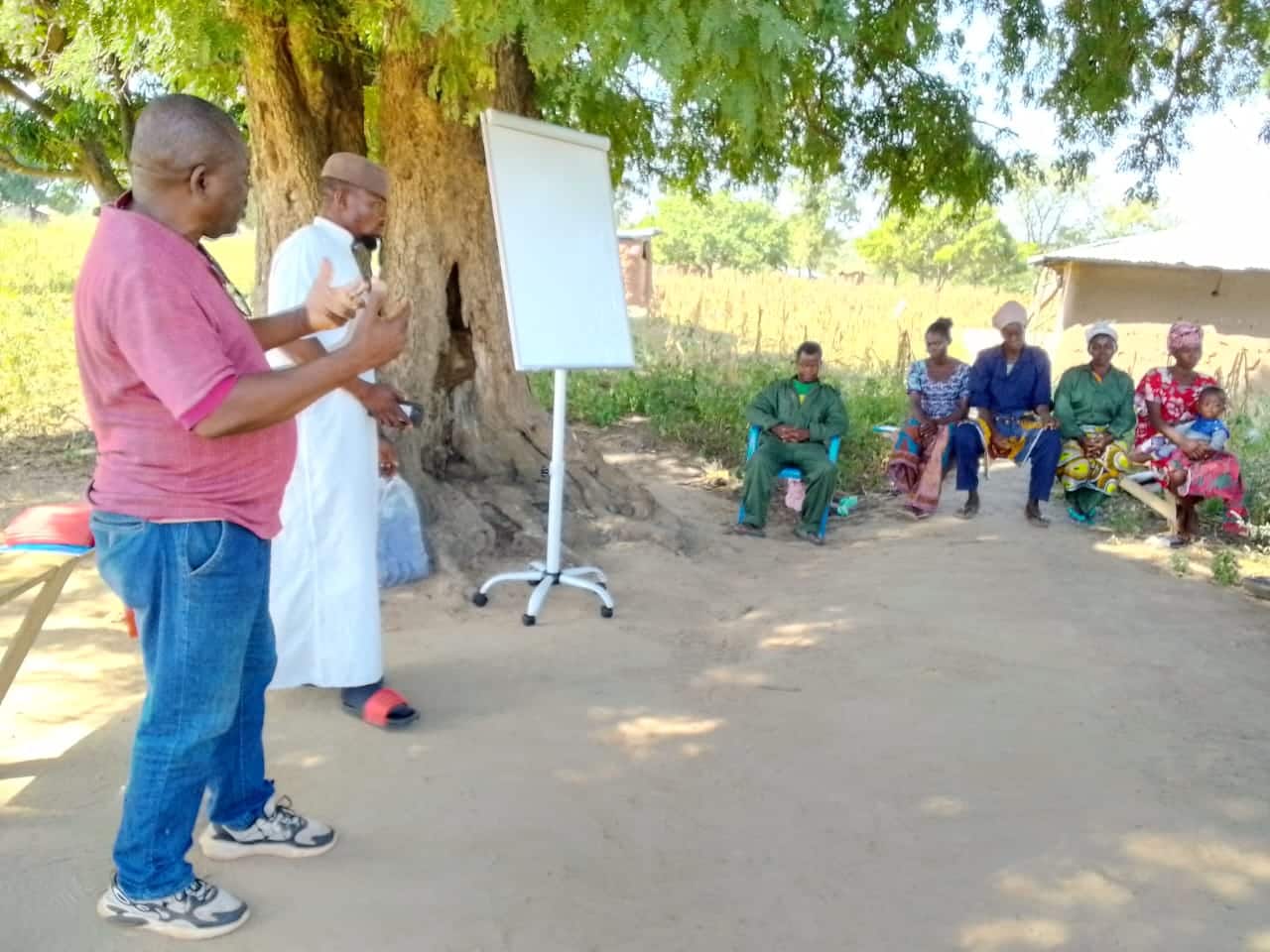
Participants embarked on a journey to community-led restoration sites in Bonyanto, where four years of active restoration are already reshaping the landscape, and Larabanga, a long-standing model of community engagement with nearly two decades of restoration experience. The visit also included a vibrant community tree nursery in Bonyanto, where local stakeholders are actively nurturing seedlings and strengthening ecosystem resilience.


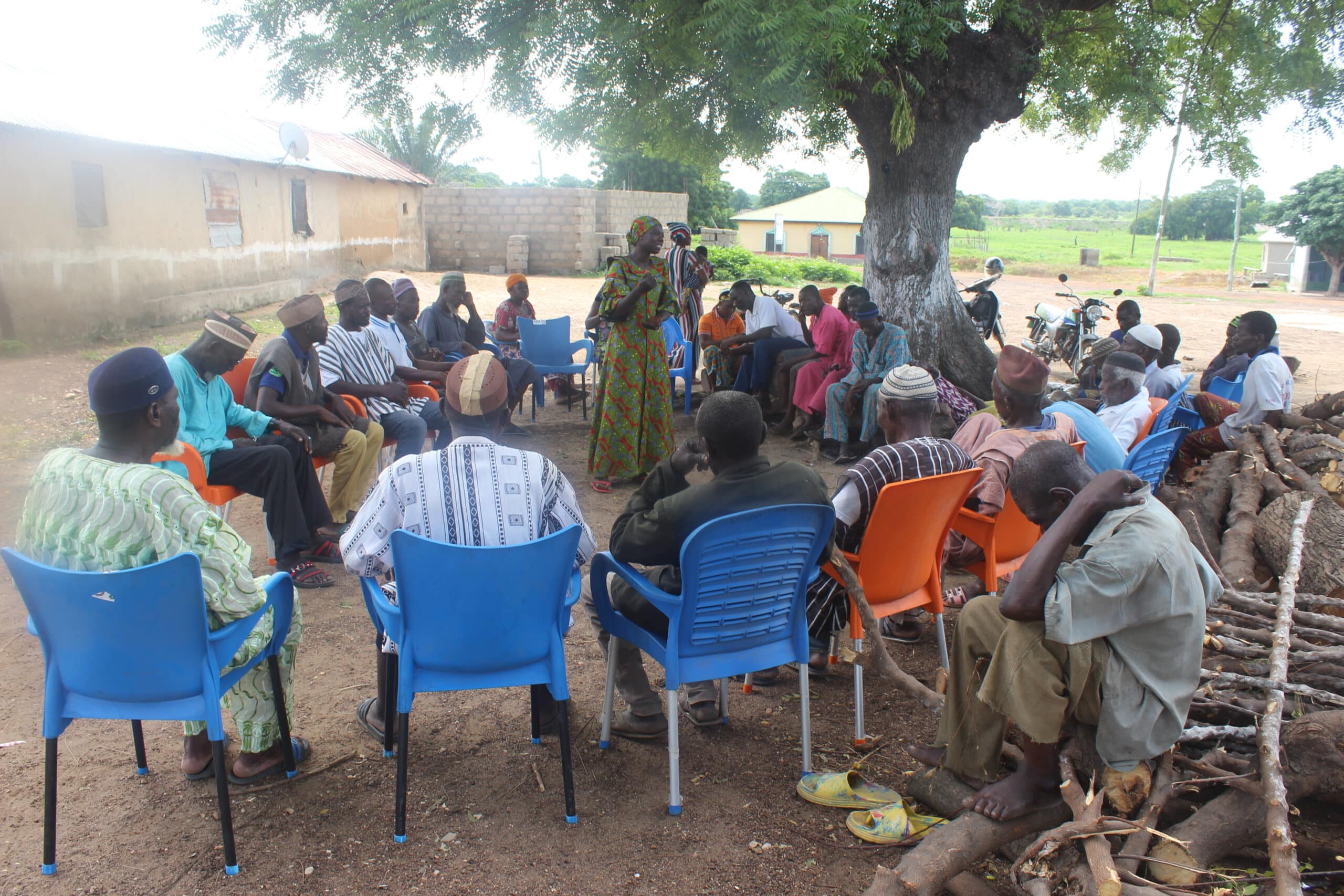
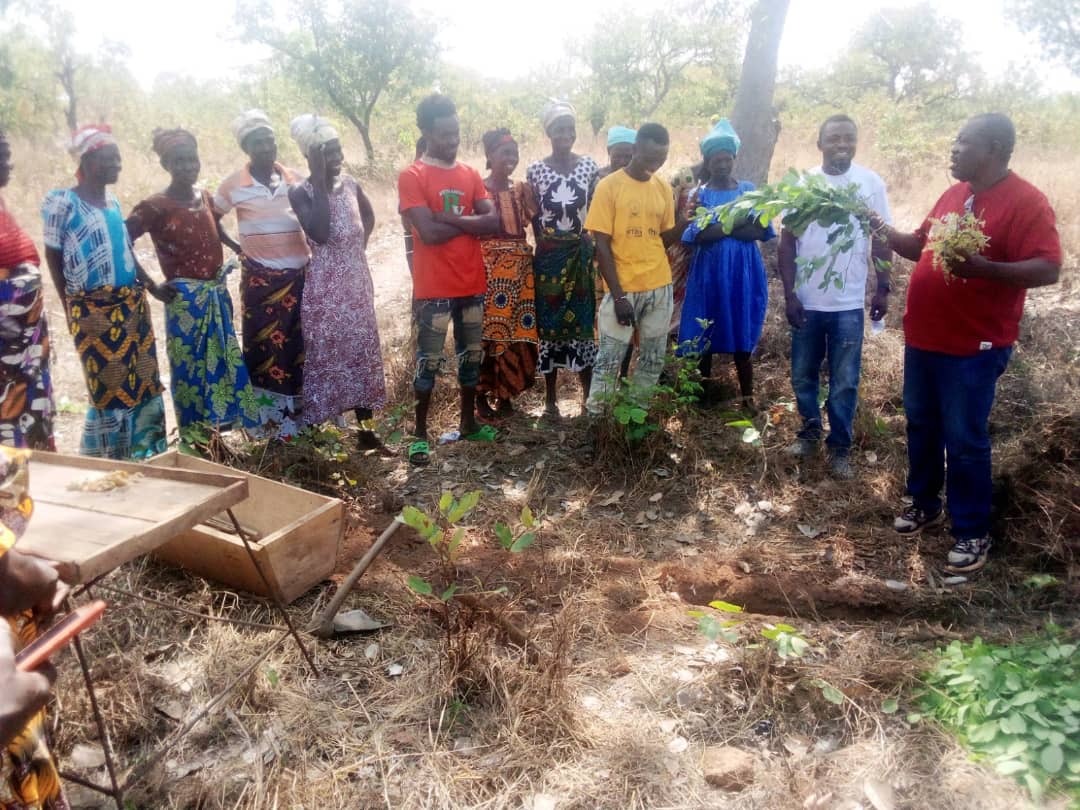
Throughout the experience, participants engaged directly with local practitioners, gaining first-hand insights into the building blocks of successful restoration. Conversations and demonstrations covered critical areas such as site identification, species selection, seed sourcing and propagation, and effective monitoring strategies to sustain ecosystem recovery.

At every stage, one message stood out clearly:

“Restoration efforts are strongest when they are rooted in community leadership and local knowledge.”

More than a field trip, the experience served as a bridge between academic learning and real-world application. By stepping into active restoration sites, participants were able to connect theory with practice in meaningful ways. As they return to their institutions and professional spaces, they carry with them not only technical knowledge but also a renewed appreciation for collaboration between academia, communities, and practitioners as a driver of sustainable impact.

A Rocha Ghana played a central role in facilitating this learning journey, coordinating access to restoration sites and providing technical guidance throughout. Through hands-on demonstrations and open knowledge-sharing, the organisation highlighted practical, community-led restoration models and reinforced the importance of long-term stakeholder engagement in ecosystem management.

The impact of this initiative extends beyond the immediate learning experience. It contributes to broader global goals, including SDG 15 (Life on Land), SDG 13 (Climate Action), SDG 4 (Quality Education), and SDG 17 (Partnerships for the Goals). By equipping participants with the skills and perspectives needed for landscape restoration, the programme is helping to build a network of informed, capable leaders ready to advance sustainable practices across Ghana.

Social Initiative for Literacy and Development Programme (SILDEP)

Organisational Profile

SILDEP is dedicated to enhancing the welfare of rural communities by promoting gender equality and child rights, focusing on language development, adult literacy, translation, and skills development, with a particular emphasis on empowering vulnerable populations.

Their vision is a literate rural population with sustainable income levels comparable to the highest regional averages, and societies where the rights of women and children are respected and upheld. Their core objectives include poverty alleviation through various initiatives, increasing literacy to empower communities, promoting improved lifestyles through literacy and social interaction, supporting language development by encouraging literacy in the mother tongue, bridging informal and formal education systems, and fostering religious enlightenment to free minds from restrictive beliefs. They also offer training in health, livelihood, education, environmental, civic, and entrepreneurial fields to effectively reduce poverty. Committed to creating a brighter future for rural areas, SILDEP focuses on education, empowerment, and sustainable development.

Join us as a volunteer or intern

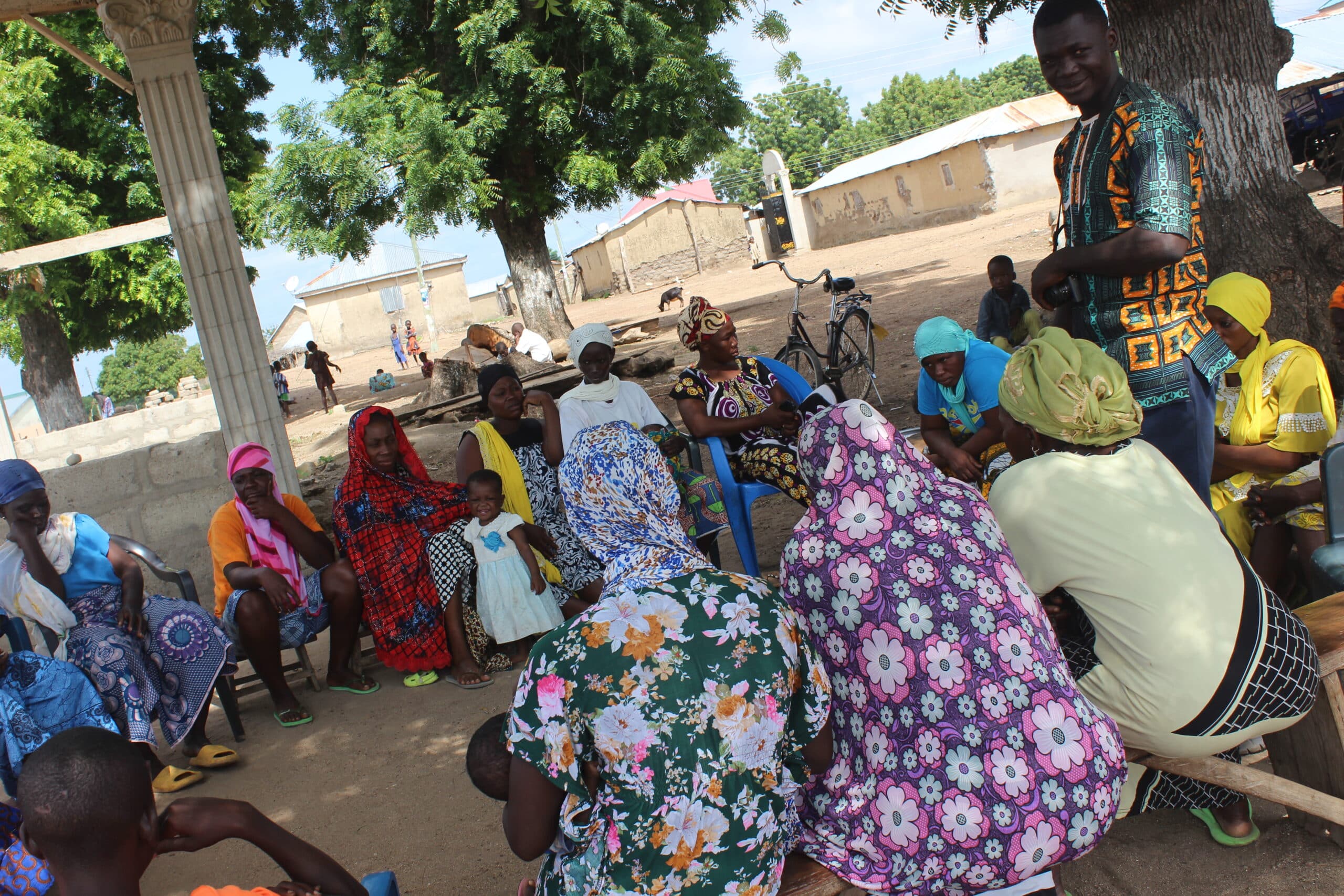
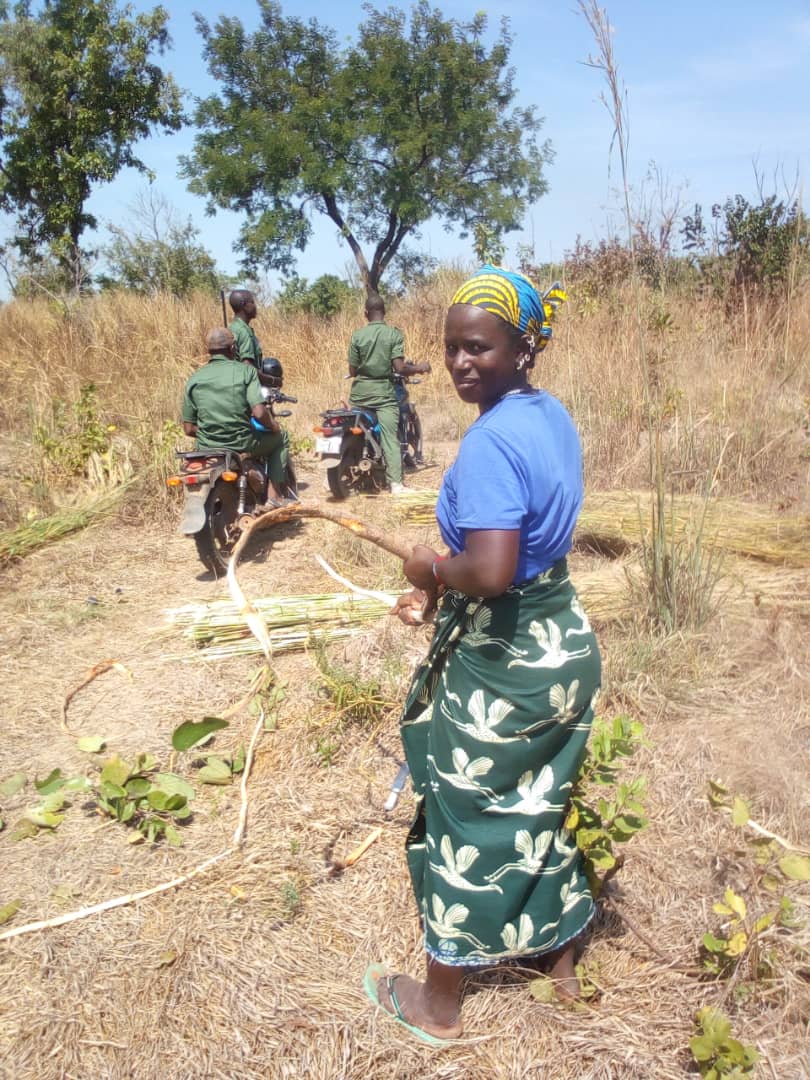
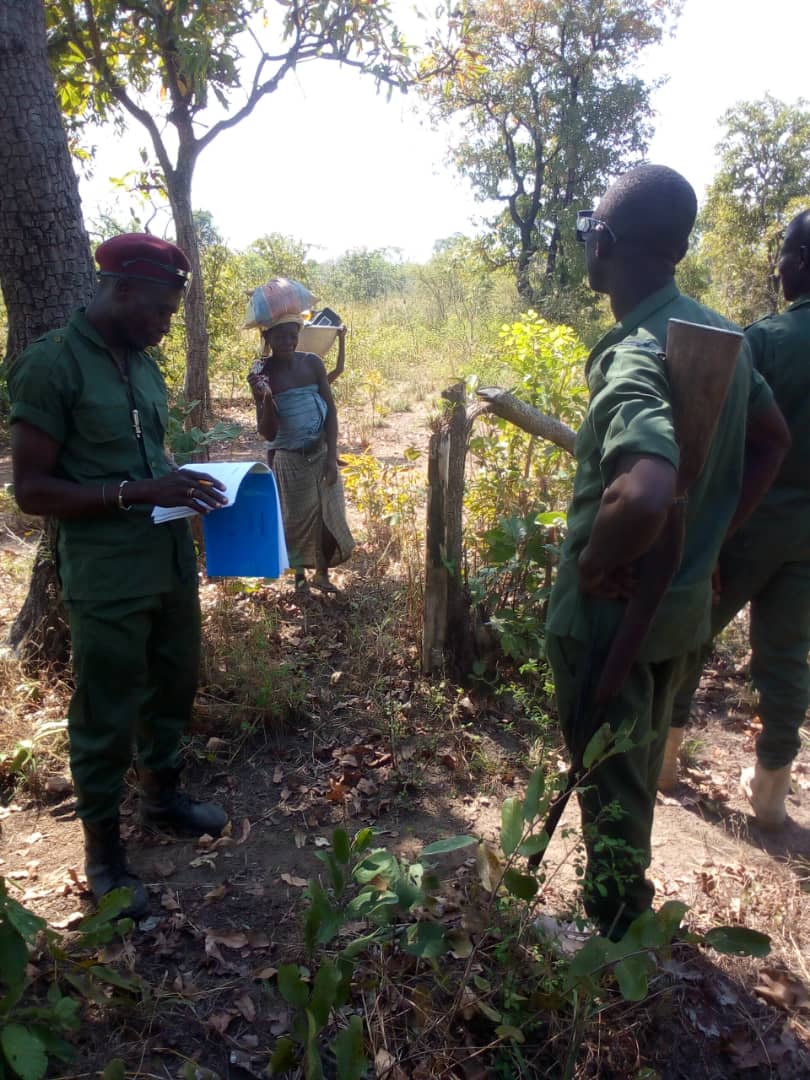
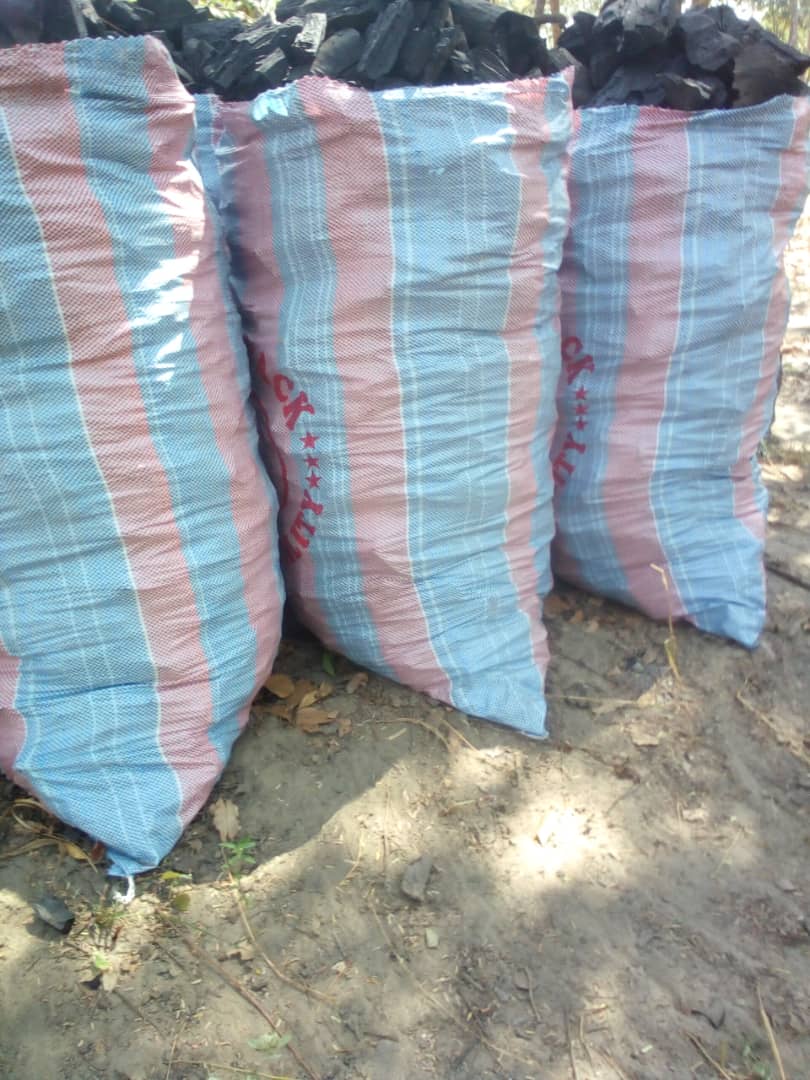
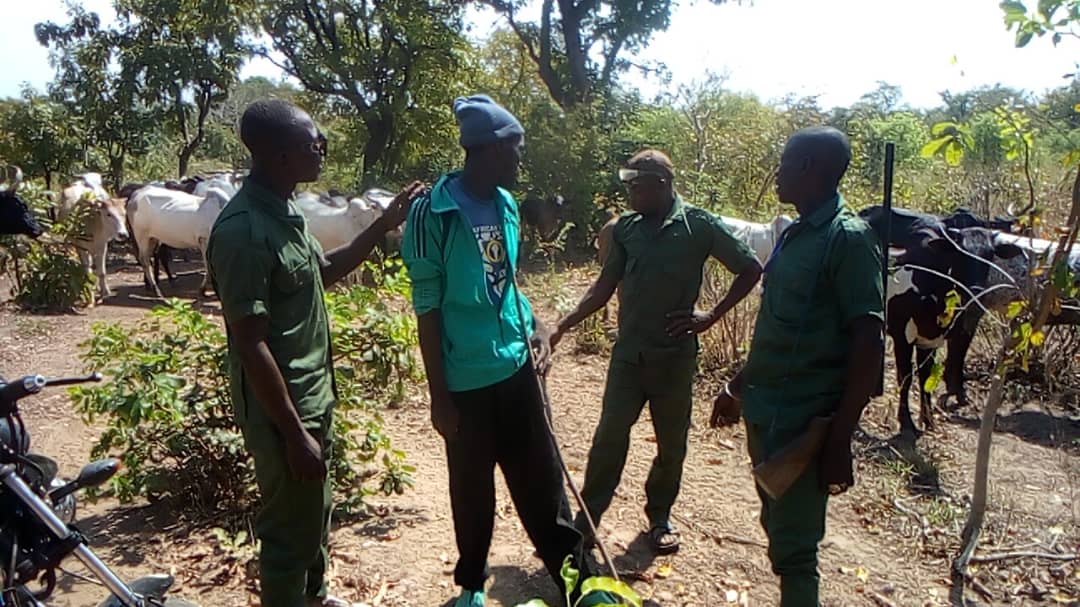
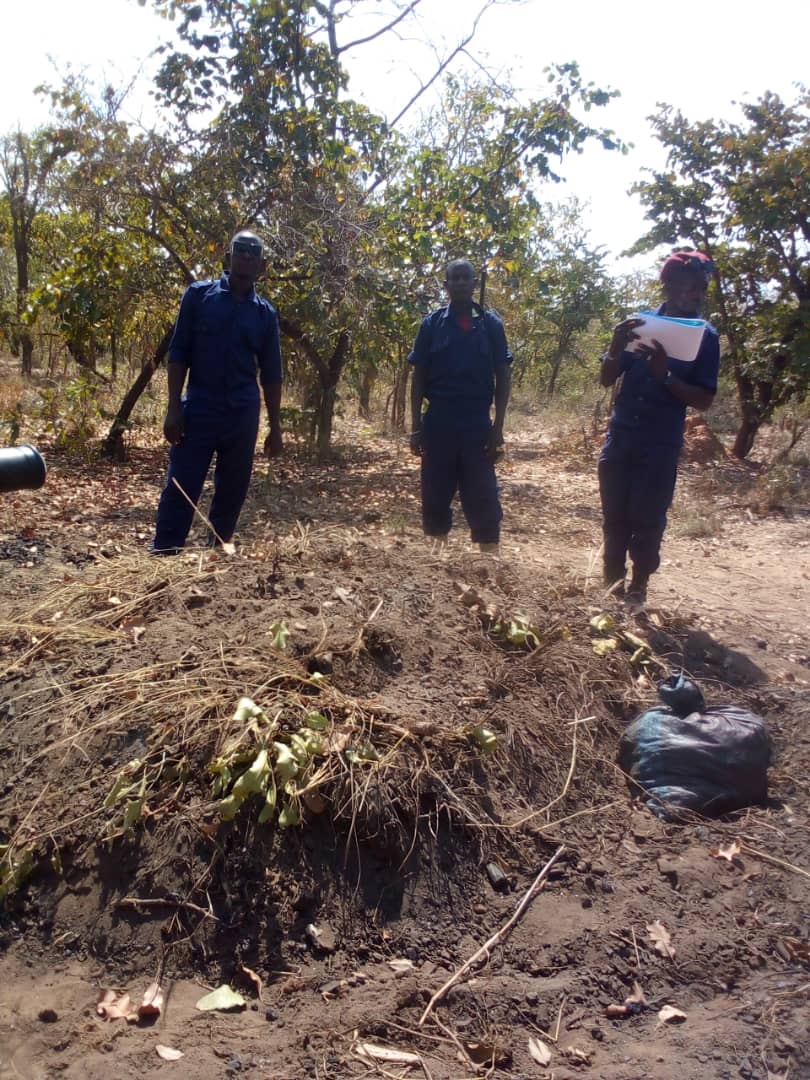
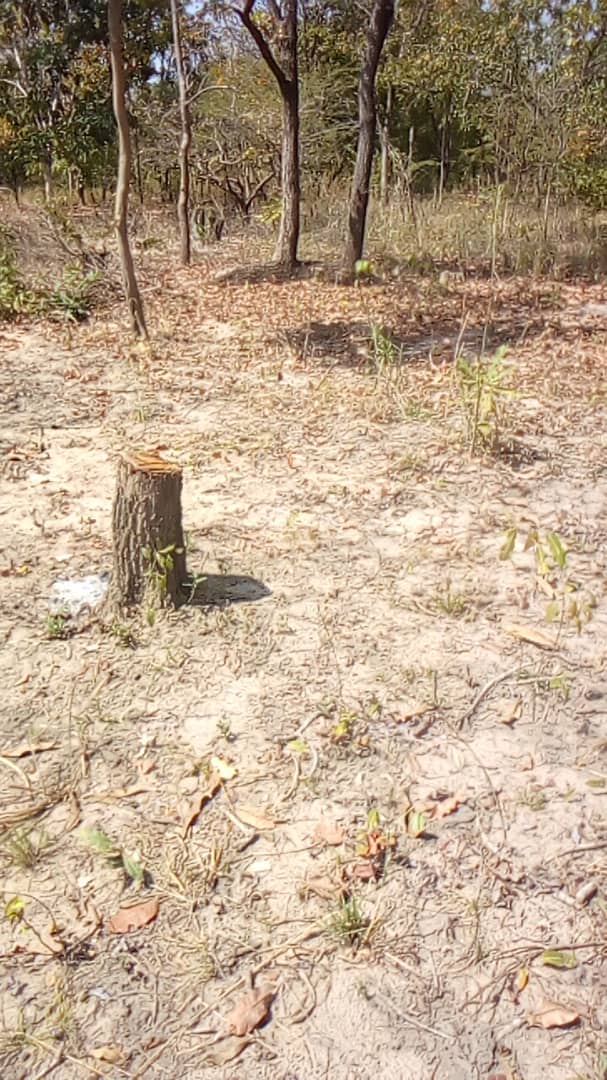
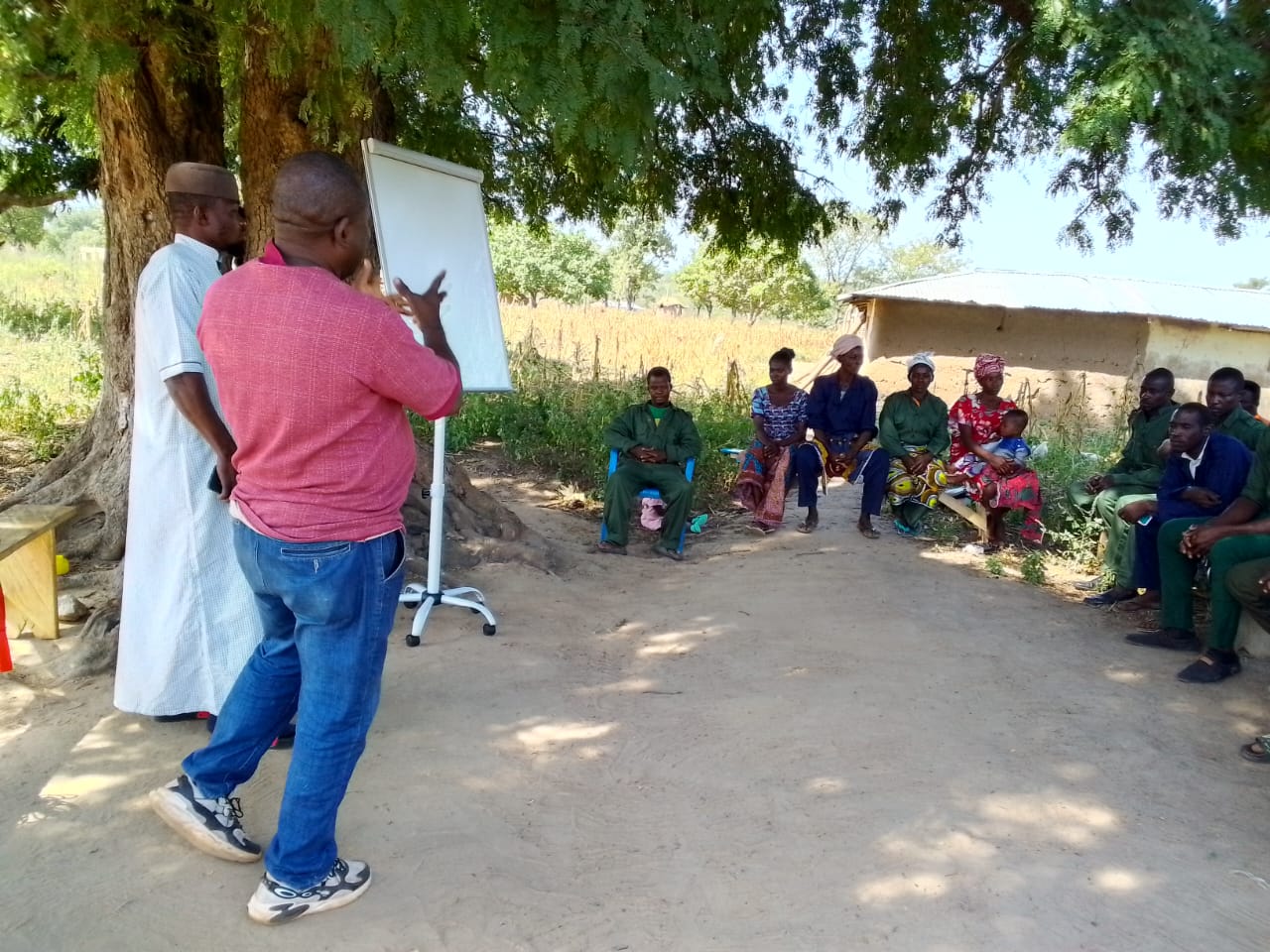
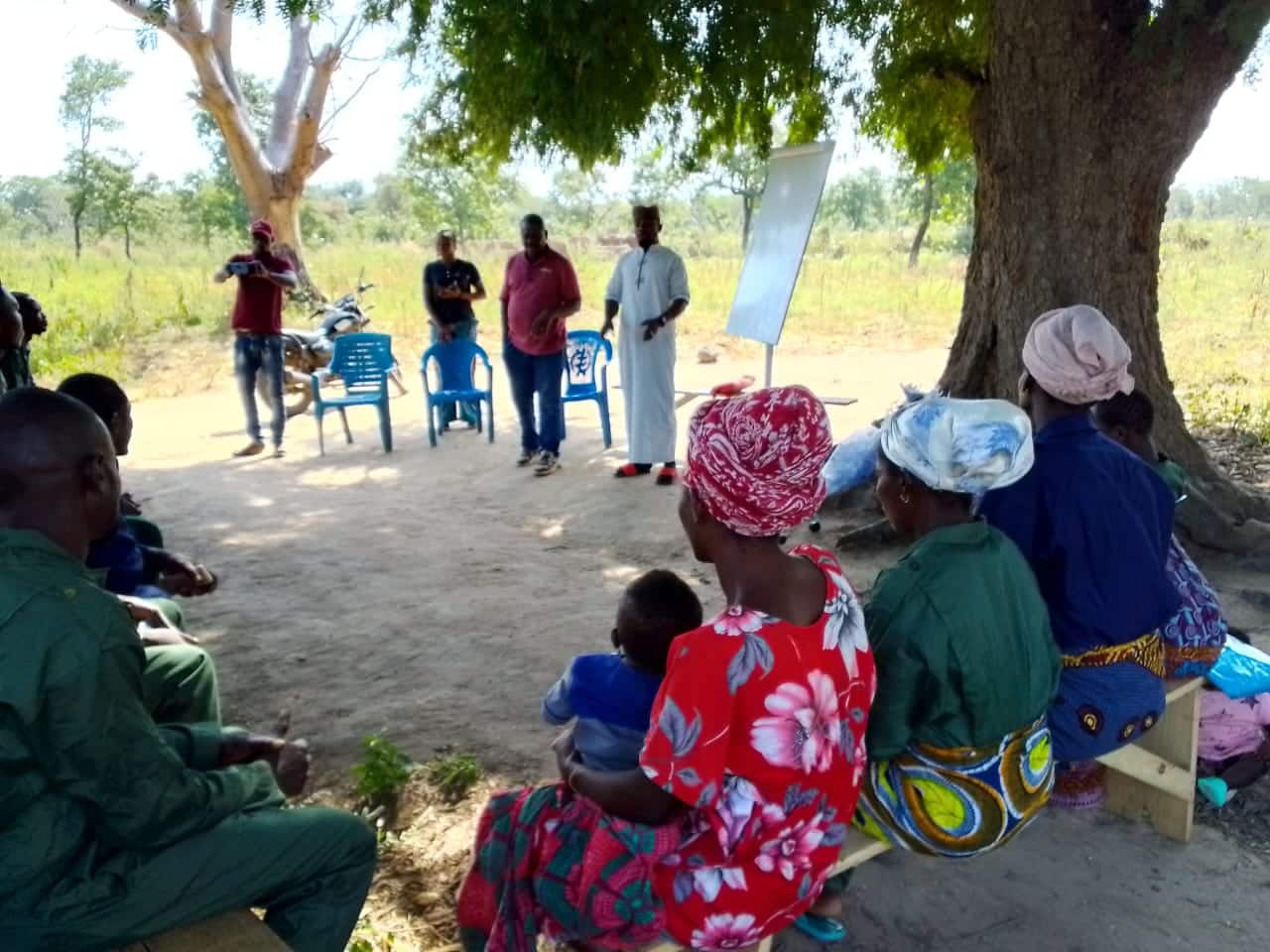
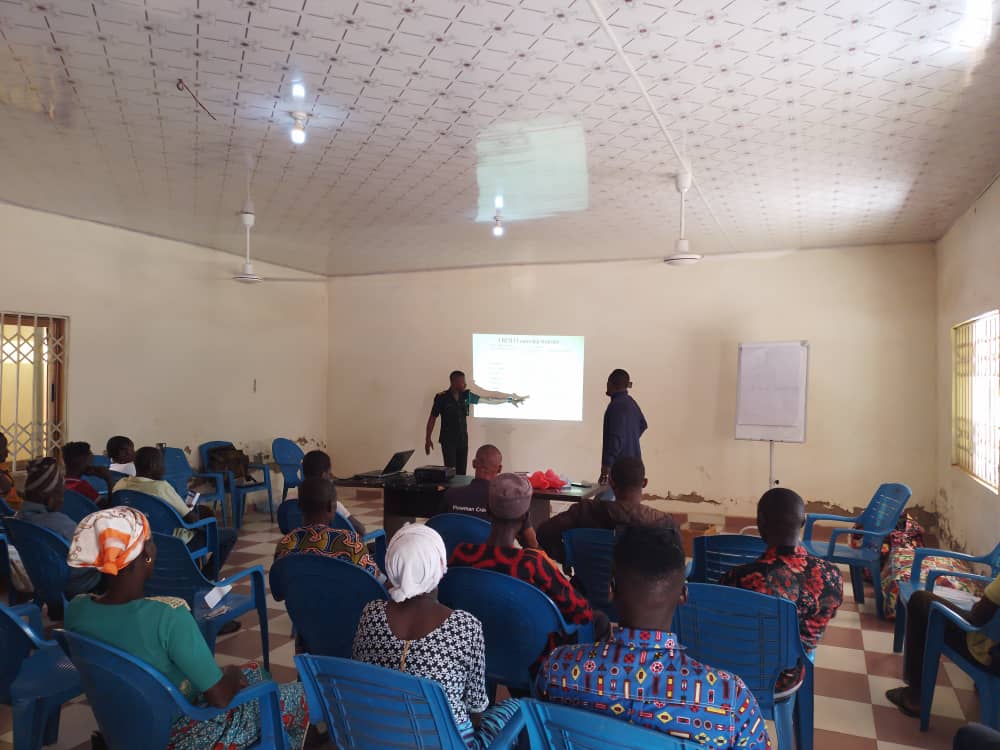
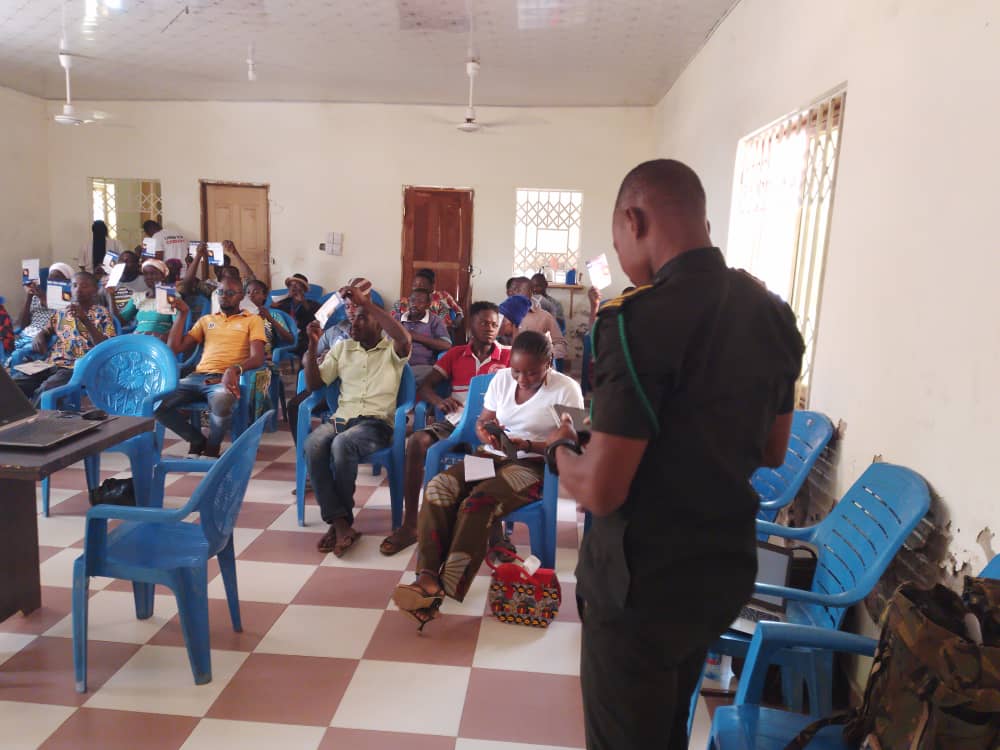
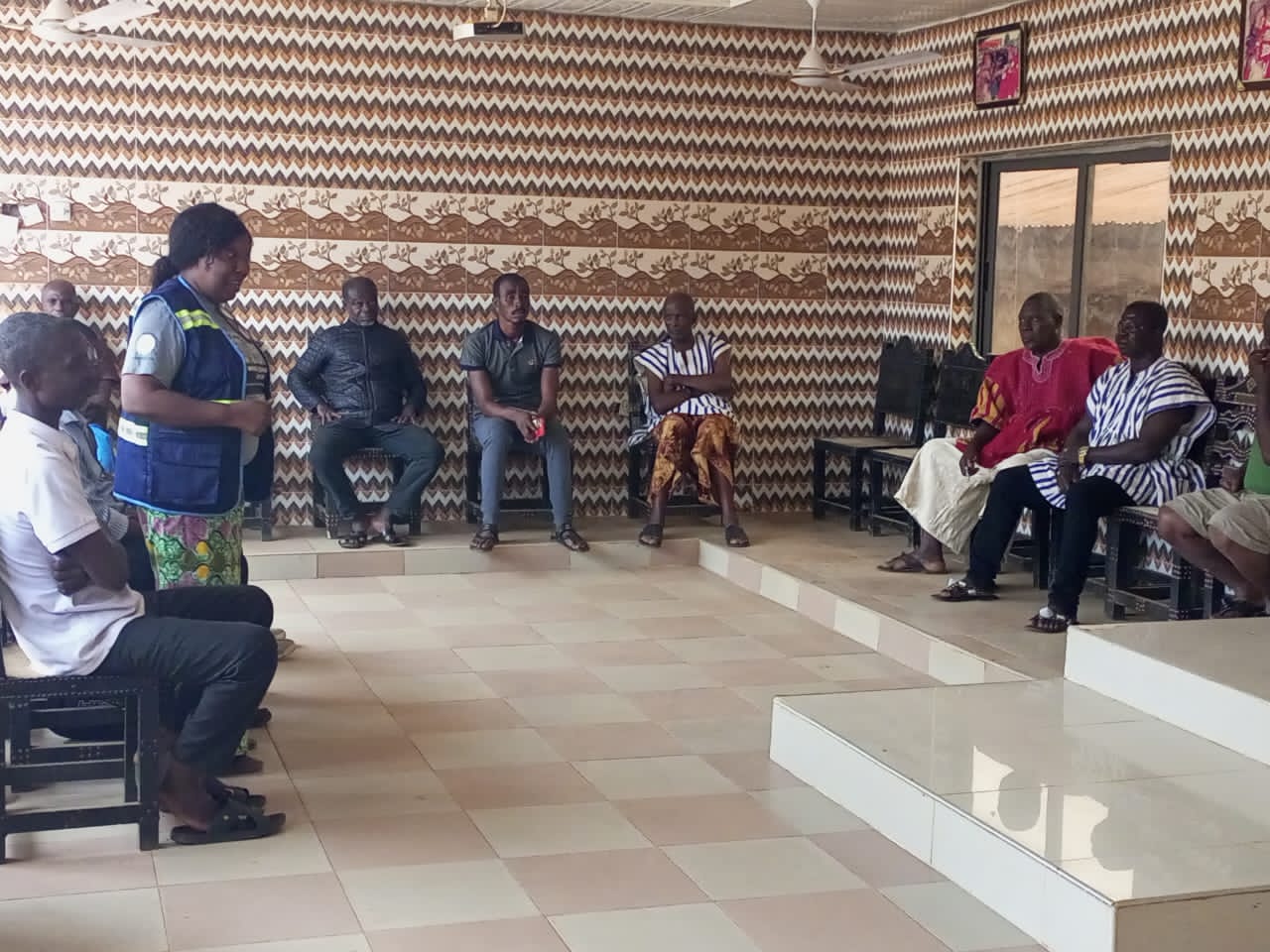
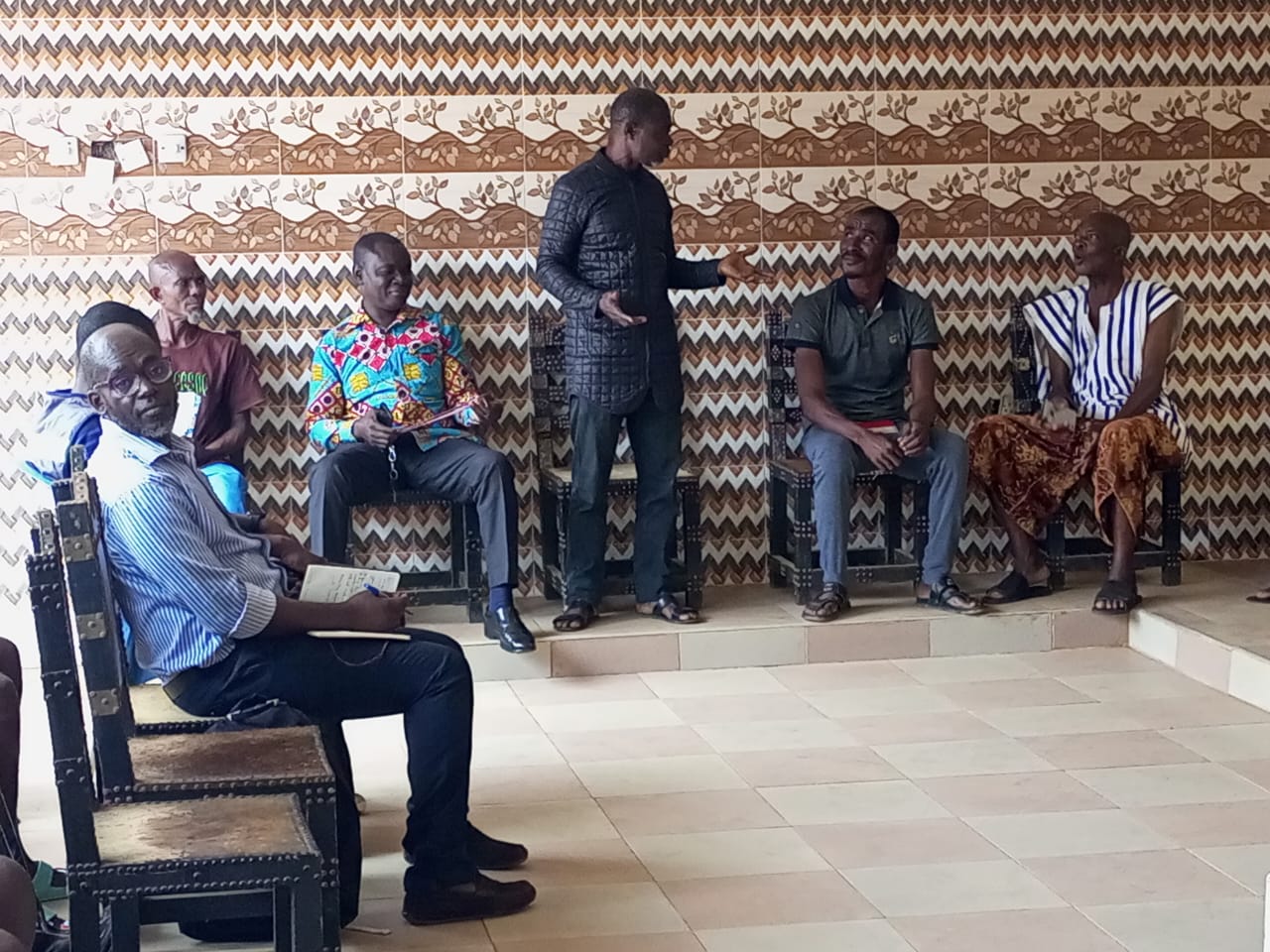
The Mobilising for Afforestation Project (MAP) addresses deforestation and biodiversity loss in Ghana’s Sissala West District, implemented by the Social Initiative for Literacy and Development Program (SILDEP). It promotes environmental awareness and sustainable agriculture in local communities facing threats from illegal logging, mining, and bush burning. Key strategies included stakeholder collaboration, training on best practices, and community engagement to ensure lasting impact.

Objectives:

  • Identify environmental best practices by April 2024.
  • Reduce post-harvest crop losses by May 2024.
  • Educate farmers on the effects of bush burning by April 2024.

Outputs:

  • Trained 130 smallholder farmers.
  • Conducted stakeholder and media engagement meetings.
  • Formed four environmental task forces.
  • Developed community bylaws and initiated local fundraising efforts.

Outcomes:

  • Increased community participation and awareness.
  • Successful prevention of a fire incident on a maize farm.
  • Improved attendance at community meetings.
  • Challenges in cash contributions for project support.
  • Progress towards adopting and enforcing community bylaws.
  • Shift in mindset from logging to afforestation.
  • Enhanced knowledge among participants, leading to better farming practices.

€852 raised locally for project activities.

Northcode Ghana

Organisational Profile

NORTHCODE Ghana is dedicated to empowering individuals, including women, men, children, and vulnerable groups in Northern Ghana, by enhancing their capacity to participate in decision-making processes. Their mission focuses on fostering responsible citizenship and accelerating community development through stimulation, facilitation, support, and the provision of essential resources. Their overarching goal is to promote sustainable and equitable development within deprived and vulnerable communities, with social justice at the forefront of their operations. They aim to improve livelihoods, particularly for women, children, and vulnerable populations, through integrated capacity-building programs that empower and create sustainable change.

In collaboration with coalition members and relevant stakeholders, NORTHCODE Ghana advocates for effective policy formulation and implementation in areas such as livelihoods, environment, and agriculture, ensuring accountability among duty bearers for impactful outcomes. They actively facilitate spaces for right holders to engage with duty bearers, ensuring meaningful dialogue and collaboration where community members can voice their concerns and influence decision-making. Committed to social justice, NORTHCODE Ghana strives to uplift the most vulnerable, ensuring equitable growth and development across Northern Ghana.

Project Summary

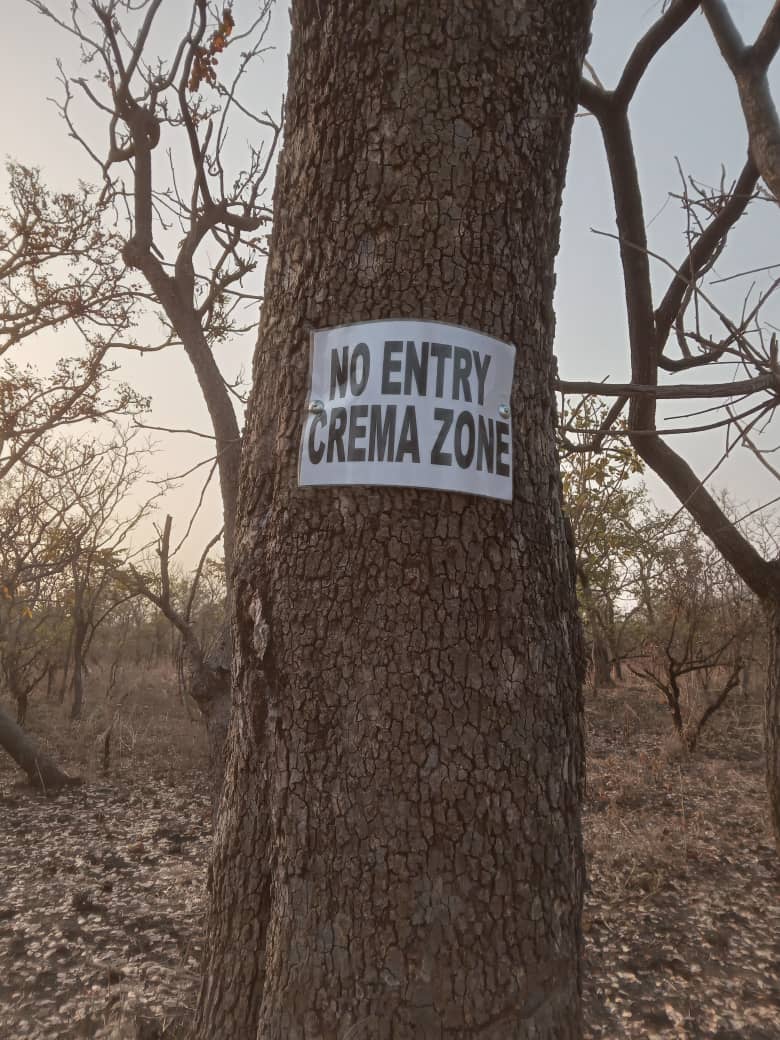
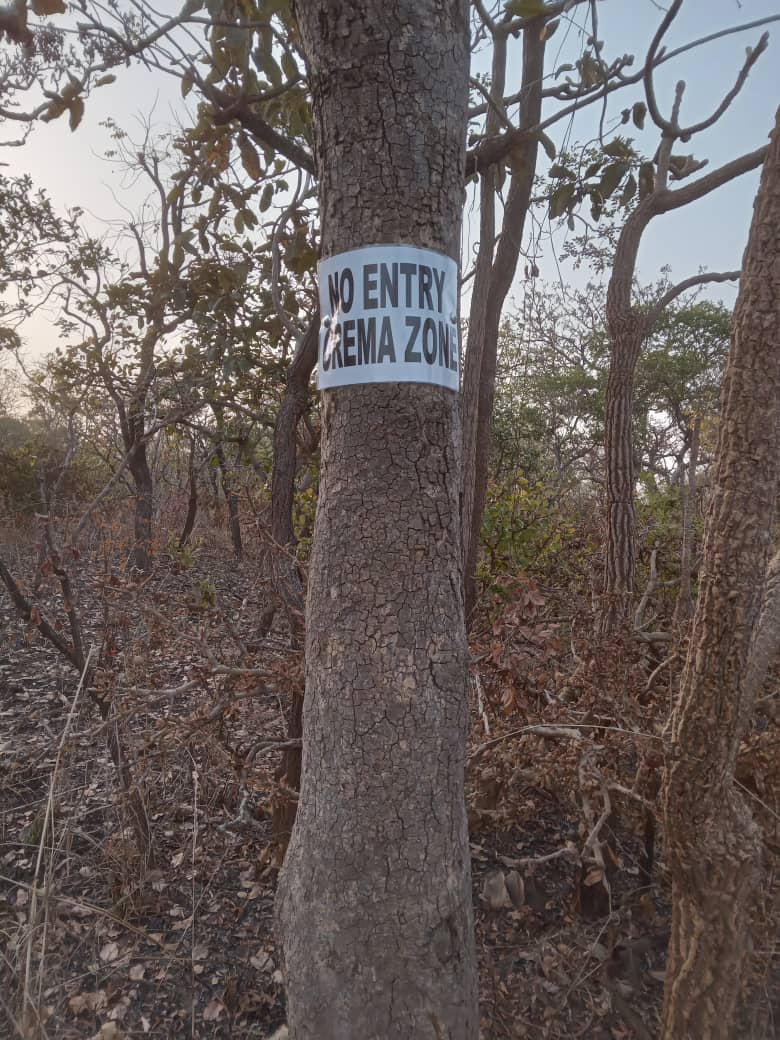
The Jelinkon Riparian Buffer Restoration and Forest Fringe Community Livelihoods Improvement Project aims to restore riparian habitats in the Jelinkon CREMA, enhancing ecological resilience and sustainable economic benefits. It involves local communities through education and conservation activities.

Key points include:

  • Importance of Riparian Buffers: Critical for habitats, regulating stream flow, and providing fertile soils, which are currently degrading.

Project Goals

    • Restore six kilometers of riparian buffers by December 2025 through various methods.
    • Develop agroforestry models for 120 community members to balance conservation and local well-being.
    • Enhance conservation awareness and governance participation in the Jelinkon CREMA.

Outputs

  • Engagement of 133 community members in meetings about riparian habitats.
  • Training on ecological and economic values, riverbank management, and environmental education.
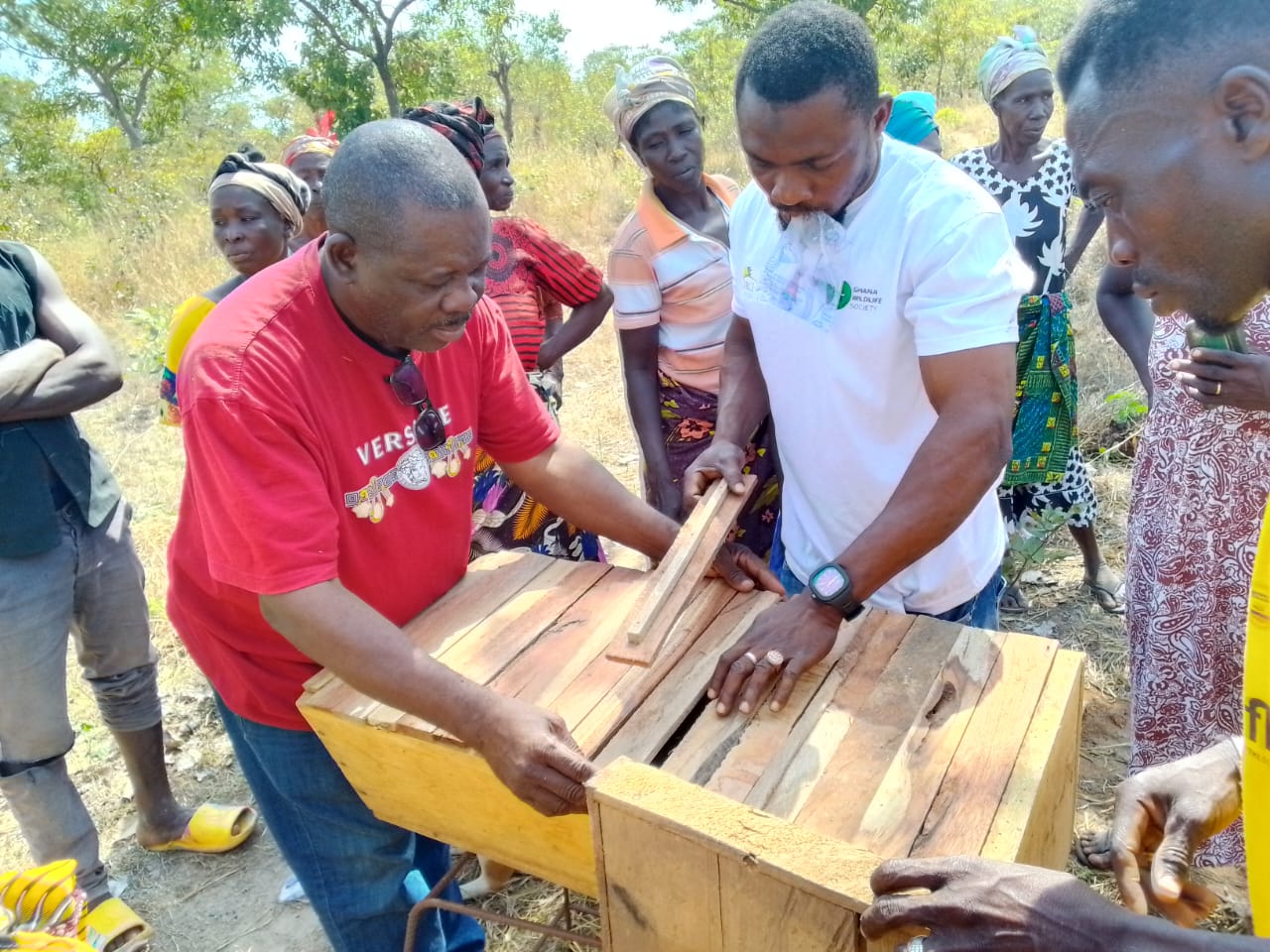
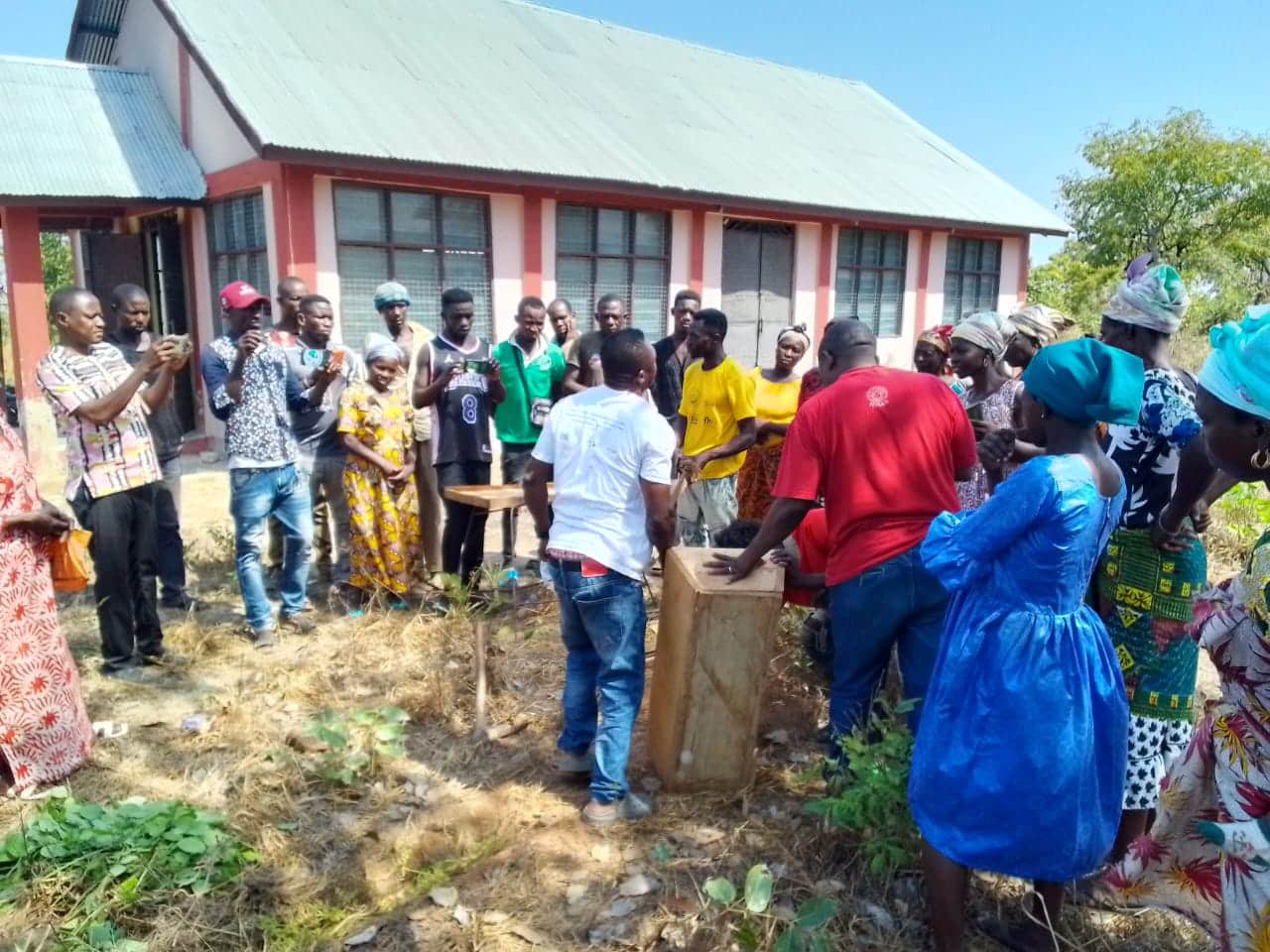
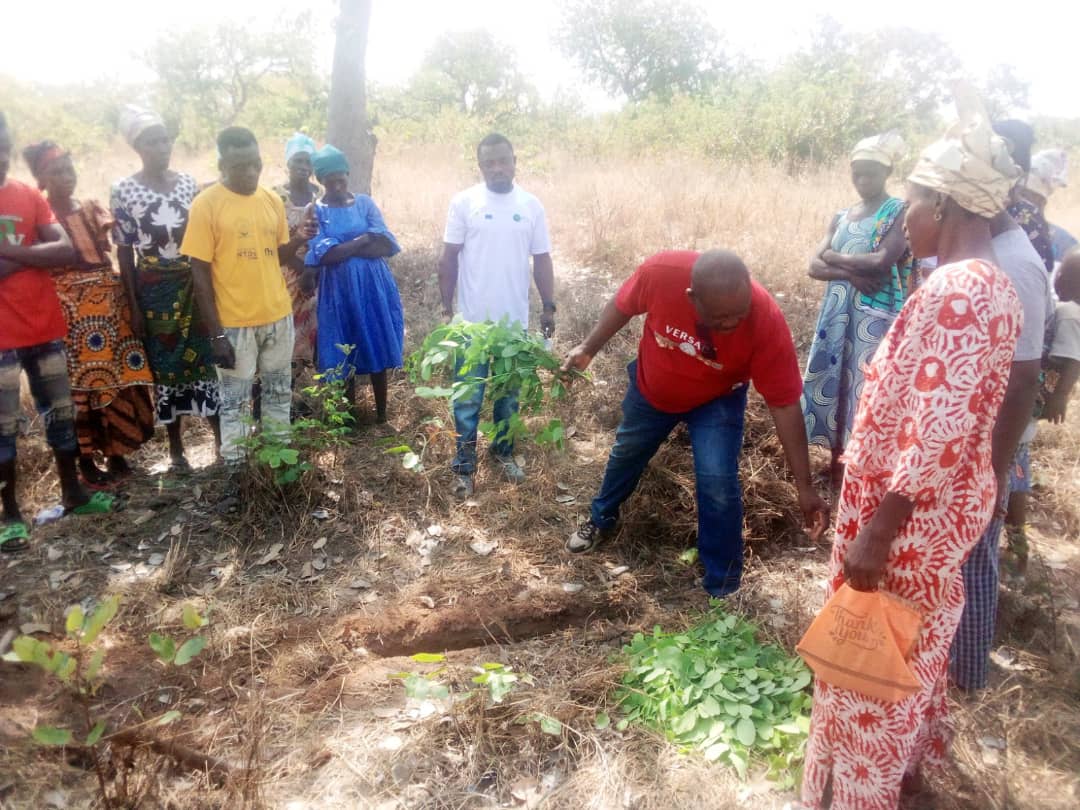
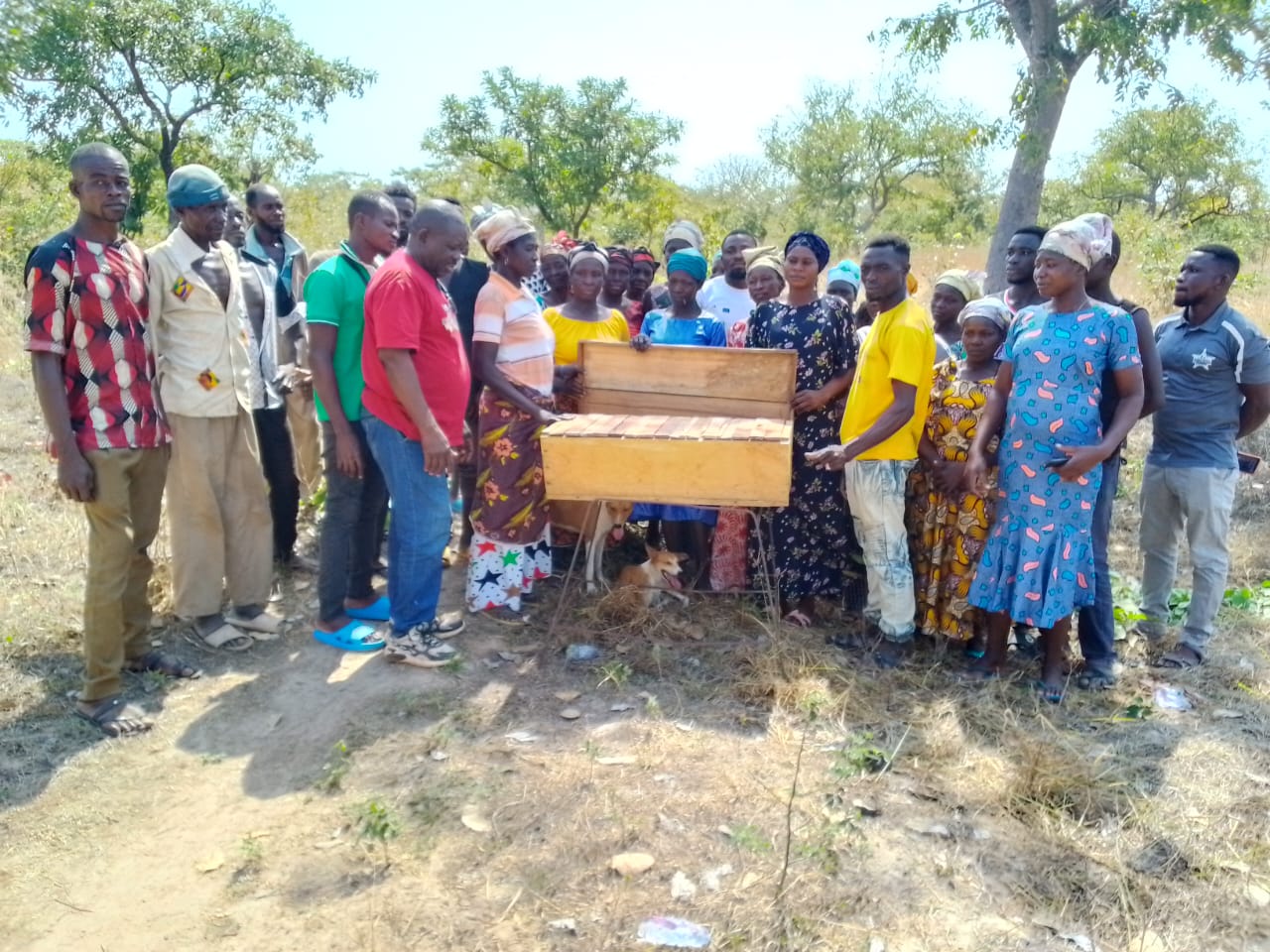
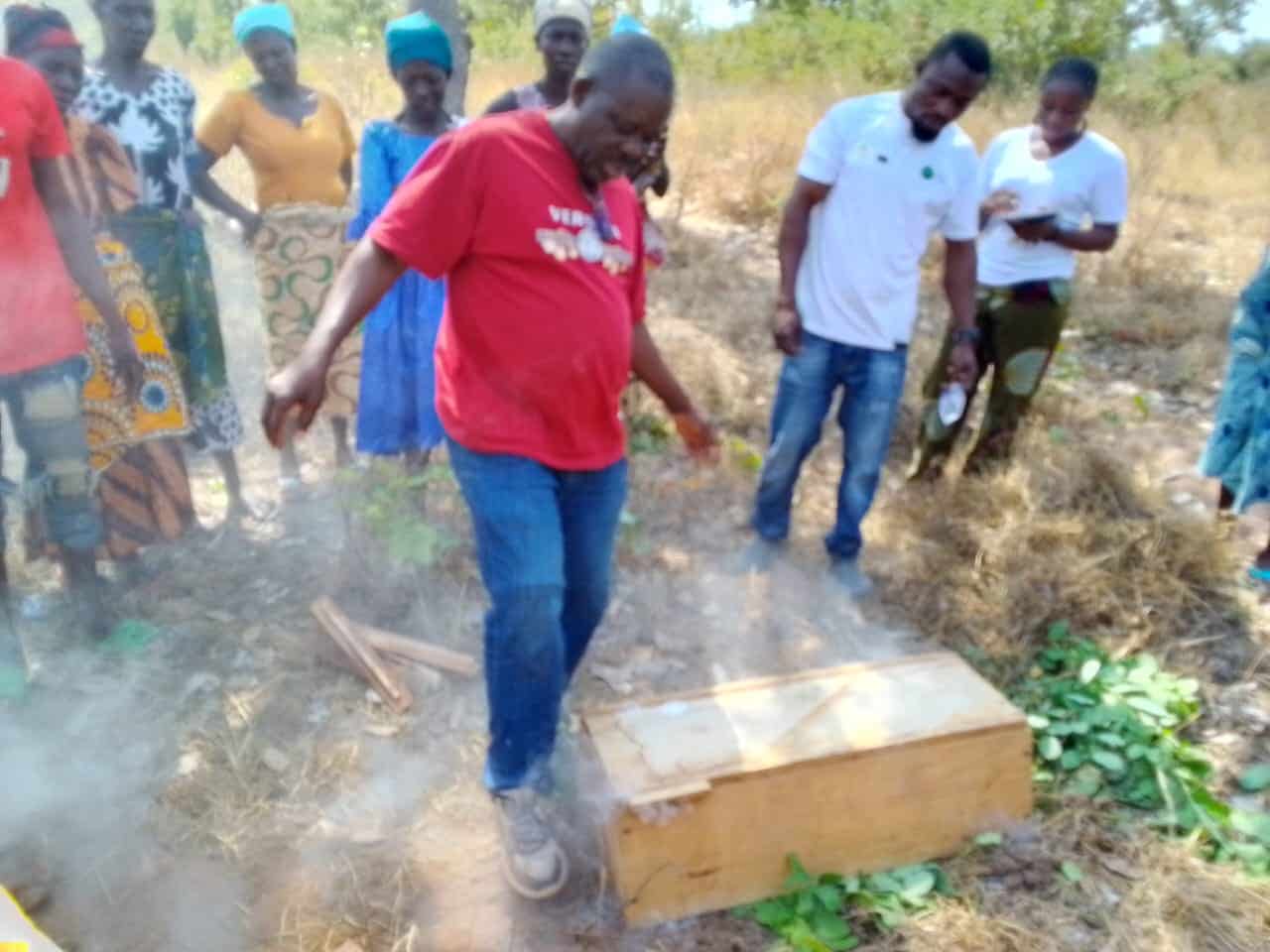
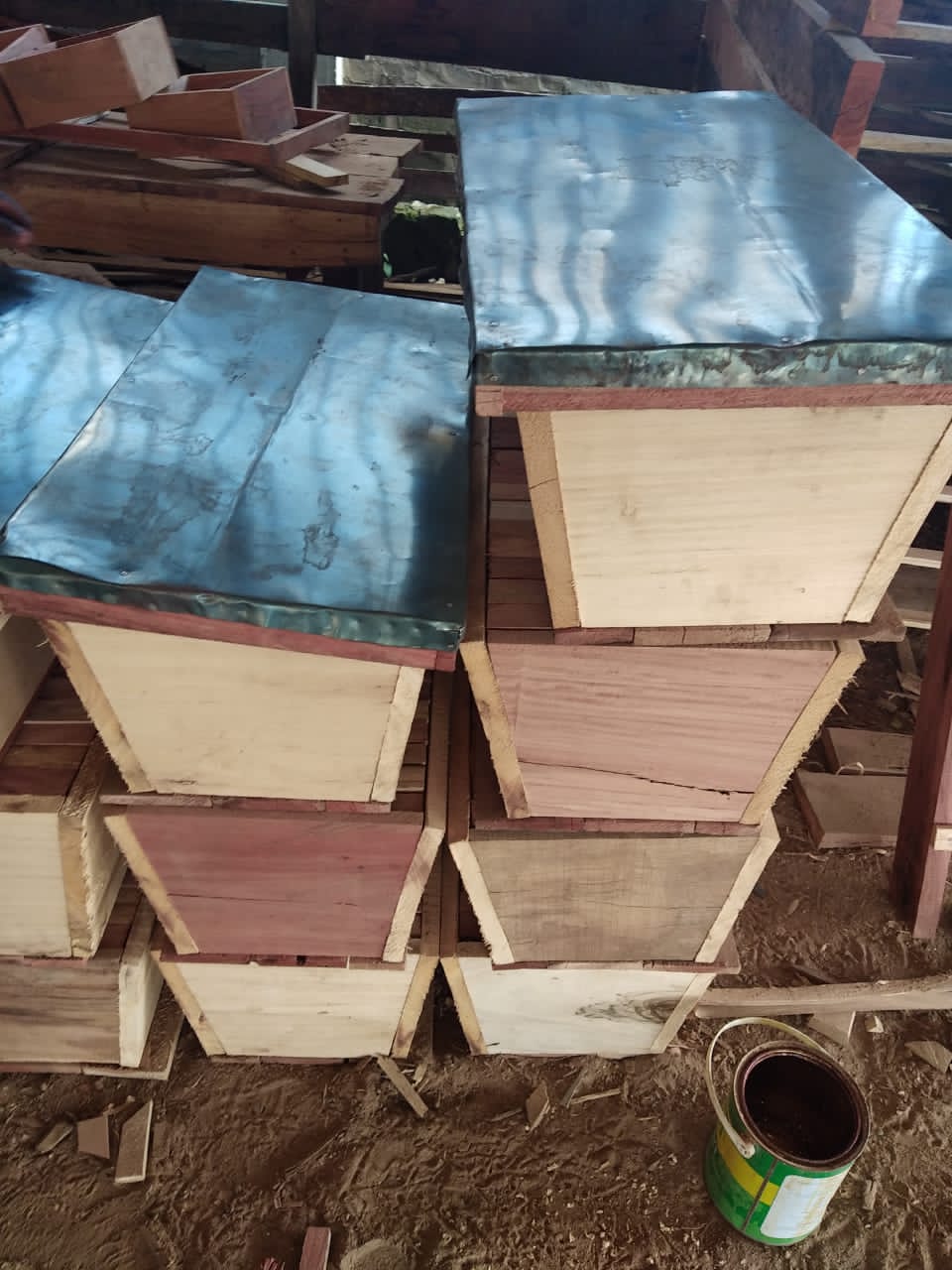
  • Coaching sessions for 37 participants in beekeeping.
  • Guidelines for integrating agriculture with buffer management.

Outcomes

  • Increased community involvement in resource management and accountability.
  • Short-term gains from beekeeping and long-term benefits from sustainable practices.
  • Improved understanding of governance structures.

Enhanced protection and restoration of biodiversity within the Jelinkon CREMA.

Concerned Citizens of the Atewa Landscape (CCAL)

Organisational Profile

The organization aims to engage individuals from diverse backgrounds in adopting sustainable practices for the responsible use of natural resources, thereby enhancing human wellbeing and future prosperity. Its mission is to advocate for sustainable forest management and alternative sustainable use practices, mobilize resources, and enhance capabilities for the effective functioning of Concerned Citizens of Atewa Landscape (CCL) and target communities. Additionally, the organization focuses on ensuring the sustainable management of water systems to support diverse livelihood options for communities near forested areas.

Project Overview

The Atewa Range Forest Reserve in Ghana is crucial for biodiversity and water supply but is threatened by bauxite mining. The Concerned Citizens of Atewa Landscape (CCAL) seeks to protect it through community empowerment and advocacy. Project objectives include training members in evidence-gathering, conducting awareness campaigns, and developing advocacy materials.

Outputs:

  • Workshop on evidence gathering for 49 CCAL members.
  • Distribution of 1,330 educational brochures.
  • Seven radio discussions on Agoo FM.
  • Broadcast of pre-recorded advocacy messages.
  • Community sessions using the documentary “Poison for Gold” in ten communities.
  • Creation of an active website and social media for CCAL.
  • Regular updates shared on these platforms.

Outcomes:

  • CCAL members can identify and report illegal activities.
  • Commitment from traditional leaders and community members to protect the forest.
  • Increased public understanding of mining’s impacts.
  • Broad support for advocacy efforts and willingness to engage in conservation.
  • Greater appreciation for the ecosystem services of Atewa Forest.
  • Enhanced visibility of CCAL’s work locally and internationally.
  • Over a thousand people informed about the forest’s importance.
  • Improved community engagement through digital platforms, expanding advocacy reach.

€956 raised locally for project activities.

Facilitating Learning of Women in Emerging Regions (FLOWER)

Organisational Profile

Their mission is to raise awareness and advocate for environmental protection. They support environmental conservation efforts like community clean-ups and tree planting, and they educate on environmental preservation, while advocating for the marginalized and vulnerable in society.

FLOWER has seen a growing awareness of health impacts from illegal mining and a shift towards sustainable livelihoods like black pepper farming.

Project Overview

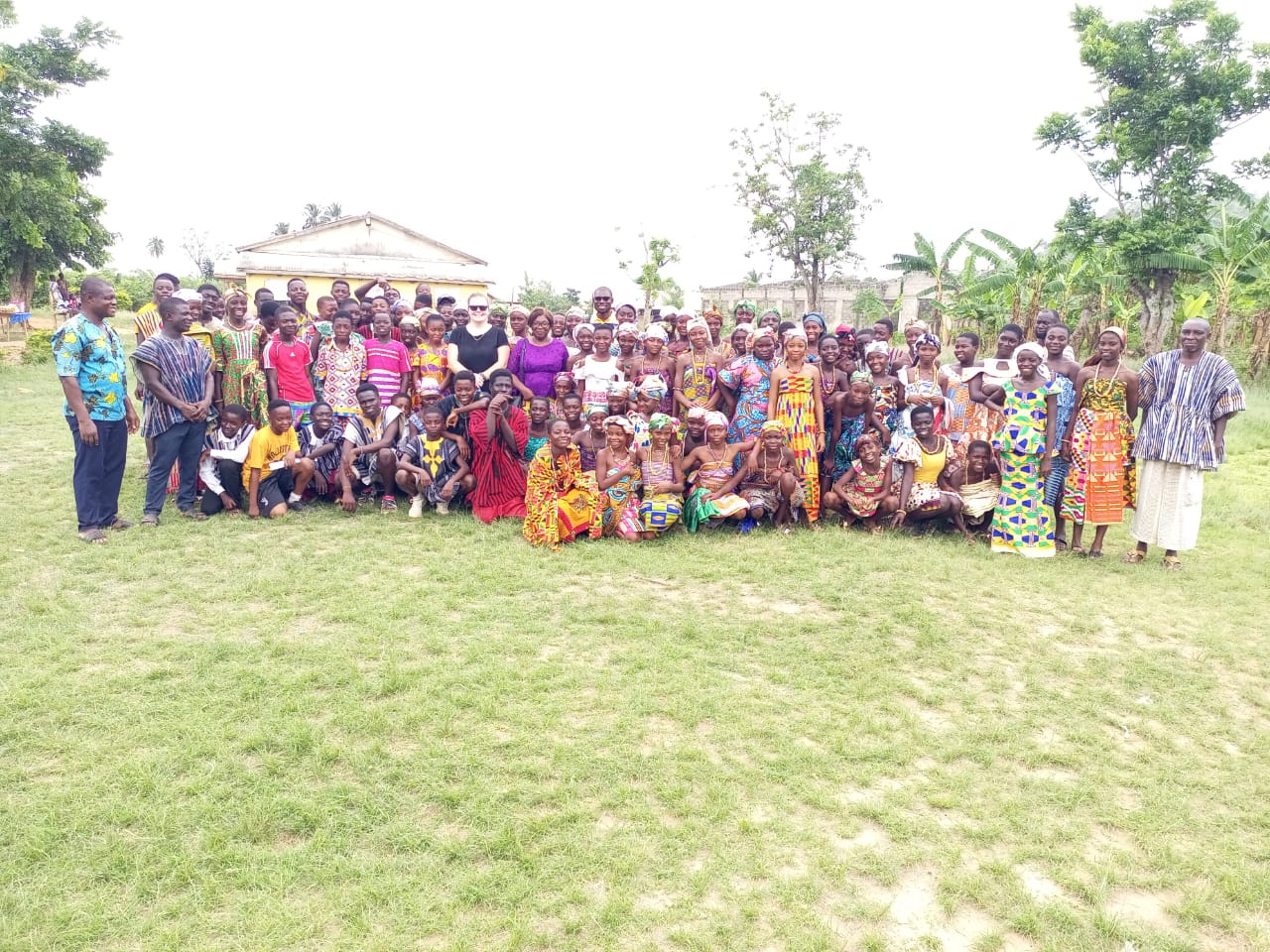
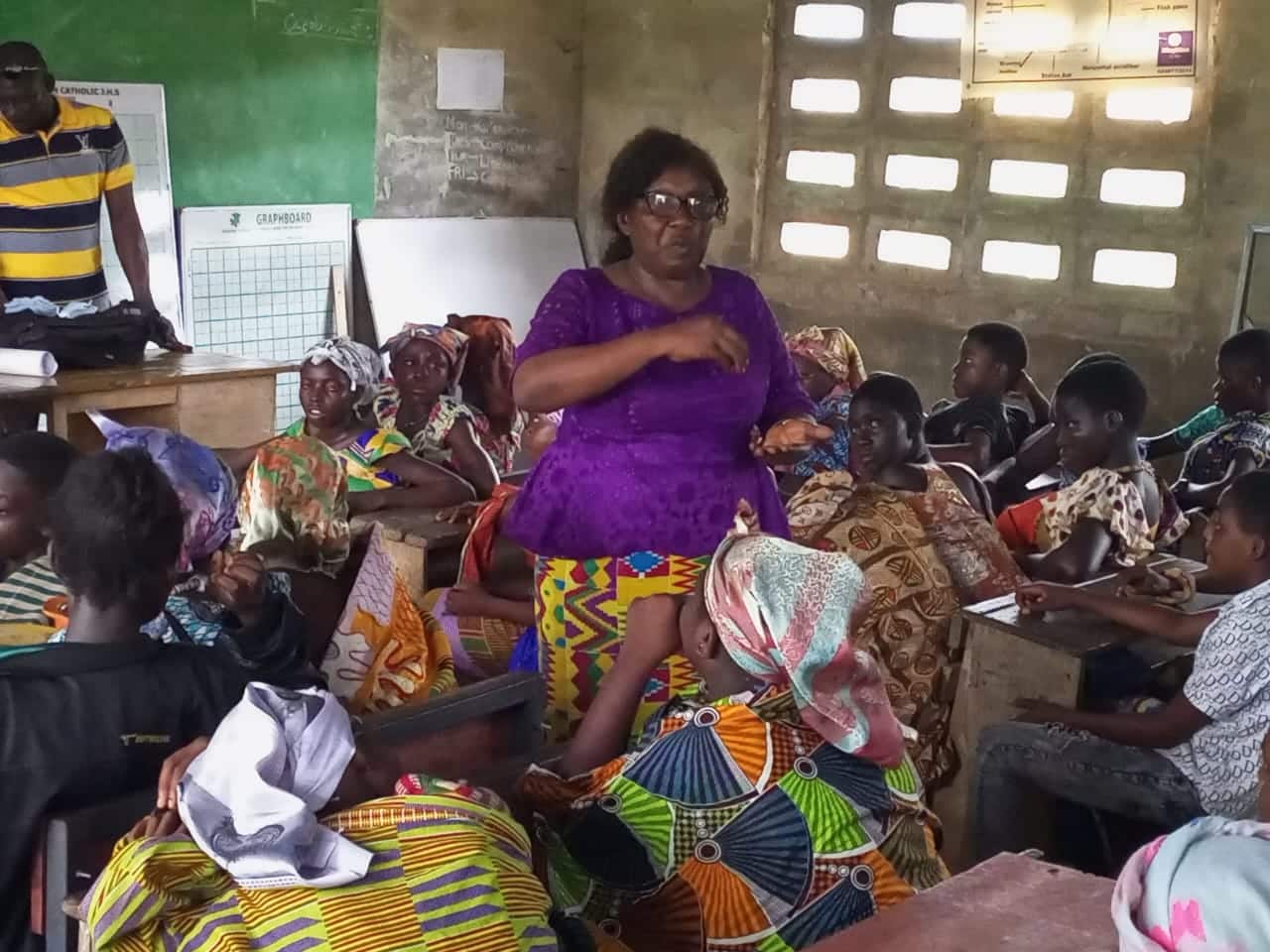
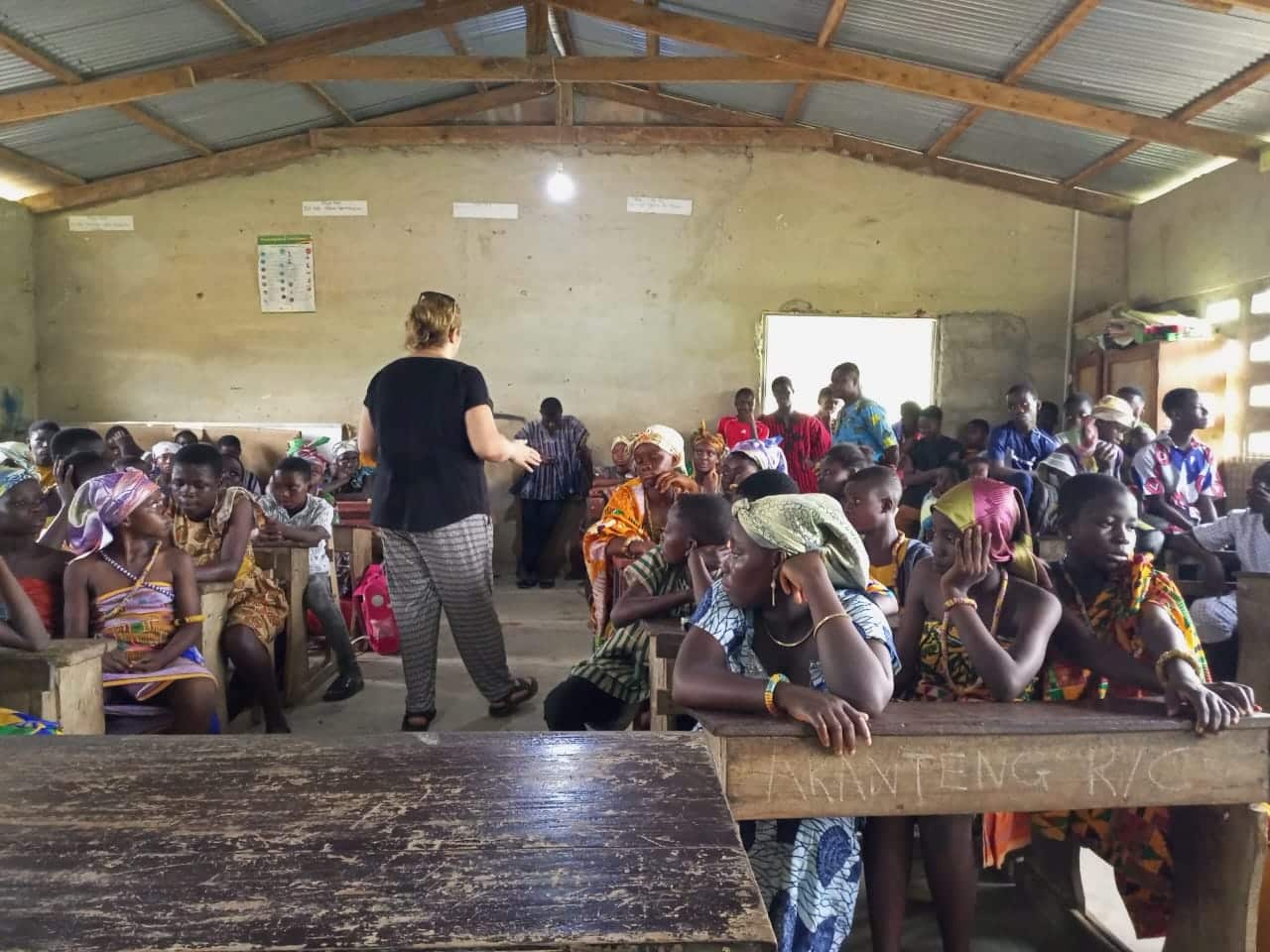
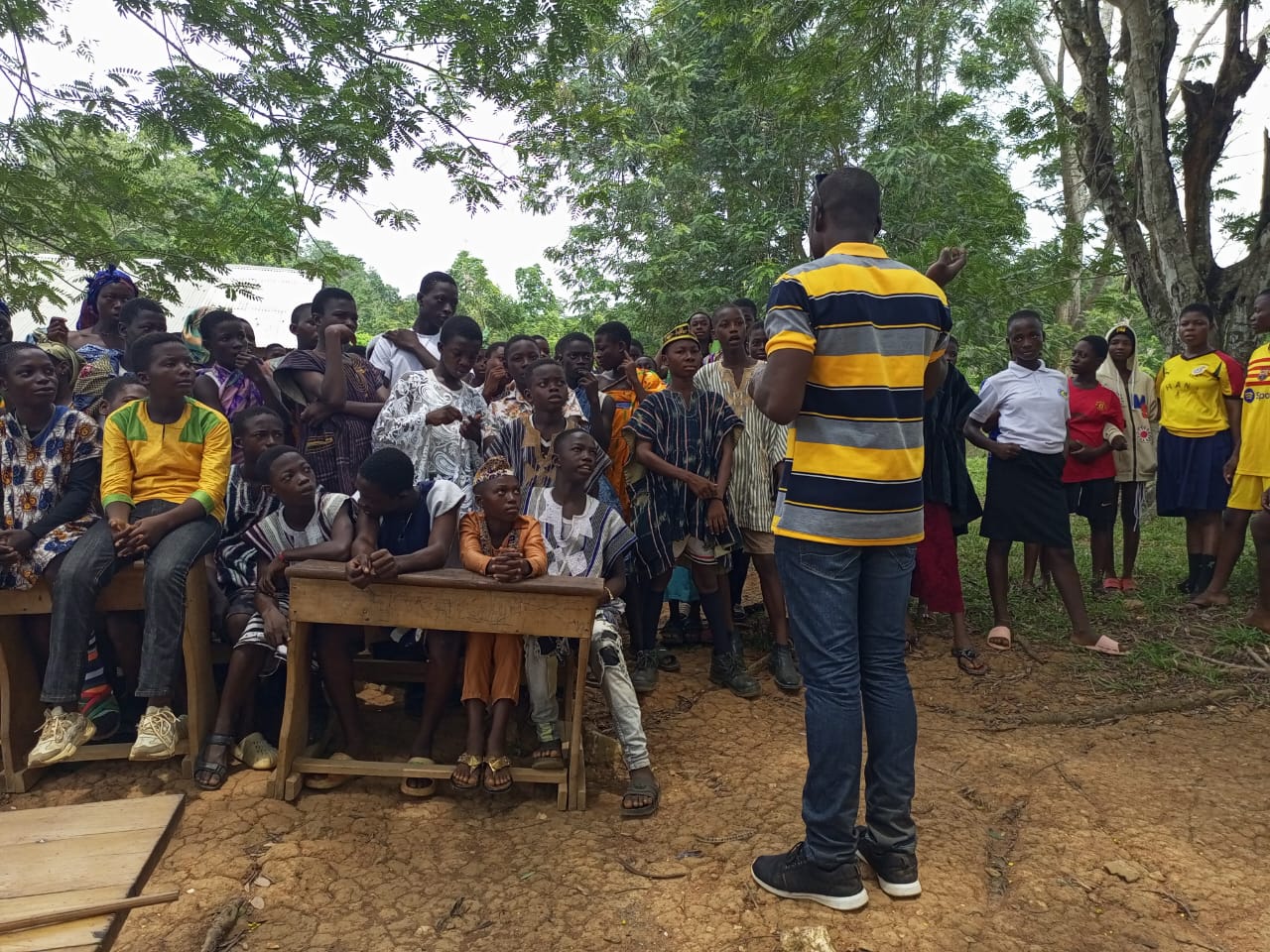
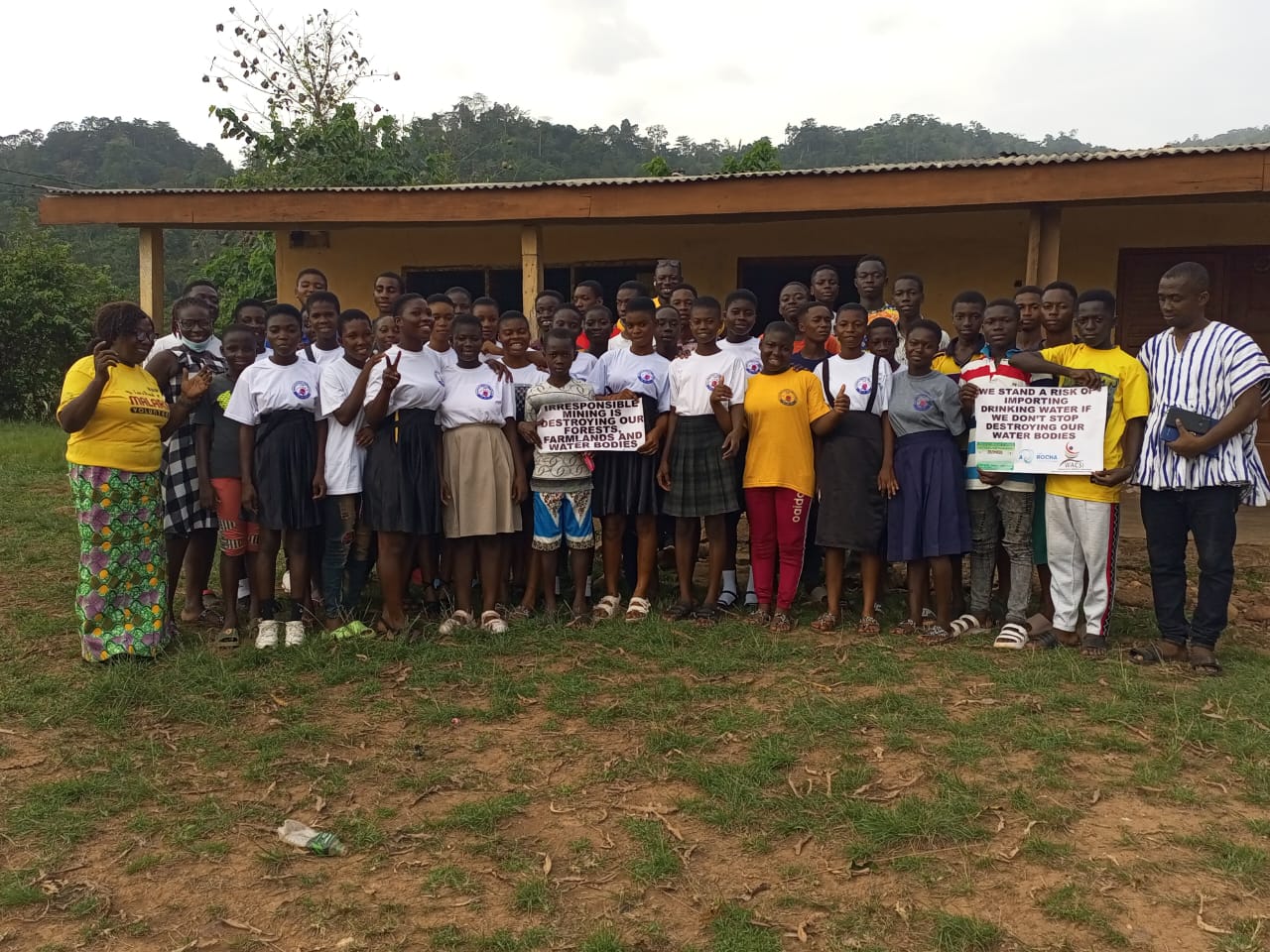
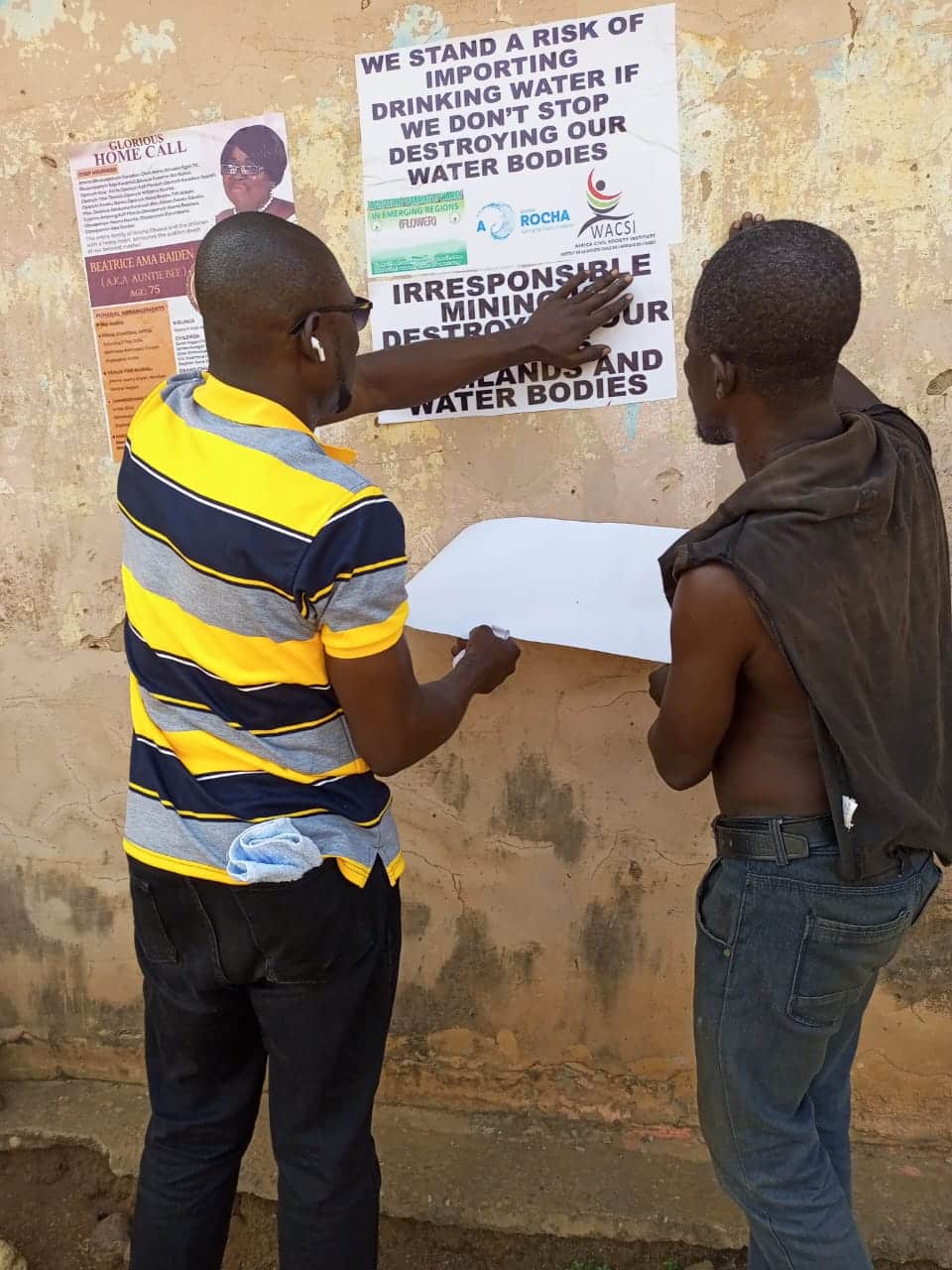
The FLOWER project addresses illegal mining in communities like Kobriso, Akanteng, and Abease, which poses environmental and health threats. Aimed at educating residents about the long-term impacts of illegal mining, the project sought to raise awareness, challenge misconceptions, mobilize support, advocate for responsible practices, and engage government agencies for alternative livelihoods. Key activities included:

  • Community meetings and durbars with over 600 participants.
  • Educational sessions reaching 1,200 community members.
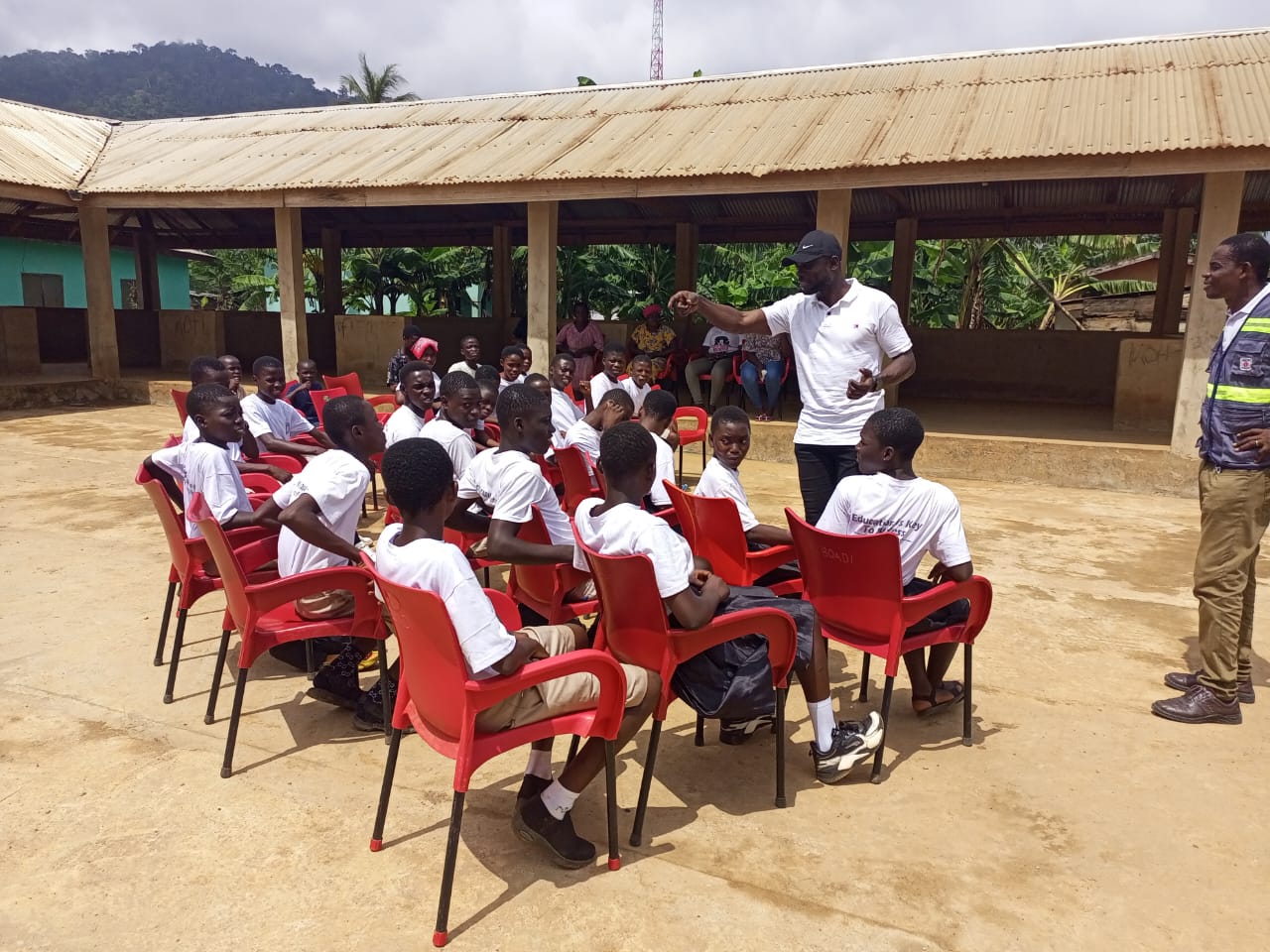
  • Career guidance for 191 students and youth forums engaging 140 youths.
  • Distribution of 330 behavior change materials and radio discussions reaching over 1,000 people.

Outcomes included:

  • Increased awareness of illegal mining’s dangers among 70% of community members.
  • 58% support for reducing illegal mining activities.
  • 30% of youth are interested in alternative livelihoods.

The project successfully educated the community and laid the groundwork for ongoing advocacy against illegal mining, promoting sustainable alternatives.

Gallery

Extractives, Business and Human Rights

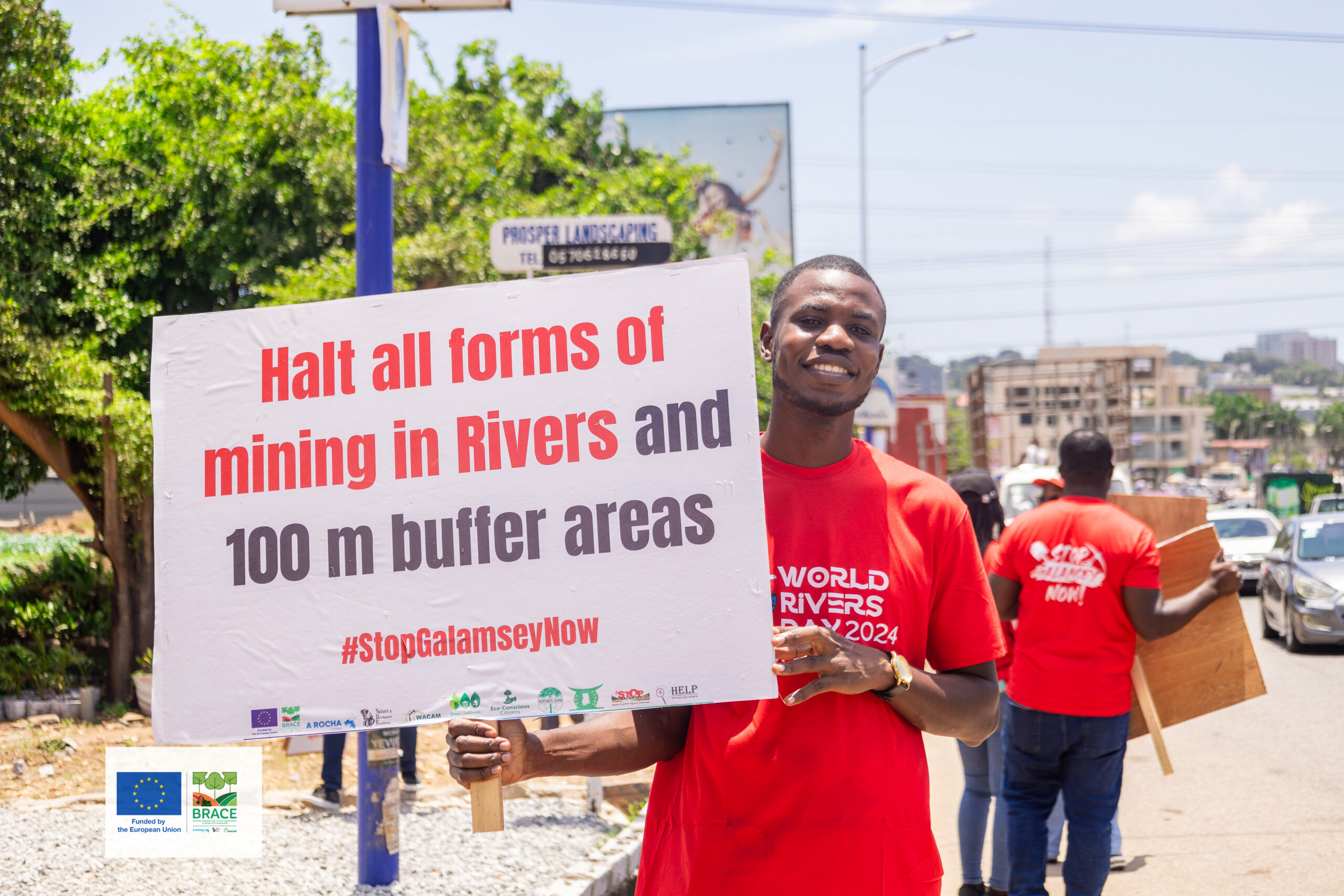
We are diligently striving to promote sustainable and equitable environmental management, as well as effective governance of natural resources by communities, the government, and private sector actors in Ghana. Through our initiatives, we prioritize the adherence to human rights, transparency, accountability, and respect for communities’ rights in mineral governance.

By fostering collaborative efforts, we aim to enhance the capacity of local communities to participate actively in decision-making processes that affect their environment and livelihoods.

Education and Awareness creation

Education and awareness programs are key components of our strategy, empowering individuals with the knowledge and tools they need to advocate for their rights and sustainable practices.

Our projects also emphasize the importance of preserving biodiversity and protecting ecosystems. We work closely with conservation organizations to develop and implement strategies that safeguard critical habitats and promote the sustainable use of natural resources.

Furthermore, we support the development of policies that encourage responsible mining practices, ensuring that economic benefits are shared equitably and environmental impacts are minimized.

By engaging with all stakeholders, including marginalized groups, we strive to create a more just and sustainable future for all.

Corporate Engagement for ESG.

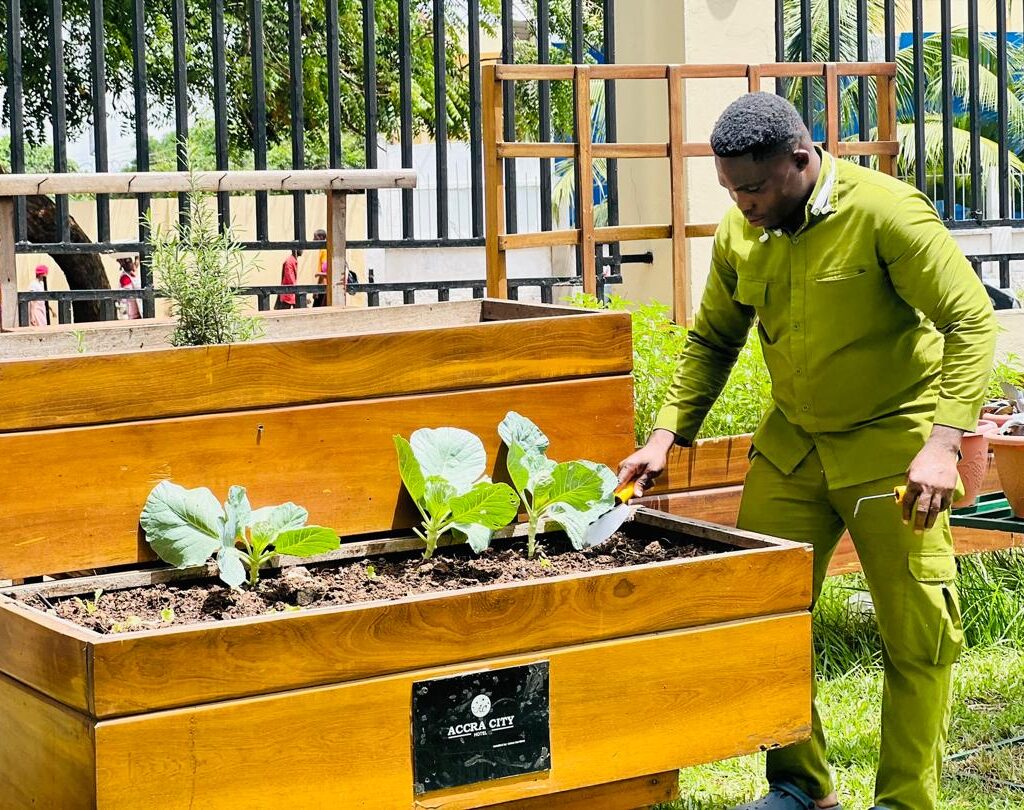
A Rocha Ghana is actively promoting environmental sustainability through our Corporate Engagement initiatives, helping businesses recognize the importance of nature. To date, we have collaborated with more than 70 businesses. Through these partnerships, we have implemented various  projects that not only protect biodiversity but also enhance the corporate social responsibility profiles of these companies. We offer tailored workshops and training sessions that equip businesses with the knowledge and tools needed to adopt eco-friendly practices. By integrating sustainability into their core operations, companies can reduce their carbon footprint, minimize waste, and contribute positively to the global environmental agenda.  

Business in Environmental Stewardship Network (BESNet)


BESNet is a business network coordinated by A Rocha Ghana in collaboration with IUCN Ghana. It has a membership of 34 businesses and has engaged a further 20. The network is committed to promoting and supporting natural capital inclusion,  security in business development, and company production value chains. 

Green Corporate Star Awards

A Rocha Ghana (ARG) has partnered with EMY Africa for the past six years to acknowledge and reward businesses or corporate entities that prioritize green practices and environmental sustainability in their operations. This collaboration also aims to support green initiatives that align with Sustainable Development Goals (SDGs) 1, 3, 6, 11, 12, 13, 14, and 15.

The award serves to emphasize the importance of business leaders and corporate organizations in championing environmental sustainability while they focus on their primary objective of generating profit.

2023 GCS Award Winners-The Good Roll
2022 GCS Award Winners-Coliba
2021 GCS Award Winners- Zaacoal
2020 GCS Award Winner- Nelplast Ghana
2019 GCS Award Winner- Guinness Ghana
2018 GCS Award Winner- Blue Skies

Resilience Against Climate Change (REACH) Project

European Union (EU) and the German Federal Ministry for Economic Cooperation and Development (BMZ) co-funded, Resilience Against Climate Change (REACH) project being implemented in Northern Ghana.

Project Context

The project aims to address the increasing effects of climate change on the agricultural sector in Northern Ghana by enhancing resilience and promoting sustainable development in the sector.

Overall, the REACH project is targeted at enabling a sustainable and inclusive improvement in the rural economy through enhanced implementation of gender-sensitive climate adaptation practices in the EUGAP targeted communities in Northern Ghana by 2025, with a particular focus on smallholder farmers.

Achievements

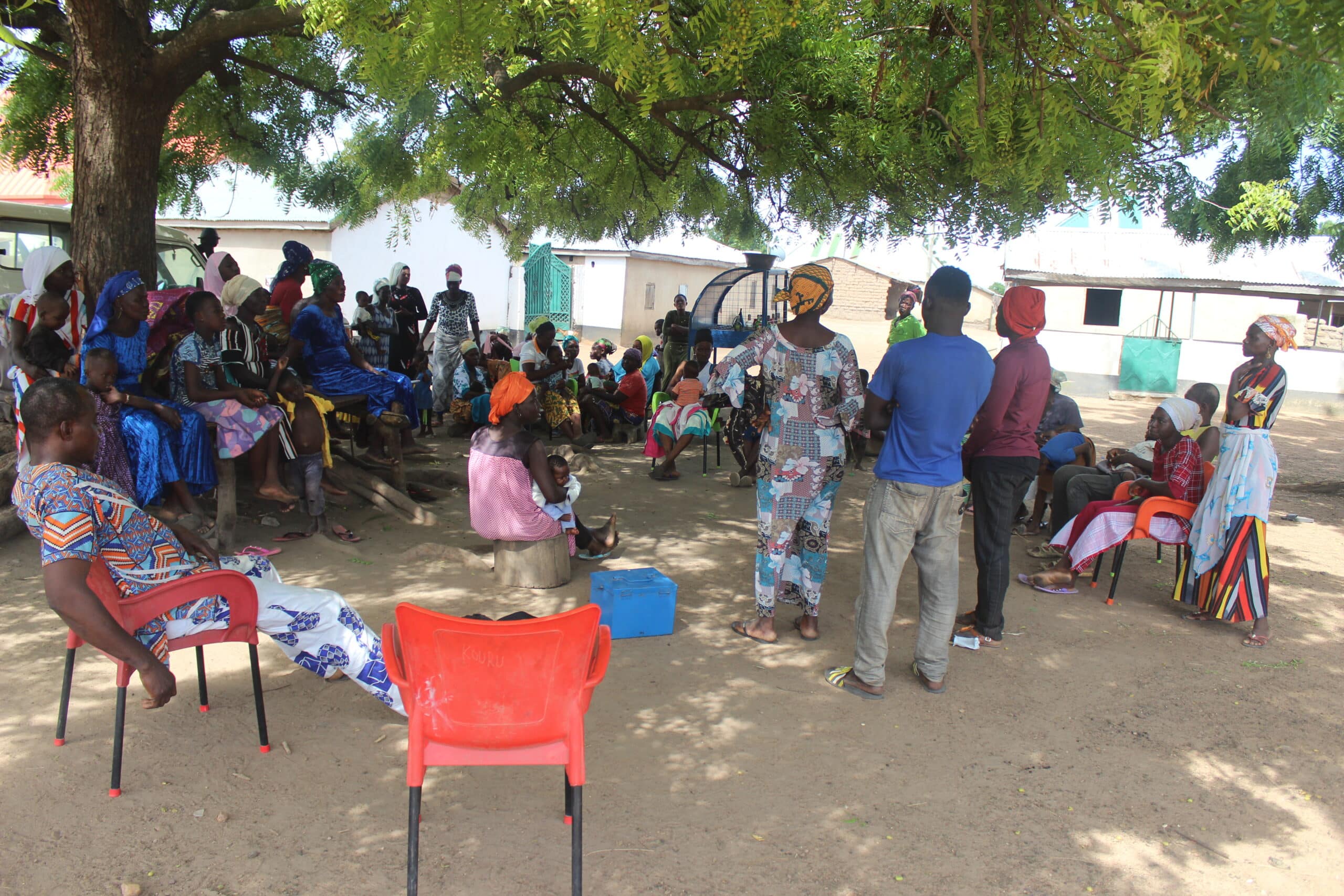
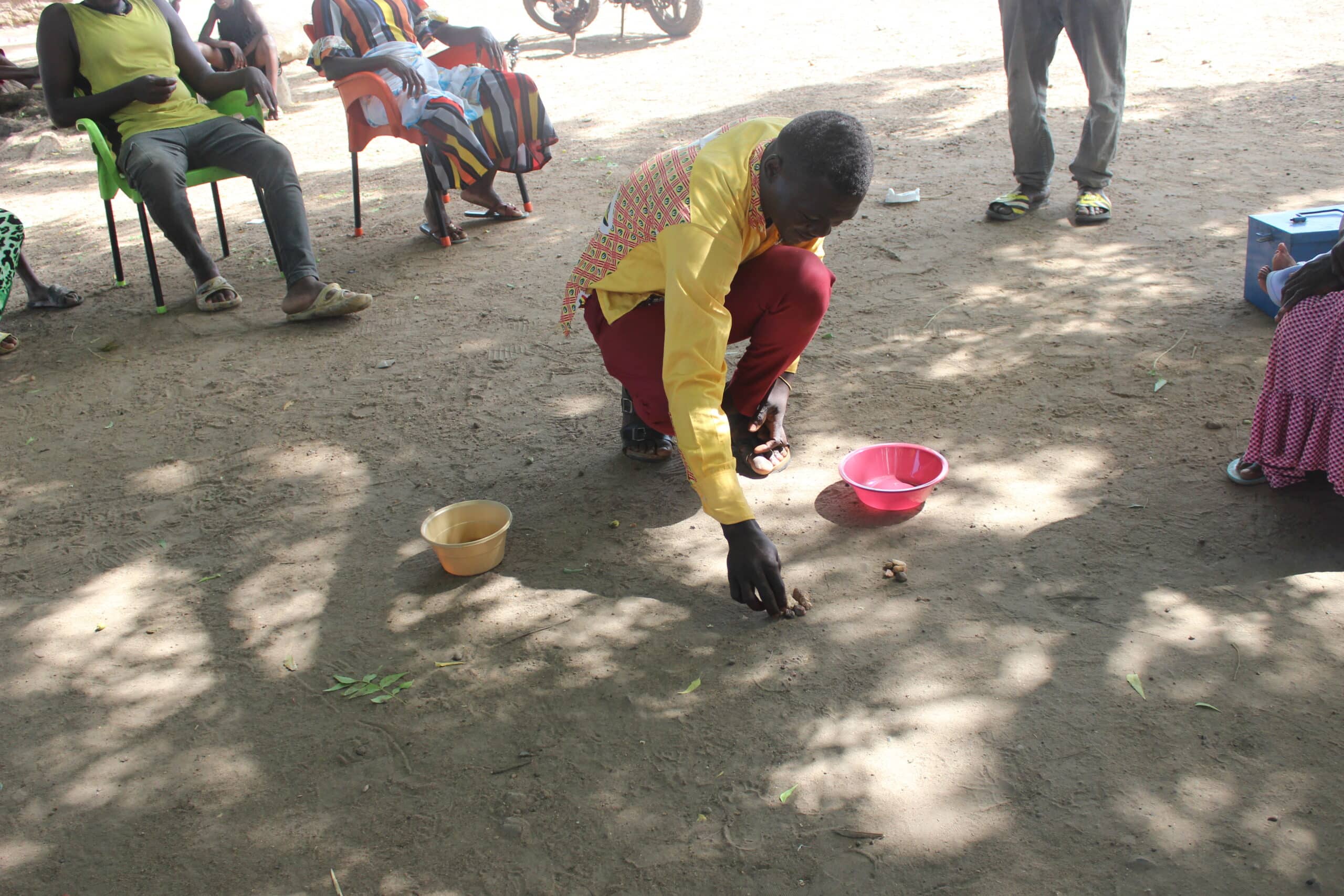
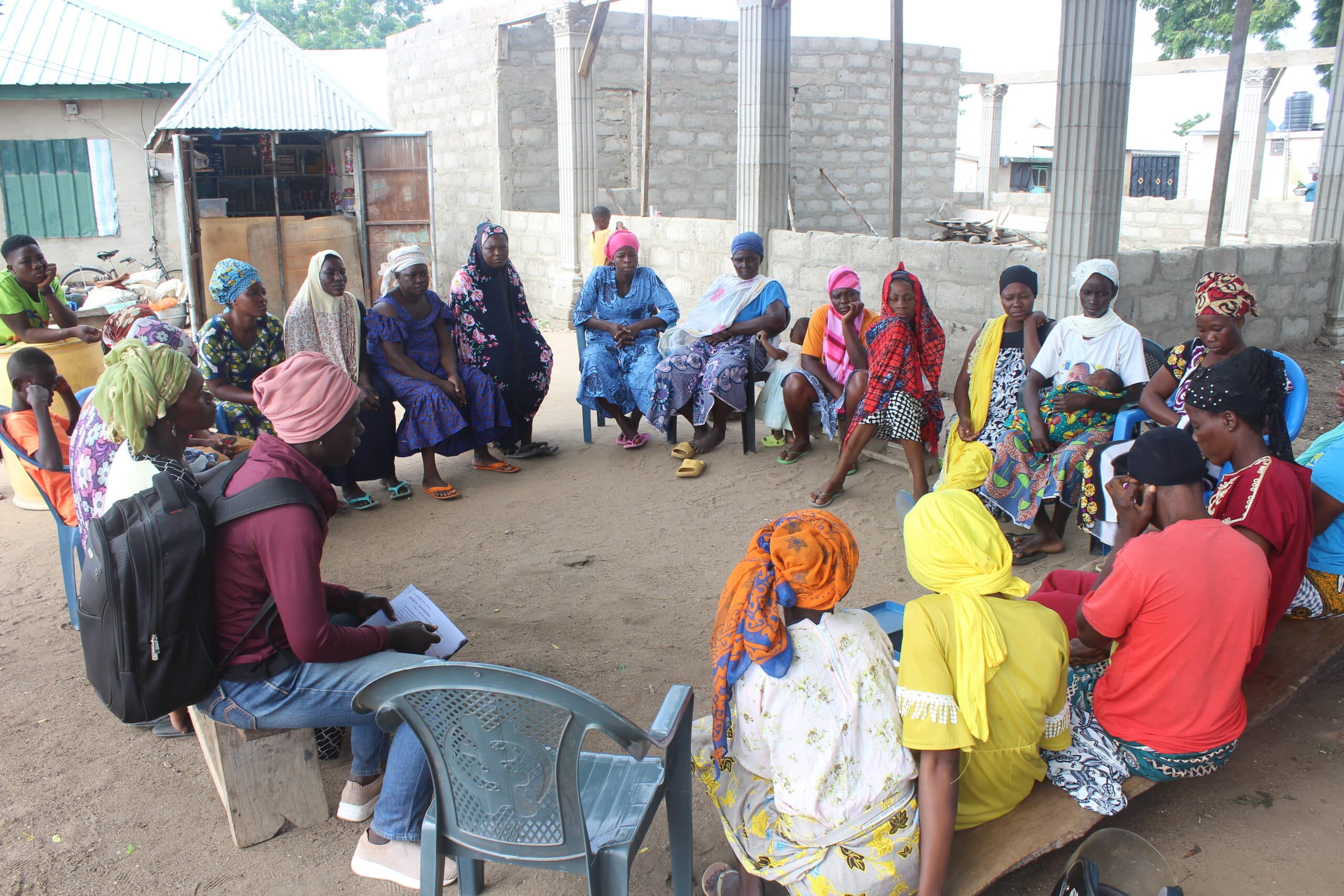
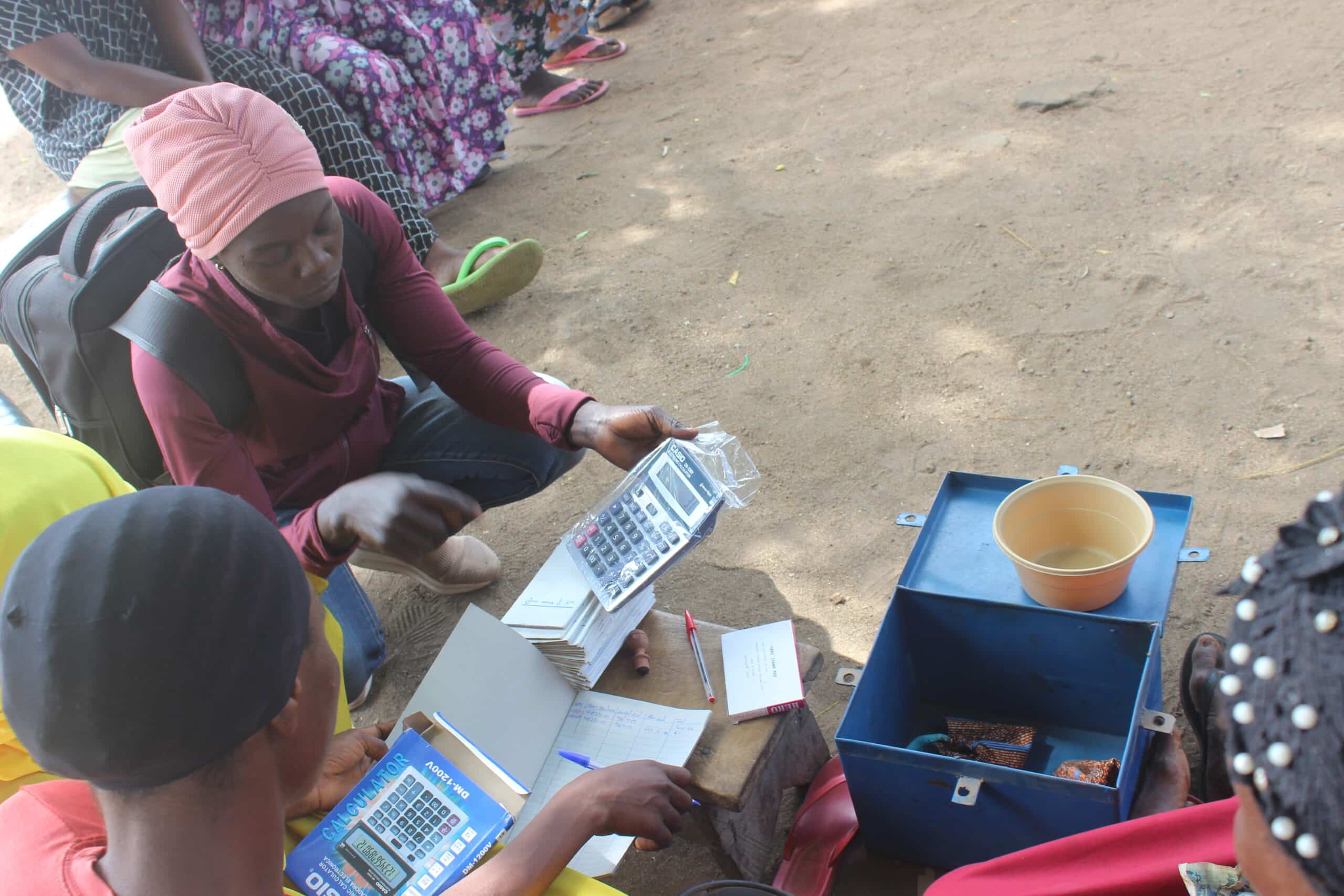
  • Establishment and support to Village Savings and Loans Associations (VSLAs),
  • Conservation Agriculture (CA)
  • Agroforestry
  • Community Fire Management.