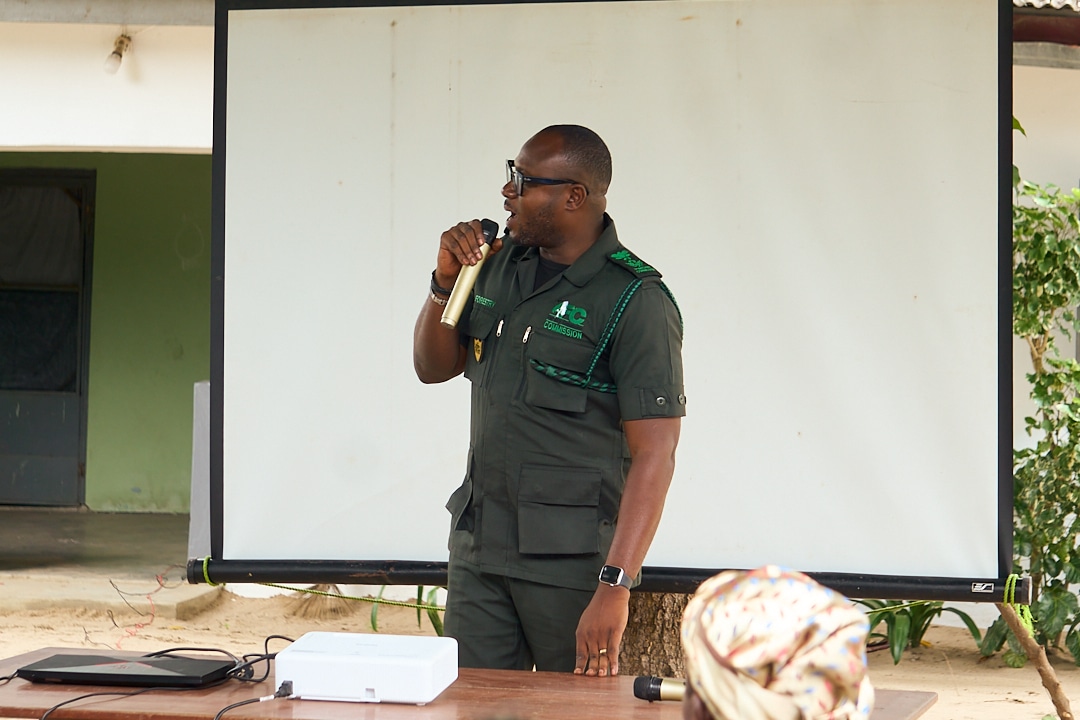
On Monday, September 15, 2025, the Ghana Coalition Against Galamsey (GCAG) held a press conference at the Ghana International Press Centre to draw urgent attention to the devastating impact of illegal mining on Ghana’s future.
With rivers poisoned, forests under threat, farmlands shrinking, and millions at risk of losing access to clean water, the Coalition is demanding bold leadership and immediate action from the government.
Below is the full statement delivered at the press conference.
Atewa is the source of three of Ghana’s most important rivers — the Ayensu, Densu, and Birim, which supply millions of people with water for drinking, farming, and industry. Yet these rivers are under growing pressure from illegal mining, logging, farming, and waste pollution.
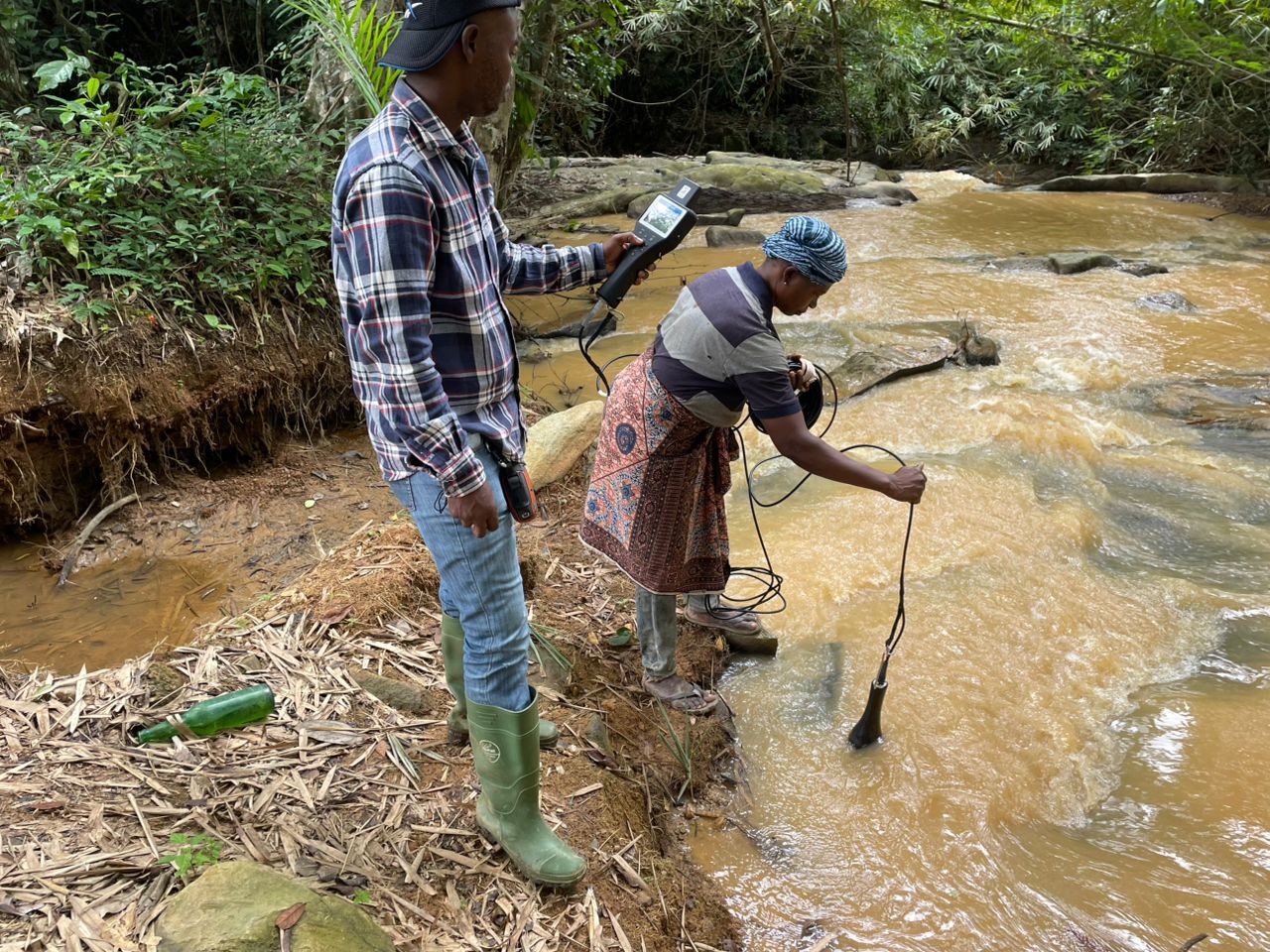
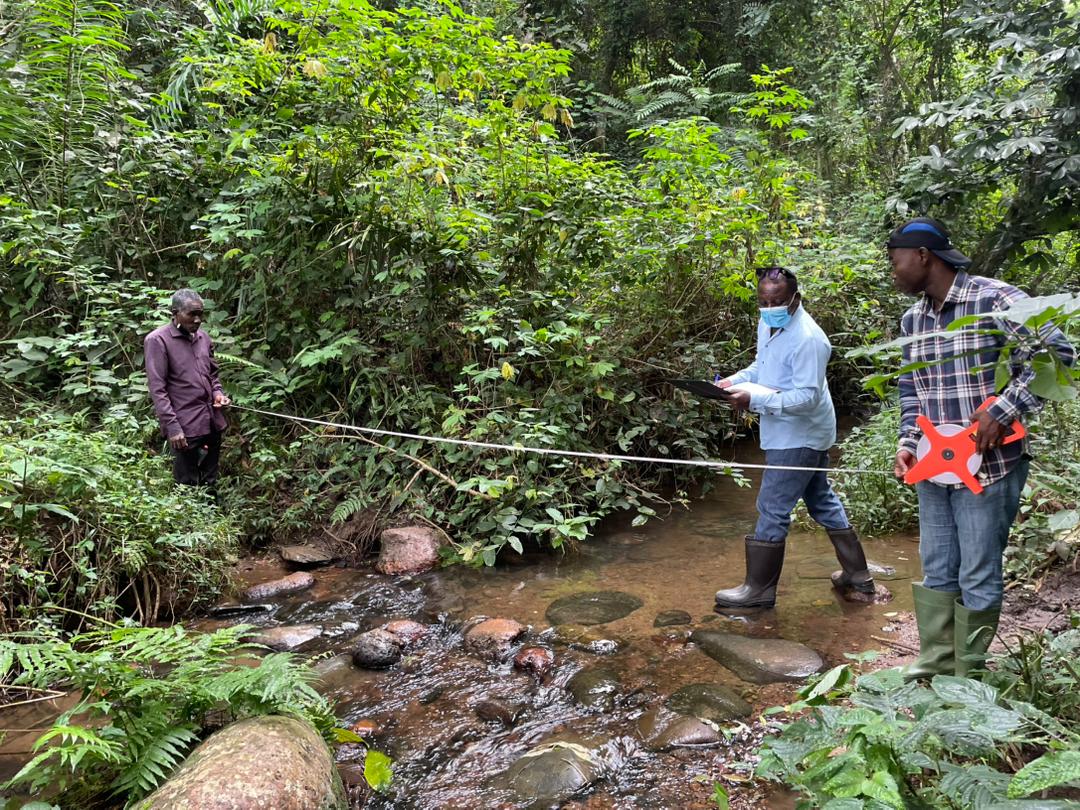
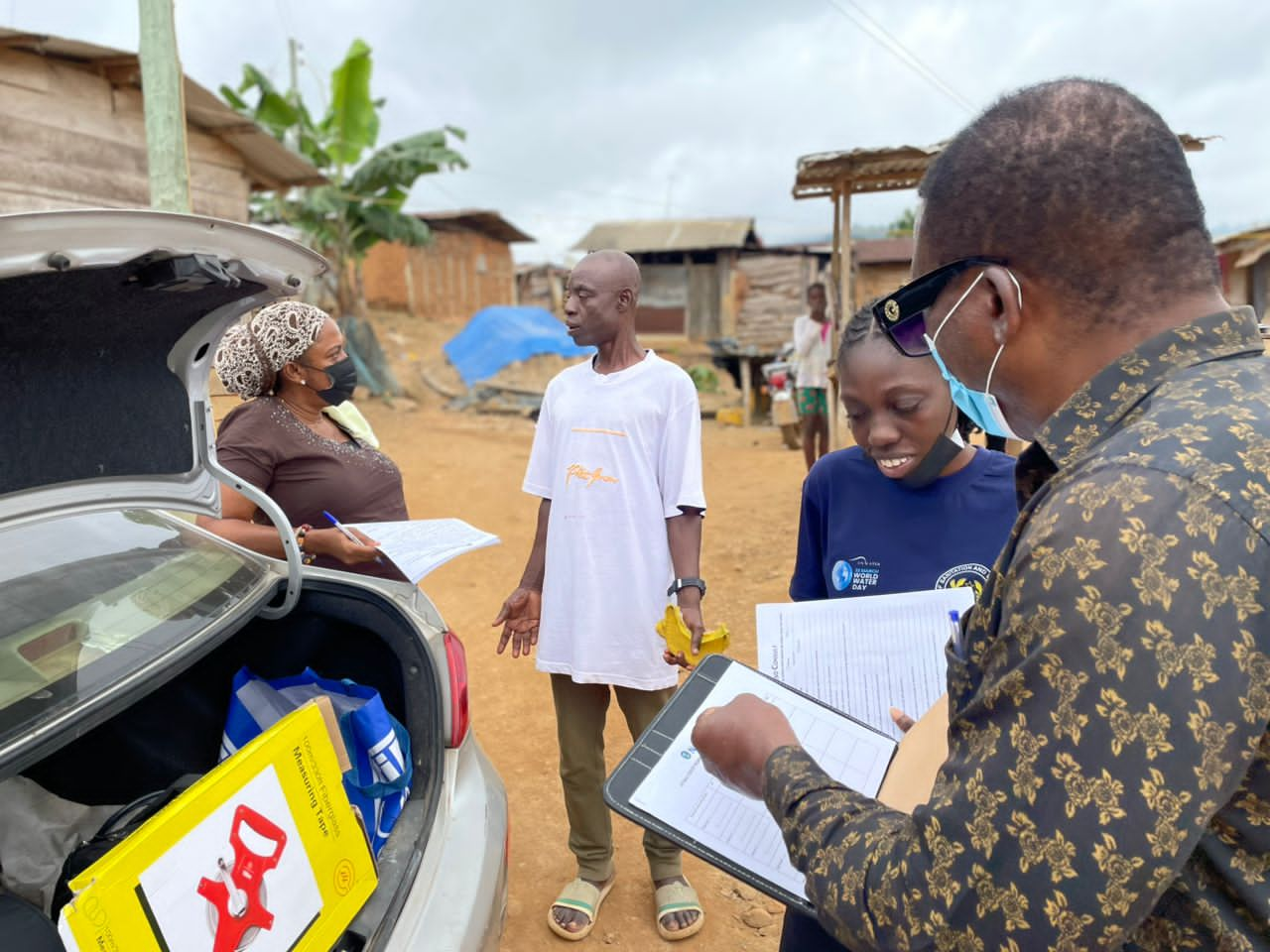
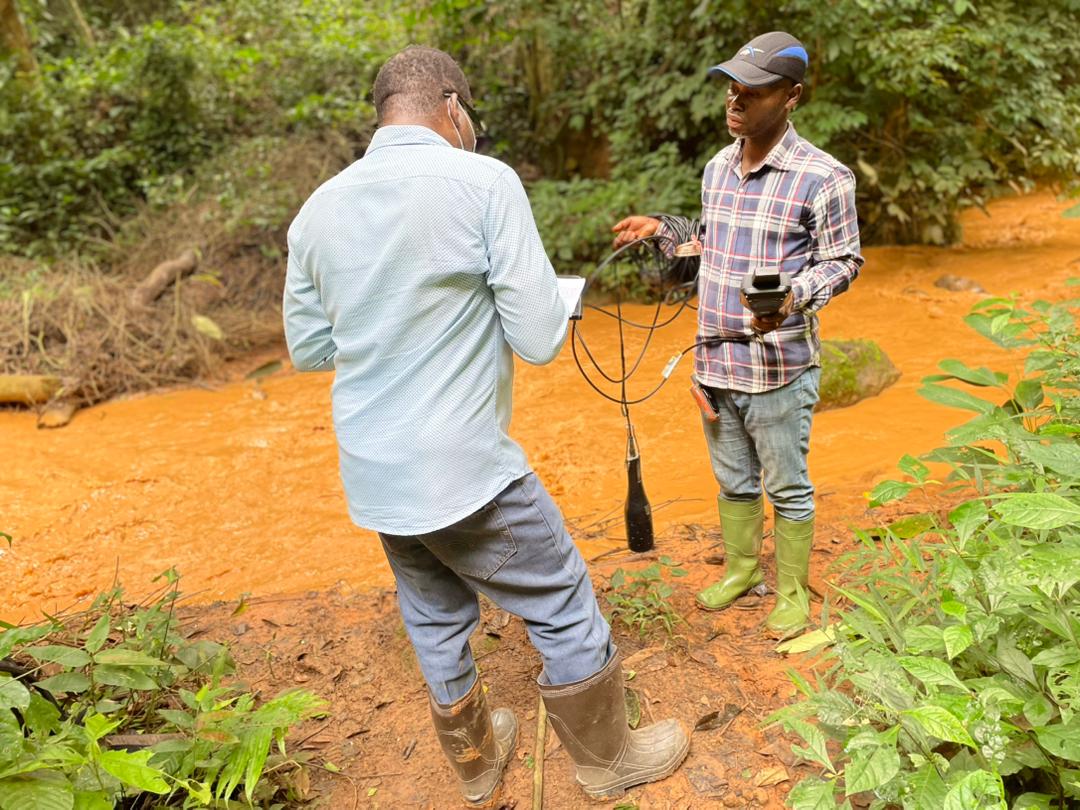
Using a U-50 multi-parameter water quality probe, the team measured pH to assess acidification and chemical balance, temperature to determine conditions affecting aquatic life and oxygen levels, dissolved oxygen as an indicator of river health and species survival, and turbidity to monitor sediment levels linked to erosion or mining. Alongside these measurements, the team also recorded visual observations of flora and fauna, noting indicator plants and animals that reflect the ecological integrity or stress of the river system. This combination of physical, chemical, and biological data provides a crucial baseline against which future changes can be tracked.
The work does not stop at data collection. Analysis is already underway to compare river health upstream and downstream of known threat zones, and to produce maps and dashboards that will highlight pollution hotspots and overall river conditions.
From these findings, clear recommendations will be generated to strengthen advocacy, enabling CREMAs and A Rocha Ghana to engage district assemblies, the Water Resources Commission and the Environmental Protection Agency with strong, evidence-based arguments.
Already, community monitoring groups are drawing on early data in local forums to call attention to the impacts of illegal mining. Once the full analysis is completed, the results will be shared on the ARG website, adding weight to public pressure to protect Atewa’s rivers — lifelines for Accra, Nsawam, Koforidua and many other towns downstream.
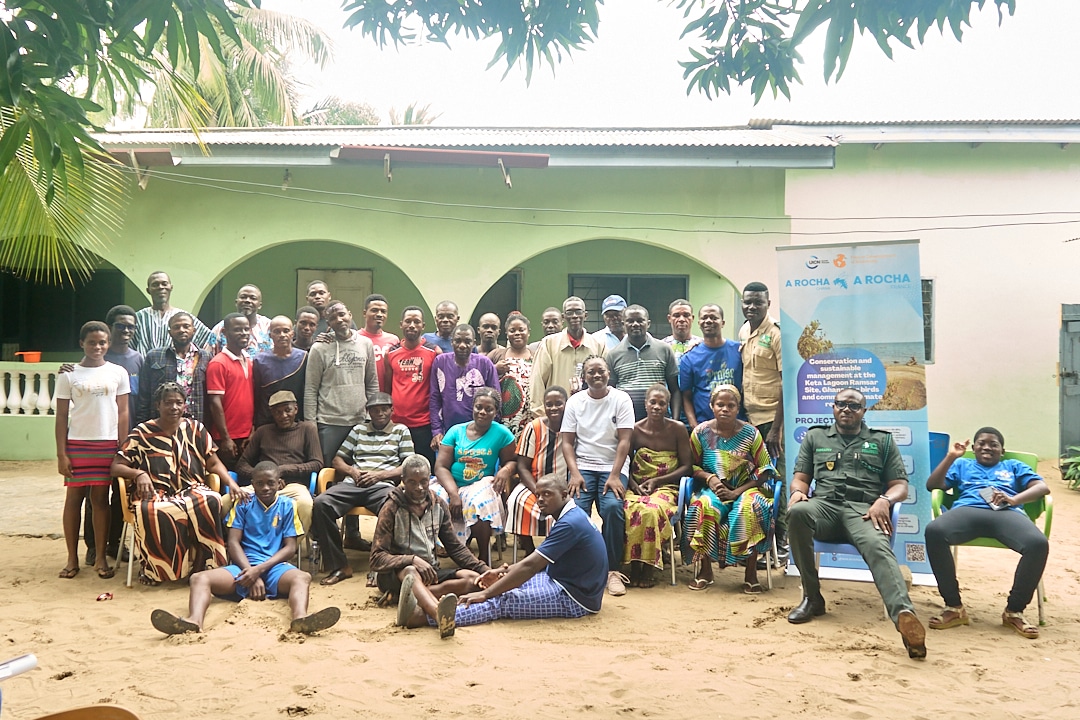
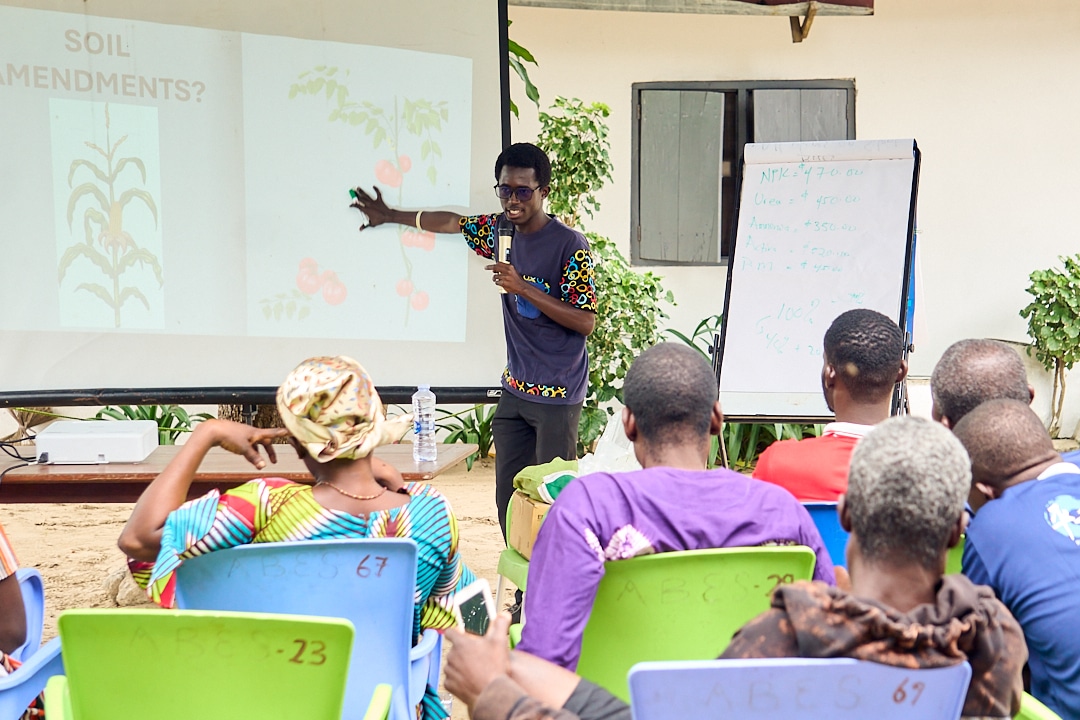
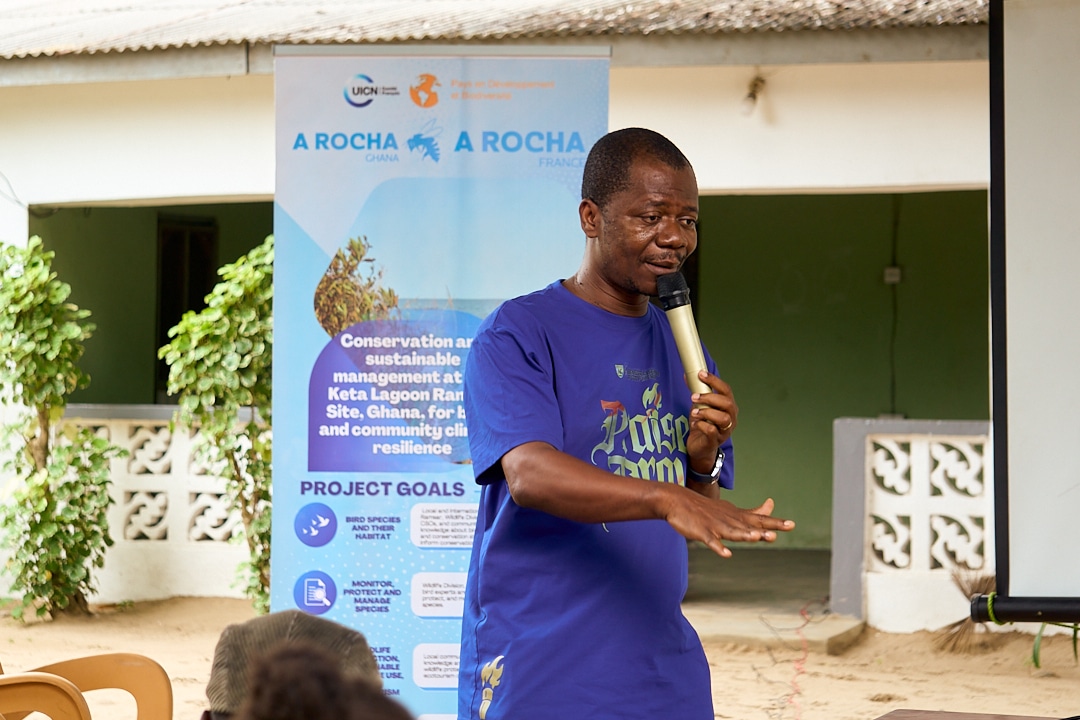
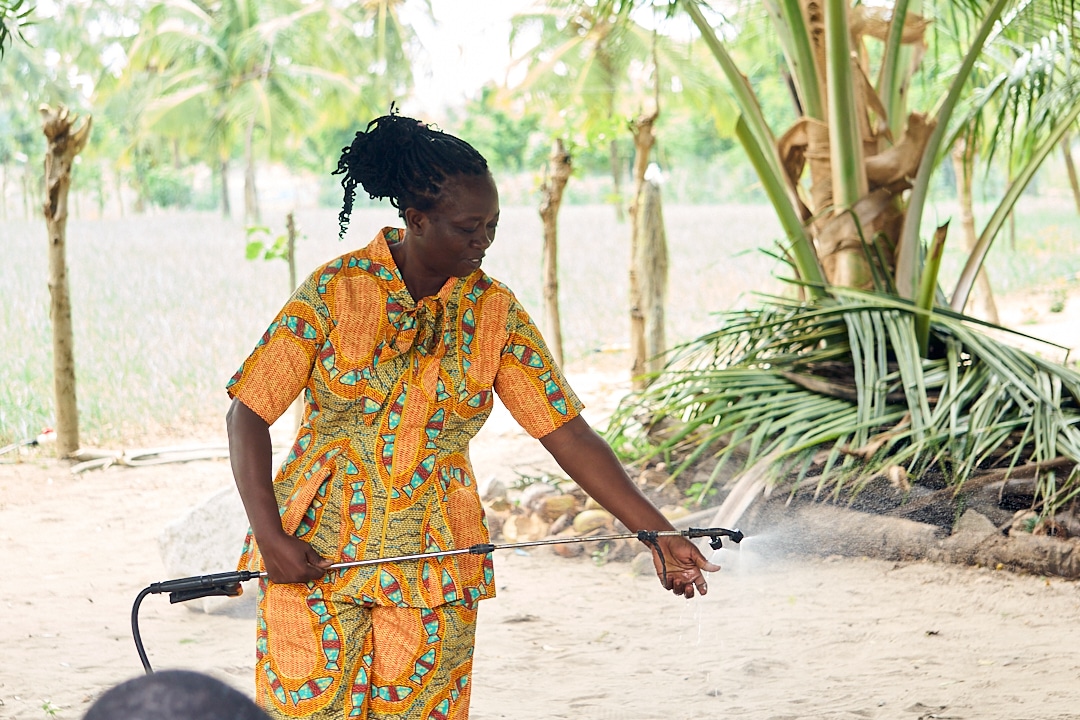
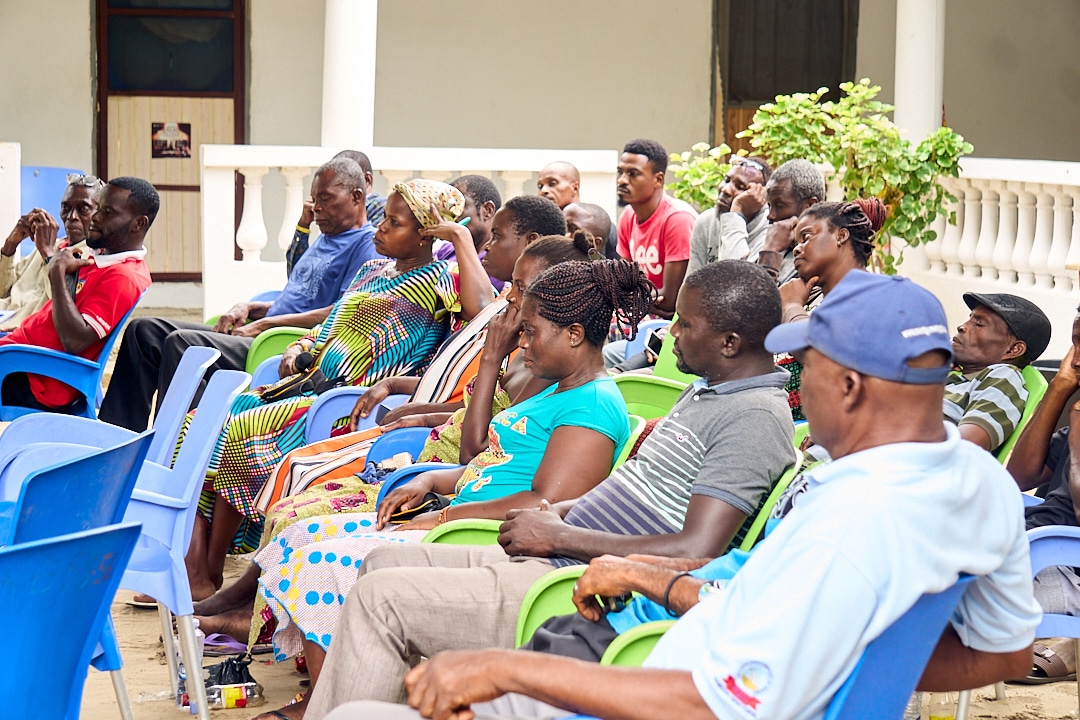
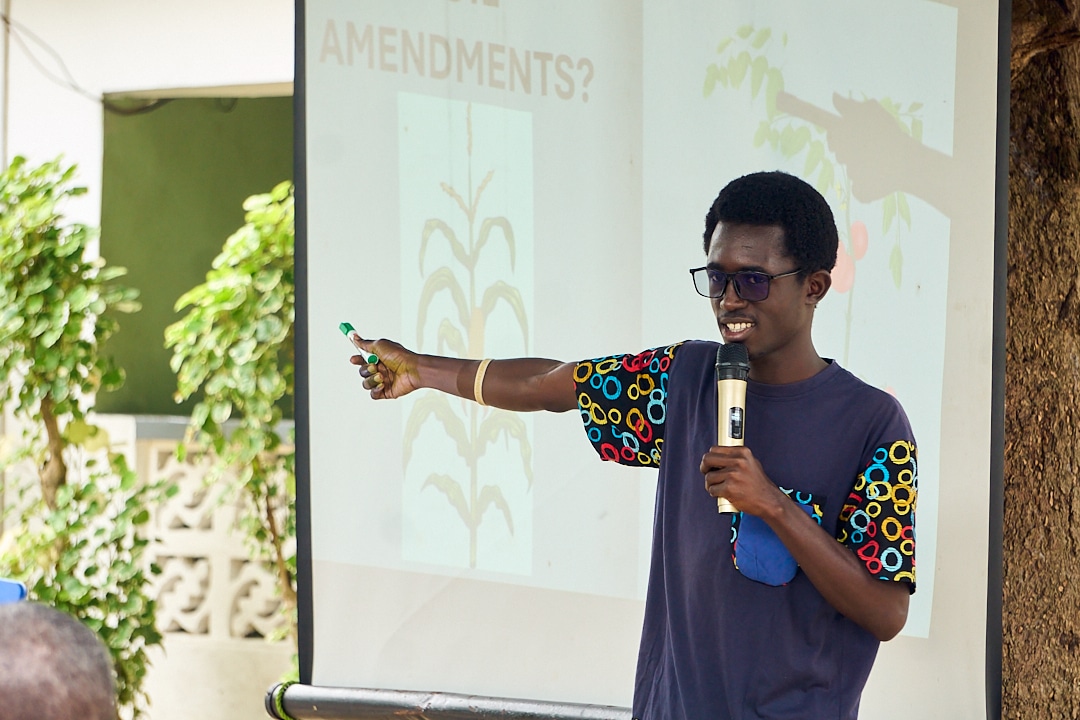
Approximately 30 farmers from communities surrounding the Keta Lagoon Complex Ramsar Site (KLCRS) have received intensive agroecology training to equip them with climate-resilient farming skills that enhance their livelihoods, protect biodiversity, and strengthen their resilience to climate change.The two-day training was part of the Support Programme for Biodiversity Civil Society Organisations (CSOs) active in developing countries (ProBioDev), funded by the Comité français de l’UICN and implemented by A Rocha Ghana and A Rocha France, with support from the Wildlife Division of the Forestry Commission.
Climate-Smart Land Preparation
The programme kicked off with lessons on climate-smart land preparation, where farmers were guided on selecting fertile sites, preparing nurseries, and transplanting seedlings at the right time to boost crop survival and yields.The session, facilitated by Dr. Mary Otiwaa Osei Asante, an Agronomist at the Kwame Nkrumah University of Science and Technology (KNUST), also explored natural methods for controlling pests and diseases, such as caterpillars, aphids, and fruit flies, without relying on harmful chemicals. Farmers were introduced to crop rotation and other integrated pest management (IPM) strategies to sustain healthy production.
Turning Waste into Soil Wealth
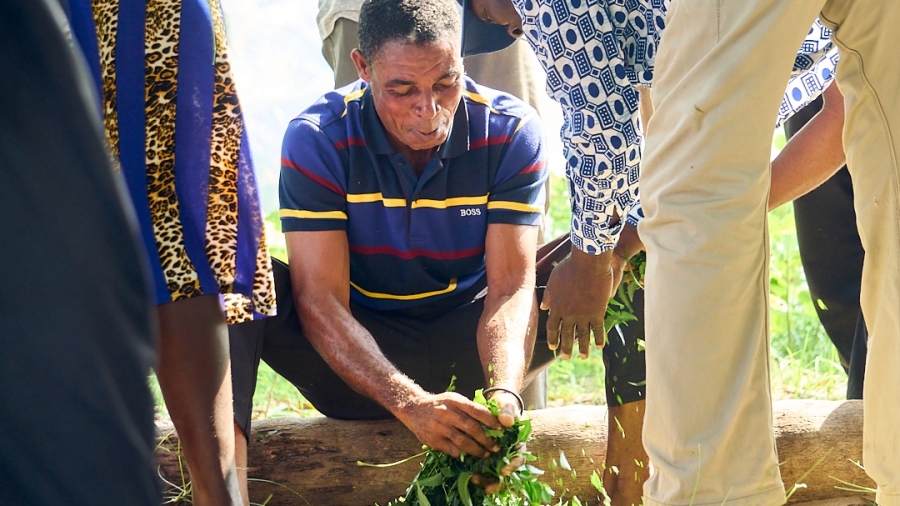
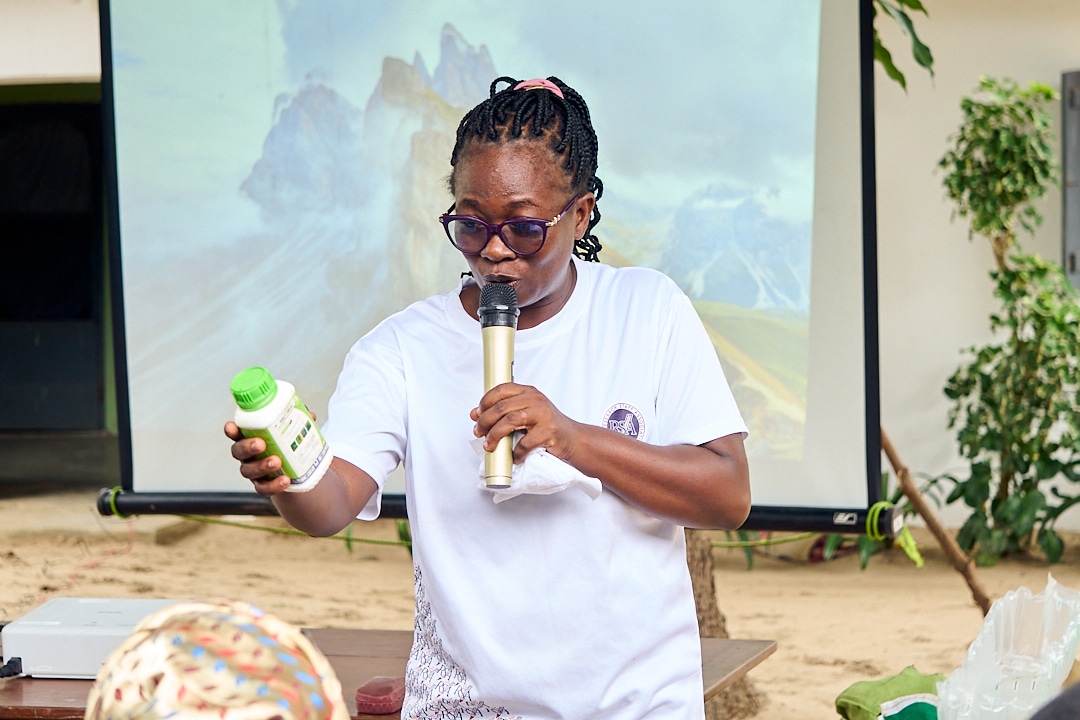
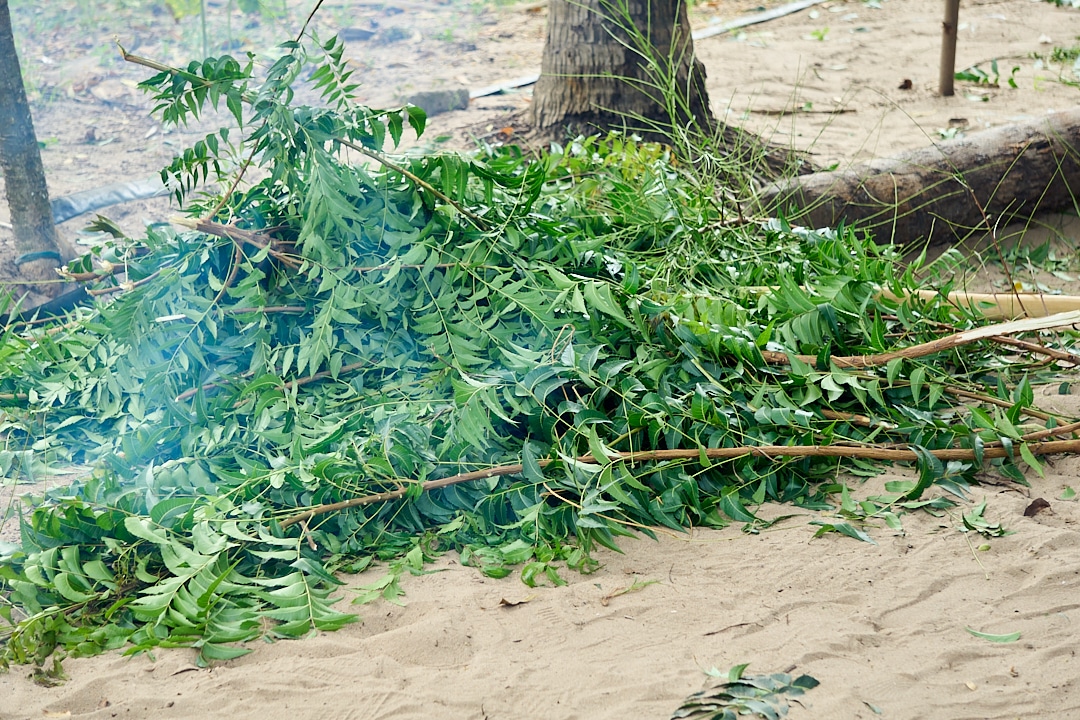
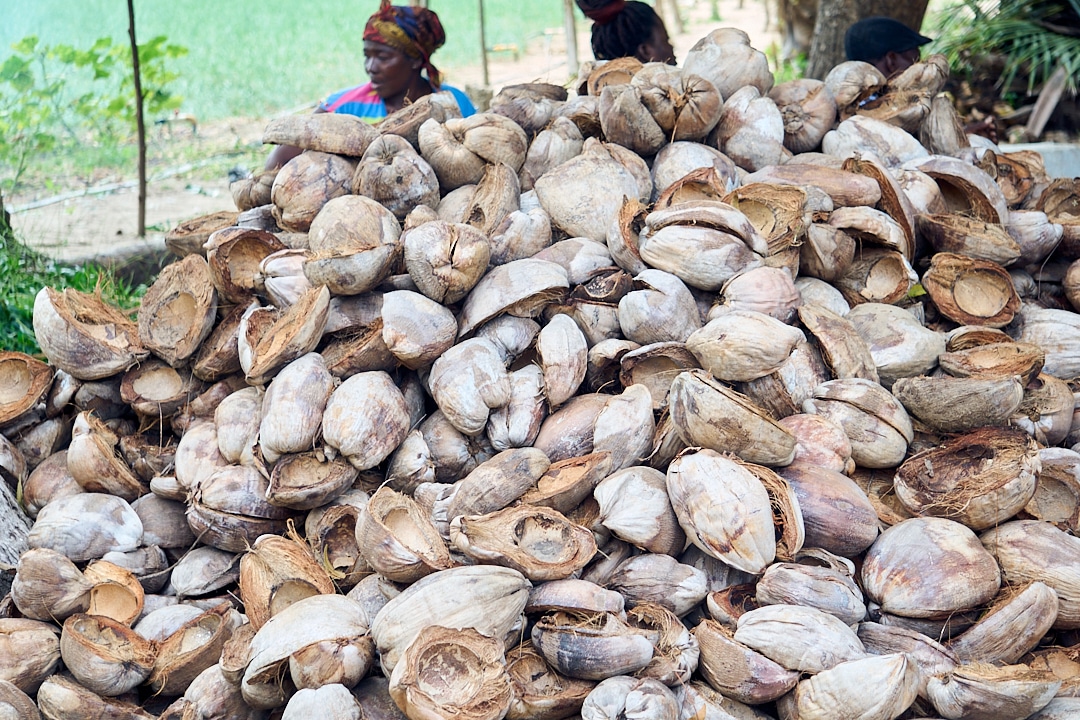
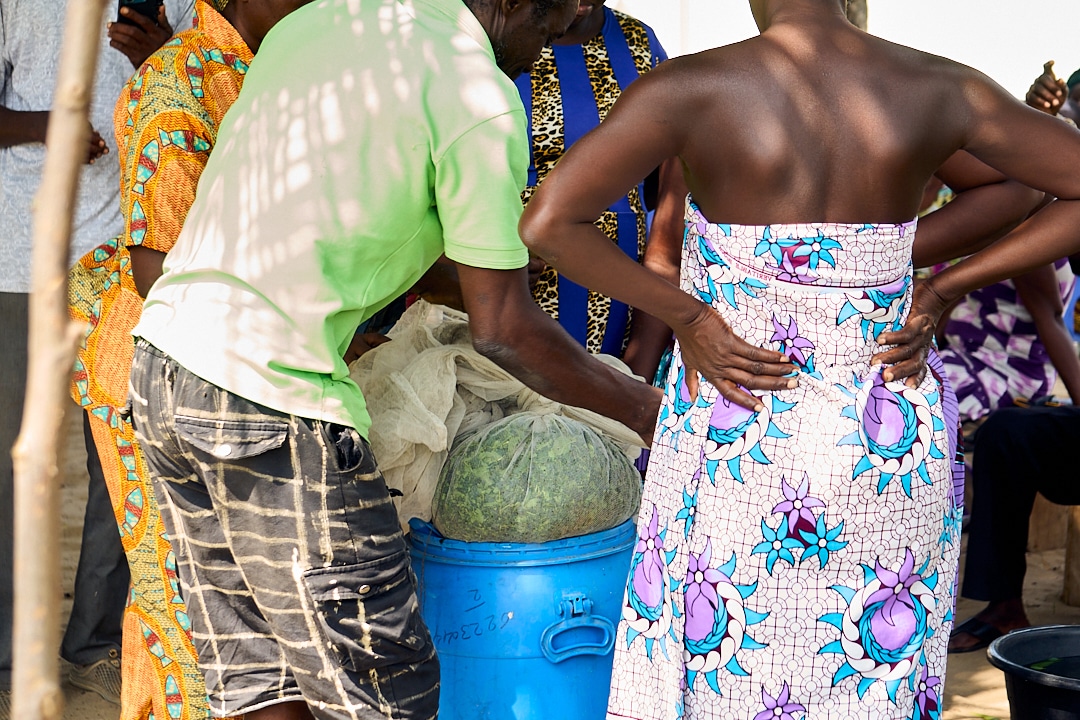
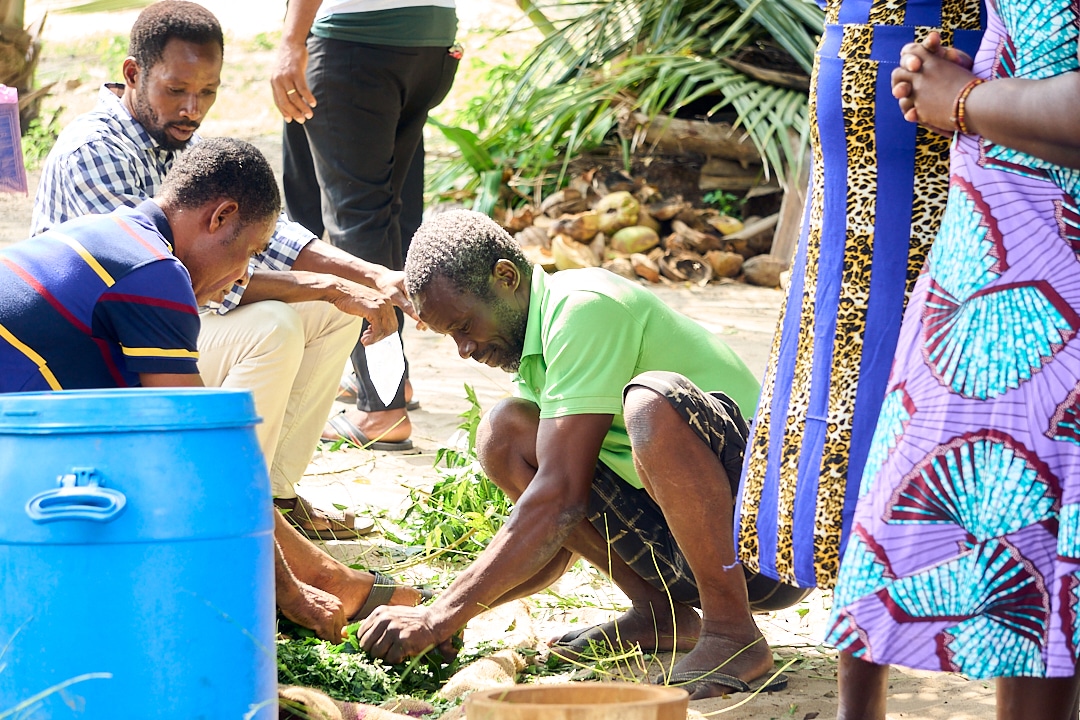
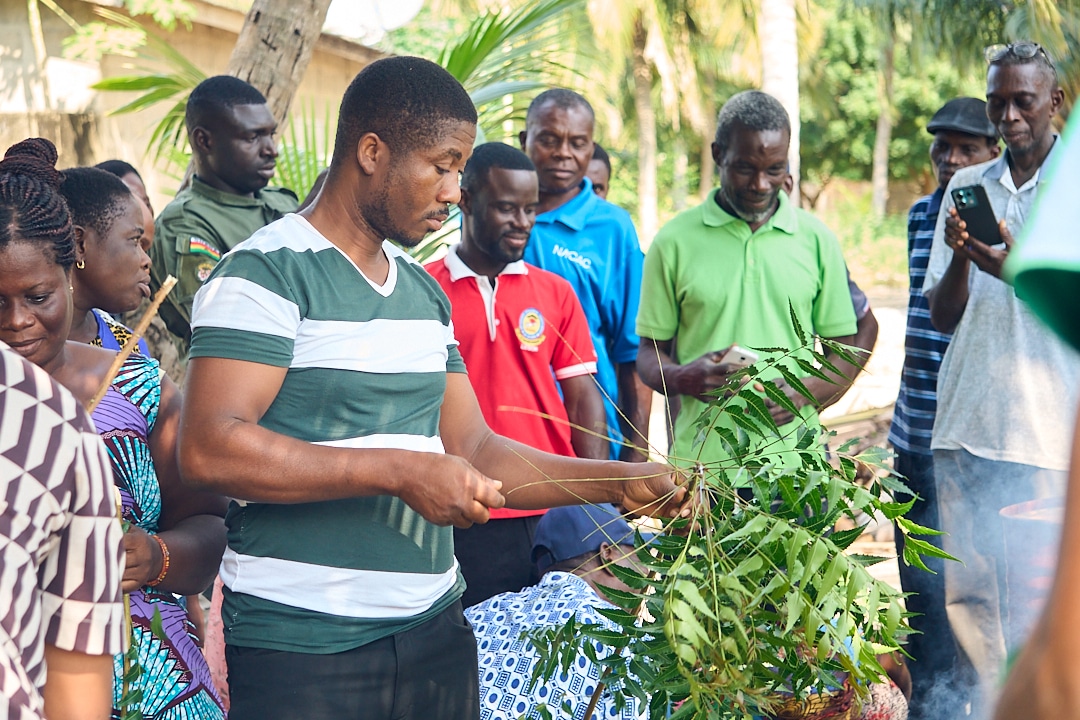
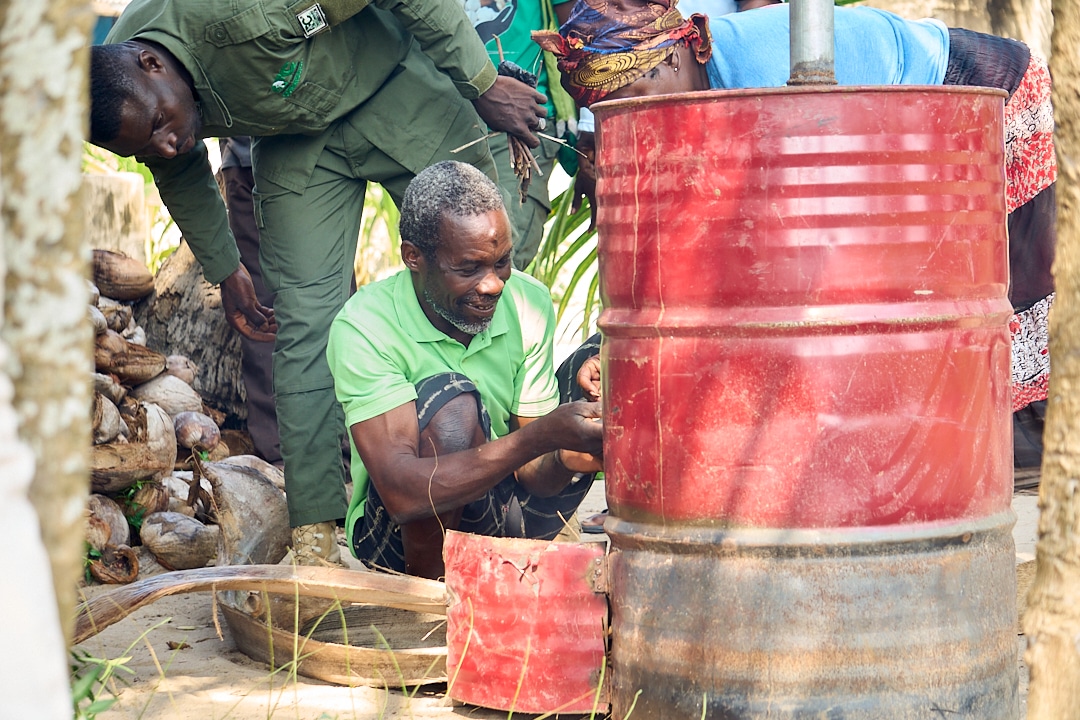
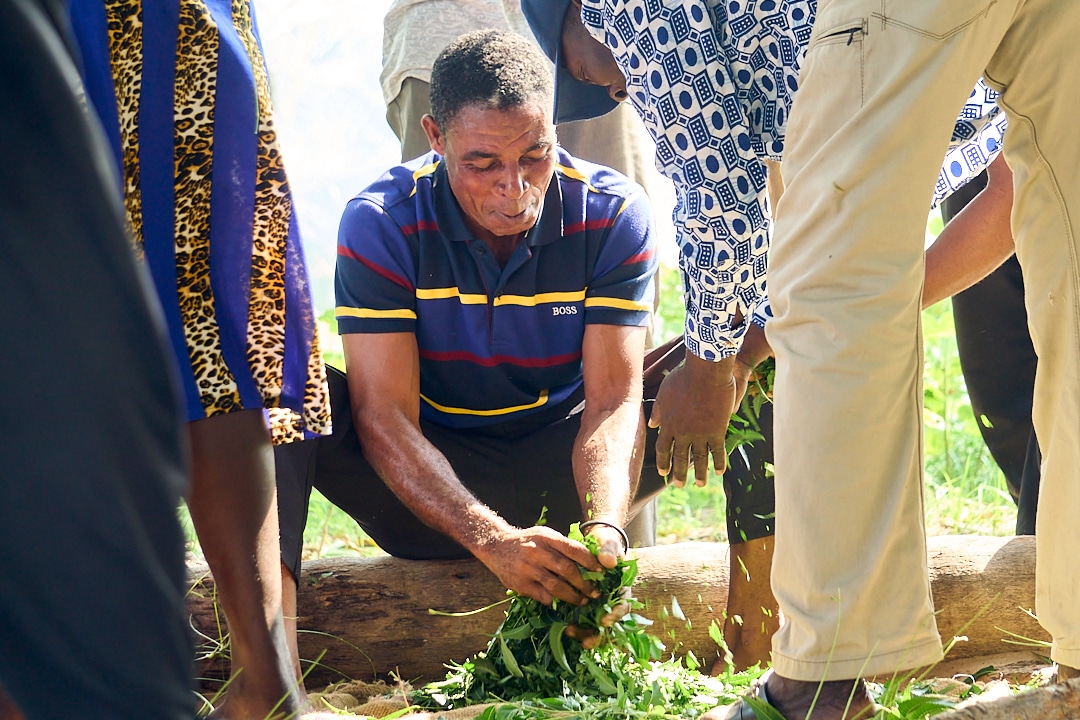
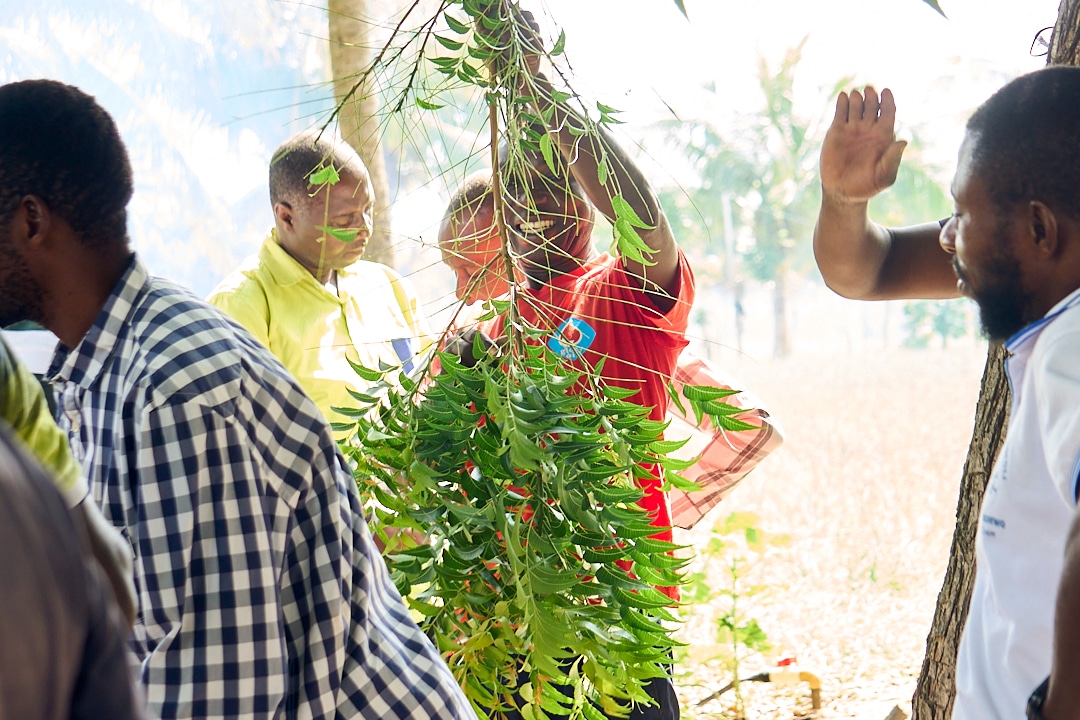
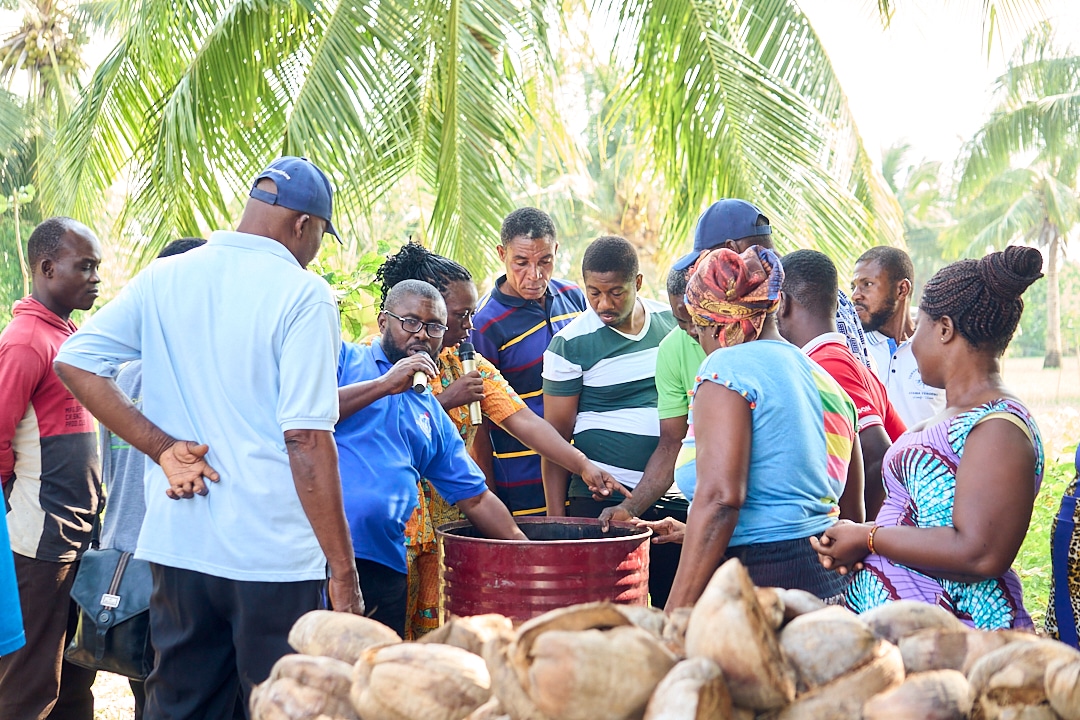
Another highlight was the session on producing biochar from organic waste such as maize cobs, coconut husks, maize husks, and twigs.Benjamin Afful, Agroecology Project Officer at A Rocha Ghana, took participants through the practical steps in producing and applying biochar, showing how this sustainable practice improves soil fertility, enhances water retention, and ultimately promises healthier crops.Participants also learned to make bio-pesticides from neem tree seeds and leaves, which offer strong natural insecticidal properties.The process involved extracting neem oil and preparing it for use as an eco-friendly, safe alternative to chemical pesticides. Training methods included video screenings to increase participation and deepen understanding of the various practicum steps for preparing and applying bio-pesticides and fertilizers. See how to make organic biochar here
Empowering Farmers with Market Skills
Beyond technical farming practices, the training also focused on improving farmer incomes through livelihood strategies for marketing and market assessment.Mr. Prosper Kwame Antwi, Programs Manager at A Rocha Ghana, led discussions on seasonal trends and market demands, enabling farmers to make informed decisions about the best times to plant, harvest, and sell crops. Farmers were also encouraged to work together, pooling resources to negotiate better prices for inputs and to collectively market produce. This collaboration, they learned, can significantly increase bargaining power and profitability.
Farming Support Equipment
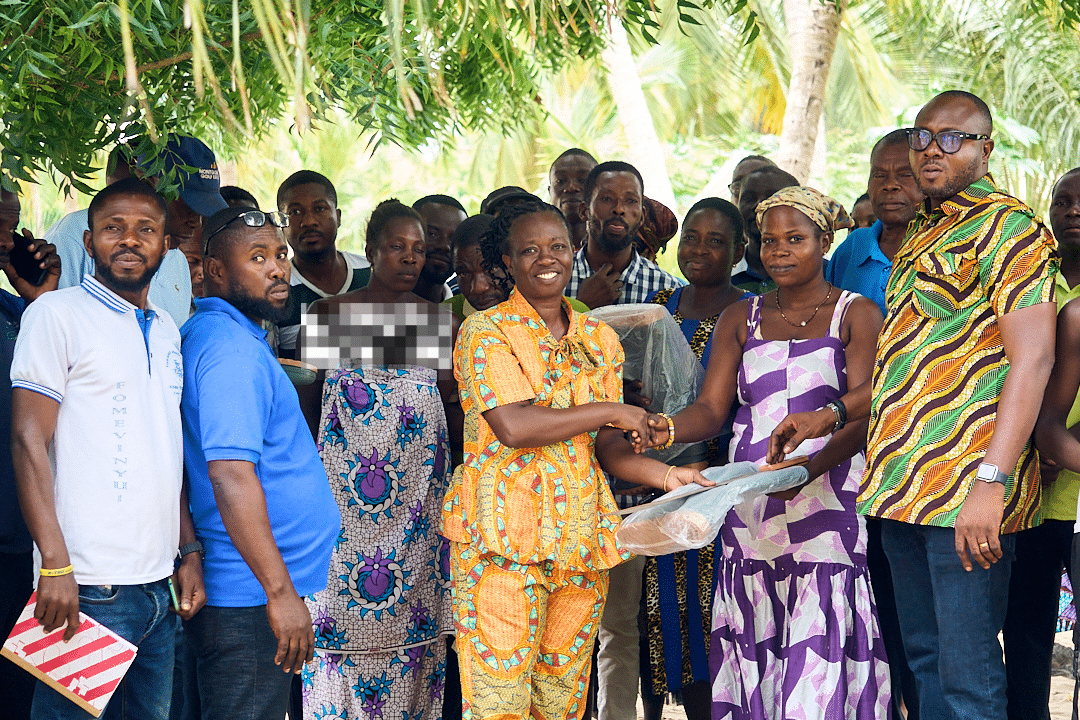
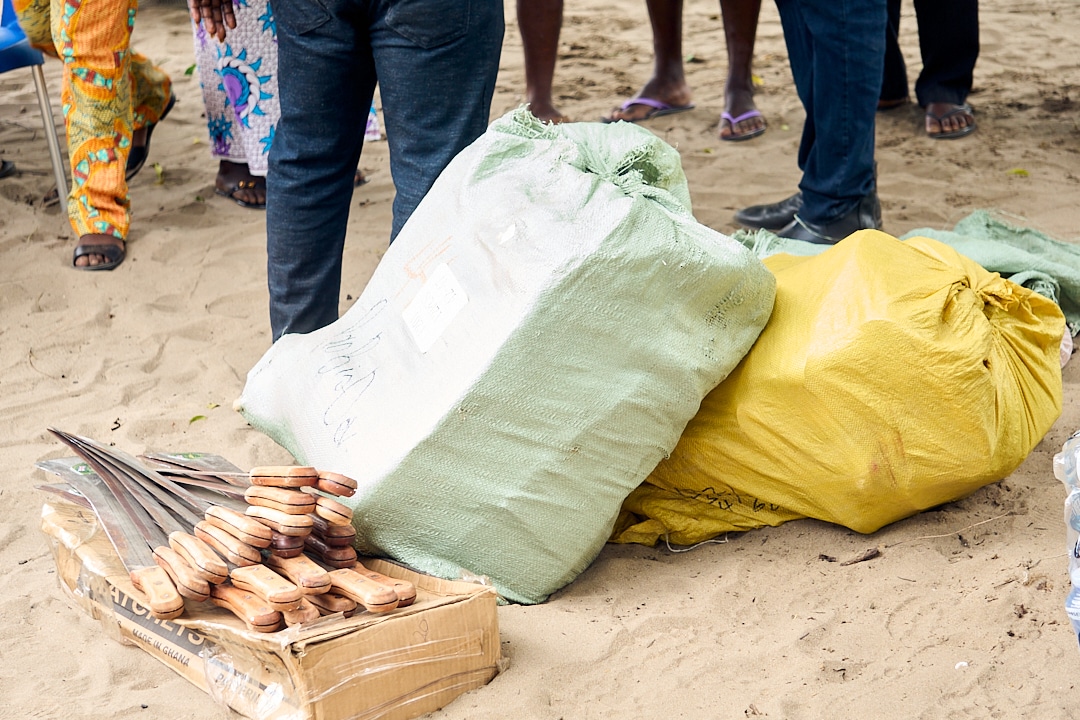
To ensure that farmers could immediately put their new knowledge into practice, participants received farming support equipment, including safety boots, cutlasses, and a variety of vegetable seeds. These tools are essential for their fieldwork, ensuring safety while enabling them to implement the techniques they learned in vegetable crop production, biochar use, and bio-pesticide and bio-fertilizer application.
A Broader Impact
These activities are not just aimed at protecting the critical Keta Lagoon wetland, which is home to important biodiversity, but also at supporting local communities to improve their livelihoods so that they are not overly dependent on the lagoon and the mangrove resources. By promoting organic and climate-smart agricultural practices, the project is helping to build a future where both people and nature can thrive.The training directly contributes to the achievement of several Sustainable Development Goals (SDGs), including:
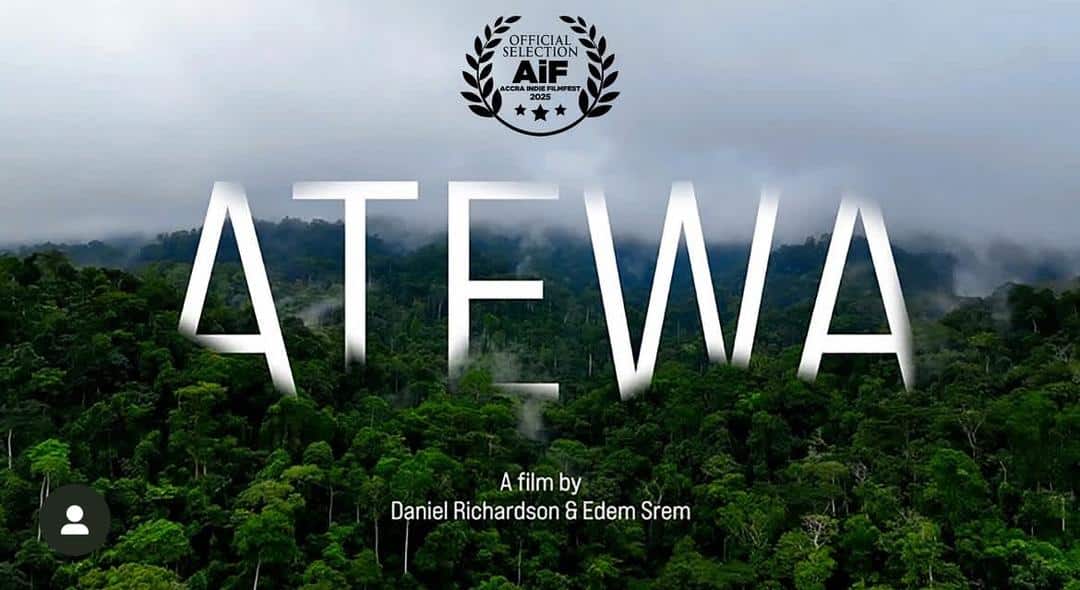
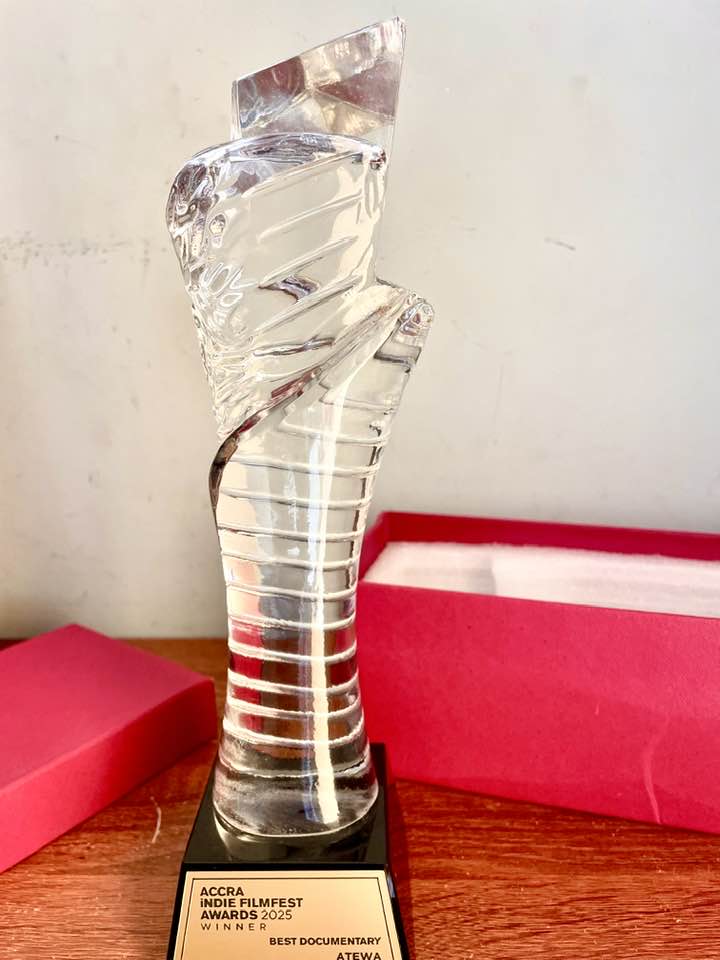
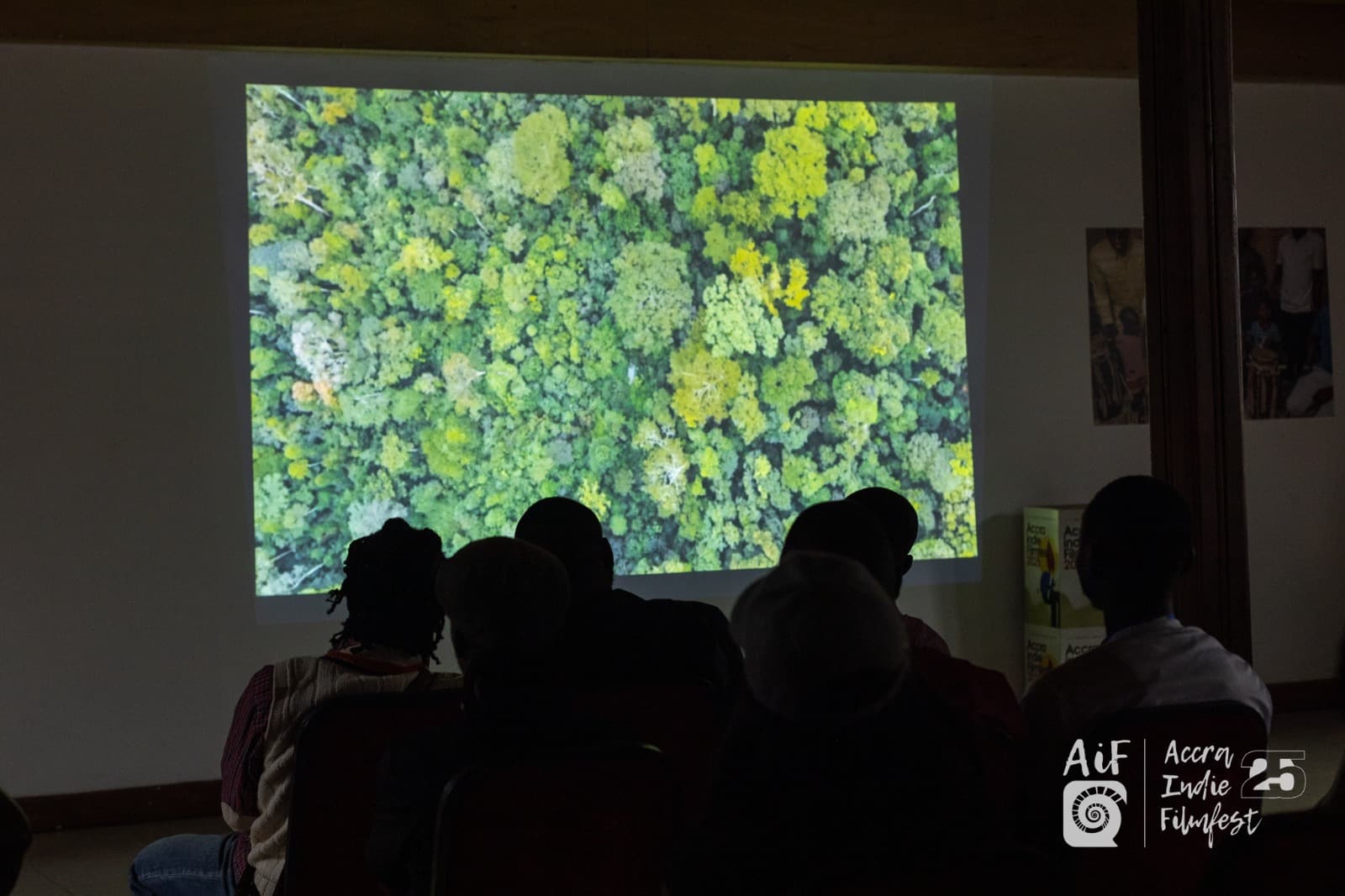
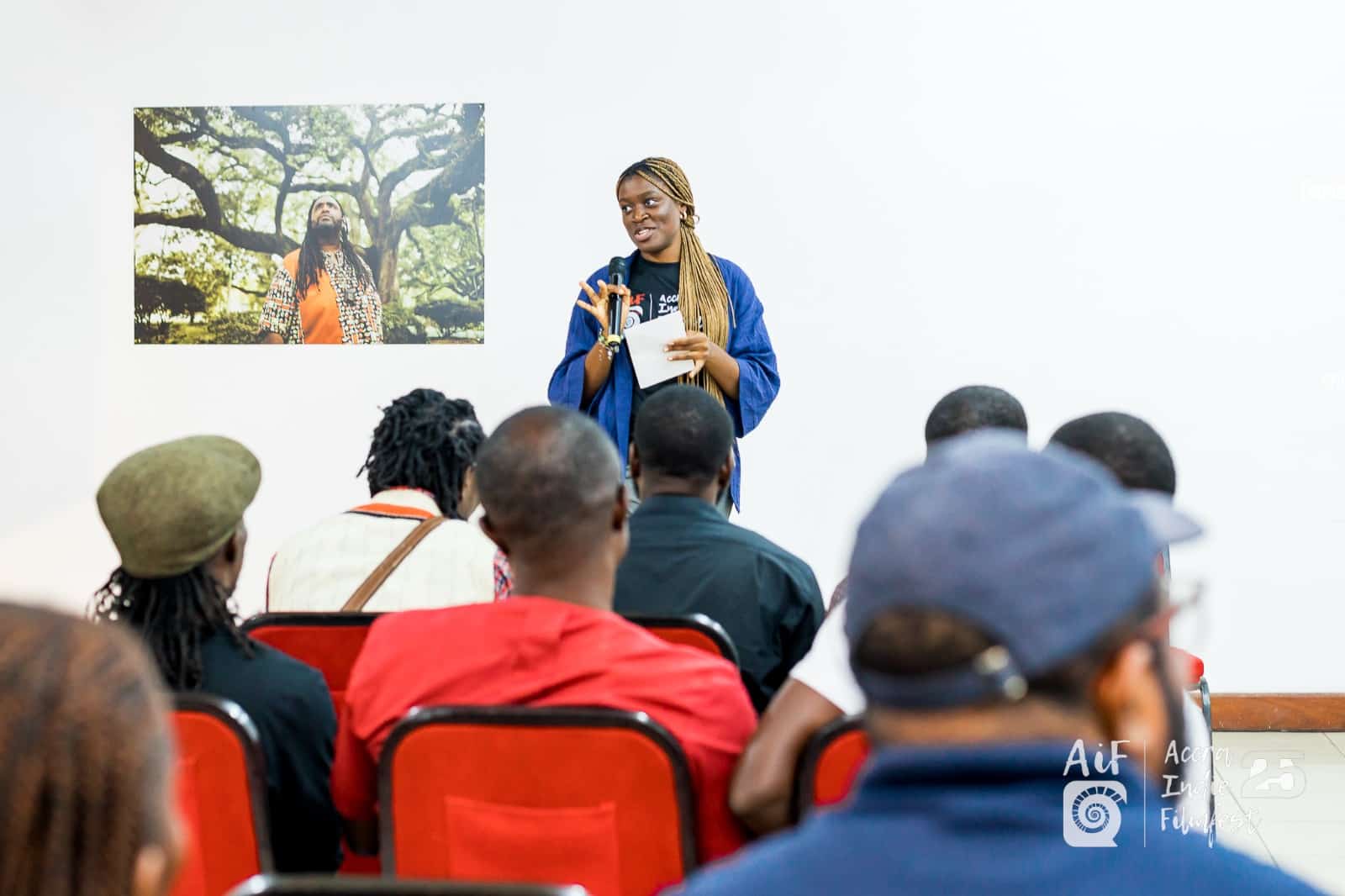
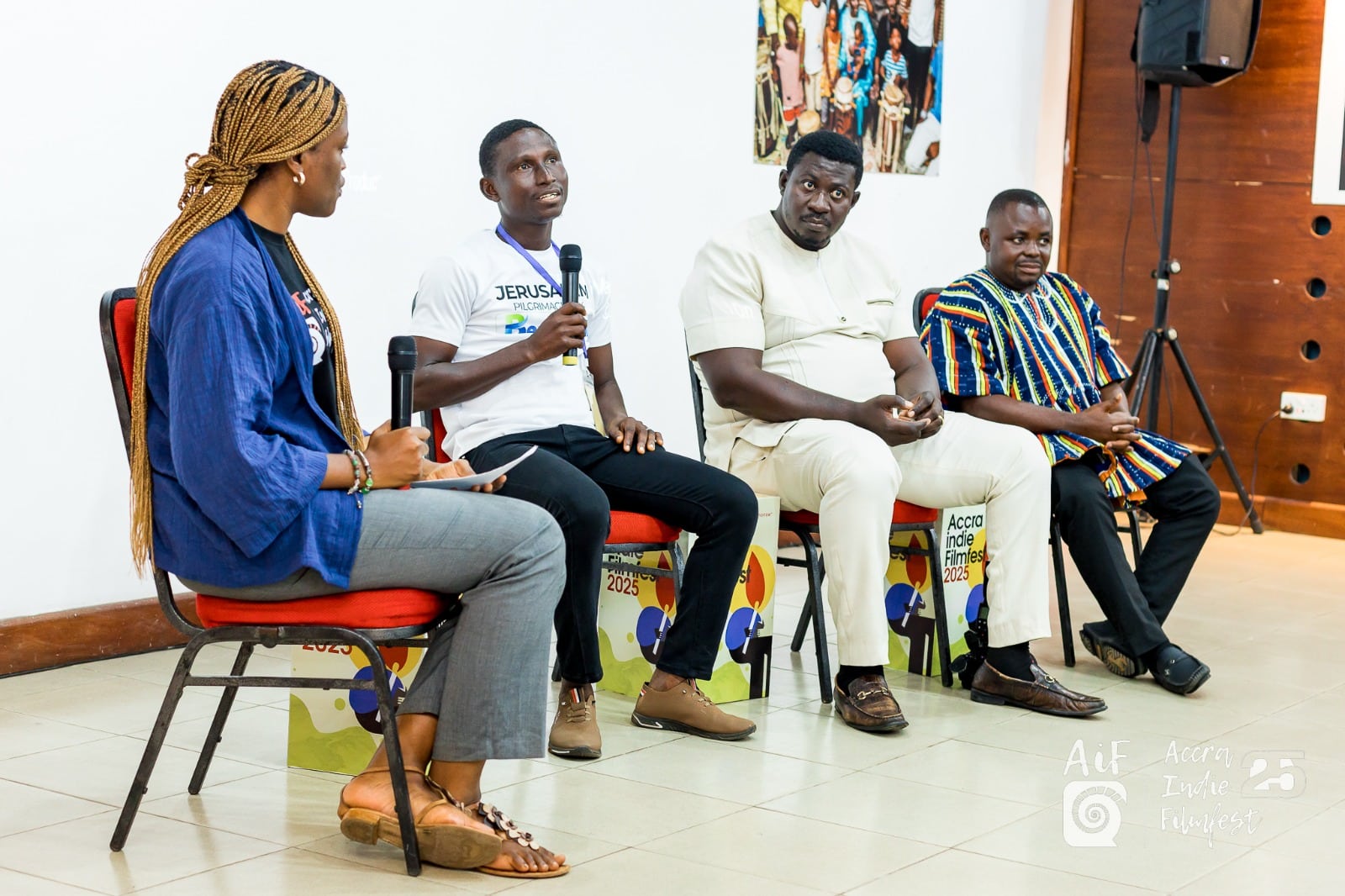
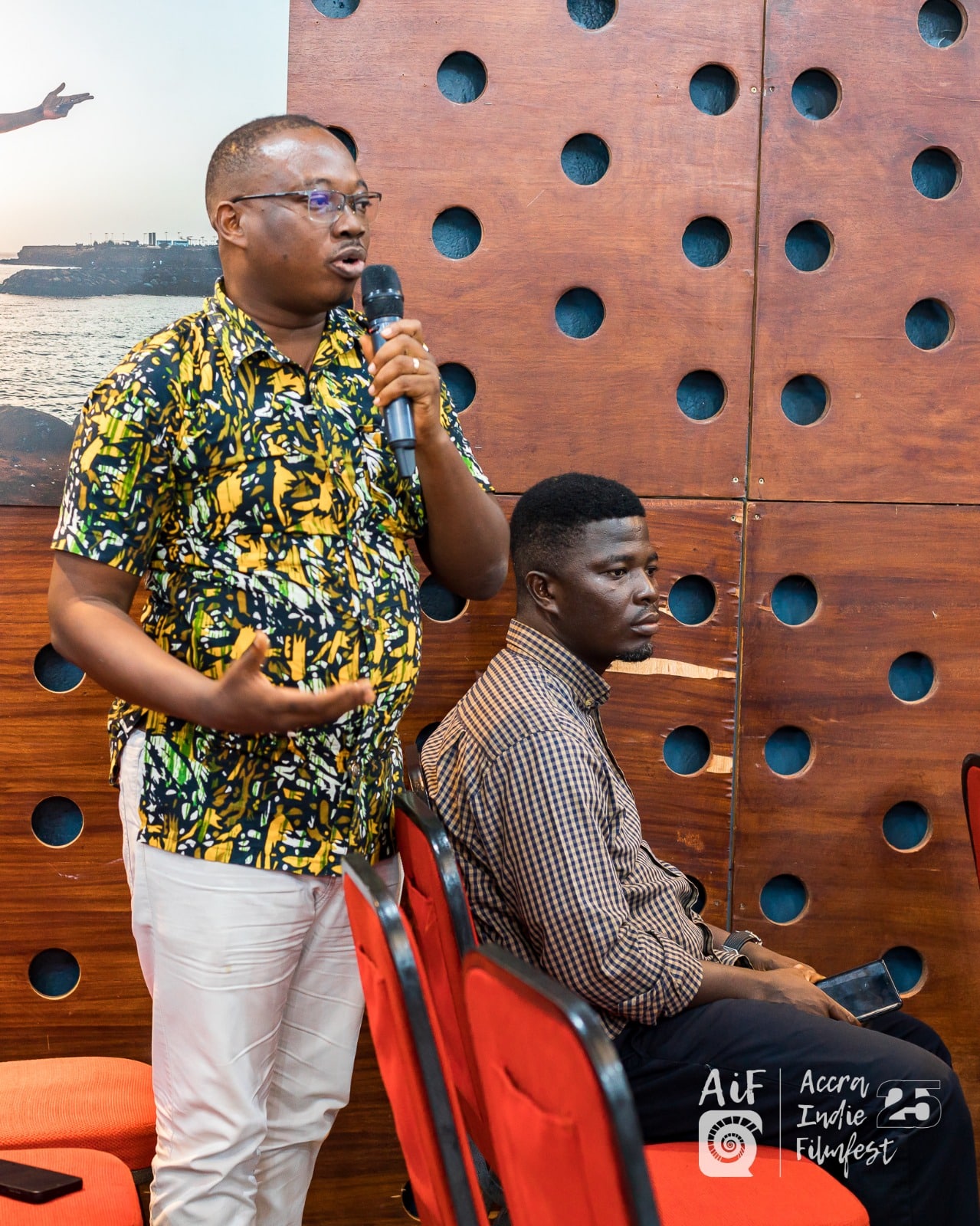
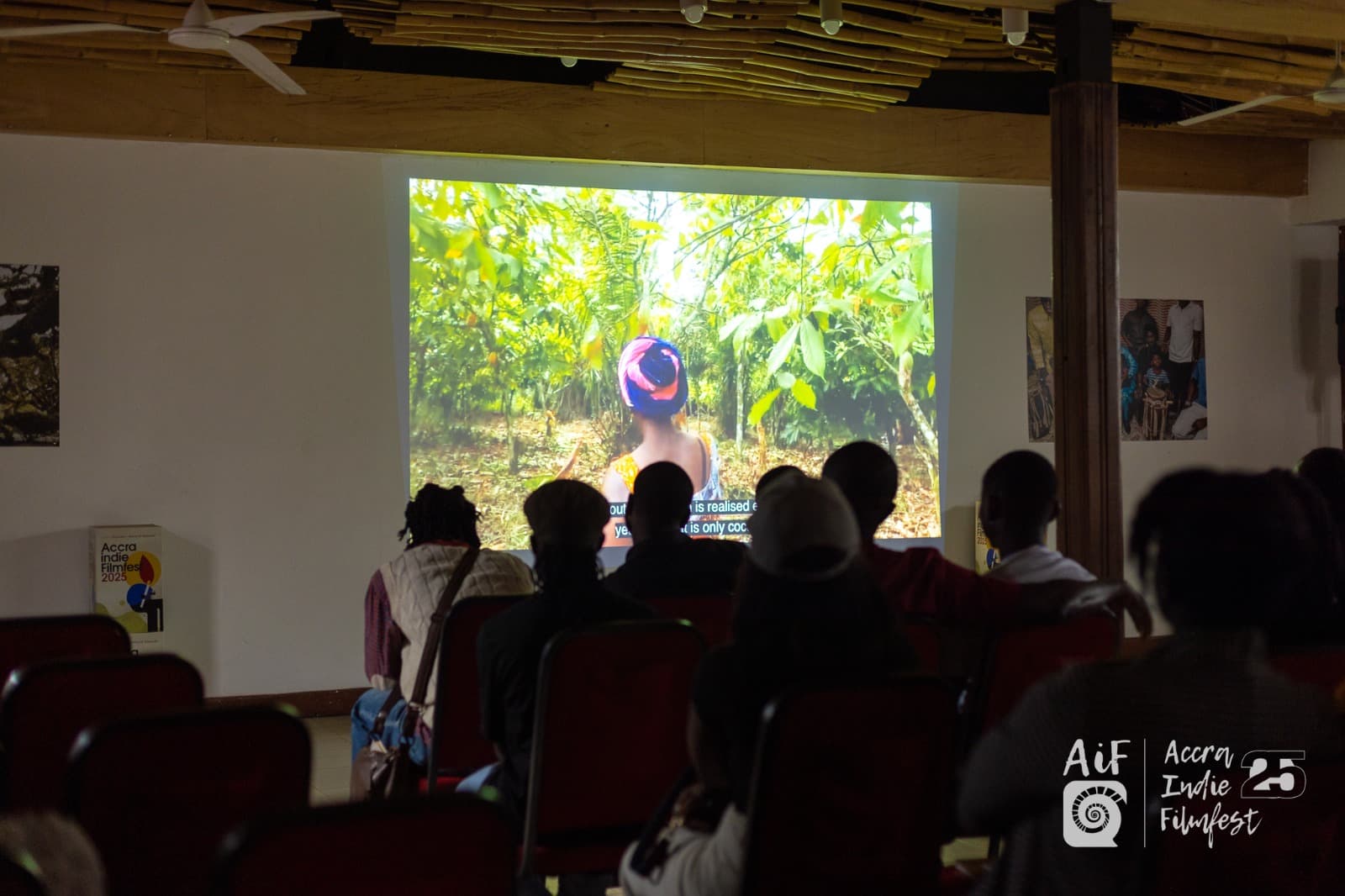
The powerful environmental documentary ATEWA has taken the spotlight at this year’s Accra Indie Film Festival (AIFF 2025), winning the coveted award for Best Documentary.
Produced by Edem Srem and directed by Richardson Daniel, the film captures the urgency of protecting the Atewa Forest — one of Ghana’s last remaining upland evergreen forests, home to extraordinary biodiversity and the source of clean water for over five million people.
A Story of People and Nature
ATEWA follows the journey of campaigners, scientists, and local communities who are standing up against mining threats to safeguard the forest. This powerful documentary captures the unwavering resistance of a local community against government forces and international investors. Their mission? To stop the transformation of their precious forest and water bodies into a bauxite mine and to push for the forest to be made a National Park.
Through stunning visuals and deeply personal stories, the film highlights not only the ecological importance of Atewa but also the human determination to see it protected for future generations.
A Special Pre-Festival Screening
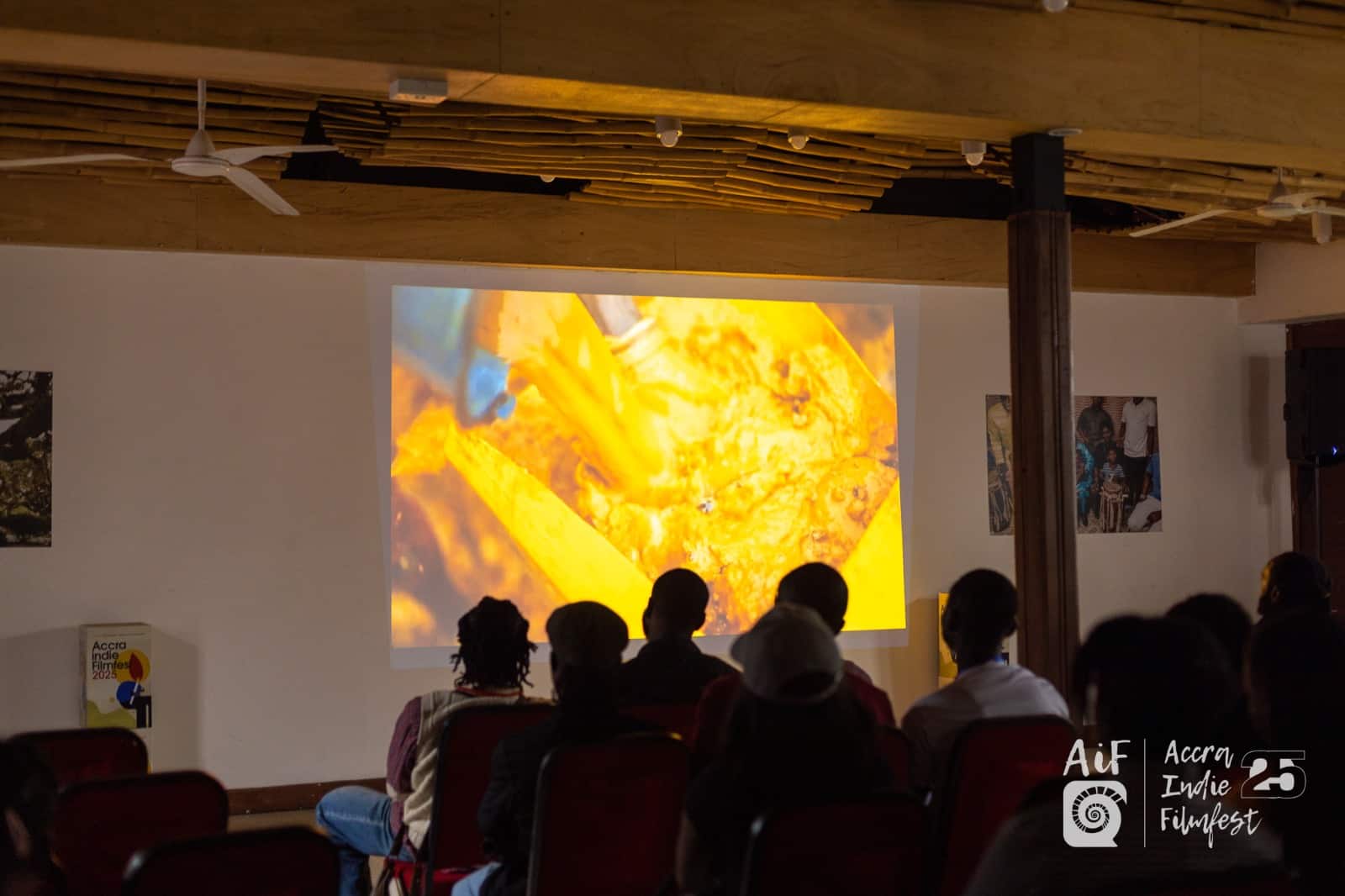
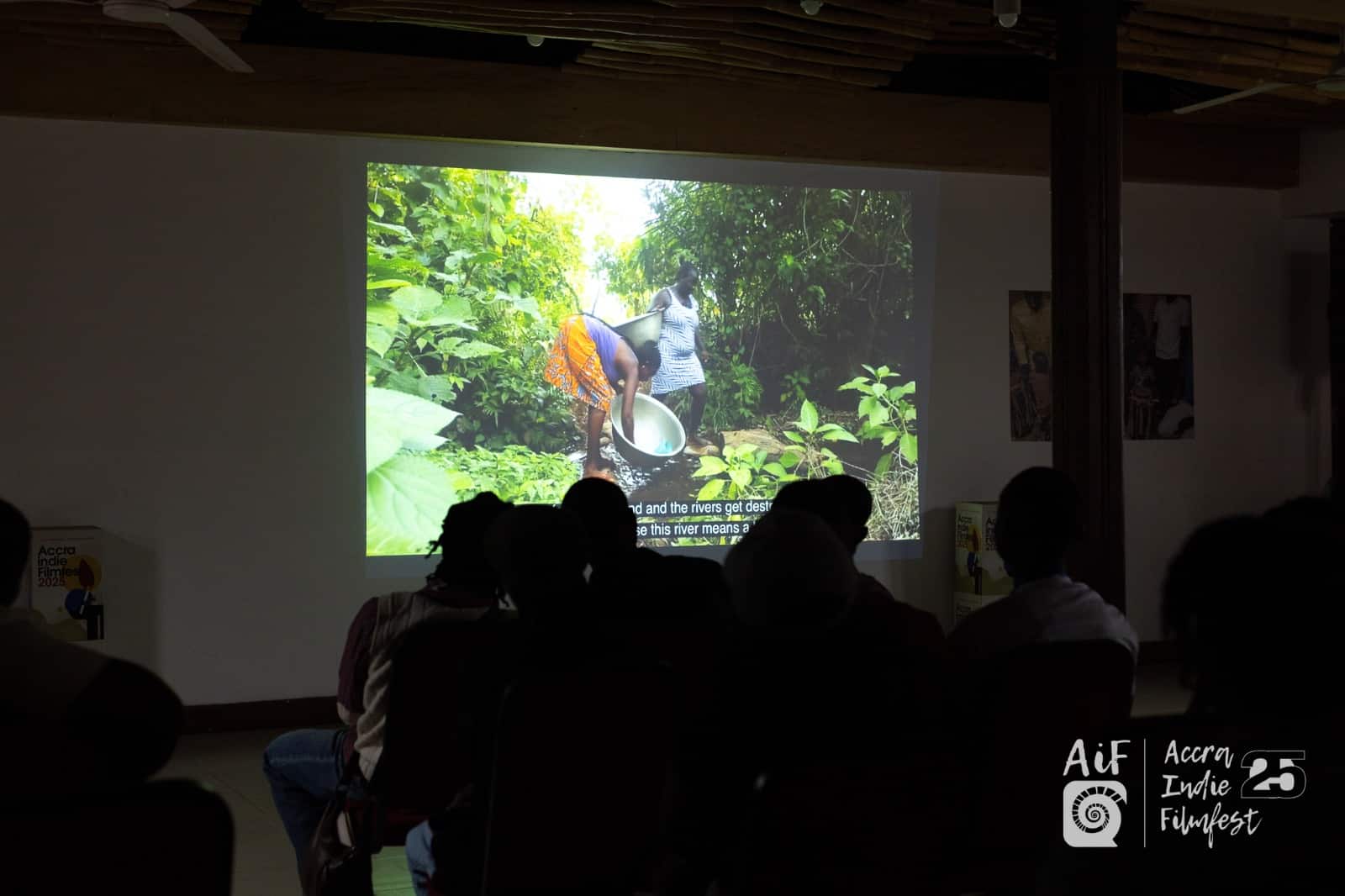
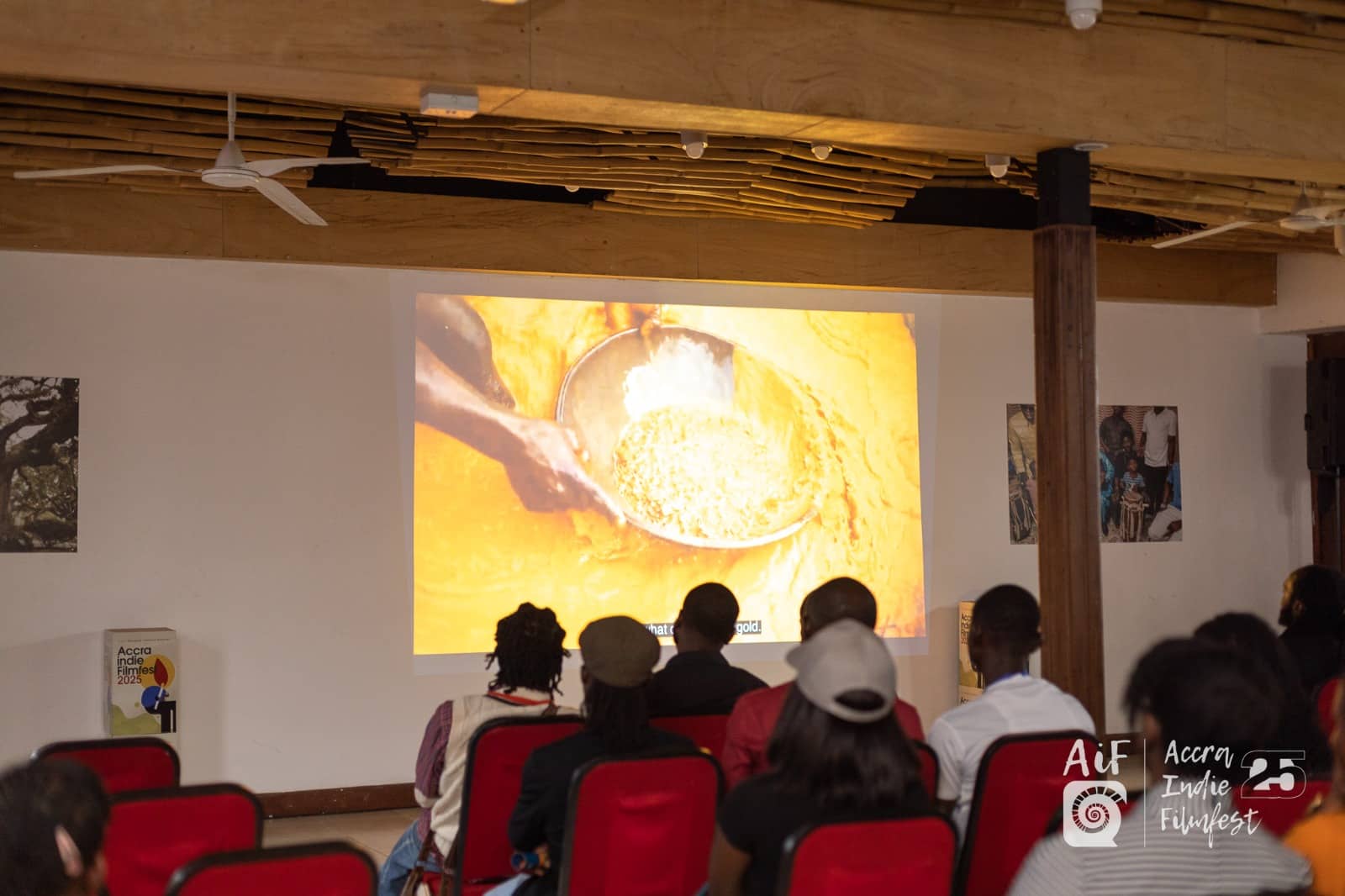
Ahead of the awards night, ATEWA was screened at Alliance Française in Accra on August 6, 2025. The special showing drew together people from diverse backgrounds — students, policymakers, activists, faith leaders, and members of the general public — all eager to engage with the story of Atewa.
The screening sparked heartfelt reactions:
“I never knew Atewa was this important. Watching this makes me feel responsible to speak up,” said a university student in attendance.
“The film brought tears to my eyes. This is not just about a forest; it’s about our future,” shared a civil society participant.
“Seeing the courage of the communities fighting for Atewa inspires me. It shows that ordinary people can stand up against powerful forces,” remarked an audience member from the creative arts sector.
The strong response at Alliance Française reflected the film’s ability to transcend environmental advocacy and touch people at a deeply personal level.
A Win Beyond the Screen
Receiving the Best Film award, Edem Srem, producer of the film, dedicated the honor to the communities of Atewa and to every Ghanaian fighting for the forest’s survival.
According to Srem, “This award is not just for the film, but for the people and nature of Atewa. It affirms that our story resonates beyond borders, inspiring action for conservation and justice.”
“We produced Atewa because we don’t want the forest to be mined for bauxite. It was supposed to be given to a Chinese company for $2 billion, but the forest holds more than $2 billion if it is turned into a National Park,” he added.
For the producers of the documentary, this recognition is more than cinematic success; it is a moment that amplifies the call for Atewa Forest to be permanently protected as a National Park and potentially recognized as a World Heritage Site.
Why This Matters
The Atewa Forest is a natural treasure. Beyond being a biodiversity hotspot, home to rare and endemic species, it provides essential water sources to millions, sustains livelihoods, and safeguards cultural heritage.
Ghana’s Atewa Forest is home to more than 1,000 species of plants, 230 species of birds, 570 butterfly species, and at least 50 species of mammals. It is a Key Biodiversity Area, meaning that it is critical to the persistence of global biodiversity and the overall health of the planet.
Winning Best Film at AIFF 2025, coupled with the planned September premiere, places Atewa’s story on a global stage, reminding us all that the fight for environmental justice concerns every person who values life, nature, and a sustainable future.
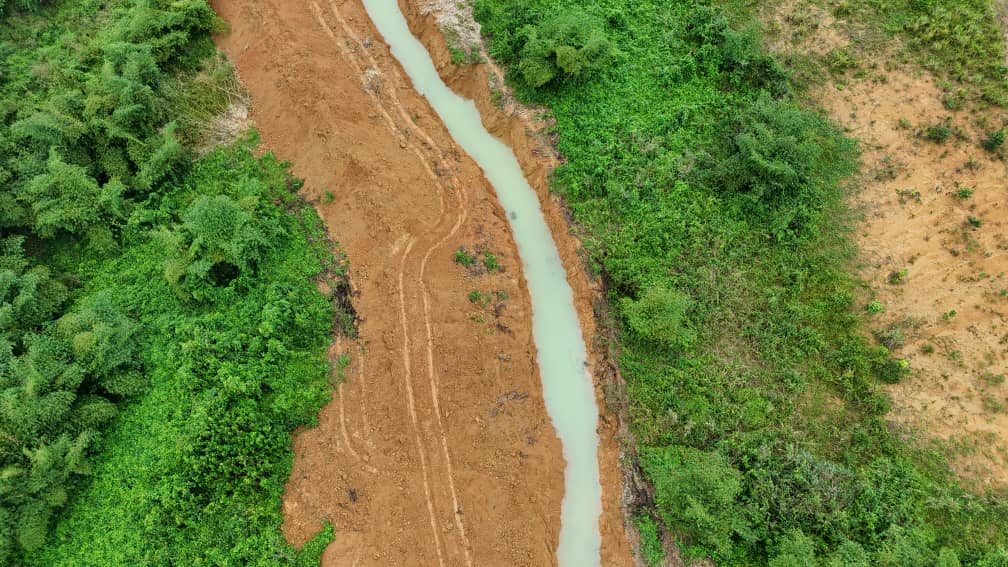
A mining operation’s attempt to illegally divert the sacred Birim River at Apapam has sparked outrage and drawn urgent calls for government action. The reckless activity, which destroyed part of an ecological restoration site at the edge of the Atewa Forest Reserve, represents a grave assault on Ghana’s natural heritage.
As necessary due diligence and follow-up to this development, we demand the following:
The Ministry of Lands and Natural Resources, Environmental Protection Agency (EPA), WRC, and Minerals Commission must move beyond suspension. Apprehend Mr. Emmanuel Gamah and all involved. Prosecute them to the fullest extent of the law for illegal mining, environmental destruction, and cultural desecration.
The perpetrator must be compelled to cover up all trenches and fully restore the destroyed planted site.
Authorities must investigate any potential complicity at any level, including the mining company and all leaders involved.
We cannot build a sustainable future with this kind of escalating destruction of all our life-supporting systems, like rivers and forests, as exhibited by this egregious action.
When a sector takes a battering, it is only natural for all other sectors to unite in support, helping the struggling sector to regain its strength and vitality.
Ghana’s environmental sector has suffered significantly in recent years, facing challenges from deforestation, pollution, illegal mining, and the impacts of climate change, among others.
Building sector-wide alliances and partnerships to reverse the trend through collective stewardship has become imperative.
Once upon a time, the Church was a silent witness to trees falling, rivers dying, and lands bleeding from illegal mining. But no more. The Christian and interfaith fraternity have stepped forward to play a pivotal role in this recovery process, with churches throughout Ghana pledging a renewed dedication to environmental stewardship.
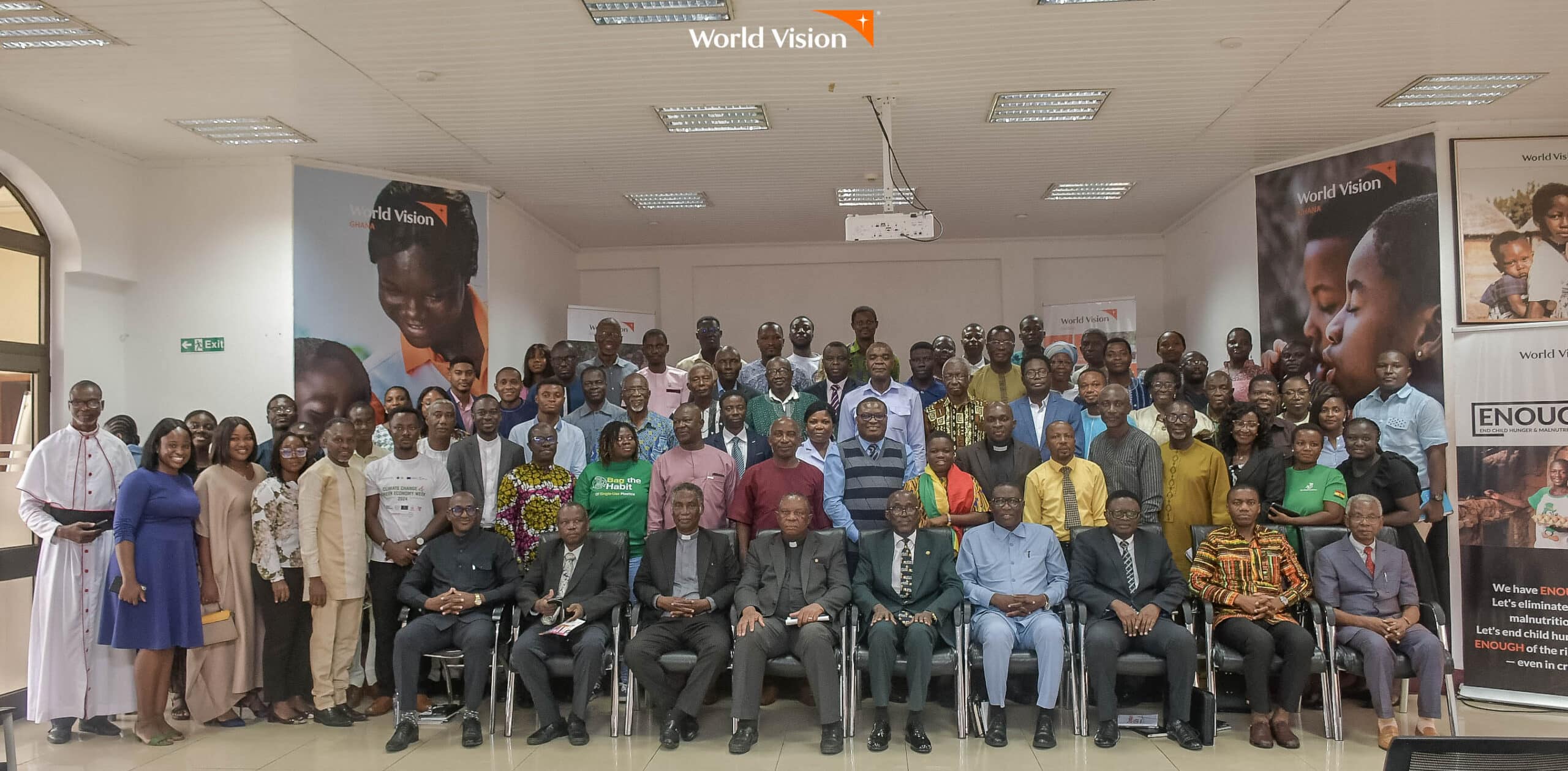
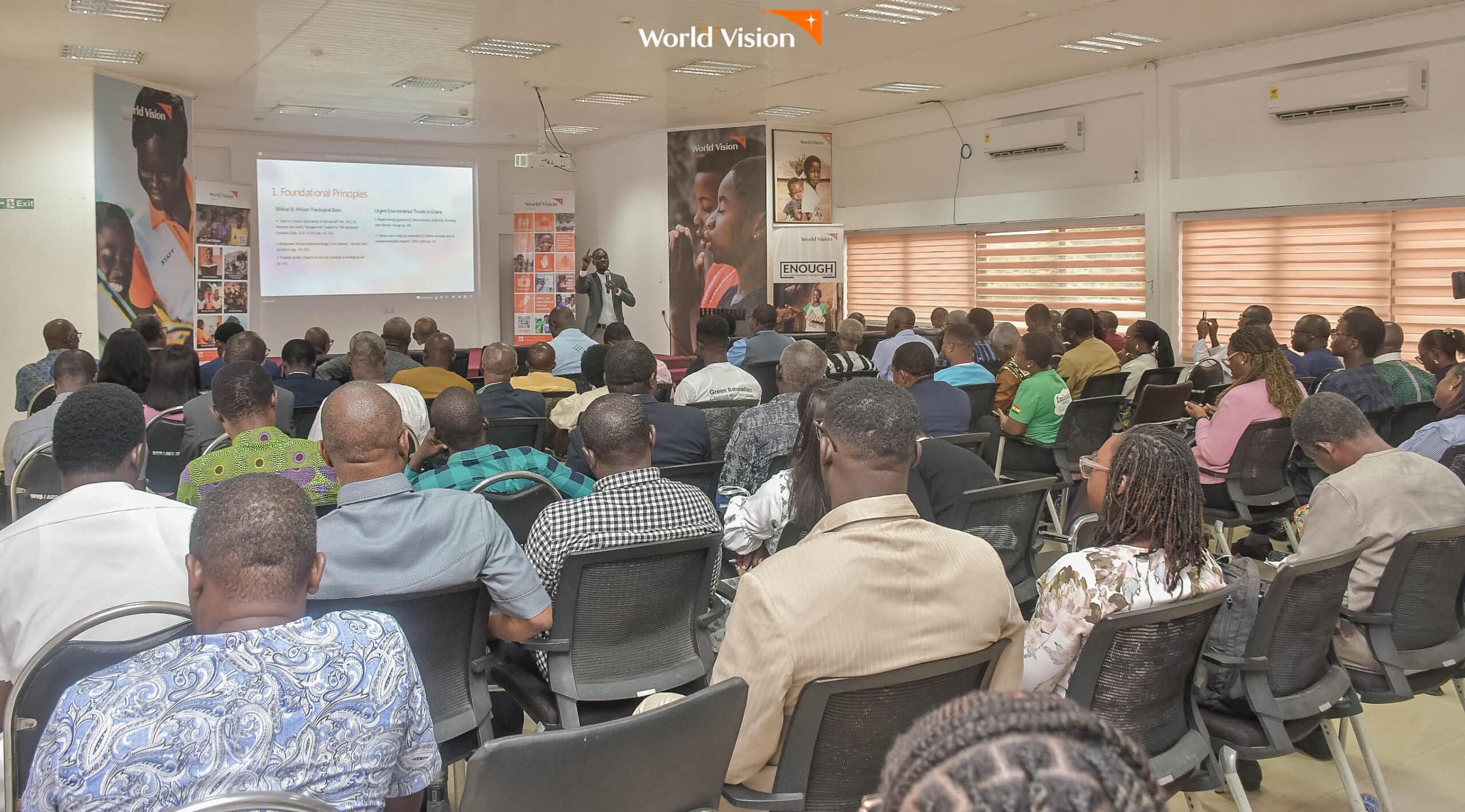
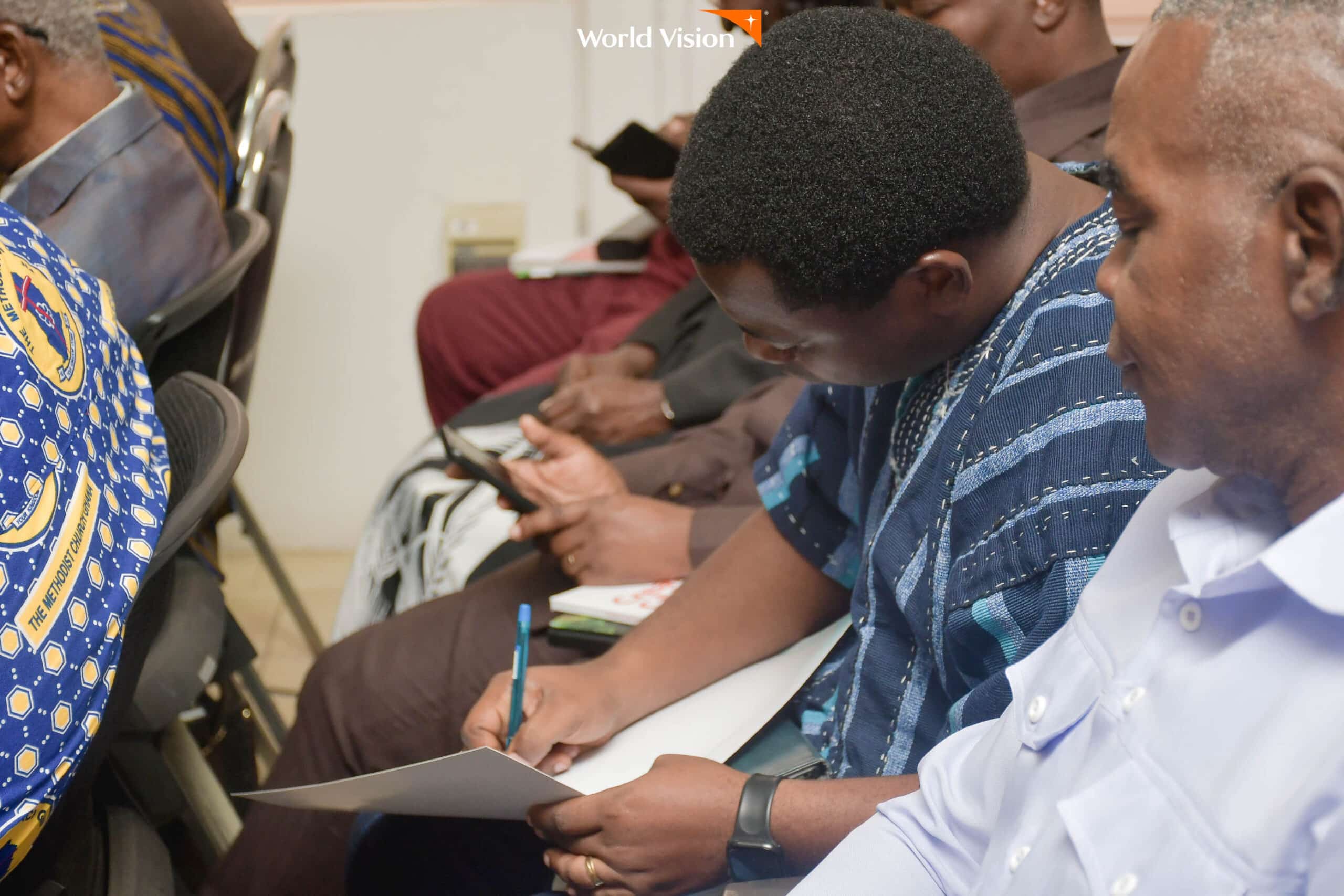
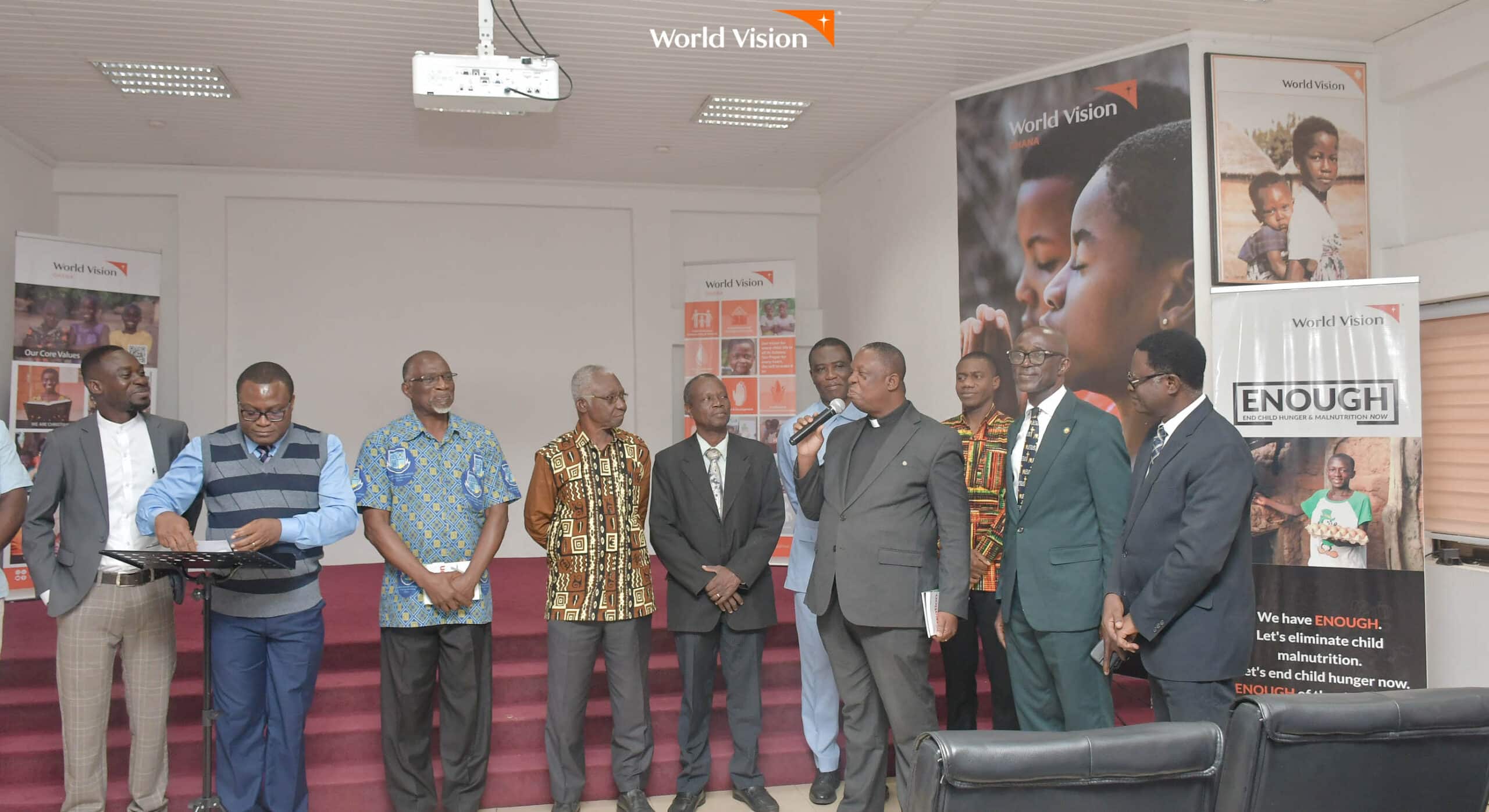
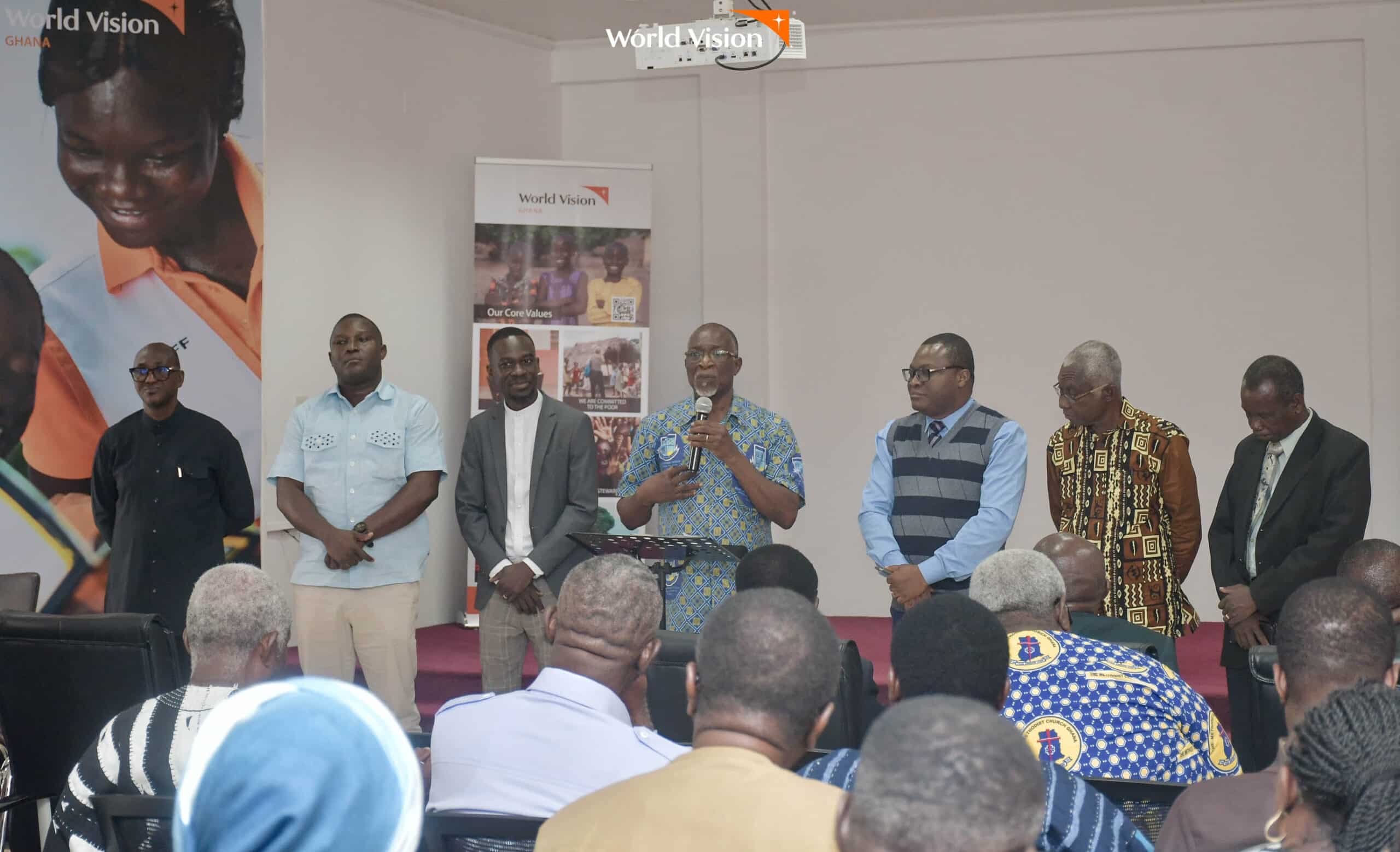
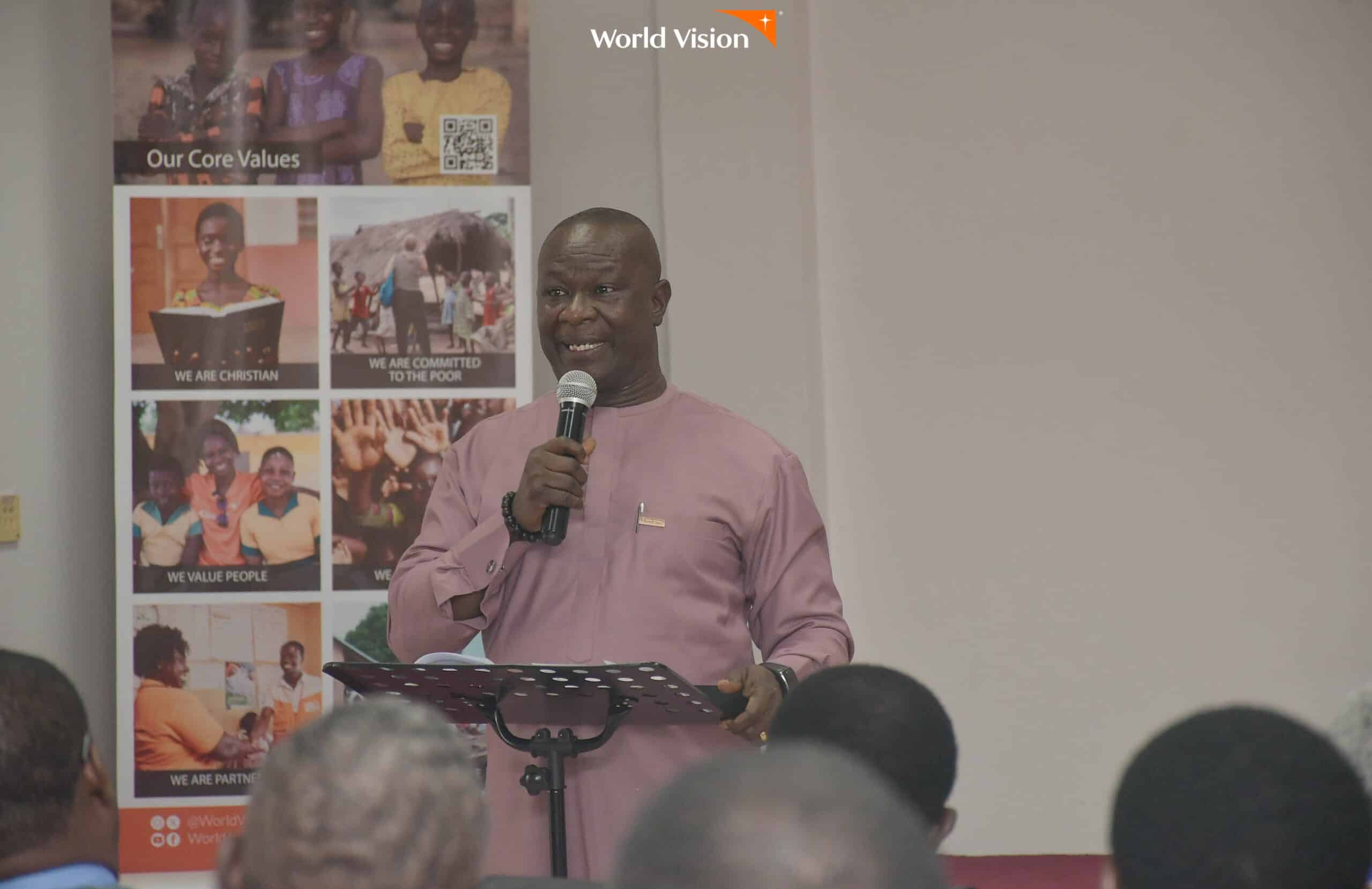
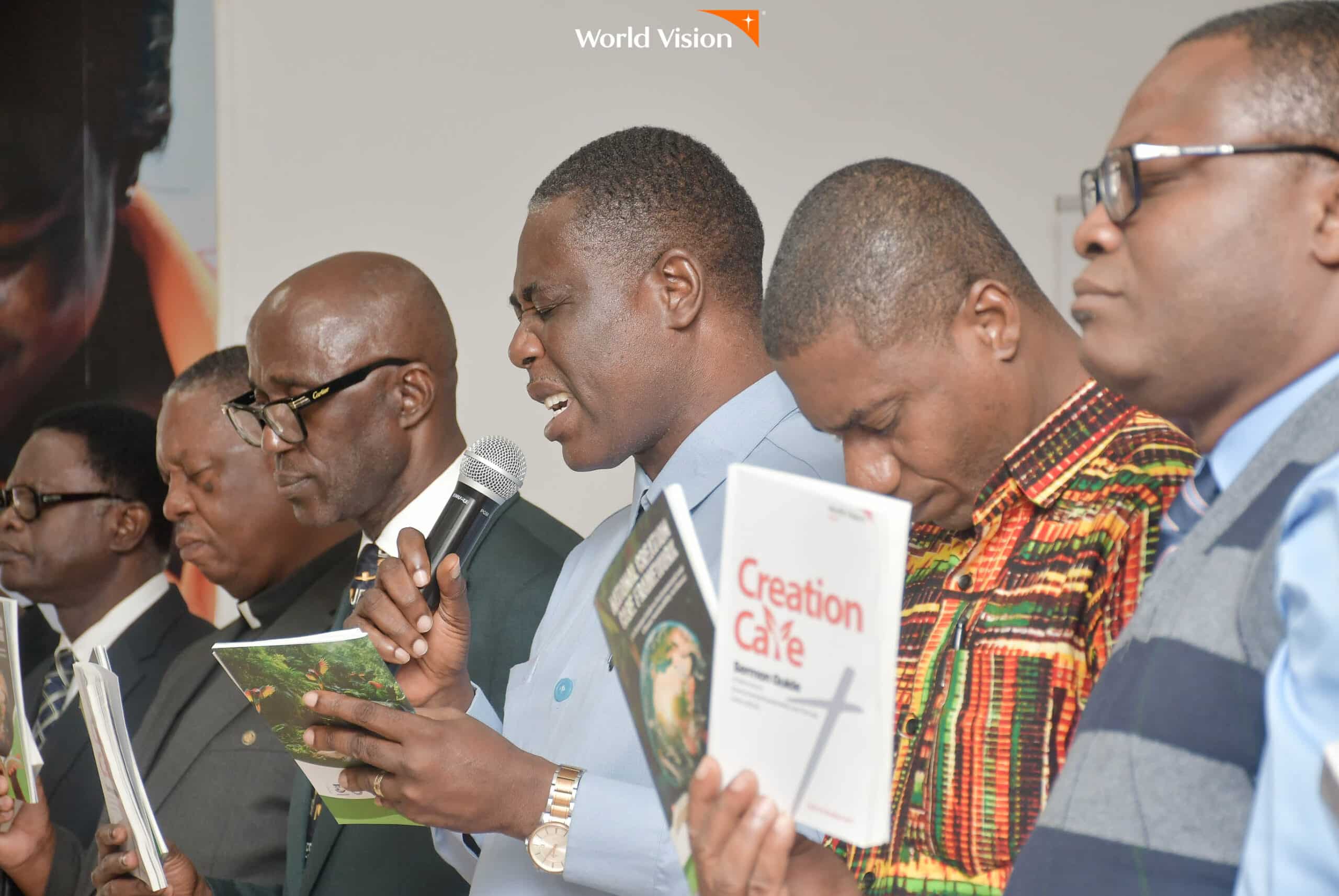
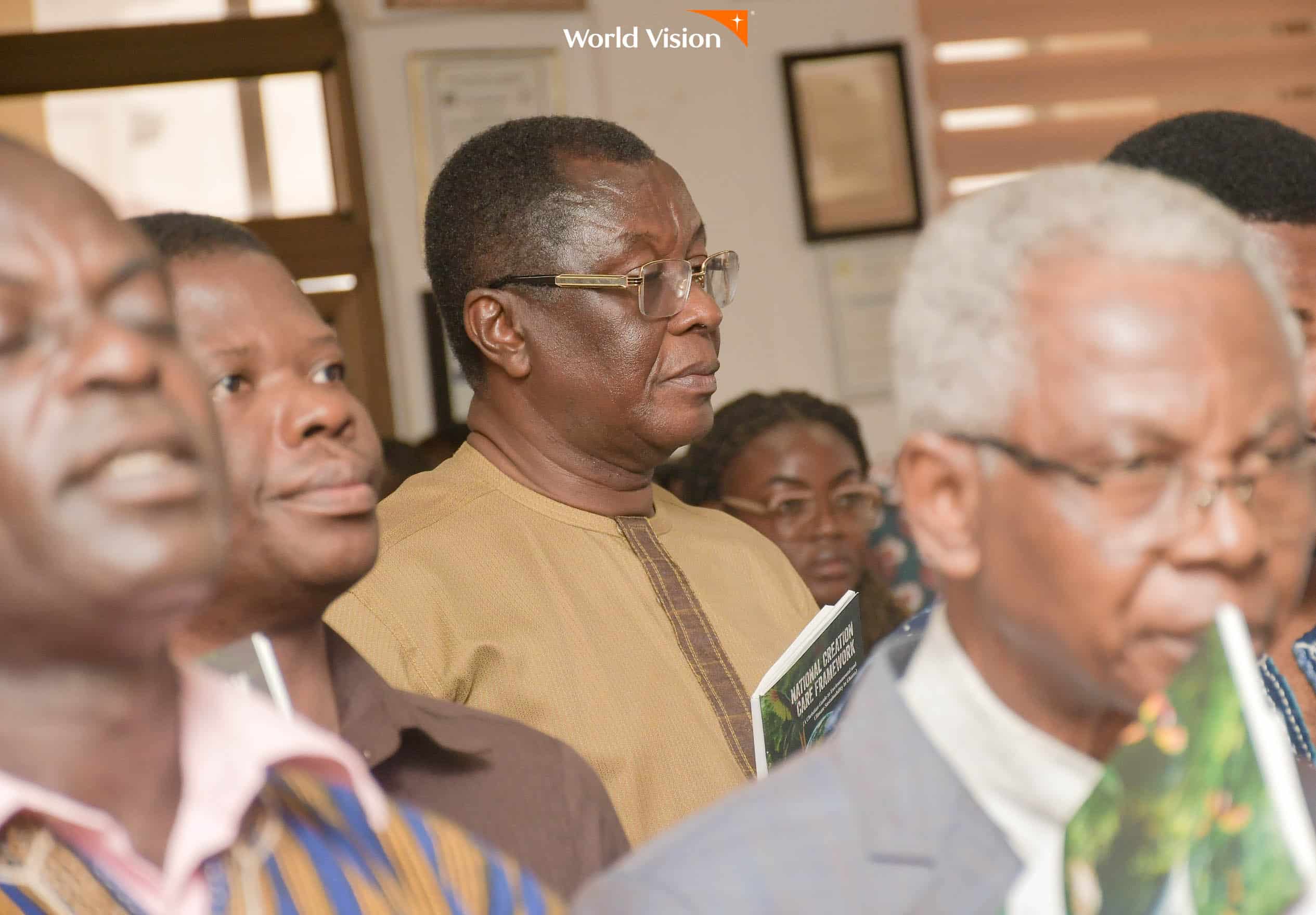
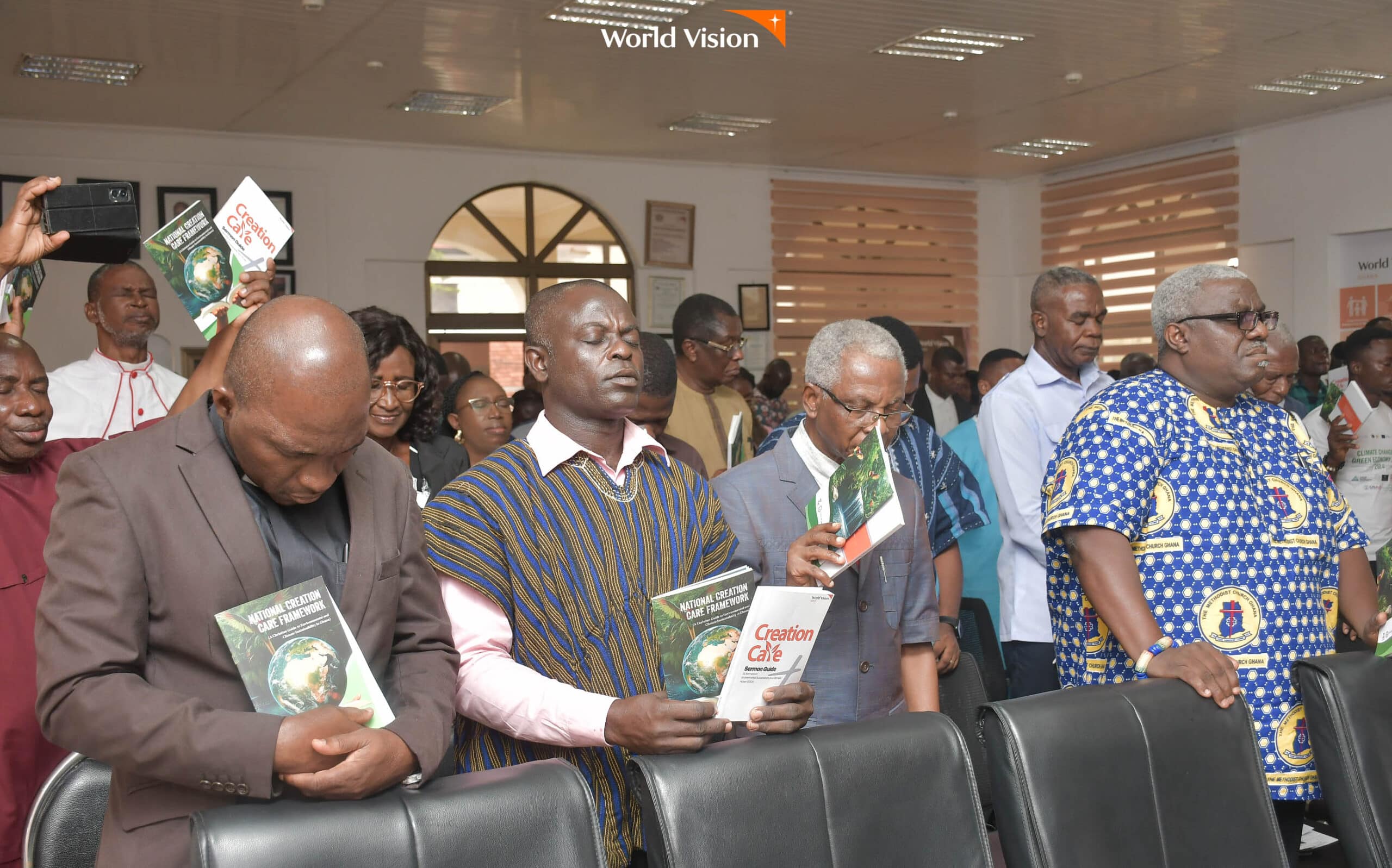
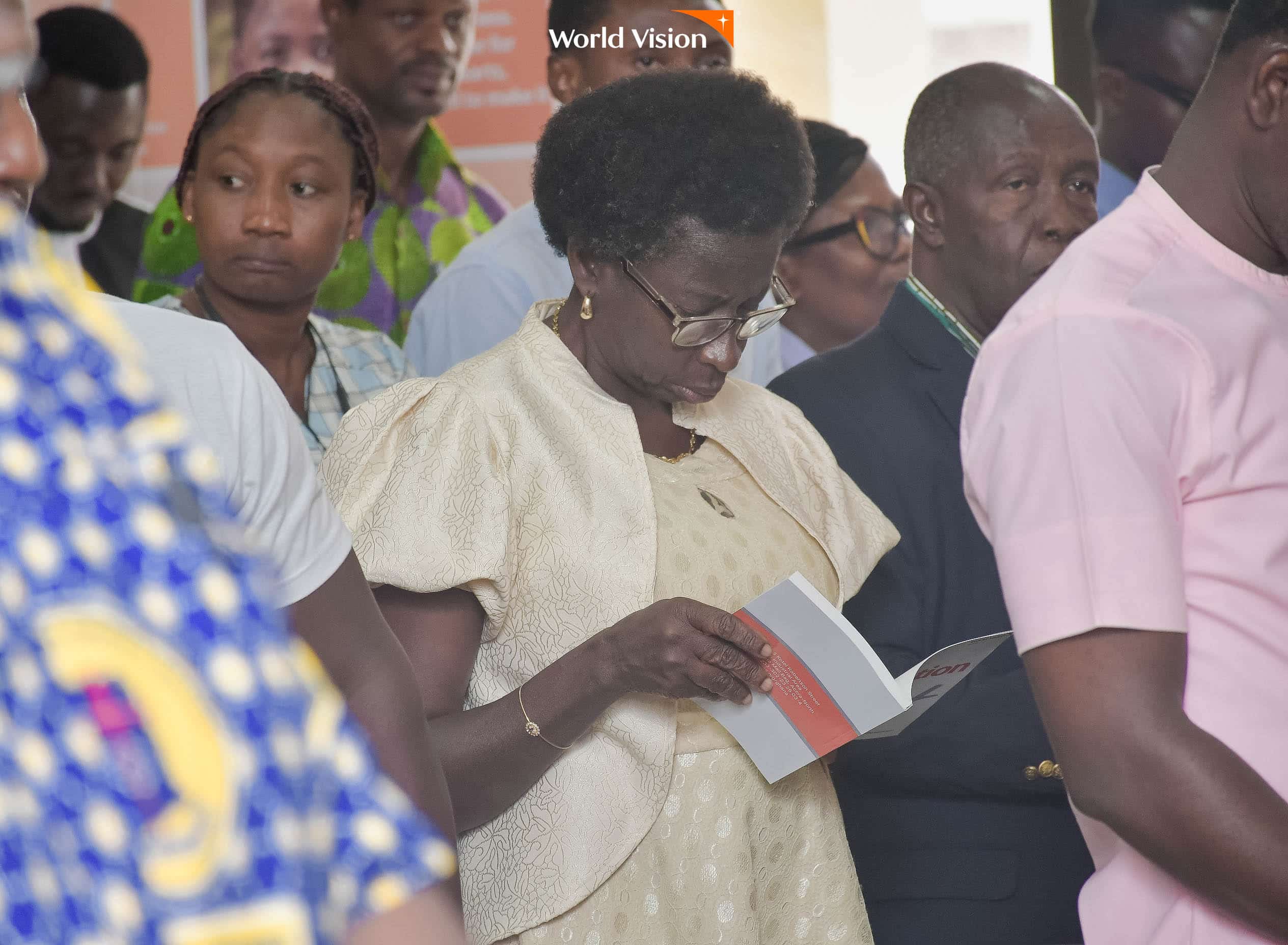
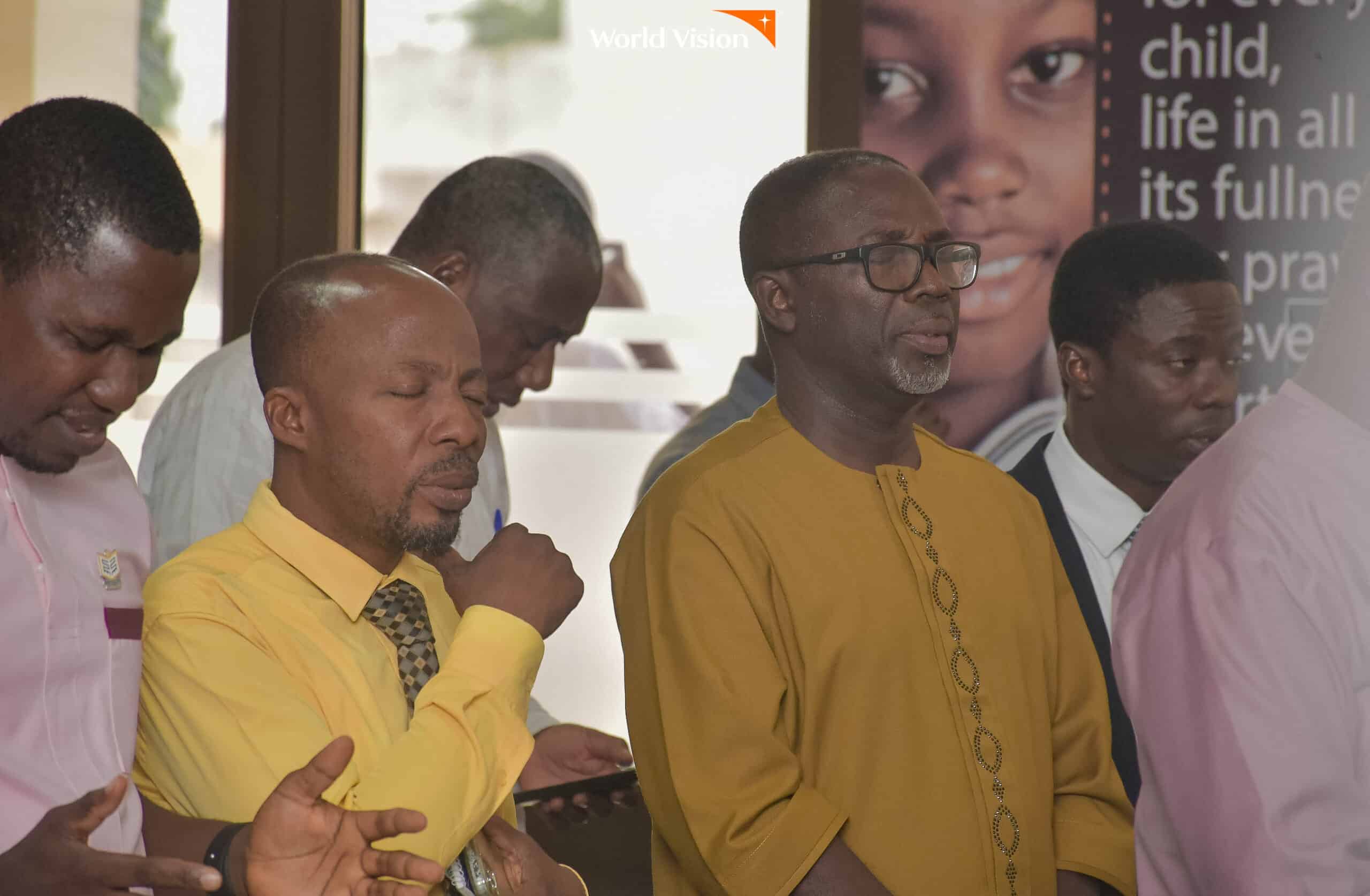
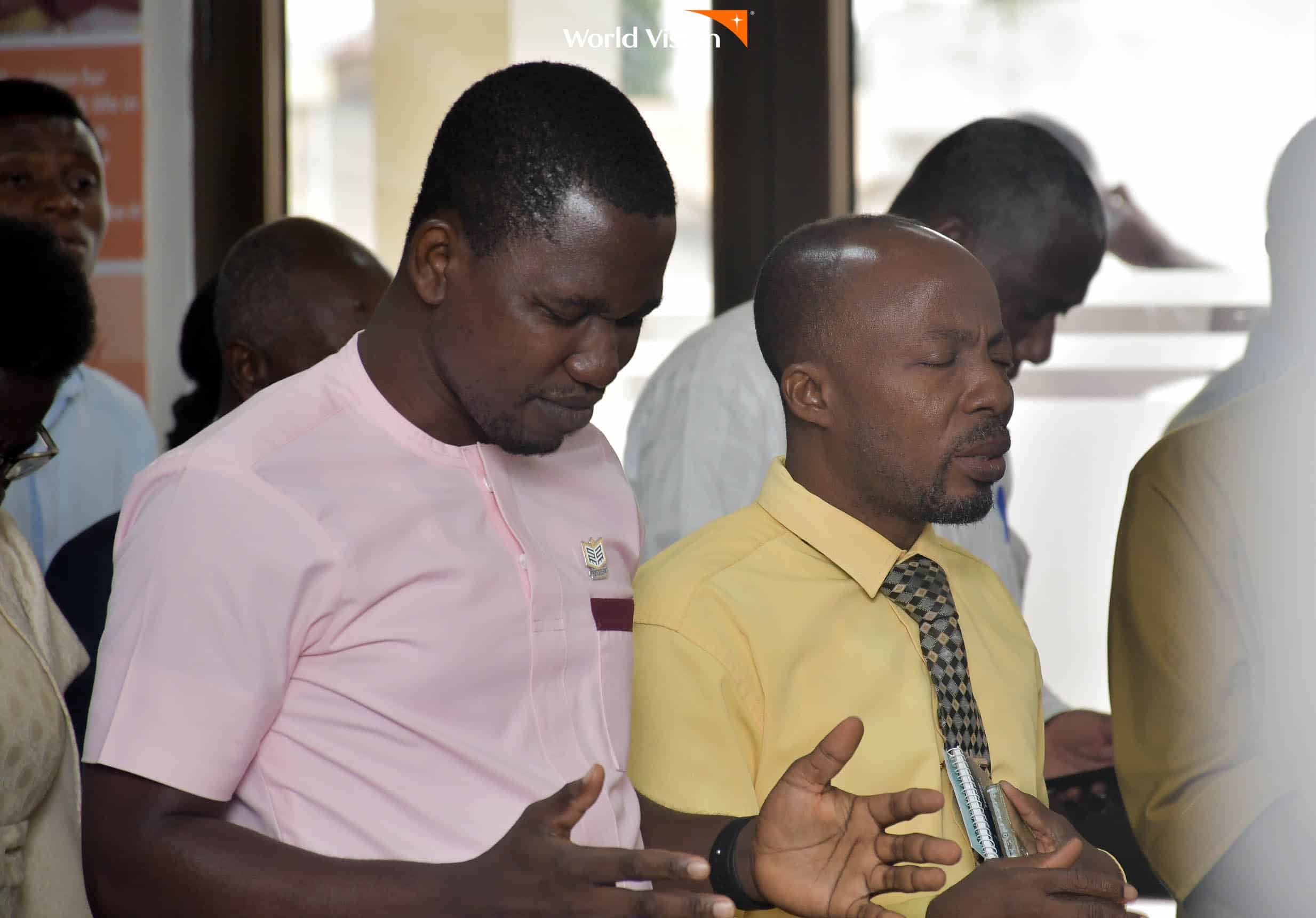
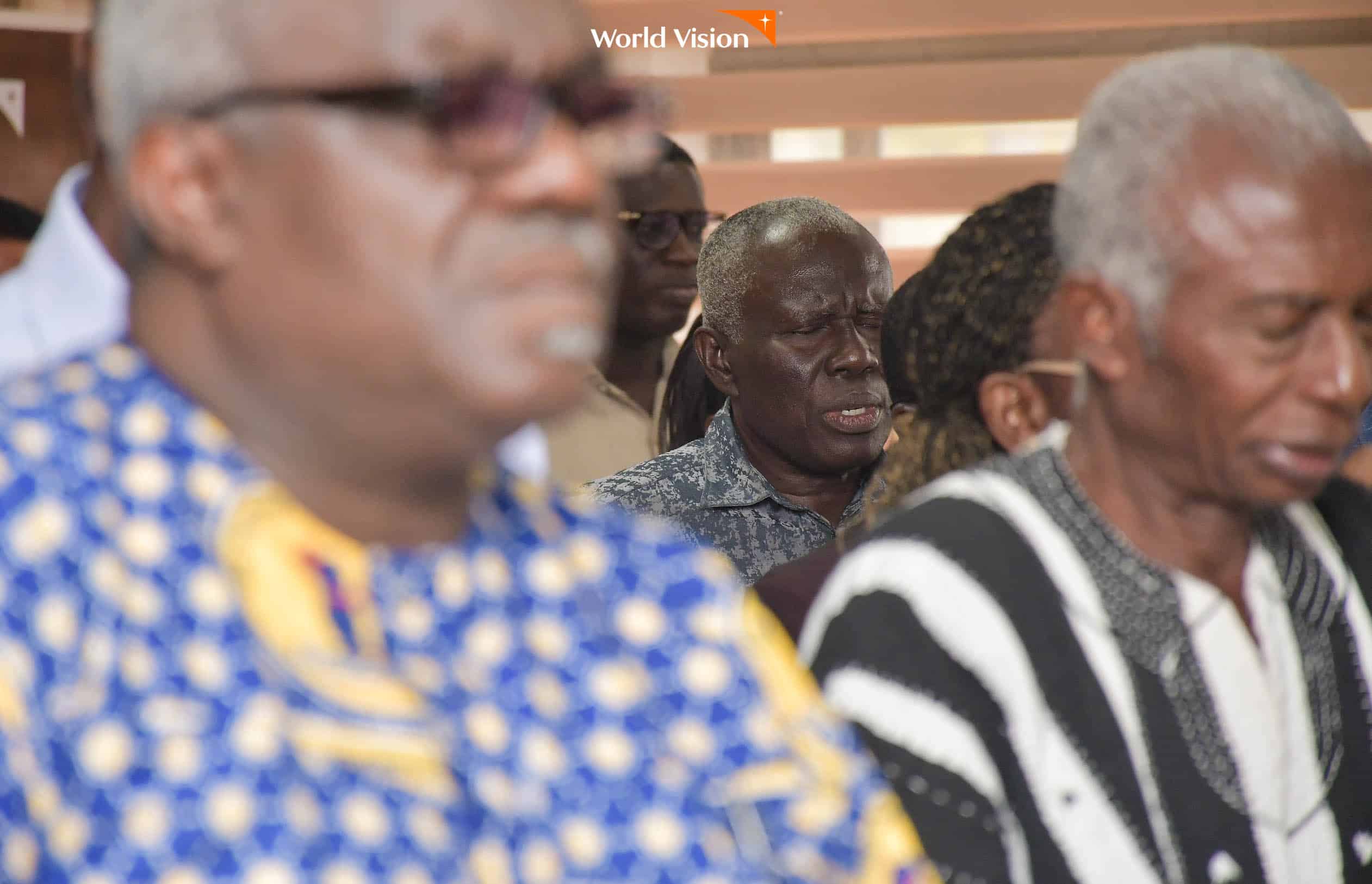
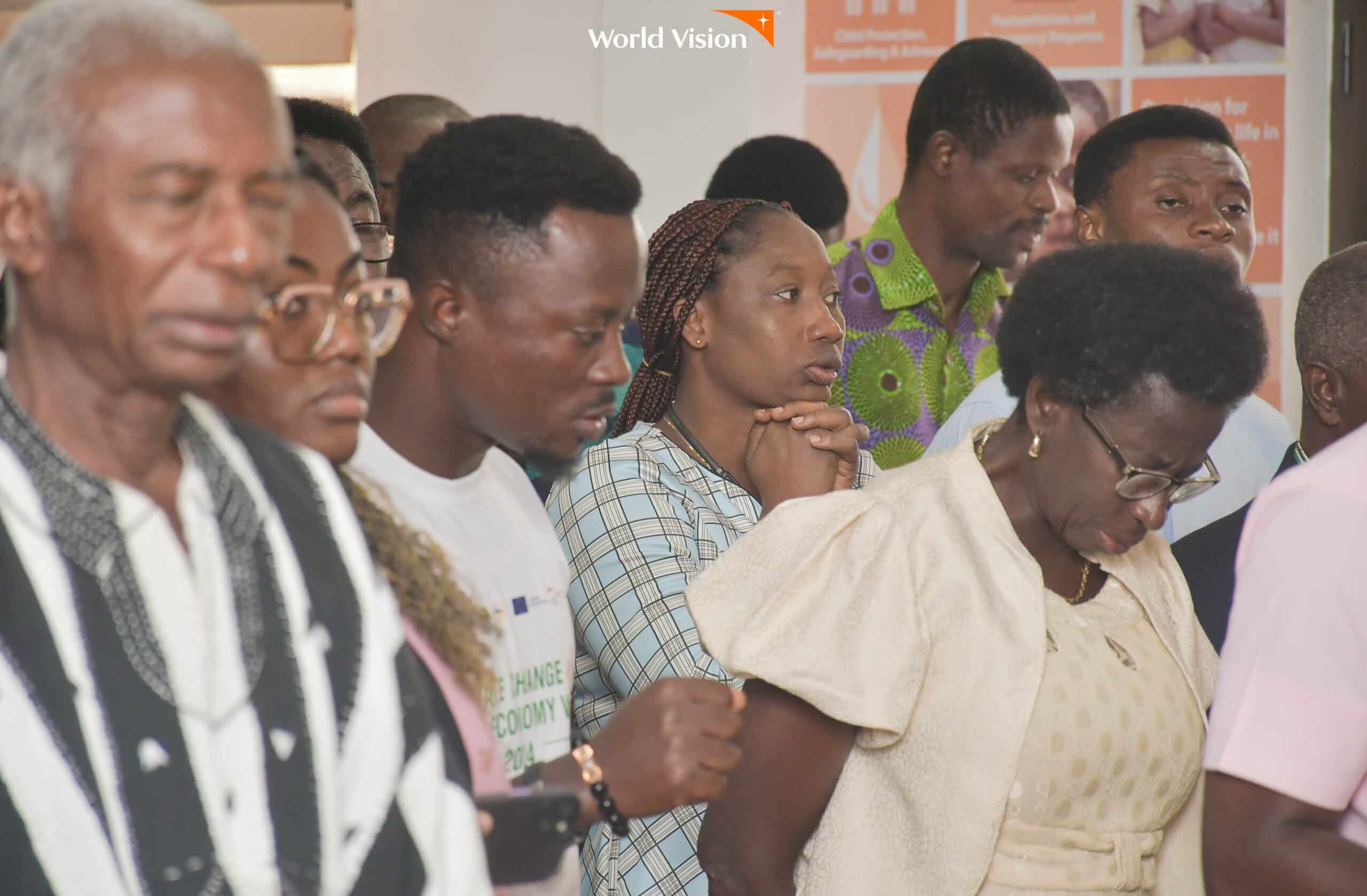
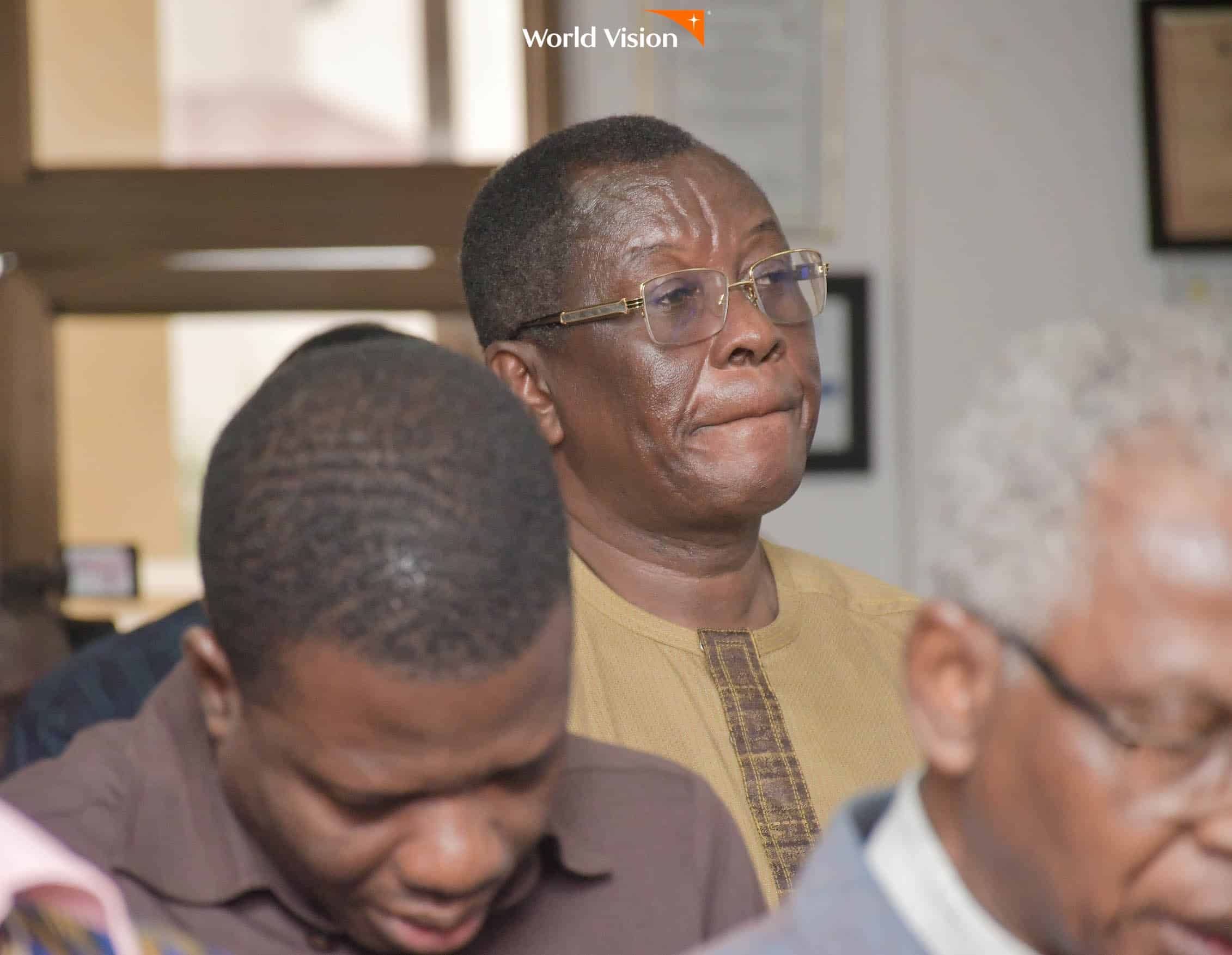
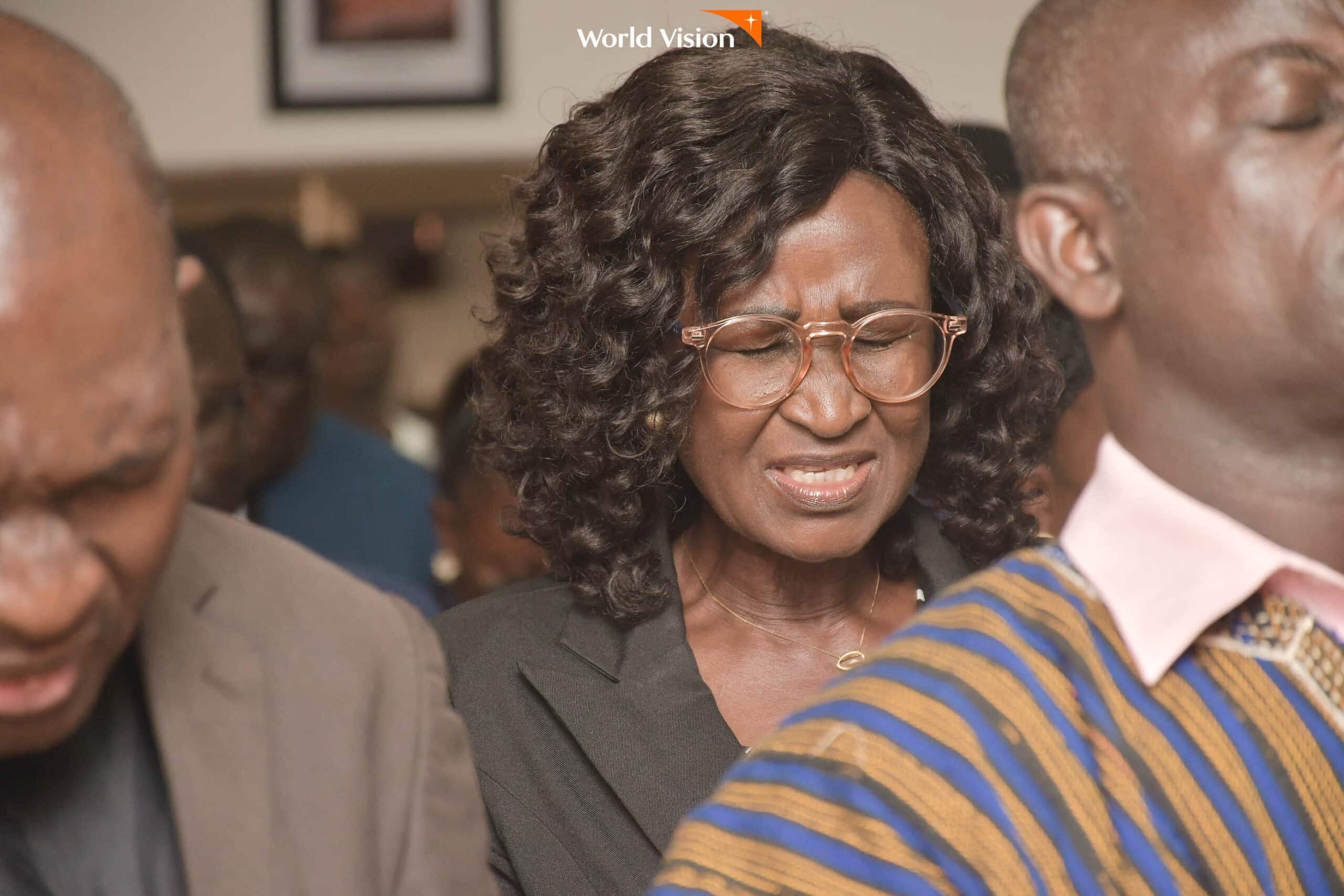
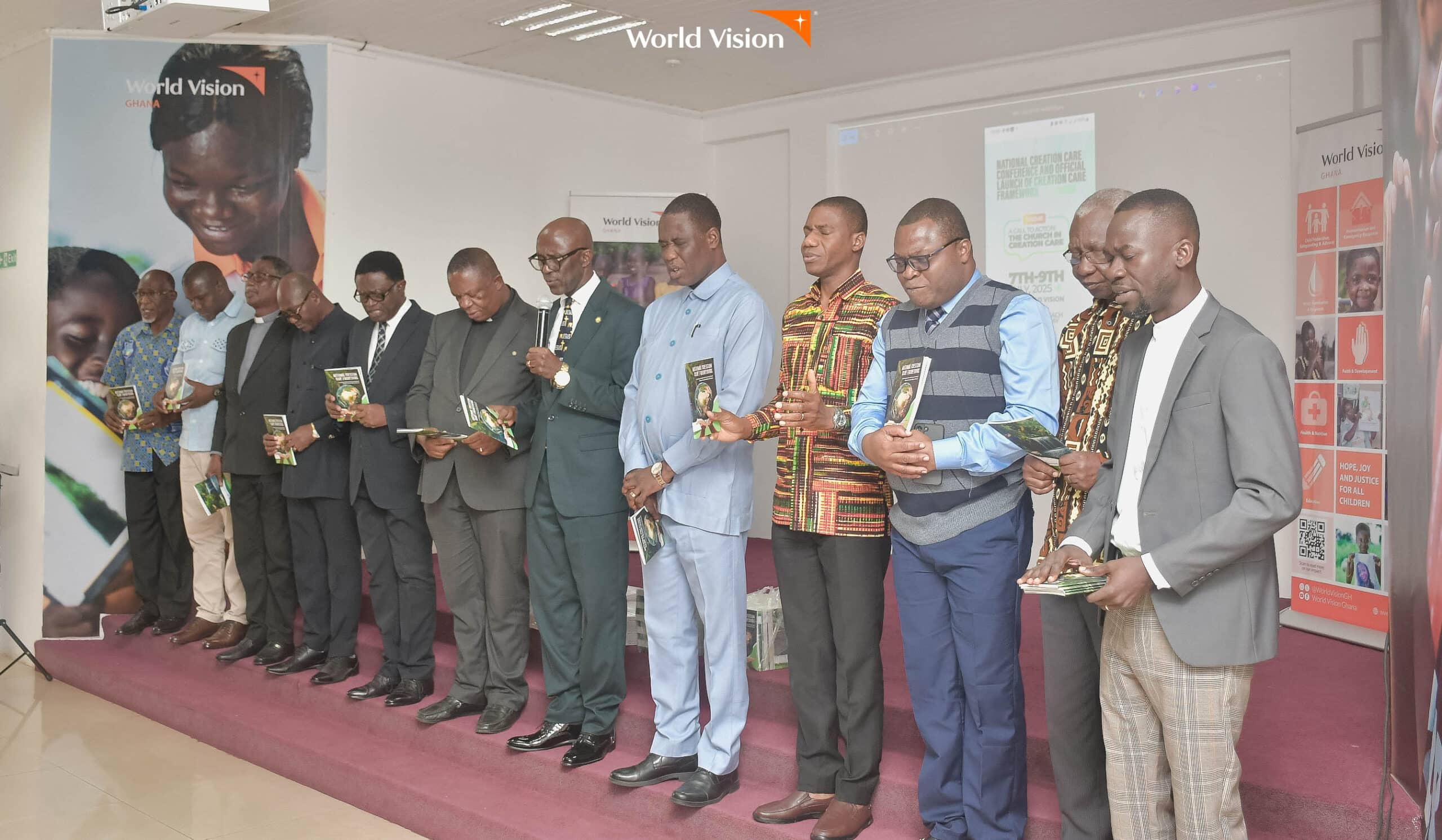
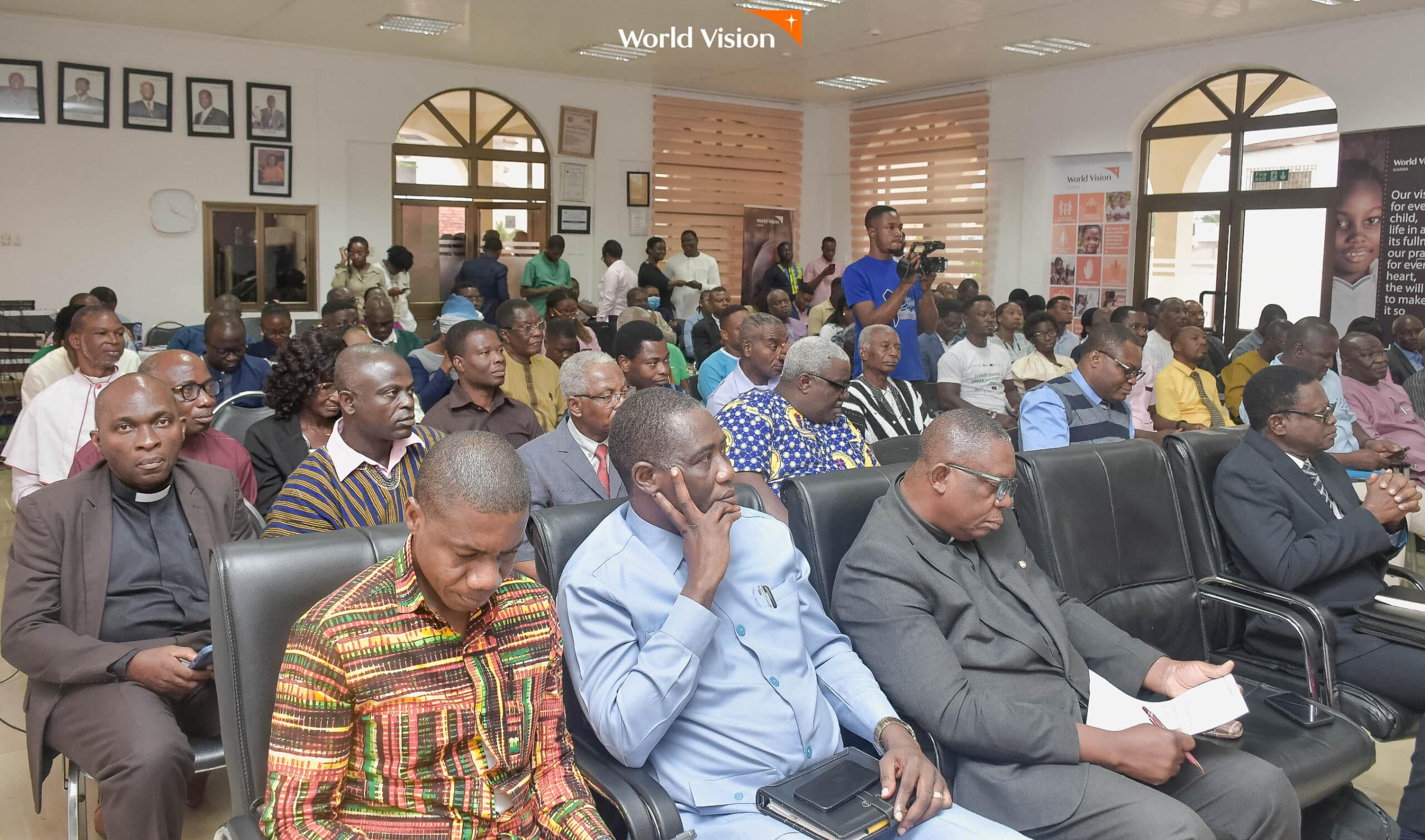
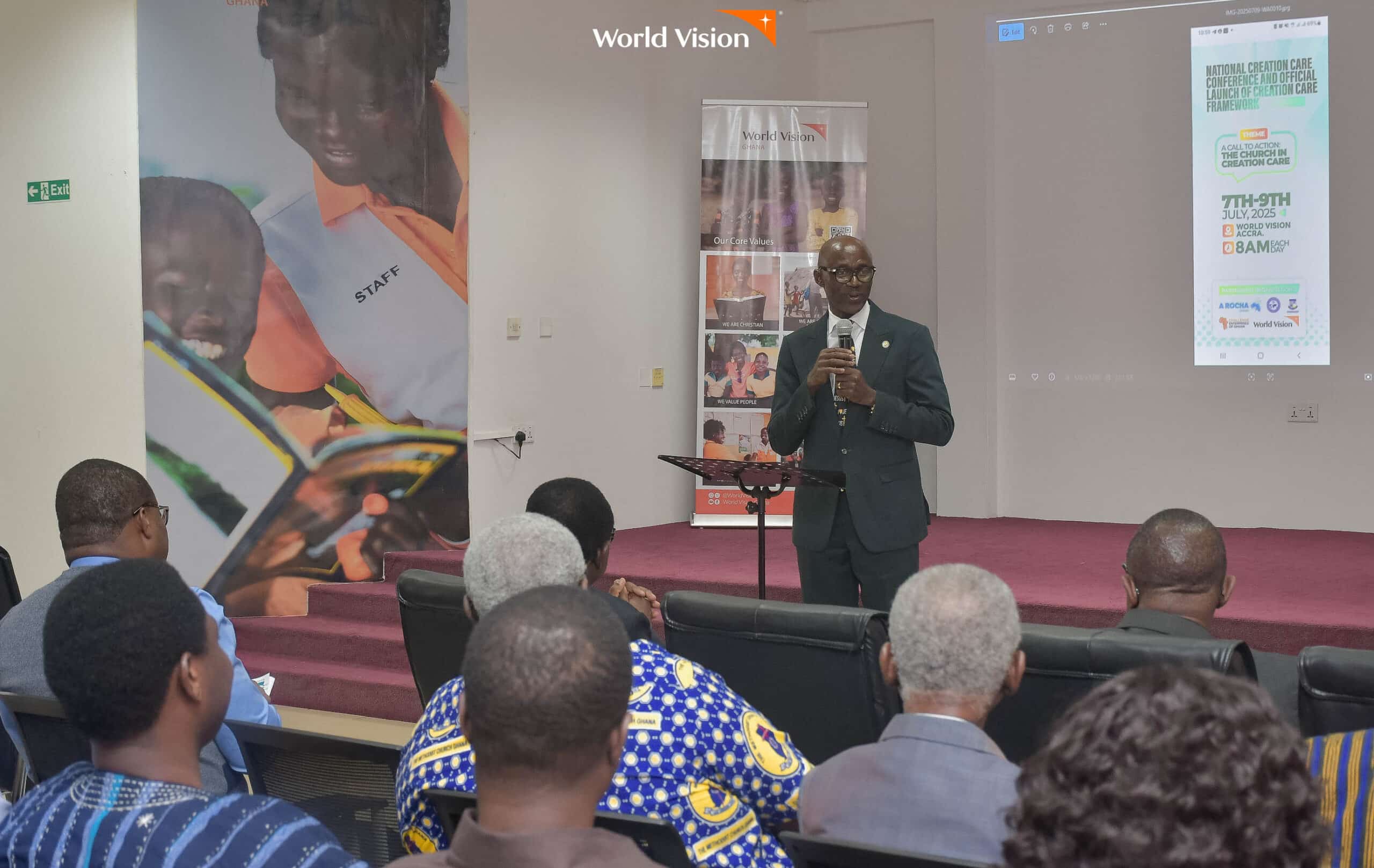
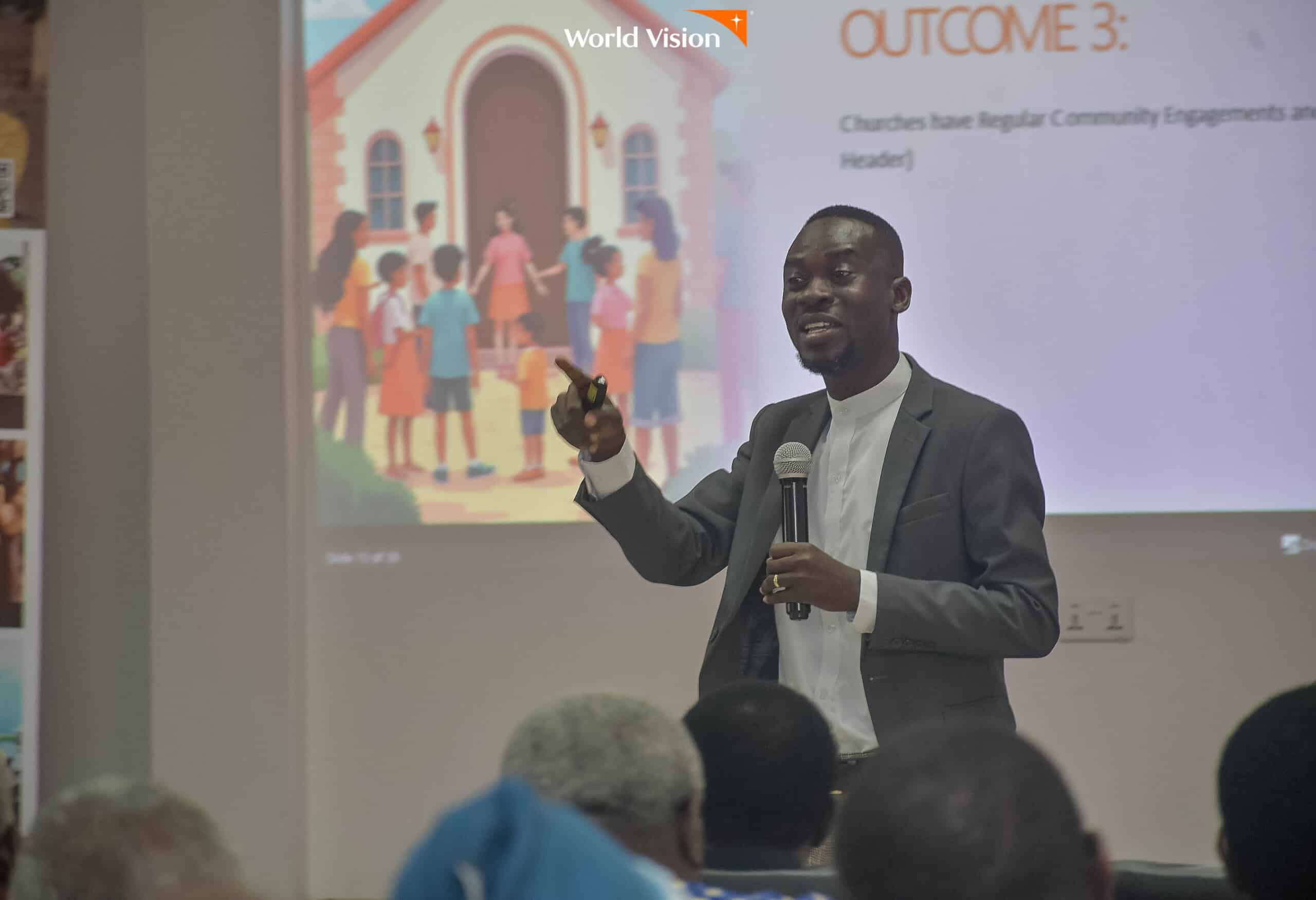
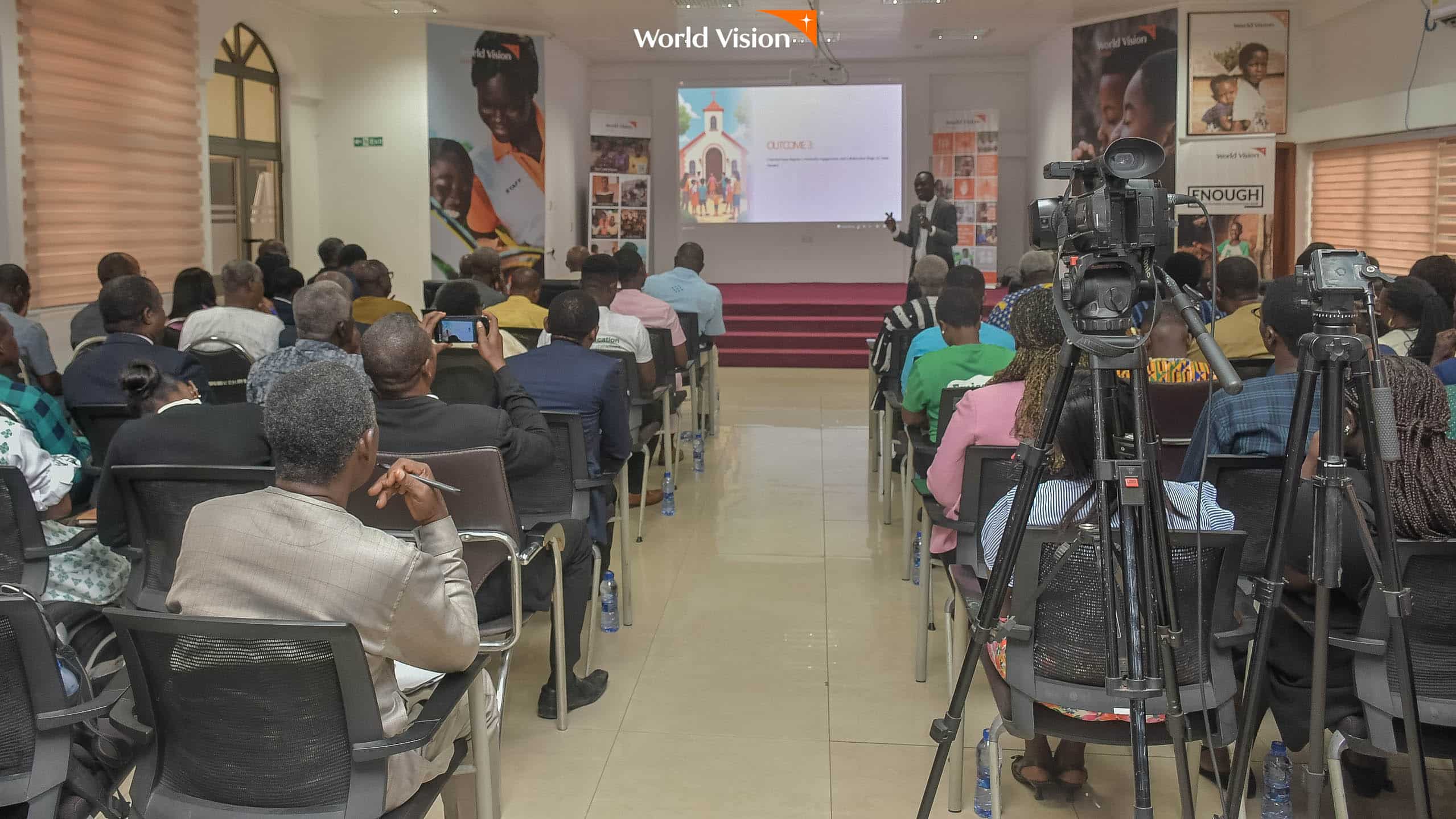
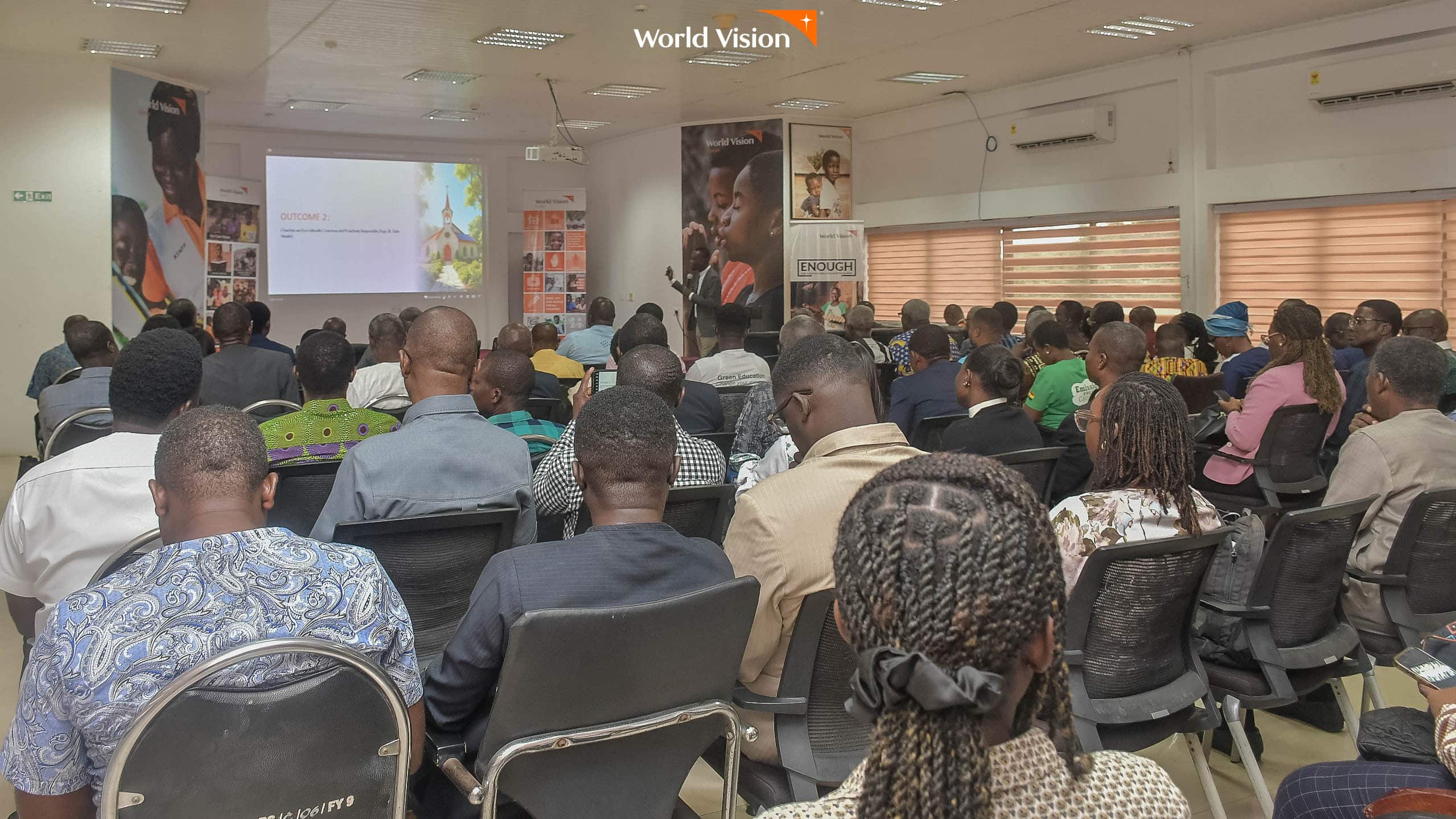
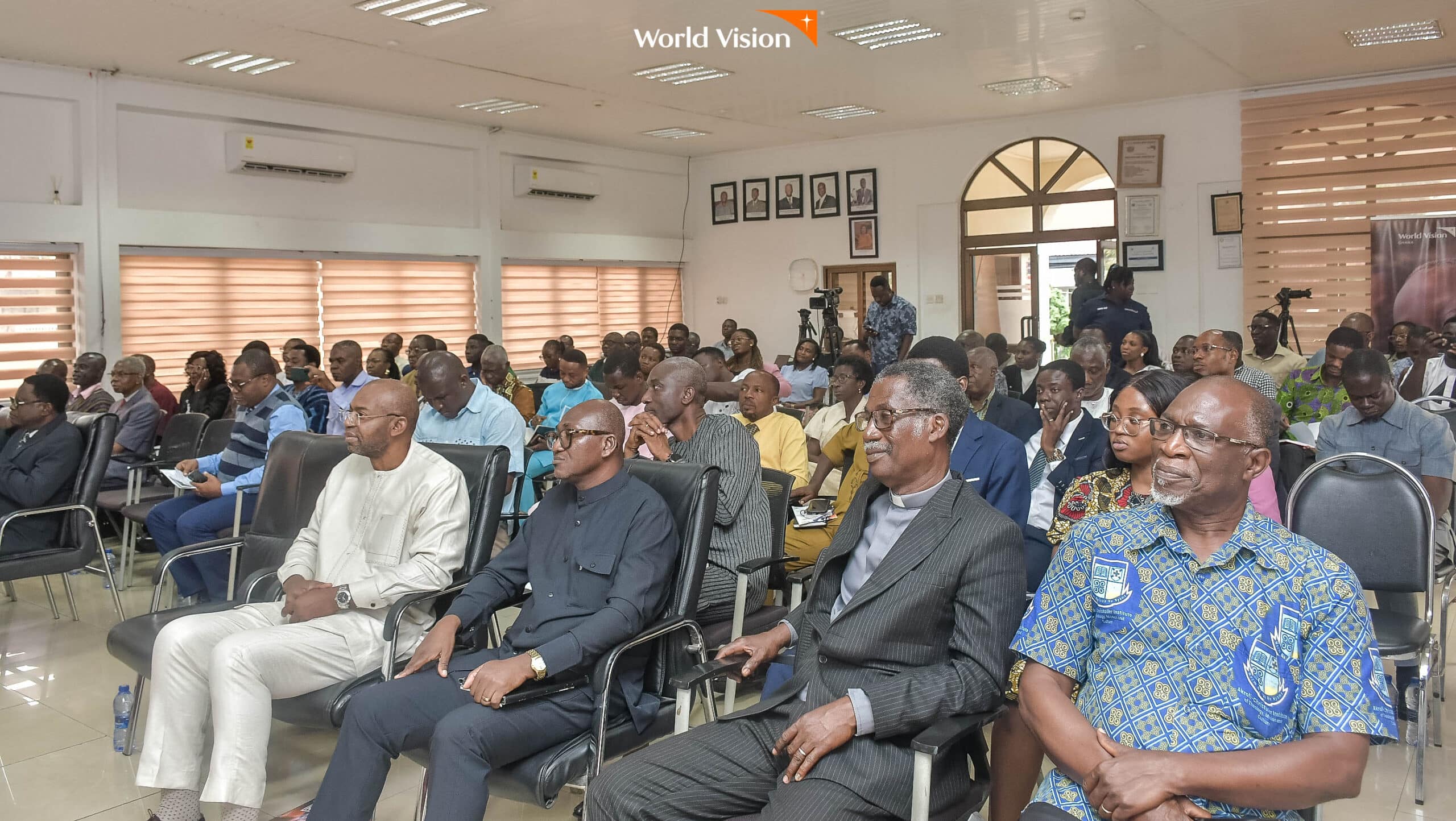
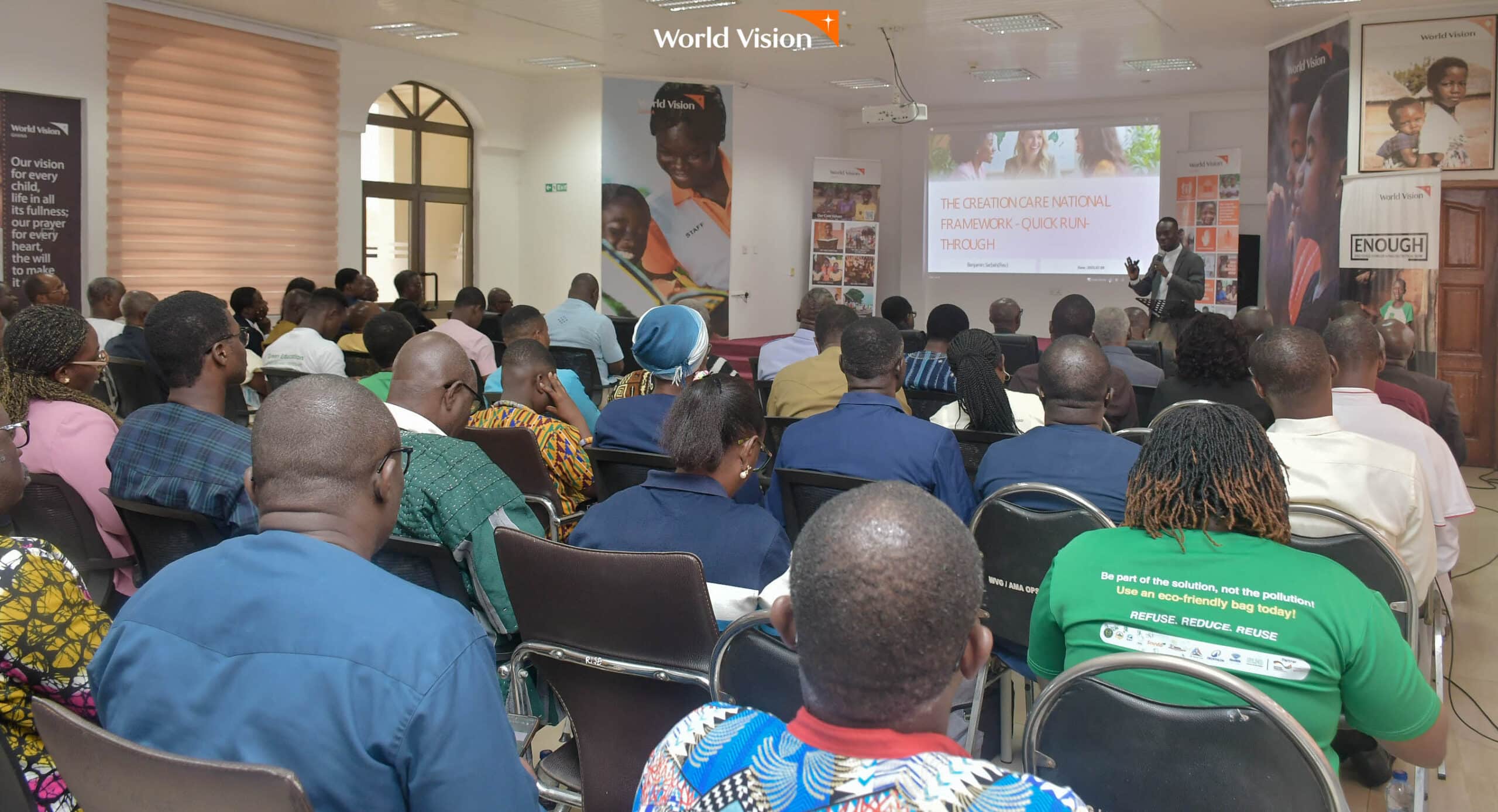
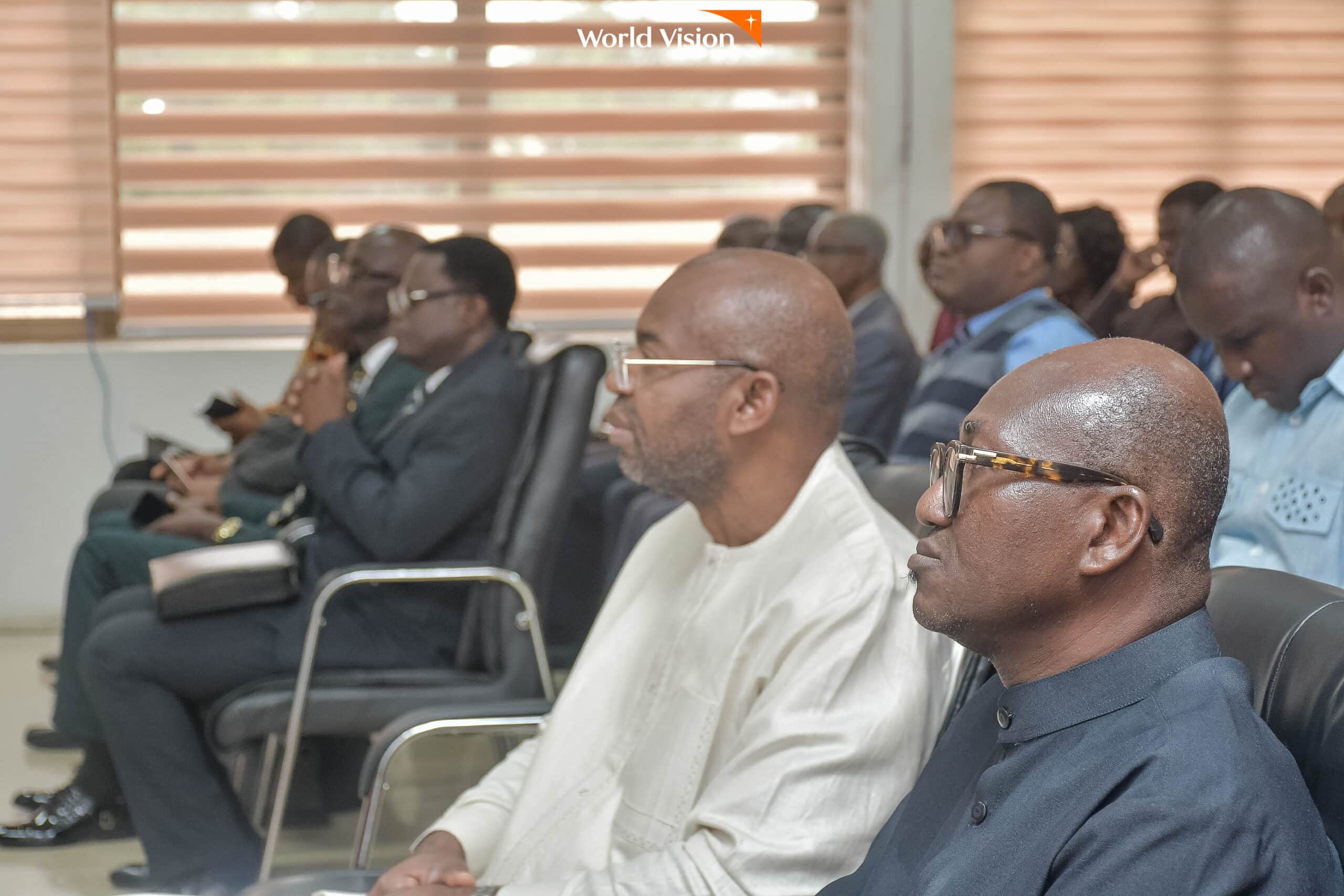
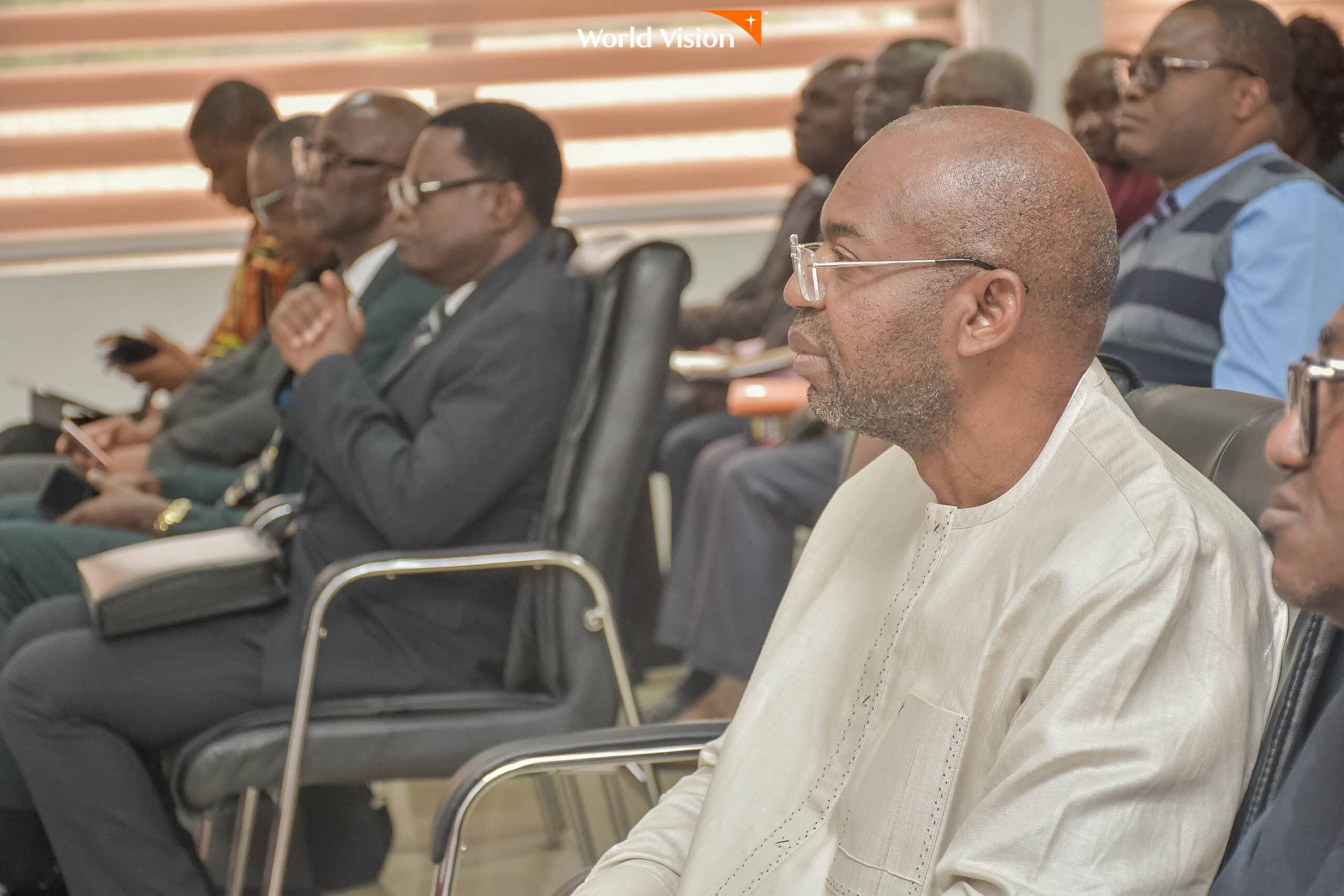
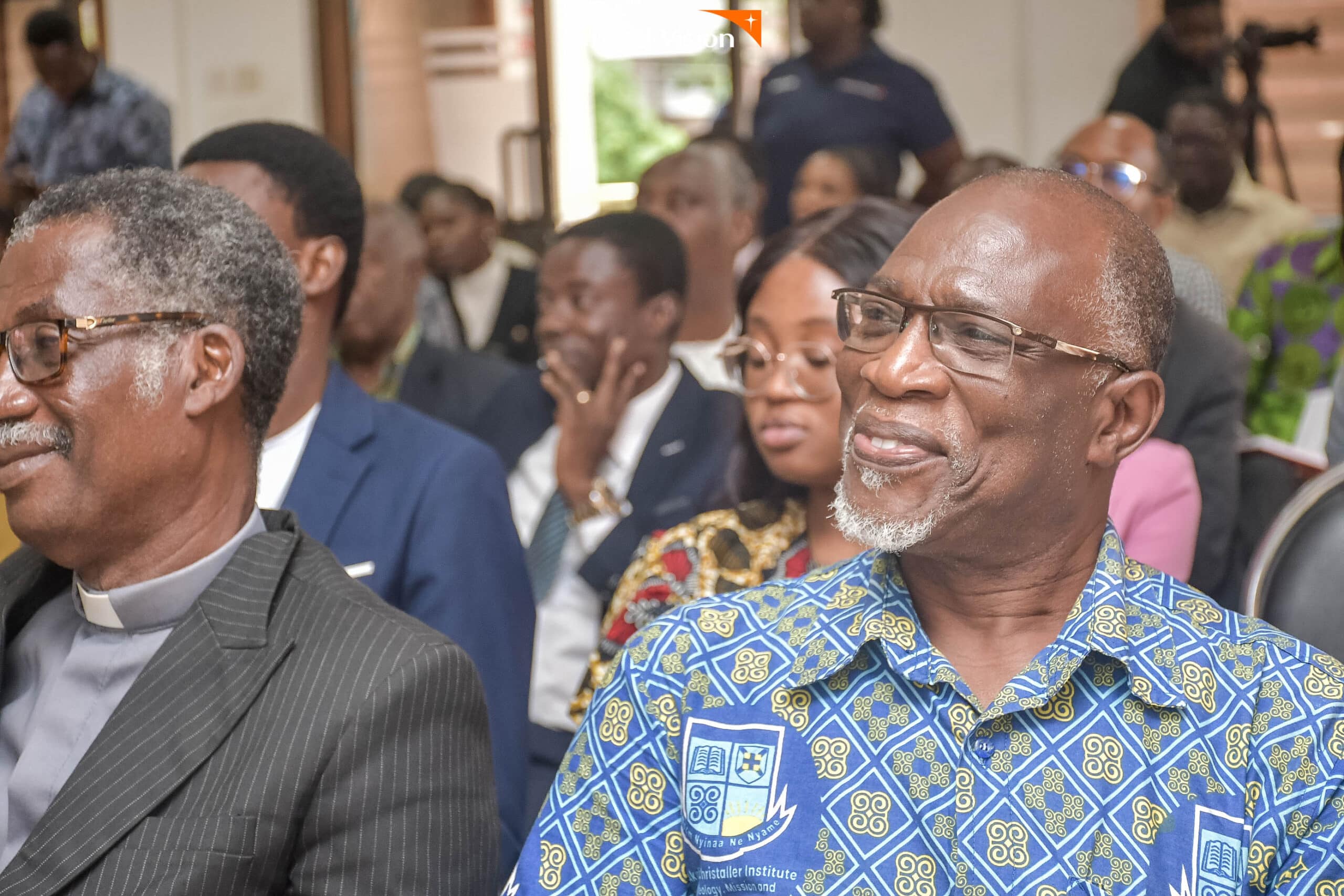
At the 2025 National Creation Care Conference held on July 7 through to July 9, 2025, at the World Vision Ghana Head Office in Accra, over 30 Christian denominations, environmental experts, academic institutions, and development partners gathered to discuss strategies and initiatives aimed at fostering a sustainable future for the nation.
Under the theme “A Call to Action: The Church in Creation Care,” the conference served as a platform for dialogue, sharing of best practices, and collaborative planning to address the urgent environmental issues facing Ghana.
The conference was a collaboration between the Akrofi-Christaller Institute, the Church of Pentecost, A Rocha Ghana, World Vision International, and Challenge Enterprises. These partners were instrumental in shaping the newly launched framework by offering theological insights, technical expertise, and support for Christian education.
Unified Vision for Stewardship
The main objectives were to develop contextualized Creation Care strategies for churches and faith-based groups, promote collective community engagement on environmental issues, create an accountability network to track church-led sustainability efforts, and encourage knowledge sharing and innovation within the Christian community.
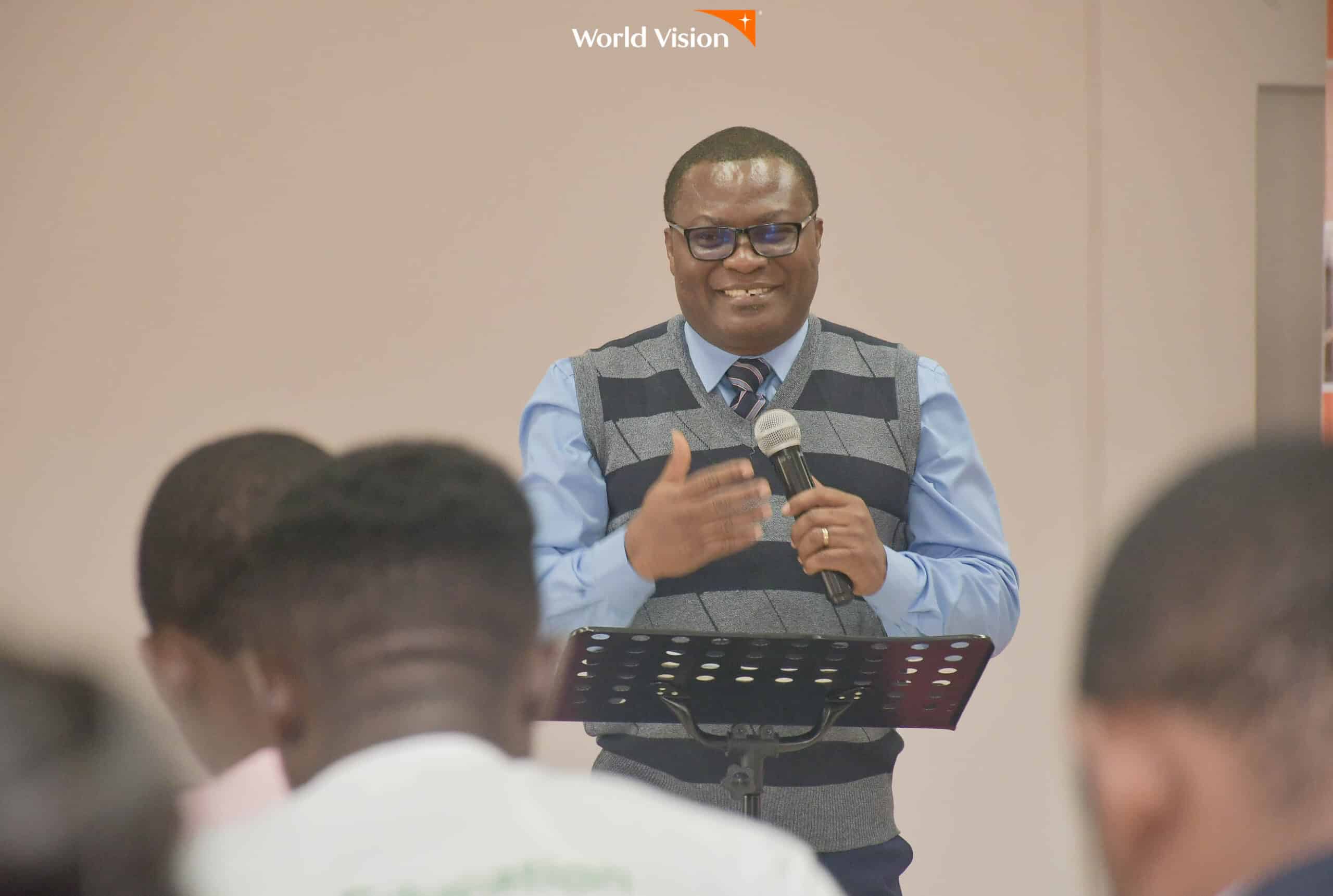
In his opening remarks, Apostle Dr. Sam Gakpetor, National Coordinator of the National Discipleship and Leadership Development Committee (NDLDC) for The Church of Pentecost (CoP), emphasized that the ongoing ecological crisis is not just a scientific or political issue but a deeply spiritual and moral one. He urged the Christian community to see creation care as an essential aspect of their faith.
Drawing from Biblical teachings, Rev. Gakpetor reminded the audience that humanity has been entrusted by God to nurture and protect the earth, not exploit it. “We are not just caretakers of souls—we are stewards of the earth God has given us,” he stated, adding, “The time for passive concern is over. The Church must now take the lead.”
Churches, Academia, and Institutions Stand Together
Among the represented denominations were The Church of Pentecost, Presbyterian Church of Ghana, Methodist Church, Assemblies of God, Anglican Church, Baptist Convention, Salvation Army, Royal House Chapel, Deeper Life Bible Church, Ghana Pentecostal and Charismatic Council (GPCC), Christian Council of Ghana (CCG), and Ghana Evangelism Committee.
The event also included participation from institutions such as Pentecost University, the University of Environment and Sustainable Development, the Environmental Protection Agency (EPA), the Forestry Commission, the Center for Environment and Health Research and Training, and advocacy groups like A Rocha Ghana and Aya Green Initiative, among others.
Theology Meets Ecology
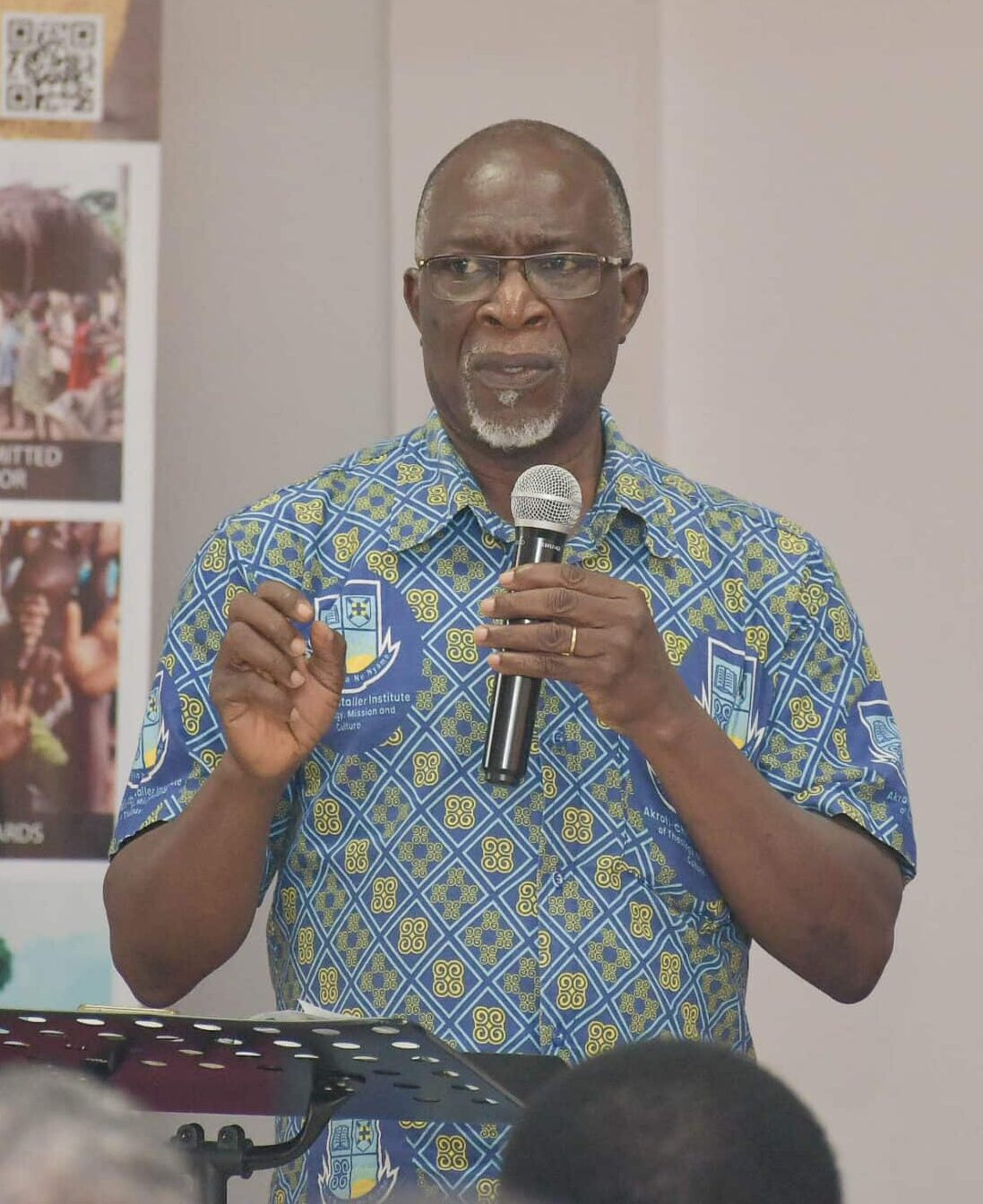
A highlight of the first day was a compelling keynote address by Prof. Ebenezer Yaw Blasu, who spoke on “Biblical Themes or Green Threads Calling the Church to Creation Care Action.” He encouraged participants to read the Bible with “green eyes” and acknowledge God’s covenant with all of creation.
Prof. Blasu lamented the Church’s role in environmental degradation but called for repentance and redemptive action.
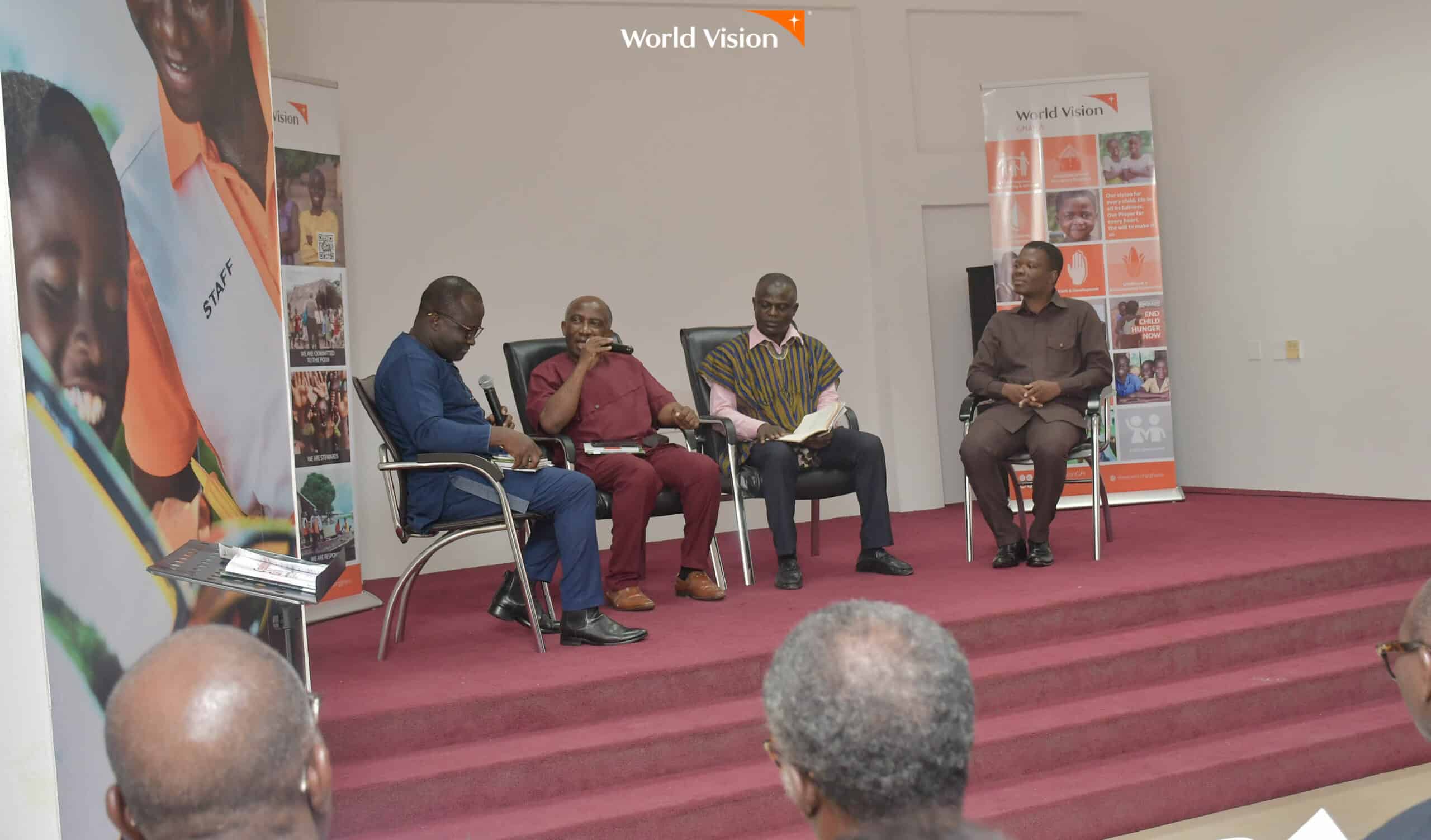
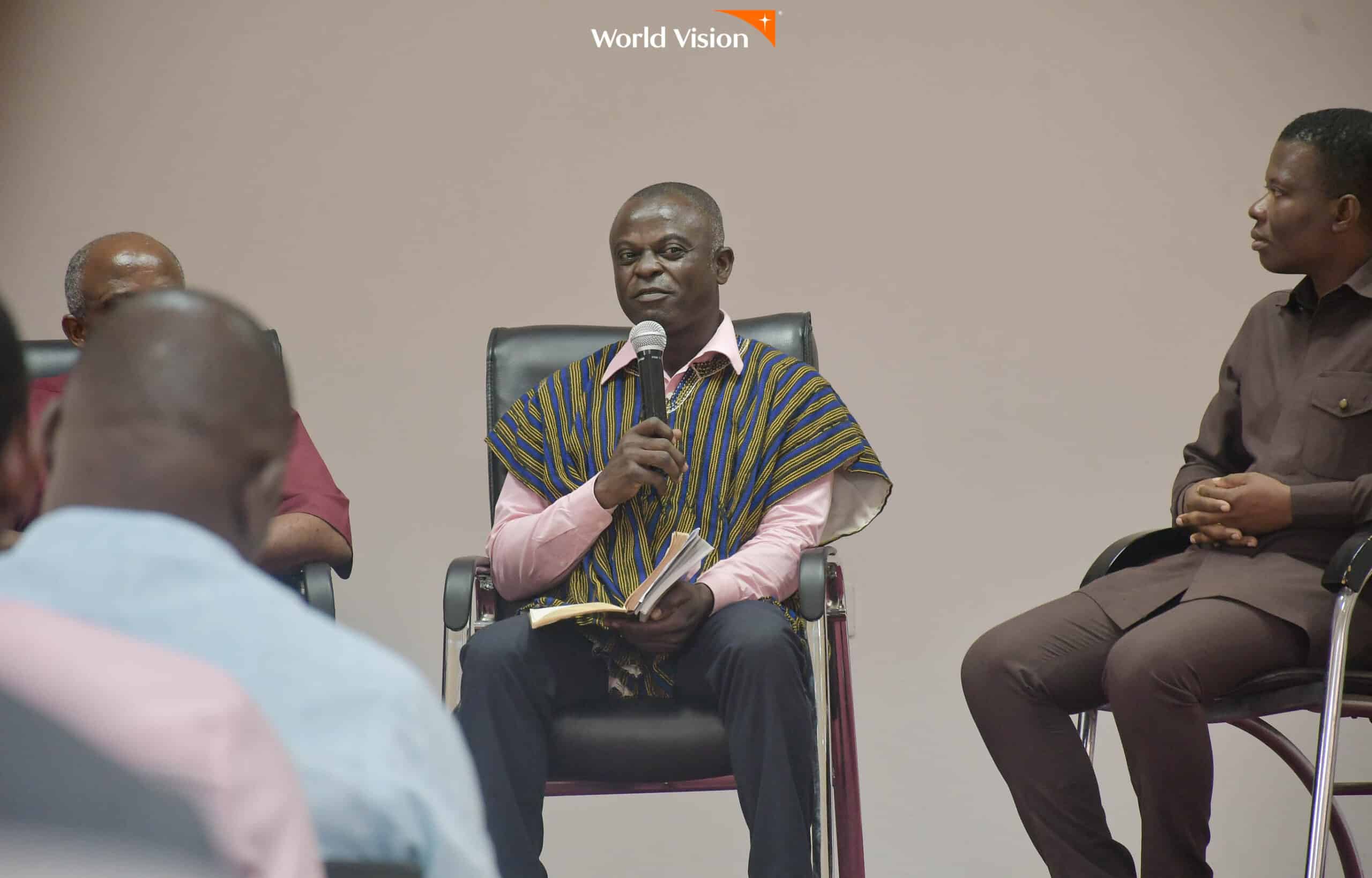
A panel discussion followed, where representatives from churches and universities stressed the urgent need for eco-theological preaching and environmentally responsible lifestyles within Christian communities. The day also included denominational breakout sessions, allowing churches to develop context-specific strategies for integrating environmental stewardship into worship and daily life.
A National Framework Forged in Faith
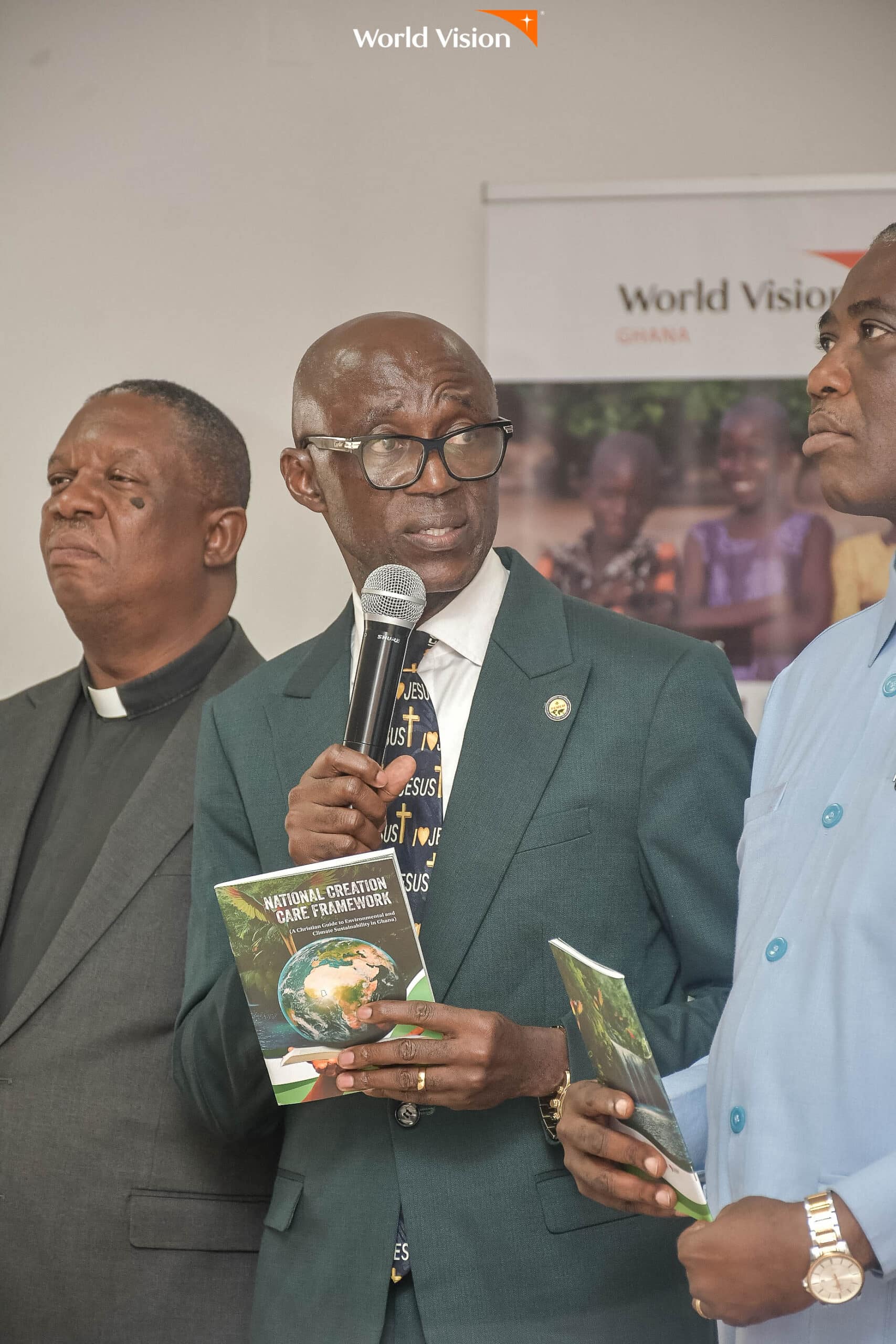
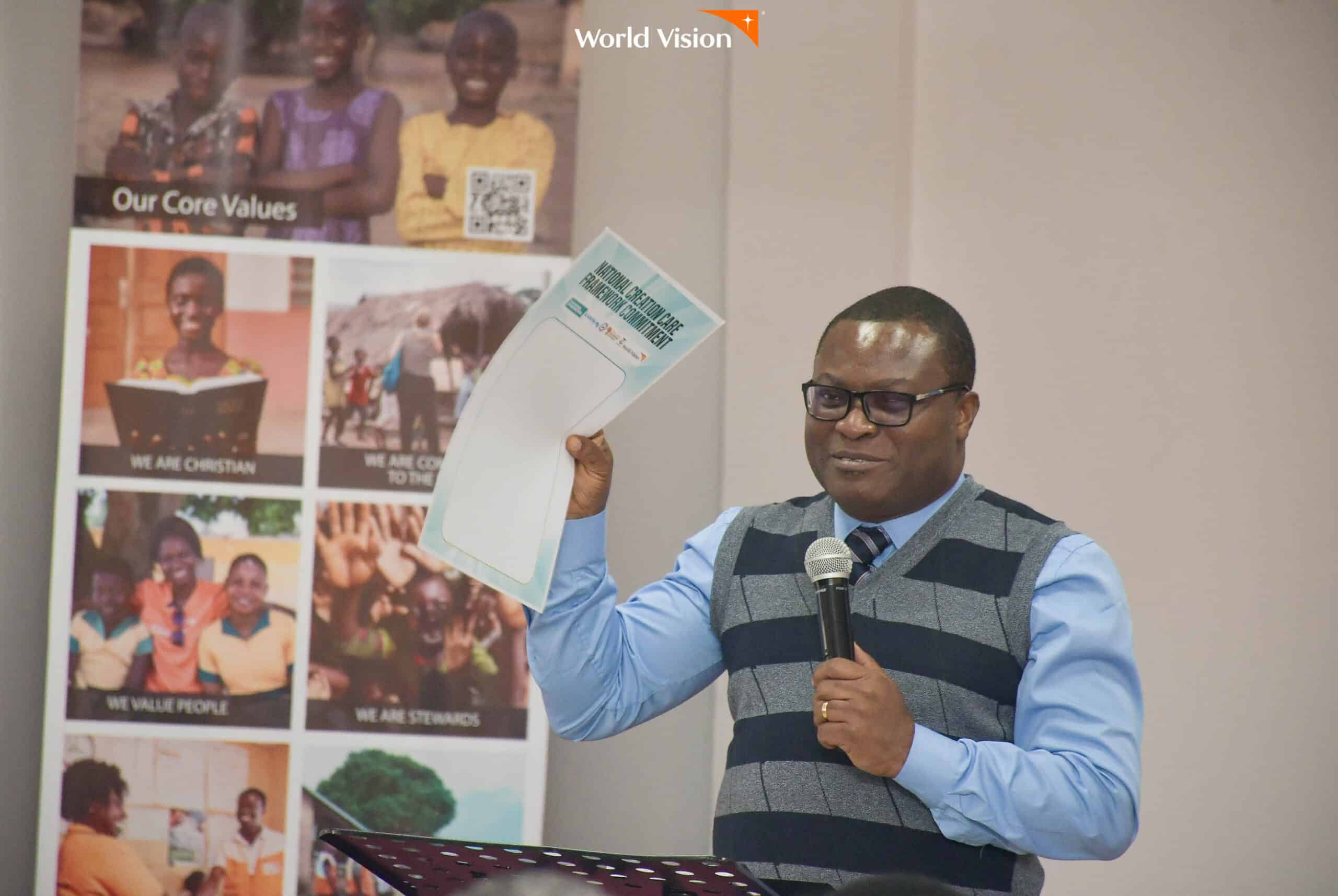
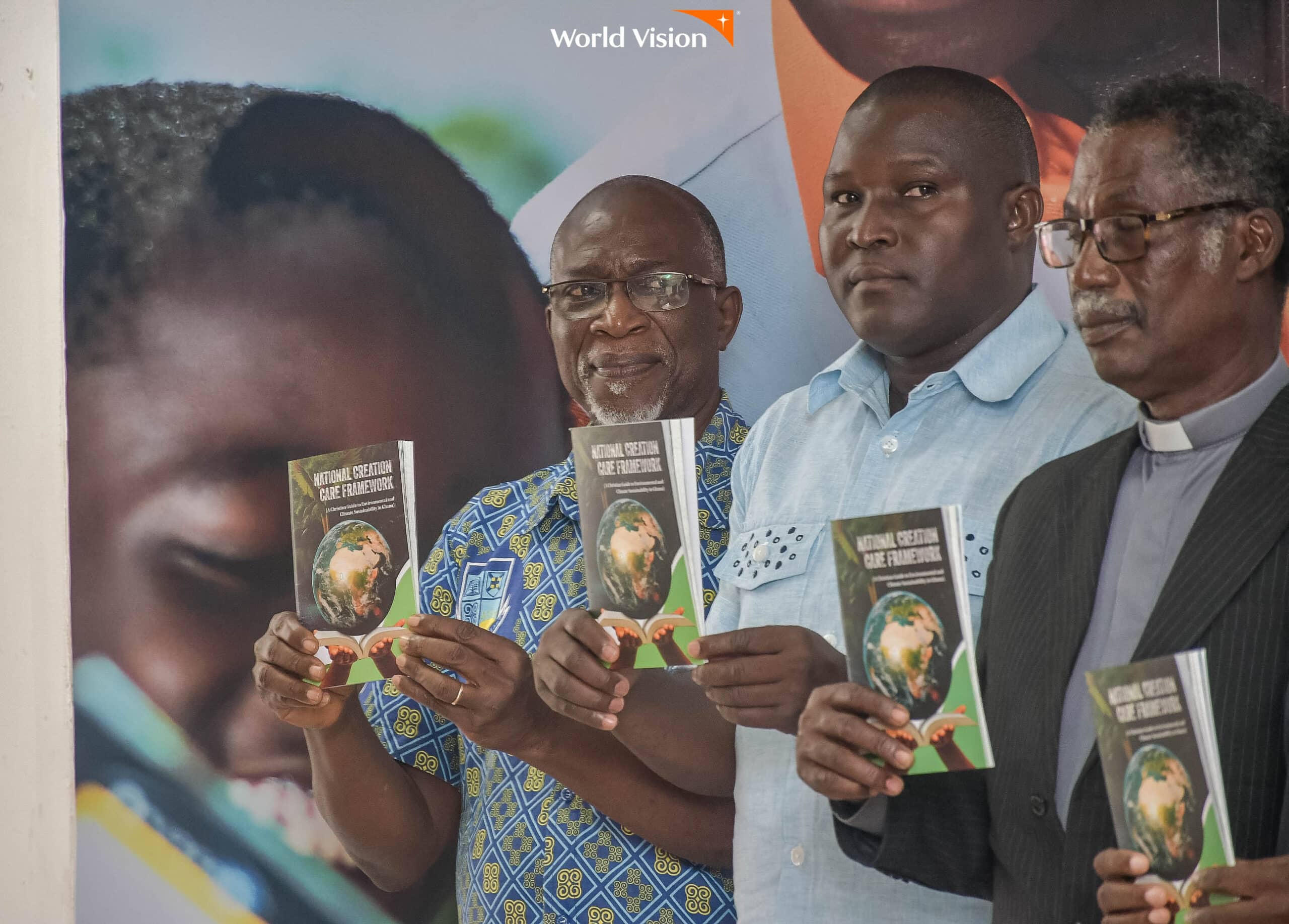
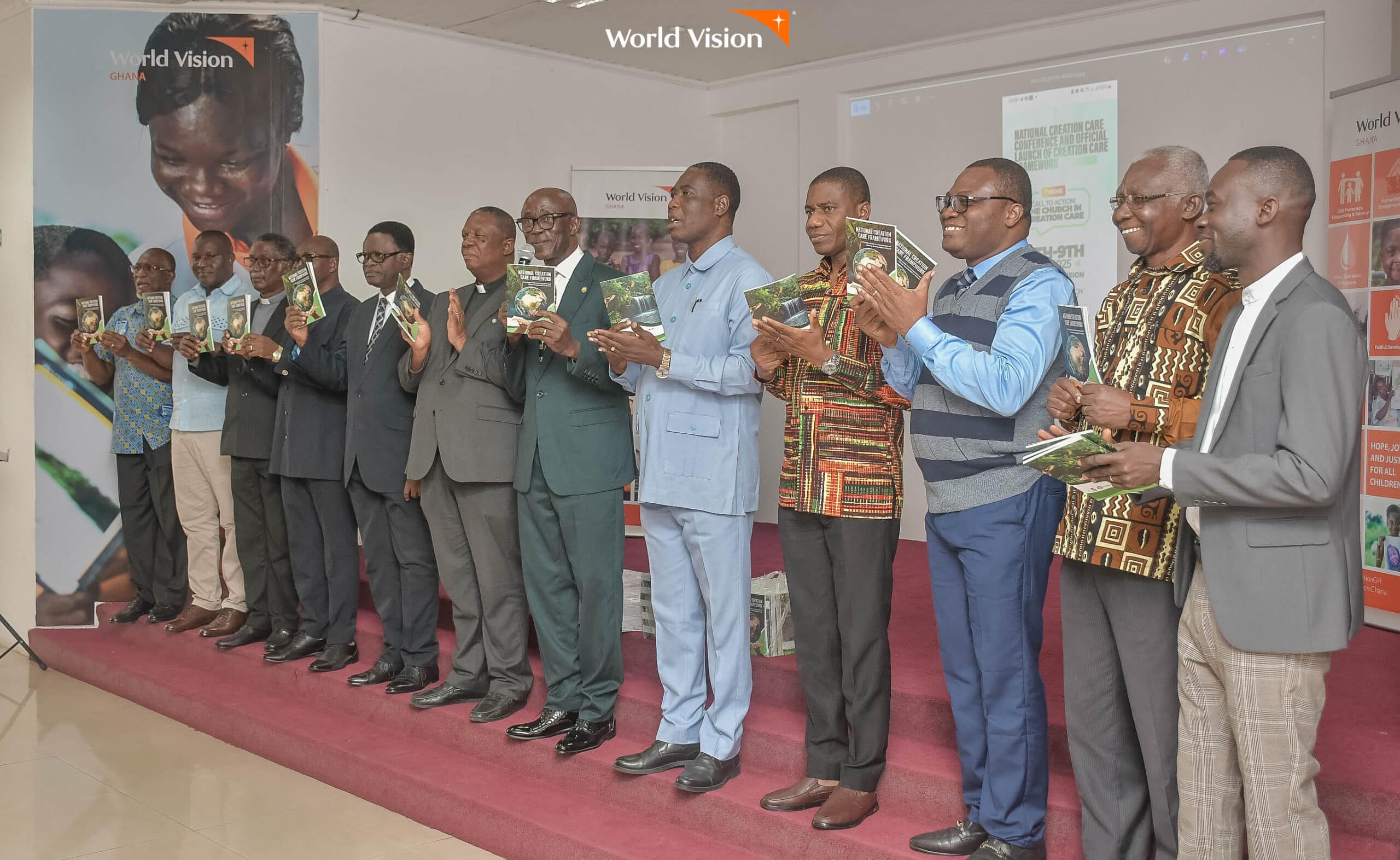
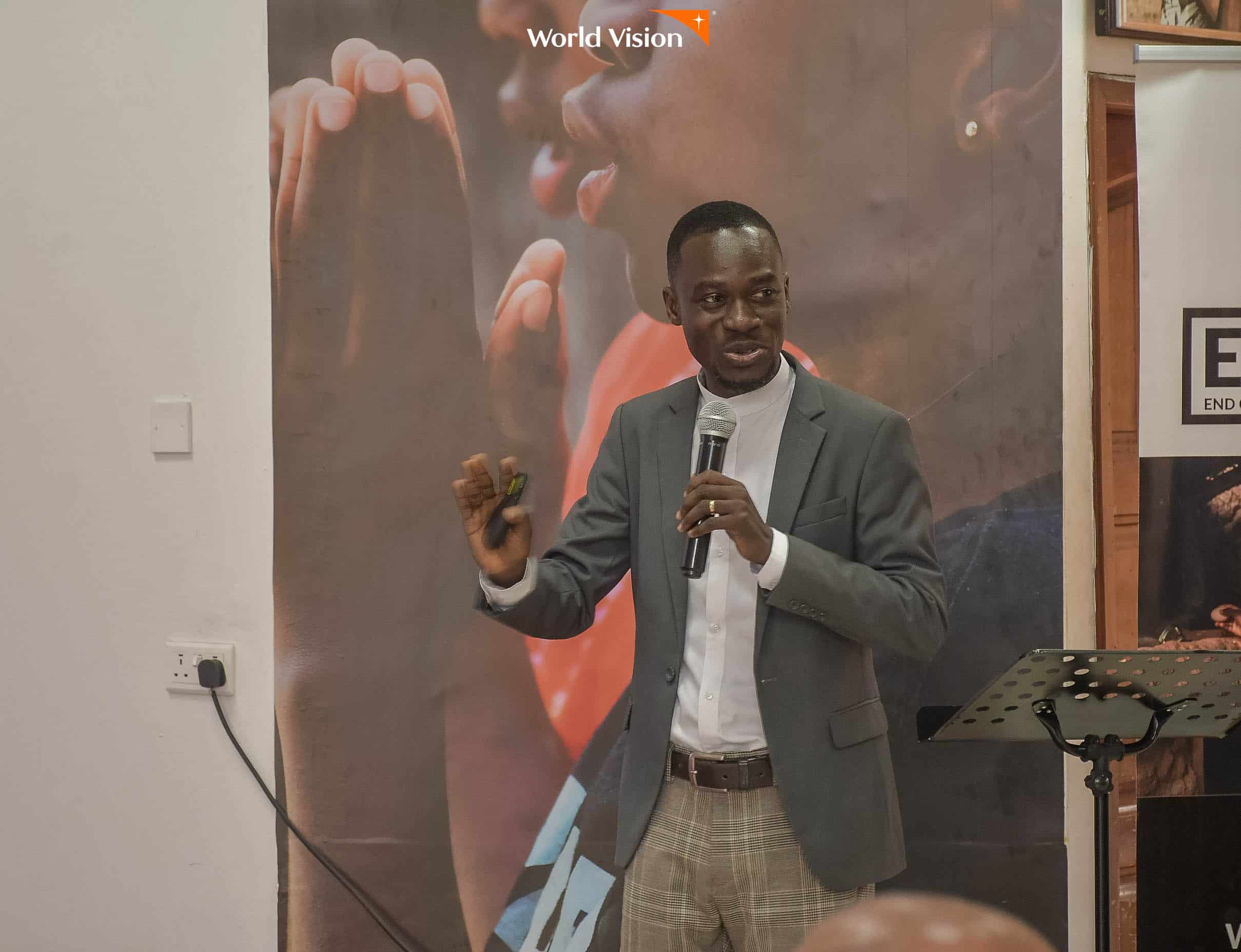
The climax of the conference came with the unveiling of the National Creation Care Framework, a meticulously developed, theologically grounded, and scientifically guided roadmap for mobilizing the Church in environmental action.
Crafted over two years by an alliance of churches, academics, and advocacy groups like A Rocha Ghana, Akrofi-Christaller Institute, and Challenge Enterprises, this Framework integrates Biblical wisdom, African spirituality, local knowledge, and environmental science into a powerful strategy to heal Ghana’s land and hearts.
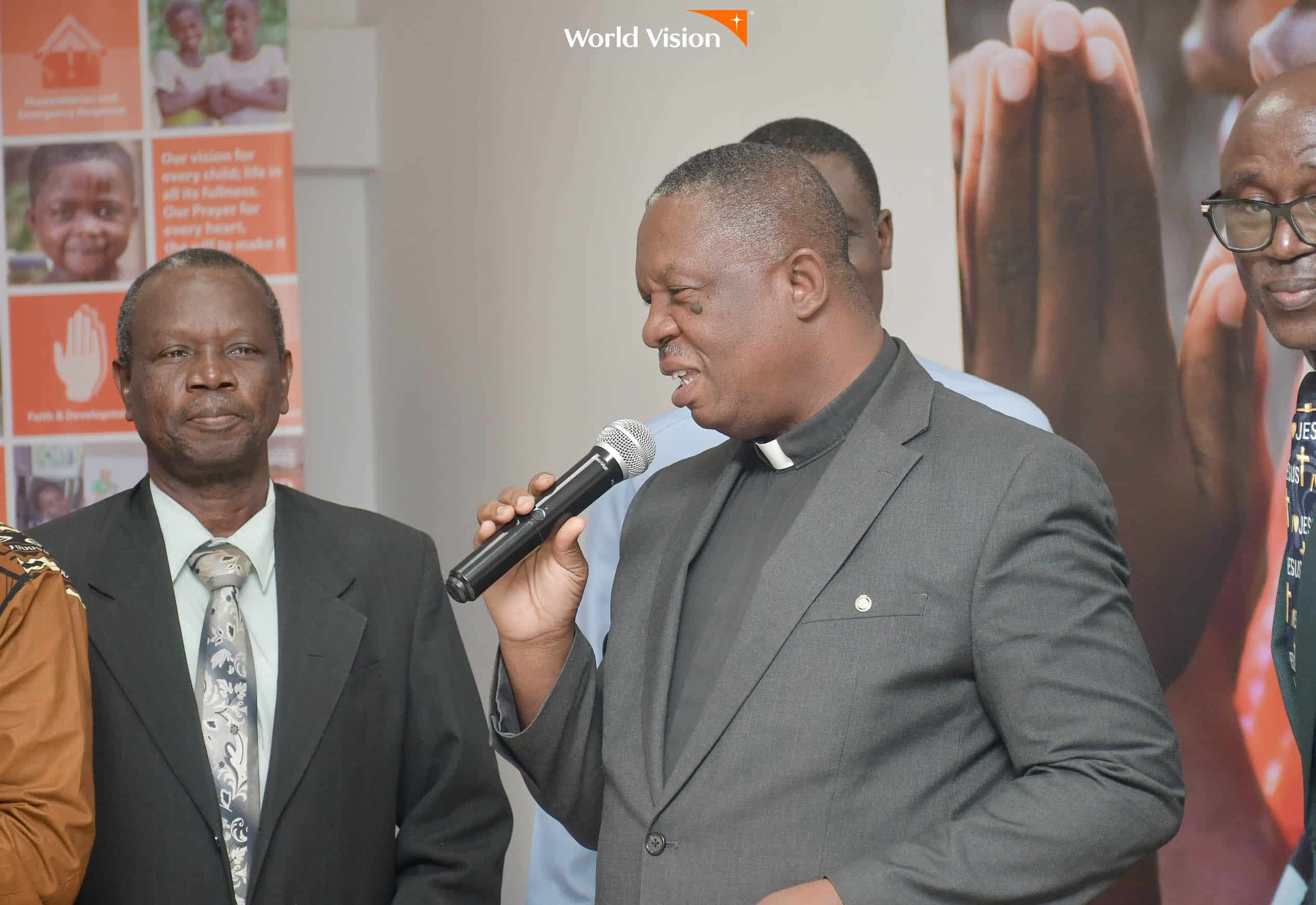
It was formally launched by Apostle Vincent Anane Denteh, standing in for the Chairman of the Church of Pentecost, joined by heads of churches, university dons, environmental agencies, and development leaders.
At the launch, Jean-Claude Mukadi, Director of World Vision Ghana, urged church leaders to champion environmental causes and make good use of the Framework.
Daryl Bosu, Deputy National Director for A Rocha Ghana, shared a brief history of how A Rocha Ghana has championed and facilitated interfaith activism and advocacy in environmental protection. He expressed enthusiasm for the growing number of church leaders present at the launch and pledged the continuous support of A Rocha Ghana towards creation care.
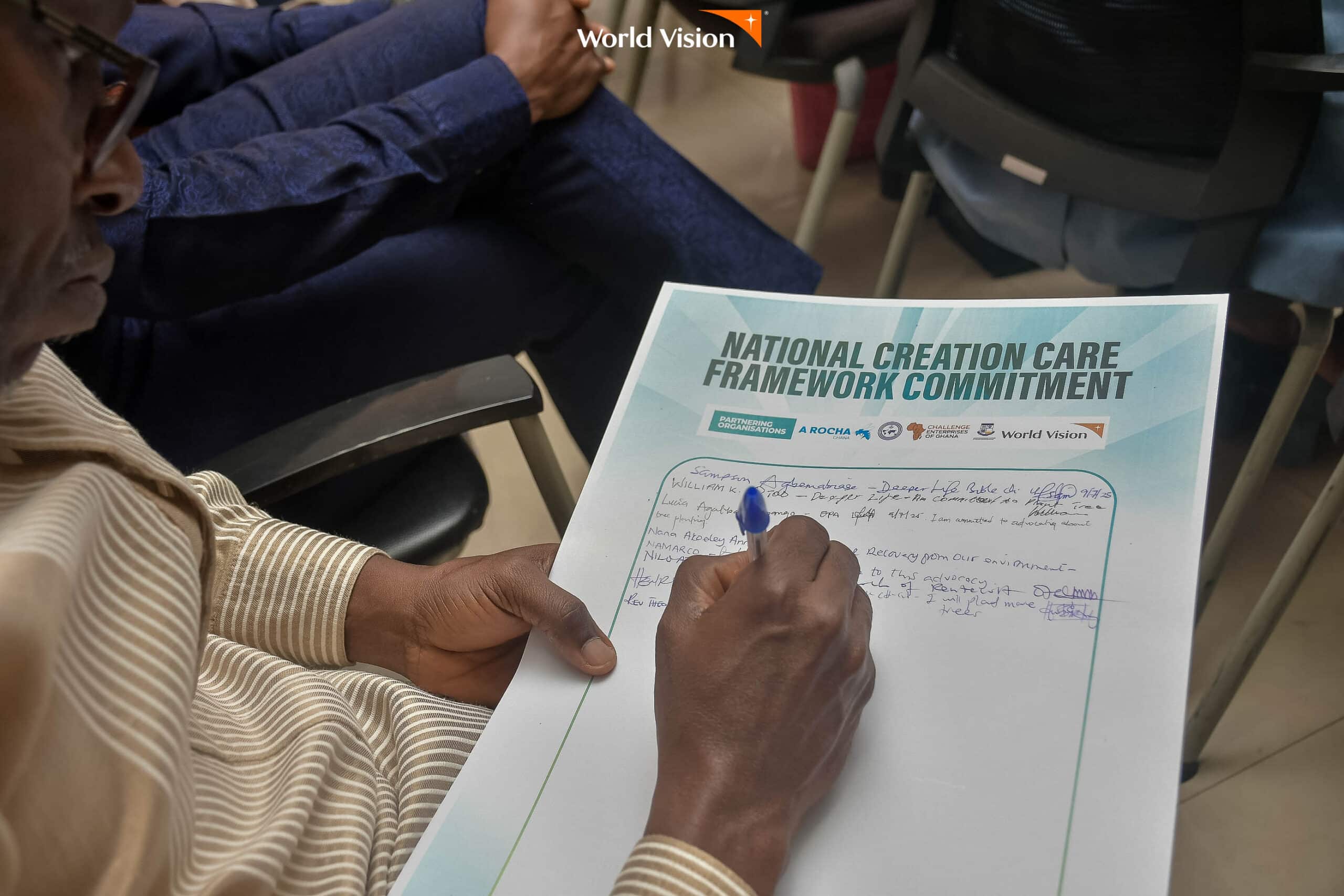
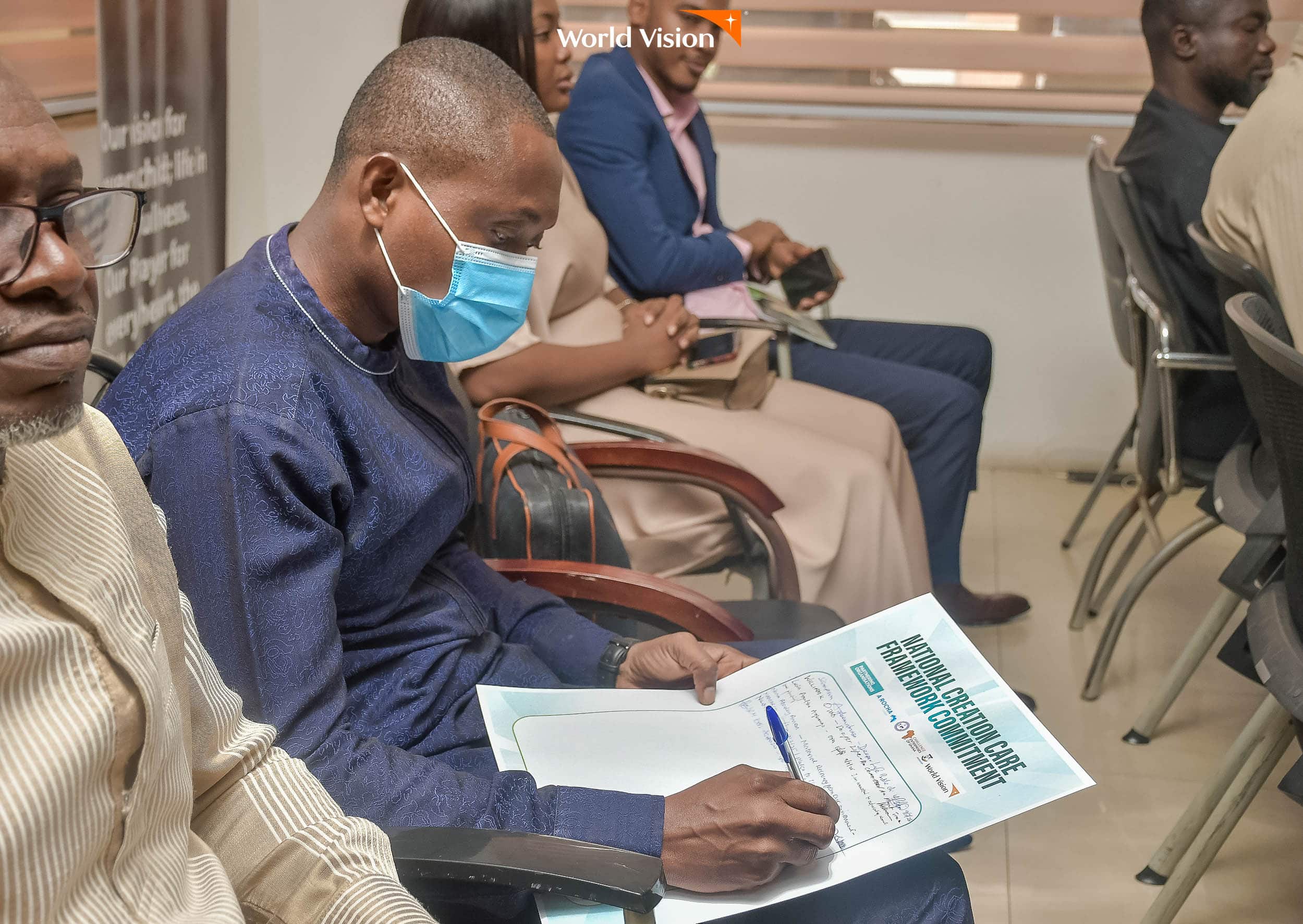
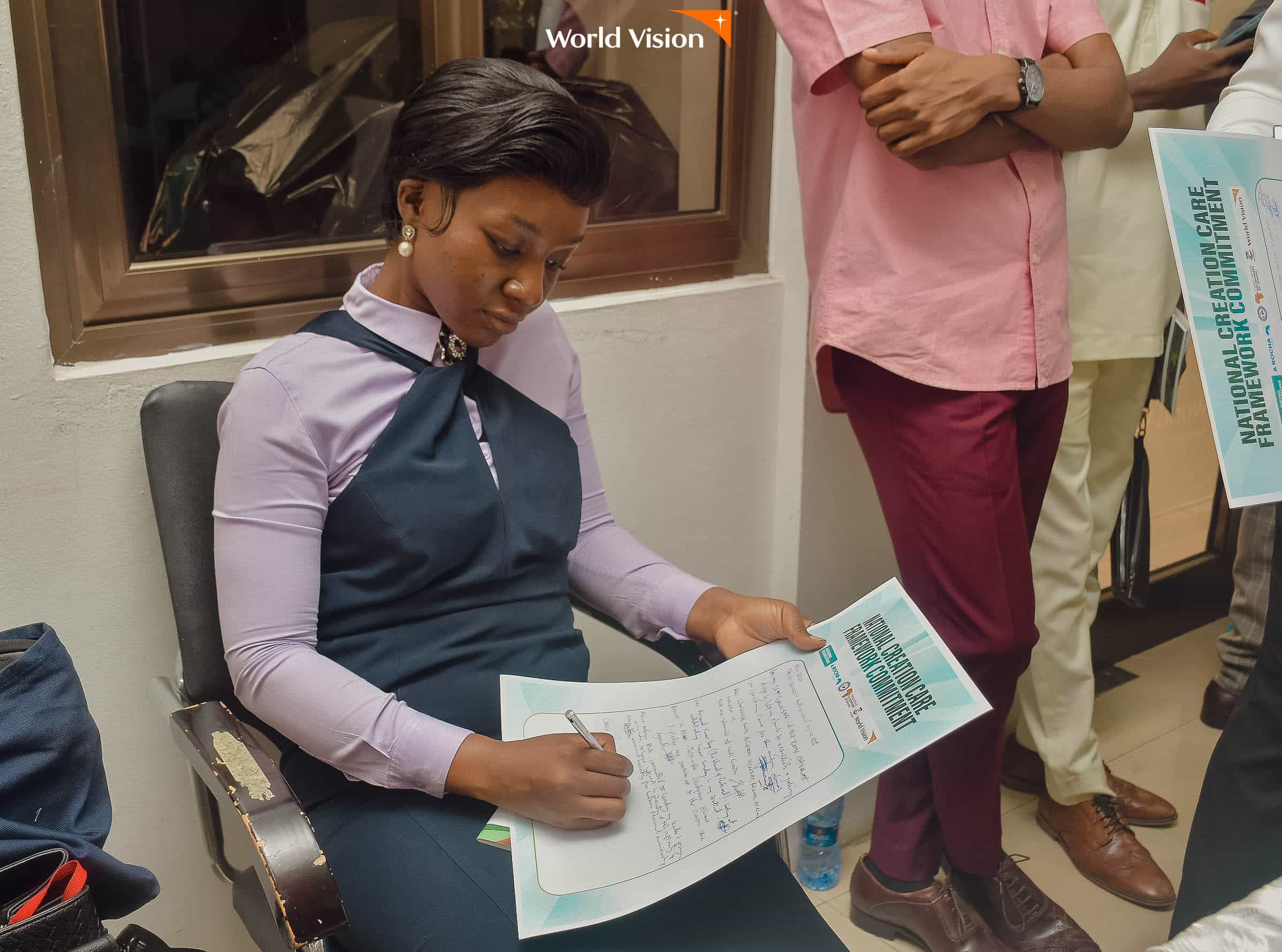
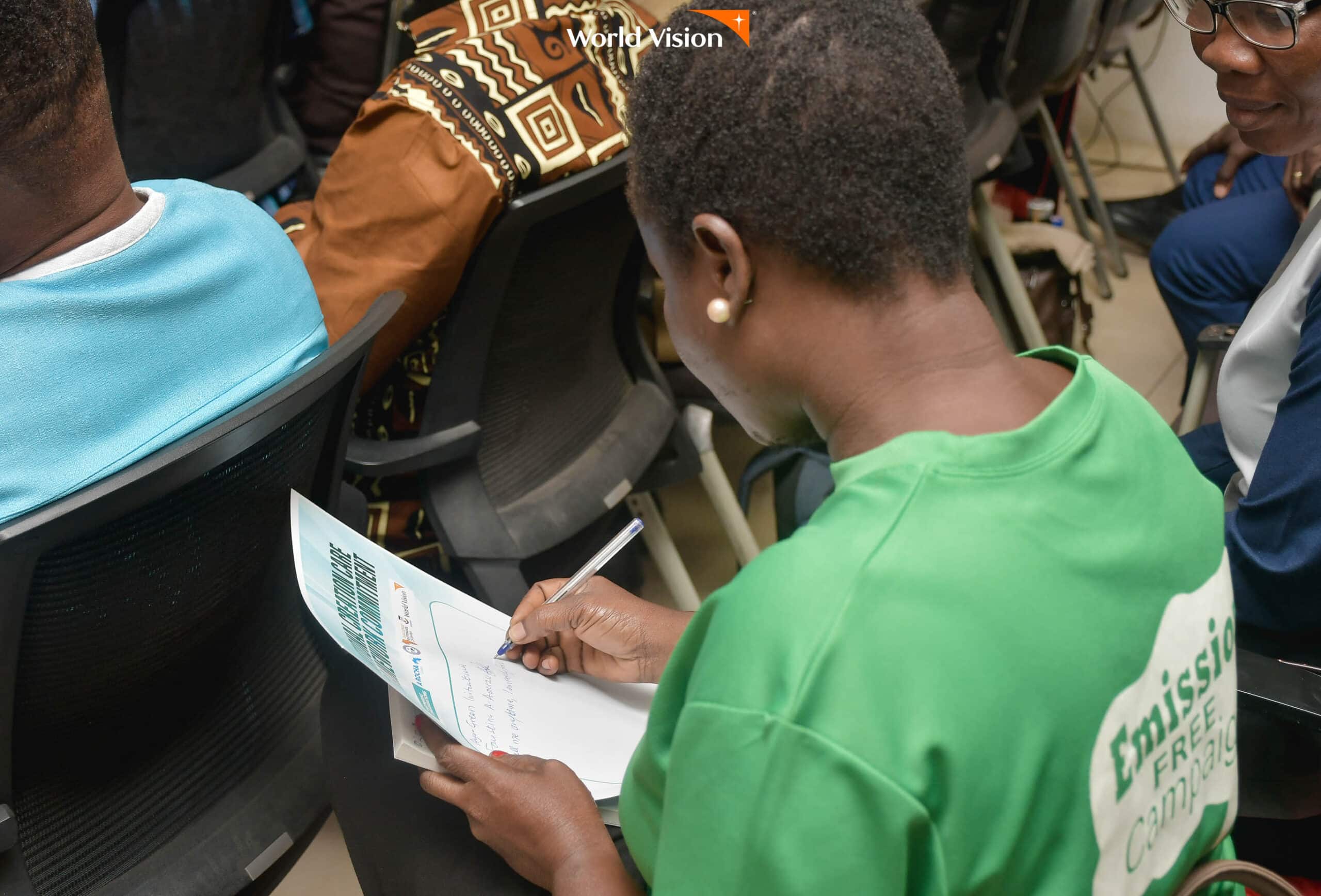
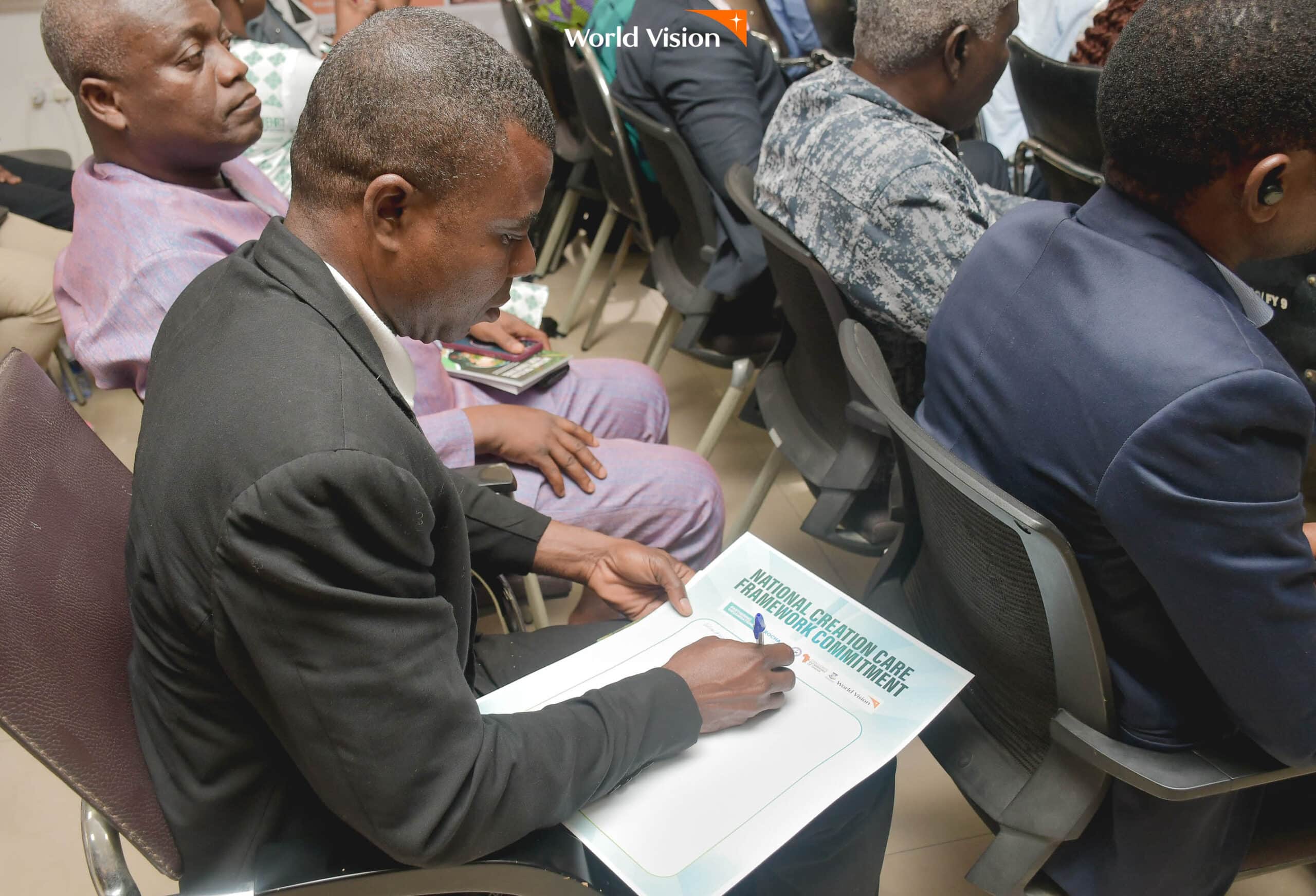
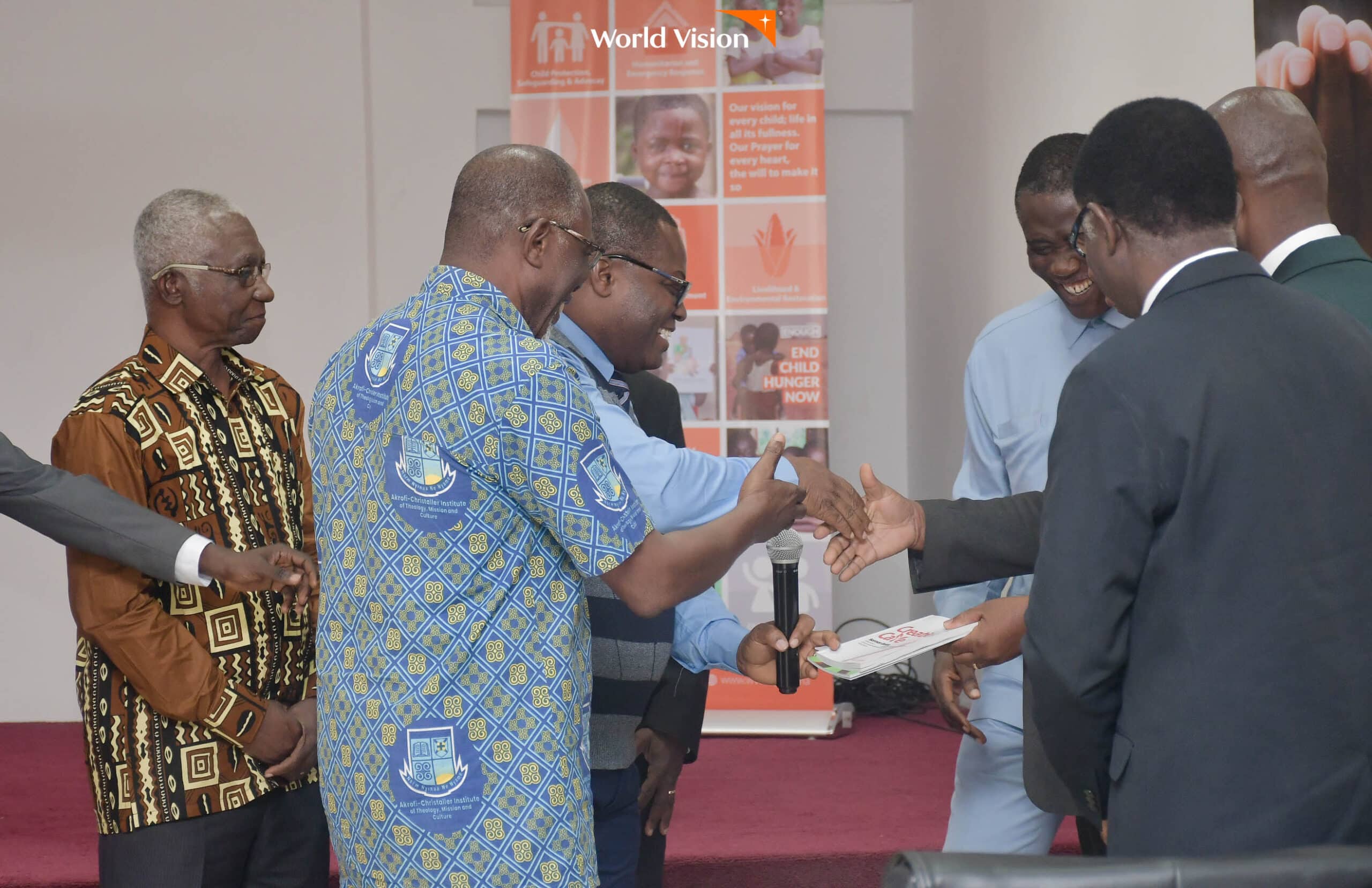
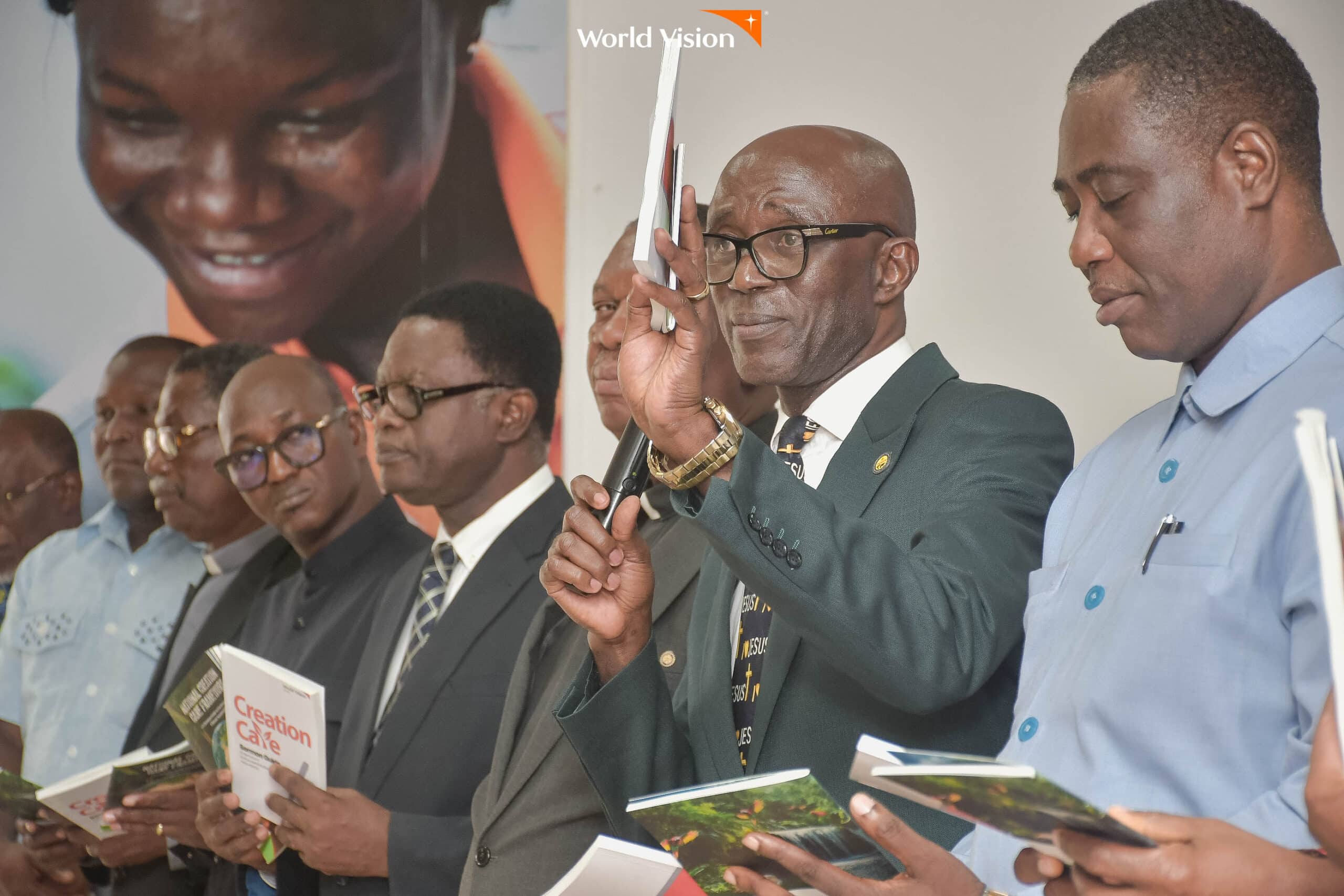
The conference ended with a symbolic signing ceremony towards a unified Christian movement for environmental stewardship. With pens raised like swords, leaders across the faith and policy spectrum pledged to not only teach about creation care but to live it, lead it, and institutionalize it.
A specially designed sermon book by World Vision was also launched—arming pastors with messages that blend lifestyles with green living, worship with waste management, and hope with habitat restoration.
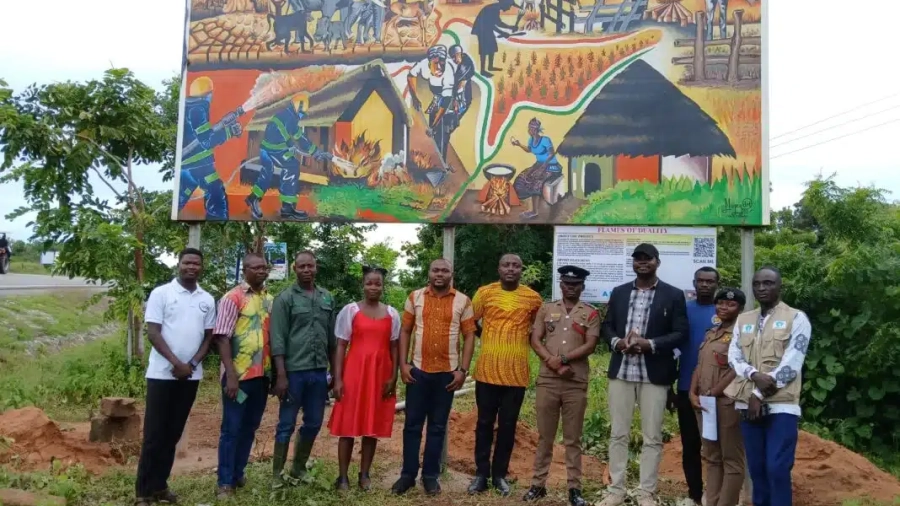
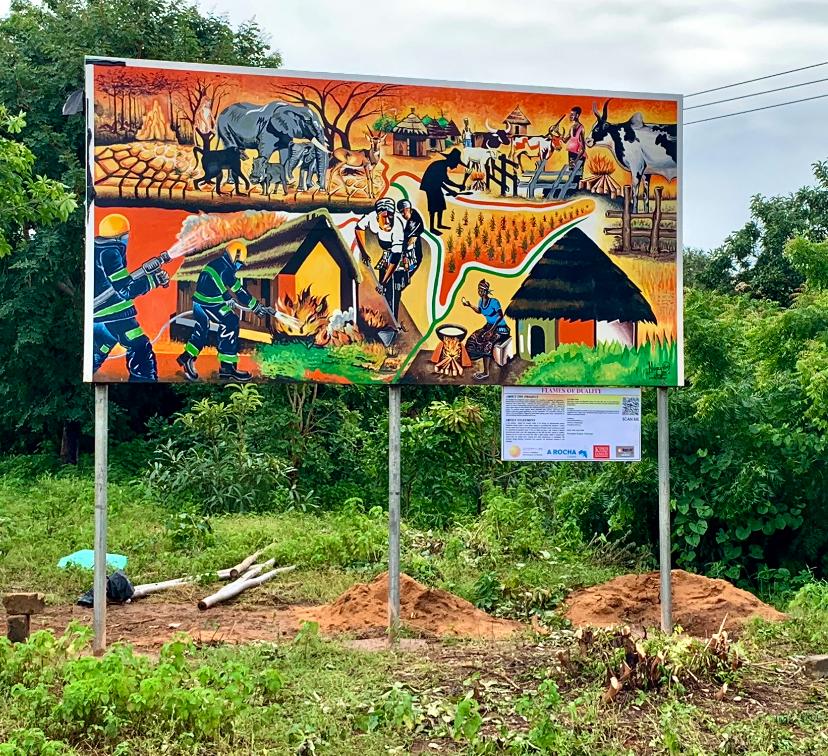
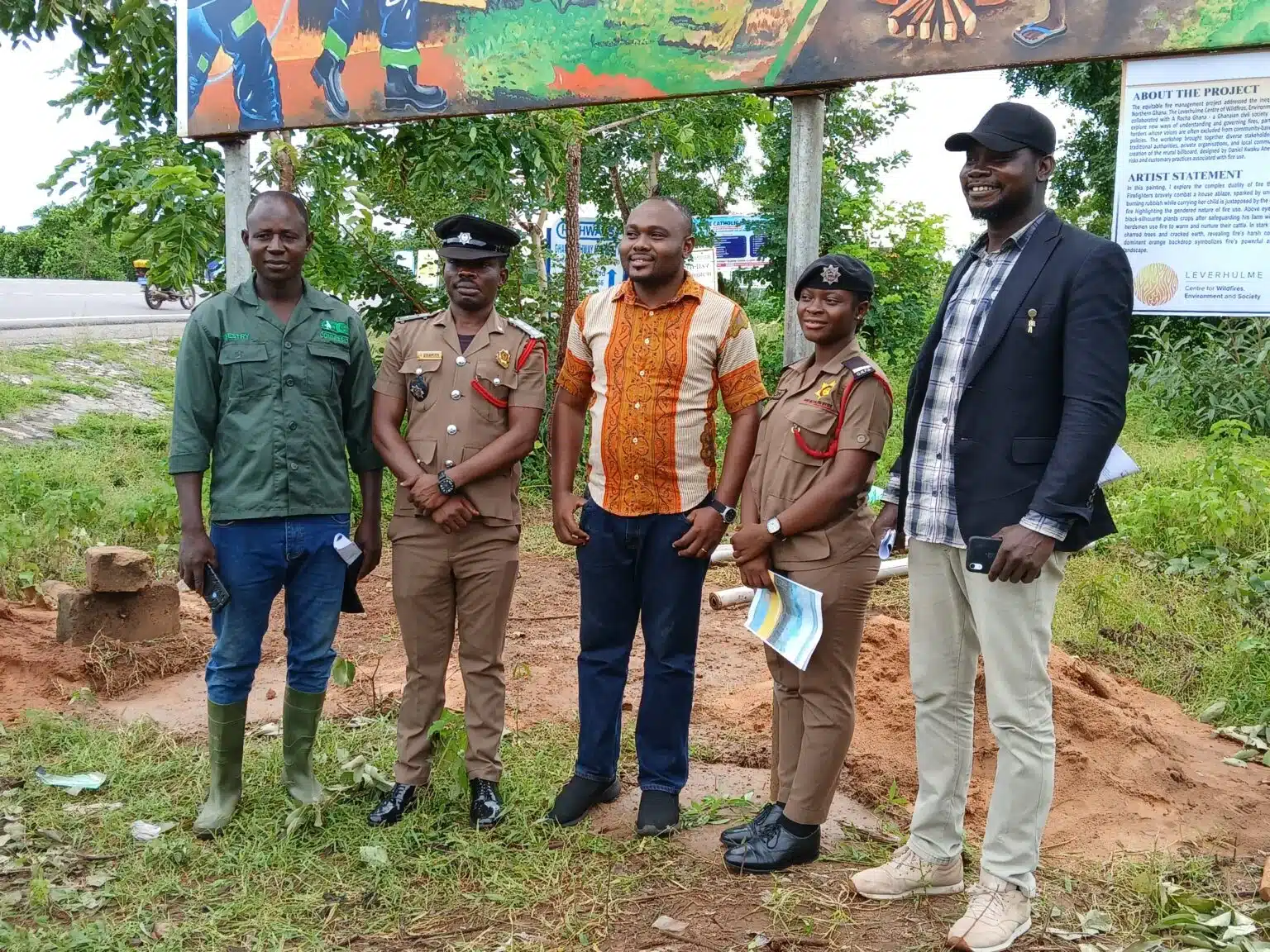
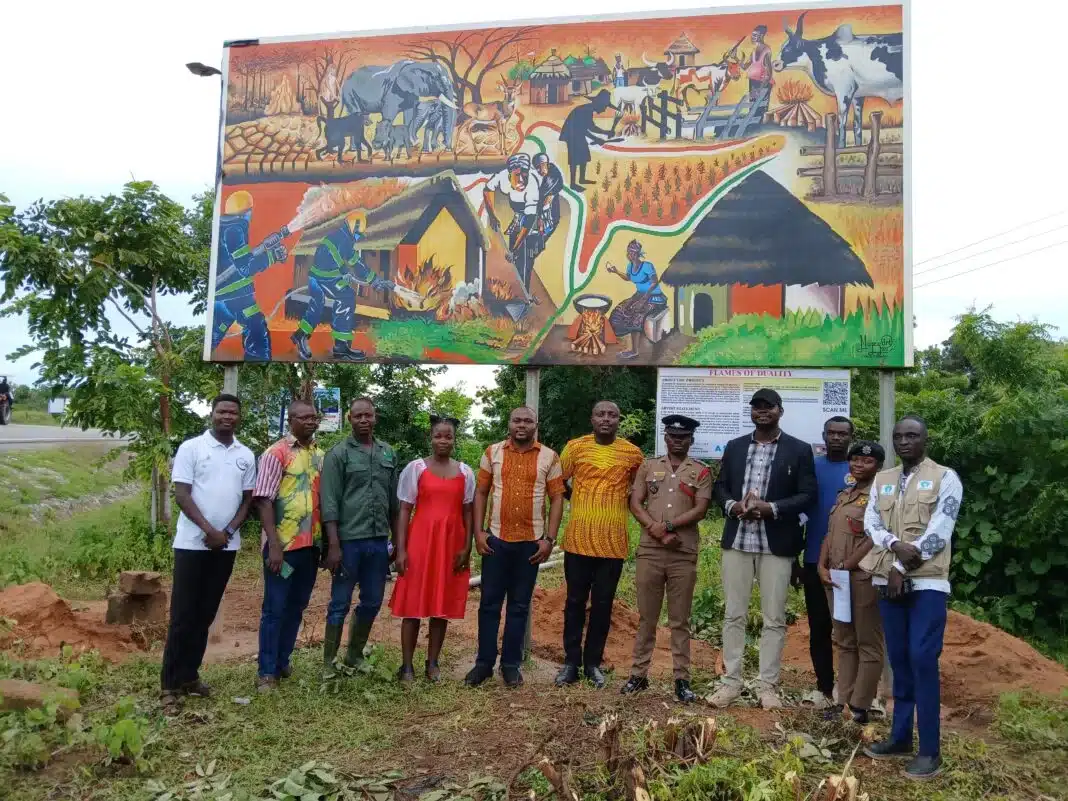
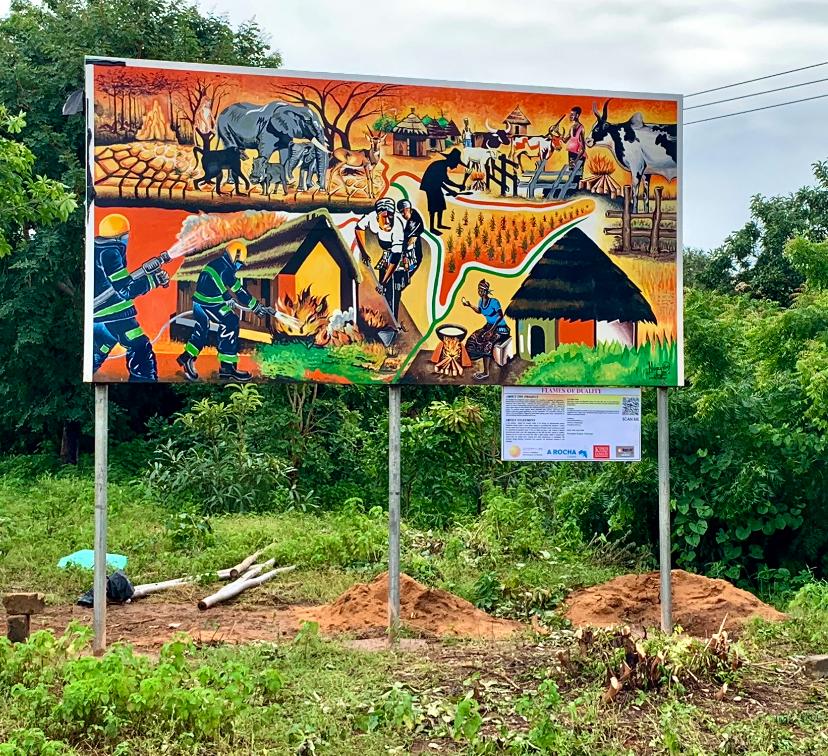
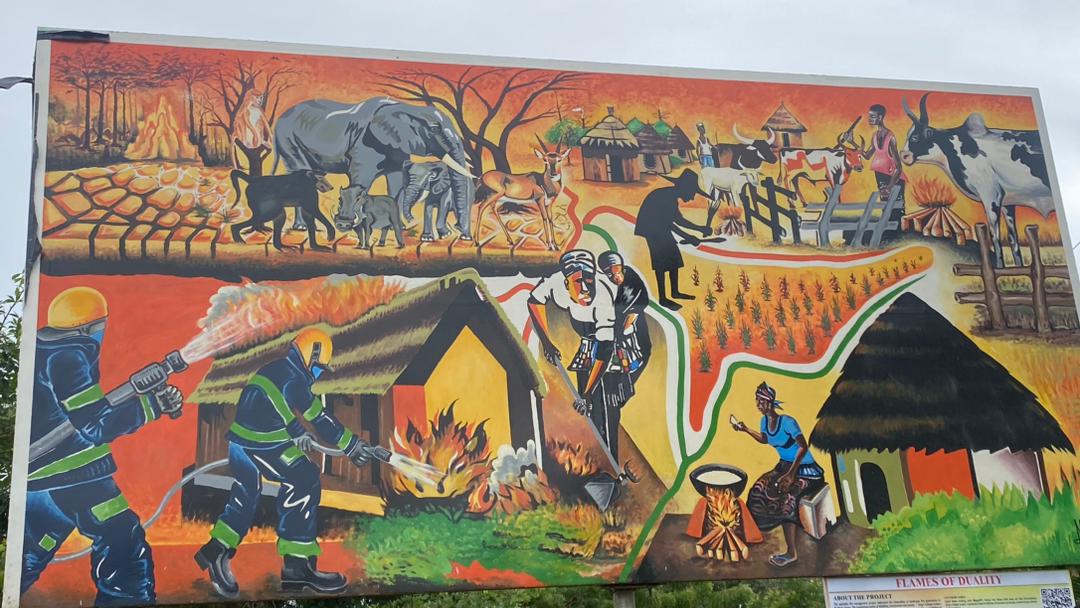
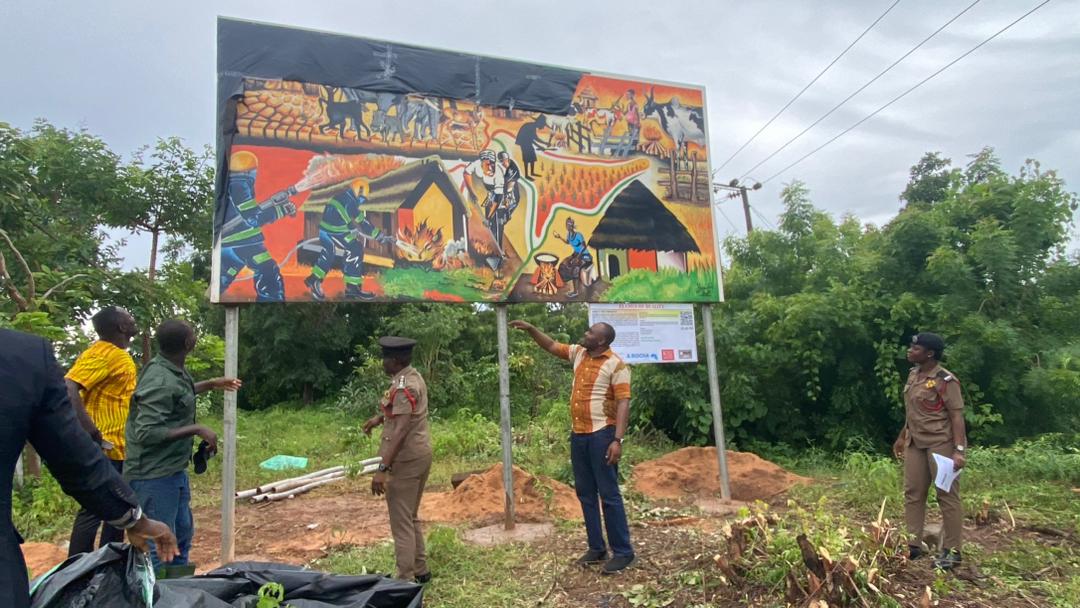
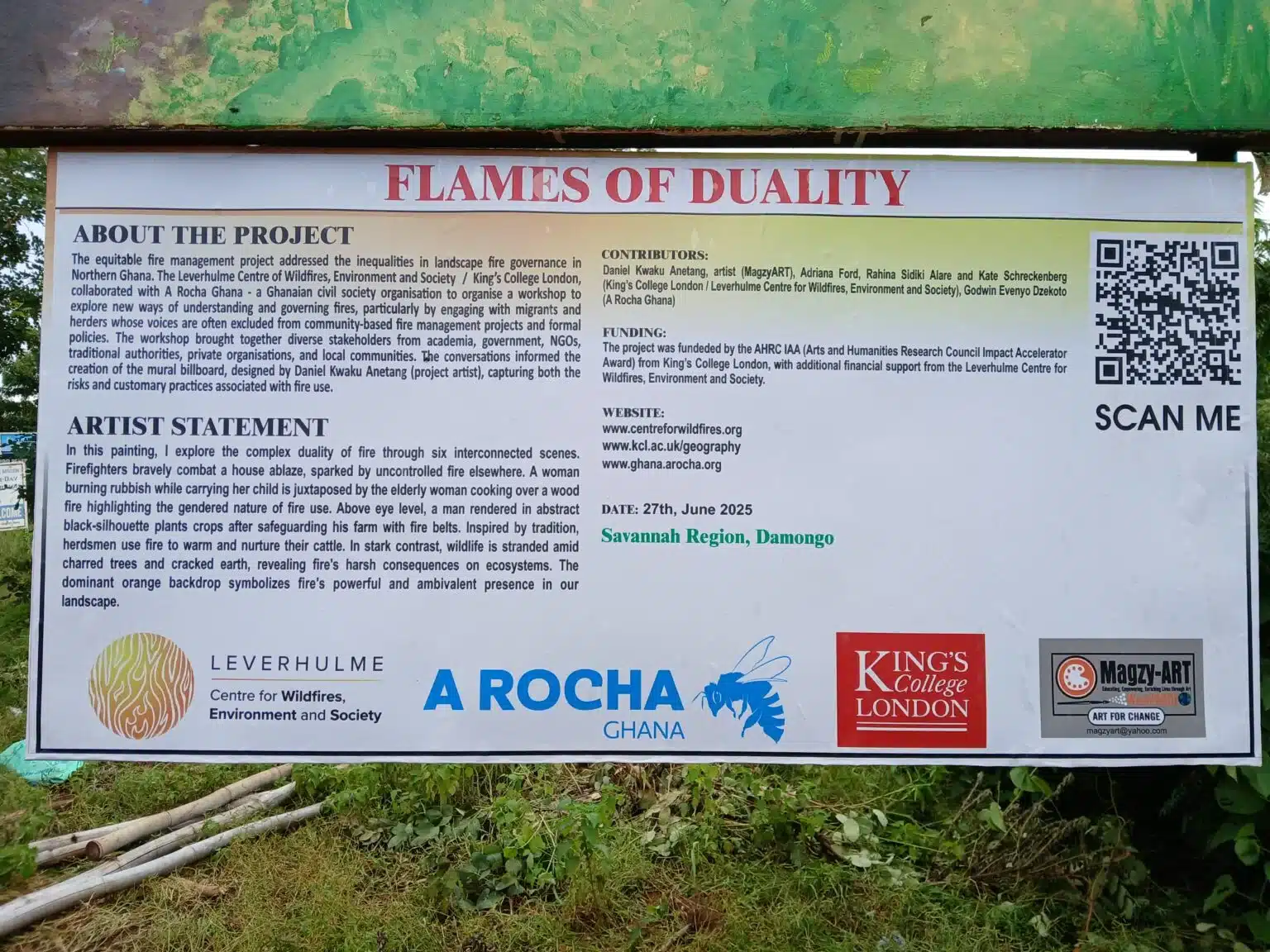
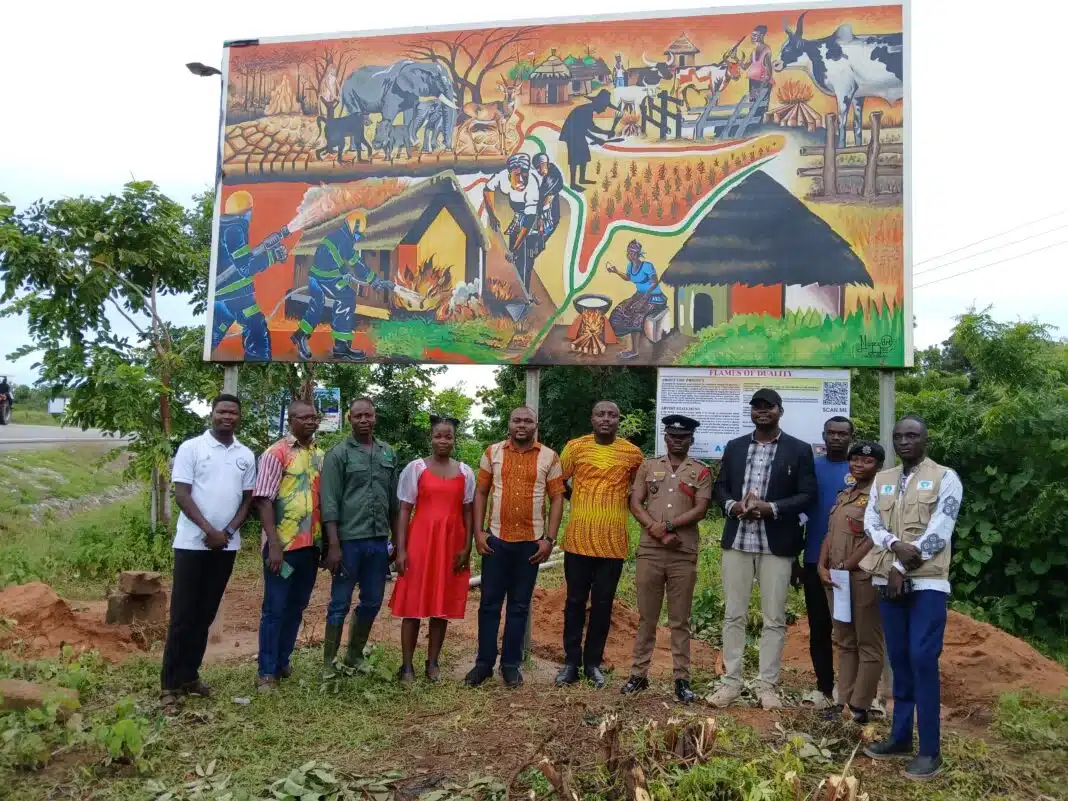
In a remarkable fusion of art and advocacy, A Rocha Ghana, in partnership with the Leverhulme Centre for Wildfires and the Centre for Wildfires, Environment and Society at King’s College London, has unveiled a striking mural in Damongo.
Aptly named “Flames of Duality,” this powerful piece of public art aims to ignite conversations about equitable fire management in the Northern regions of Ghana.
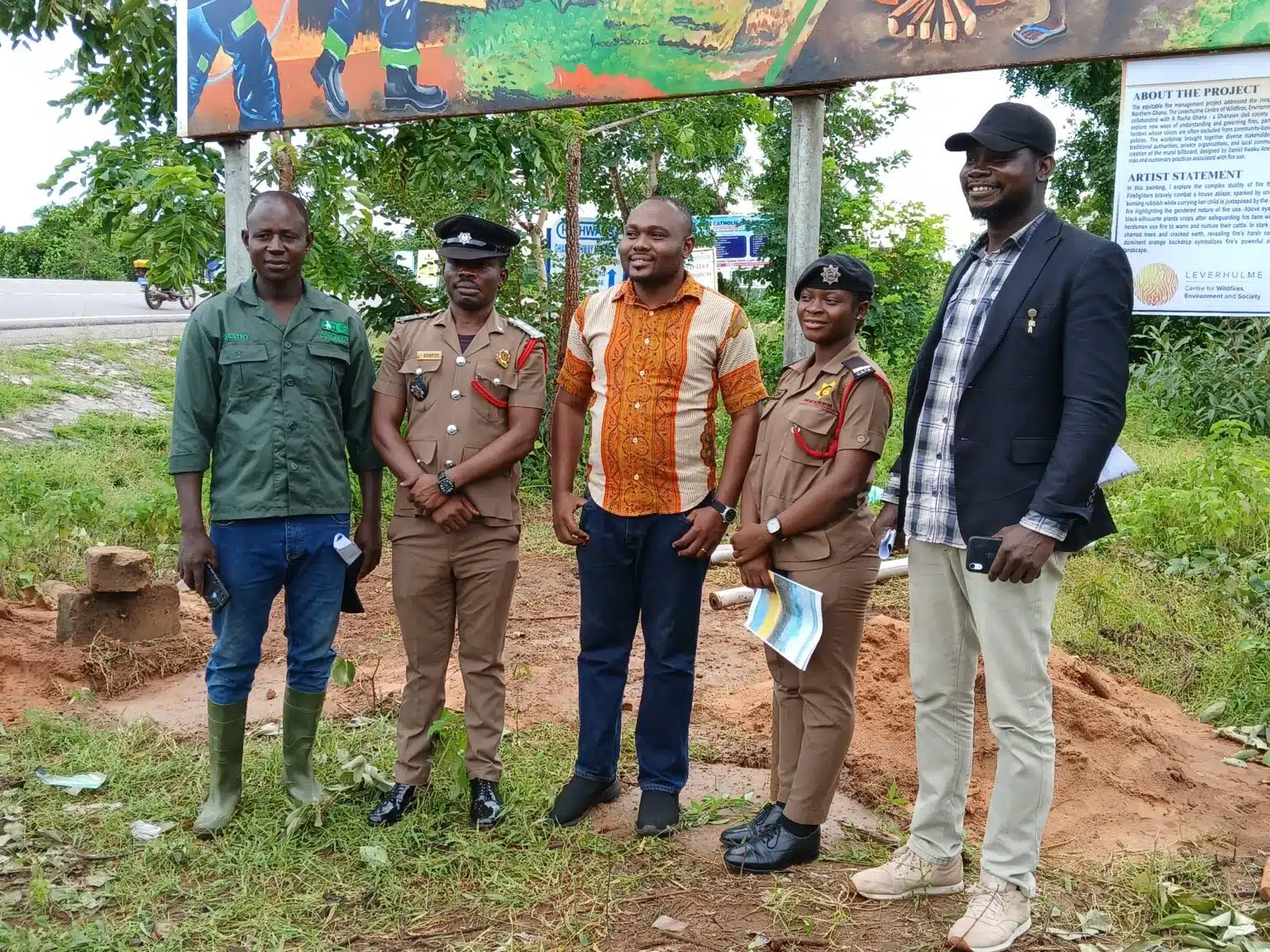
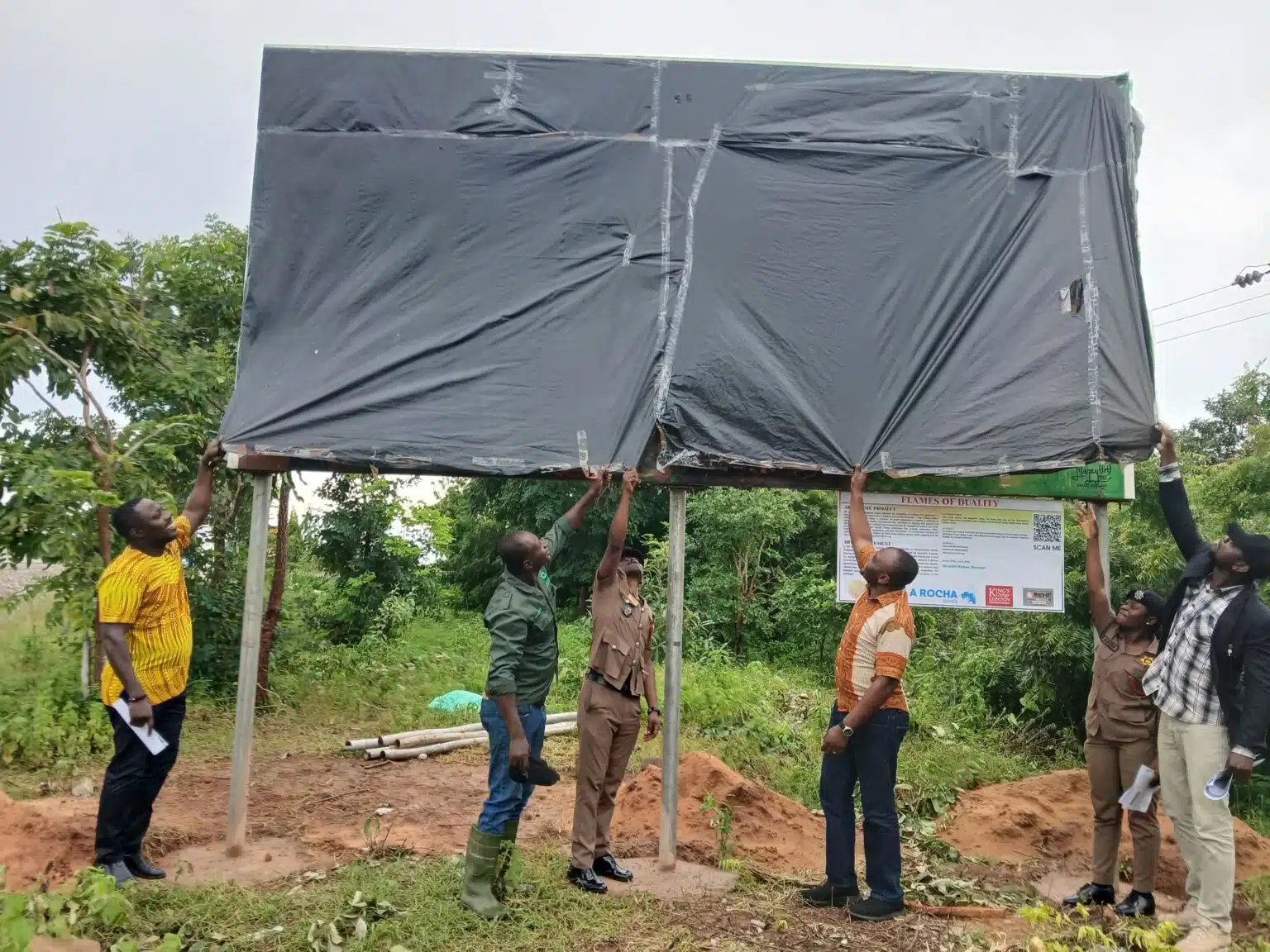
The unveiling event took place on Thursday, June 26, 2025, and was attended by officials from the Ghana National Fire Service and the Forestry Commission.
Advocacy Through Art
“Flames of Duality” is a compelling advocacy tool designed to foster discussions and promote sustainable practices in the Northern Savannah region.
It portrays diverse fire-related practices, both beneficial and harmful, seen across Northern Ghana, illustrating scenes like a firefighter in action, a woman using fire for cleaning, a farmer employing fire belts for crop protection, and a forest affected by fire.
This mural stands as a vivid reminder of the intricate relationship between fire and the people of Northern Ghana, advocating for responsible and inclusive fire management.
The Importance of Fire Management
Speaking at the unveiling ceremony, Mr. Godwin Evenyo Dzekoto, Northern Sector Manager for A Rocha Ghana, emphasized the need for proper fire management, adding that it is crucial for preserving ecosystems and supporting communities reliant on these landscapes.
“The savannas and forests of Northern Ghana have developed alongside natural fires, but human activities and climate change have disrupted these patterns. We know fires are very important to our livelihoods and ecosystem in Northern Ghana. Fires can be good servants but also dangerous masters,” he said.
Mr. Dzekoto highlighted the importance of inclusive dialogue in fire-related decision-making. “Often, the most vulnerable and marginalized groups are left out of these conversations, yet they are the most affected by fire,” he said.
According to him, “This advocacy tool challenges us to consider fire from a landscape perspective, urging all users to be mindful of their actions and their impact on the environment, wildlife, and livelihoods.”
Equitable Fire Management Policy
The mural is not all that there is to ensuring a holistic approach to fire management in the landscape. A policy brief titled “Equitable Fire Management in Ghana” has also been developed to guide sustainable and culturally sensitive practices.
This policy addresses the need for an inclusive strategy and recognizes different fire types and their conditions. It emphasizes adaptive management based on ecological factors rather than rigid schedules, aligning with local knowledge.
The policy also advocates for incorporating traditional fire knowledge into frameworks, valuing insights from chiefs, earth priests, women, herders, and migrants.
This collaborative approach is crucial for sustainable fire management that benefits both the land and its communities.
The project was made possible with funding from the KCLAHRC Impact Accelerator Award and the Leverhulme Centre for Wildfires, Environment and Society.
Grants for Third Party CSO Policy Influencing and Advocacy under the BRACE Project
The partnership of A Rocha Ghana, Wacam, and the Nature and Development Foundation, part of the BRACE Project, invites CSO applications for funding in three thematic areas aimed at enhancing policy influence and human rights in the extractive sector for sustainable environmental management and governance in Ghana.
Thematic Focal Area 1: General CSOs intervention for Sustainable Minerals Governance in the Extractive sector.
This funding targets CSOs working in the extractive sector. A total of four (4) CSOs will be selected based on defined eligibility criteria. The funding will support activities aligned with; evidence gathering, advocacy and engagement with duty bearers; awareness-raising with affected communities; and communications.
Total Budget under this theme is GHC 440,000 (GHC 110,000 for each successful applicant organisation).
Thematic Focal Area 2: CSO’s working in CREMA landscapes.
This support is for CSOs located within the operational ares of the targeted CREMAs below to support in the implementation of CREMA management plans, with focus on the following areas: Resource Utilisation, Resource Improvement, Resource Monitoring, and Resource Protection. Targeted CREMAs include;
Total Budget for this thematic area is GHC 220, 000 (GHC 110,000 for each successful applicant per organization).
N.B; CSOs should be operational within the region/district where the CREMAs are located
Thematic Focal Area 3: Flexible Funding for CSOs on General Environmental Related Policy Influencing and Advocacy Interventions
Year 1 (2025): 2 CSOs will be selected. Year 2 (2026): 1 CSO will be selected.
Total Budget for this thematic area is GHC 38,500 per organization. N.B Each applicant may apply to only one thematic area. Multiple applications across different themes will not be considered.
Deadline: June 20, 2025
Click the button below for more details and instructions on how to apply.
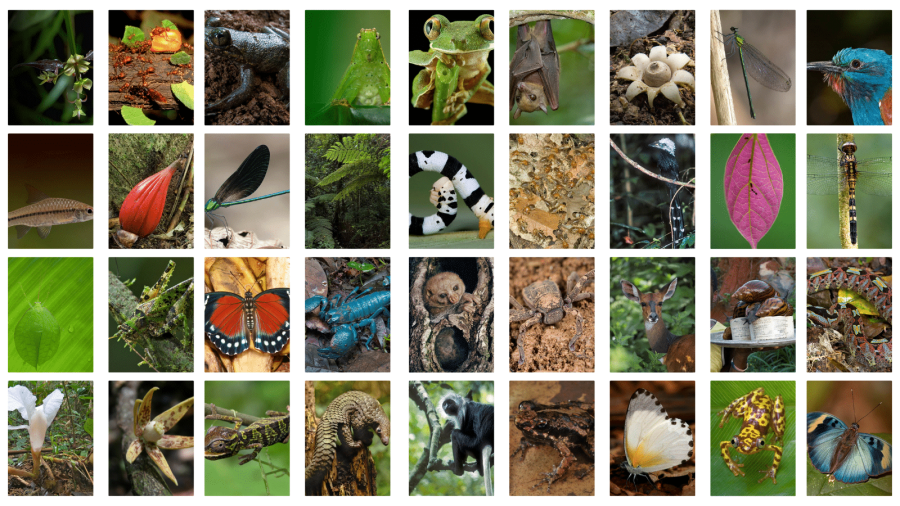
The UN International Day for Biological Diversity (May 22) raises awareness about biodiversity threats, crucial for human survival. The 2025 theme, “Harmony with nature and sustainable development,” emphasizes aligning the 2030 SDGs with the Kunming-Montreal Global Biodiversity Framework (KMGBF)—a universal pact for nature.
The KMGBF’s 23 action targets (2030 goals, 2050 vision) provide a roadmap to halt biodiversity loss through habitat protection, species conservation, sustainable resource use, and fair benefit-sharing. These targets complement global commitments like the SDGs and the Convention on Biological Diversity, adapting to national contexts. Adopted in 2022, they aim to reverse biodiversity decline by 2030.
Why biodiversity is essential for our socio-economic development
Biodiversity forms the backbone of healthy ecosystems, directly supporting essential services such as clean air and water, crop pollination, climate regulation, protection from natural disasters, recreation, and cultural inspiration. These ecosystem services are vital for human health, livelihoods, and food security, as they ensure that we have access to medicines, food crops, and other natural resources. The interdependence between biodiversity and ecosystem services underscores its importance for sustaining human life.
The loss of biodiversity can have profound consequences, threatening to destabilize ecosystems and affect global climate patterns. This destabilization can disrupt the very services that biodiversity supports, leading to a cascade of negative impacts on human health and food security. Therefore, preserving biodiversity is not only crucial for maintaining ecosystem balance but also for ensuring global economic stability and resilience against environmental changes.
How the KMGBF Targets Address Sustainable Development Goals
Protecting and restoring key habitats (SDGs 14, 11,15) such as forests, wetlands, and coastal areas is fundamental to preserving biodiversity. These efforts are intrinsically linked to species conservation, as safeguarding habitats directly reduces the risk of species extinction, boosts species abundance, and ensures the protection of threatened species.
In tandem, promoting sustainable resource use (SDGs 1, 2,3, 8,12, 14,15) in sectors like fisheries, forestry, and agriculture is essential to minimize adverse impacts on biodiversity, ensuring that natural resources are used responsibly and efficiently. This sustainable approach naturally extends to equitable benefit sharing, where the framework stresses the importance of distributing the benefits of biodiversity fairly, particularly to Indigenous Peoples and local communities who are often stewards of these resources.
Addressing pollution and climate change (SDGs 3,6,7,13) is also central to the framework, as these are significant threats to biodiversity. By advocating for clean energy, reducing pollution, and implementing climate adaptation and mitigation strategies, the framework aims to create a healthier environment for all living organisms.
Lastly, achieving gender equality (SDGs 4,5,9) is crucial, as empowering women and recognizing their roles in biodiversity conservation can lead to more effective and inclusive conservation efforts. The Women4Biodiversity initiative for instance, explores how each target can address the unique challenges and opportunities faced by women and girls in this vital field, ensuring that their contributions are recognized and valued.
Overall, the GBF provides a roadmap for achieving the 2030 Agenda for Sustainable Development by recognizing the critical role of biodiversity in achieving the SDGs. It highlights how biodiversity is interconnected with various aspects of sustainable development, from food security and water resources to healthy oceans and ecosystems.